3 Essential Things Indoor Cats Need That Many Homes Overlook
Most cat owners would say they take good care of their pets. The food bowl is full, the litter box is clean, and the cat has a warm place to sleep. Yet despite the best intentions, a large number of indoor cats are living in environments that quietly work against their wellbeing. The problem isn’t neglect – it’s a gap between what humans think cats need and what cats actually require to thrive. Three things in particular get overlooked surprisingly often, and understanding them could make a real difference for your cat.
1. Consistent Mental Stimulation and Behavioral Enrichment
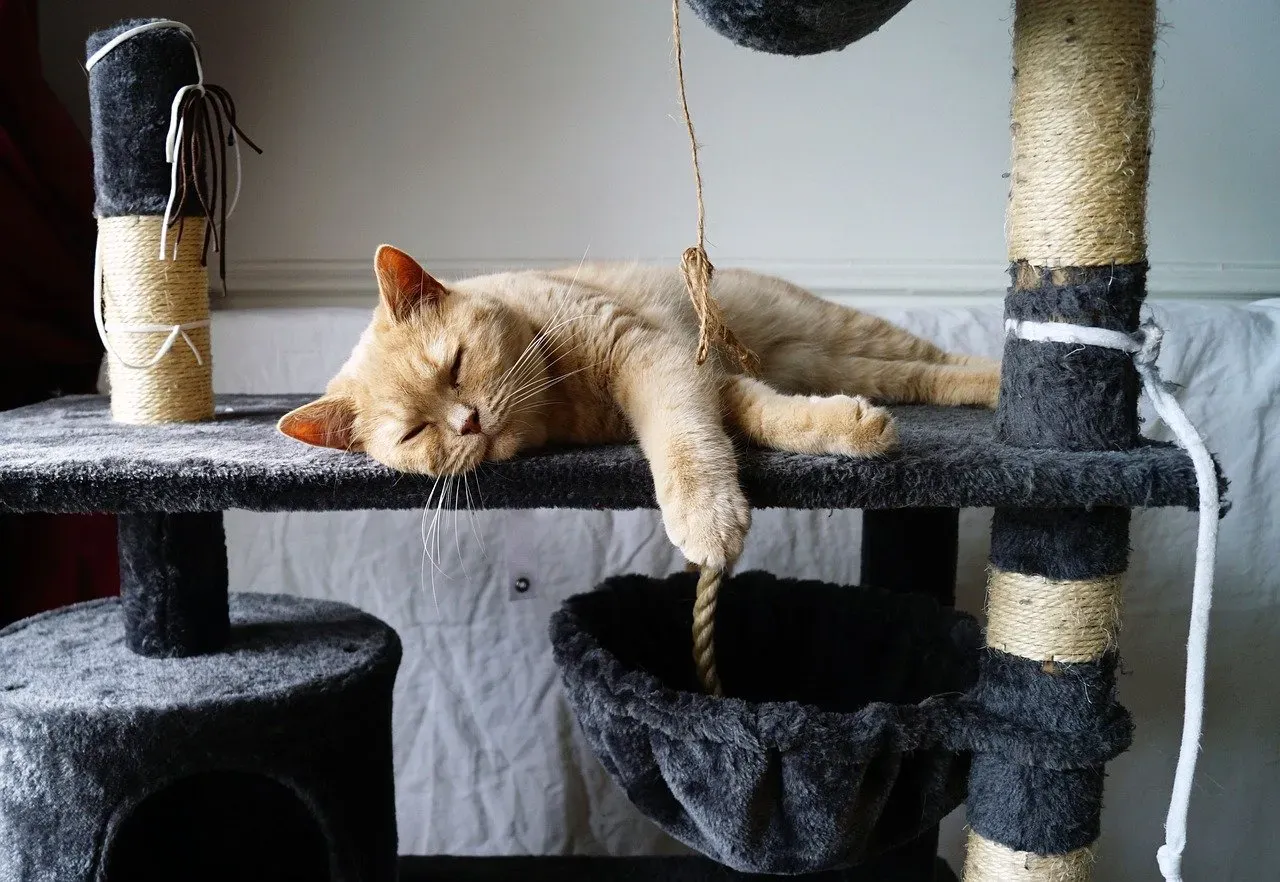
Indoor cats, unlike their outdoor counterparts, have limited exposure to the wide range of sights, sounds, and smells that nature offers. While outdoor cats can engage their natural instincts through hunting, climbing, and exploring, indoor cats rely solely on their owners to create stimulating environments. That’s a significant responsibility, and one that many households underestimate. Cats are naturally curious and driven to explore, hunt, and interact with their environment. Without adequate outlets, they can experience boredom, stress, and even develop health issues.
According to a 2024 report in the Journal of Feline Medicine and Surgery, environmental enrichment reduces stress-related behaviors in cats by up to 30% and lowers the incidence of obesity, a condition that affects 60% of indoor cats in the U.S. The consequences of missing this mark go beyond a grumpy cat. A cat that isn’t mentally stimulated may experience stress, anxiety, or even depression. You might notice behavior changes like excessive grooming, hiding, vocalizing more than usual, or even becoming more aggressive – signs that your cat is feeling frustrated by their lack of stimulation. A 2024 Purina study found that interactive play reduced cat anxiety by 22%, which underlines how directly engagement affects emotional health.
2. Adequate Vertical Space for Climbing and Observation
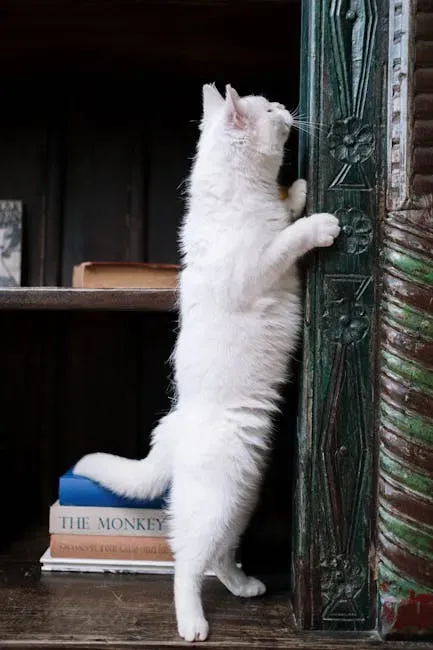
A critical aspect of a cat’s well-being is access to vertical space – areas such as shelves, scratching posts, or high perches where they can climb, rest, and observe their surroundings. Veterinary experts and feline behaviorists emphasize that vertical space is not a luxury, but a necessity for a cat’s physical and psychological health. Most living rooms offer floor space but almost nothing in the vertical dimension. Indoor cats face unique challenges due to their confined environment. Unlike outdoor cats that can climb trees or fences, indoor cats rely on their owners to provide vertical opportunities. Without these, they may become stressed or sedentary.
A 2024 study in Applied Animal Behavior Science found that cats with access to vertical spaces had 20% lower cortisol levels, indicating reduced stress. The physical benefits are just as compelling. Regular climbing strengthens muscles, improves balance, and maintains joint flexibility – especially important for indoor cats who might otherwise lead sedentary lives. In homes with more than one cat, vertical space matters even more: in households with multiple cats, wall climbers can significantly reduce territorial disputes, with studies showing a 25% reduction in inter-cat aggression when adequate vertical space is provided. Veterinary guidelines from the American Association of Feline Practitioners (AAFP) recommend creating “cat-friendly” homes with ample vertical space to mimic a cat’s natural habitat.
3. Proper and Accessible Hydration
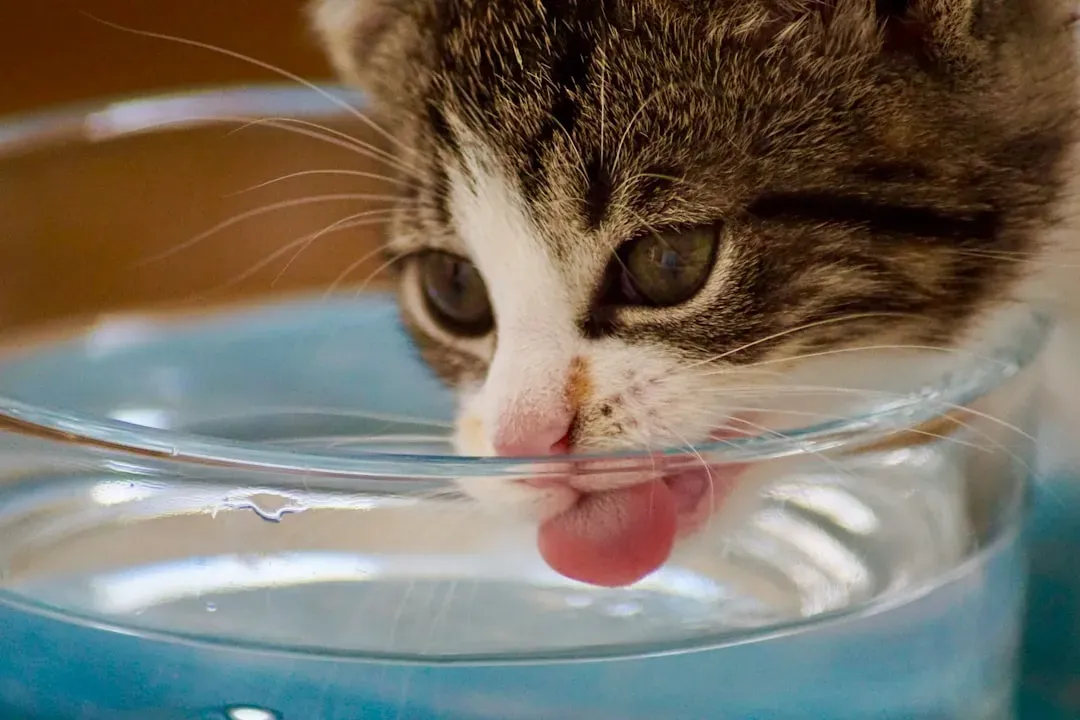
A cat’s ancestors were desert dwellers and obtained much of their hydration from eating live prey. While this kept them hydrated in the past, it can lead to health problems for domesticated cats if they do not receive enough water. Many owners set out a single bowl of water and assume the job is done. The reality is more complicated. Given that a significant portion of cat owners feed a commercial dry diet, cats may require more free water from external sources. Despite this, it is often reported that cats are inefficient at drinking due to physiological and behavioral factors. Dry kibble contains only about 10% moisture, making it a poor source of hydration on its own.
Dehydration can cause a number of health problems, including decreased circulation leading to multi-organ dysfunction, an inability to control body temperature, cardiac arrhythmias, and neurologic dysfunction. There are many medical conditions that could lead to dehydration, and cats would greatly benefit from increasing their water intake especially if they have kidney disease, cystitis, urinary stones, or diabetes. The fix is often simpler than people expect. Feeding a cat wet food, which is 70–80% water, is a great way to increase their hydration. Cats can be prompted to increase their water intake by always having fresh water available in places that they can easily access and by assuring that there are no conflicts among cats or other pets that may result in a particular cat being blocked from the water bowl. Placement, bowl material, and freshness all play a real role in whether a cat will drink enough each day.