I Asked ChatGPT Which 8 Cities May Be Hard to Live In by 2050 – Here’s What It Said
Somewhere between a casual experiment and a genuinely unsettling rabbit hole, I decided to ask ChatGPT a simple but loaded question: which cities around the world might become seriously difficult to live in by 2050? The answers it came back with were not just interesting – they were backed by real climate science, and more than a little alarming.
What makes this topic so gripping is that 2050 is not some distant science-fiction scenario. It’s within the lifespan of most mortgages being signed right now. Many places will be uncomfortable if not intolerable by 2050 – around the lifespan of most mortgages – meaning we need to start planning where we make our homes now. So let’s get into what ChatGPT flagged, and more importantly, what the research actually says.
1. Jakarta, Indonesia – The City That Is Literally Sinking
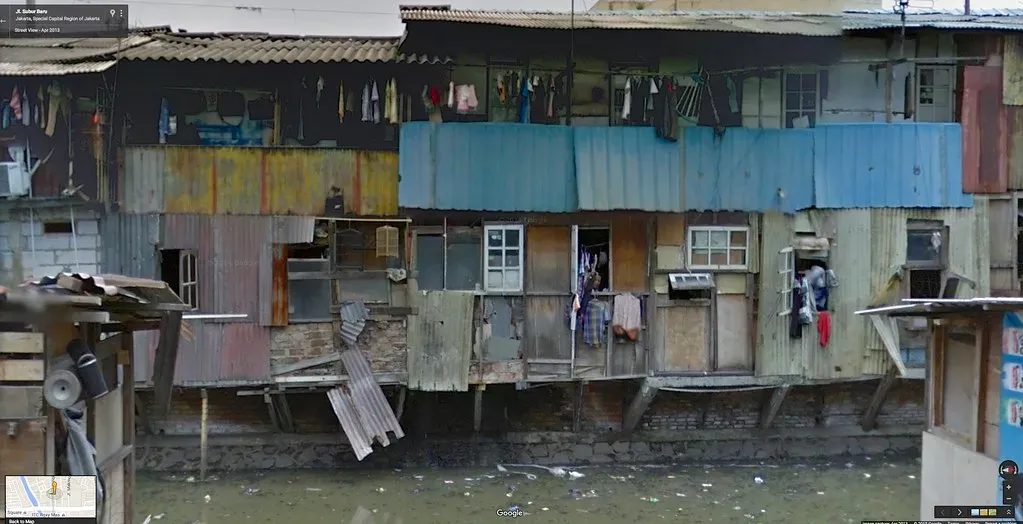
If there is one city in the world where the climate crisis feels most physically immediate, it is Jakarta. Jakarta, the pulsating heart of Indonesia, is sinking – literally. Home to over 10 million people, the capital is facing an existential crisis, with vast sections predicted to be underwater by 2050. That is not a metaphor. It is geology meeting policy failure in real time.
Jakarta’s sinking is driven by unchecked groundwater extraction, causing land compaction and collapse. Even without rising sea levels, subsidence alone threatens to make parts of the city uninhabitable. Around 40% of the city is already below sea level, and the northern part of Jakarta has sunk by 2.5 meters in the past decade, particularly along the Java Sea.
Every year, Jakarta sinks between 10 and nearly 150 millimeters on average – far more compared to cities like New York or Venice, which sink only 1 to 2 millimeters per year. The Indonesian government has acknowledged just how dire things are. Faced with this crisis, Indonesian President Joko Widodo announced in 2019 the construction of a new capital city, Nusantara, officially inaugurated on 17 August 2024, coinciding with Indonesia’s Independence Day.
2. Miami, Florida – Paradise on Borrowed Time
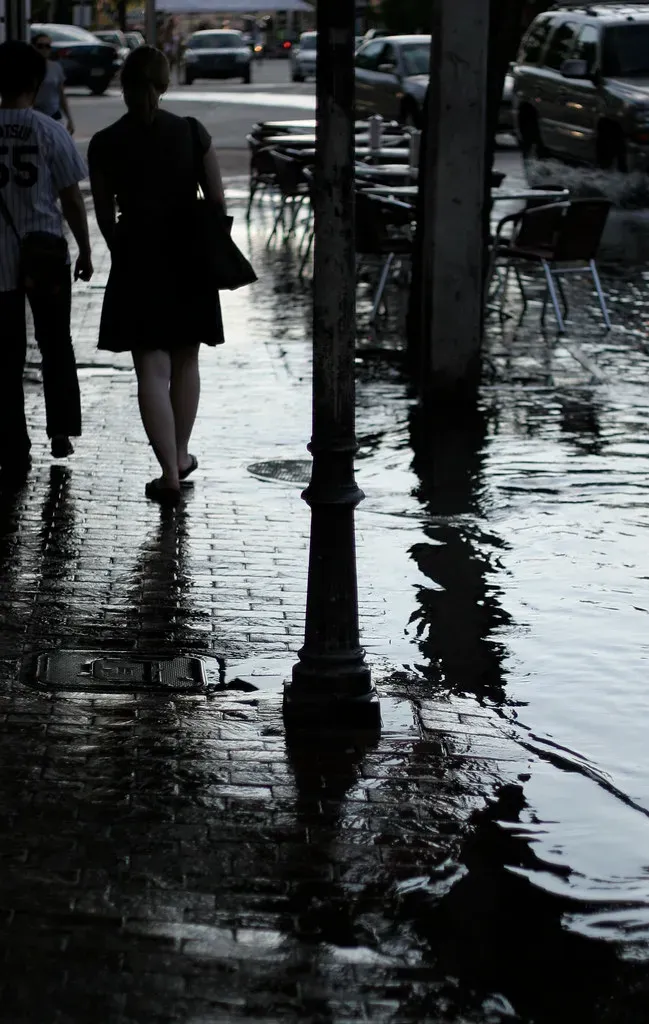
Miami is a city that seems almost engineered to dazzle. Sun, beaches, nightlife, luxury real estate. But underneath all of that glossy surface, there is a geological problem that no amount of money can fully solve. The reason why Miami’s future is so dire has to do with geology: the city sits on a foundation of porous limestone. This means that even if the city were to erect 50-foot seawalls to prevent storm surges, it would still have to deal with water rising via the pores in the city’s foundation.
By 2050, seas could be roughly one foot higher or more in South Florida, worsening storm surges. Miami also lies in the crosshairs of hurricanes – in 2017, Hurricane Irma sent shockwaves up Biscayne Bay and flooded downtown streets. On top of water issues, Miami endures extreme heat, feeling like 100°F or more with humidity on many summer days.
Miami now has the second-highest average home insurance cost in the nation, at nearly $17,000 per year, as insurers retreat from the market. That number alone should tell you something. The combination of rising seas, stronger hurricanes, and groundwater intrusion makes it arguably the most climate-endangered city in the United States.
3. Phoenix, Arizona – Baking in Its Own Concrete Oven
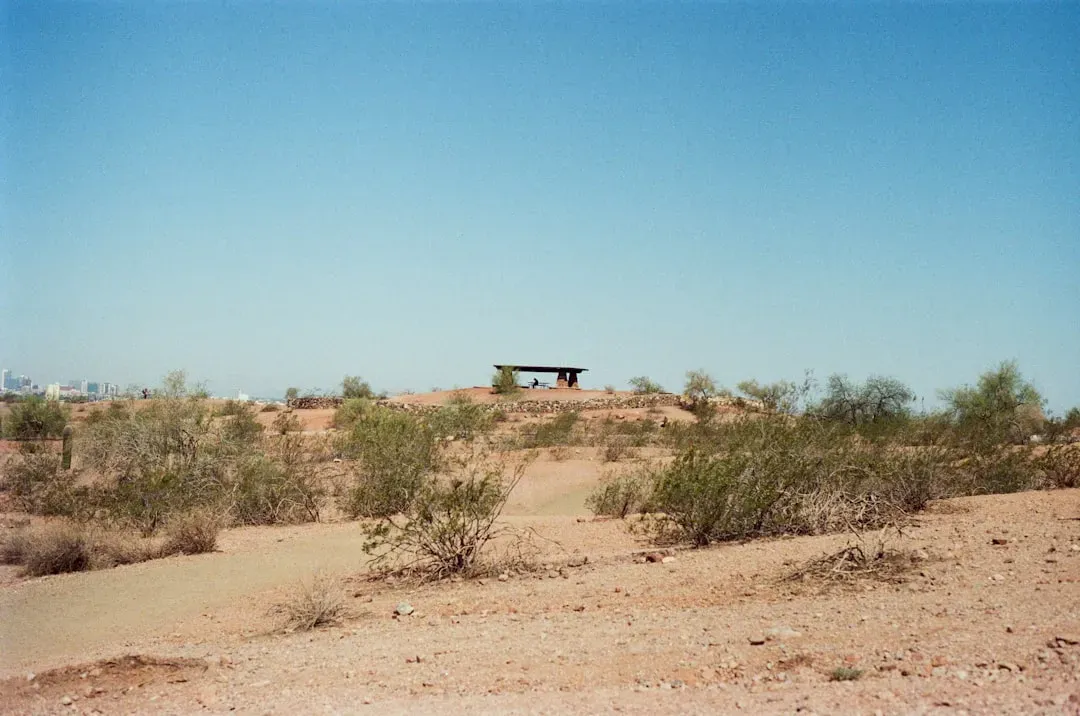
Honestly, when I first saw Phoenix on ChatGPT’s list, I wasn’t shocked. But I was shocked by just how specific and grim the data is. In 2024, Phoenix recorded a staggering 70 days at or above 110 degrees Fahrenheit. Think about that. More than two months of your year spent in temperatures that can genuinely kill you if you step outside without preparation.
By 2050, people in Phoenix are projected to experience an average of about 47 days per year over 110°F. Yuma County will see a 33% increase in days above 110 degrees Fahrenheit by 2050, while Maricopa County, where Phoenix is located, will see a 39% increase. These are not fringe projections – these come from climate risk modeling applied to real census data.
The average flow of the Colorado River has already declined nearly 20% since 2000, with half of that attributable to rising temperatures. Temperatures in the Basin are predicted to rise another 2 to 5 degrees Fahrenheit by 2050, which could reduce river flows by another 10 to 40%. In 2023, 645 people lost their lives in Maricopa County due to heat. That’s not a future warning. That already happened.
4. Bangkok, Thailand – Sinking Beneath Monsoons and Rising Seas
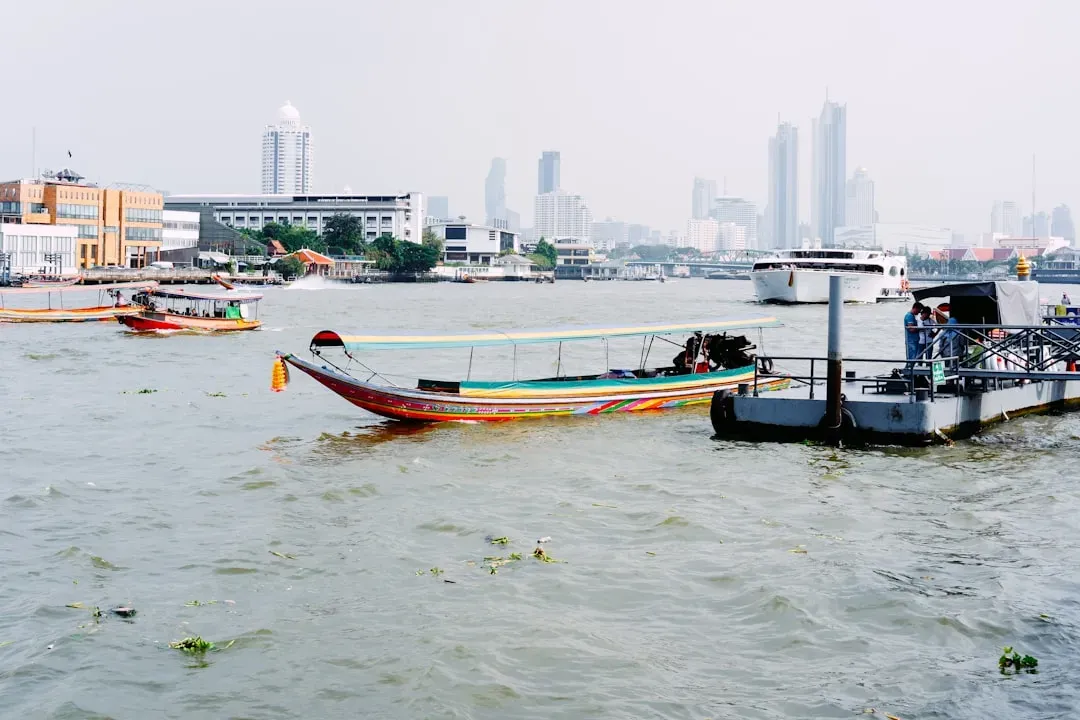
Bangkok is a city of contradictions – extraordinary street food, golden temples, relentless energy – and an average elevation of just 1.5 meters above sea level. That last fact is the problem. The 2050 Climate Change Index ranked the Thai capital of Bangkok as the world’s most vulnerable city to sea level rises. A fifth of the city was reported underwater in 2011 when the region suffered its worst monsoon flooding.
Bangkok is at an extremely high risk of sinking mainly due to ocean thermal expansion and ice melt. Combined with the predicted increase in the frequency of extreme weather events, one-third of the Thai capital could be completely submerged by 2050 and up to 11 million people displaced as a result.
Extreme temperatures will drive productivity losses of $84 billion annually by 2050 across 12 global cities, Bangkok included. While some cities are proactively working on coastal management, the Thai government has faced criticism from climate scientists for failing to implement adequate action towards preventing the massive issues related to their precarious situation. It’s hard to say for sure how the city will respond, but the window for decisive action is getting very narrow.
5. New Orleans, Louisiana – Already Fighting the Ocean, and Losing Ground
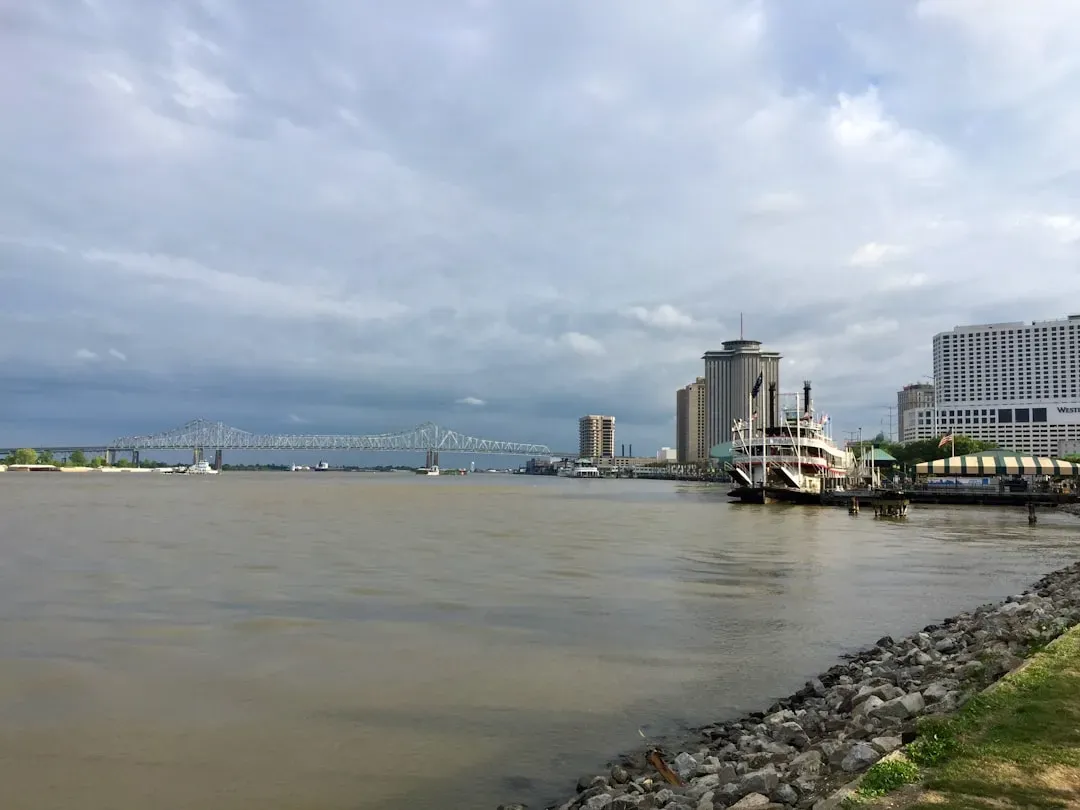
New Orleans has been at war with water for centuries. After Hurricane Katrina in 2005, the city proved it could be brought to its knees by a single storm event. The devastating impacts of extreme weather events on the low-lying coastal city were clearly demonstrated when Hurricane Katrina triggered deadly floods in 2005. On that occasion, half of New Orleans dropped below sea level, resulting in over 1,800 fatalities and $150 billion in damage.
According to Policygenius, by 2050, 99% of homes in New Orleans will be in a 100-year flood plain, which is a 66% increase from how many homes are currently in flood plains today. This is, according to the calculations made by Policygenius, the biggest predicted flood risk increase for any city in the United States. Let that sink in for a moment.
Sea levels in Louisiana could rise, on average, by about one foot by 2050 and up to two feet by the end of the century. Under a more extreme scenario, sea level rise could see 97% of the population in New Orleans displaced. That would essentially mean the near-total evacuation of a major American city. It sounds extreme. The data says it is possible.
6. Houston, Texas – Floods, Heat, and a City Stretched Too Thin
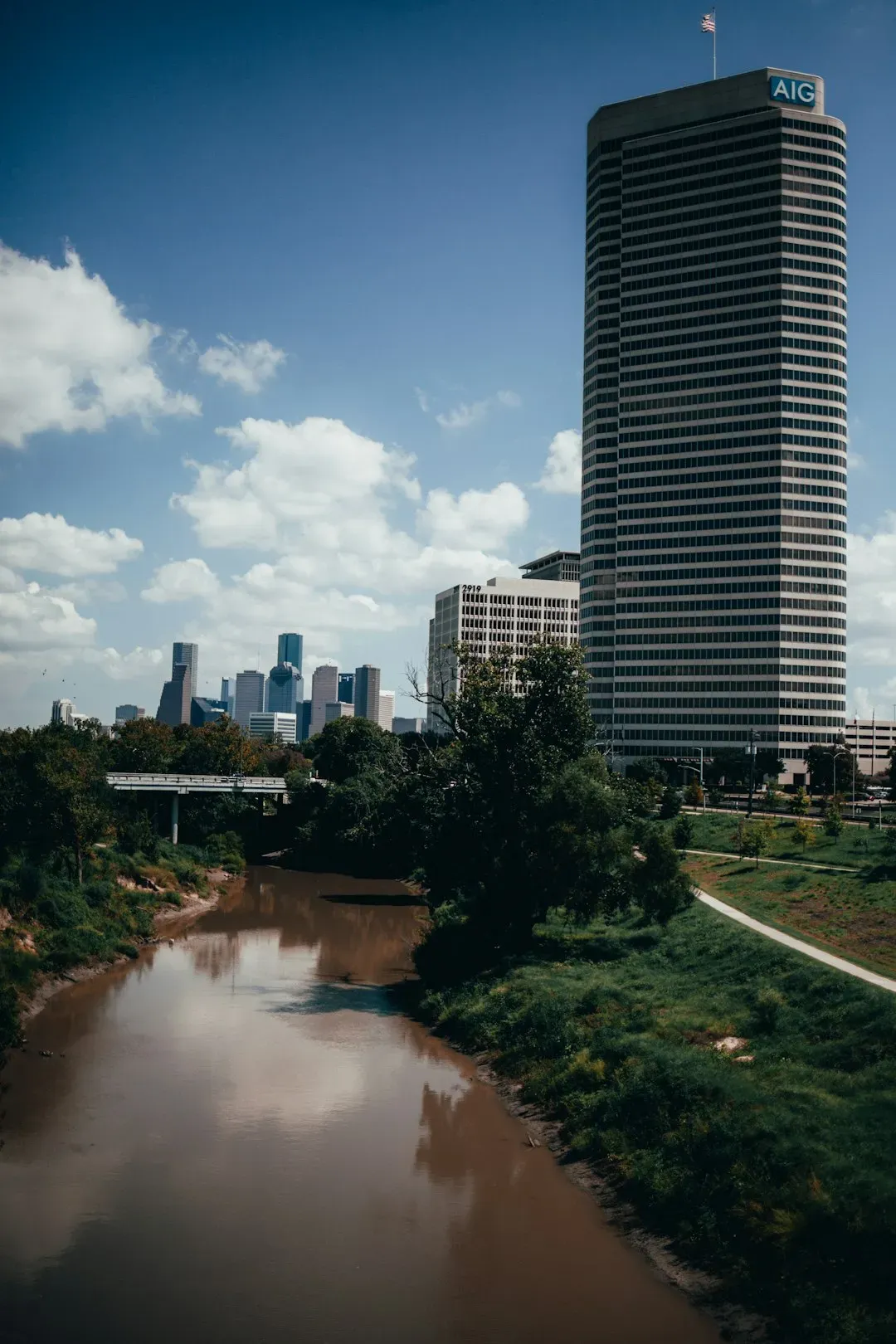
Houston is one of those cities that keeps getting hit and keeps rebuilding. Hurricane Harvey in 2017 dumped more than 60 inches of rain in some areas, breaking all U.S. rainfall records for a single storm. The city has barely caught its breath since then, and the science says things will get worse. Two-thirds of Houston structures could experience severe flood damage by 2050, absent mitigation. In addition, Houston’s subtropical climate is getting hotter – extreme heat days and warm nights are on the rise, straining the power grid during summer.
The city also struggles with industrial pollution, as it is a petrochemical hub, compounding environmental stresses like poor air quality on hot days. FEMA scores Houston’s community resilience as low, with expected annual losses per capita at approximately $507. Insurance costs are soaring, averaging $5,500 per year – double the U.S. norm. That is a financial warning signal that many residents are already feeling in their wallets.
Houston has launched a Resilient Houston plan to adapt, with one innovative goal being to restore native prairie and wetland plants along bayous to enhance drainage and to remove all homes from the highest-risk floodway by 2030. It is a bold plan. Whether the timeline is realistic given the scale of the challenge remains an open question.
7. Dhaka, Bangladesh – A Megacity Overwhelmed Before 2050 Even Arrives
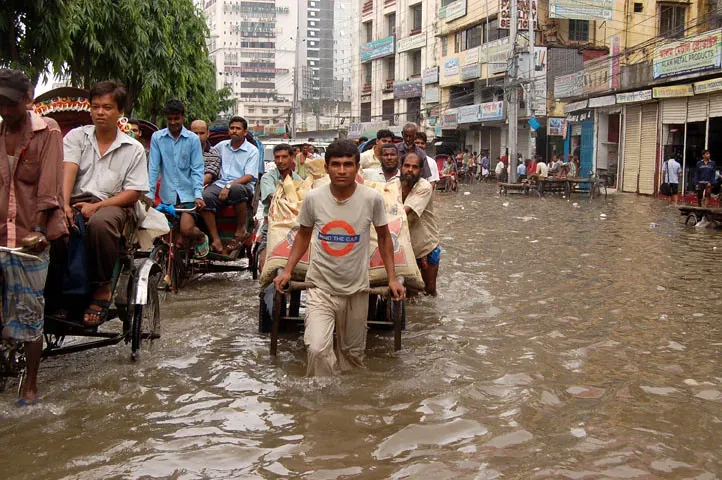
Dhaka rarely makes Western headlines, but it arguably faces the most brutal combination of climate risks of any large city on the planet. With a population of over 22 million, it is one of the most densely packed urban areas in the world, and it is built on land that is rapidly becoming hostile to human life. According to the World Economic Forum, by 2100, Dhaka, Bangladesh, with a population of 22.4 million, could be entirely drowned or have vast tracts of land underwater and unusable.
Climate change is exacerbating existing inequalities, as the urban poor and other marginalized groups find themselves facing its most extreme impacts with the least resources. Dhaka embodies this perfectly. Informal settlements with no flood protection are the norm across huge swaths of the city. Informal settlements and slums – typically situated in environmentally sensitive areas and lacking in protective infrastructure – often bear the brunt of climate-related disasters or extreme events.
For large portions of the world, local conditions are becoming too extreme and there is no way to adapt. People will have to move to survive. Dhaka is a city where that sentence is not an abstraction. It is already the lived experience of millions, and it will intensify dramatically by 2050 if no meaningful intervention arrives.
8. Lagos, Nigeria – Africa’s Fastest-Growing City, Facing a Tidal Threat
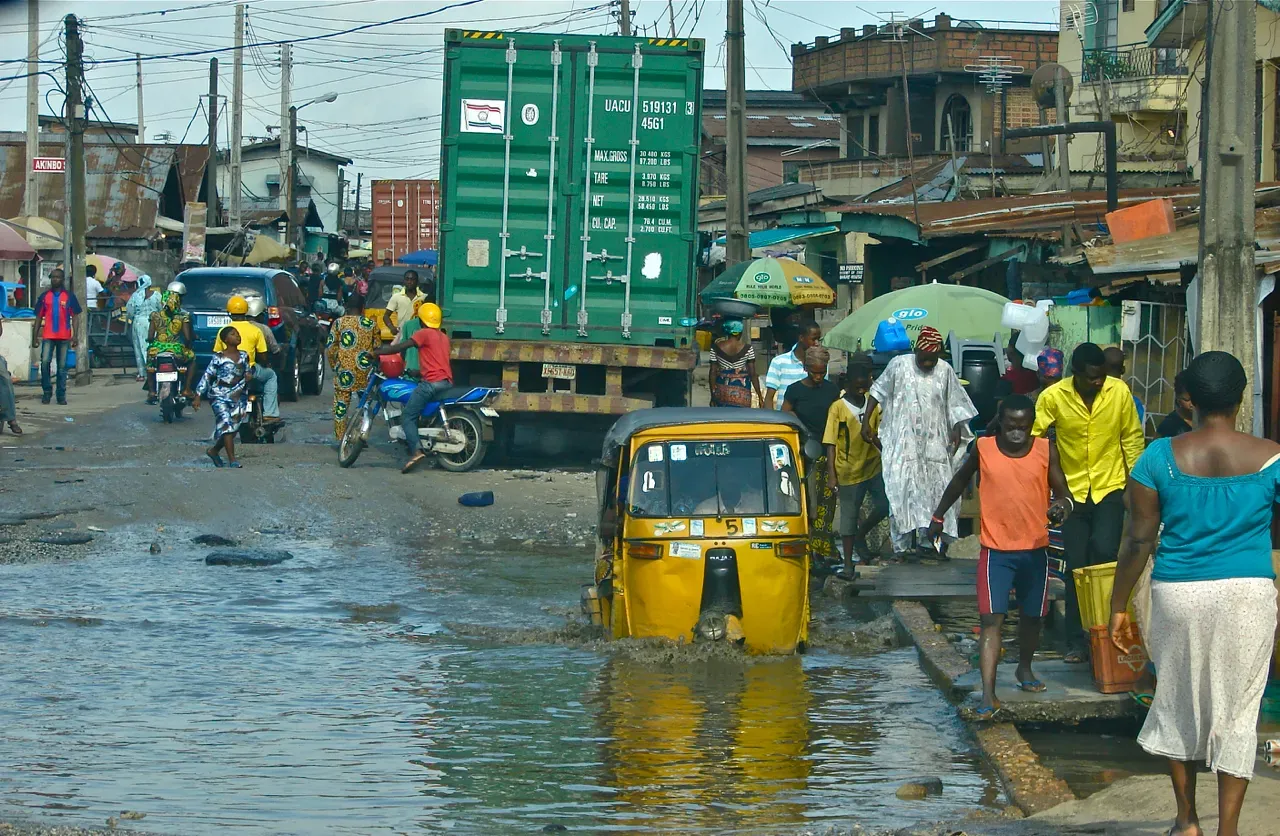
Lagos is extraordinary. It is chaotic, creative, wildly energetic, and home to somewhere between 15 and 20 million people depending on how you count. It is also sitting on one of the most flood-vulnerable coastlines in Africa. According to the World Economic Forum, Lagos, Nigeria, with a population of 15.3 million, could be entirely drowned or have vast tracts of land underwater and unusable by 2100. The pressure building toward 2050, however, is already significant.
Cities are both the victims of climate change and among its worst offenders. From flooding to heatwaves, powerful storms to drought, urban areas frequently find themselves on the frontline of the climate crisis. Many of the world’s largest mega-cities concentrate millions of people and trillions of dollars in assets into areas that are becoming more vulnerable to sudden shocks with every passing year. Lagos checks every single one of those boxes.
The total urban population at risk from sea level rise, if emissions do not go down, could number over 800 million people, living in 570 cities, by 2050. Lagos will be one of them. Despite increasing recognition of their importance in the climate battle, cities continue to struggle to access adequate financial resources. Currently, most cities lack sufficient financing to deliver the level of climate action needed to ensure sustainable and climate-resilient urban futures. For Lagos, that financing gap is especially acute.
What strikes me most about this list is how different these cities are – a desert megalopolis, a sinking delta city, a coastal tourist haven, and a West African economic powerhouse – yet the forces threatening all of them follow a recognizable pattern. Rising seas, unmanageable heat, water stress, and infrastructure that was simply never built for the world we are now living in. The number of cities projected to exceed dangerous heat thresholds is expected to rise from 17 in the period of 2011 to 2040, up to 217 by 2071 to 2100, exposing up to 320 million residents. That trajectory is deeply sobering.
If these cities have one thing to teach us, it is that the challenge is not coming. In many places, it has already arrived. The only question left to ask is: how many of these cities could you see yourself living in right now – and what would you do if you had to leave?