Americans Are Skipping These 10 National Parks – Here’s Why
America has 63 official national parks. Together, they pulled in a record-shattering number of visitors in recent years, which makes the parks on this list all the more puzzling. While millions flock to Zion, Yellowstone, and the Great Smoky Mountains every summer, there is a quieter, stranger corner of the national park system that almost nobody ever sees.
The National Park Service reported 331.9 million recreation visits in 2024, a two percent increase from 2023 and nearly one million more visits than the previous record set in 2016. Impressive numbers overall. Yet the five least visited national parks combined attracted only around 86,000 recreational visitors in 2024, and those same five parks held the same bottom spots in 2022 and 2023. So what is going on? Why are Americans skipping these parks entirely? The answers are surprising, and sometimes a little humbling. Let’s dive in.
1. Gates of the Arctic National Park and Preserve, Alaska – 11,907 Visits in 2024
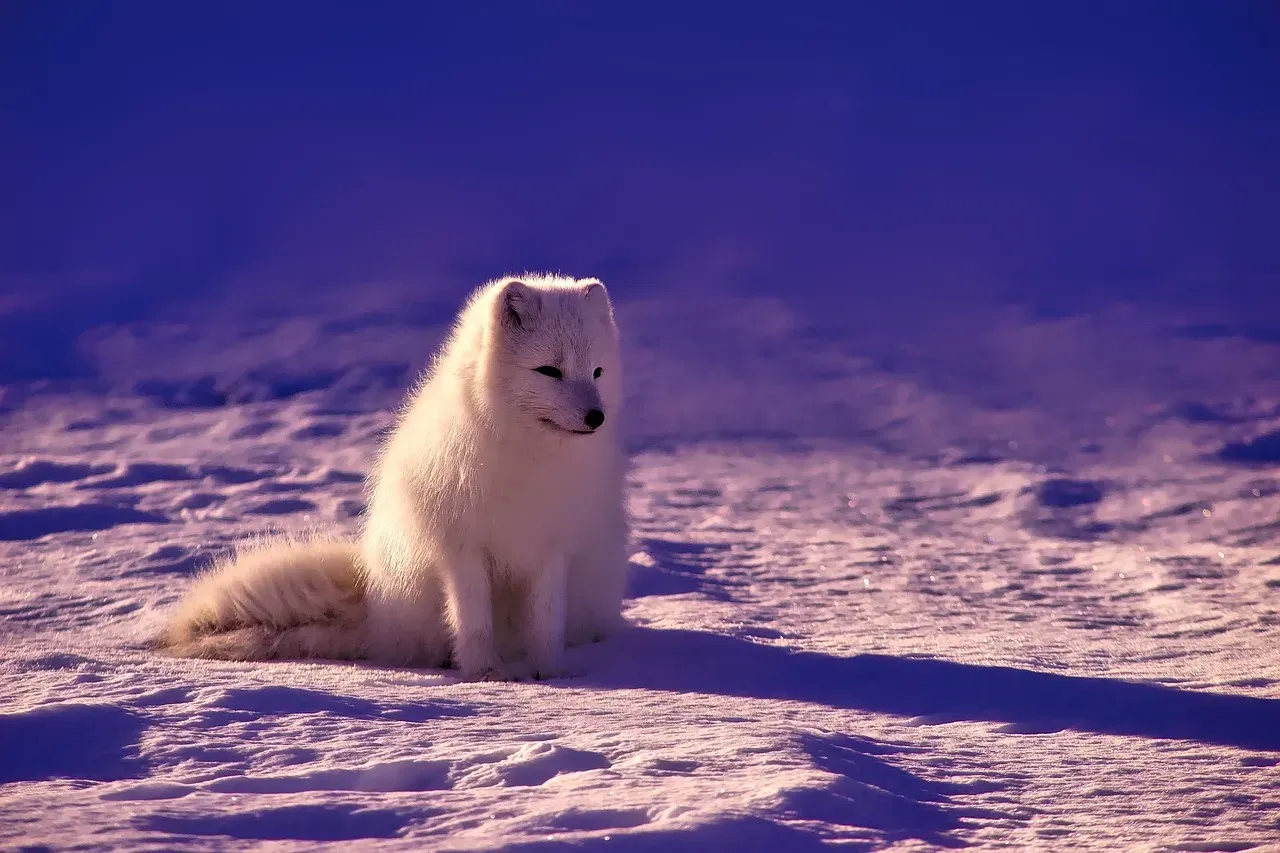
Let’s be real: this one wins the crown for most unreachable national park in America. It’s unsurprising that the least visited national park is also one of the hardest to access. Gates of the Arctic National Park and Preserve, located in Alaska, welcomed just under 12,000 visitors last year. To put that in perspective, that is roughly the crowd you’d find at a small-town county fair on a slow afternoon.
There are no paved roads, visitor centers, or established campgrounds in Gates of the Arctic. Visitation peaked at 12,669 in 2014, fell to just 2,872 in 2020, and climbed back up to 11,907 in 2024. The only ways in are by air taxi from Fairbanks or an off-trail hike through unkempt terrain.
With no roads, no trails, no cell service, and no established campsites, this massive expanse is a true wilderness experience. If you go, you are entirely on your own. That is both the appeal and the reason almost everyone stays home.
2. North Cascades National Park, Washington – 16,485 Visits in 2024
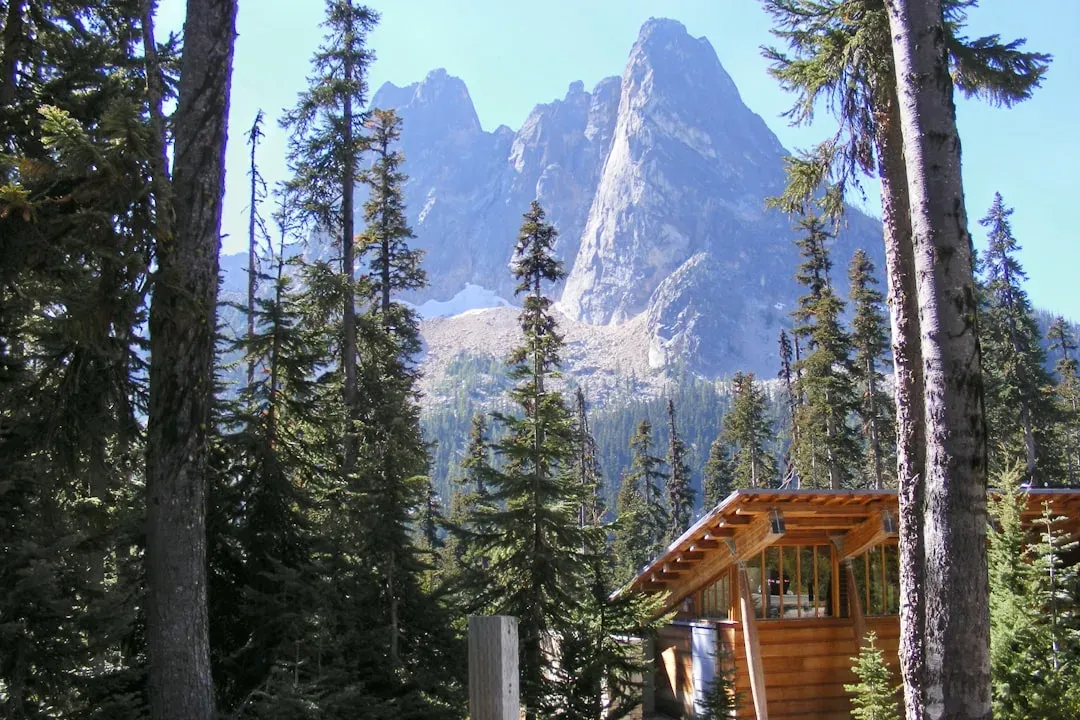
This one is genuinely surprising, because North Cascades is not in Alaska. It’s a two-hour drive from Seattle. North Cascades National Park is consistently among the lesser-visited national parks, which is a shame since it is home to some of the most stunning mountain scenery in the contiguous United States. In 2024, North Cascades saw a huge drop in visitation, with almost sixty percent fewer people visiting than the year before. One likely reason was forest fires that affected and closed more accessible parts of the park.
The rugged and hard-to-access North Cascades reached a new low, with 24,000 fewer visitors in 2024 than in 2023. It is the least visited, the most difficult to access all around, and perhaps the most rewarding for those who dare. After wilderness designation, North Cascades was eliminated from any hope of having roads, which naturally cuts into the number of people who explore its epic terrain.
North Cascades offers stunning panoramic views of snow-capped mountains and alpine and glacial lakes, often called the American Alps. The area has one of the most diverse ecosystems in the world, ranging from wet temperate rainforests to dry pine forests. It is the kind of place that backpackers dream about. Casual weekend visitors, though, tend to pass.
3. Kobuk Valley National Park, Alaska – 17,233 Visits in 2024
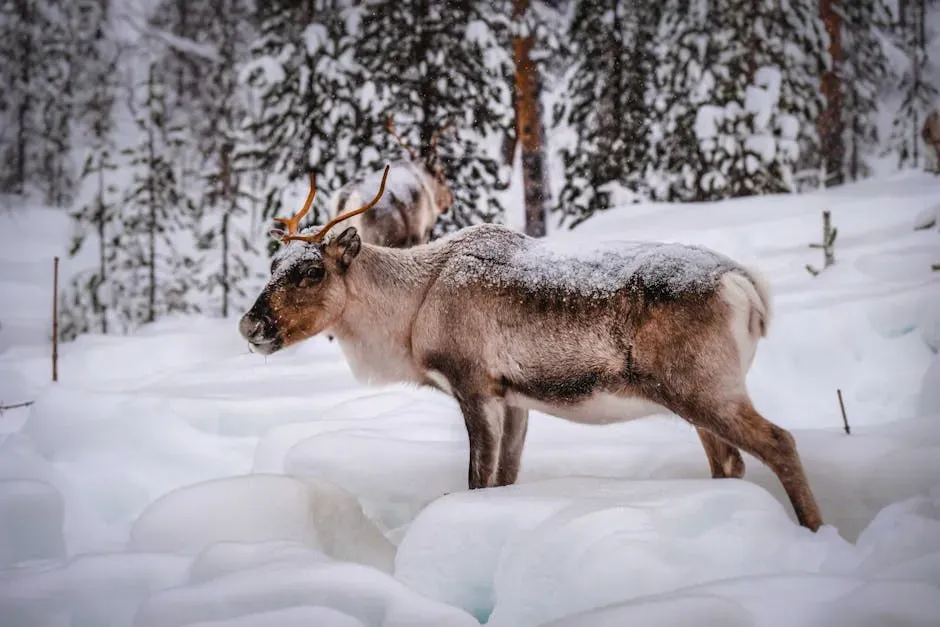
Here is a national park that essentially dares you to visit it. There are no roads, campgrounds, or entrance gates for this 1.8-million-acre expanse. Half a million caribou migrate through this park, crossing the Kobuk River and Onion Portage. An 8,000-year tradition of hunting caribou here continues today.
Located entirely north of the Arctic Circle, Kobuk Valley National Park is among the least visited parks in America. Though nearly totally unknown, the park is full of wildlife and scenic wonders. The problem is getting there. The parks that are exclusively accessed by small planes include Lake Clark, Gates of the Arctic, Kobuk Valley, and Katmai National Park.
Think of it this way: visiting Kobuk Valley requires roughly the same level of commitment as an expedition, not a vacation. Most Americans are simply not planning that kind of trip on a standard two-week holiday budget. Honestly, that is completely understandable.
4. Lake Clark National Park and Preserve, Alaska – 18,505 Visits in 2024
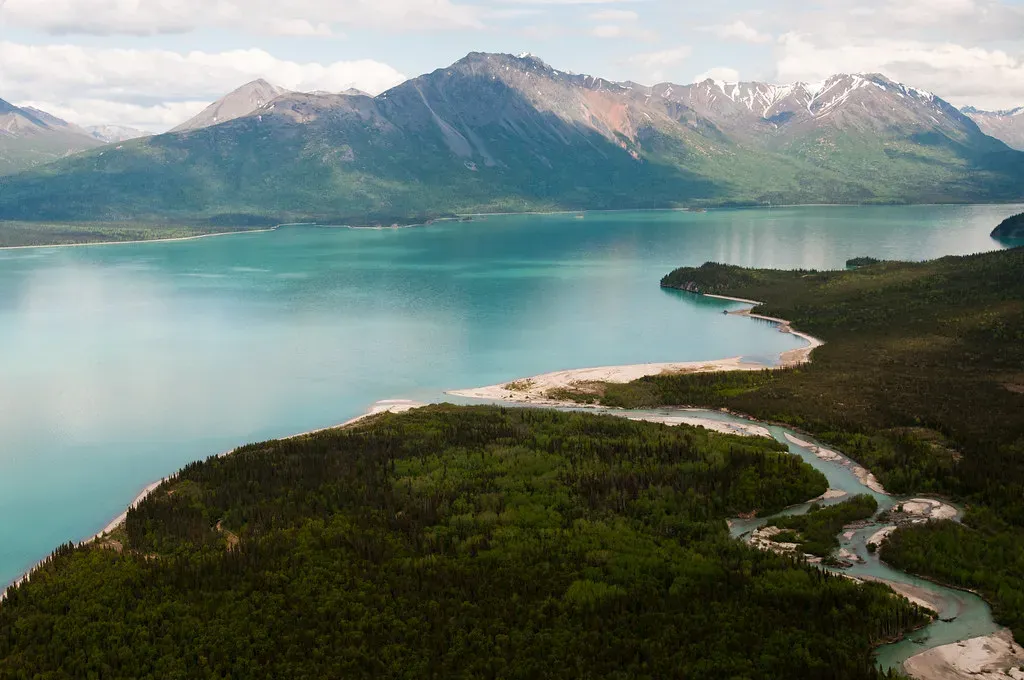
Stretching across more than 4 million acres, Lake Clark is home to three designated Wild Rivers and two National Natural Landmark volcanoes. The land holds 10,000 years of human history and preserves the ancestral homelands of the Dena’ina people. That is a deeply compelling story. Unfortunately, almost nobody hears it.
Getting to Lake Clark, while not quite as difficult as Gates of the Arctic or Kobuk Valley, is still pretty tough. Visitors must take a small plane to reach jumping-off points into the park. The cost? Around $1,000 for a day trip, and upwards of $3,000 to $5,000 for a multi-day adventure.
Lake Clark is accessible only by plane or boat, and is referred to as a “stunning wilderness” by the National Park Service. Like Katmai, Lake Clark is known for its brown bear and Bristol Bay sockeye salmon populations. The wildlife viewing here is extraordinary. The price tag, however, is not for everyone.
5. National Park of American Samoa – 22,500 Visits in 2024
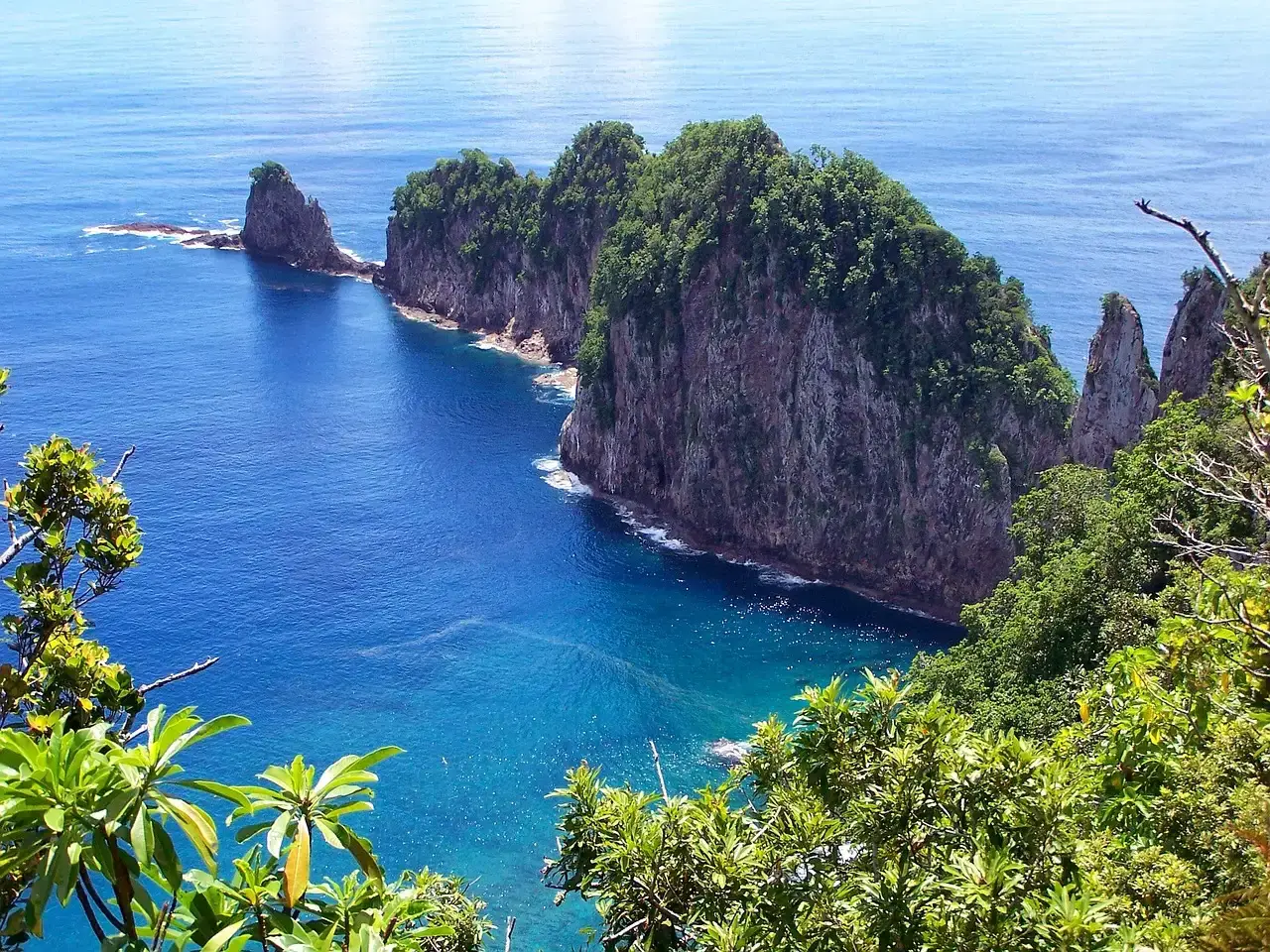
Most Americans need a moment to remember that the United States has a national park in the South Pacific. Most parkgoers will need a passport to visit this spot in a remote part of the South Pacific. Hawaiian Airlines offers direct flights to American Samoa from Honolulu. The park has units on three islands and stretches across 13,500 acres, some 4,000 of which are marine acres that are mostly coral reefs.
After sharp declines during recent years, the National Park of American Samoa saw an 86 percent increase in recreational visitors over the past year. That is encouraging growth. Still, after record-setting high visitation years in 2017 and 2019, followed by record-setting low visitation years between 2020 and 2023, visitation is moving back toward its average, though still well below its pre-pandemic numbers from the 2010s.
A picture-perfect postcard of tropical paradise, American Samoa National Park is a bucket-list park for national park enthusiasts. Crystal blue waters meet tall, lush mountains in the heart of the South Pacific, creating one of the dreamiest-looking national parks in the system. Getting there, though, is genuinely a major undertaking for most travelers. The sheer distance keeps this one off the radar for the vast majority of Americans.
6. Isle Royale National Park, Michigan – 28,806 Visits in 2024
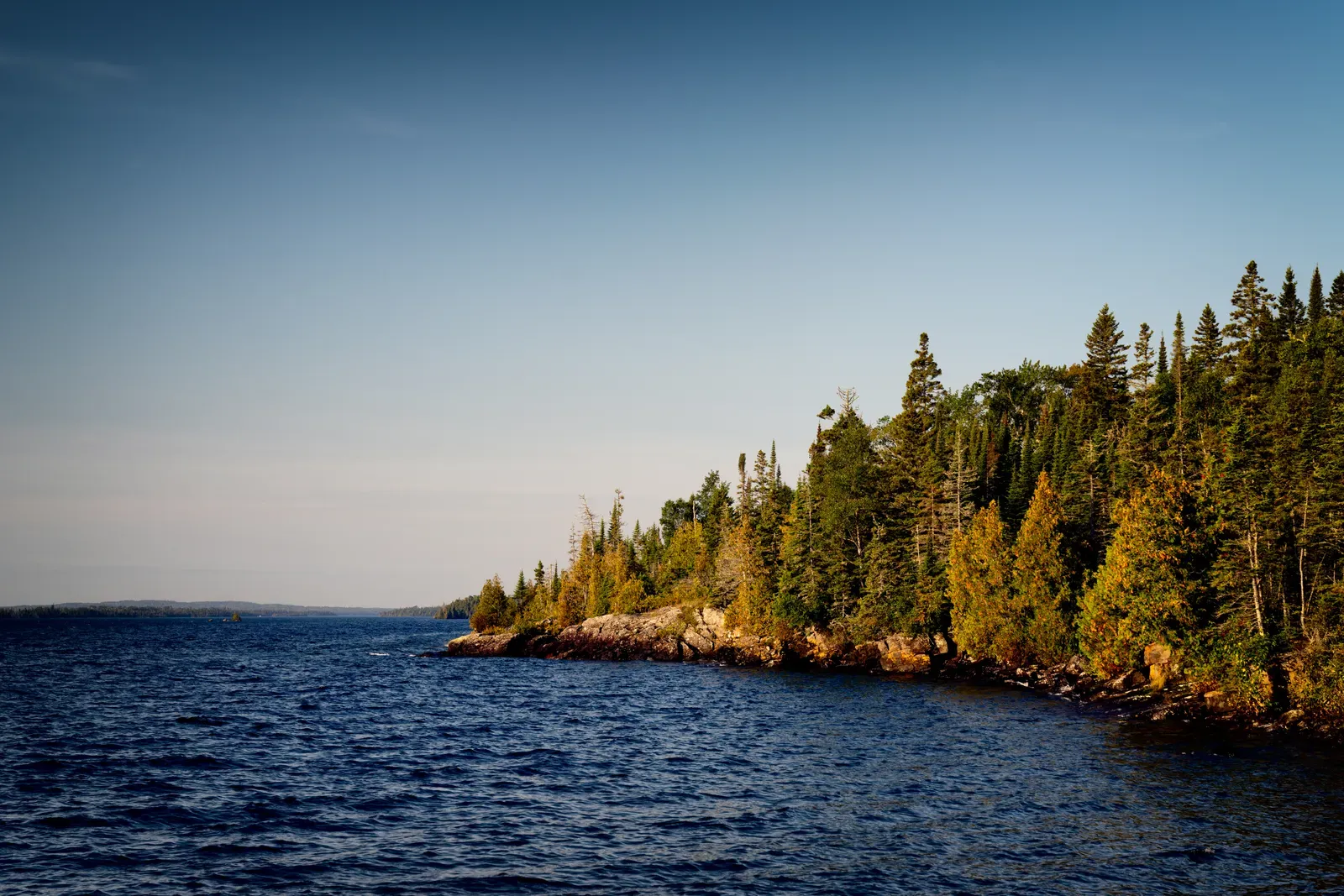
Isle Royale is one of those parks that surprises people when it shows up on this list. It’s in Michigan, not Alaska. Isle Royale National Park closes from November 1 through April 15. Even when the park opens, ferry rides and lodging don’t kick in until mid to late May and wrap up the season in early September. That means the park only gets about five to six months of visitors instead of twelve.
The park has wolf and moose populations, deep North Woods forest, cool weather that can change in a heartbeat, and miles of rugged Lake Superior shoreline. The park is a freshwater archipelago that includes Isle Royale, the largest island in Lake Superior, and more than 400 smaller islands.
Isle Royale might get overlooked by first-time visitors, but those who visit keep coming back. It is reportedly the most re-visited national park in the system. Its location, a network of 450 islands mostly out in Lake Superior, requires a ferry ride, personal boat, or seaplane to access. That combination of short season and island access is what keeps the numbers low, not a lack of quality.
7. Katmai National Park and Preserve, Alaska – 36,230 Visits in 2024
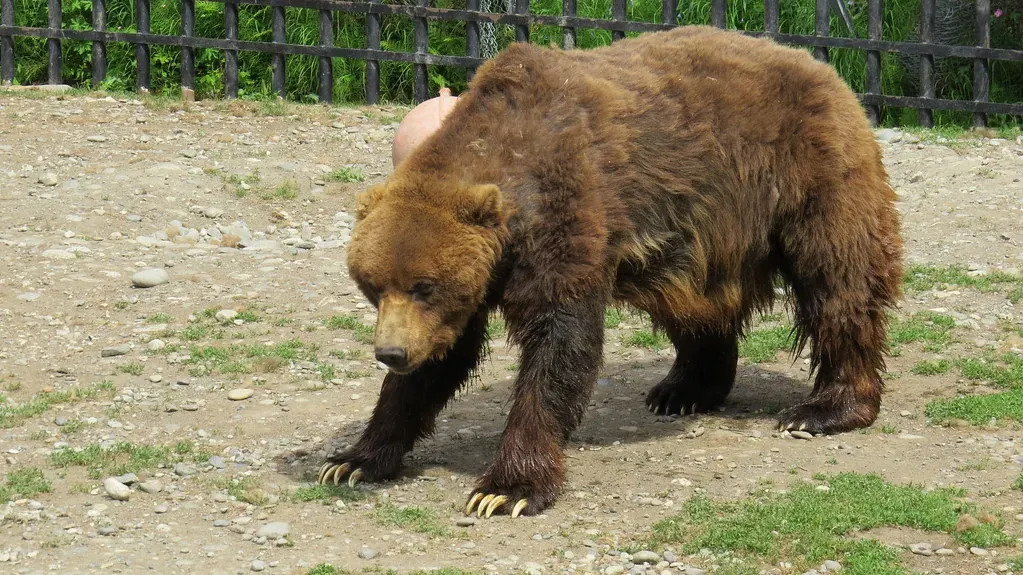
You’ve almost certainly seen the famous footage of brown bears catching salmon at Brooks Falls. That viral footage comes from Katmai. Katmai is an important habitat for thousands of brown bears. One of the world’s premier bear-viewing spots, Katmai is home to an estimated 2,200 brown bears. Brooks Camp along the Brooks River is one of the most popular viewing spots to observe bears feasting on salmon.
The fact of the matter is that it just isn’t easy or cheap to visit. Getting to Katmai typically requires multiple flights and thousands of dollars, which puts it squarely out of reach for most Americans. Even getting to the gateway community means flying into King Salmon, then often taking another small charter flight to the park itself.
It’s hard to say for sure, but Katmai is perhaps the most famous park on this list in terms of internet recognition, yet one of the least physically visited. There is something almost poetic about a place that millions of people watch online but almost nobody actually stands in. The gap between digital fame and physical footfall is real.
8. Wrangell-St. Elias National Park and Preserve, Alaska – 81,670 Visits in 2024
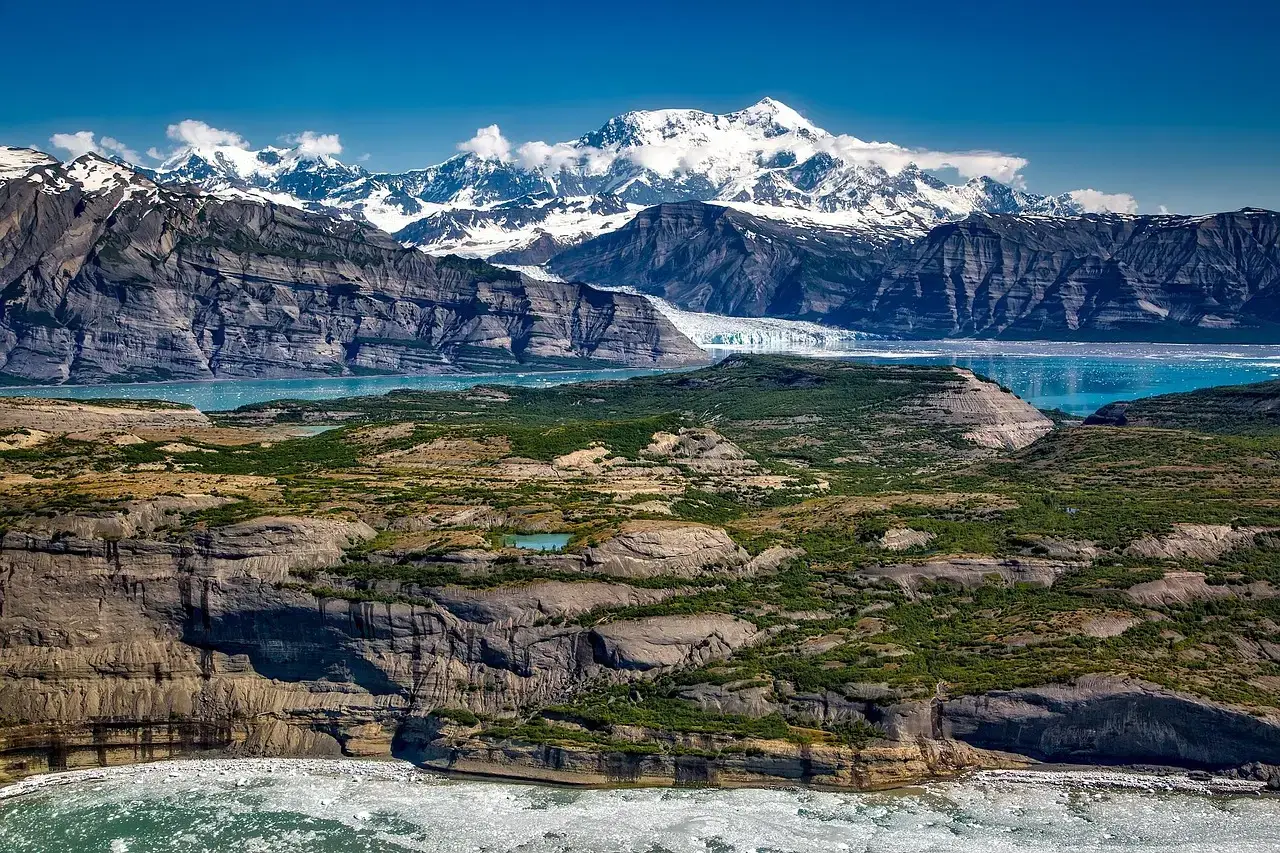
Here is a staggering fact: Wrangell-St. Elias encompasses 13.2 million acres, roughly the size of Yellowstone National Park, Yosemite National Park, and Switzerland combined, according to the Park Service. That makes it the largest national park in the United States by a massive margin.
Wrangell-St. Elias National Park is the largest in the US at over 13 million acres. The park features nine of the sixteen tallest mountain peaks in the country. The park and preserve contains North America’s largest assemblage of glaciers and its greatest collection of peaks more than 16,000 feet in elevation. One glacier, the Malaspina, is larger than the state of Rhode Island.
Most of the park is backcountry and visitor services are limited. There are some maintained trails in the frontcountry Nabesna and McCarthy areas. It is not recommended to drive to Kennicott as the road is poorly maintained, and flat tires and vehicle damage are common. That last detail alone probably explains a lot about why casual visitors keep their distance.
9. Dry Tortugas National Park, Florida – 84,285 Visits in 2024
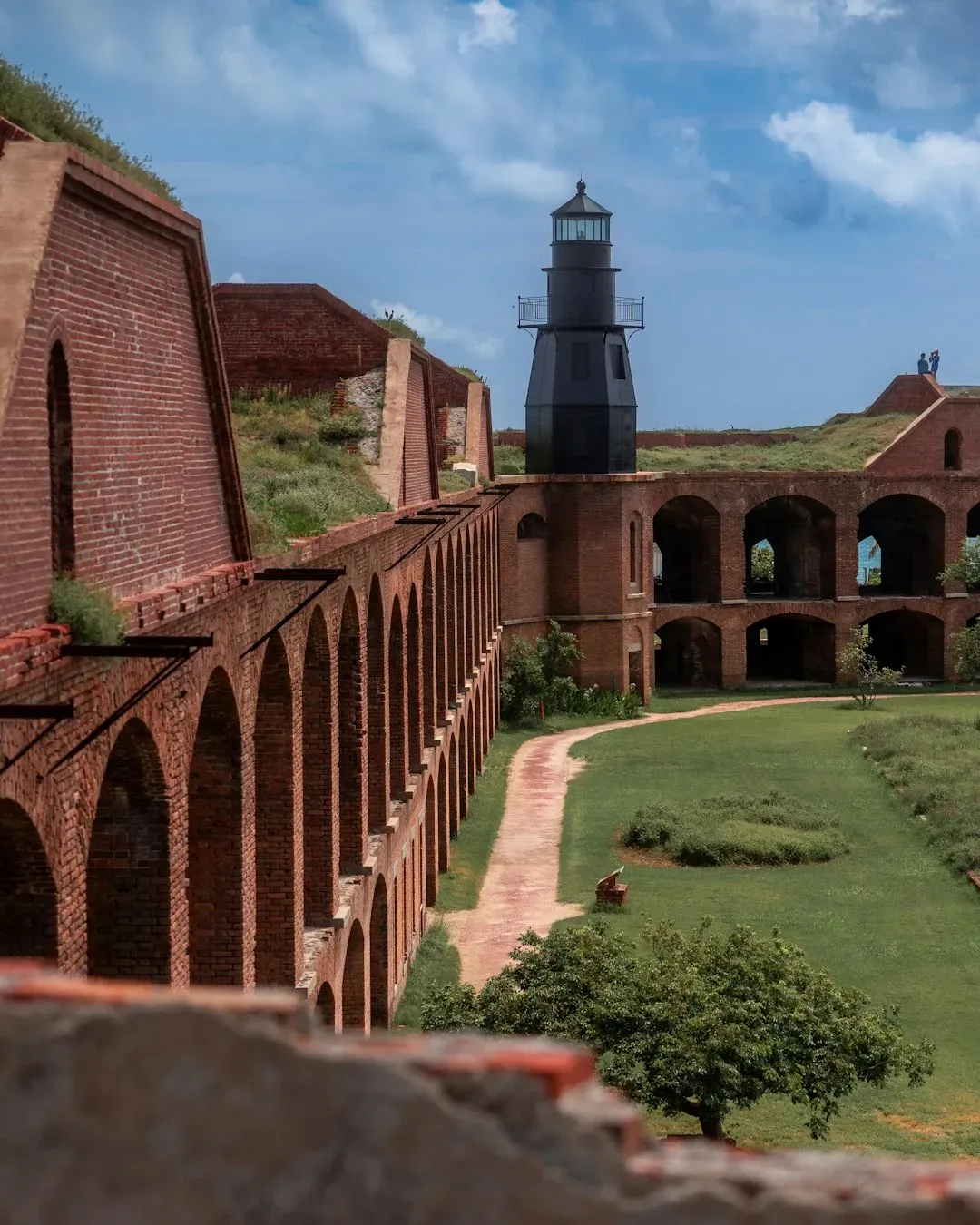
Dry Tortugas is the one park on this list that sits on the edge of tropical paradise, and yet it still barely gets visitors. Why? The access problem is absolute. Dry Tortugas National Park is located about 68 miles west of Key West in the Gulf of Mexico. The park preserves Fort Jefferson and the several Dry Tortugas islands, the westernmost and most isolated of the Florida Keys. The park’s centerpiece is Fort Jefferson, a massive but unfinished coastal fortress. Fort Jefferson is the largest brick masonry structure in the Western Hemisphere, composed of more than 16 million bricks.
With coral reefs, tropical birds, and historic shipwrecks, the park packs an enormous amount of variety into a very small land area. You can only get here by boat and seaplane, which also makes this visit more expensive than many other national parks.
Despite being a “least visited” park, the Yankee Freedom Ferry books up months in advance and campsites are critically hard to come by. So it is less that people don’t want to go, and more that they can’t easily get there. That is a very different kind of barrier. Dry Tortugas is something of a diamond hiding behind a locked gate.
10. Great Basin National Park, Nevada – 152,068 Visits in 2024
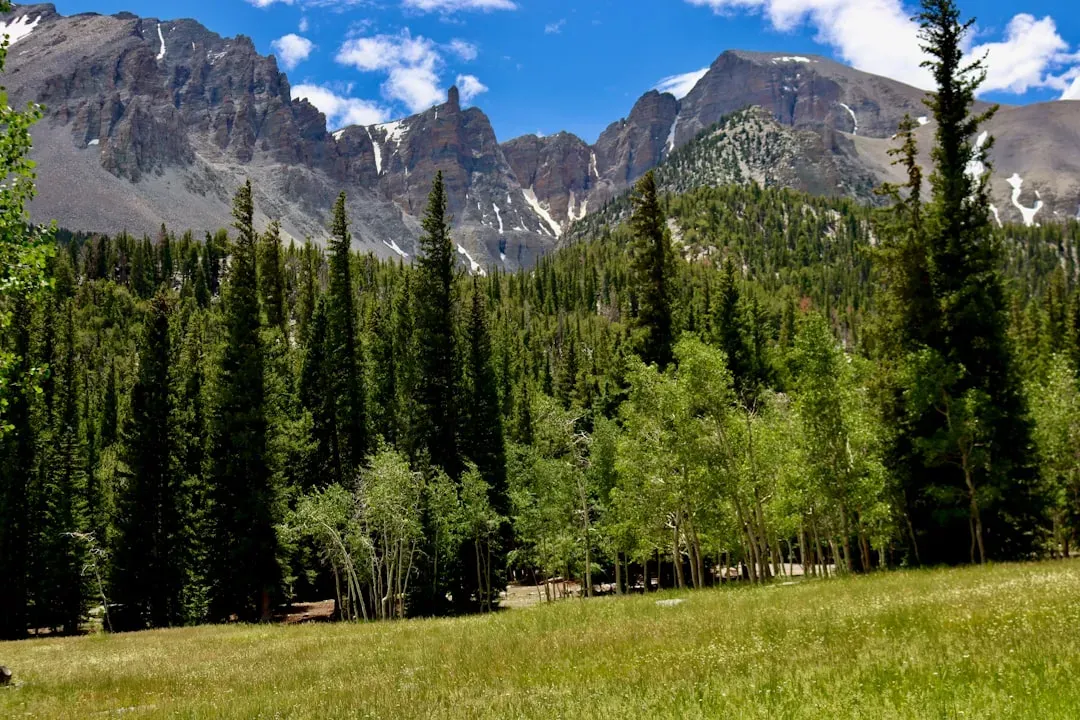
Great Basin is the most accessible park on this entire list, and it still barely registers on most Americans’ travel radar. Great Basin National Park is five hours north of Las Vegas. That is not exactly next door, but it is absolutely drivable. Only after traveling down what is called “America’s Loneliest Road” do you reach the seemingly desolate Great Basin National Park. That road name, honestly, does some heavy lifting in explaining the low visitor numbers.
In 2016, Great Basin National Park was recognized as an International Dark Sky Park by the International Dark Sky Association. The park has some of the clearest night skies in the United States due to lack of light pollution, high elevation, and low humidity.
Great Basin is known for its broad range of diversity because its expanses include hot desert valleys, mountains with peaks higher than 13,000 feet, and everything in between. Along the way, visitors can see Lehman Caves, the 13,063-foot Wheeler Peak, and even Wheeler Peak Glacier. The park is home to 11 species of conifer trees, 73 species of mammals, 18 species of reptiles, 238 species of birds, 8 species of fish, and more than 800 species of plants. For a park that almost nobody visits, the biodiversity is borderline absurd.