The “Forever Roast”: A Foolproof Pot Roast Recipe (Plus the One Mistake to Avoid)
There is a reason pot roast never goes out of style. It transforms the most humble, affordable cut of beef into something almost absurdly delicious, all while you go about your day. 2024 was clearly the year for slow-cooked roasts, with food communities reporting more pot roast recipes being made and shared than ever before. This dish requires patience, but not skill. Get the fundamentals right, and you will be rewarded every single time.
Choosing the Right Cut and Understanding the Science Behind It
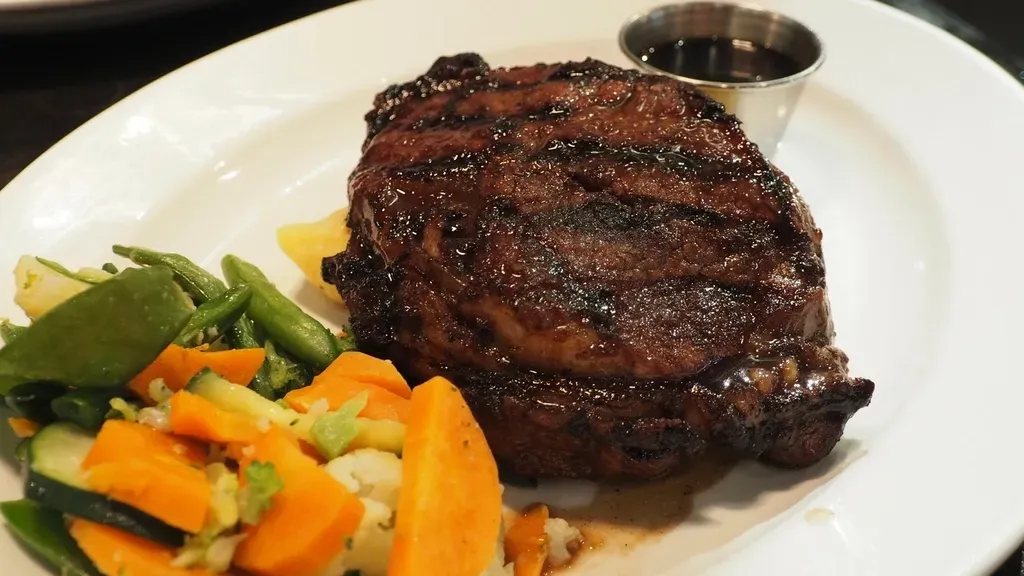
Pot roast relies on a cheap, lean cut of beef that is first browned in a skillet, then stewed in a pot or slow cooker with vegetables and broth, generally cooking for hours until the tough meat becomes fall-apart tender, savory, and moist. The cut you pick is not optional – it is the entire foundation of the dish. A well-marbled beef chuck roast is ideal, becoming beautifully tender and flavorful after a few hours of braising. Chuck, brisket, and round roasts each contain enough connective tissue that will slowly break down into rich collagen, tenderizing the beef and flavoring the gravy as they cook.
The science behind what makes pot roast so magical is genuinely fascinating. Braising is ideal for tougher cuts of meat like brisket, chuck roast, and short ribs because these cuts have large amounts of collagen and connective tissue. When cooked with moisture, collagen breaks down into gelatin, which helps the muscle fibers separate and gives that signature “fall-apart” texture in stews and roasts. According to chef Jesse Moore of Cargill Protein North America, “the collagen in a chuck roast breaks down between 195 and 203 degrees Fahrenheit,” and the way to reach that temperature is by taking things low and slow, which is the essential path to fall-apart tender meat.
Building the Flavor: The Step-by-Step Method That Works
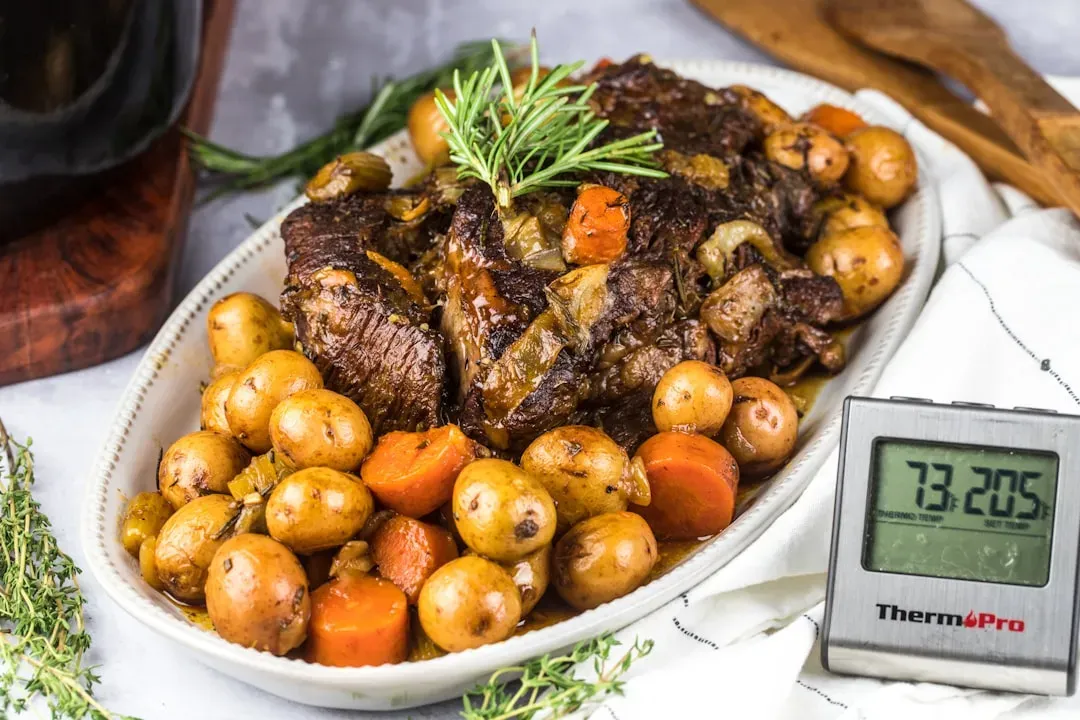
The actual cooking process for a great pot roast follows a logical sequence, and each step serves a real purpose. While it may be tempting to throw everything into the pot and let the low heat do its job, it is essential to brown the meat first – it is worth spending the extra few minutes at the stove for a far superior end result, which not only tastes better but looks more appetizing. Searing the meat over high heat caramelizes the exterior of the protein through what is known as the Maillard reaction, giving it a deeper flavor and leaving behind small brown bits – called fond in culinary terms – which add even more of a rich, beefy taste. Patting the roast dry first helps it develop that deep, golden crust when searing, which adds so much flavor to the final dish.
After searing comes deglazing – a step too many home cooks skip entirely. Deglazing the pan is a crucial step in building a savory sauce for your pot roast, and it is a simple process that can have a huge impact on the taste of the finished dish. While beef broth or stock is typically what home cooks fall back on to deglaze the pan, using a red wine instead adds acidity that will balance the richness of the roast, making for a deeper, more complex flavor. Once the liquid is added, cook in a slow cooker on low for 8 hours, or until the meat is “fork tender,” meaning easy to shred with a fork. For oven cooking, preheat the oven to 275 degrees Fahrenheit and cook a 3-pound roast for 3 hours, or a 4- to 5-pound roast for 4 hours.
The One Mistake That Ruins Everything (And How to Fix It)
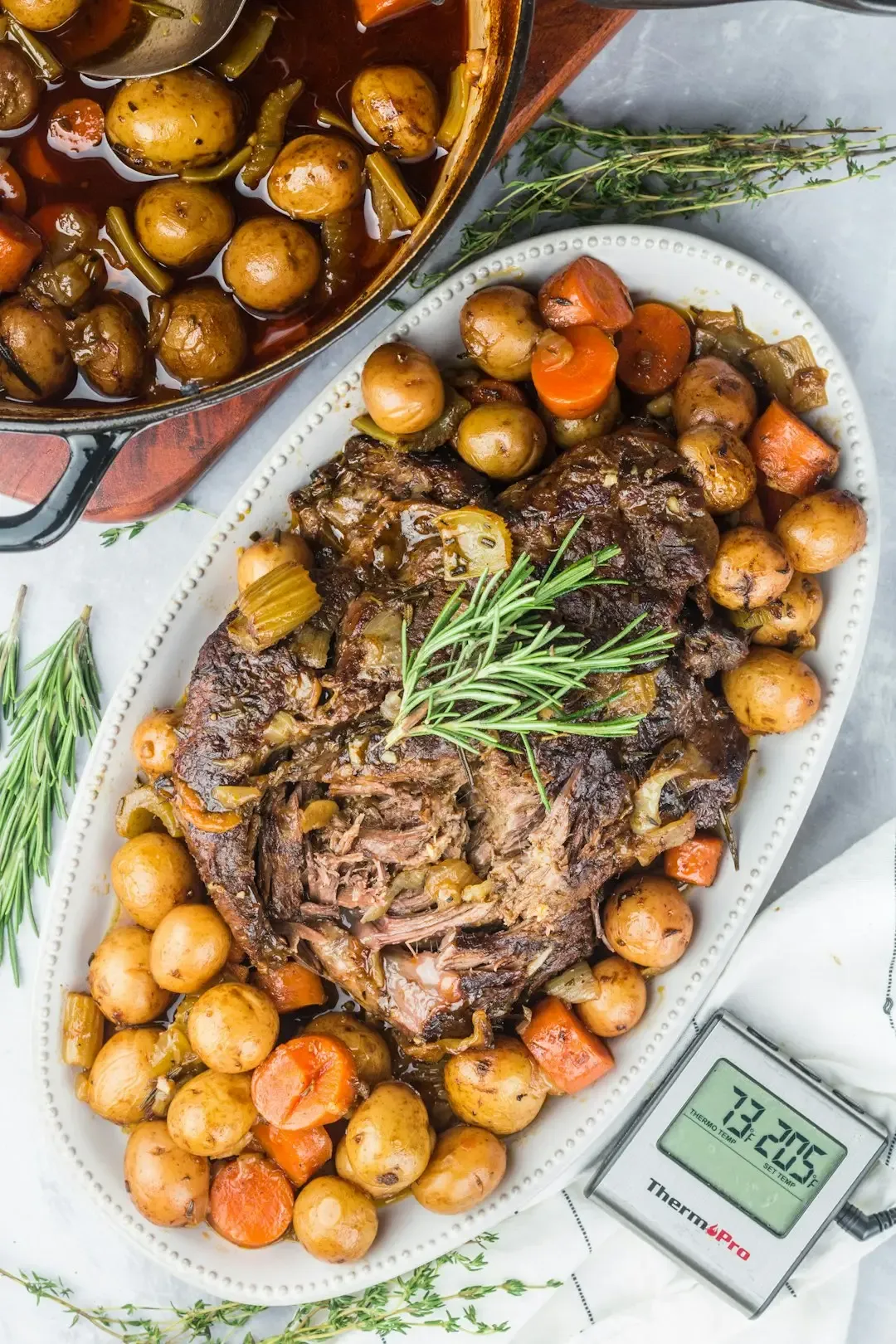
Out of all the ways a pot roast can go wrong, one single mistake causes more ruined dinners than all the others combined: lifting the lid while it cooks. If you are tempted to keep taking a peek to check how things are going, you are making a big mistake – avoid lifting the lid frequently, as it releases heat and can extend cooking time, while the lid is also essential for keeping in the moisture for a juicy piece of meat. To avoid heat and moisture escaping from the dish, keep any lid-lifting to a minimum, and do not keep the lid off for more than around 30 seconds at a time if possible. This is especially critical during the first two hours of cooking, when the meat’s internal temperature is building toward that collagen-melting threshold.
The secondary mistake – almost as damaging – is overloading the pot with liquid. Many people will add far more fluid than necessary, sometimes even filling the entire slow cooker with water or broth, which not only dilutes the flavor but can also cause the protein and vegetables to cook improperly, resulting in poor taste and texture. The meat is meant to cook above the liquid, not submerged in it – if the liquid comes up to the very top, you risk vegetables turning to mush and diluting the flavor or producing an off texture in every component. If the roast does end up dry, simply add a bit of beef broth or gravy to the meat and heat it gently on the stove or in the microwave to help moisten it. Leftover pot roast stores well too – it will keep in the fridge for up to 4 days and also freezes well for up to 2 months.