10 Books Everyone Begins but Rarely Finishes – Are You One of Them?
There’s a special kind of guilt that lives on bookshelves. You know the feeling. You pick up a highly praised title, read the first 30 pages with genuine excitement, and then… life happens. The bookmark gets swallowed. The book migrates from your nightstand to a dusty corner, and somehow, it just stays there. Forever unfinished. Forever judging you.
You’re not alone in this. Not even close. The pattern of starting but never completing books is one of the most universal and quietly embarrassing reading habits of our time. The titles on this list have defeated millions of readers across the globe, each one for its own very good reason. So let’s get into it.
1. Ulysses by James Joyce
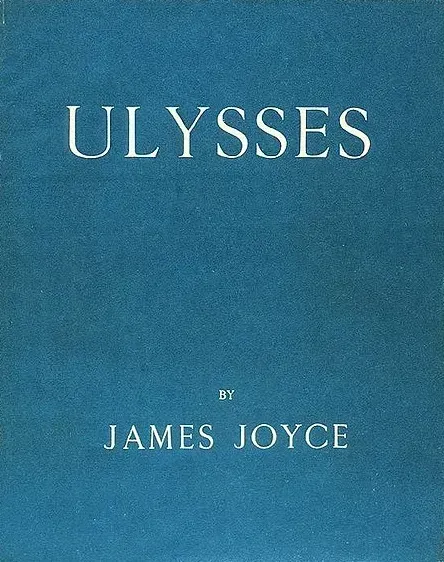
Honestly, this one deserves its own support group. Joyce’s 1922 masterpiece remains the Mount Everest of modernist literature, where every chapter uses a different style, the stream-of-consciousness sections require genuine stamina, and one section arrives as a 60-page unpunctuated monologue that reads like someone’s unfiltered thoughts for an entire afternoon. That is not a typo. Sixty pages. No punctuation.
The novel’s narrative, which takes place over a single day in Dublin, is so packed with symbolism and shifting perspectives that many readers find themselves lost in the maze, and the challenge is so great that some book clubs have formed solely to help members survive the experience. Goodreads data confirms that Catch-22 by Joseph Heller clinches the top abandoned spot, followed closely by Ulysses by James Joyce, Moby-Dick by Herman Melville, and Atlas Shrugged by Ayn Rand in a kind of hall of fame for unfinished literary ambitions.
2. Moby-Dick by Herman Melville
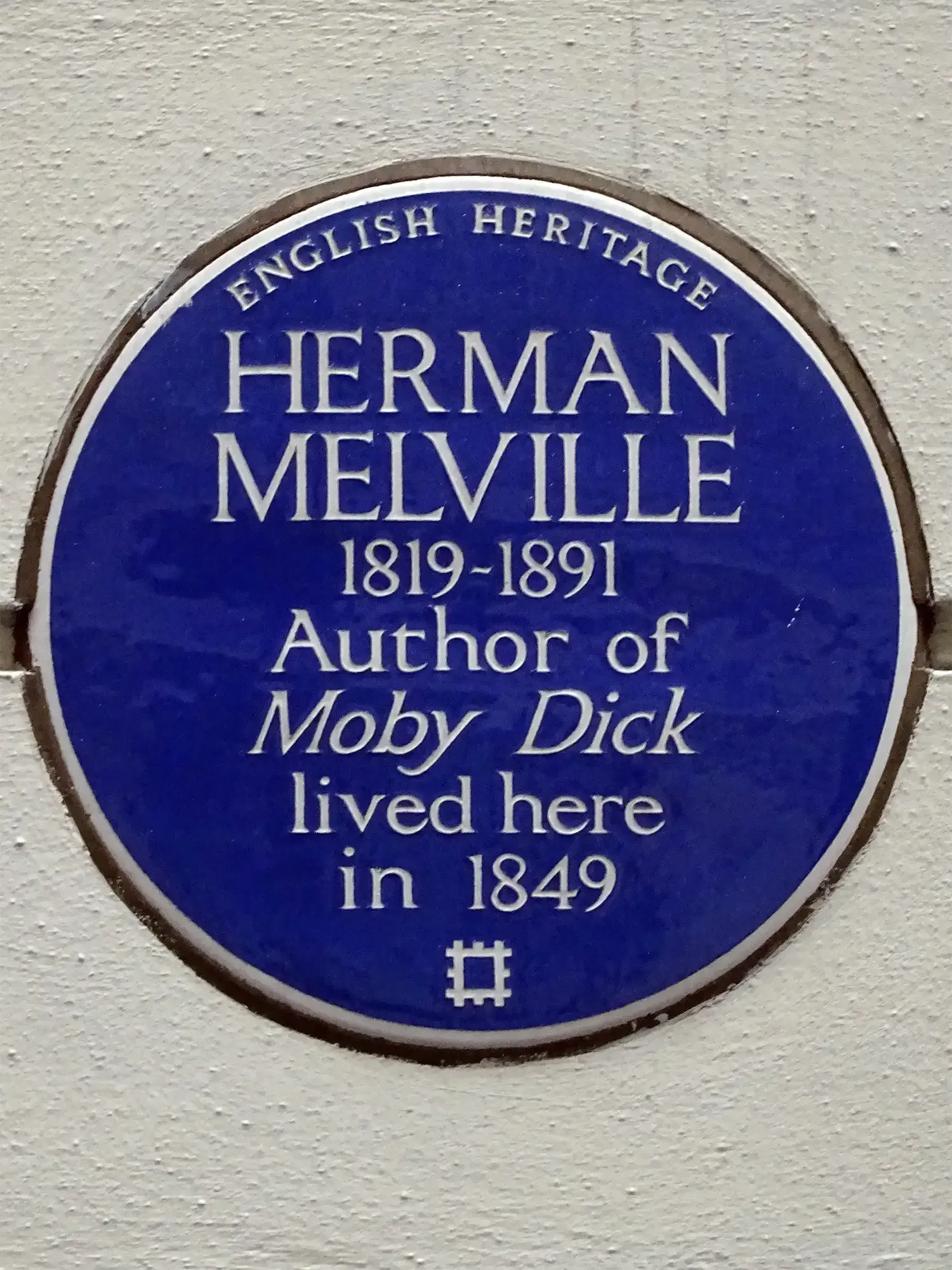
What most people don’t mention is that Moby Dick himself barely appears until the final chapters, showing up for maybe thirty pages of a 600-page book, while between the narrative Melville inserts entire encyclopedic chapters about whale anatomy, the economics of whaling, and rope-making techniques, with chapter after chapter cataloging whale species or exploring the philosophical implications of whiteness. Rope-making. In a novel.
In a 2019 survey, nearly half of those who picked up the book admitted they never finished it, blaming slow pacing and relentless detail. Even among literary scholars, “getting through Moby-Dick” is a rite of passage, as the novel’s relentless intensity and encyclopedic approach make it more an endurance test than a pleasure cruise for most modern readers. The white whale wins every time.
3. Catch-22 by Joseph Heller
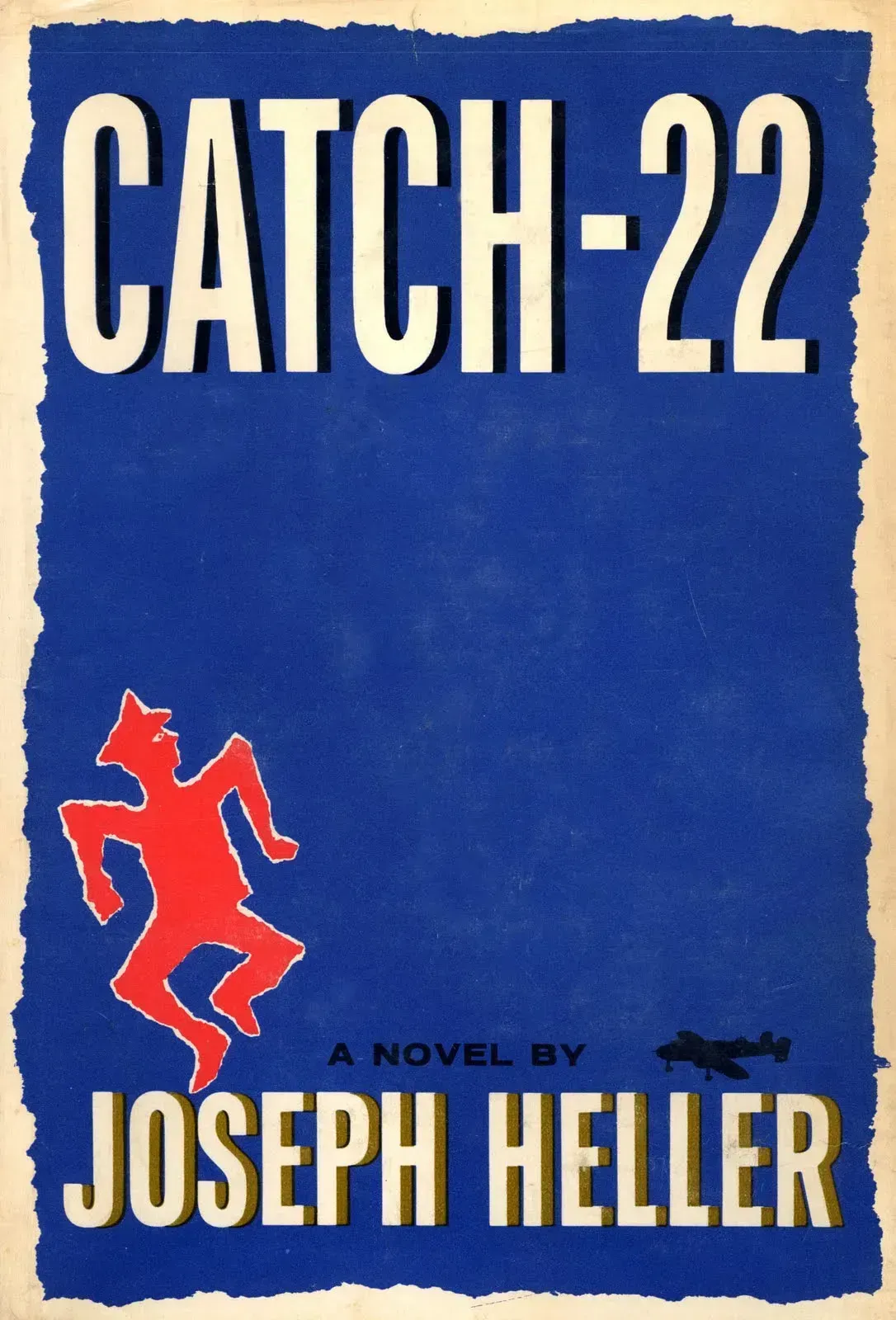
Heritage Auction, Public domain)
Among data compiled from reader surveys, Catch-22 by Joseph Heller leads the way as the most abandoned classic, followed by The Lord of the Rings by J.R.R. Tolkien, Ulysses by James Joyce, Moby-Dick by Herman Melville, and Atlas Shrugged by Ayn Rand. Heller’s satirical anti-war novel lands at the very top of the pile – which is quite an achievement for a book most people never get through.
The structure of the novel is deliberately circular and disorienting, looping back on itself in a way that mirrors its own themes of bureaucratic madness. Research based on Goodreads survey data found that the breaking point when people give up most was the 50-to-100 page mark. For Catch-22, that middle section is where many readers quietly close the cover and tell themselves they’ll return to it someday.
4. War and Peace by Leo Tolstoy

The name alone is enough to send a shiver down the spine of casual readers. Think of it like this: finishing War and Peace is the literary equivalent of running a marathon you signed up for at 2 a.m. after one too many drinks. Leo Tolstoy’s work stands as a towering pillar of world literature, but its length is legendary for intimidating potential readers, weighing in at over 1,000 pages and containing more than 500 named characters, with Book Riot reporting that roughly three out of five of those who start it never see it through to the end.
The scope is truly vast. Keeping track of hundreds of Russian characters, each with multiple names and titles, while also following military campaigns and philosophical digressions, is a genuine cognitive workout. It’s the kind of book you feel proud just for owning. Whether you ever read it is, apparently, a different question entirely.
5. A Brief History of Time by Stephen Hawking

The very name of the Hawking Index, an informal measure of how far readers actually get through books, refers to Stephen Hawking’s A Brief History of Time, which is ranked up with Ulysses for the dubious title of most unread book of all time. The irony is painful. A book designed to make cosmology accessible to ordinary people became one of the most reliably unfinished titles in publishing history.
The book became a bestseller and has sold more than 25 million copies in 40 languages, and it was included on Time magazine’s list of the 100 best nonfiction books since the magazine’s founding. Hawking uses basic terminology and tries not to overload his writing with information dumps, but at times it is very clear that the reader needs a certain level of knowledge to understand what he’s talking about, and certain assumptions he makes as he shifts from concept to concept can leave readers confused. Millions bought it. Far fewer finished it.
6. Infinite Jest by David Foster Wallace
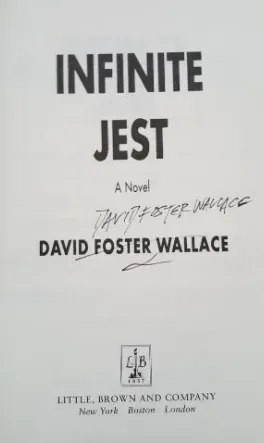
Here’s the thing about Infinite Jest. People don’t just start it, they announce they’re starting it. It becomes a whole event. At over 1,000 pages with 388 endnotes, some with their own footnotes, Wallace’s 1996 novel tests even devoted readers, jumping between storylines set at a tennis academy and an addiction recovery center, with prose that shifts from straightforward to deliberately labyrinthine, entire passages demanding multiple readings, and a chronology that scrambles on purpose, requiring you to physically flip between the main text and endnotes constantly, which disrupts any narrative flow you’ve managed to build.
It’s not just a long book. It’s a book that actively resists being read. Academics and devoted readers praise its ambition and complexity, but most readers give up after roughly 100 pages of trying to figure out what’s actually happening. Still, those who do finish it speak about it with a kind of reverence that’s impossible to fake.
7. Atlas Shrugged by Ayn Rand

Atlas Shrugged is the kind of book that arrives with enormous cultural baggage. People pick it up driven by political curiosity, a recommendation from someone they respect, or simple FOMO. Then they hit one of the book’s famous monologues, and suddenly the television seems very appealing. Atlas Shrugged consistently appears on lists of the most abandoned classics, and it’s not so hard to work out why, as most of these books are on the longer side of average book length and classics are harder work to get through.
The novel runs to well over 1,000 pages, and one philosophical speech near the end stretches to roughly 60 pages on its own. It reads less like fiction and more like a political manifesto wearing a novel’s costume. I think what kills most readers isn’t the ideas but the sheer relentlessness of the prose. There is no mercy in that book. None at all.
8. The 7 Habits of Highly Effective People by Stephen R. Covey

Coming in among the most commonly unfinished books is The 7 Habits of Highly Effective People, which is a bit ironic, as the self-help book written by Stephen R. Covey shares seven habits to help motivate people in their lives, but many readers struggled to put habit two, “Begin with the end in mind,” into practice. The book quite literally tells you to finish what you start. People start it. They don’t finish it.
In second place among the most commonly abandoned genres overall are inspirational and self-help books, as nearly two in five people say they find themselves putting them down and never picking them back up. Covey’s book is arguably the king of that category. It’s not a bad book by any stretch. It’s just the kind of reading that requires a mental energy most of us are reluctant to give after a long day. The road to self-improvement is paved with abandoned chapter bookmarks.
9. Don Quixote by Miguel de Cervantes
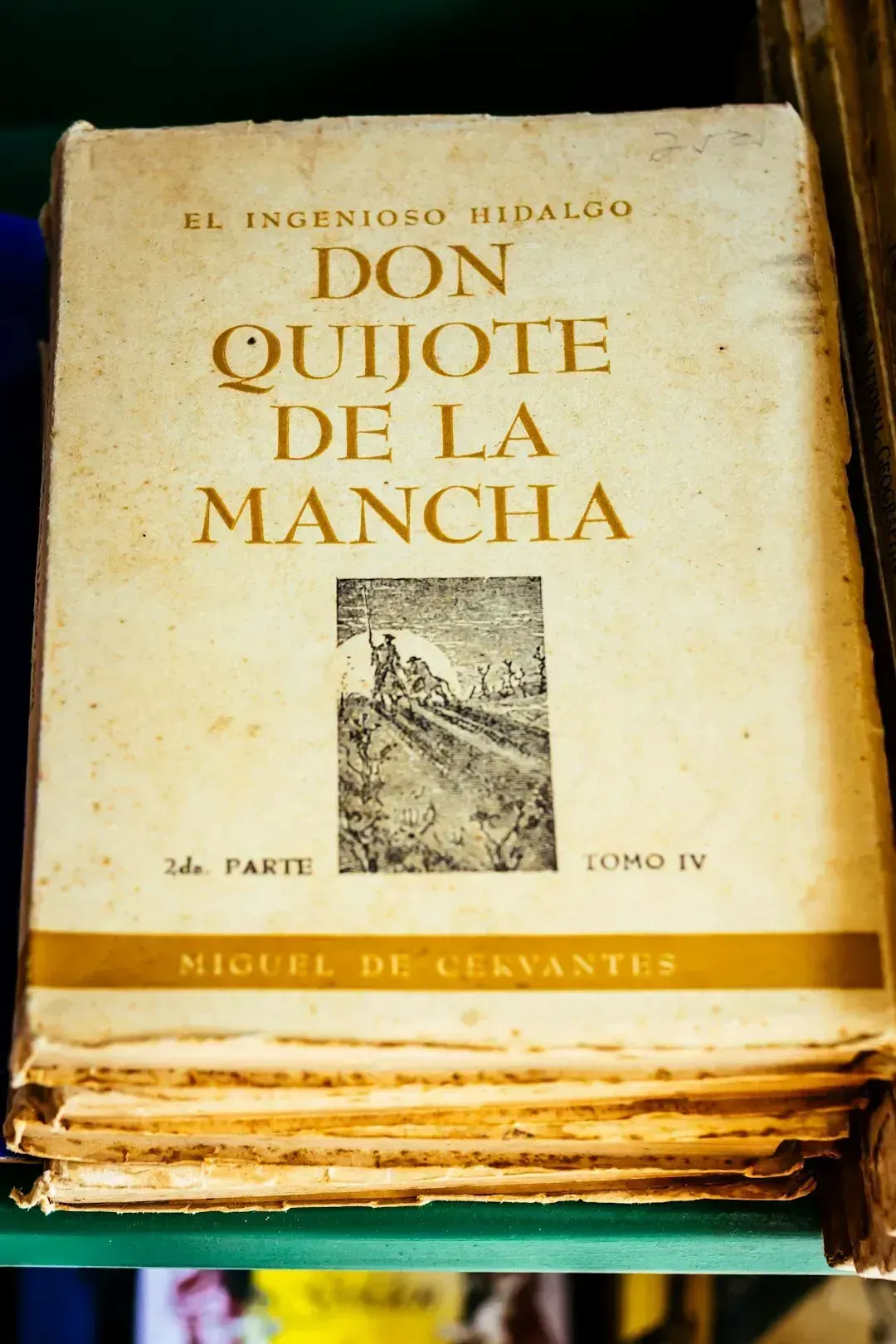
Often called the first modern novel, Don Quixote carries the weight of its own legendary status into every first chapter. People open it expecting adventure, romance, and timeless comedy. They get all of that, eventually. Getting there, though, requires patience of an almost heroic scale. Don Quixote is widely cited as one of the greatest novels ever written, but its old-fashioned prose and episodic structure present real challenges, with the University of California reporting that roughly half of readers abandon the novel, often overwhelmed by its length and style, as the book’s humor and insight are timeless but the repetitive adventures and archaic language can wear down modern readers who start with enthusiasm, only to lose momentum as the story meanders.
It’s worth noting that Don Quixote is also a translation for most readers, which adds another layer of difficulty. The humor in particular is deeply tied to 17th-century Spanish culture and wordplay, meaning a lot of the jokes simply don’t land the way Cervantes intended. It’s like watching a comedy from another century in another language, trying to be polite about it, and quietly putting it away.
10. The Lord of the Rings by J.R.R. Tolkien
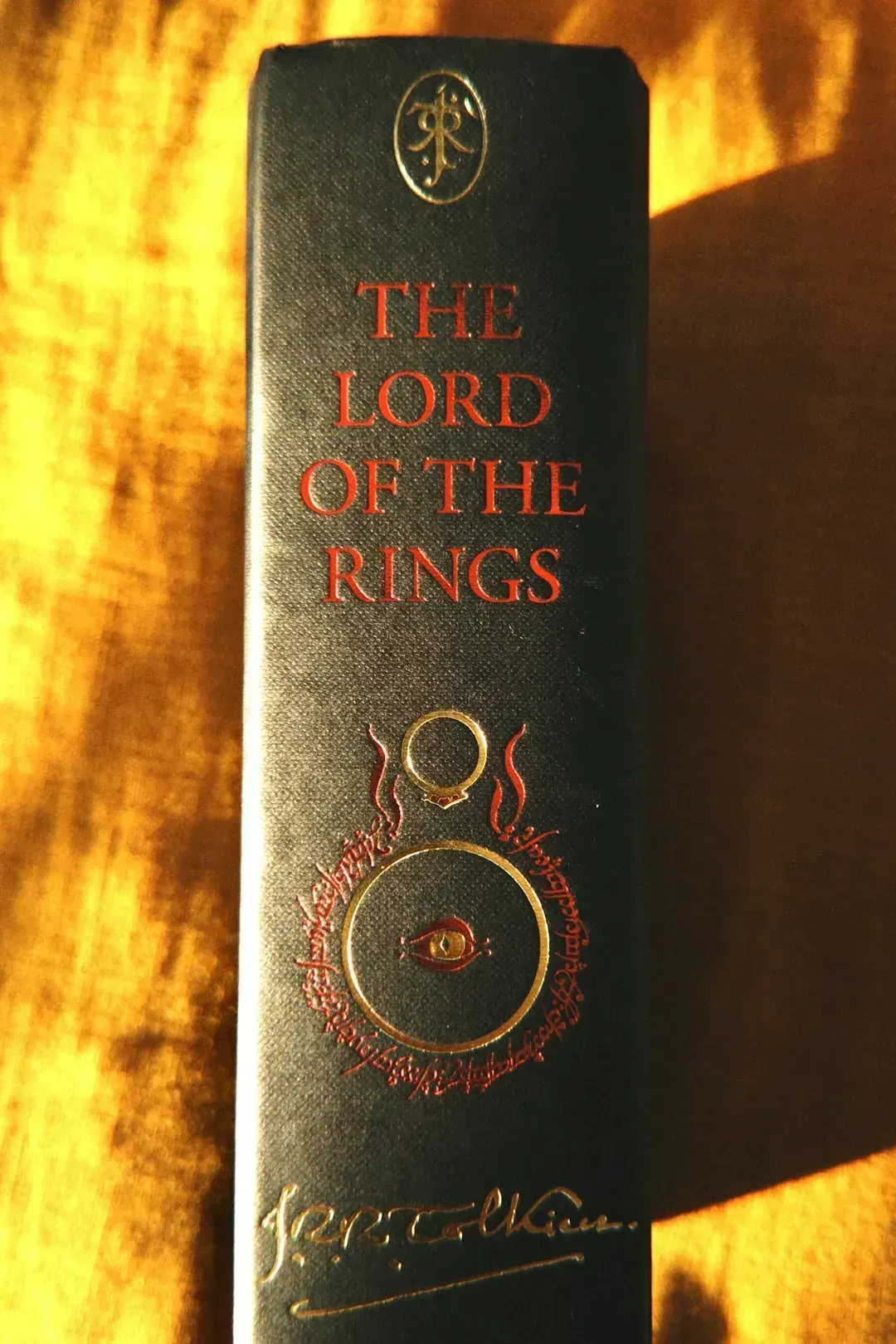
This one surprises people when they see it on an abandoned books list. The movies were beloved. The world is extraordinary. The lore is deep. So why do so many readers stop before the end? Well-read readers who’ve conquered all seven volumes speak of it with quiet pride, and most readers never make it past volume one. The issue isn’t the story itself. It’s the pacing, particularly in the first volume, where Tolkien spends considerable time on songs, poems, and descriptions that modern readers, raised on fast-moving narratives, find difficult to push through.
The number of people in each generation that never read a book remains relatively similar, but what does change with time is the number of people who start but simply never finish, with nearly a third of millennials trying to start reading but never completing books, more than double the rate seen in older generations. Tolkien’s epic feels like exactly the kind of book that captures younger readers’ imagination but loses them in the long middle stretches where the story breathes deeply and slowly. Literary merit and readability exist on different axes, and a book can be genuinely important while also being genuinely hard to finish.