10 Destinations That Could Soon Limit or Ban Tourist Visits
The world is traveling more than ever before. Cheap flights, social media wanderlust, and the post-pandemic urge to finally get out there have pushed visitor numbers at some of the planet’s most beloved destinations to levels that are frankly unsustainable. The United Nations World Tourism Organization predicts that the number of worldwide tourists, which peaked at 1.5 billion in 2019, will reach 1.8 billion by 2030, and someone has to pay the price for that. Increasingly, it’s the locals.
Residents are protesting in the streets. Historic sites are crumbling under the weight of millions of footsteps. Governments are reaching for their rulebooks. From iconic Italian waterways to sacred Japanese mountains, the message is becoming impossible to ignore: not everyone is welcome anymore, at least not without conditions. Here’s a close look at ten destinations that are already tightening the rules or are heading toward far more serious restrictions.
1. Venice, Italy: The City That Charges You Just to Walk In
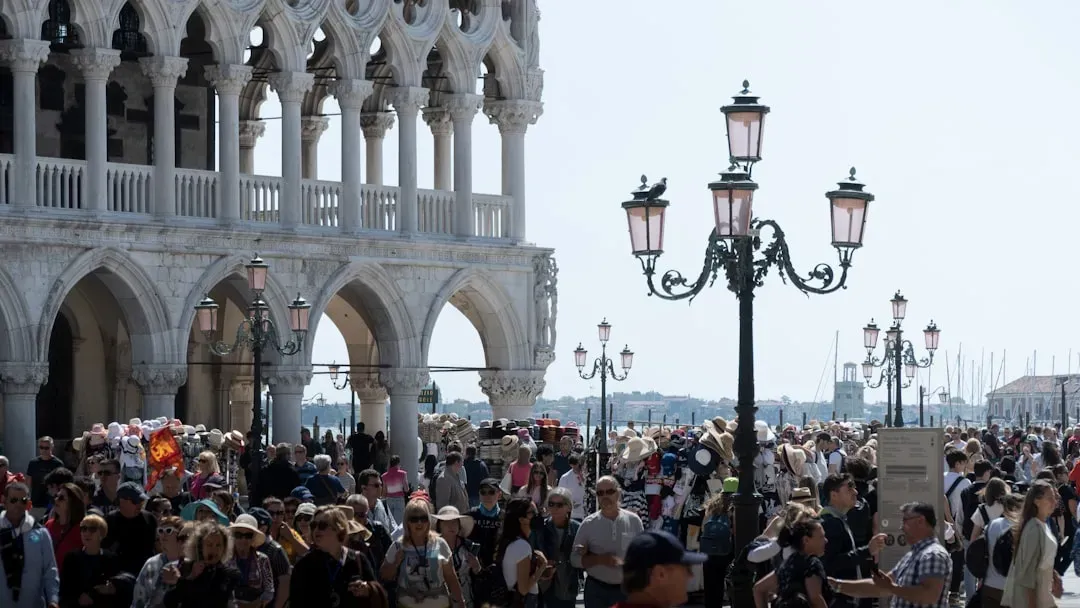
In April 2024, Venice became the first city in the world to charge a €5 entrance fee, under a pilot program that ran for 29 days and netted the city more than $2.5 million. That pilot has now become something much bigger. The fee applies to 54 days in 2025, up from 29 days in 2024, and in April 2025, Venice raised its tourist tax to €10 for day visitors who arrive without reservations during peak hours.
Venice draws over 30 million visitors per year, the vast majority coming only for the day, and residents have long complained that the swarms of tourists erode their quality of life and damage the fragile environment. Think about that for a second. Thirty million visitors flooding a city of roughly 50,000 permanent residents. It’s the tourist equivalent of everyone in Canada deciding to visit a mid-sized Italian city every single year.
Venice has also set a new limit of 25 people on organized tour groups visiting the city starting in June 2024. Critics argue the fees haven’t meaningfully reduced tourist numbers, with local experts noting the charges have had “no impact on tourist numbers.” The city may need to go far further if it wants results.
2. Barcelona, Spain: Where Locals Took to the Streets With Water Pistols
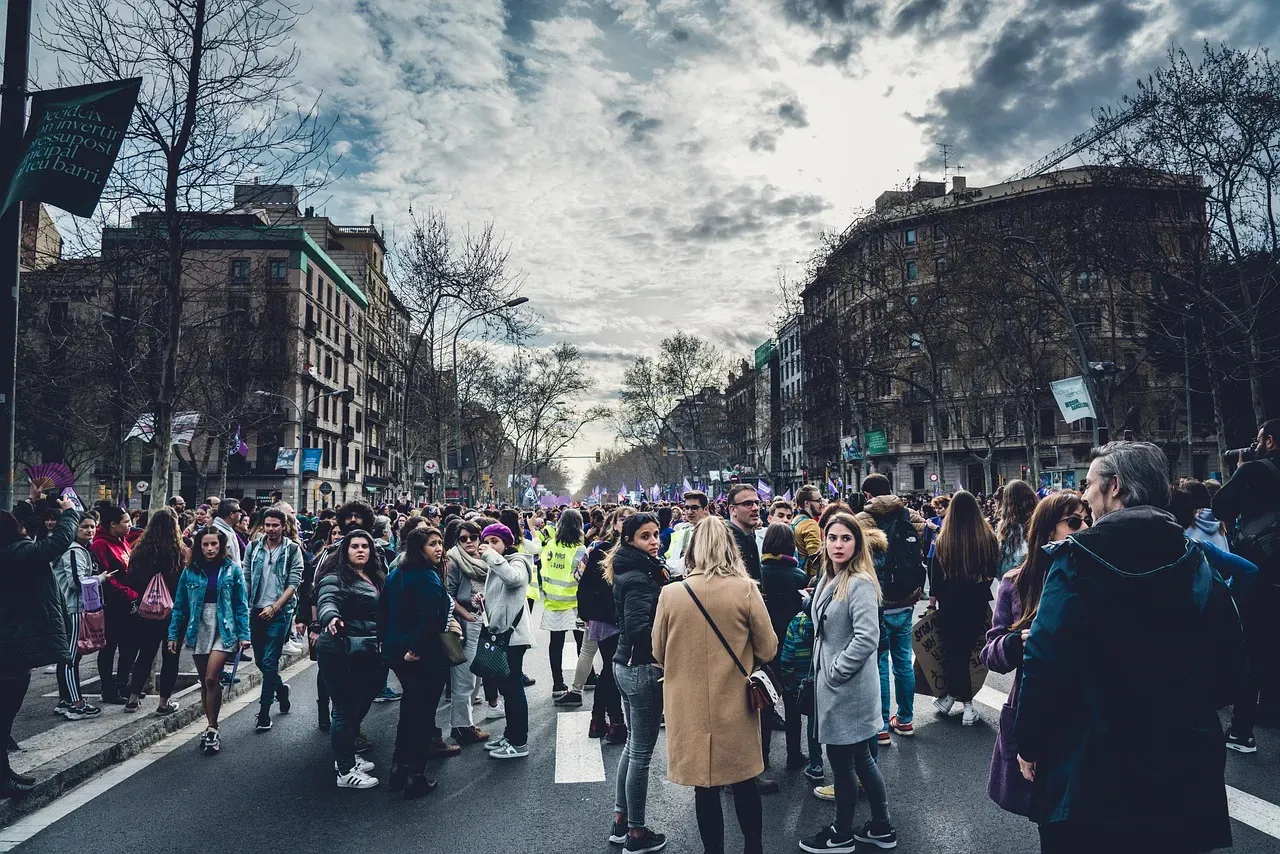
The city of just 1.6 million residents welcomed over 26 million tourists in 2024, with more than 15.6 million staying overnight, and these numbers don’t even count the cruise ship day-trippers, which add another 1.6 million visitors a year. Honestly, those numbers are staggering. For context, that’s more than ten times the local population flooding through the city annually.
In Barcelona, 600 masked protestors took to the streets on June 15, 2025, equipped with water pistols, smoke bombs, and protest banners. The anger is real. In 2025, Barcelona’s city council announced a sweeping ban on all short-term tourist apartment licenses by 2028, a radical move that underscores the urgency of the problem.
Reuters reported in May 2025 that Spain ordered Airbnb to remove more than 65,000 listings, and in July it reported that another 54,728 listings had been identified without the now-mandatory official license number under legislation enacted on 1 July 2025. By January 2026, Ibiza’s short-term holiday rentals had almost halved in 2025 from a year earlier as the crackdown started to bite. The era of unlimited tourist rentals in Spain is clearly coming to an end.
3. Santorini, Greece: Too Beautiful for Its Own Good
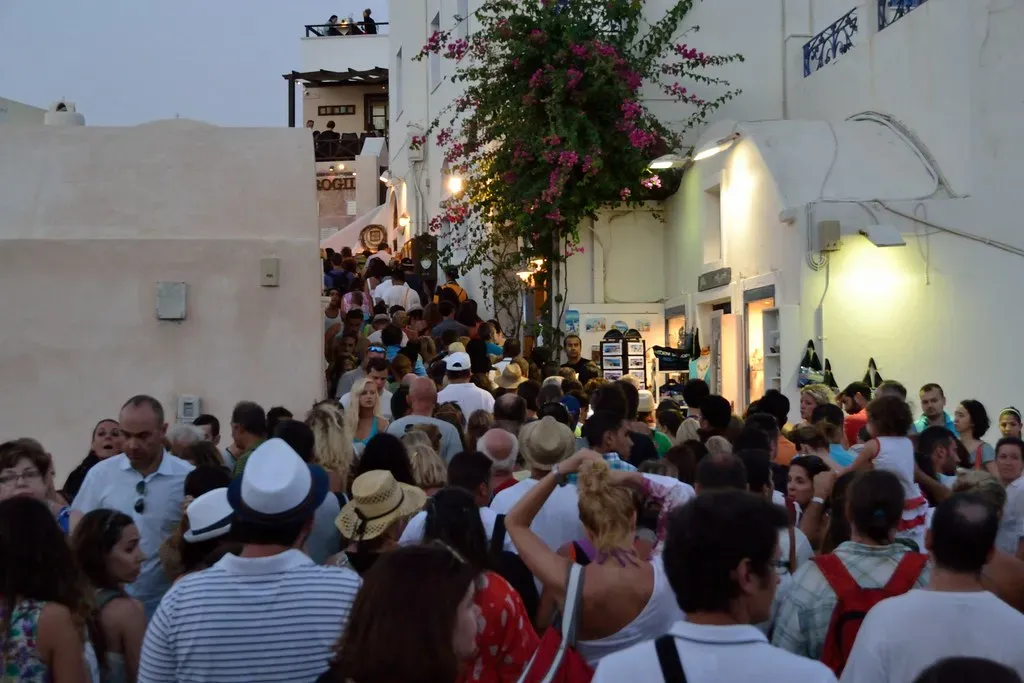
Reports in 2024 showed up to 18,000 cruise passengers overwhelming the island daily, straining resources for its 15,000 residents. Imagine your entire town outnumbered by visitors every single morning. Santorini attracted over 2 million visitors in 2024, making it the busiest summer yet, with tourism revenues nationally rising by 16 percent in the first five months of 2024.
Greece has announced plans to cap the number of cruise ship passengers allowed to disembark at its most popular islands starting in 2025. The money keeps flowing in, but the cracks in the system are widening. Residents in Athens and Paros have protested against overtourism, accusing tourists of displacing locals and diluting the city’s character on islands like Santorini and Mykonos.
Greece is taking a multi-faceted approach to address overtourism and climate resilience, with notable initiatives including a Climate Resilience Tax, with rates ranging from €1.50 for one-star hotels to €15 for five-star accommodations during peak season. Despite overtourism concerns and forest fires requiring evacuations, 2026 is set to be a record year for Greece with tourism revenue potentially reaching €22 billion, creating a complex challenge for policymakers trying to balance economic benefits with environmental and social sustainability.
4. Amsterdam, Netherlands: Residents Are Literally Suing Their Own City

Here is a fact that tells you everything: on September 22, 2025, residents backed by 12 neighborhood groups filed a complaint saying the city failed to act decisively despite surpassing the cap in 2022, 2023, and 2024, with organizers citing a 3 percent rise to 22.9 million overnight stays in 2024. When locals sue their own municipal government over tourists, the situation has clearly passed a critical point.
Known for its progressive approach, Amsterdam implemented one of Europe’s highest tourist taxes in 2024, charging 12.5 percent on accommodation costs. Still, it hasn’t been enough. Amsterdam plans to slash cruise ship stops from 190 to just 100 annually starting in 2026, while cruise ships will be banned from entering the city centre entirely from 2035, and the city will cap river cruise calls at 1,150 ships annually, a substantial reduction from the 1,950 ships that docked in 2024.
Starting in 2026, the city will reduce cruise ship arrivals to 100 per year, and by 2035, it plans to close its primary cruise terminal in the city center altogether. Nearby Rotterdam has agreed to accommodate some of the displaced traffic, ensuring a smoother transition for the cruise industry. It’s a bold structural overhaul, but many locals feel it still doesn’t go nearly far enough.
5. Kyoto and Mount Fuji, Japan: A Country Hitting Its Limits
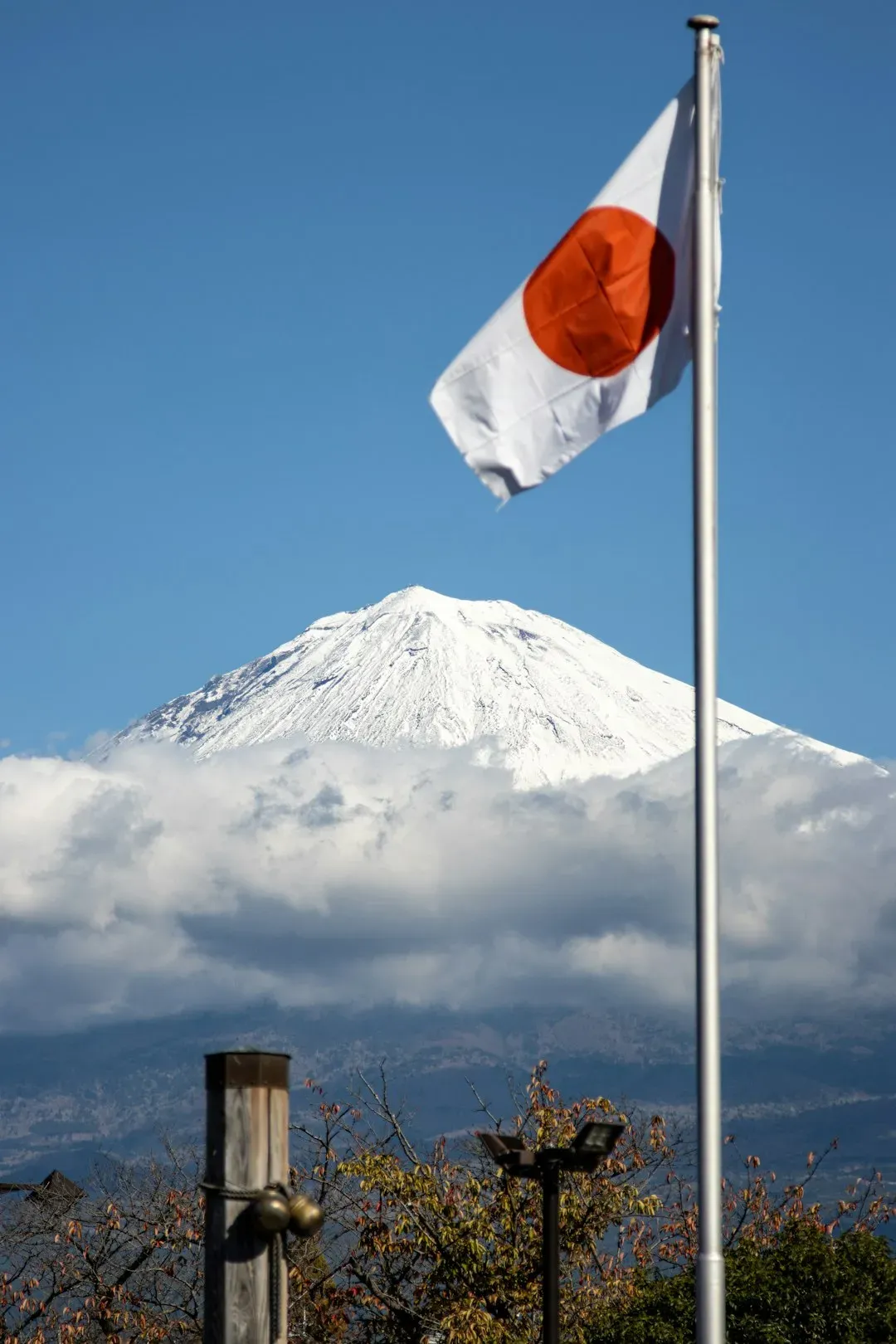
Japan welcomed a record 42.7 million international visitors in 2025, according to figures from JNTO. That’s a number so large it’s almost absurd. In Okinawa, UNESCO-protected Iriomote Island now limits daily tourists to 1,200, while Kyoto has banned tourists from entering private alleys in the Geisha district due to overtourism protests from residents, causing social tensions and leading to bans due to misbehavior.
Mount Fuji now requires climbers to pay 2,000 yen per person, with a daily maximum of 4,000 climbers per day on the popular Yoshida Trail. Authorities increased the fee to 4,000 yen for the 2025 climbing season, and night climbing is prohibited, with the Yoshida Trail closed from 2 p.m. to 3 a.m. daily.
A popular view of Mount Fuji was also blocked in May 2024 to prevent tourists from taking selfies and inconveniencing locals, and approximately 73 percent of overnight stays are concentrated in just five prefectures. Shizuoka Prefecture is implementing additional safety measures, requiring climbers to attend a safety course and pass a test to ensure awareness of risks and responsible hiking practices. Japan is still open, but its patience is running thin.
6. Bali, Indonesia: Paradise With New Rules

Bali saw approximately 6 million international visitors in 2024, sparking heavy backlash from locals and grassroots activists protesting the disappearance of sacred paddy fields, illegal construction of resorts, and untreated plastic pollution on beaches. The island’s identity is being reshaped faster than its communities can adapt.
In 2023, the government announced a ban on tourist activities on all 22 of Bali’s sacred mountains. Authorities are cracking down on inappropriate behavior at sacred sites, issuing fines and deportations to tourists who violate local norms. The days of treating Bali like a lawless playground are genuinely over.
Freshwater scarcity is a particular concern for Bali, where a single tourist uses 1,785 litres of water per day, while locals use around 14 litres. An official April 2025 notice stated tourists must behave respectfully, pay the tourist levy, and follow specific cultural and legal guidelines while visiting the island. The environmental stakes here are not abstract. They are very, very real.
7. Dubrovnik, Croatia: The Game of Thrones Effect Gone Wrong
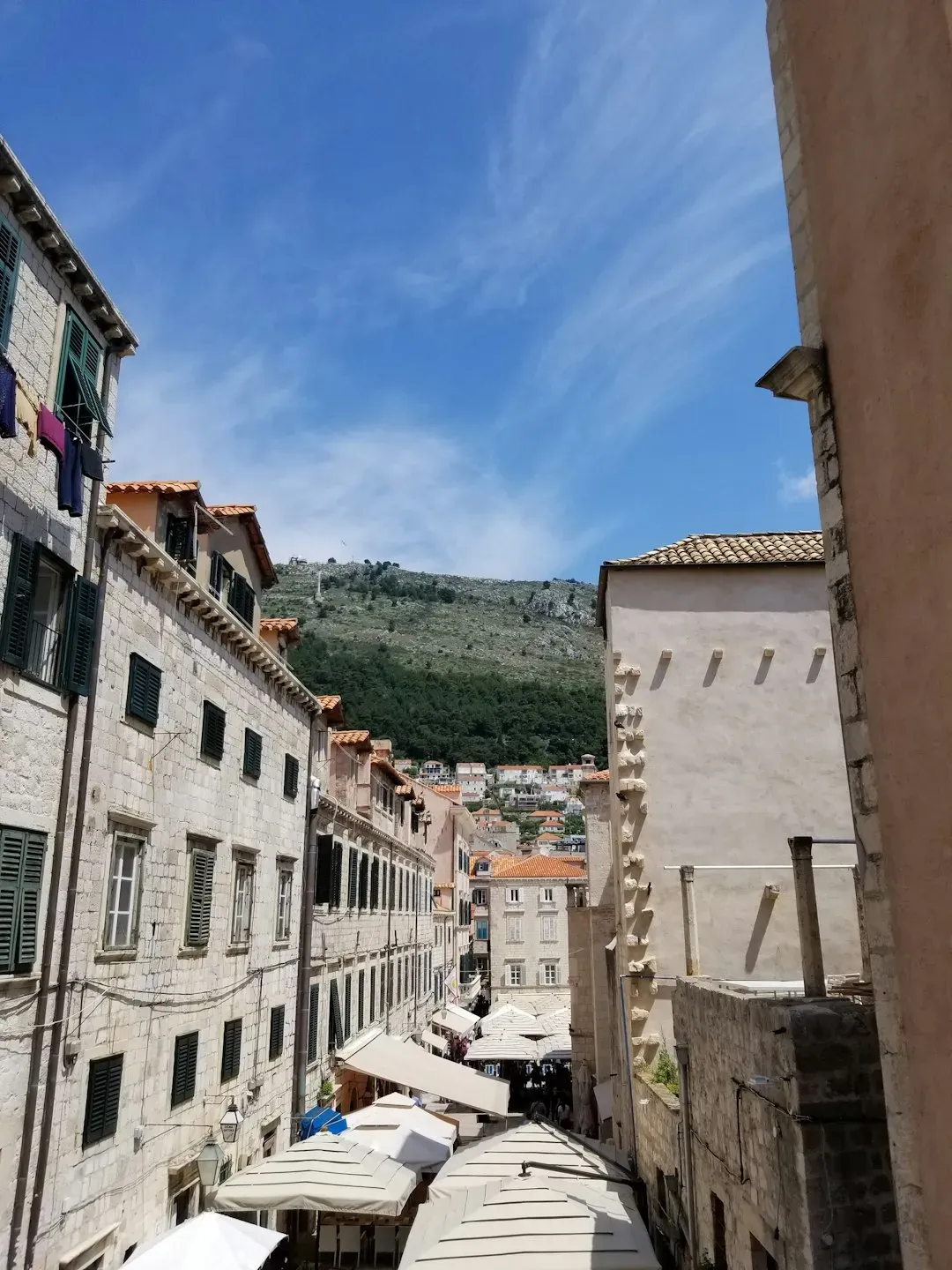
Dubrovnik has imposed strict limits on visitor numbers and cruise ship arrivals in 2025 to prevent overtourism in its historic old town, with certain streets and city gates requiring timed access and large cruise groups heavily restricted, as authorities aim to protect stone walls, narrow streets, and local quality of life. The city’s fame, boosted enormously by its role as a filming location for a beloved fantasy series, became its biggest burden.
Dubrovnik’s Tourist Board introduced a predictive visitor management system, which monitors and controls the number of tourists entering the city at any given time, and the city also limited the number of cruise ships allowed to dock each day to just two. That is a dramatic shift for a port city that once welcomed a flood of ships daily.
Croatia approved draft laws to clamp down on short-term tourist rentals, raise taxes on rental properties, and shield long-term residential housing, while Dubrovnik had already moved to restrict new private rental permits in its historic Old Town. The “Respect the City” initiative, a multidisciplinary programme designed to preserve heritage, improve residents’ quality of life and enhance visitor experience, has been launched. Whether it’s enough remains an open question.
8. Machu Picchu, Peru: Ancient Stones Buckling Under Modern Feet
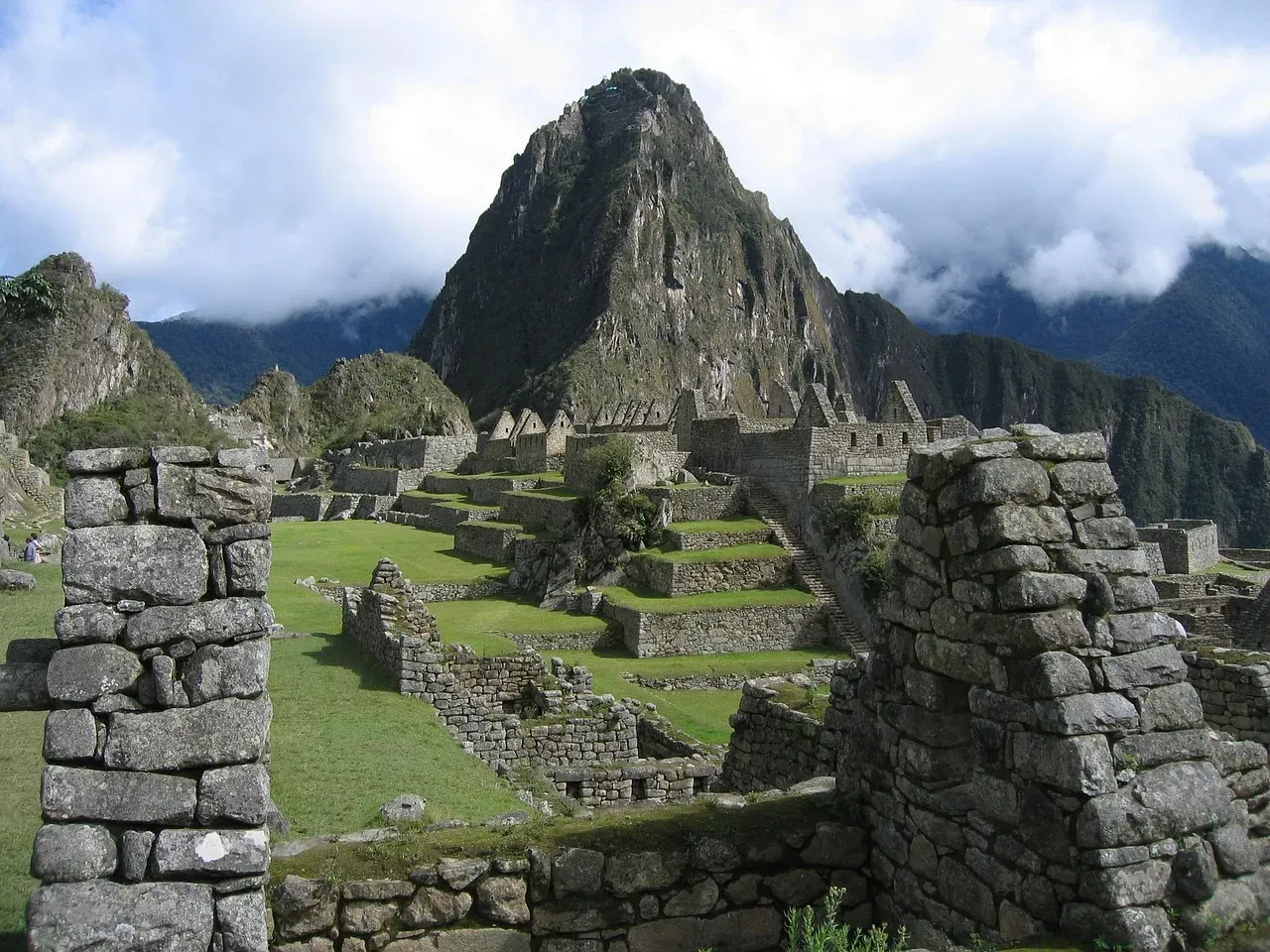
In 2025, Machu Picchu set a maximum visitor capacity that varies by season: 5,600 daily visitors during peak season from May to September and 4,500 during low season, and these limits apply exclusively to the Inca Citadel. For one of the most famous archaeological sites on the planet, this feels like a necessary but painful compromise between preservation and accessibility.
Each ticket now allows only four hours of access, with timed entry slots, and guards check permits to enforce these time limits, a system that started in August 2024. Visitors can only enter during their assigned time, and groups must not have more than 8 people, including guides. It’s essentially an appointment system for one of the world’s greatest wonders. I think that tells you a great deal about how serious the situation has become.
Soil erosion and trail damage are significant problems at Machu Picchu, and new 2025 regulations were put in place directly because of them. The Inca Trail welcomes 500 hikers daily, but it’s closed entirely in February for maintenance. A heritage site that has to shut itself down for repairs once a year is a heritage site under serious pressure.
9. Bhutan: The Country That Built Restrictions Into Its Identity
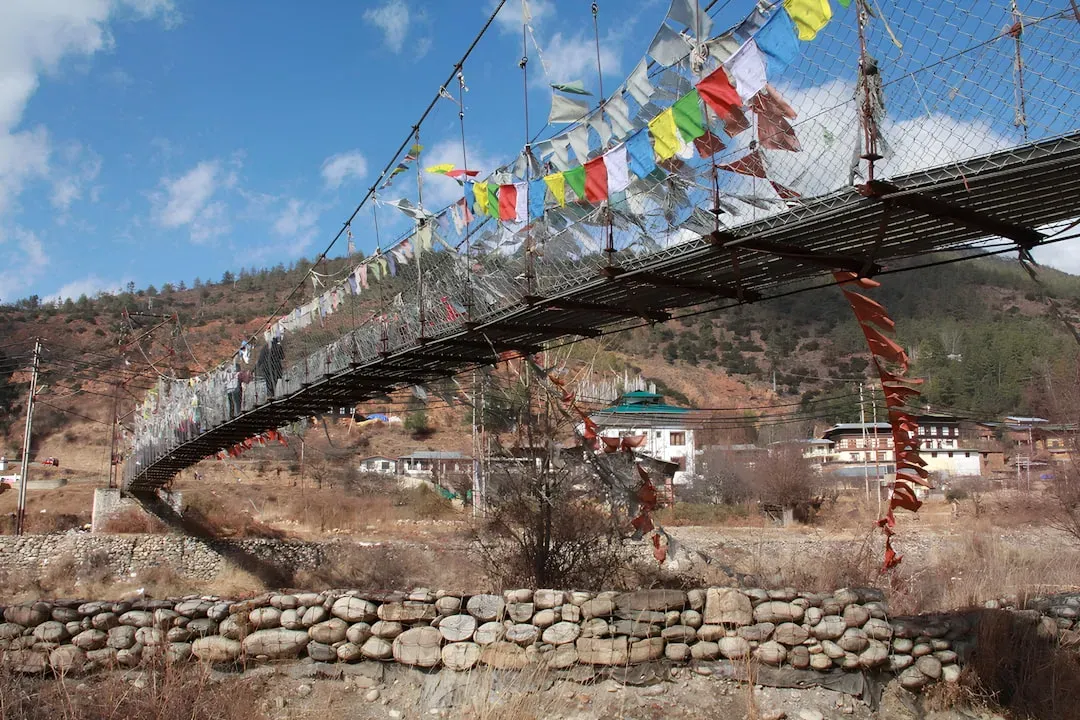
Bhutan has long operated on a philosophy that sounds radical to Western ears: not all tourists are welcome. The Department of Tourism sets a $100 per person, per night fee for sustainable development, and it is non-negotiable and applies to all visitors to Bhutan. This “high value, low impact” strategy has been Bhutan’s approach for decades.
Climbing Bhutan’s highest peaks, like Gangkhar Puensum, is entirely prohibited, and certain border-sensitive areas require prior security clearance. Self-driving is not allowed, tourists must use Bhutan-registered vehicles with local drivers, and drones are restricted and require special permission. These are not afterthoughts. They are fundamental to how the country has chosen to manage itself.
Honestly, Bhutan is something of a model for what other destinations are now desperately scrambling to become. Bhutan remains one of the safest and most organized destinations for mindful travel, following a strict but traveler-friendly set of rules to preserve its culture, nature, and national identity. The difference is that Bhutan planned for this. Most other destinations on this list did not.
10. Iceland and Norway: Protecting the Last Wild Places
Iceland introduced a new per-passenger, per-day fee, with officials anticipating 80 fewer cruise ship visits in 2026, reflecting growing concerns about environmental impact in fragile ecosystems. For a country whose dramatic landscapes are its entire brand, the irony of being damaged by the very visitors who love it most is not lost on anyone.
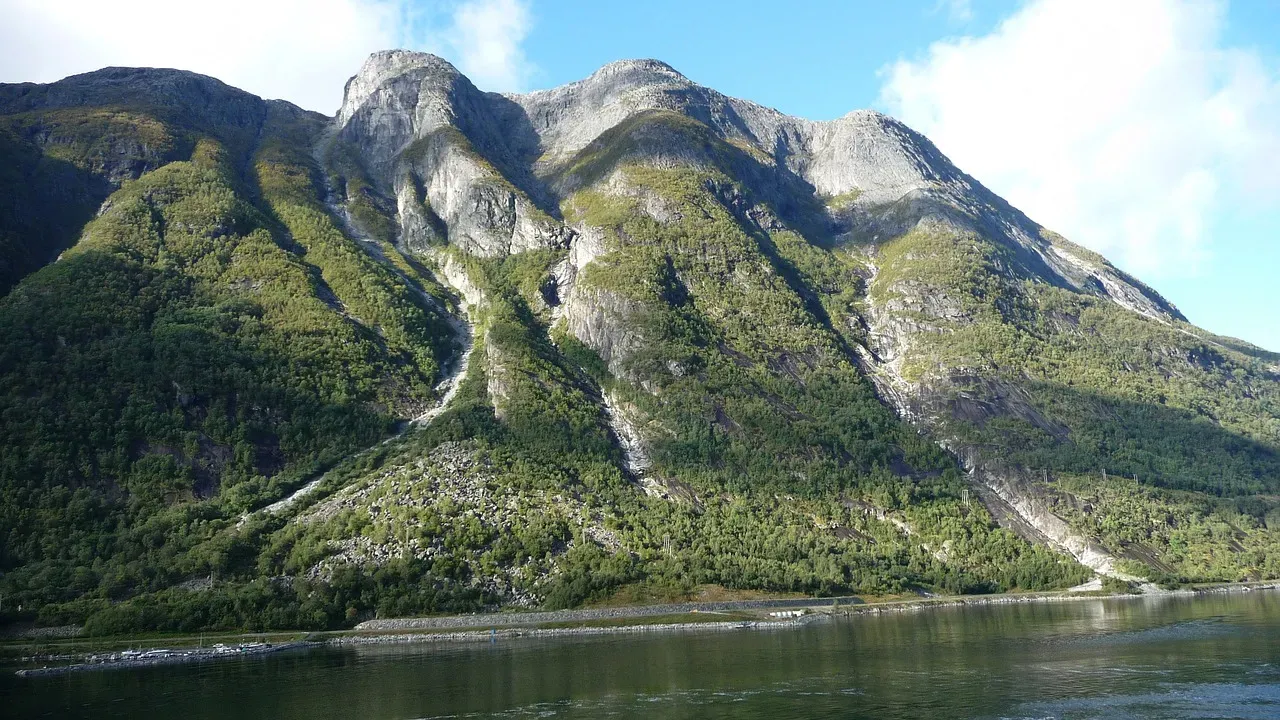
Norway’s west fjords, a UNESCO World Heritage Site, are renowned for their untouched beauty, but cruise ship traffic has long been a source of pollution in these pristine waters. In 2018, Norway announced a groundbreaking decision to permit only zero-emission vessels in the fjords starting in 2026. Norway also faces mounting pressure from tourism to its iconic fjords and midnight sun destinations, prompting the introduction of a strategic tourist tax in 2026 to safeguard local infrastructure and promote community well-being.
As of 2026, smaller vessels under 10,000 gross tonnes, including ferries and sightseeing boats, will be required to operate with zero emissions, and Norway remains committed to leading the way in sustainable tourism, ensuring its iconic fjords remain unspoiled for generations to come. It’s a level of environmental ambition that few other countries have matched so far.