Auto Experts Warn Retirees To Avoid Buying These 5 SUVs
Choosing the right vehicle during retirement is crucial when living on a fixed income. While SUVs remain the most popular vehicle choice in America, not all models make sense for retirees seeking reliability, affordability, and peace of mind. According to recent research from J.D. Power, vehicles have experienced a higher amount of problems in 2025 compared to 2024, making careful selection more important than ever. Auto experts and industry watchdogs have identified specific SUV models that retirees should steer clear of due to costly repairs, frequent breakdowns, and ongoing maintenance headaches.
GMC Acadia: A Reliability Disaster
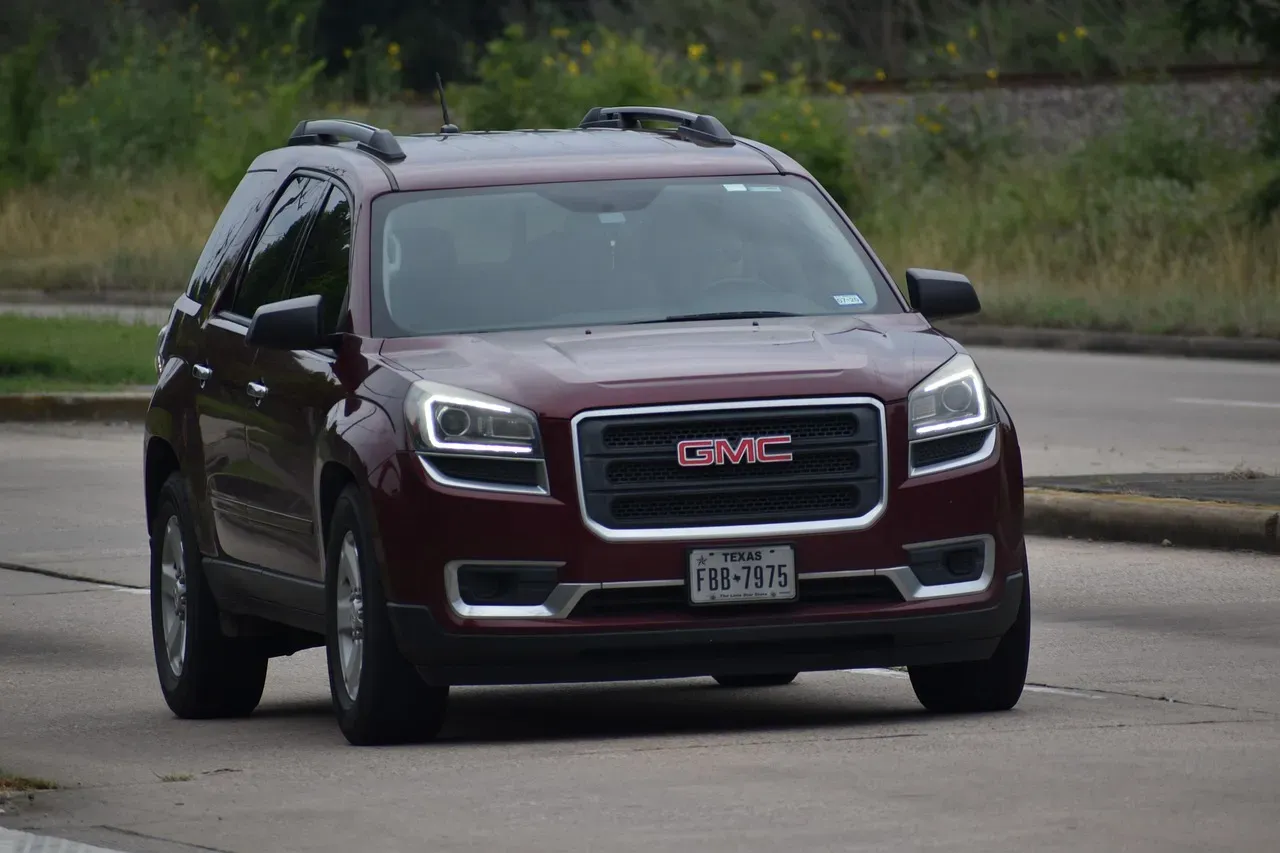
The 2026 GMC Acadia has been flagged as a problem vehicle, with Consumer Reports giving this SUV a predicted reliability score of just 14 out of 100, which represents one of the lowest ratings in the industry. Numerous recalls and ongoing electrical and build quality problems have plagued this midsize SUV, making it a poor choice for retirees who need dependable transportation. The electrical gremlins alone can leave owners stranded or facing expensive dealer visits.
According to owner feedback, the GMC Acadia experienced transmission-related faults, leaks that necessitate gearbox removal, brake issues, and persistent problems with in-car electronics. The Acadia, which was redesigned for the 2025 model year, has well-below-average reliability scores from Consumer Reports. For retirees on limited budgets, the Acadia represents a financial risk that could drain retirement savings through constant repair visits and unexpected breakdowns.
Jeep Grand Cherokee: Expensive and Unreliable
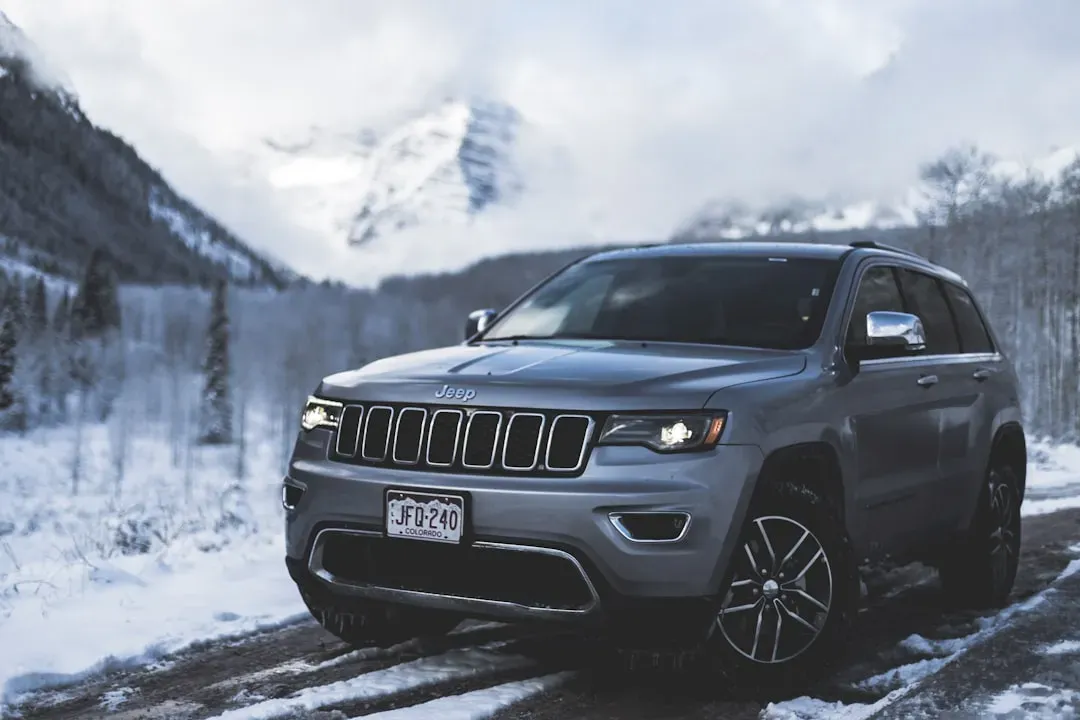
The Jeep Grand Cherokee ranked among the least reliable cars in 2024, and now it is the least reliable midsize SUV in 2025 according to midsize SUV owners. Steering and suspension, drive system, engine electronics, and various noises and leaks are among the areas causing the most headaches for owners. These aren’t minor annoyances but serious mechanical issues that require expensive fixes and frequent dealer visits.
Owners have experienced frequently recurring check engine light issues related to problems with driver assistive features like lane departure warning and transmission faults, with the transmission-related issues most commonly involving slipping gears. Getting a paltry 20 and 19 miles-per-gallon in fuel economy, the Grand Cherokee and Grand Cherokee L are included on Consumer Reports’ 10 least reliable vehicle listing. With poor fuel economy compounding reliability issues, this SUV becomes an expensive proposition for anyone living on retirement income.
Ford Explorer: Transmission Troubles and Oil Leaks

The Explorer made the avoid list because of ongoing reliability issues with the transmission, electronics and mysterious oil leaks. These problems aren’t limited to older models either, as recent model years continue experiencing similar faults. Experts specifically warn retirees against this model because frequent repairs can become both a hassle and a financial drain. When you’re retired and relying on your vehicle for medical appointments and daily errands, constant breakdowns create stress and inconvenience.
RepairPal ranked the Ford Explorer only 19th out of 26 midsize SUV models, and the 2025 Explorer is the worst SUV you can lease according to CarsDirect’s analysis of incentives data. Consumer Reports scores the Ford Escape Hybrid just 21 out of 100, citing major issues with brakes, in-car electronics, and in certain cases even a full replacement of the hybrid battery. The combination of poor reliability ratings and expensive potential repairs makes Ford’s midsize SUV offerings risky choices for retirees.
Mercedes-Benz GLE: Luxury With Expensive Consequences
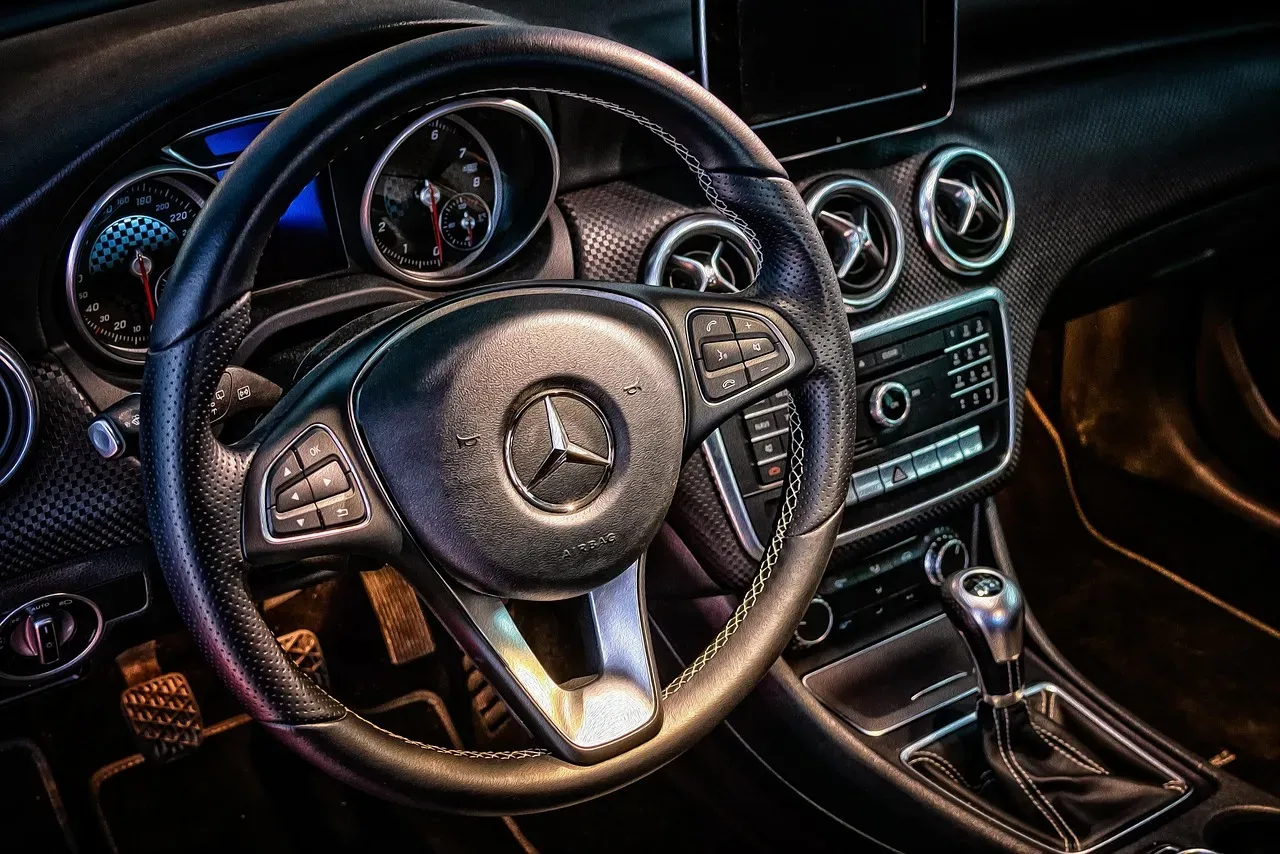
The Mercedes-Benz GLE is an elegant SUV with high-end tech and safety features, but owners can expect to spend $15,234 on maintenance and repairs during the first 10 years of service, which is $2,740 over the industry standard for a luxury SUV. While the upscale badge might seem appealing, the reality for retirees is far less attractive. Consumer Reports named it the least reliable midsize SUV for 2025, with problem areas including the brakes, electrical accessories, fuel system, climate system, and transmission.
Owner reviews indicate the nine-speed automatic transmission can experience jerky or rough gear changes, and there are several complaints regarding issues with the infotainment system, the biggest headache being how often it crashes. A March 2024 NHTSA recall covered no fewer than 116,020 U.S.-made GLE and GLS models with 48-volt mild-hybrid systems whose ground connections could loosen and potentially cause a fire. Safety recalls combined with expensive repairs make this luxury SUV a poor investment for those watching their retirement budgets carefully.
BMW X5: Premium Price, Premium Problems
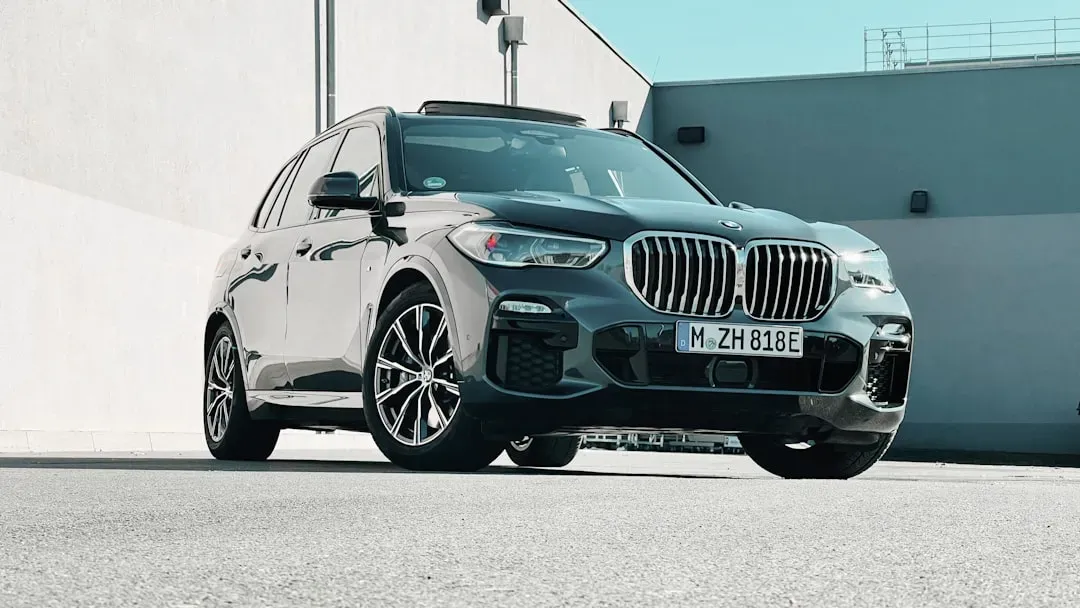
The BMW X5 is compelling due to its powerful performance, but maintenance prices can rack up to $19,514 during its first 10 years of service, which is $7,020 higher than the industry average. That premium price tag doesn’t guarantee reliability either. There’s a 56.41% chance that the SUV will need a big repair during the first decade of ownership, and the vehicle experiences regular problems with cooling systems and transmissions and electrical components after reaching 100,000 miles.
The unpredictability of these vehicles creates both financial strain and emotional distress for retirees, and many safety and comfort features desired for seniors are hidden behind expensive option packages. CarEdge estimated a $19,514 total cost to own this SUV over 10 years, with BMW’s German-made parts, labor and recurring items such as routine oil changes costing more than rivals not in the luxury space. For retirees seeking dependable transportation without breaking the bank, the X5 represents everything to avoid in an SUV purchase.