Travel Advisors Say Safety Concerns Are Steering Tourists From 7 Spots
The world is wide open. More than 790 million international tourists moved across borders in just the first seven months of 2024, and the numbers have kept climbing. Tourism was projected to hit a record $11 trillion in 2024, with the UN World Tourism Organization reporting 790 million international tourists in the first seven months of the year alone. That sounds like great news for the planet’s love of travel. Except, quietly, professional travel advisors are telling a different story.
Some destinations are losing visitors not because they are suddenly less beautiful or less interesting, but because the risk math has shifted in ways travelers cannot ignore. In a report released by Europe-based risk analysis companies Safeture and Riskline, researchers concluded that the “security situation has deteriorated in 77 countries” around the globe, and the annual outlook from International SOS didn’t lower the security risk rating for a single country in 2025. These are the seven spots advisors keep flagging. Let’s dive in.
1. Haiti – Where Even Government Workers Cannot Walk Freely
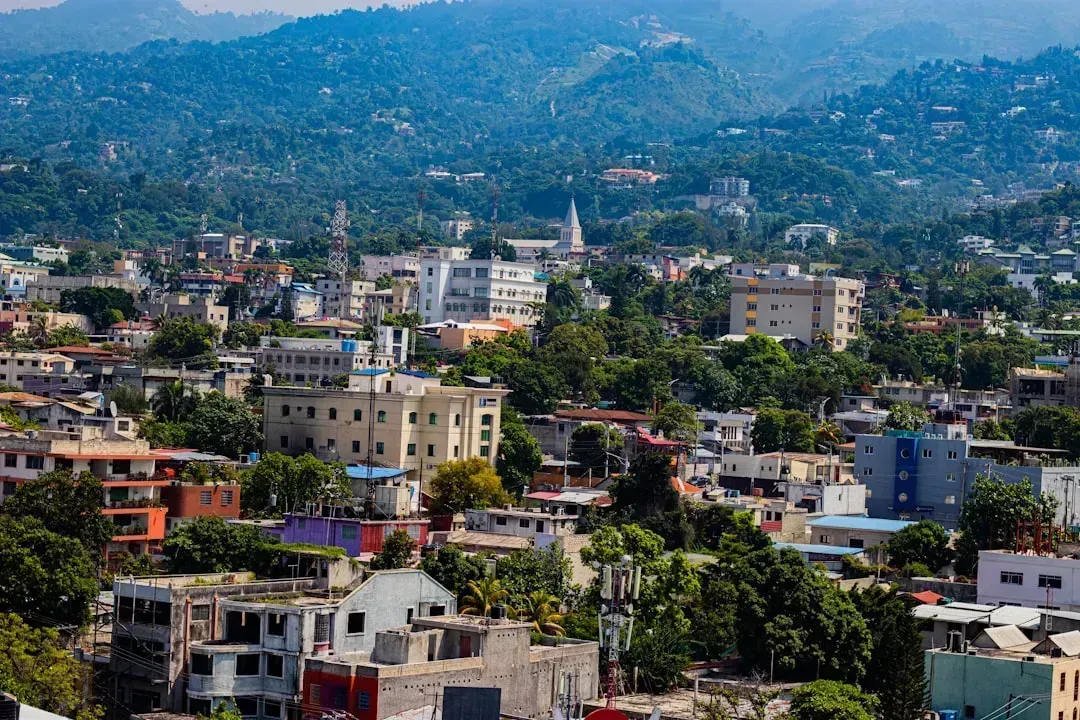
Here’s a number that genuinely stopped me cold. More than 8,100 killings were documented nationwide in Haiti between January and November 2025 alone. That figure, reported by the UN Secretary-General, is not a projection or an estimate. It is a documented count from a country that was once a beloved Caribbean destination.
Criminal groups now control around 90 percent of Port-au-Prince and its metropolitan area, and have expanded into previously secure areas and key regions in the Artibonite, Centre, and Northwest departments, while continuing to control major roads and severely disrupting the delivery of essential services. The situation is so extreme that U.S. Embassy personnel cannot travel by foot in Port-au-Prince and must obtain special permission to travel outside the embassy compound due to security risks.
Toussaint L’Ouverture International Airport has faced repeated closures after aircraft were hit by gunfire, and U.S. airlines are banned from southern Haiti until at least March 2026. Major infrastructure has essentially collapsed under the pressure. Major banks and hotels, such as the Marriott Port-au-Prince, have shut down entirely. The U.S. State Department’s advisory is unambiguous: do not travel to Haiti due to kidnapping, crime, terrorist activity, civil unrest, and limited health care.
2. Venezuela – A Tourism Industry Swallowed by Crisis
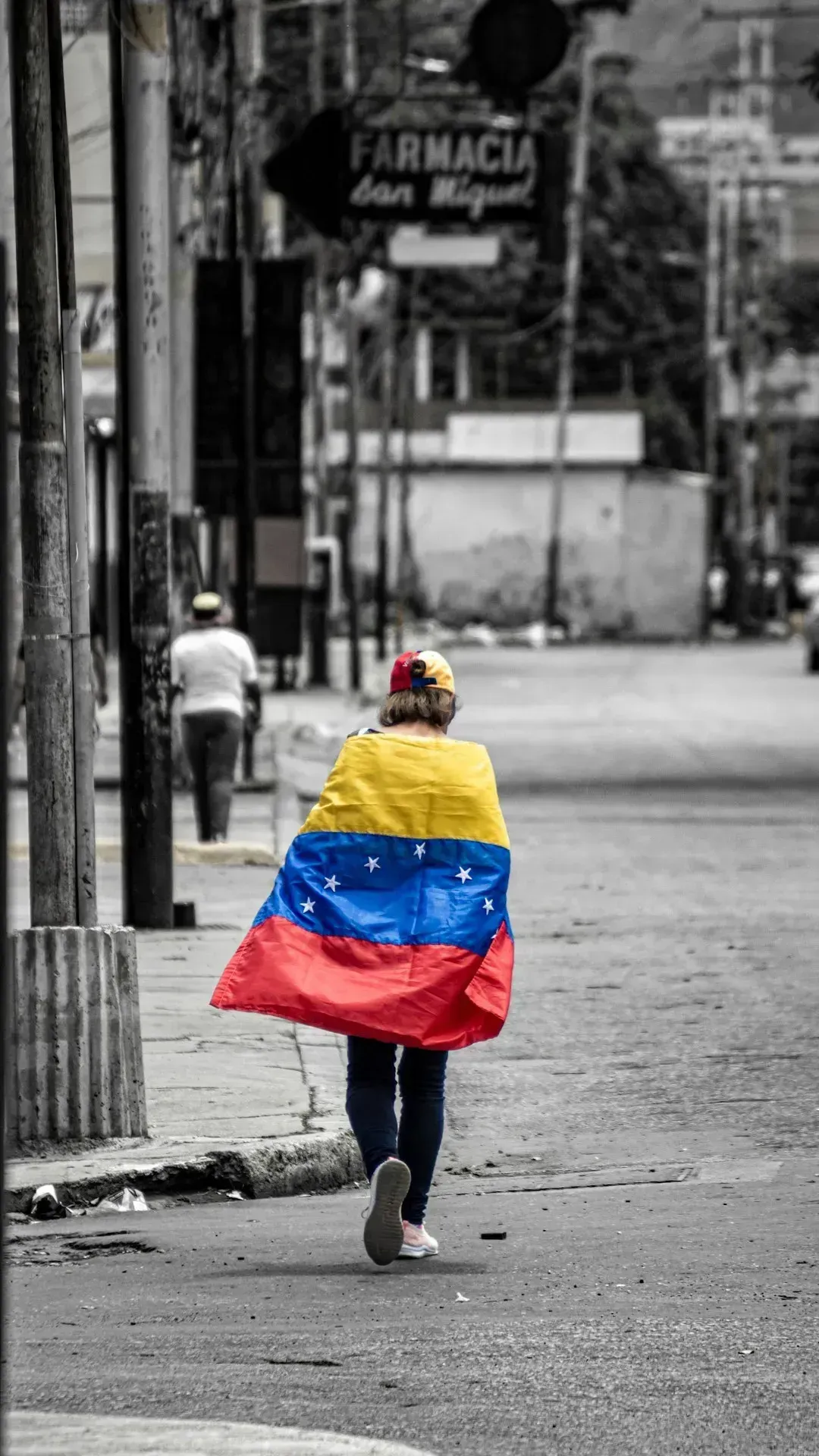
Venezuela was once a country with breathtaking natural landscapes and a tourism industry generating real economic weight. Venezuela was rated the world’s most dangerous country, with a dismal safety score of 19.3 according to Numbeo’s 2025 Safety Index. The fall from that former status has been dramatic.
The U.S. State Department advises not to travel to or remain in Venezuela due to the high risk of wrongful detention, torture in detention, terrorism, kidnapping, arbitrary enforcement of local laws, crime, civil unrest, and poor health infrastructure. What makes this advisory especially chilling is the near-total absence of backup support. In March 2019, the U.S. Department of State withdrew all diplomatic personnel from the U.S. Embassy in Caracas and suspended operations, and all consular services, routine and emergency, remain suspended, meaning the U.S. government has no ability to provide emergency services or consular assistance to U.S. citizens in Venezuela.
Since 2024, dozens of foreign citizens have been arbitrarily detained by Venezuelan authorities. Violent crime is pervasive throughout Venezuela, which has one of the highest homicide rates in the world, and kidnappings are a serious concern. Even something as routine as leaving the airport is genuinely dangerous: incidents of violent crime occur frequently both inside airport facilities and in surrounding areas, with kidnappers and armed robbers having targeted foreigners who are assumed to be holding large amounts of foreign currency.
3. Myanmar – A Military Coup That Never Ended

Myanmar is one of those destinations that feels like it slipped off the radar quietly, and the situation has only compounded since. Myanmar’s elected government was deposed by a military coup in 2021, leaving the country under military rule, where civil unrest and armed conflict are possible, landmines and other unexploded ordnance make some areas dangerous, and unlawful detentions have been reported, with the country also suffering from limited healthcare resources.
International SOS says its 2026 Risk Outlook research found fast-moving, converging threats, and notes changes on its open-access Risk Map, including Myanmar moving from High to Extreme security risk. That jump from “high” to “extreme” is not trivial. It reflects a measurable, documented escalation. Afghanistan, Myanmar, and Pakistan continue to top the list of least safe countries, driven by militant activity, border tensions, and weak governance.
Most Southeast Asian countries are considered safe and welcoming, but Myanmar is a notable exception, with potential wrongful detentions, civil unrest, and limited healthcare resources among the primary reasons the U.S. State Department advises against travel. Travel advisors who specialize in Southeast Asia are consistently steering clients away and redirecting them toward Thailand, Vietnam, or Cambodia instead.
4. Afghanistan – The Hardest No on the Global Map

If any destination represents the absolute outer limit of travel risk, it is Afghanistan. Afghanistan remains one of the highest-risk destinations globally, with persistent terrorism threats, arbitrary detention risks, and limited diplomatic support making travel extraordinarily hazardous. This is not a case of regional pockets being dangerous. The risk is systemic and nationwide.
The current U.S. State Department advisory lists a Level 4 warning citing civil unrest, crime, terrorism, wrongful detention risk, kidnapping, natural disasters, and limited health facilities, with the U.S. Embassy in Kabul having suspended operations, meaning routine or emergency consular services are not available. Think about what that means practically. If something goes wrong, there is essentially no rescue mechanism in place.
Healthcare infrastructure is critically weak, particularly outside Kabul, where medical facilities lack supplies and trained personnel, emergency evacuation can be nearly impossible in deteriorating security conditions, and communication networks are inconsistent while banking systems remain unstable. Commercial travel insurance often excludes coverage for Afghanistan, which can turn basic logistics into a major barrier for visitors. Even the most seasoned adventure travelers should treat this one as a firm line on the map.
5. Russia – Geopolitical Isolation and the Wrongful Detention Risk

Russia sits in a complicated category. It is not a country in outright civil war, and certain cities still appear visually functional to visitors. The problem is what lies beneath the surface for Western nationals specifically. Russia’s geopolitical isolation and the continuing war in Ukraine have elevated its risk classification, and it ranked among the least peaceful countries in the 2025 Global Peace Index.
A significant concern for Western nationals is wrongful detention, with documented cases of foreigners arrested under disputed charges, while sanctions have disrupted financial systems, limiting access to international banking services, and embassy operations are reduced, complicating consular assistance. It is the kind of risk that doesn’t come with a dramatic warning sign. You can be sitting in a Moscow café and still be vulnerable.
Given Belarus’s tight ties to Russia, warnings for the broader region are tied to political tensions and the ripple effects of the war between Russia and Ukraine, and despite Russia’s continued appeal as a tourist destination, the country is currently considered off-limits by most Western governments. Ukraine itself also requires nuance, appearing on Riskline’s 2026 “Least safe” list, with the U.S. State Department advisory continuing to warn against travel due to Russia’s ongoing war against Ukraine.
6. Yemen – A Nation the World Has Largely Forgotten for Tourism

Yemen barely registers on most travelers’ radar anymore, which is honestly by design at this point. Yemen remains one of the strongest examples of why “scenic” does not mean “safe,” with Riskline including Yemen in its 2026 “Worst for health and medical care” list, while the U.S. State Department places Yemen at Level 4 and cites terrorism, unrest, crime, health risks, kidnapping, and land mines.
Ongoing conflict keeps Yemen near the top tier of danger lists because violence risks overlap with minimal outside support, with airstrikes, armed clashes, and unexploded ordnance remaining concerns in multiple areas, and kidnapping having long been a documented threat while many diplomatic missions do not operate normally inside the country. The infrastructure picture is equally grim.
Years of armed conflict have devastated Yemen’s infrastructure, including hospitals, roads, and airports. The U.S. Embassy in Sana’a has suspended operations, and the U.S. government cannot provide routine or emergency consular services there. Travel advisors are emphatic: some companies outside Yemen have reportedly misrepresented safety conditions and sold unofficial, invalid visas, a stark reminder that not all travel operators act in good faith.
7. Mexico’s High-Risk States – The Destination That Demands Nuance
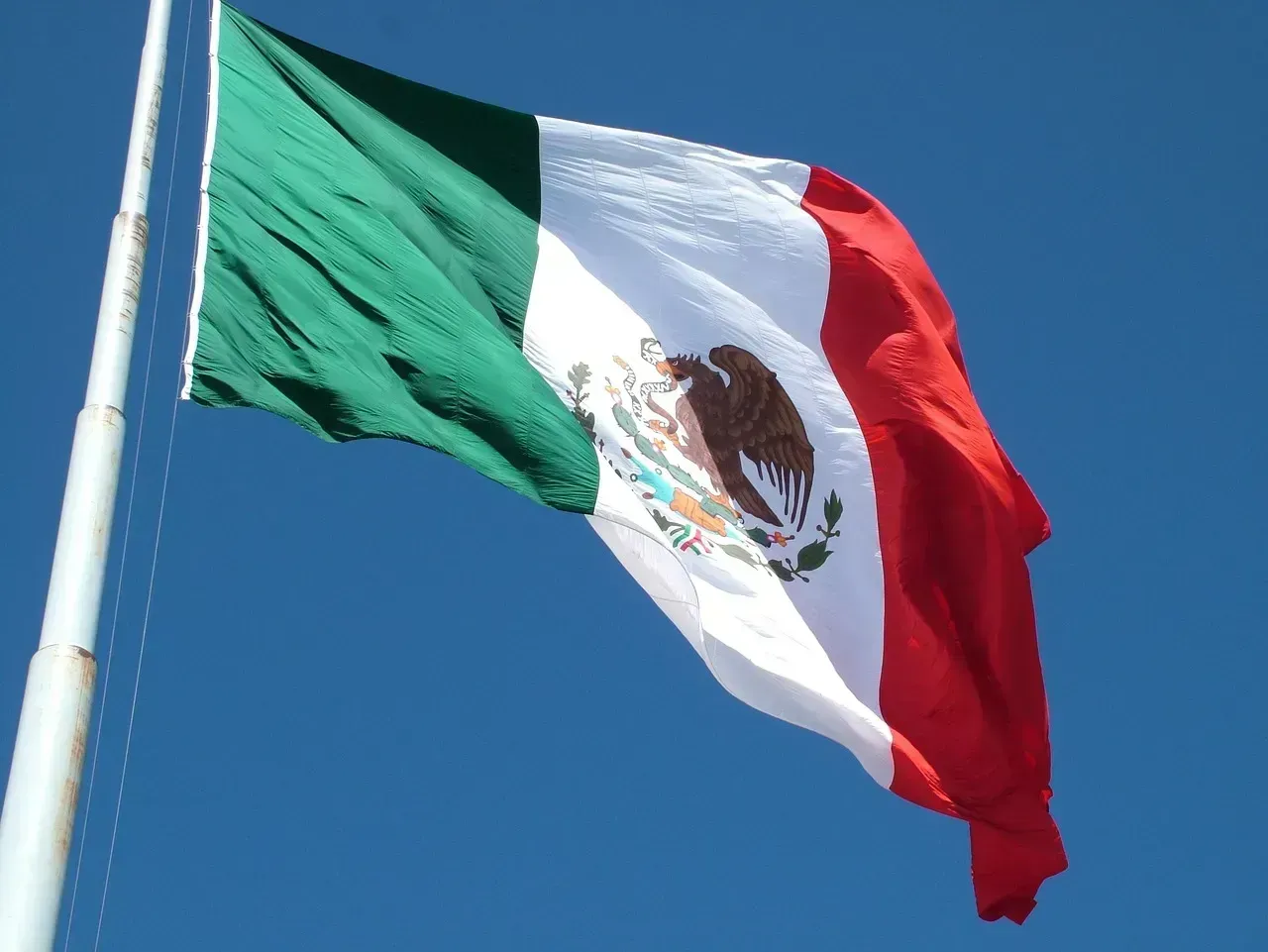
Mexico is different from the other six entries here, and that distinction matters. Much of Mexico is safe and sees millions of tourists every year without incident. The problem is that certain states have deteriorated to a point where travel advisors are delivering very direct warnings. Six states, including Colima, Guerrero (where Acapulco is), Michoacan, Sinaloa, Tamaulipas, and Zacatecas, have been given a flat “do not travel” warning by the State Department because of the risks of crime and kidnapping.
The drug war in Mexico is one of the most violent conflicts on the planet, with cartel activity permeating through many levels of the Mexican economy and society, and cartel conflicts continue to drive violence across Mexico, including tourist areas previously considered less affected, such as Cancun, Tulum, and Puerto Vallarta. That last point is significant. Even postcard-perfect beach towns are no longer automatically exempt from the broader security picture.
Six of the 32 states in Mexico are designated as Level 4: Colima, Guerrero, Michoacan, Sinaloa, Tamaulipas, and Zacatecas, with crime and kidnapping listed as the primary risk factors throughout the country. The threat of violence has also prompted the State Department to advise U.S. tourists to “reconsider travel” for several more Mexican states with popular resort areas, including Jalisco, home of Puerto Vallarta, and Guanajuato, home of San Miguel de Allende. Travel advisors are not telling clients to avoid Mexico entirely. They are telling them to choose very carefully and to stay informed up to the day of departure.
What All Seven Spots Have in Common

Looking across these seven destinations, a clear pattern emerges. It is rarely just one thing going wrong. It is the compounding overlap of multiple threats: violent crime, political instability, collapsed healthcare systems, and the near-total absence of consular support when things fall apart. The U.S. State Department has issued updated travel advisories for 2025 cautioning travelers about rising dangers in numerous high-risk countries, with increasing concerns over terrorism, civil unrest, and natural disasters making vigilance essential before booking.
Political instability is increasingly shaping travel decisions, and with ongoing conflicts, civil unrest, and upcoming elections in various regions, travelers are becoming more cautious about their destinations, with many opting to avoid countries experiencing heightened political tension where protests, strikes, or government crackdowns could disrupt travel plans. The smartest travelers today think like travel advisors: they cross-reference multiple official sources, they check advisory levels close to departure, and they never assume last year’s conditions still apply.
Looking ahead, the global risk landscape is likely to remain dynamic, with shifting political tensions, evolving conflict zones, and climate-related pressures influencing safety in ways that are genuinely hard to predict. The State Department bases its travel advisories on various factors including local laws and customs, as well as health concerns in countries with ongoing health crises that are flagged for increased caution. In a world that is moving this fast, complacency is its own kind of risk.
The seven spots above are not off the map forever. Destinations recover. Situations change. But right now, in 2026, the data is clear and the advisors are unanimous: these are places where the math does not favor the casual tourist. What would you do if your dream destination appeared on this list?