Consumer Reports’ Top-Rated Vehicles List
Consumer Reports has unveiled its highly anticipated 2026 Top Picks , marking a historic milestone for the automotive industry. For the first time, every Consumer Reports Top Pick is available as a hybrid or an electric vehicle, reflecting the shifting landscape of modern transportation. There are more than 260 cars, trucks, and SUVs on the market today, enough to make a car buyer’s head spin. Yet only ten models earned the prestigious distinction of being named Consumer Reports’ best vehicles of 2026, setting the standard for excellence across multiple categories from small sedans to full-sized pickup trucks.
Each Top Pick has among the highest Overall Scores in its respective category, which combines performance in Consumer Reports’ exhaustive road tests, reliability and owner satisfaction ratings from the organization’s exclusive member surveys, and performance in government and insurance industry crash tests. The average price of a new car is over $50,000 for the first time ever, placing added pressure on car shoppers to ensure they’re making a smart choice. These selections help buyers navigate an increasingly complex market while making informed decisions about their next vehicle purchase.
Honda Civic Hybrid Takes Small Car Crown

The Honda Civic, long lauded for its value, is a new entrant into Consumer Reports’ top 10 this year. The car is the most affordable vehicle on Consumer Reports’ , with a base price of $24,695. The Honda Civic is an excellent small car, and the Hybrid is the best version. It has all the qualities we love about the gas-only car, including quick, responsive steering, a comfortable ride, and a roomy interior. This sedan stands out not just for its affordability, but also for delivering remarkable performance that exceeds expectations in its class.
The Hybrid version adds a marvelous 2.0-liter four-cylinder powertrain that produces 200 hp – 50 hp more than the base gas-only Civic. That extra boost helps it zip from 0 to 60 mph in 7.5 seconds, a full 2 seconds faster than the regular Civic, while also achieving 44 mpg overall, up from 33 mpg. The combination of spirited performance and exceptional fuel economy makes the Civic Hybrid a compelling choice for budget-conscious shoppers who refuse to compromise on driving enjoyment. It’s as impressive for its refined power delivery and rewarding driving experience as it is for being refreshingly entertaining on twisty roads.
Testing Methodology Behind The Rankings
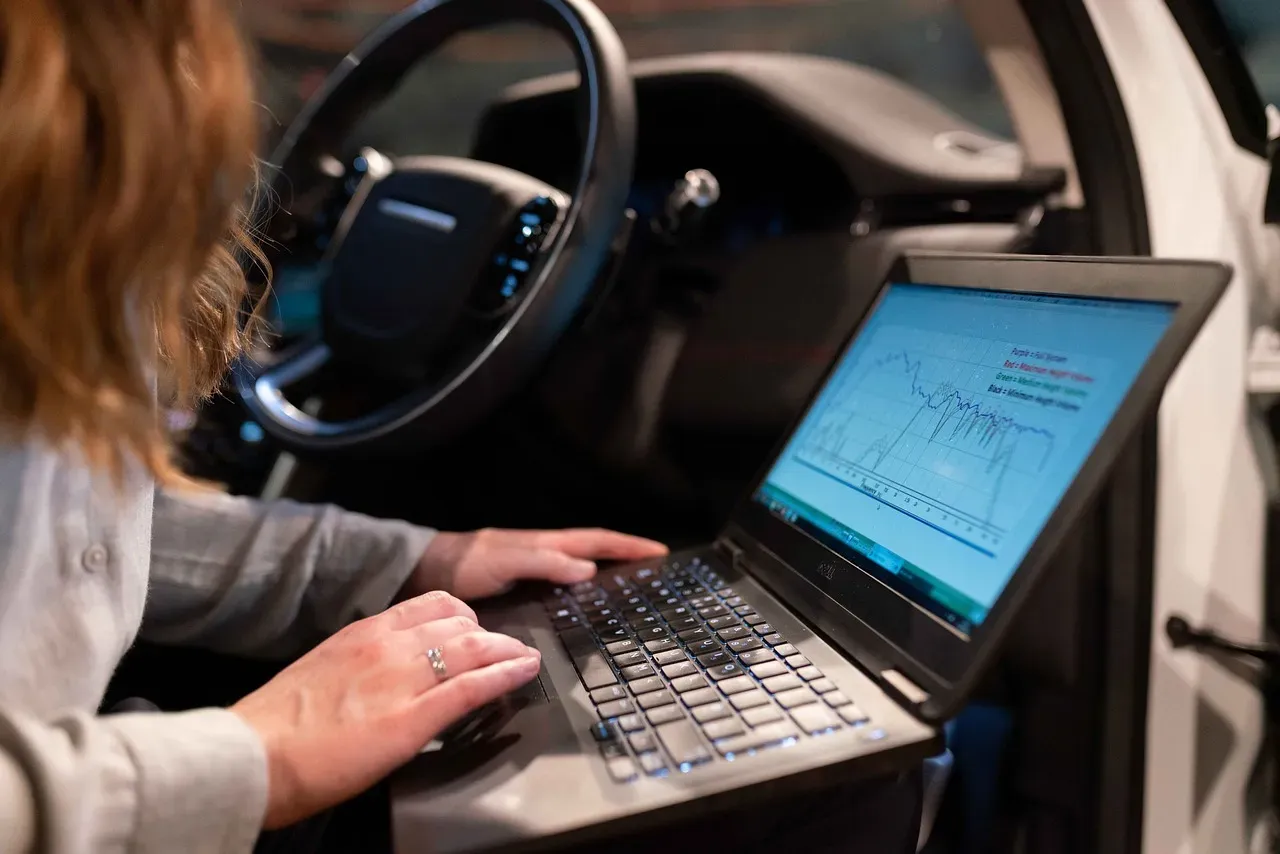
Consumer Reports tests about 50 new vehicles every year. Each one is purchased anonymously at dealerships. The organization does not test free loaned vehicles from manufacturers to maintain its independence and test cars with the trim and options consumers are more likely to buy, rather than the special versions carmakers want to showcase. After a 2,000-mile break-in and initial assessment period for each car, CR conducts more than 50 tests using state-of-the-art measurement tools at its 327-acre Auto Test Center in Connecticut and on surrounding roads. This rigorous approach ensures unbiased results that consumers can trust when making purchasing decisions.
This year’s survey covers about 380,000 vehicles from the 2000 to 2025 model years, with a few newly introduced 2026 models. This year’s survey covers up to 20 problem areas, including engine, electric motors, transmission, in-car electronics, and more. Consumer Reports members provide detailed feedback about their ownership experiences, allowing the organization to predict which new models are most likely to deliver reliable, trouble-free performance. Generally, the longer a model has been sold without a major update, the more time the manufacturer has had to identify problems and make adjustments to address them. For example, the Ford Bronco Sport experienced issues with its braking system in its first few years, which showed up in our data. Ford told us that they subsequently made improvements to the braking system, which was reflected in our 2024 and subsequent survey data.
Subaru And Toyota Dominate SUV Categories
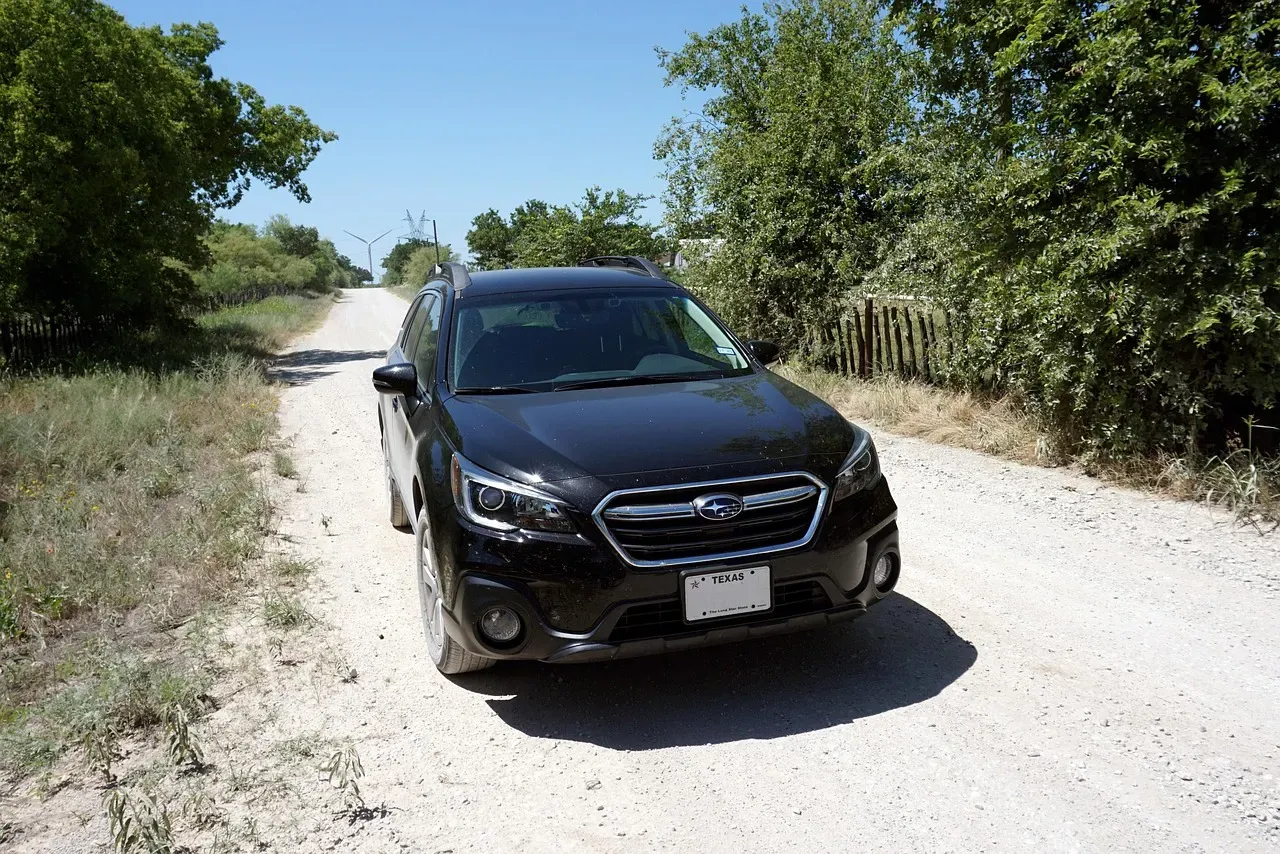
Nevertheless, there are a few newcomers for 2026: the aforementioned Honda Civic, the Toyota Grand Highlander SUV and the full-size Ford F-150 pickup truck. Subaru claimed multiple spots on the with both the Crosstrek and Forester earning top honors in their respective categories. Each gas-only version now has a 180-hp, 2.5-liter four-cylinder engine with a continuously variable transmission and AWD, which achieved 29 mpg overall in Consumer Reports’ fuel-economy testing. (The new, slightly more powerful Hybrid has an EPA-estimated 36 mpg combined.) The Crosstrek handles well, with quick steering and minimal roll through turns, but it’s the ride quality that’s most noteworthy.
The Subaru Forester continues its impressive streak, now enhanced with a hybrid powertrain option. Last year, the gas-only Forester claimed a spot in Consumer Reports’ Top Picks due to its good all-around performance and reliability scores. High points also included easy access in and out, great visibility, a comfortable ride, good safety credentials, and a spacious interior. This year, the Forester adds to those virtues a fuel-efficient hybrid powertrain, with a 2.5-liter flat-four “boxer” engine augmented by Toyota-sourced electric hardware. Unlike most other small hybrid SUVs, which only offer limited all-wheel drive, the Forester Hybrid has a mechanical, full-time AWD system. Consumer Reports’ testing confirmed the hybrid boasts a 5 mpg advantage over the regular Forester, making the exceptional SUV even more desirable.
Electric And Luxury Segments Show Strong Contenders
Continuing its reign as the bestselling electric vehicle, the Model Y combines a practical yet sleek hatchback design, long driving range, sports-car-level performance, and access to the widespread Tesla Supercharger network. Refreshed for 2026, the latest Model Y gained numerous updates. It has a more compliant ride, acoustic glass for a quieter cabin, upgraded interiors, and – in the midlevel Premium trim and up – an 8-inch touchscreen for rear passengers. Like last year’s version, the revised Y still benefits from thrilling acceleration, sharp handling, comfortable front seats, and wonderfully unobstructed forward views. Most significantly, its reliability continues to improve, making it more enticing than ever. The Tesla Model Y remains the only fully electric vehicle to make Consumer Reports’ top ten for 2026.
Not surprisingly, the BMW X5 snags a spot on the , a year after Consumer Reports said it was the best-rated vehicle overall, adding that it remains one of the best luxury SUVs Consumer Reports has ever tested. The X5 plug-in hybrid version is ideal for drivers whose daily trips are near its 39-mile electric-only range. The luxury segment also features the Lexus NX, which impressed evaluators with its premium interior quality and versatile powertrain options. The Lexus NX got high marks for its high-quality interior design and comfort, with Consumer Reports praising its “especially plush and supportive” front seats. The hybrid version of the Lexus NX combines a powerful 304-horsepower engine with fuel efficiency, with the vehicle able to travel 37 miles solely on electricity, according to Consumer Reports.
Pickup Trucks Make Historic Comeback
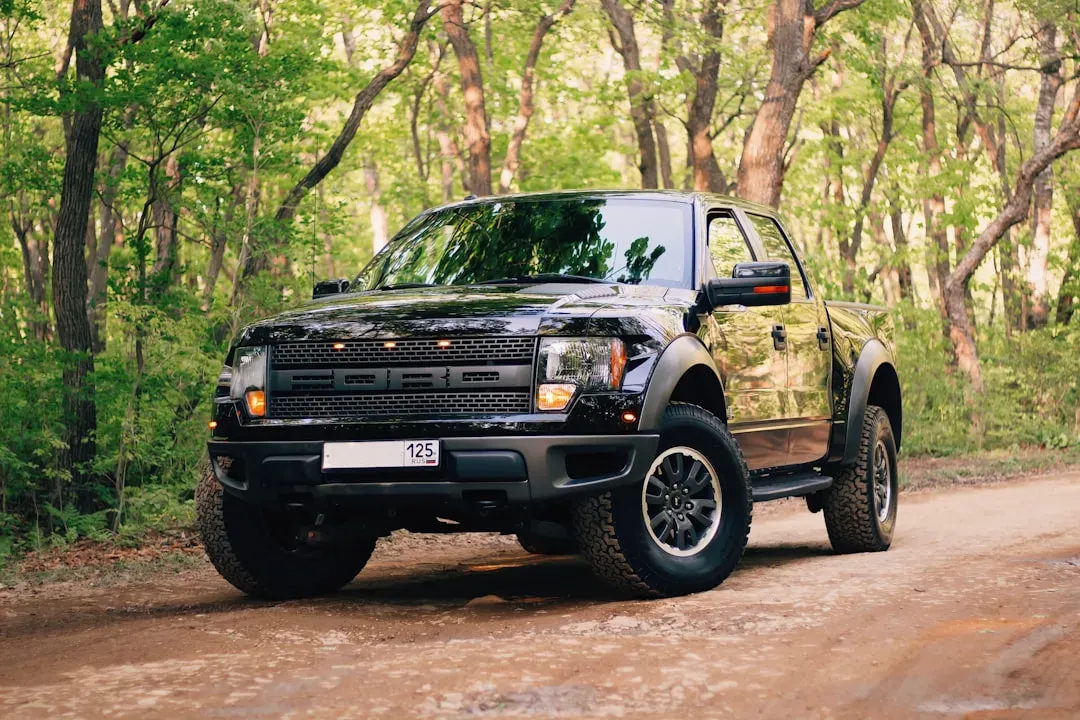
Thanks to its improved reliability, the Ford F-150 is the first full-sized pickup truck in years that scored high enough to be a Top Pick. We especially like the hybrid for its power and efficiency. America’s bestselling truck for the 49th straight year makes Consumer Reports’ top 10 , with editors citing improved reliability as a top factor. “A traditional mid-tier 400-hp V8 is also still available; however, a more potent option is the 430-hp, 3.5-liter turbocharged V6 hybrid. Unlike some hybrids, this powertrain prioritizes brawn over efficiency.” The F-150’s hybrid option can also double as a power generator for work sites or even to power a home during an electrical outage.
The Ford Maverick continues to impress as the top small pickup truck choice. Ford’s top-selling hybrid returns to the . “The latest version continues to stand out for its low entry price, relatively spacious cabin, and smooth ride – and for being available with a hybrid powertrain.” This compact truck appeals to buyers who want truck capability without the size and expense of traditional full-sized models. Its versatility and fuel efficiency make it particularly attractive to first-time truck buyers and urban dwellers who need occasional hauling capacity without sacrificing everyday drivability.
The Shift Toward Electrification Continues
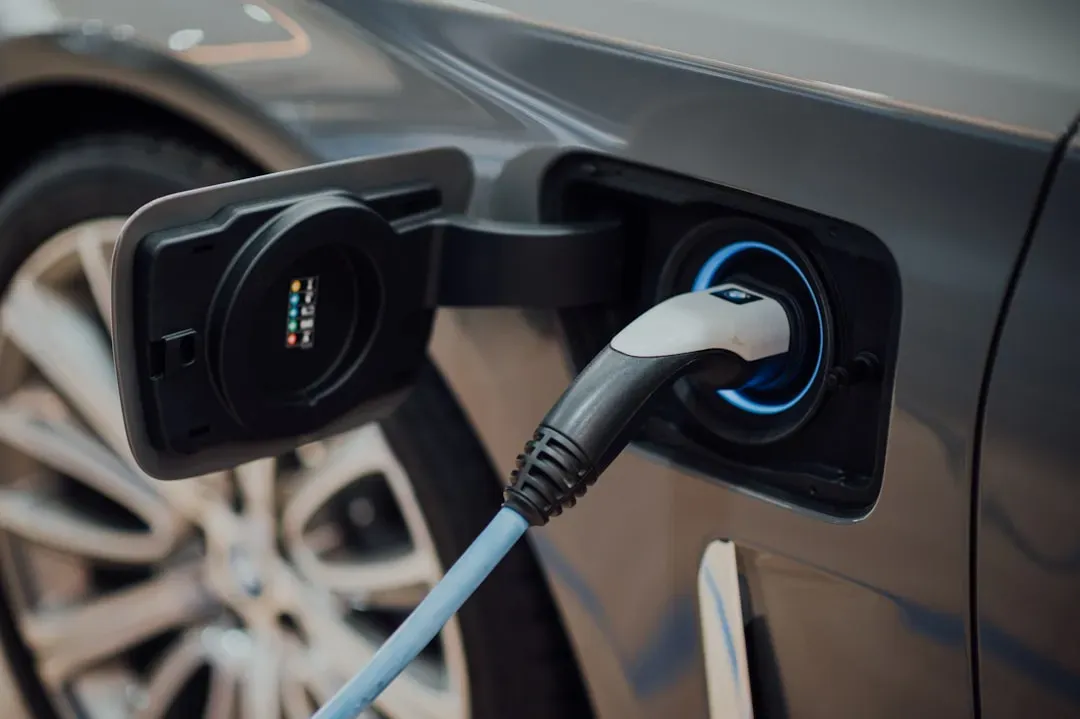
Consumer Reports, the nonprofit consumer advocacy organization that purchases all the equipment it tests and accepts no freebies from manufacturers, said this year’s features cars that either can have a hybrid powertrain or are fully electric. “While car shoppers can’t go wrong with the traditional gas-only versions, their hybrid counterparts often offer quicker acceleration, quieter cabins, and improved fuel economy, which could translate into lower long-term ownership costs.” This represents a significant milestone in automotive history, signaling that electrified powertrains have matured to the point where they can compete with and often surpass conventional gasoline engines in overall quality and reliability.
Consumer Reports also found that, on average, hybrids experience around 15 percent fewer problems than internal combustion engine (ICE) cars. Here’s the most telling part: “Of the approximately 30 hybrids for which CR has sufficient data, only the Hyundai Sonata Hybrid, Lincoln Nautilus Hybrid, and Mazda CX-50 Hybrid have below-average predicted reliability scores.” However, fully electric vehicles and plug-in hybrids still face reliability challenges. Inversely, EVs continue to suffer some growing pains, with around 80% more average issues than ICE cars. Despite these challenges, the technology continues to improve rapidly, with several electric models now achieving average or better reliability ratings compared to their gasoline counterparts.