The Subtle Difference Between Traveling and Truly Experiencing a Place
Most people have been somewhere without really being there. You stand at a famous overlook, phone raised, shutter pressed, and move on to the next item on the list. You’ve visited. You’ve documented. Whether you’ve actually experienced the place is a different question entirely.
There’s a gap that most travel culture quietly glosses over – the distance between physical presence and genuine connection. It’s not about how many countries you’ve stamped in your passport, or how many landmarks you’ve photographed. It’s something quieter and, honestly, a little harder to manufacture.
The Tourist Trap Is Mostly a State of Mind
The distinction between a traveler and a tourist has been noted in academic literature for some time, with researchers drawing a line between authentic forms of travel and staged forms of tourism. That framing can feel snobbish at first glance. Yet the difference is less about where you go and more about how you orient yourself when you arrive.
Slow travel is about enjoying the journey itself as much as the destination – concepts that are all about changing our mindsets away from merely ticking off bucket lists and instead looking at travel as a means of having more immersive experiences. The tourist trap, in other words, isn’t a street full of souvenir shops. It’s a posture. It’s the habit of treating places as content rather than as living environments.
Why Speed Is the Enemy of Understanding
Traveling isn’t always regenerating. When it becomes a race against time, it can transform into a source of psychophysical exhaustion. Yet the default mode for many travelers, especially those with limited vacation time, is to optimize for quantity. Five cities in seven days sounds efficient. It rarely feels that way afterward.
Research by Ipsos in 2024 reveals that millennials and Generation Z increasingly prefer spending several days in a single destination rather than moving around constantly – driven by a growing awareness of the negative effects of accelerated tourism, including stress, superficiality of experiences, and a sense of post-trip emptiness. Rushing through places doesn’t just limit what you see. It limits what you feel, and what you’re able to retain long after the trip ends.
What the Brain Actually Does With New Places
Stepping outside your comfort zone ranks as one of the top transformative experiences travel can offer, because unfamiliar environments force your brain to create new neural pathways rather than relying on established patterns. In essence, discomfort signals your brain that standard operating procedures won’t suffice. This is part of why a truly new experience feels so vivid in memory, while a familiar routine barely registers.
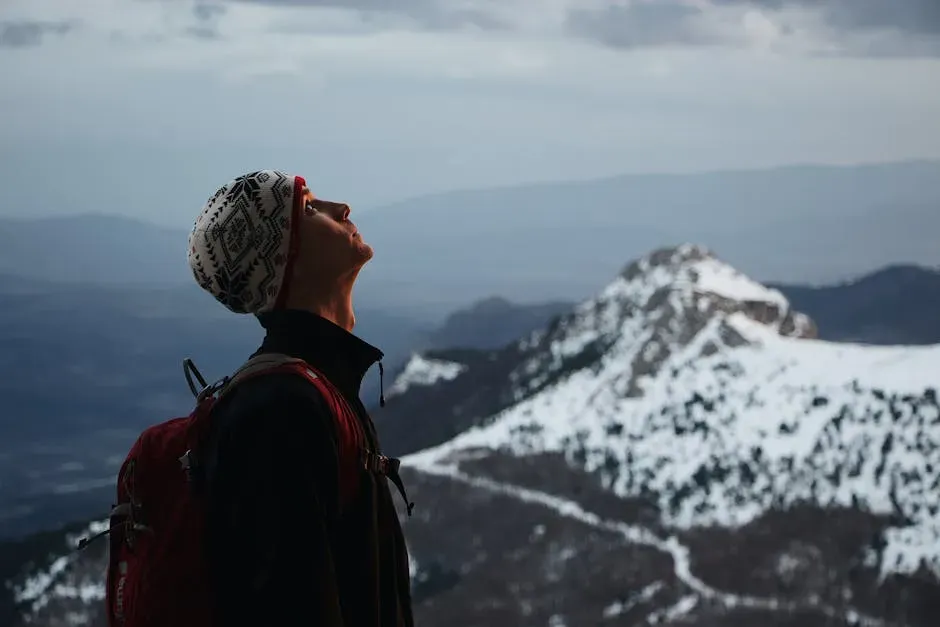
One of the most powerful effects of meaningful travel is the experience of awe – a sense of wonder that can reshape how we think, feel, and perceive the world. Awe arises when we encounter something vast, beautiful, or mind-bending, and has been linked to shifts in perspective, cognitive flexibility, and increased well-being. Awe, though, requires a certain stillness. It doesn’t tend to arrive between a hotel checkout and a scheduled museum visit.
Presence Over Itinerary: The Case for Slowing Down
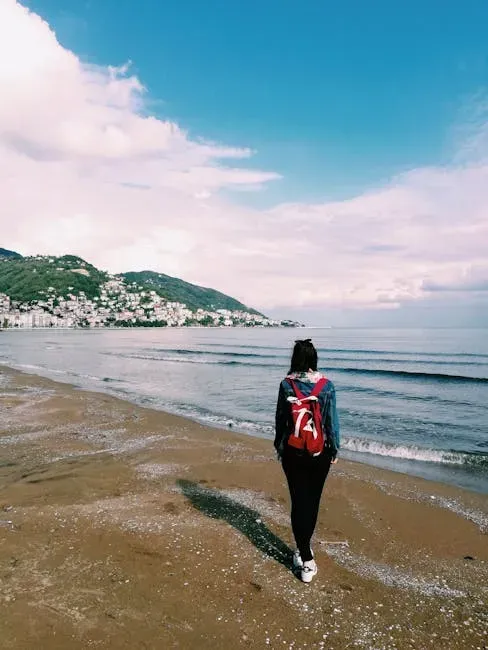
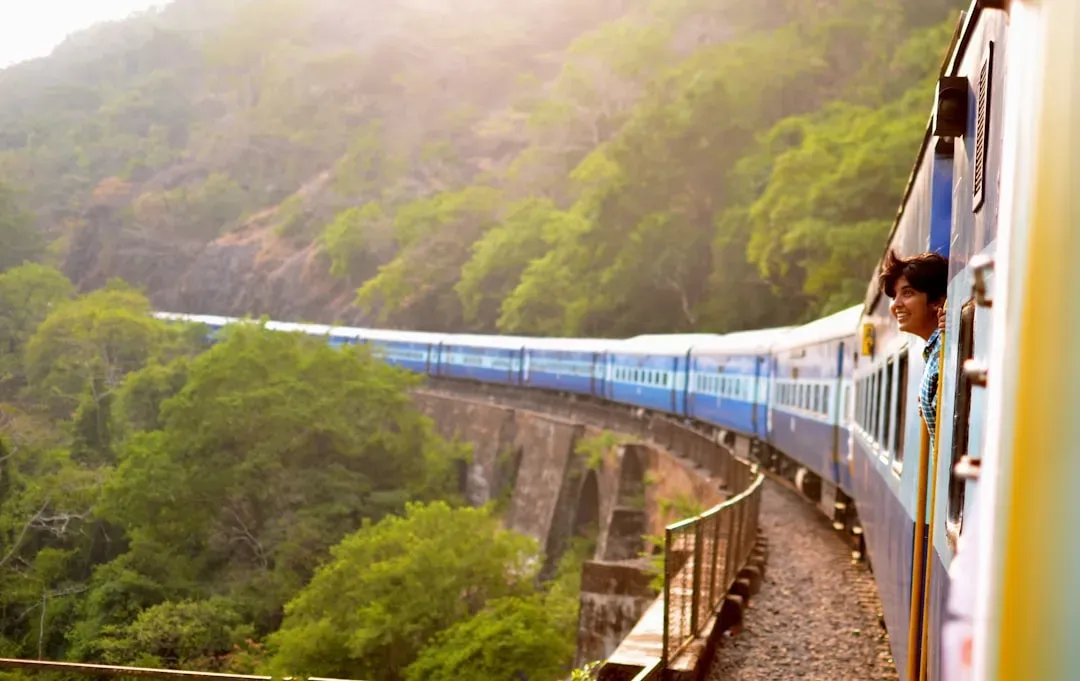
Slow travel encourages tourists to take their time and truly experience the places they visit. Instead of rushing through destinations, slow travelers often stay longer in one place, opt for sustainable modes of transport, and spend time absorbing local food, cultures, and ways of life. This method enables travelers to make deeper connections with the people they meet and the environments they stay in.
What truly matters is not “seeing more,” but “experiencing more meaningfully.” Travel that is balanced, consciously planned, and aligned with personal needs can become not just a vacation, but a process of mental renewal. That reframing shifts the whole metric. The question isn’t how many places you’ve been to – it’s how deeply you inhabited any of them.
Mindfulness Changes What You Actually Remember

Research reveals a positive association between mindfulness and tourism experiences, suggesting that tourists who adopt states of mindfulness during their travels benefit from increased satisfaction levels and more memorable experiences, leading to destination loyalty. This isn’t about meditation retreats or any particular lifestyle. It’s about paying attention – to the light, the noise, the smell of a street market, the way a local neighborhood shifts character by the hour.
Mindful tourists engage their five senses fully in their travel experience, but they also view the desire to constantly “store moments” as a distraction. The urge to photograph everything is really an urge to process experience through documentation rather than presence. There’s a real cost to that trade-off, even if it doesn’t feel like it in the moment.
Cultural Immersion Is Not Just a Buzzword

Cultural immersion stands as perhaps the most powerful element of transformative travel experiences. Unlike surface-level tourism, truly immersing yourself in different cultures creates profound shifts in how you see yourself and others. This kind of shift doesn’t happen at the airport gift shop or in the hotel restaurant. It tends to happen in quieter, less scripted situations.
Researchers emphasize the importance of first-hand experience of a culture, noting that increased technological capabilities for communication all over the world does not mean cultural awareness has also increased. To truly become culturally aware, it is important to have authentic, real experiences within that culture. In other words, reading about a place, watching videos about it, or even following locals on social media doesn’t substitute for time spent inside the rhythms of daily life there.
The Memory Gap: Why Some Trips Stay With You
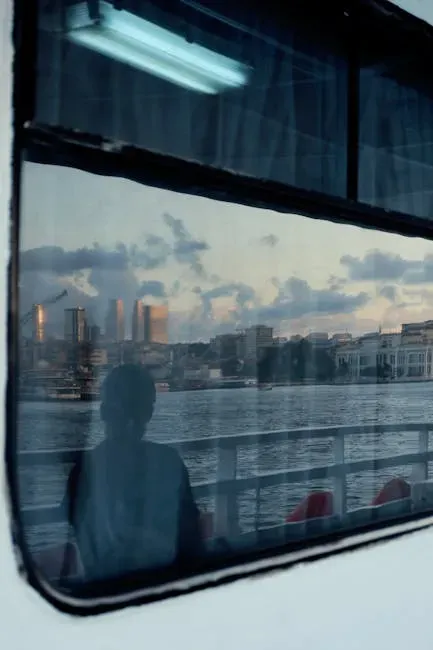
Research has found that memorable travel experiences have positive effects on an individual’s psychological well-being. The positive memories of unforgettable travel experiences are stored in long-term memory and can remain vivid even years later. Some studies also indicate that travel experiences aligned with personal expectations and desires reduce stress, increase self-esteem, and enhance life satisfaction.
Self-reflection is an introspective activity where individuals re-evaluate their feelings and behaviors from an experience, continuously redefining their relationship with the world. During memorable tourism, individuals often reflect on the value and meaning of their experiences, internalizing them as a deeper understanding of life. This explains why some modest, unhurried trips outlast glossier ones in your memory. Depth of engagement, not the destination’s prestige, is what tends to stick.
Authentic Experience and the Courage to Leave the Script
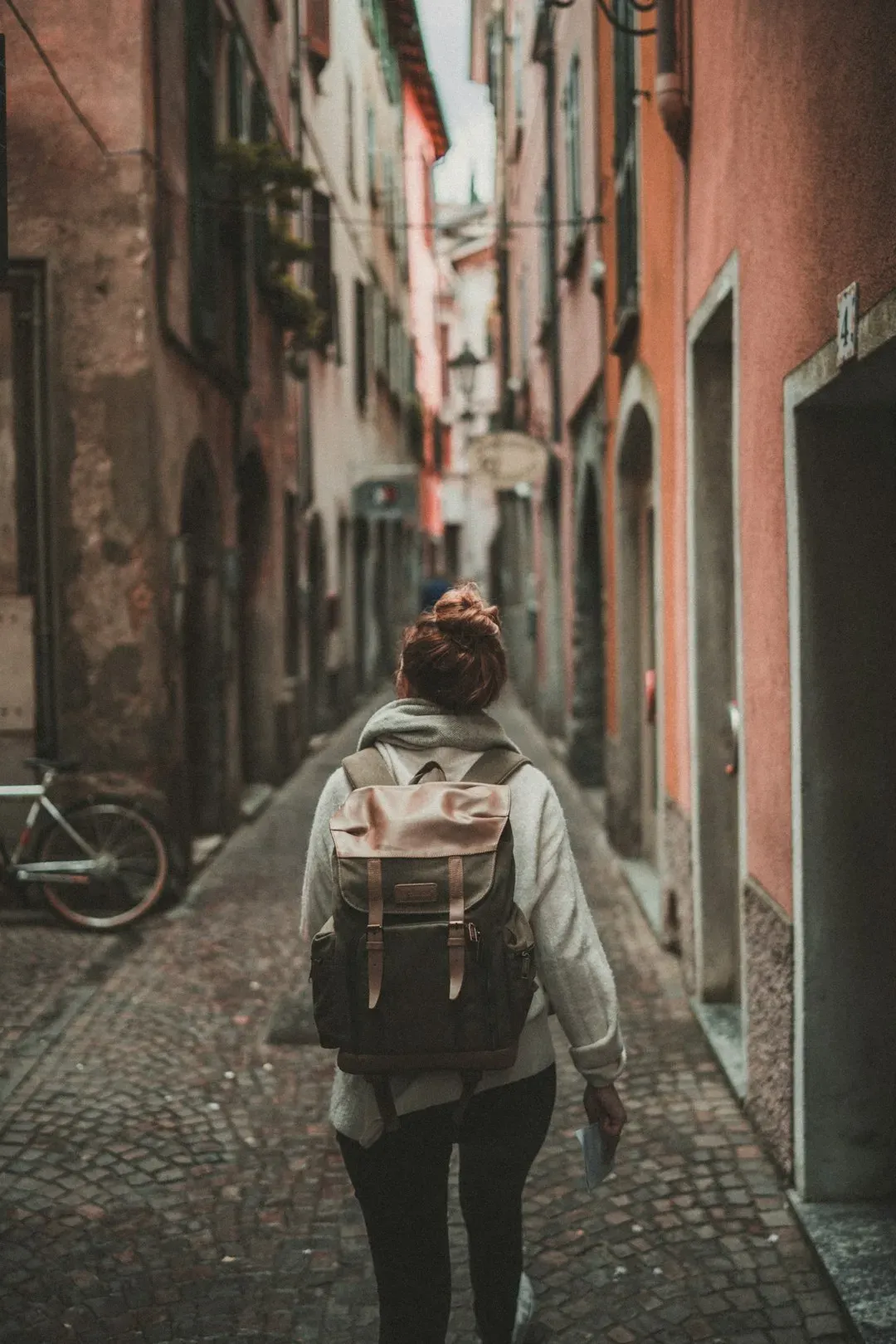
Slow travel allows for spontaneous experiences and unexpected discoveries that are often missed when rushing through a destination. Travelers can explore off the beaten track, meet locals, and participate in events or festivals that might otherwise be overlooked. These unplanned moments are often the ones people talk about for years. They’re also the ones most likely to be skipped when every hour is booked.
Deciding to travel slowly is deciding to discover new things in the process. Slow traveling does not simply mean stopping by tourist locations, but actually gaining a deeper understanding of the culture, the people, the traditions and rituals. The slow traveler has a more realistic travel experience than the ordinary tourist. They develop richer connections and memories with the location and the locals.
The Honest Constraints – and What’s Still Possible
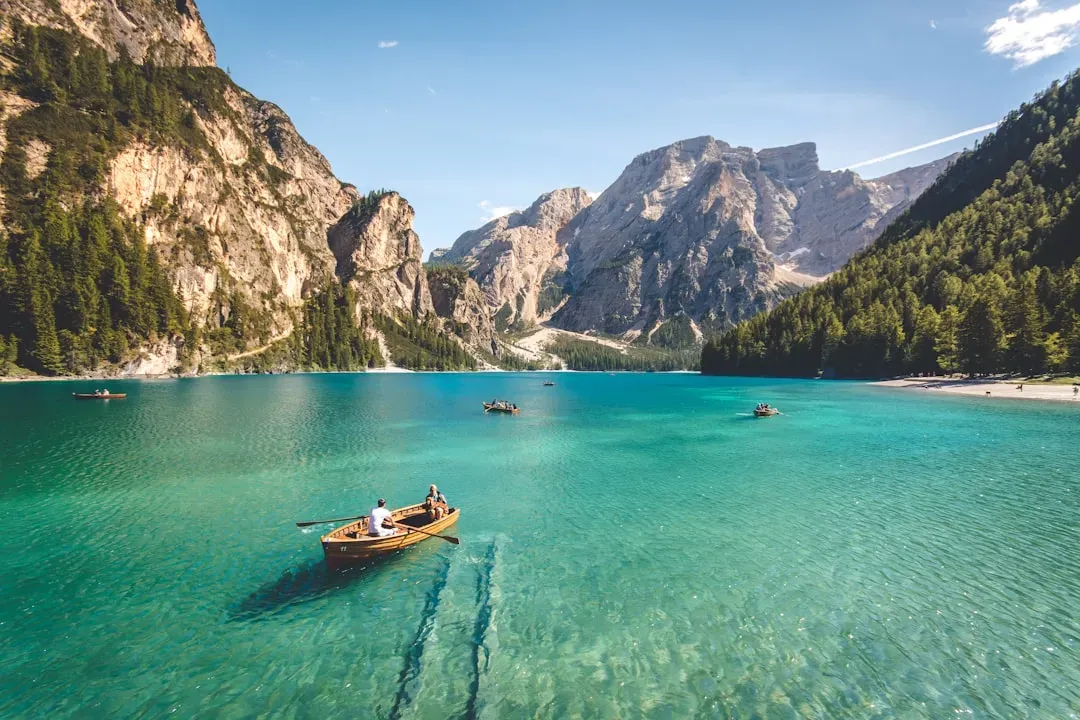
Slow travel is a privilege for most people. Staying in a single place for a long period of time, spending time using trains to get around, and intentionally choosing not to do it all is an immense privilege. Slow travel is expensive, challenging to plan and manage, and downright impossible for those without time off from work. These are real barriers, and dismissing them by romanticizing slow travel doesn’t help anyone.
Still, the core insight doesn’t require weeks abroad or an open-ended itinerary. Slow, genuine travel can also be practiced in a weekend. The key is not the duration, but the quality of time spent – better one slow day in a village than three frenetic days in as many cities. Choosing to walk instead of ride, eating where no English menu exists, sitting in a square long enough to watch the afternoon change – none of this costs extra. It only requires a different intention.
What You Carry Home Is the Real Measure
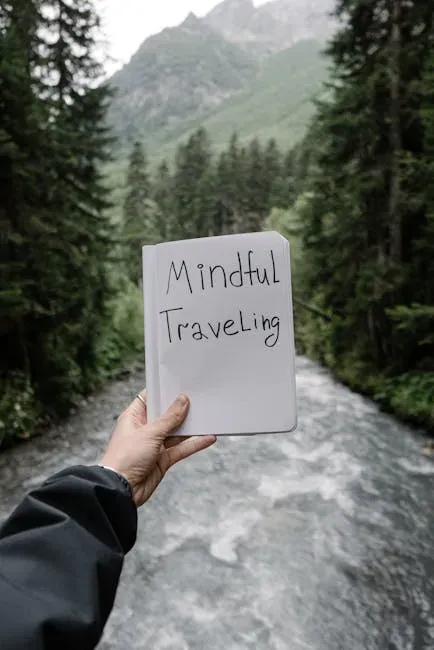
Travel experiences have the potential to bring about profound transformations in individuals. Transformative experiences in tourism can significantly alter tourists’ values, worldviews, and behavioral intentions, leading to learning, development, and personal growth. This kind of transformation is available to almost anyone – it’s just not guaranteed by the purchase of a plane ticket.
Under the right circumstances, travel can provide new experiences, challenge us, and allow us to experience different ways of seeing the world. These experiences may help with personal growth, provide connection and meaning, and a sense of accomplishment – and connection, meaning, and accomplishment are important in helping us to thrive. The places that genuinely change you are rarely the ones where you were busiest. They’re the ones where you allowed yourself, even briefly, to simply be somewhere rather than pass through it.