10 Vacation Souvenirs You’re Not Legally Allowed to Bring Home
You find it at a market stall tucked between colorful textiles and hand-carved trinkets. It looks beautiful, it’s affordable, and the seller swears it’s totally fine to take home. Sound familiar? The truth is, thousands of travelers every single year unknowingly – or knowingly – pack items in their suitcases that are flat-out illegal to import back into their home country.
The consequences range from confiscation at the airport to eye-watering fines and, in some cases, actual criminal charges. What’s shocking is how ordinary many of these forbidden souvenirs look. Let’s dive in before your next trip – because ignorance is not a legal defense at customs.
1. Ivory Products

Ivory carvings, figurines, and jewelry are still openly sold across parts of Africa and Asia, and they are stunning to look at. Don’t be fooled. You will need a permit from the U.S. Fish and Wildlife Service to import virtually all types of ivory, and the FWS has extensive restrictions and prohibitions on various kinds – including Asian elephant, African elephant, whale, rhinoceros, and seal ivory.
The illegal trade in elephant ivory has led to a poaching crisis in Africa, and illicit ivory markets remain one of the greatest threats to elephants today. Even picking up what appears to be a harmless ivory trinket as a gift funds a devastating criminal enterprise. As of January 2024, Canada introduced even stricter measures for elephant tusk ivory and rhinoceros horn crossing its border, impacting both raw items including hunting trophies and worked personal effects.
2. Coral and Tortoiseshell Jewelry
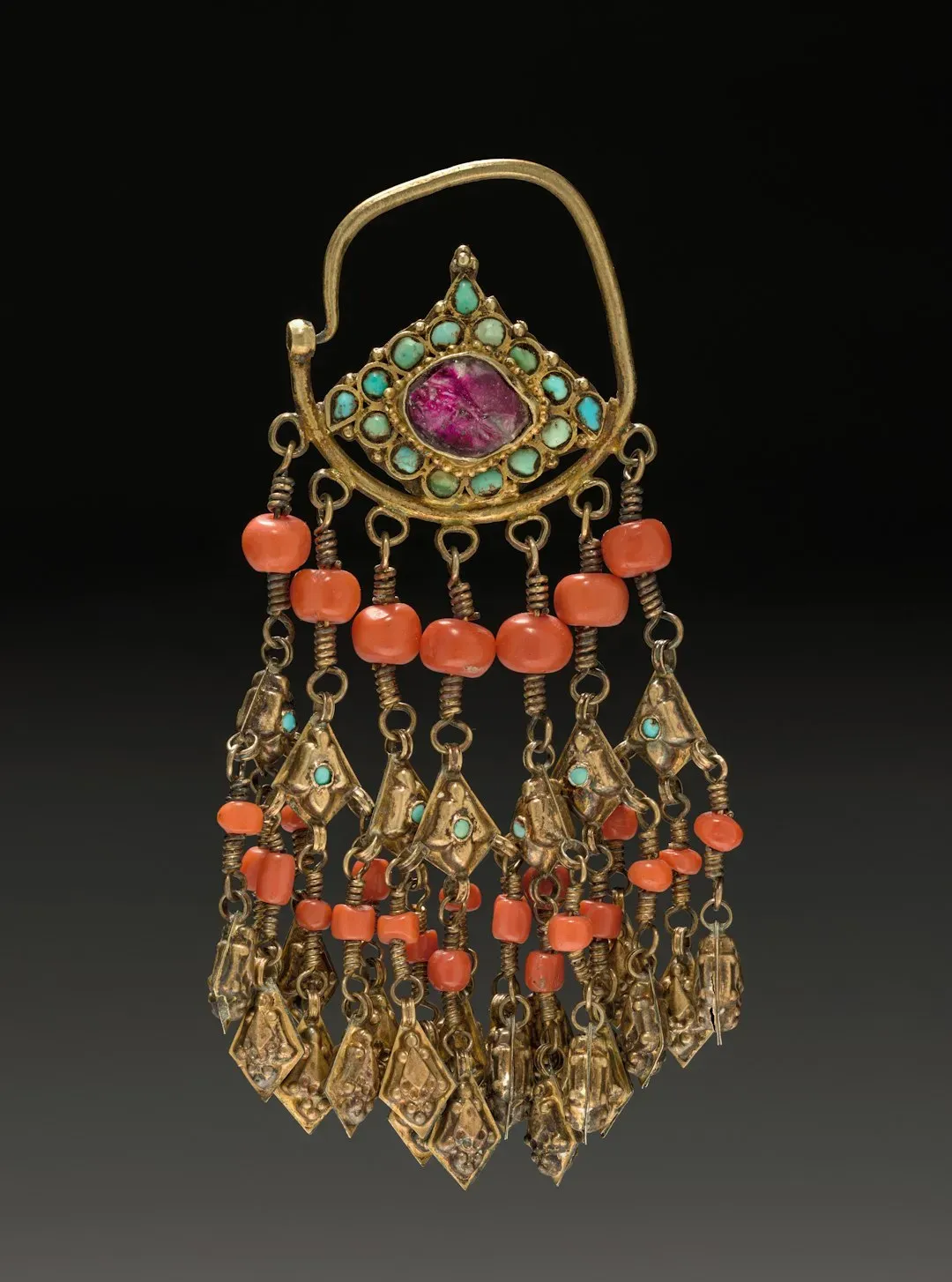
That gorgeous coral necklace from a Caribbean beach market? It may cost you far more than the price tag suggests. International trade in species listed by CITES is illegal unless authorized by permit, and items prohibited by CITES include articles made from whale teeth, ivory, tortoise shell, reptile fur skins, coral, and birds. This applies to both raw coral pieces and processed jewelry sold in tourist shops.
In the U.S., it is illegal to trade elkhorn and staghorn corals. Travellers should be especially aware that most of the hard coral species commonly sold as souvenirs in Cuban and Caribbean waters are listed on CITES, including Black coral, Cable or Bush coral, Hump coral, Fire coral, and Lace coral. Tortoiseshell accessories face equally strict restrictions, with all international trade in sea turtle products banned under international law.
3. Certain Seashells
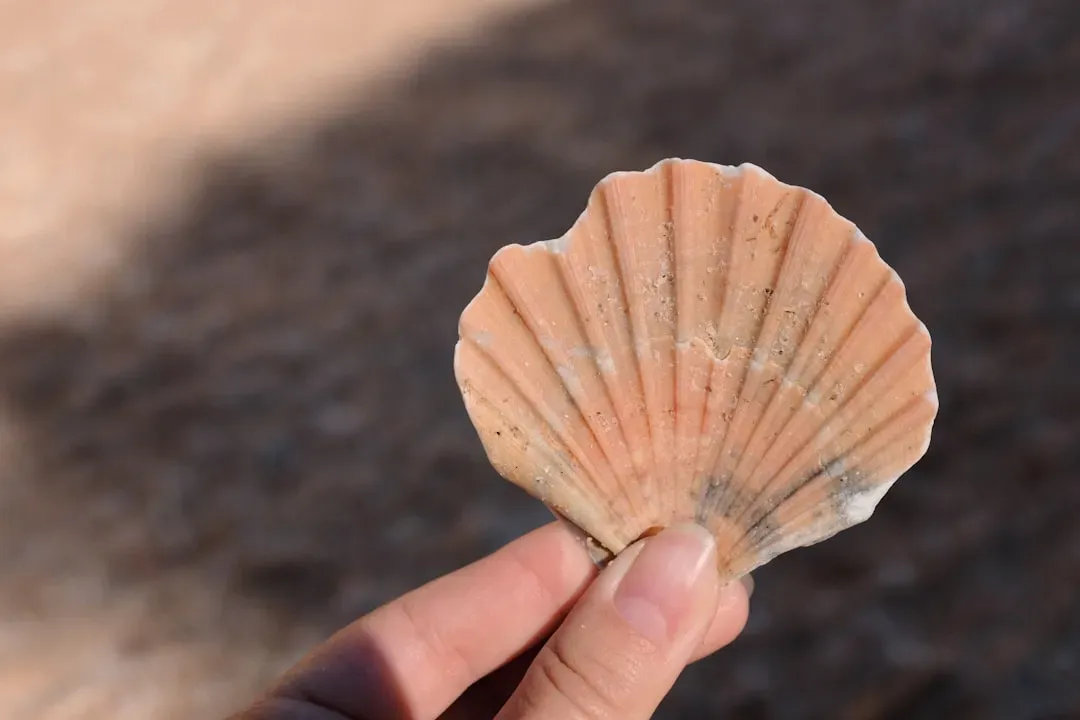
Here’s one that genuinely surprises people. A shell you picked up off a beach or bought at a gift shop can actually be illegal to bring home. Although many varieties of seashells collected from saltwater beaches are enterable without restriction, certain countries limit the collection, sale, and export of shells, and the importation or exportation of certain species such as queen conch and nautilus are restricted under international agreements.
The USDA restricts and regulates the entry of land snails and shells and many species of freshwater snails and shells, because many foreign snail species are considered invasive pests that could cause harm to U.S. agriculture and the environment. The simple rule? Think carefully when buying or collecting souvenirs abroad, because just because an item is for sale or you found it does not mean you can legally bring it home, and when purchasing souvenirs, consider where that item might have come from.
4. Archaeological Artifacts and Antiquities
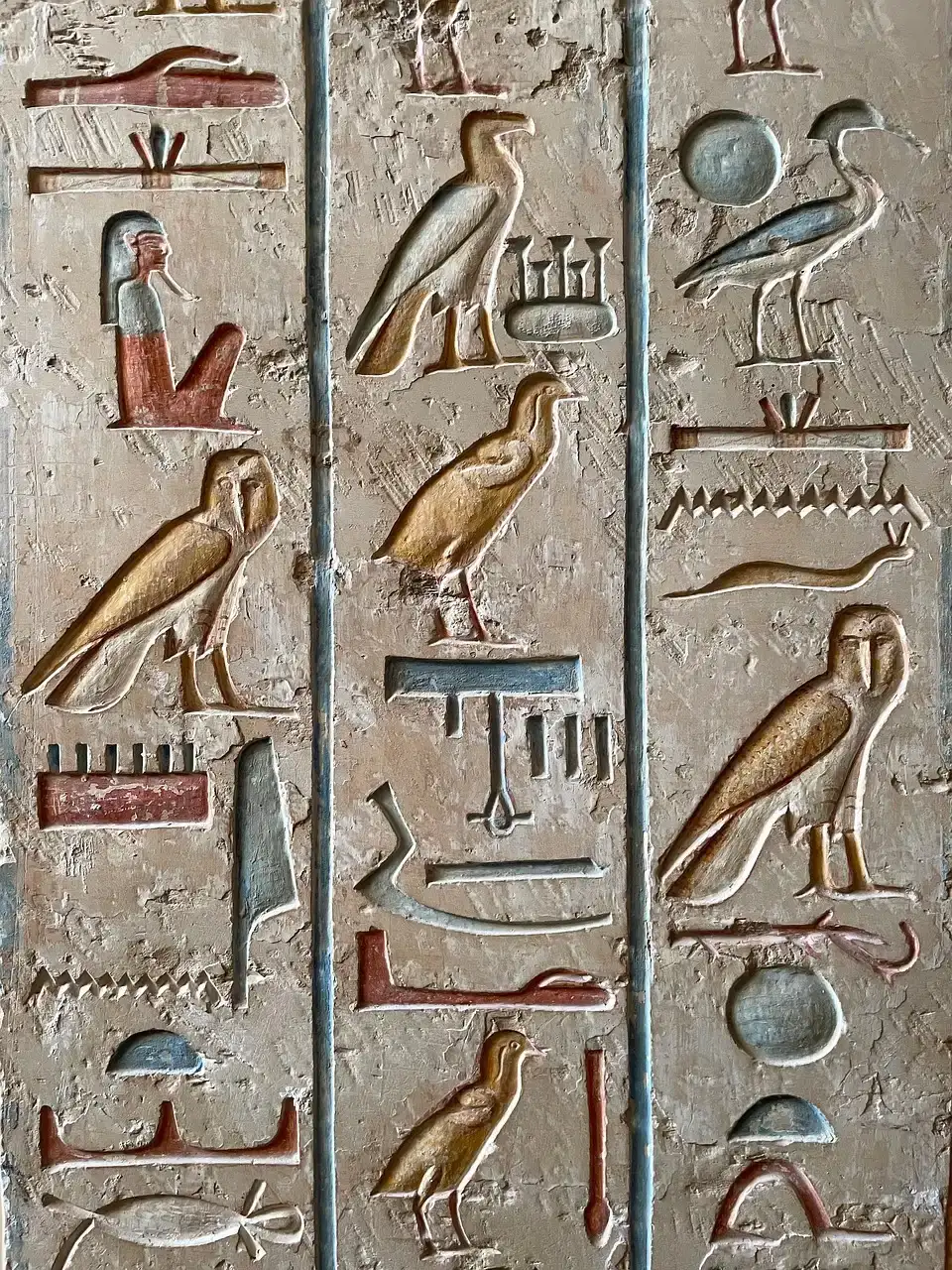
Pottery shard from a Guatemalan ruin. A Roman-era coin from a Turkish bazaar. A carved stone figure from Cambodia. These might look like incredible, one-of-a-kind keepsakes – and legally, they are a complete minefield. U.S. laws restrict the importation of pre-Columbian monumental and architectural sculpture from Central and South American countries, Mayan pre-Columbian archaeological objects from Guatemala, pre-Columbian archaeological objects from El Salvador and Peru, and Khmer stone archaeological sculpture from Cambodia.
Even if purchased from a business in the country of origin or in another country, legal ownership of such artifacts may be in question if brought into the United States, and you must have documents such as export permits and receipts when importing such items. Under the U.S. National Stolen Property Act, one cannot have legal title to art, artifacts, or antiquities that were stolen, no matter how many times such items may have changed hands. The seller offering you a “steal” on an ancient artifact may very well be committing one.
5. Counterfeit Designer Goods

That fake Rolex, the knockoff Gucci bag, the bootleg sneakers from a street stall – they feel like harmless vacation fun. Customs agencies across the world are increasingly humorless about it. The counterfeit trade is growing rapidly, with U.S. Customs seizing nearly $5 billion in fake goods in 2024 and already surpassing that pace in 2025, and customs and ITC exclusion orders give brands strong tools to stop infringements.
The fines for importing counterfeit goods can be substantial, with first-time offenders facing fines of up to $5 million, and repeat offenders facing even higher penalties. In Europe, the numbers are equally alarming. In 2023 alone, authorities detained 152 million fake items worth €3.4 billion – a 77 percent jump year-on-year, according to the EUIPO and European Commission’s report published in November 2024. Your bargain buy at the beach market is not worth that risk.
6. Certain Fresh Fruits, Vegetables, and Plants
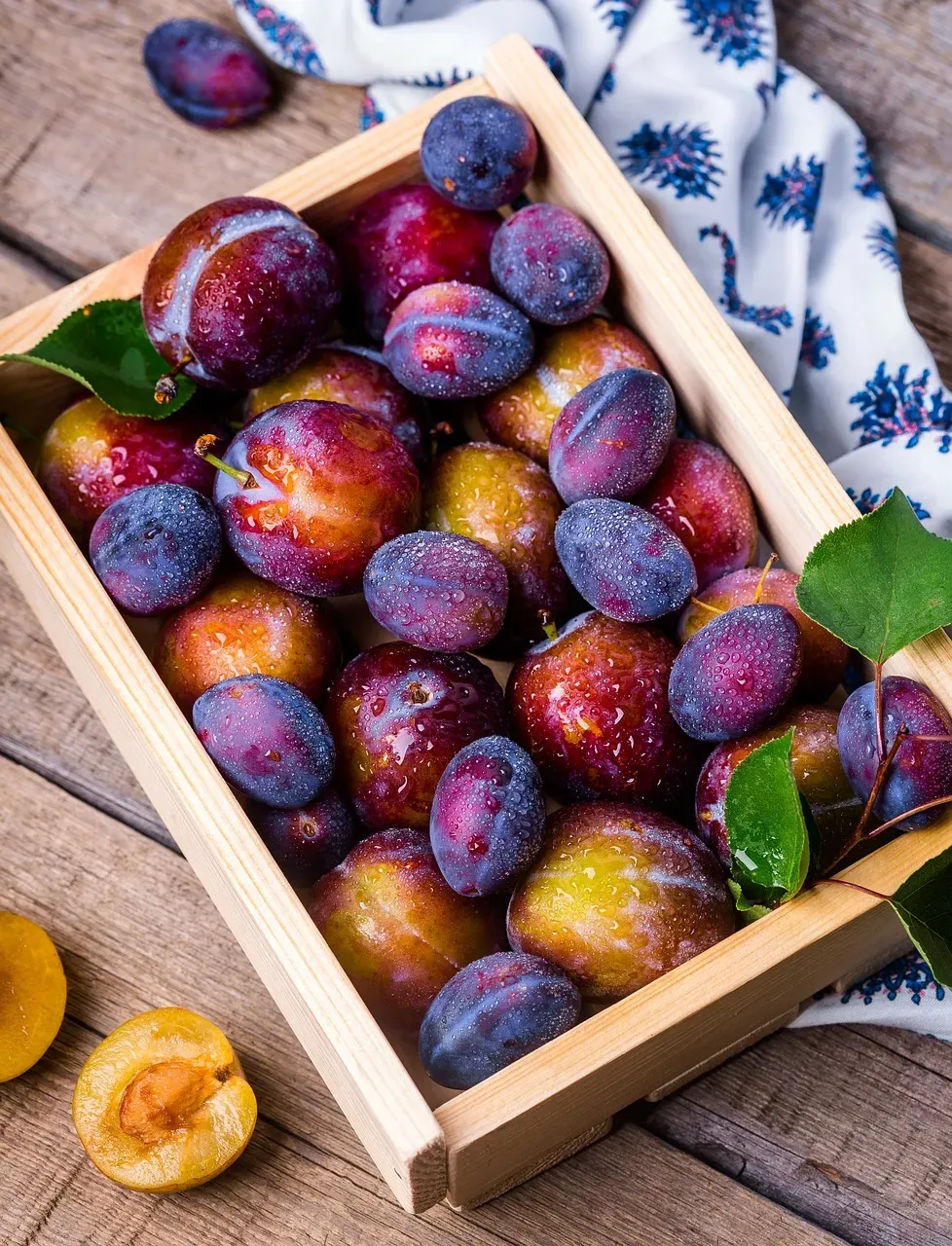
Bringing home mangoes from Thailand or avocados from Mexico sounds completely harmless. In reality, it is one of the most commonly enforced customs violations at airports worldwide. Travelers arriving in the United States should be aware that many meats, fruits, and vegetables are prohibited or restricted from entry, and should not purchase certain items abroad without planning ahead to ensure they can bring those items home.
Diseases such as African Swine Fever could devastate the pork industry, and the Mediterranean fruit fly is a destructive and invasive pest that feeds on a plethora of fruits and vegetables that would immensely affect growers and farmers if introduced into the United States. Every year, $140 billion is spent to eradicate and reverse the damage caused by exotic wildlife that throws the country’s ecosystem out of balance. That lone mango at the bottom of your bag could trigger a very expensive chain reaction.
7. Bushmeat and Exotic Meat Products
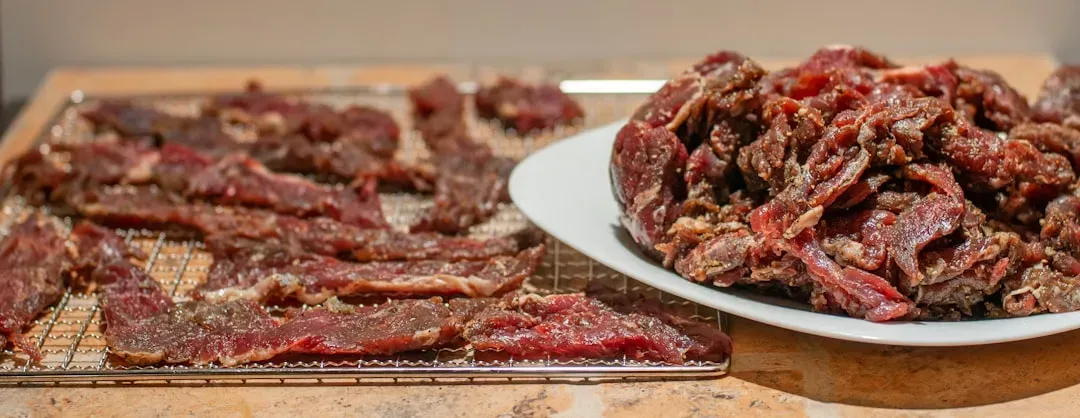
If you have ever traveled through parts of West Africa or Southeast Asia, you may have seen dried meats sold as local specialties. Some of these are made from protected or wild animal species – and bringing them home is illegal. Bush meat made from African wildlife and almost anything containing meat products such as bouillon and soup mixes is not admissible into the United States.
The CBP’s own official list of banned souvenir items includes a range of products that sound almost too wild to be real. Items such as whale sausage, bear sausage, reindeer sausage, and moose sausage – sometimes sold in souvenir three-packs from Scandinavian countries – are among the restricted items CBP agriculture specialists frequently encounter. Honestly, if the souvenir involves a wild animal, it is almost always worth checking the regulations before you buy.
8. Certain Animal Skins and Fur Products
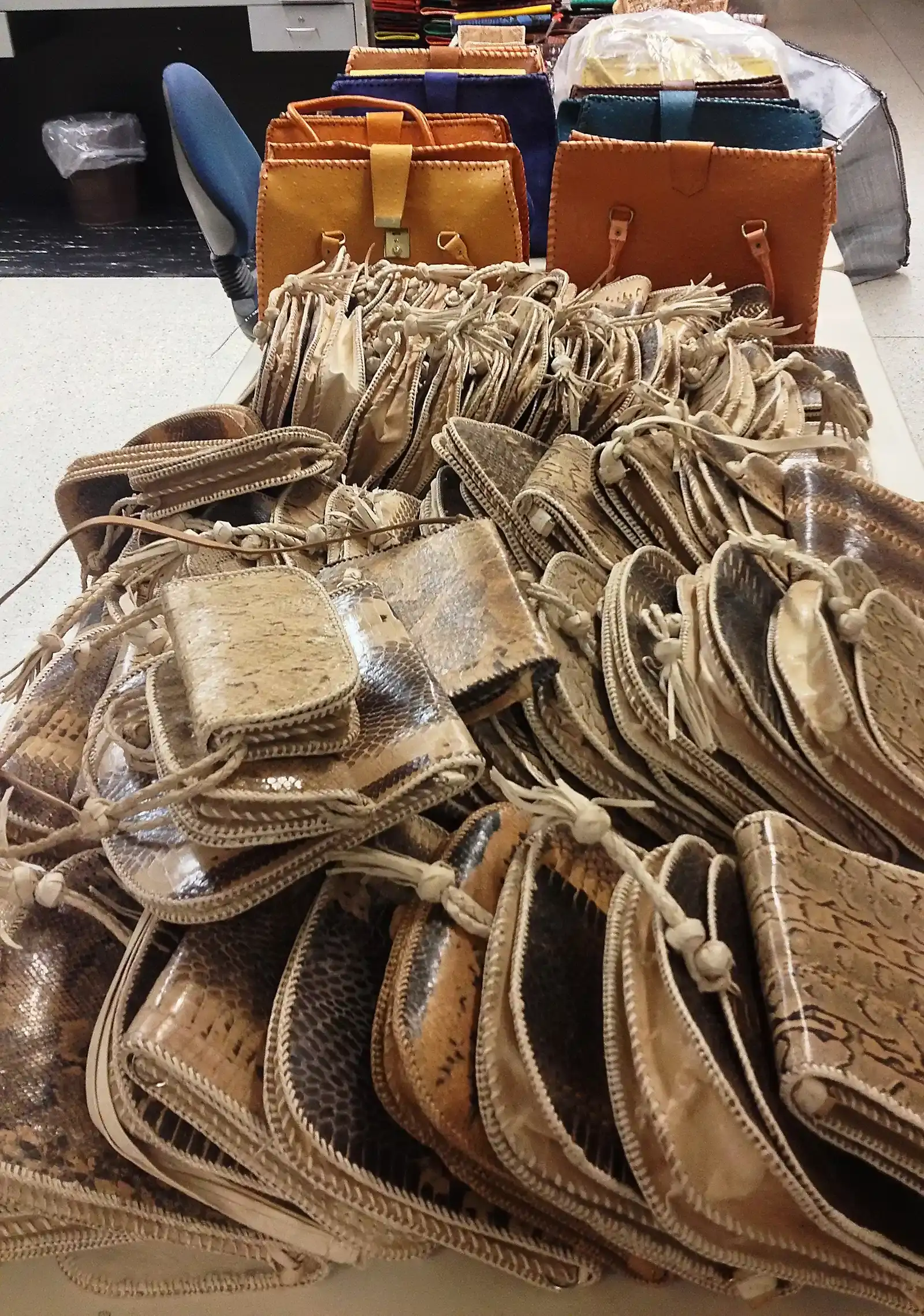
Leather goods made from exotic animals are sold openly in tourist markets from Mexico to Southeast Asia to sub-Saharan Africa. They look luxurious. They are frequently illegal. Skins from leopards, jaguars, tigers, and other protected cats are often available in smaller shops and frontier markets, and these cannot be brought back legally into the EU. The same applies to U.S. customs law under CITES protections.
It is illegal to import or export anything containing dog or cat fur, and while it may seem odd that anyone would want to import the fur of a common dog or cat, these animals are sometimes used to make fur clothing in foreign countries. To protect the U.S. market and support animal welfare, the Dog and Cat Protection Act of 2000 placed these products on the prohibited items list, with fines for importing them reaching as high as $10,000. The exotic skin bag that seemed like a deal may end up costing you far, far more.
9. Certain Medications and Drug Paraphernalia

Traveling between countries with different drug laws creates a genuinely confusing situation. What is legal in one place can land you in serious trouble at home, or the other way around. It is illegal to bring drug paraphernalia into the United States unless prescribed for authentic medical conditions such as diabetes, CBP will seize any illegal drug paraphernalia, and the law prohibits the importation, exportation, manufacture, sale, or transportation of such items – with convictions resulting in fines and imprisonment.
It is not just recreational drug items, either. Even if a drug like marijuana is legal in the country you visited or in a U.S. state, it is illegal under federal law to bring it into the U.S. Japan, for example, takes this to an extreme level: Japan has zero tolerance for certain medications that are perfectly legal elsewhere, bans them outright regardless of your home country prescription, and if caught, you will be arrested. Never assume that a prescription or legal status abroad will protect you.
10. Haitian Goat Hide Drums and Other Uncured Animal Hide Products
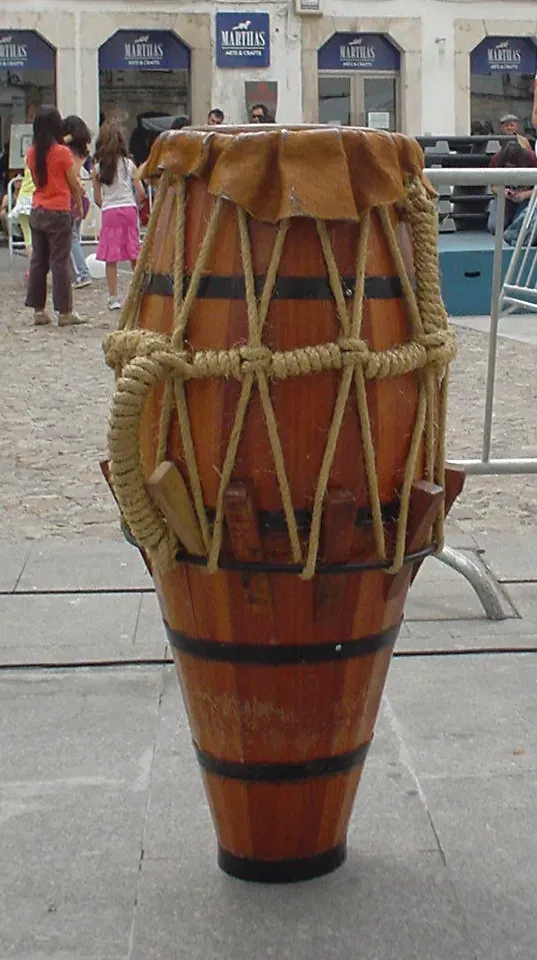
This one genuinely catches people off guard. Drums and percussion instruments made from raw or uncured animal hides – especially popular souvenirs from Caribbean and African destinations – are banned from U.S. import. Some items are prohibited from entry for specific reasons, like African bushmeat or uncured animal hide drums, particularly drums from Haiti, and the regulations governing meat and animal products are very strict.
Among the popular regulated or restricted souvenirs that CBP agriculture specialists frequently encounter are Haitian goat hide drums and goat hide drums from other regions. The reasoning is straightforward: uncured hides can carry foreign animal diseases, parasites, and pests that pose a genuine threat to domestic livestock. Travelers entering the United States must declare all agricultural or wildlife products to CBP officials, must tell them if they visited a farm or were in contact with animals before traveling, and U.S. agricultural inspectors will examine items to ensure they meet entry requirements and do not harbor harmful foreign pests or diseases. That beautiful drum may be authentic and meaningful – but at U.S. customs, it simply will not pass.