The No-Go List: 12 U.S. Destinations Travelers Now Think Twice About
There is a strange paradox unfolding across America right now. A country with breathtaking coastlines, legendary music cities, iconic landmarks, and unmatched cultural diversity is quietly losing its shine – not just in the eyes of foreign visitors, but among domestic travelers too. People are pausing before booking. Googling crime stats. Asking their friends, “Is it really safe?”
In March 2025, overseas visits to the U.S. fell by nearly twelve percent compared to the previous year, with notable declines from Germany, Spain, and the UK. That is not a blip. That is a trend. International tourism to the United States experienced a significant contraction in July 2025, with total losses of more than 620,000 visitors representing nearly a nine percent year-over-year decline, generating an estimated $2.62 billion in lost spending. The destinations bearing the biggest brunt of that shift make for a fascinating, and sometimes surprising, read. Let’s dive in.
Memphis, Tennessee – The City That Crime Statistics Won’t Let Rest

Let’s be real: Memphis has a marketing problem. The food scene is extraordinary. Beale Street pulses with energy every night. Graceland is an American pilgrimage site. Yet the numbers keep circling back like unwelcome houseguests at a party nobody wants to throw.
As of 2025, Memphis has the highest overall crime rate in the nation, with nearly 98 incidents per 1,000 residents. The city’s high violent crime rate, driven by aggravated assaults, robberies, and gang activity, continues to make it one of the most dangerous cities in America despite ongoing community safety programs.
FBI data does show some improvement: homicides fell from 156 in 2023 to 129 in 2024, and robberies dropped nearly thirty percent. Progress is real. Tourism is actually resilient here – visitors tend to stick to core attractions including Beale Street, Graceland, and the Civil Rights Museum, where crime risk is comparatively minimal. Still, the overall statistics remain impossible to ignore for the cautious traveler.
A string of violent episodes and crowd-control issues around the Beale Street entertainment district brought National Guard deployments in 2025, with state officials willing to treat the area as a security flashpoint, not just a nightlife corridor.
Baltimore, Maryland – “Charm City” or “Bodymore”?
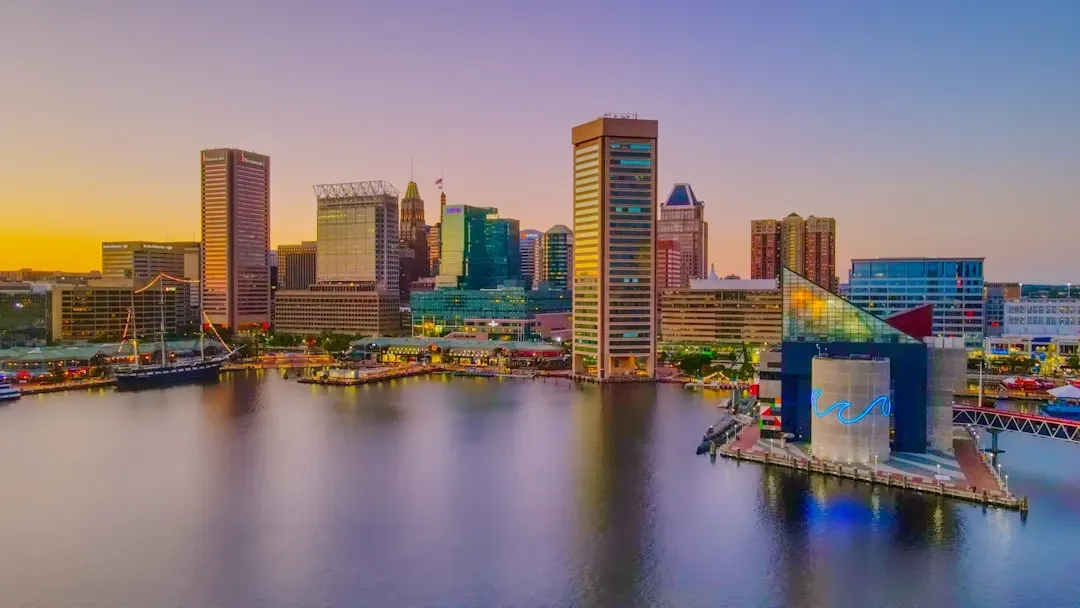
Baltimore has two nicknames, and unfortunately the unflattering one sticks harder. In 2024, Baltimore was named the deadliest city in the country based on a study analyzing FBI crime reports. That is a brutal label for a city that genuinely has so much to offer, from the Inner Harbor to the incredible food and museum culture.
As one of the most violent cities in the country, Baltimore continues to face significant safety concerns tied to gun violence, organized crime, and limited economic opportunities. The socioeconomic backdrop matters enormously here. Some neighborhoods with a predominantly White population are seeing income growth, while many Black neighborhoods have seen home values continue to decline since 2000. Baltimore grapples with social and economic challenges, including racial segregation and underfunded public schools. These issues limit residents’ upward mobility and have likely contributed to the city’s dangerous reputation.
Historically one of the most homicide-heavy big cities in America, Baltimore logged a thirty-six percent decline in homicides and thirty percent fewer non-fatal shootings in 2023 to 2024. Progress is real, but homicide rates still outpace national norms. It’s a city actively fighting for its own future – and that fight is visible on every corner.
St. Louis, Missouri – The Gateway to Crime Statistics
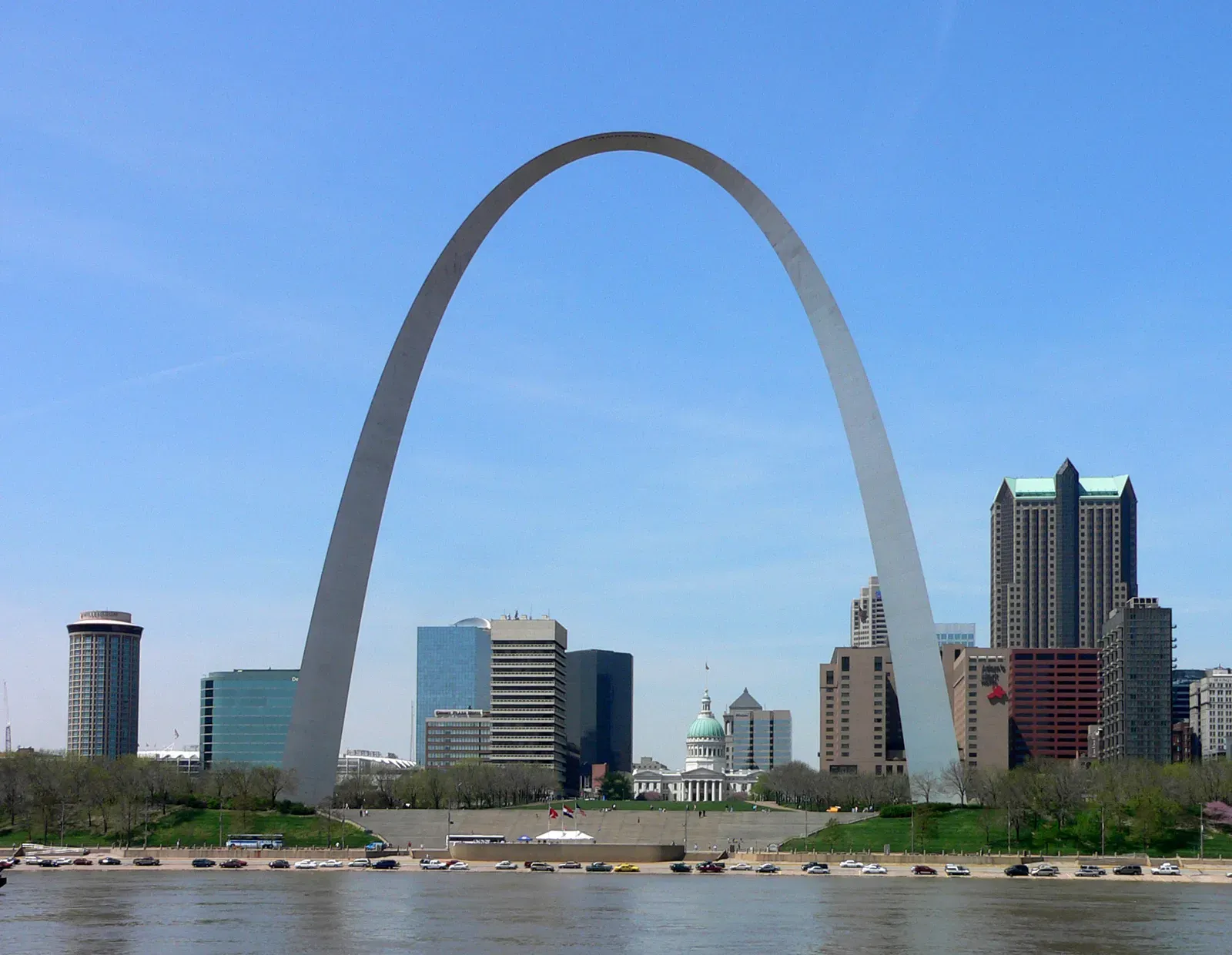
The Gateway Arch is magnificent. Honestly, it is one of the most stunning monuments in the entire country. The problem is what surrounds it, statistically speaking. St. Louis has long been shorthand for “America’s murder capital,” and for years the city has posted one of the highest homicide rates per capita in the nation, often more than 60 per 100,000 residents, dwarfing national averages.
According to Neighborhood Scout data, you have a one in 70 chance of falling victim to a violent crime in St. Louis, compared to a one in 218 chance throughout the rest of the state. That is a striking gap. I think most travelers would feel that difference viscerally, even before looking at a single data point.
St. Louis City did report historically low crime in early 2025, with homicides and shootings dropping significantly. The city’s tourism bureau highlights that crime has decreased fifty percent over the past decade, and most crime occurs in particular neighborhoods, with new initiatives underway to reduce it further. The trajectory is improving, but the reputation clings like river mud.
Detroit, Michigan – A Comeback Story Still Haunted by Its Past
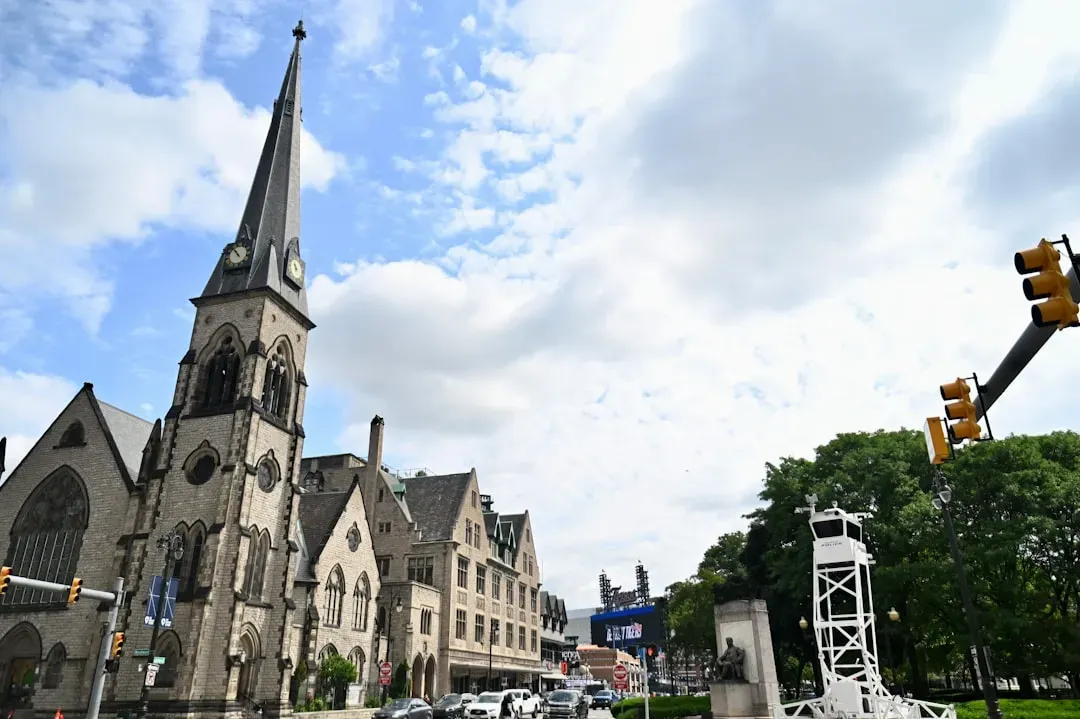
Once the heart of the auto industry, Detroit still battles high rates of violent and property crime linked to economic decline, unemployment, and population loss over the past few decades. The story of Detroit is, honestly, one of the most complex urban narratives in American history. No city has fallen so far. And arguably no city has fought back quite so hard.
Although Detroit is still considered one of the most dangerous cities in the country, things are improving quickly. In 2024, Detroit had its lowest number of homicides in over 50 years. Now, it’s becoming a popular vacation spot known for culture.
In recent years, Detroit reported 2,178 violent crimes per 100,000 residents and a homicide rate of 43 per 100,000. Those figures remain well above national norms. Gang violence and drug trafficking remain significant contributors, though local initiatives are improving collaboration between residents and law enforcement. The city is not done recovering. It just isn’t there yet.
New Orleans, Louisiana – Still Recovering From a Brutal Reputation
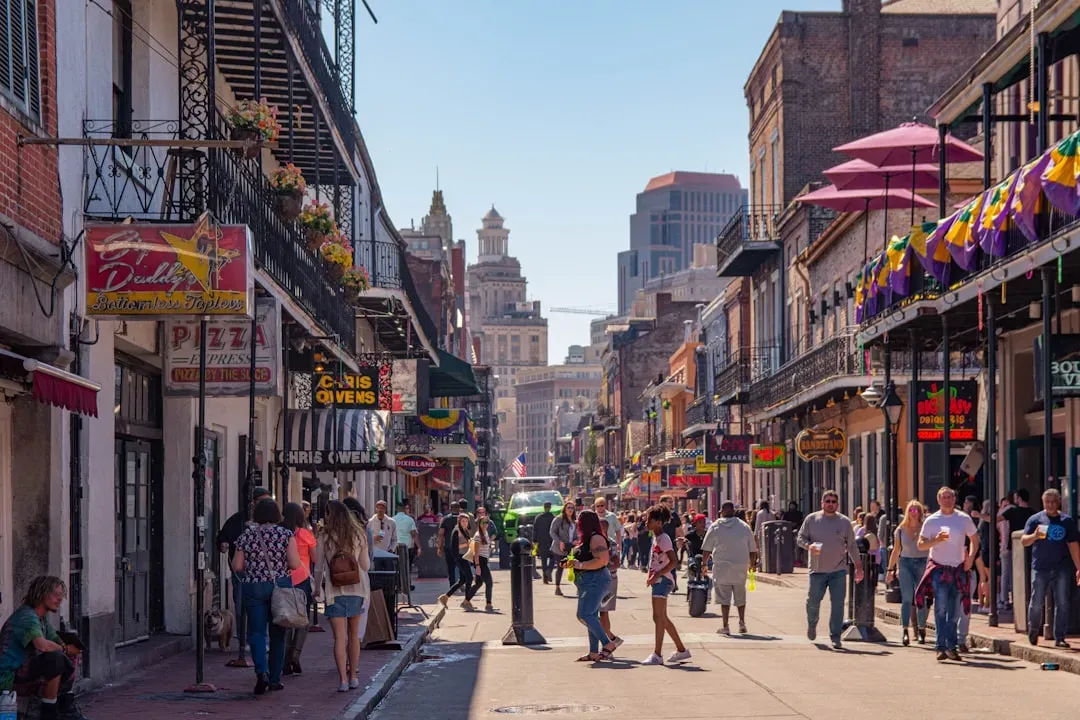
New Orleans was flying high going into 2025. Taylor Swift’s Eras Tour stop. The Super Bowl. A record tourism year in 2024. Then came New Year’s Day. The new year began with a fatal ramming attack on Bourbon Street in the wee hours of New Year’s Day, and continued weeks later with a snowstorm that disrupted a major trade show. In May, a nationally publicized jailbreak highlighted public safety challenges that local officials had been trying to address.
Hotel occupancy through November of 2025 suggested a softer market in New Orleans, with occupancy down about five percent over 2024, averaging around sixty percent in downtown and French Quarter hotels compared to sixty-five percent the previous year.
Here’s the nuance though: the underlying crime data tells a story of remarkable improvement. Violent crime in New Orleans decreased again in 2025, continuing a steady decline and bringing homicides to a fifty-year low, with 121 murders compared to 125 the previous year. Without the fourteen deaths from the New Year’s Day terror attack on Bourbon Street, the city’s 2025 murder rate would have seen a fourteen percent drop. Nonfatal shootings also declined, with armed robberies and carjackings falling by twenty-eight and thirty-five percent respectively. The numbers are improving. The perception, for now, has not caught up.
San Francisco, California – The Tenderloin Effect

San Francisco is one of the most visually stunning cities on earth. The hills, the fog, the bay, the architecture – it genuinely looks like a movie set. Yet a walk through certain neighborhoods can feel jarring, even alarming, in ways that visitors often don’t expect from a first-world American city.
The city’s top tourist destinations, such as Fisherman’s Wharf, Golden Gate Park, and Alamo Square, are well-patrolled and considered safe during the day. However, certain areas including The Tenderloin and parts of The Mission District may present more challenges due to homelessness and drug use.
As of 2024, San Francisco’s crime statistics show a notable decline in various categories. Homicides are on track to reach their lowest levels in over sixty years, a thirty-seven percent decrease compared to 2023. Violent crime overall has decreased by more than thirteen percent. That is significant progress. Although drug use and homelessness continue to be pressing concerns in certain districts, the broader trend is heading in the right direction – albeit from a base that rattled a lot of visitors in the early 2020s.
Washington, D.C. – Monuments, Politics, and a Crime Debate
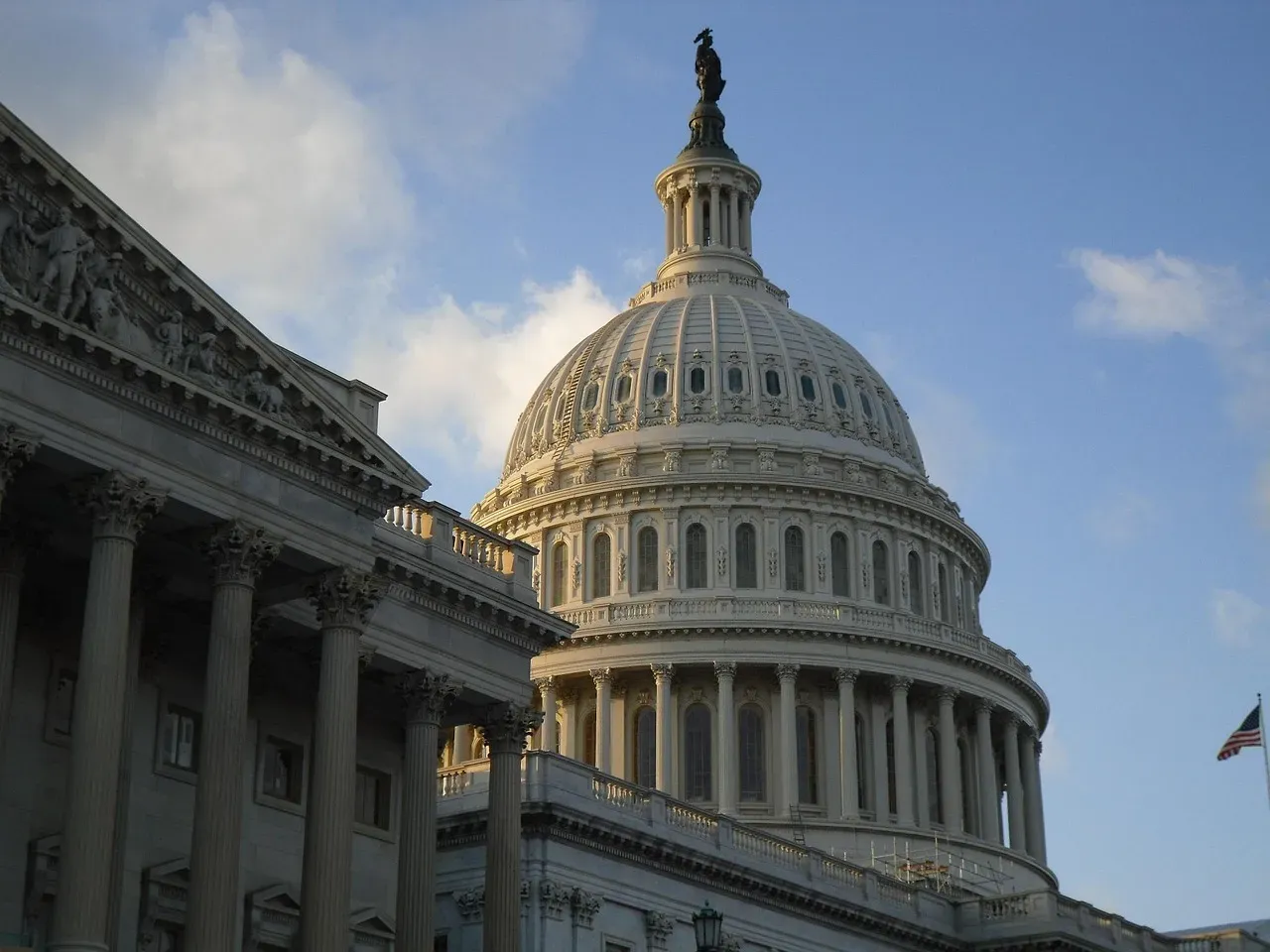
Visiting the nation’s capital has always felt like a civics lesson with great food. The monuments are transcendent. The Smithsonian alone could keep you busy for a week. But the city has found itself at the center of a very public safety debate in recent years, and that conversation has unquestionably shaped how travelers think about booking a trip.
In August 2025, the president declared a public safety emergency in Washington D.C., deploying 800 National Guard troops and assuming federal control of the Metropolitan Police Department. Officials signaled that similar crackdowns could extend to cities like Chicago, Los Angeles, New York, Philadelphia, Baltimore, and Oakland.
The executive order temporarily placed the city’s police under federal control despite city data showing that violent crime in 2024 fell to its lowest levels in more than two decades. The tension between perception and reality is played out on the streets, where visitors may encounter checkpoints, heavily armed patrols, and occasional curfews among otherwise routine sightseeing. In 2025, D.C. recorded 122 homicides, 3,636 motor vehicle thefts, and property crime remains high with more than 10,000 thefts reported.
Chicago, Illinois – Deep Dish City With a Deep Crime Problem
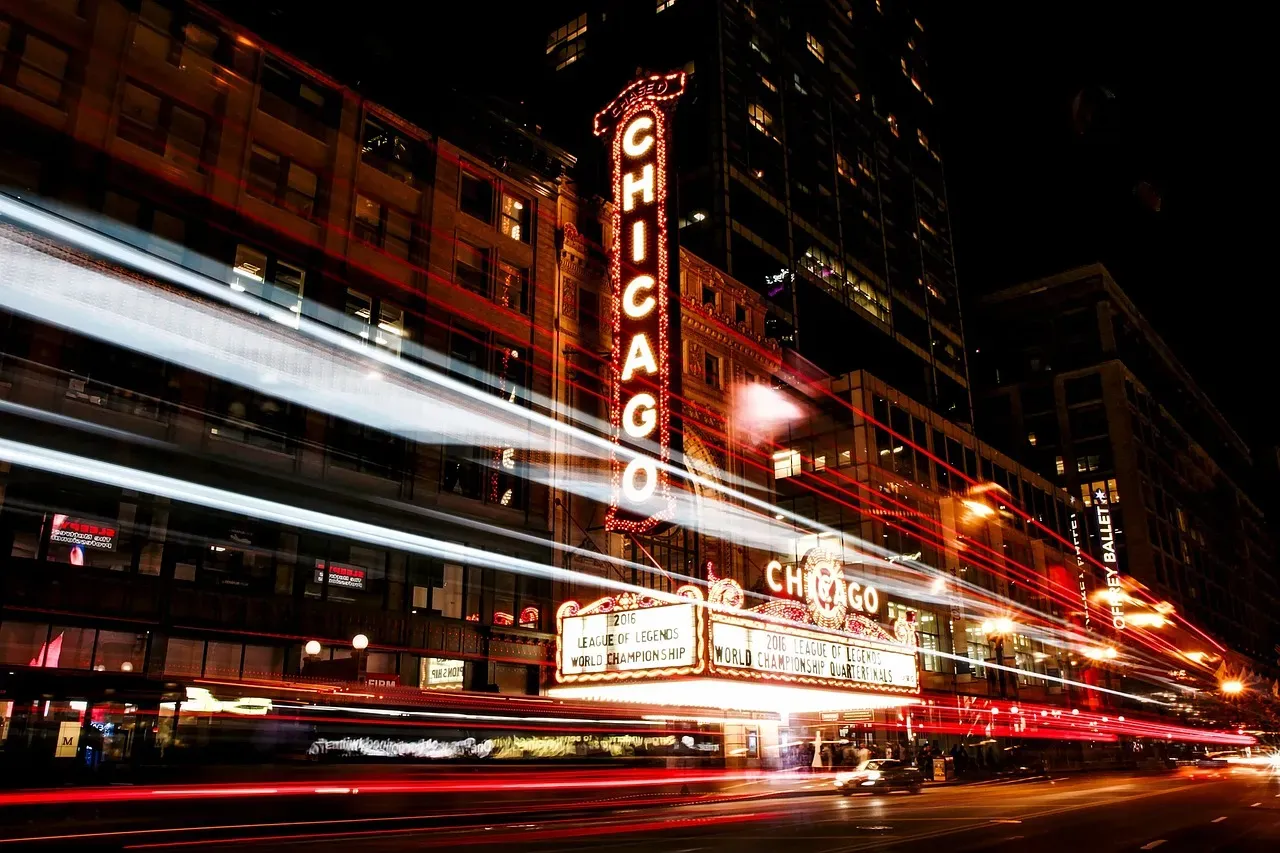
Chicago is arguably the greatest American city nobody can agree on. The architecture is world-class. The restaurant scene rivals any global capital. The Chicago metro saw about a two percent year-over-year decline in June international traffic in 2025. Chicago remains a primary entry point for travelers from Germany, the United Kingdom, and other European markets, but softer demand from Western Europe – influenced by political tension, higher U.S. travel costs, and concerns over stricter border screening – is part of the story behind the decline.
Chicago has been coping with a series of shocking crimes on or near transit lines and entertainment districts. On the Blue Line in November 2025, a woman was set on fire in a targeted attack that led to federal terrorism charges against the accused assailant. That kind of incident, captured on video and spread globally, does immeasurable damage to a city’s tourism image.
Property crime continues to increase in larger metro areas, with auto thefts rising in cities such as Chicago and Atlanta. FBI statistics do show that violent crime nationwide dropped 4.5 percent and property crime fell 8.1 percent between 2023 and 2024. Chicago is improving. It just carries decades of narrative weight that statistics alone cannot quickly erase.
Albuquerque, New Mexico – Beautiful Desert, Troubling Data

Hot air balloons. Breaking Bad film locations. Ancient Native American culture. Albuquerque genuinely has a lot going for it. It’s the kind of city that surprises visitors who actually show up. The challenge is getting them to show up in the first place.
New Mexico is the state with the highest violent crime rates in the country, and the most dangerous city in New Mexico is Albuquerque. While about one-fourth of the population in the state lives there, it is in this city that the vast majority of violent crimes occur. Albuquerque’s crime rates are 171 percent higher than the national average, and in Albuquerque, you have a one in 17 chance of becoming a victim of crime.
The city has seen a meaningful downturn in crime in early 2025. Compared to the first quarter of 2024, homicides have fallen twenty-eight percent, robberies are down nineteen percent, and auto thefts have dropped forty percent. Other serious offenses including aggravated assaults and shootings with injuries have also gone down by double-digit percentages. The direction is promising. The baseline, however, remains daunting.
Kansas City, Missouri – BBQ Capital With a Violence Problem
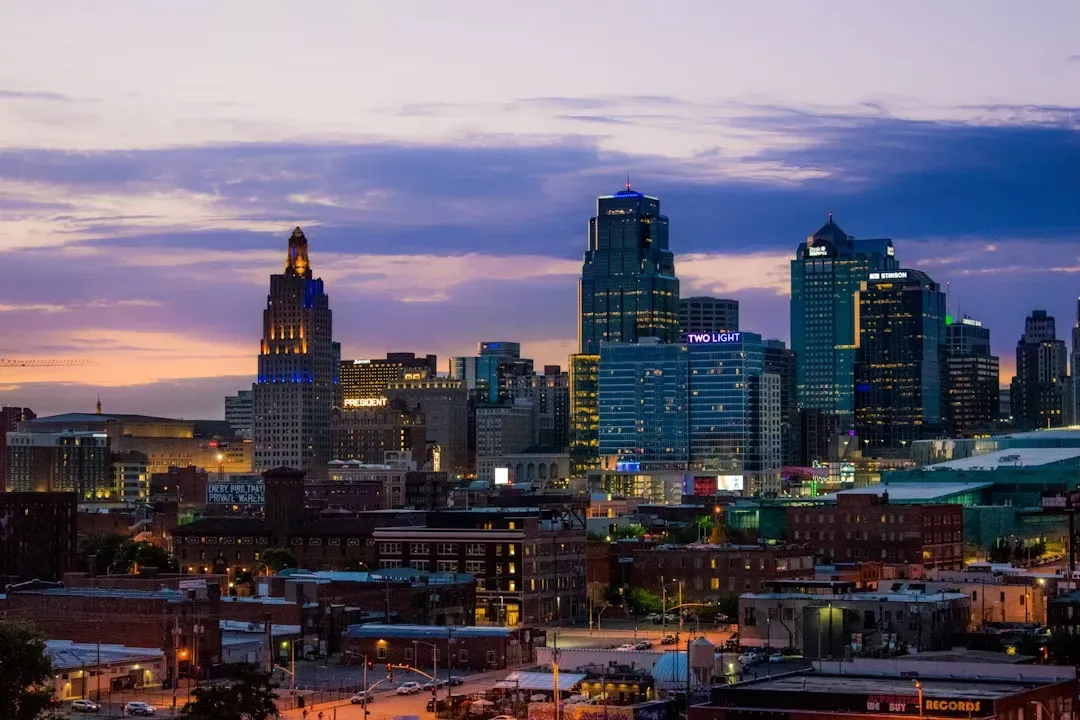
Here’s the thing about Kansas City: the food is extraordinary, the jazz heritage is real, and the people are genuinely warm. It deserves way more love than it gets in travel circles. Yet the crime data keeps complicating that picture in ways that are hard to dismiss.
Kansas City now ranks among the top cities for violent crime, with nearly 1,400 violent crimes per 100,000 residents in 2024, as homicides and gun-related violence have surged. City officials are investing in new policing technologies and programs to prevent gun violence. Still, activists argue that addressing root causes, such as poverty and a lack of opportunity, will be crucial for lasting change.
Kansas City’s violent crime rates remain a concern, overshadowing its cultural contributions. While safety measures are in place, the persistent crime statistics continue to impact its attractiveness as a travel destination. In 2024, Kansas City exhibited a moderate to high level of concern among its residents regarding crime. The city faces significant issues with property crimes and drug-related activities, and residents express concerns about their safety especially during nighttime.
Little Rock, Arkansas – Small City, Outsized Crime Figures

Little Rock rarely makes it onto the “must-visit” bucket lists in the way its Southern peers do. With the Arkansas population being just over three million, Little Rock may be smaller than many major cities, but it ranks disproportionately high in violent crime rates. That disproportion is precisely what makes it stand out in the data.
Despite its small size, Little Rock reports a violent crime rate comparable to much larger urban areas. Aggravated assaults, robberies, and gang violence are common, fueled by drug addiction and economic challenges. Little Rock has launched initiatives aimed at youth outreach, education, and economic development, but significant work remains to improve public safety.
While picturesque in places, Little Rock faces notable crime challenges. The city experiences high rates of violent crime, affecting its appeal as a peaceful destination. Safety concerns continue to overshadow the city’s attractions, despite ongoing local initiatives to tackle these problems. It’s a city that deserves investment and attention, not just a listing on a no-go list.
Las Vegas, Nevada – The Strip Can’t Hide the Slip
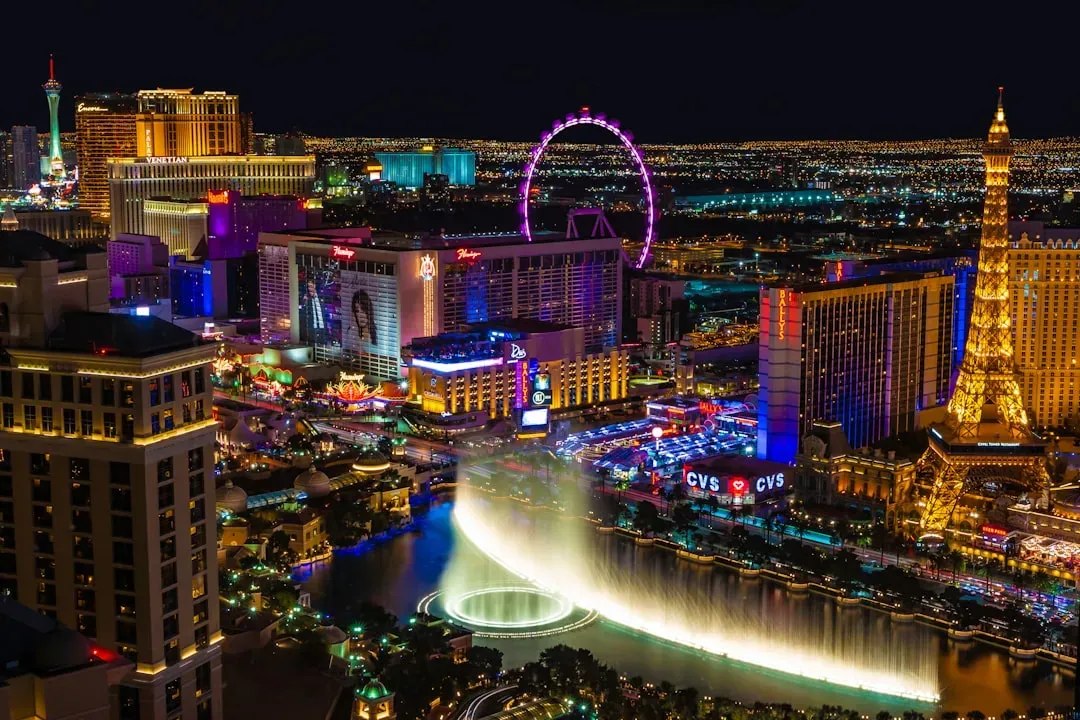
Vegas is the city that never stops selling itself. The spectacle is unmatched. The entertainment, the food, the sheer audacity of the place – there is nothing quite like it anywhere on Earth. Yet even the Entertainment Capital of the World is feeling the chill of declining visitor confidence.
Las Vegas shows the steepest decline of major gateway cities, with international air traffic down nearly ten percent compared to June 2024. This sits on top of growing concern from local officials about softening demand from Canada and Mexico, traditionally two of the city’s most important feeder markets. Las Vegas’s mayor has publicly described Canadian demand dropping from a faucet to a drip, and multiple data sets back up a double-digit slide in Canadian visits to the U.S. overall.
For hotel operators, that means lower inbound high-roller and convention traffic at a time when room supply and rates remain high, which is exactly the dynamic some recent hotel performance reports have flagged for the Strip. Oxford Economics’ Tourism Economics division projects a national drop of $8.3 billion in visitor spending, and cities like Las Vegas, New York City, Los Angeles, and Miami appear to be suffering the most from the loss of foreign tourists. The slot machines keep spinning. Fewer hands are pulling the lever.