I Asked ChatGPT Which 9 U.S. Cities Risk the Worst Water Shortages – Here’s Its List
Water. It’s the one resource everyone assumes will simply be there when they turn on the tap. Most Americans don’t think twice about it. Yet right now, from the sun-scorched deserts of the Southwest to the crumbling pipes of the East Coast, a quiet crisis is growing. Cities are straining under the weight of aging infrastructure, relentless drought, and population booms that no one fully planned for.
I put the question to ChatGPT: which nine U.S. cities face the greatest risk of severe water shortages? The answers it offered are grounded in very real, very current data. Some of the entries on this list might genuinely surprise you. Let’s dive in.
1. Phoenix, Arizona: A Desert City Betting on a Shrinking River
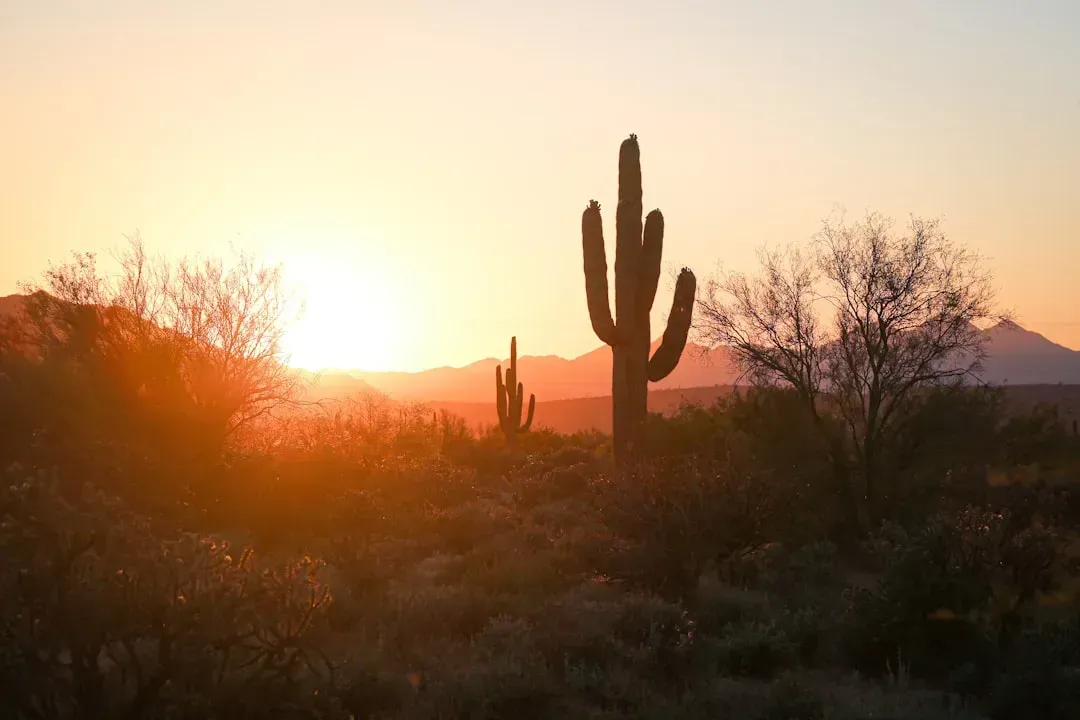
Here’s the thing about Phoenix – it is one of the fastest-growing metropolitan areas in the entire country, and it sits in one of the most unforgiving climates on earth. The sprawling, fast-growing Phoenix metro area is on the front lines of potential water cuts brought on by a stubborn drought gripping the West. The city’s situation is genuinely precarious when you look at the numbers.
The city uses nearly sixty percent of its water from the Salt and Verde Rivers, delivered by the Salt River Project, and about forty percent from the Colorado River, delivered by the Central Arizona Project. That Colorado River portion is now seriously threatened. On average, the river’s flow has decreased by roughly one fifth compared to a century ago, largely thanks to a twenty-year megadrought that has befallen much of the basin.
The Colorado River Basin is in a Tier 1 shortage for 2025, representing a 512,000 acre-foot reduction to Arizona’s Colorado River water supply – constituting thirty percent of the Central Arizona Project’s normal supply. Phoenix officials know what is coming. At a core level, for many Valley cities and for Phoenix, this means they will need to rely on backup supplies to a much larger extent than they currently do today.
2. Las Vegas, Nevada: Ninety Percent Dependence on One Dying Lake
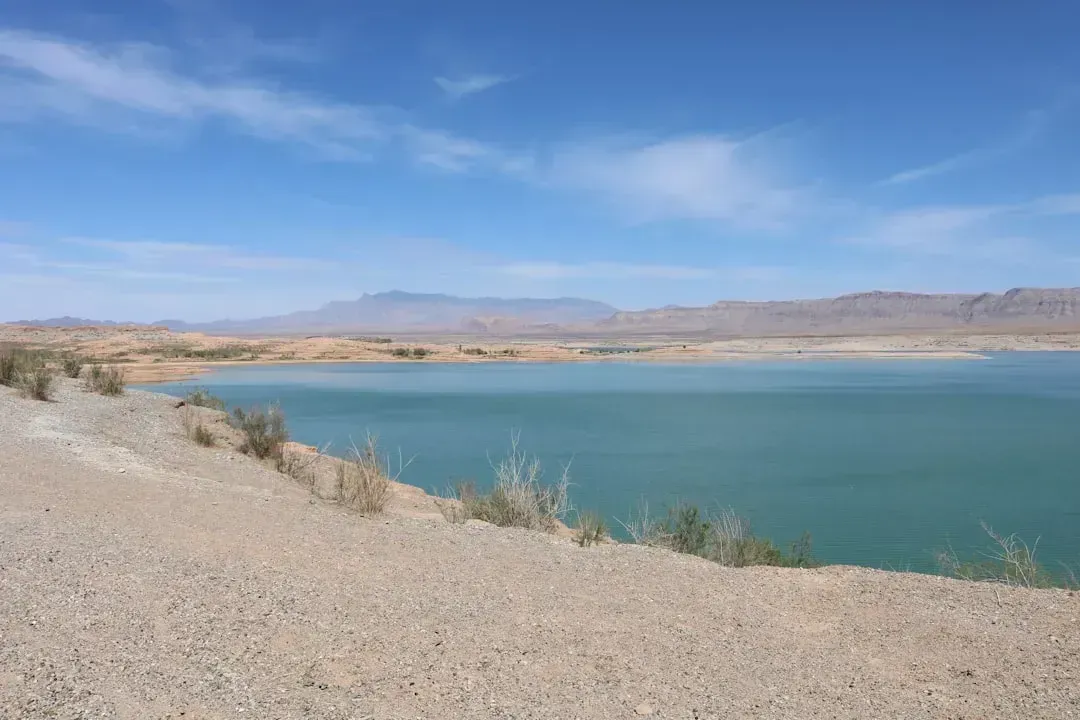
Las Vegas is perhaps the most dramatic example of a city that built its entire identity in a place nature never intended it to be. Las Vegas gets ninety percent of its water from the Colorado River via Lake Mead, which is located just east of the gambling and tourist mecca. That kind of dependence on a single source is, honestly, terrifying when you understand how that lake has been performing lately.
Lake Mead is less than a third full as of 2025. Think about that for a moment. The largest reservoir in the United States, less than a third full. The reduction for Nevada will stay at seven percent of its Colorado River water allocation, as Arizona, Nevada and Mexico again live with less water from the Colorado River as drought lingers in the West.
A state law now requires businesses and homeowner associations in the Las Vegas Valley to remove their decorative grass by the end of 2026. Since 2002, per capita water use in Las Vegas has dropped by an impressive fifty-eight percent. Conservation efforts are remarkable, no question. Still, cutting grass doesn’t solve the problem of a river that is fundamentally running dry.
3. Los Angeles, California: When the Fires Exposed the Cracks
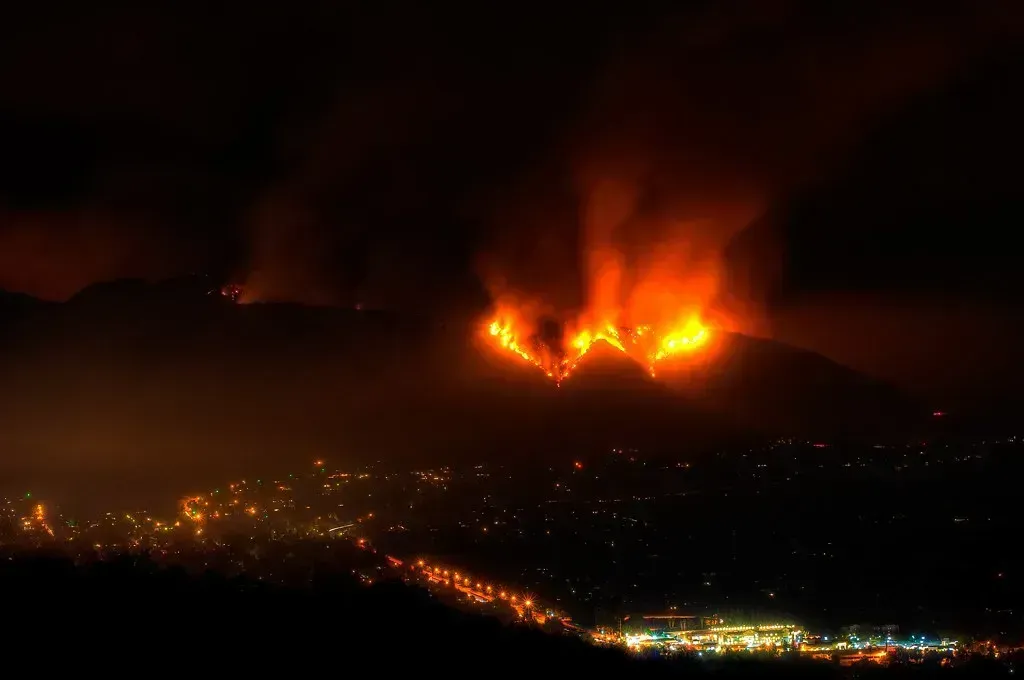
Los Angeles has long known its water situation was fragile. Los Angeles, a city of around 3.88 million people, relies heavily on water imported from hundreds of miles away and water from the Colorado River, which is running dry from overextraction and climate change. That fragility became impossible to ignore after a catastrophic event in January 2025.
During the first two weeks of January, a strong Santa Ana wind event created critical fire weather conditions, spreading the deadly and destructive Palisades and Eaton fires, which consumed more than 38,000 acres and destroyed more than 16,000 structures in the Los Angeles metropolitan area. The fires didn’t just destroy homes. They exposed something far more alarming about the city’s water system.
The January 2025 Palisades fire stretched the city’s water system to its breaking point. Fire hydrant tanks and pipes were designed for putting out spot urban fires, not for sustained, high-volume firefighting. As a result, some hydrants ran dry when they were critically needed. An analysis revealed deeper cracks in L.A.’s water planning, with parts of the system lacking the capacity to respond to extreme climate-driven events.
4. Jackson, Mississippi: Years of Collapse, Still Not Fixed
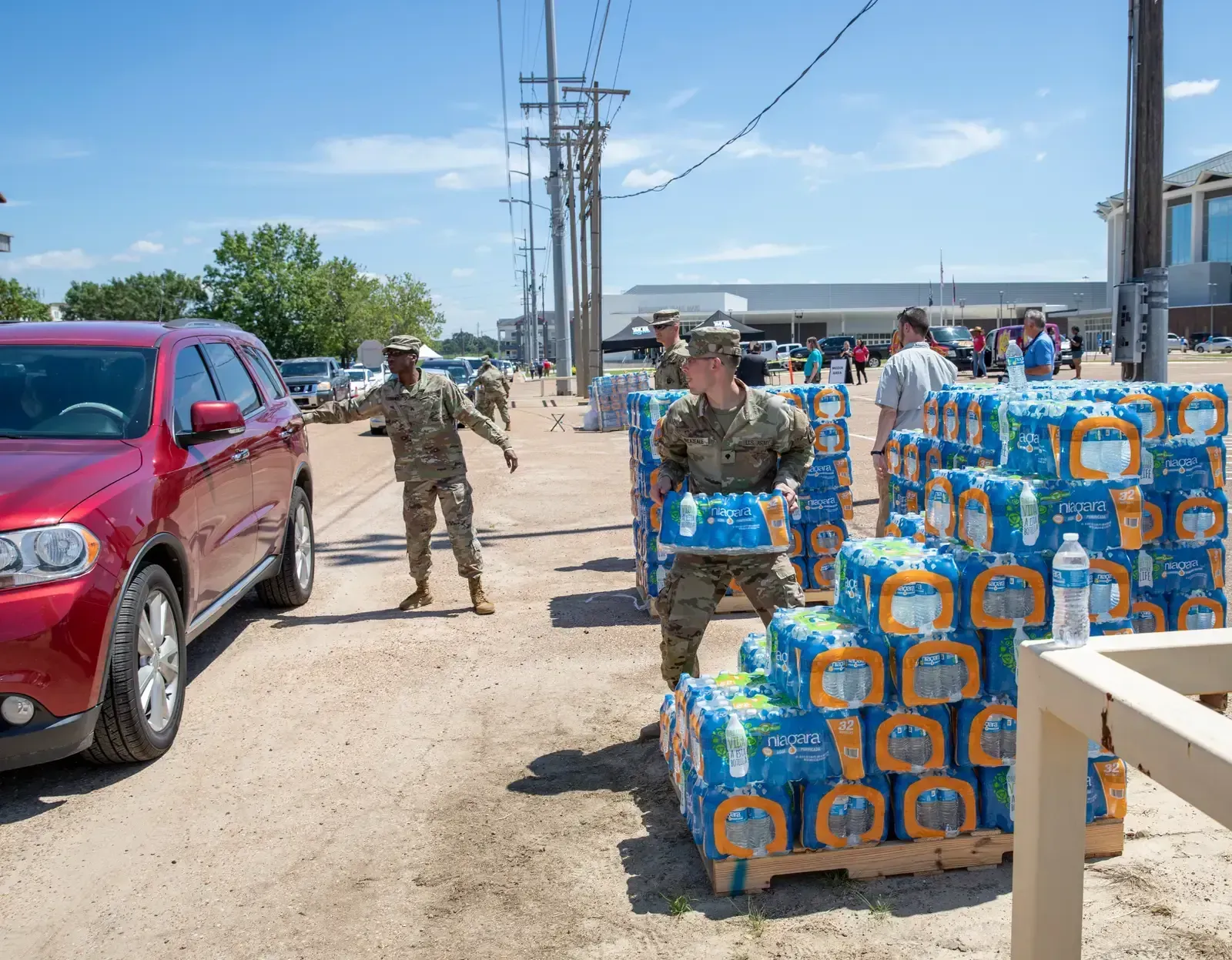
Jackson’s water story is one of the most heartbreaking on this entire list. This is not a new crisis; it’s a chronic one. Jackson, Mississippi, continues to work through long-standing water infrastructure challenges while city leaders and federal officials navigate decisions about future oversight. The water crisis in Jackson illustrates the challenges of balancing local governance, federal oversight, and long-term infrastructure investment.
After years of system failure, in 2022, Jackson’s water and sewer infrastructure was taken over by a third-party operator, JXN Water, under federal oversight. City leaders, responding to residents who raised concerns over billing and service issues, are pushing for the utility to be returned to local control. In October 2025, the City Council passed a nonbinding resolution urging federal authorities to restore operations to Jackson’s public works.
I think it’s worth stepping back and recognizing what this really means for the roughly 150,000 people who live there. Years of boil-water advisories. Years of brown tap water. Scientific American has warned that we will see a slowly evolving epidemic of water system failures like the one in Jackson – not a sharp catastrophe, but something that will continue unfolding slowly. Jackson is the canary in the coalmine for American cities.
5. Houston, Texas: Billions of Gallons Leaking Into the Ground
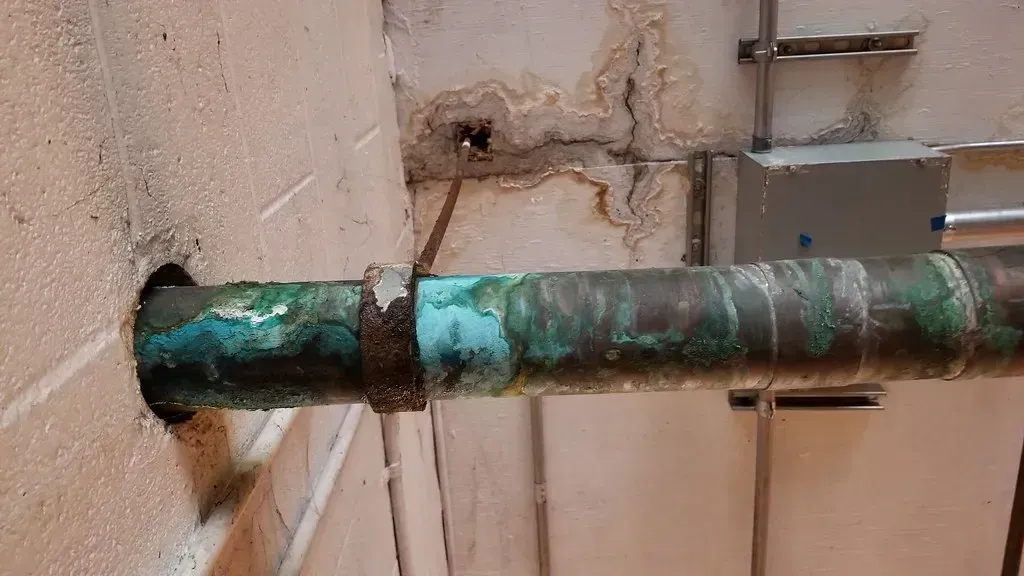
Houston is the fourth-largest city in the United States. It is also quietly losing water at a staggering rate. Much of Houston’s water infrastructure was designed and constructed decades ago, with many pipelines and treatment plants nearing or exceeding their intended lifespan. Corroded pipes, cracks, and leaks lead to significant water loss – up to fifteen percent of treated water is estimated to leak out of the system before reaching end-users.
The 2023 drought reinforced awareness with a regional spike in water main breaks. Houston lost more than nine billion gallons of water to leaks between January and April 2023 alone. Nine billion gallons. That is not a typo. The situation highlighted a critical weakness in Houston’s water infrastructure: a lack of redundancy in its raw water sources. Unlike Dallas, which has multiple sources of water to ensure resilience, Houston faces significant risks if its primary sources fail.
Houston’s explosive growth brings ever-more water demand, with the city expected to welcome approximately 2.2 million new residents between 2010 and 2030 – a nearly thirty-eight percent population increase. More people. Older pipes. Less water to go around. The math simply doesn’t add up.
6. Atlanta, Georgia: A City Betrayed by Its Own Old Pipes
Atlanta might seem like an odd entry. It gets plenty of rain, and it’s nowhere near a desert. But here’s the thing – even rainfall can’t help you when your infrastructure is a century old and crumbling from the inside out. In Atlanta, decades-old pipes continue to pose serious problems. In 2024, major water main breaks caused by aging infrastructure installed more than a century ago flooded streets and disrupted service. Officials declared a state of emergency and issued boil-water advisories while crews undertook emergency repairs.
While service has been restored, it’s not enough. Without costly upgrades, the city’s fragile water infrastructure will be vulnerable to continued pipe breaks and service disruptions. A year later, the city is assessing its water infrastructure needs and prioritizing which parts of the system to upgrade first to avoid another crisis. Prioritizing. That is a polite word for “figuring out which fires to put out first.”
7. Albuquerque, New Mexico: When the Rio Grande Can’t Deliver
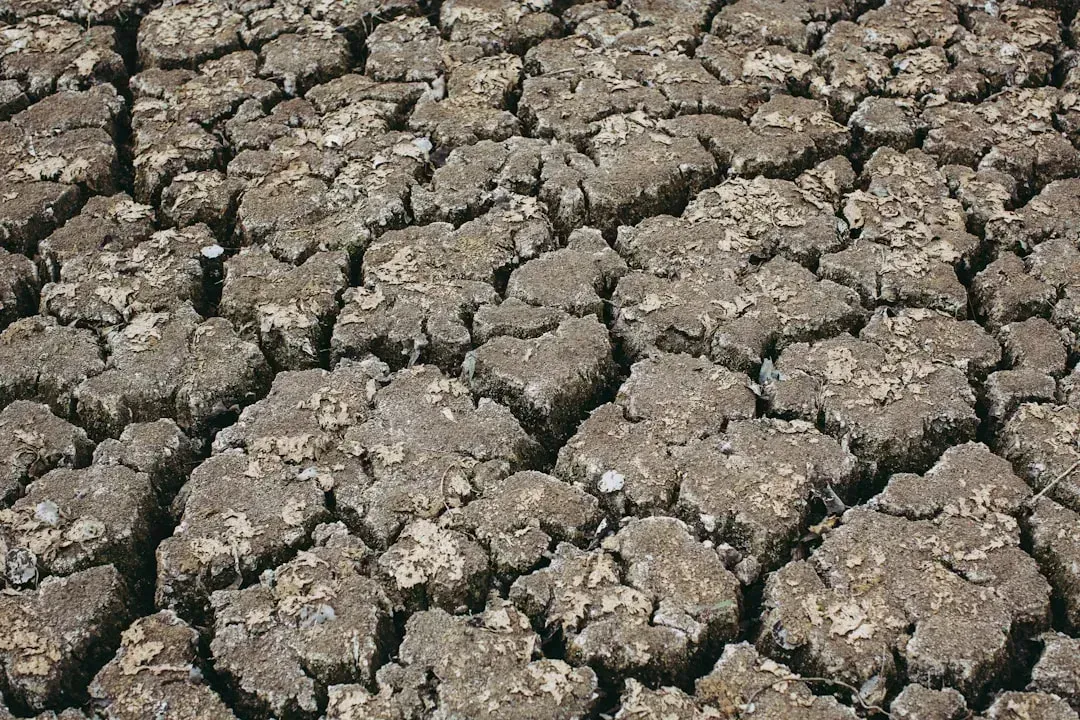
Albuquerque occupies a unique position on this list. It is not a coastal city neglecting its pipes. It is a desert city whose primary lifeline, the Rio Grande, is slowly disappearing. The drought raises the prospect that the Rio Grande will be unable to supply the necessary water to Santa Fe and Albuquerque residents and force these cities to switch to their backup wells. Backup wells are not a long-term solution; they’re a last resort.
Many counties in Colorado recently sustained severe to extreme drought conditions, with the Palmer Drought Index showing roughly two thirds of the Rio Grande Basin facing moderate to extreme drought by the end of June 2024. With the ongoing drought, the region is seeing more dry river sections, water shortages, wetland loss, and reduced riparian vegetation. Wildfires are also becoming more frequent in the area due to warmer, drier conditions caused by climate change. For Albuquerque’s nearly 600,000 residents, the convergence of these forces is deeply worrying.
8. Baltimore, Maryland: Lead Pipes and Crumbling Tunnels
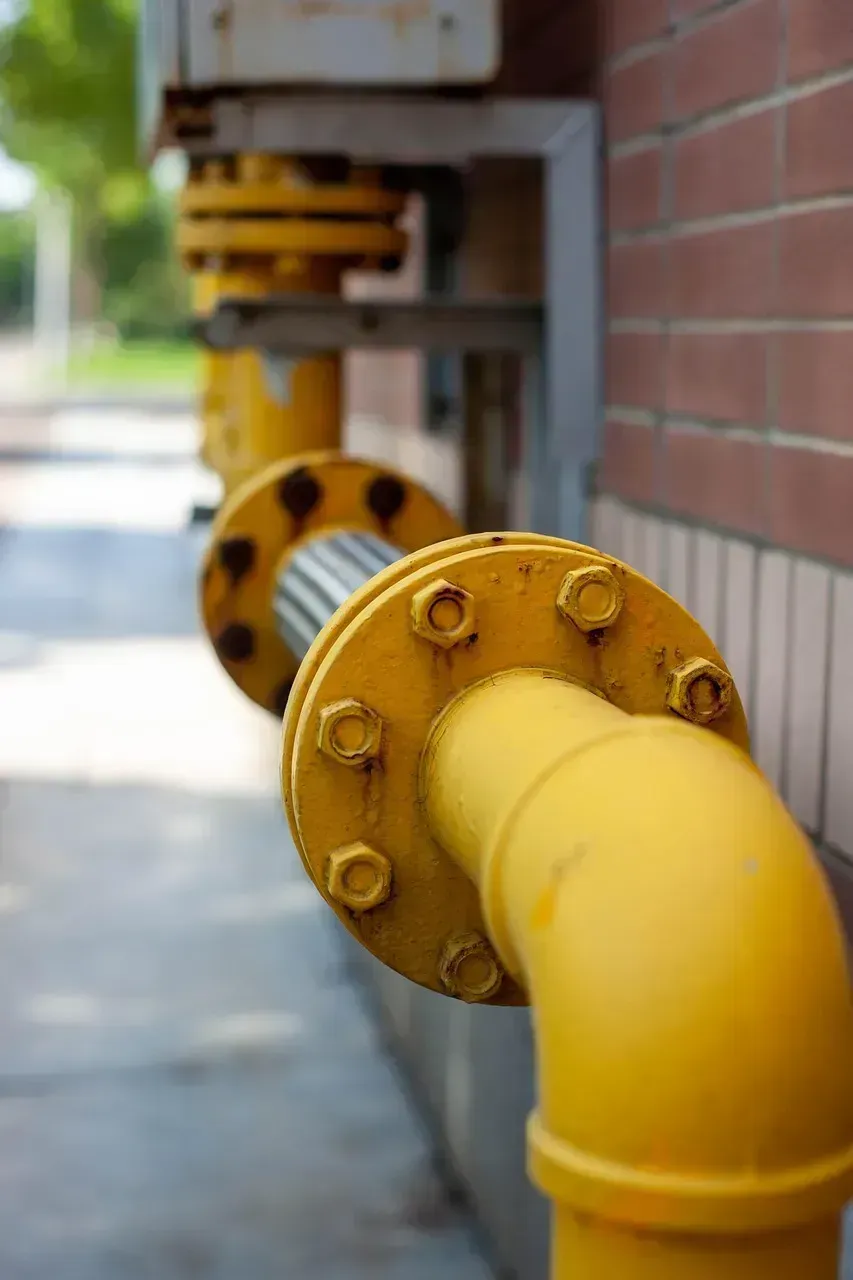
Baltimore’s water problem is different from most cities on this list. It’s not primarily about having too little water. It’s about whether the water that arrives in homes is actually safe. Though Baltimore’s drinking water meets federal safety standards, the water coming out of taps is sometimes brown – a sign that iron may be leaching from aging pipes, whether in buildings or under the street. That detail alone should give pause.
Their challenges come at a crucial time, as the U.S. Environmental Protection Agency updated its Lead and Copper Rule in late 2024, giving cities ten years to identify and replace all lead service lines. In Baltimore, more than 200,000 homes need to be surveyed. Two hundred thousand homes. That is an enormous undertaking. Baltimore’s aging water and wastewater infrastructure requires substantial investment to maintain, and compliance with regulatory requirements, coupled with rising capital investment costs, has contributed to a recent credit rating downgrade.
The Department of Public Works says it is implementing a $1.9 billion, six-year capital program to address critical infrastructure needs across the system. It’s hard to say for sure whether that will be enough, but it signals that even city officials know how serious the situation truly is.
9. Richmond, Virginia: A Crisis That Was Completely Avoidable
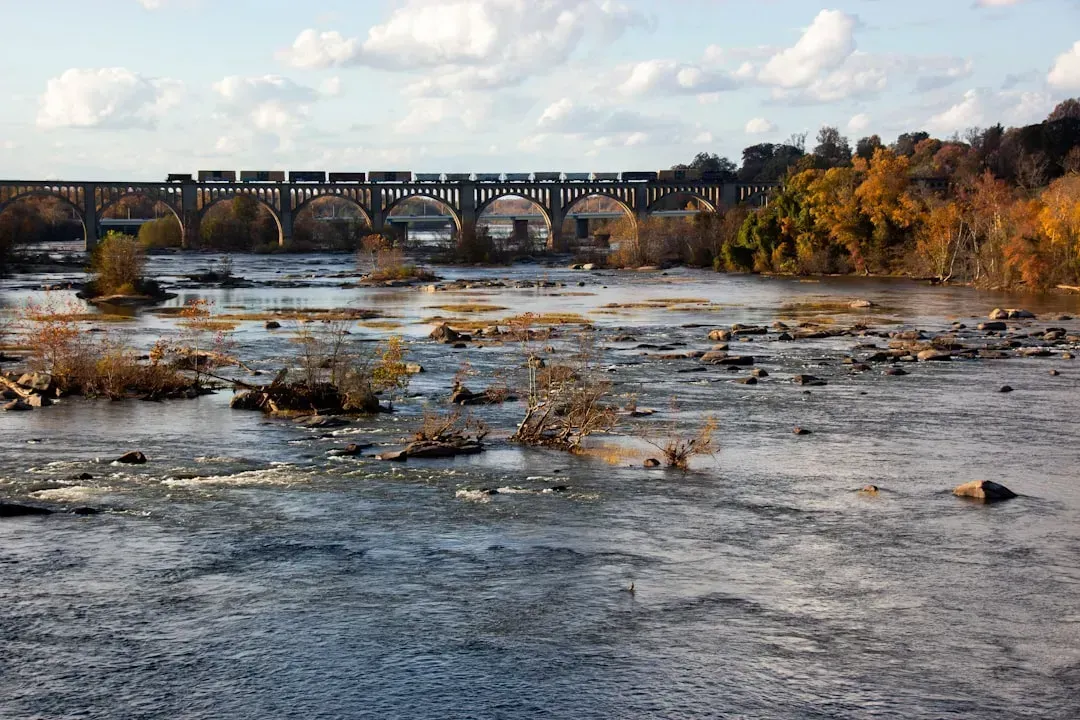
Richmond might be the most quietly alarming city on this entire list, precisely because its crisis is so recent and so preventable. In January 2025, Richmond experienced a major disruption when a power failure knocked out its water treatment plant, triggering a boil-water advisory for several days that left the city’s 230,000 residents, as well as adjacent counties of Hanover and Henrico, without drinkable tap water. For days. No drinkable tap water.
According to a report from the Virginia Department of Health, the crisis was described as “completely avoidable.” The plant ran in a stripped-down “winter mode,” relying solely on a single power feed, and backup systems failed. Then, as if one crisis wasn’t enough, in May, clogged filters at the same plant triggered another boil advisory. To tackle these problems, the city has formed two new work groups dedicated to infrastructure upgrades and long-term resilience.
Two crises at the same plant in the same year. A city of 230,000 people, left scrambling twice. Richmond is a textbook example of what happens when deferred maintenance finally catches up with a city all at once. While the water systems across all these cities face very different pressures, they share one thing in common: they are being stretched to their limit. Some are dealing with aging and undermaintained infrastructure, while others are overwhelmed by climate change or population growth. Across the board, deferred maintenance, underinvestment, outdated infrastructure, and leadership gaps continue to plague water systems nationwide.