The Rise of Purpose-Driven Travel Experiences
Something shifted in the way people travel over the past few years, and it goes beyond picking a nicer hotel or chasing a better Instagram backdrop. Travelers are making decisions differently now, measuring a trip not just by where it takes them, but by what it leaves behind. The old model of ticking off landmarks and moving on is giving way to something more considered and personal.
Travel in 2025 is being shaped by a strong desire for personalization, sustainability, and deeper connection. After years of global uncertainty and rapid technological advancement, today’s travelers are seeking more than just a getaway. They want that reflect their values, feed their curiosity, and leave a positive impact. That appetite for meaning is reshaping an entire industry.
What “Purpose-Driven” Actually Means
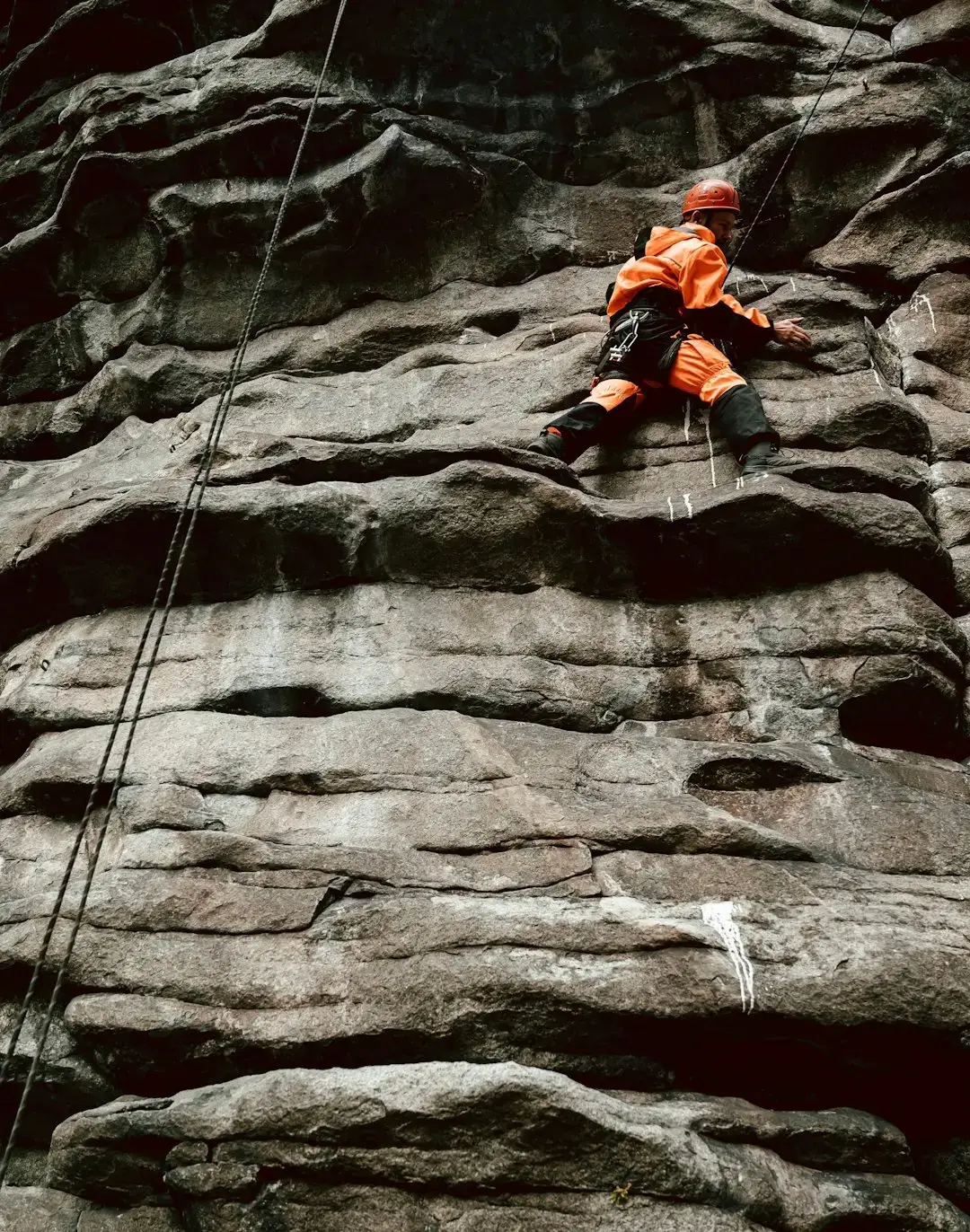
While exchange rates and geopolitical dynamics can influence consumer behavior, passions and purpose-driven motivations remain strong drivers shaping the travel industry. Purpose-driven travel is not a single category. It spans everything from volunteering in a rural community to spending two weeks at a wellness retreat in Thailand or slowly exploring the backstreets of Kyoto.
Slow travel, with visitors immersing in local culture for a longer period, is expected to remain popular, just as purpose-driven adventures, which focus on meaningful goals such as wildlife conservation, environmental protection, or preserving traditions. Experience tourism is becoming the norm as travelers want to connect with a place emotionally. What unites these categories is intention: going somewhere for a reason that feels real.
The Numbers Behind the Shift

Software firm Flyware reported that nearly nine in ten tourism service providers have seen higher demand for experiential travel, which typically offers more personalized and unique leisure experiences compared to conventional vacations. That kind of near-universal demand signal is rare in any industry.
Cultural immersion has emerged as one of the strongest trends shaping global travel in 2025. Research shows that the vast majority of travelers now prefer authentic, hands-on experiences over traditional sightseeing, while nearly all travel executives believe cultural offerings will be central to tourism within the next five years. The business side of travel is clearly paying attention.
The Boom in Volunteer Tourism

The global volunteer tourism market reached roughly four billion dollars in 2024, demonstrating robust expansion driven by a growing inclination toward meaningful . The market is expected to grow at a compound annual growth rate of over eight percent through 2033. This growth is primarily fueled by an increasing awareness of social responsibility, expanding opportunities for cross-cultural engagement, and a rising demand for sustainable travel alternatives.
Travelers aged 18 to 34 accounted for more than two-fifths of the volunteer tourism market. As travelers seek to align their leisure activities with personal values, volunteer tourism has emerged as a prominent segment. The sector has particularly attracted younger generations such as millennials and Gen Z, who prioritize sustainability and social impact. The demographic driving this growth is also the demographic shaping culture more broadly.
Wellness Travel: From Niche to Mainstream
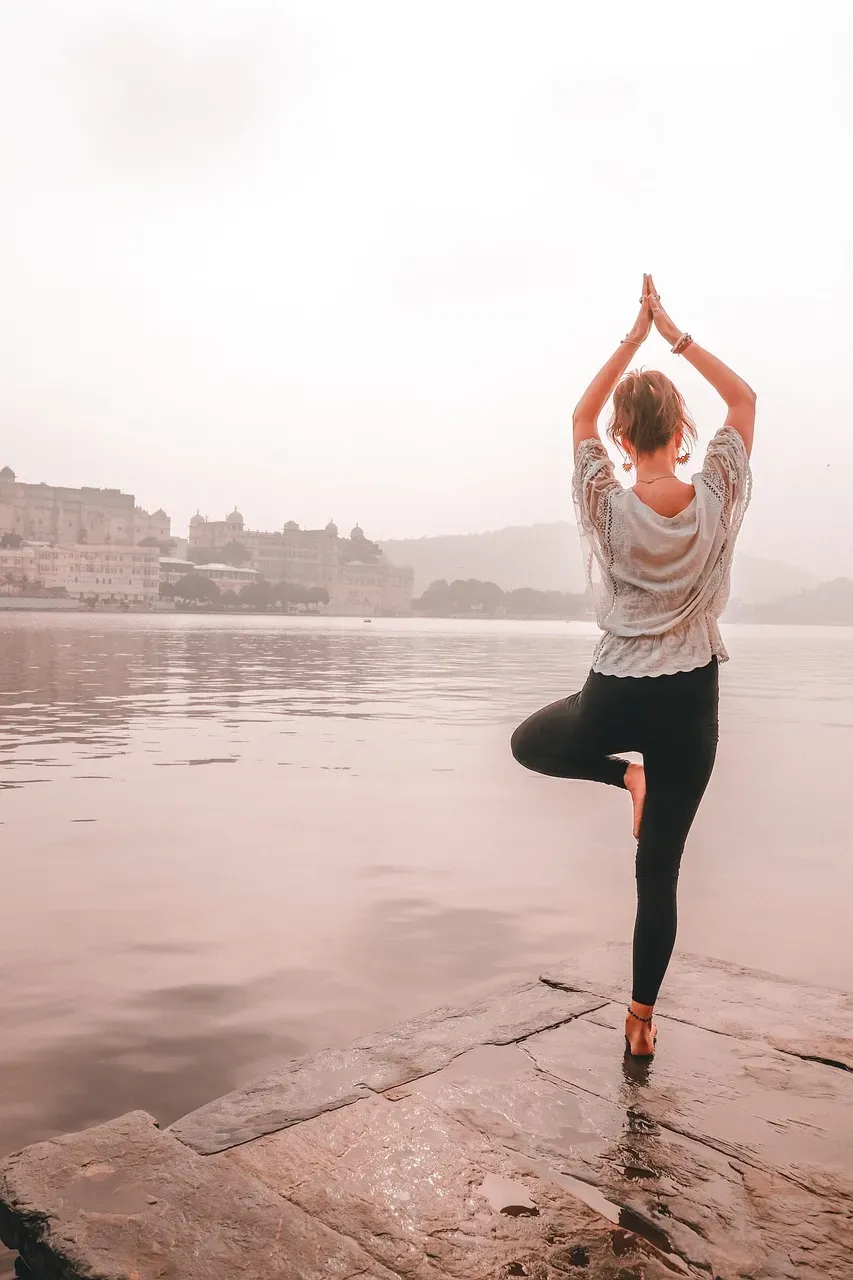
The global wellness tourism market size was valued at nearly one trillion dollars in 2024 and is projected to grow toward two trillion dollars by 2033, growing at a compound annual growth rate of around nine percent during the forecast period. That trajectory puts wellness travel among the fastest-growing segments in the broader tourism economy.
Wellness tourism revolves around designed to enhance physical, mental, and emotional well-being. Unlike traditional vacations centered on leisure, it integrates activities such as spa retreats, yoga and meditation programs, holistic healing, fitness getaways, and therapeutic treatments. It encompasses both preventive and curative health experiences, attracting travelers seeking stress relief, detox programs, and overall rejuvenation. The appeal has broadened from a luxury interest into something many travelers simply consider standard.
Slow Travel and the Art of Staying Longer

The 2025 Hilton Travel Trends Report highlights a growing trend: as life accelerates, slow travel, the desire to travel like a local, is on the rise. Nearly three quarters of global travelers now seek more authentic, local experiences to fully immerse themselves in a culture, especially when traveling with children.
Slow travel, or “slowcations,” focuses on leisurely and immersive experiences that prioritize quality over quantity, encouraging deep connection with a destination by spending more time there and engaging with the local culture, environment, and community. It emerged as the most popular of the emerging travel trends tested, with more than half of American travelers surveyed finding the concept appealing. Slow travel also turns out to be kinder on local economies, since visitors who stay longer tend to spend more with small, community-run businesses.
Cultural Immersion as the New Landmark

According to Hilton’s 2025 Travel Trends data, the vast majority of travelers want to visit places where they can deeply explore local culture, and more than three quarters seek vacations that support local communities. The souvenir shop visit and the guided bus tour are not disappearing, but they are no longer enough for a large and growing share of travelers.
In 2024, more than half of all travel was focused on cultural heritage. That number is expected to grow as more travelers seek deeper, more meaningful experiences to learn about history, art, and traditions. Two-thirds of travelers say they are actively avoiding overcrowded hotspots in favor of community-led alternatives. This shift comes at a time of growing concern about overtourism. Major cities from Venice to Barcelona are implementing visitor caps, and many national tourism boards are encouraging travelers to explore beyond their most famous landmarks.
The Ethics Question in Voluntourism
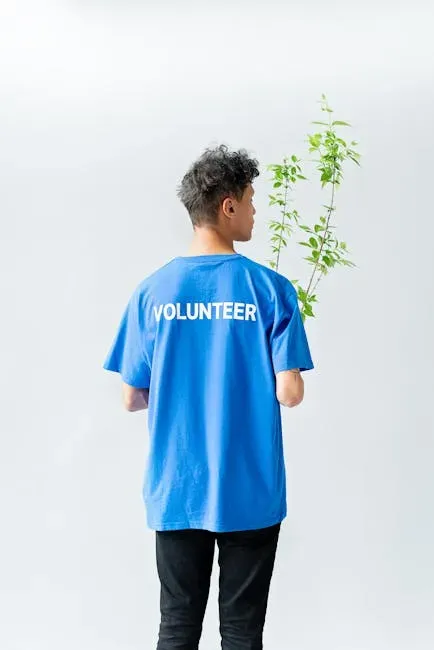
There is an ongoing debate about the ethics of “voluntourism photography,” where travelers showcase their volunteer work on social media in ways that may reinforce stereotypes or exploit vulnerable communities for personal gain. To address these concerns, organizations are increasingly emphasizing sustainable, skills-based volunteering, encouraging volunteers to contribute in areas where they have relevant expertise, and promoting long-term, community-driven projects that prioritize local leadership and self-sufficiency.
One of the most pressing challenges is the risk of negative impacts on local communities, including dependency, cultural disruption, and the displacement of local workers. Poorly designed or managed programs may fail to address genuine needs, resulting in wasted resources and unmet expectations. There is also growing scrutiny of the ethical implications of volunteer tourism, particularly in sensitive sectors such as orphanage volunteering and wildlife interaction. To mitigate these risks, organizations must prioritize transparency, community involvement, and rigorous monitoring and evaluation.
How Technology Is Enabling Deeper Journeys

The expansion of digital platforms and online marketplaces has made it easier for travelers to access verified volunteer opportunities, ensuring greater transparency and accountability in the industry. The growing involvement of educational institutions in global service-learning programs has also contributed to the rise of volunteer tourism among students and professionals looking to enhance their cross-cultural competencies.
Digital innovations, including online remote volunteering, contributed to a notable participant increase in 2024. Roughly half of total investments in the volunteer tourism market are now directed towards digital transformation and online booking platforms, aiming to enhance user experience and increase global accessibility. That investment is making it easier for someone who has never organized anything more than a beach holiday to find a credible, well-structured program abroad.
What the Industry Is Doing Differently
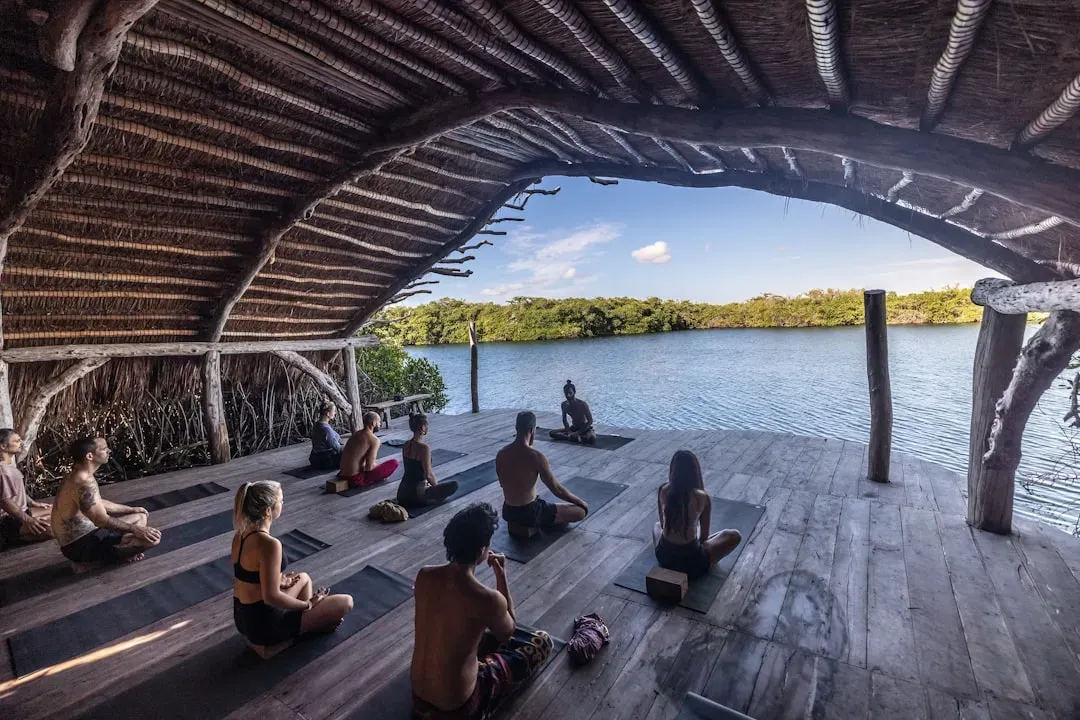
Wellness tourism is evolving to incorporate immersive experiences that connect travelers with local customs, traditions, and healing practices. Instead of generic resort stays, well-being retreats now focus on authentic cultural interactions, allowing visitors to engage in traditional healing therapies, indigenous rituals, local art, and region-specific cooking classes. In 2024, wellness resorts worldwide integrated cultural elements into their programs, offering Ayurvedic treatments in India, Thai herbal medicine workshops in Thailand, and Native American healing ceremonies in the United States.
Slow travel not only reduces the carbon footprint but can offer a more fulfilling, less stressful travel experience. It aligns with broader trends like luxury minimalism and quiet luxury, focusing on wellness and mental well-being, rather than just consumption and fast experiences. Hotels, tour operators, and destination marketing organizations are all recalibrating their offerings to match what travelers say they actually want from a journey.
The Road Ahead for Purposeful Travel

Purpose-driven travel has surged as more travelers seek experiences that contribute to social and environmental causes. In 2023, more than thirty million international travelers expressed interest in volunteer tourism, motivated by personal fulfillment and the opportunity to make a meaningful impact. That figure continues to rise alongside broader cultural conversations about how we spend our time and money.
These emerging trends highlight a shift towards more intentional, personalized, and meaningful . What makes this moment particularly significant is that purpose-driven travel is no longer the preference of a small counterculture. It has become the expectation of a mainstream, and a generation of travelers who grew up online, globally connected, and acutely aware of the world’s problems is making sure the industry keeps pace with that expectation.