12 Subtle Signs Your Hotel Room May Not Have Been Properly Cleaned, According to Housekeepers
You drop your bag on the bed, kick off your shoes, and take a deep breath. Hotel rooms always feel like a mini escape, don’t they? Clean sheets, a tidy bathroom, that faint scent of cleaning product in the air. But here’s the uncomfortable truth: things are not always what they appear to be.
The cleanliness gap in today’s hotel industry has a structural cause. The industry is chronically understaffed, and by late 2024, roughly two thirds of hotels still reported staffing shortages, with housekeeping being the hardest position to fill. That means your room may look presentable on the surface while hiding some genuinely unsettling details underneath. So before you settle in for the night, you might want to keep reading.
1. The Room Smells Musty or Artificially Fragrant
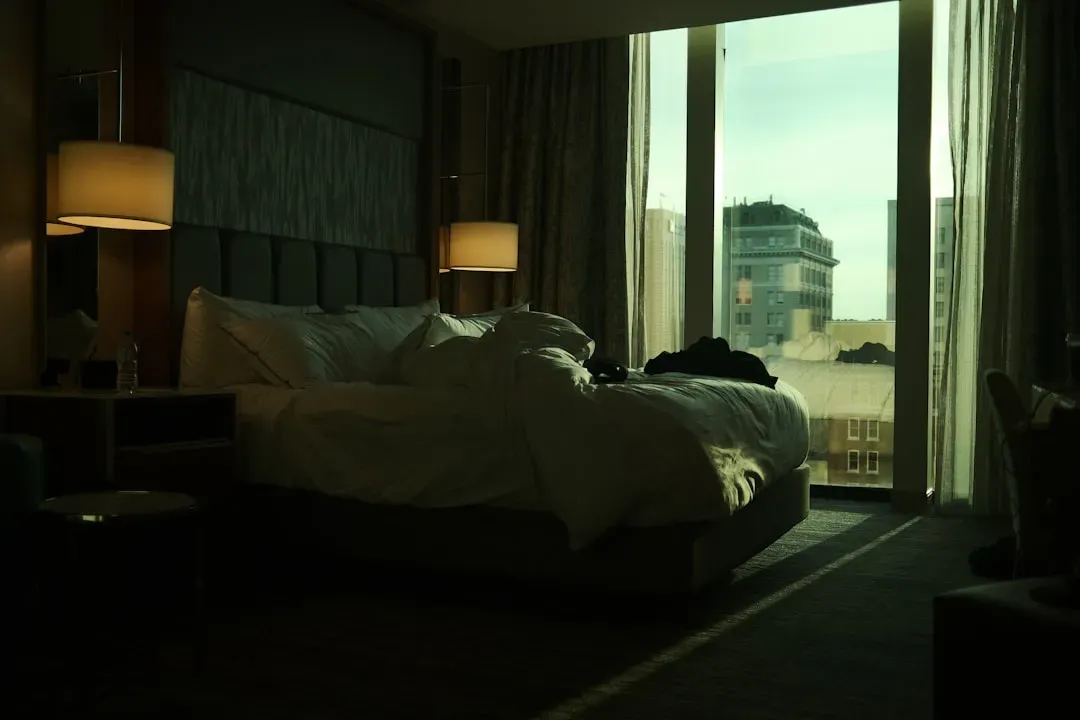
The very first thing that can tip you off about a poorly cleaned room is your nose. First impressions really matter, and the first thing that reveals the hygiene of a room is the smell. A scented room doesn’t necessarily mean good indoor air quality. A well-cleaned hotel room should have a fresh and clean smell. That’s what housekeeping professionals consistently say.
When consumers are asked what indicates a hotel room is clean, the top three indicators, in order, are no odor or pleasant fragrance, no dirty or moldy shower or tub, and clean soft linens. Honestly, if you walk in and immediately notice a heavy floral spray or something synthetic trying a little too hard, that’s a red flag. A genuinely clean room simply smells neutral and fresh.
If the bathroom smells damp, it probably means it hasn’t been cleaned properly, as the cleaning products used for hotel bathrooms are generally quite strong and have a recognizable chemical fragrance. So paradoxically, a lack of that faint cleaning product scent in the bathroom might actually be the warning sign.
2. The Bed Sheets Have Unusual Creases or Feel Soft and Warm
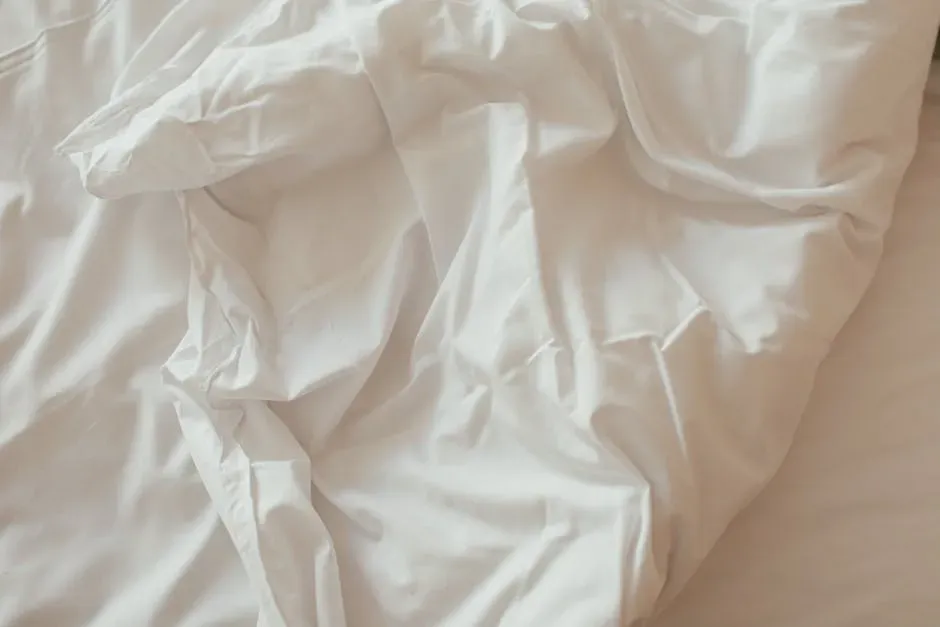
Fresh laundered sheets have a certain crispness to them. Sheets that have been slept in and hastily remade do not. When it comes to hotel bedding, begin by examining the sheets and pillowcases for any stains or discoloration. Also inspect the sheets for any unusual creasing, as this messy appearance may suggest that the bed was hastily made between guests rather than completely washed and replaced with fresh sheets.
Your skin has direct contact with the bed sheets, so it’s critical that these are clean. The easiest check is, of course, a visual scan. If they look stained, crumpled, or have hair on them, ask for a change immediately. Your nose can also be useful here. Check to see if the sheets have fold marks, and whether they feel crisp or soft and sticky. Warm sheets when you arrive, despite the room being vacant, are another red flag worth noting.
3. The TV Remote Is Sticky or Visibly Grimy
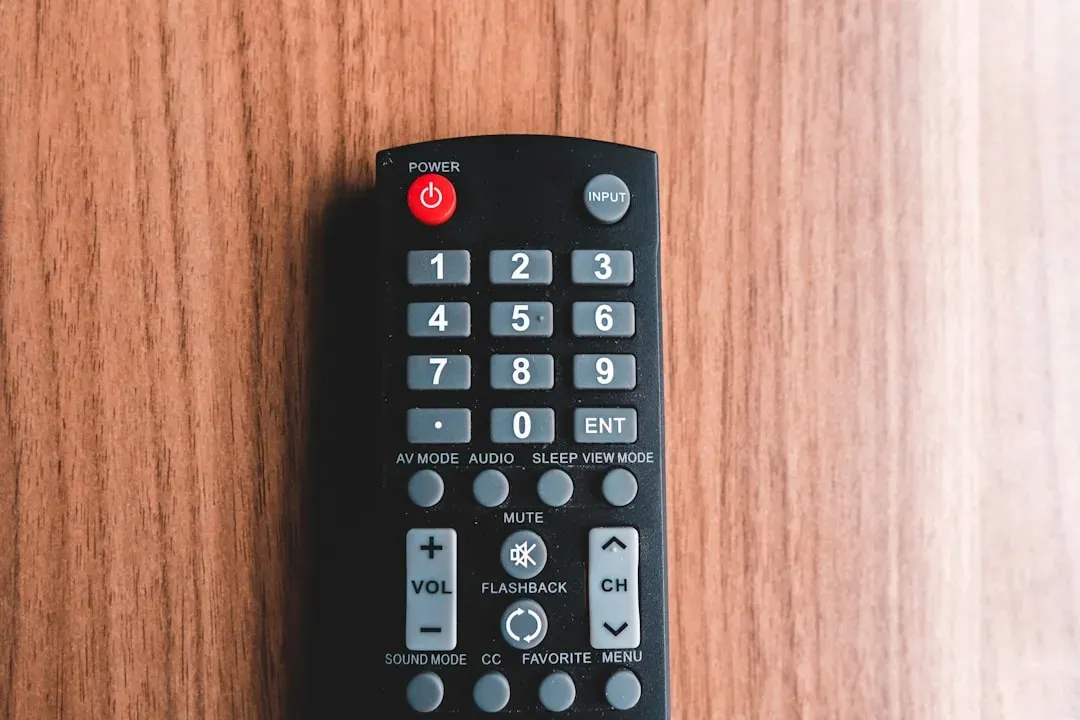
Every housekeeper interviewed named the television remote control as the single dirtiest item in any hotel room. Think about it. Dozens of guests handle it daily, usually right before bed, and it sits on the nightstand between every single stay.
The solution isn’t as simple as demanding better cleaning protocols. Housekeepers typically have just 30 minutes to clean each room, and thoroughly disinfecting a remote control takes precious time away from more visible tasks that supervisors check. A proper housekeeping protocol should include wiping down door handles, light switches, remote controls, and other frequently touched surfaces with disinfectant. If yours looks dusty, greasy around the buttons, or sticky to the touch, it almost certainly hasn’t been sanitized.
4. Pillows Look Yellow or Feel Lumpy
Nobody talks about pillows as much as they should. While bed sheets are usually changed between guests, pillows might be skipped. Some hotels only clean mattress pads, blankets, and bedspreads every three months. That’s a long time, when you think about how close your face gets to those pillows every night.
Consider removing the pillowcases and checking the pillows for an unsightly yellow color that may suggest they need to be replaced. Yellowing is a sign of accumulated sweat and body oils over time. In bedrooms, the three most important factors for guests were clean linen, no evidence of previous guests, and absence of bad smells or odors. Discolored pillows tick two of those three boxes in the worst possible way.
5. The Bedspread or Decorative Throw Hasn’t Been Changed
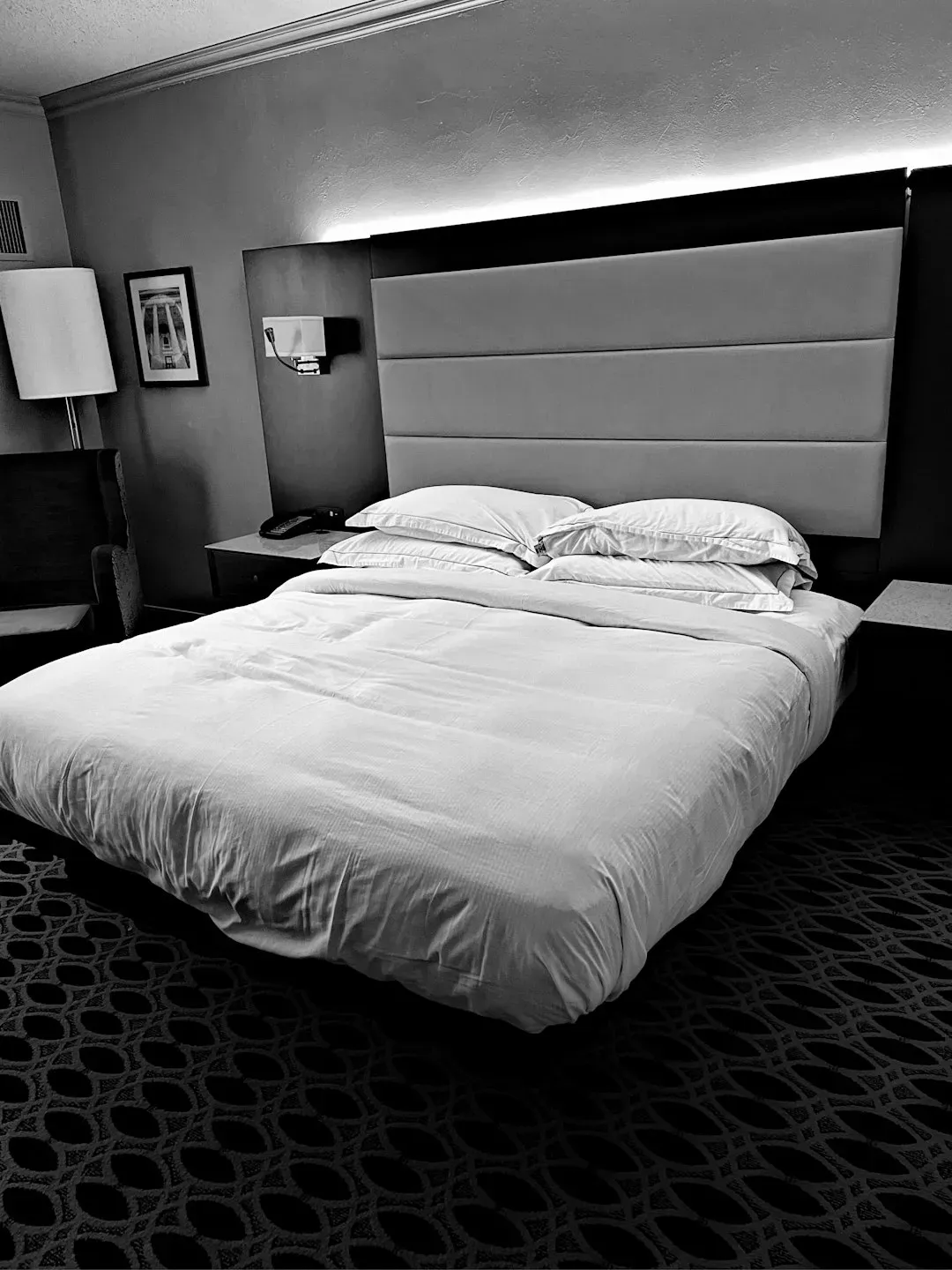
That plush, perfectly-folded bedspread looks inviting. Here’s the uncomfortable thing, though. The plush bedspread that gives hotel rooms their polished appearance harbors a dirty secret. Unlike sheets, which are changed between every guest, bedspreads and decorative pillows might go weeks or even months without washing.
Unlike bed pillows with removable, washable covers, decorative pillows often feature non-removable fabrics that are nearly impossible to clean properly. The stories from housekeeping staff about decorative pillows include guests using them as foot rests, tissues, napkins, and worse. Yet these same pillows might grace hundreds of rooms over their lifespan. The safest move when you check in? Set those decorative pillows directly aside.
6. Dust on Top of the TV or Behind Furniture
Dust is maybe the most honest informant in any hotel room. Carefully move around some of the fixtures, like the TV, bedside lamp, or mini fridge. Chances are, you’ll reveal some dirt and grime you may have otherwise overlooked. Unfortunately, if this is the case in your room, it’s probably the case in every other room as well.
Not even a single surface in a properly cleaned room should have dust. Housekeeping staff should start with ceiling corners, light fixtures, and vents, moving down to furniture surfaces, and wipe down all surfaces including desks, nightstands, and shelves with appropriate disinfectants. Another commonly forgotten zone is the area underneath the bed. Using a white cloth or switching all the lights on can be really helpful in detecting all the dirty or dusty corners.
7. The Bathroom Shows Signs of Mold or Soap Scum
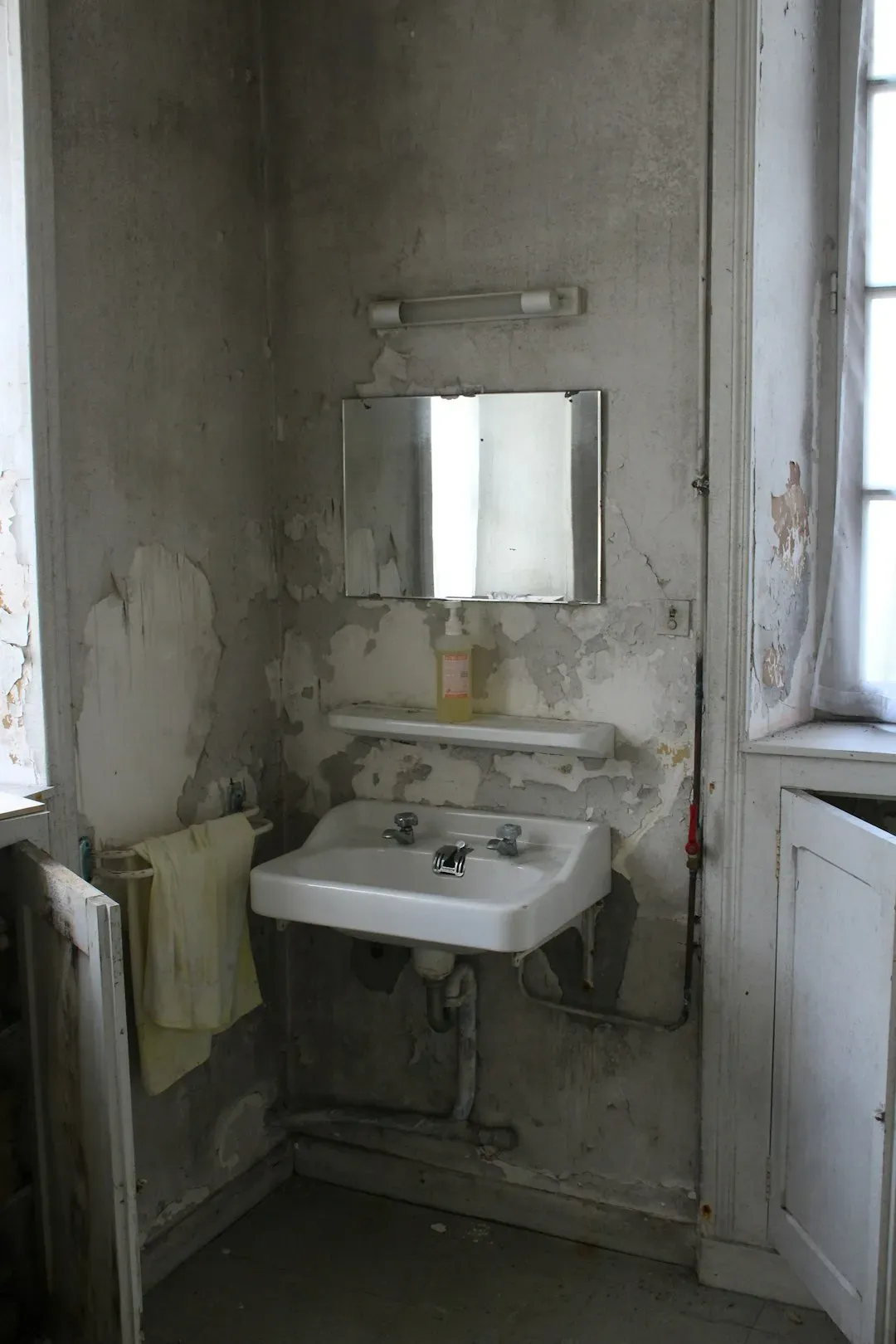
The bathroom, let’s be real, is where hotel cleanliness is truly tested. Bathrooms are always under particular scrutiny. This is where hotels can lose a guest’s confidence in a single, disgusted moment. According to a recent KALDEWEI study, cleanliness is an absolute must for hotel bathrooms, and nearly all respondents, roughly nineteen in twenty, said they would not book a hotel again if the bathroom was unhygienic.
Extreme mold buildup often doesn’t happen overnight, so moldy walls can be indicative of repeated failures to keep the room clean. Look for peeling wallpaper or water stains on the wall, both of which are likely signs of mold growth. Also feel around for any damp sections of the rug, as there could be moisture and mold growth underneath. Then, head into the bathroom and look for any black mold along the edges of the tub or around the toilet and sink. Soap scum that has been building up for days doesn’t lie.
8. Stray Hairs in the Shower or on the Floor
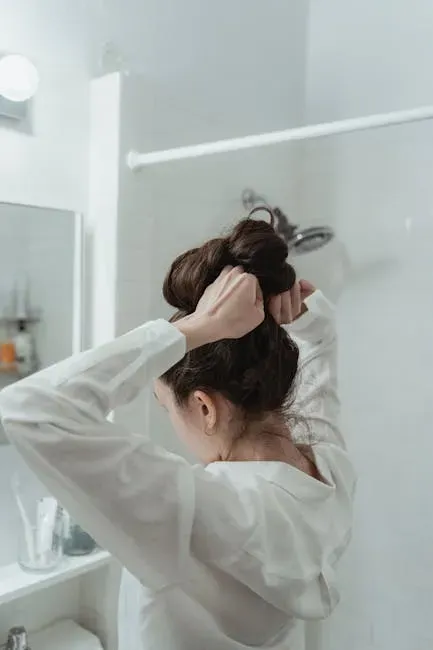
A single stray hair can do enormous damage to a guest’s perception of a hotel. Guest reviews consistently show that small lapses in visible cleanliness, such as a hair on the sheets or a smudge on a glass, can make guests question the overall hygiene standards of the hotel. It’s an instant, visceral signal that someone was here before you and things weren’t fully reset.
Hair removal is specifically listed as a required task in proper hotel housekeeping protocols. Checking for stray hairs and removing them is supposed to be a standard step in the bathroom cleaning checklist. In bedrooms, the three most important factors cited by guests were clean linen, no evidence of previous guests, and absence of bad smells or odors. A visible hair from a stranger is about as direct as “evidence of previous guests” gets.
9. The Coffee Maker Looks Damp or Has Residue Inside
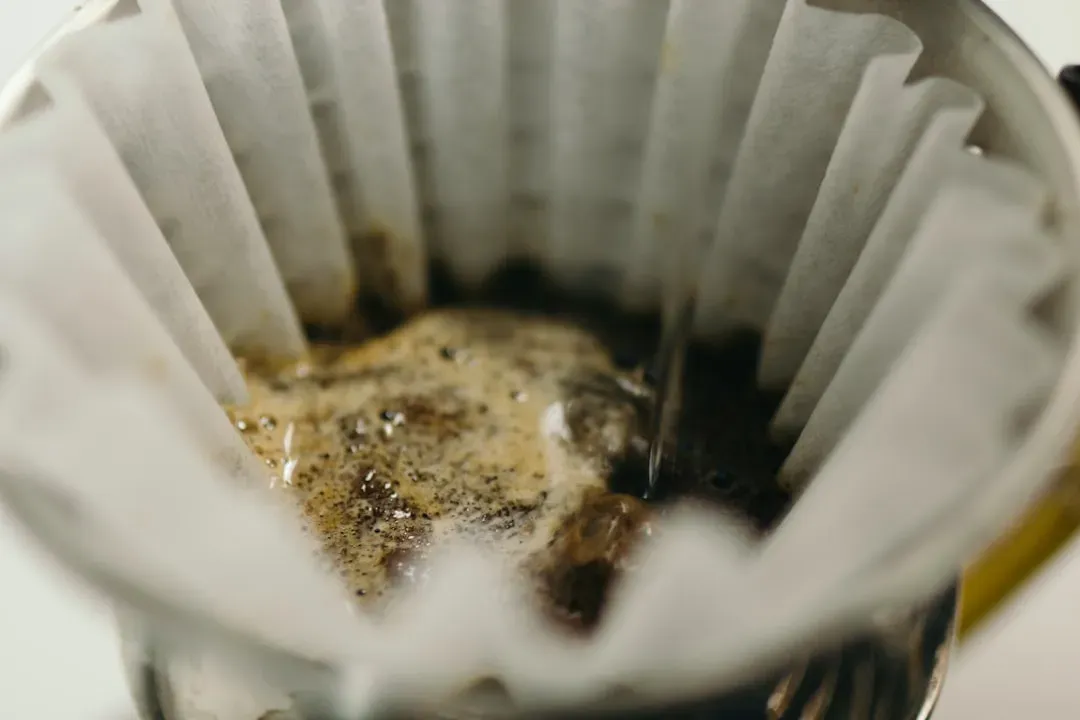
That in-room coffee maker might be the most overlooked hygiene hazard in the entire room. Even when housekeepers want to properly sanitize these machines, they rarely have access to the descaling solutions and thorough cleaning protocols required. Industry insiders estimate that only about two in five coffee makers receive any cleaning between guests, and even then, it’s usually just a rinse with tap water.
The dark, moist environment of the water reservoir creates ideal conditions for mold and bacteria growth that no amount of boiling water can fully eliminate. I know it sounds crazy, but that morning coffee ritual might be the riskiest thing you do in your hotel room. Peek inside the water reservoir before you use it. If it looks murky, smells off, or has visible residue clinging to the sides, skip it entirely.
10. The Carpet Feels Gritty or Has Visible Stains
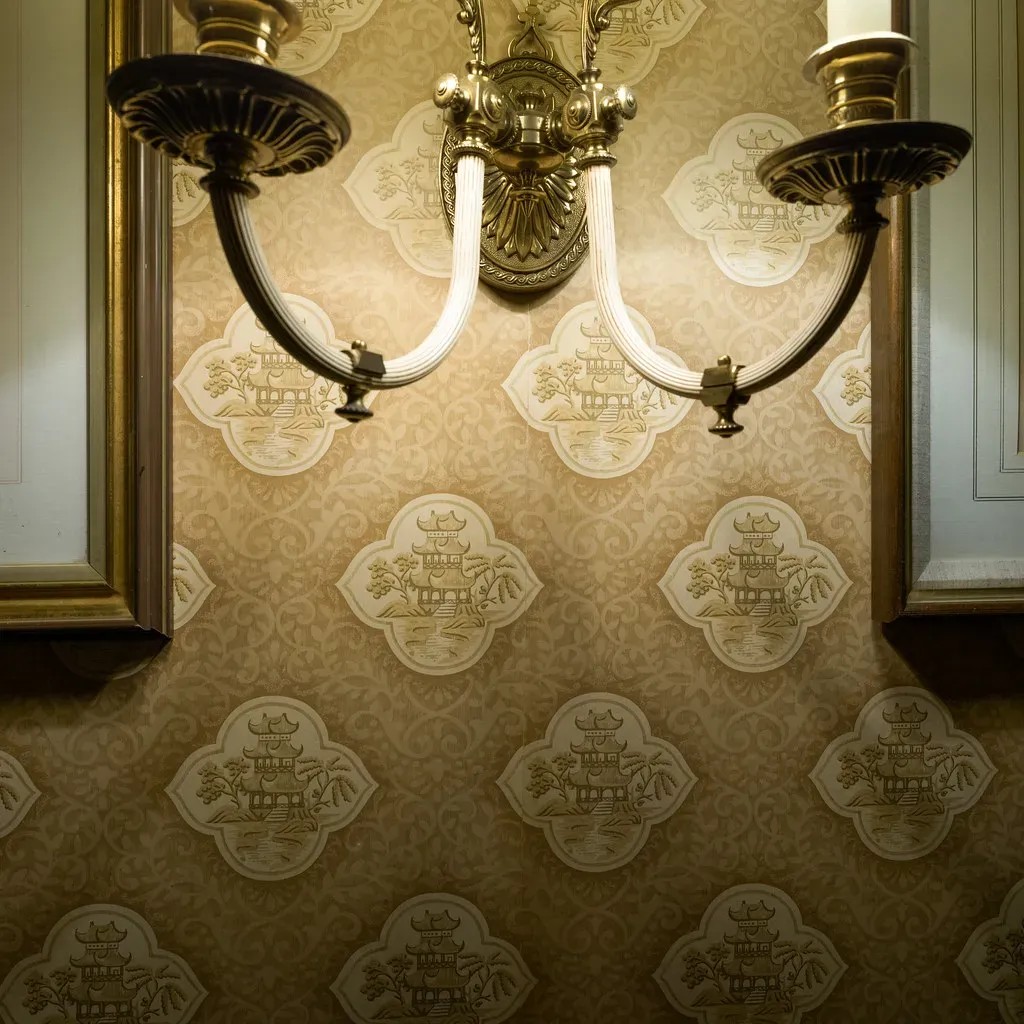
Hotel carpets experience heavy foot traffic and are often a breeding ground for bacteria and dust mites. Regular vacuuming is essential, but even the most diligent cleaning routines can’t remove deeply embedded dirt or stains over time. If a hotel’s carpets are looking worn or developing unpleasant odors, it might be time for a professional deep cleaning.
Here’s a practical tip that housekeeping insiders actually use themselves: white socks can help detect a dirty carpet. Wear them for a few minutes while unpacking. If your socks come away gray or black, that tells you everything about how thoroughly the floor was vacuumed. Under furniture, check underneath bed edges and chairs where dust and debris often collect. Behind doors are areas often missed during routine cleaning, and these areas can reveal true cleaning standards.
11. Light Switches and Door Handles Are Visibly Grimy
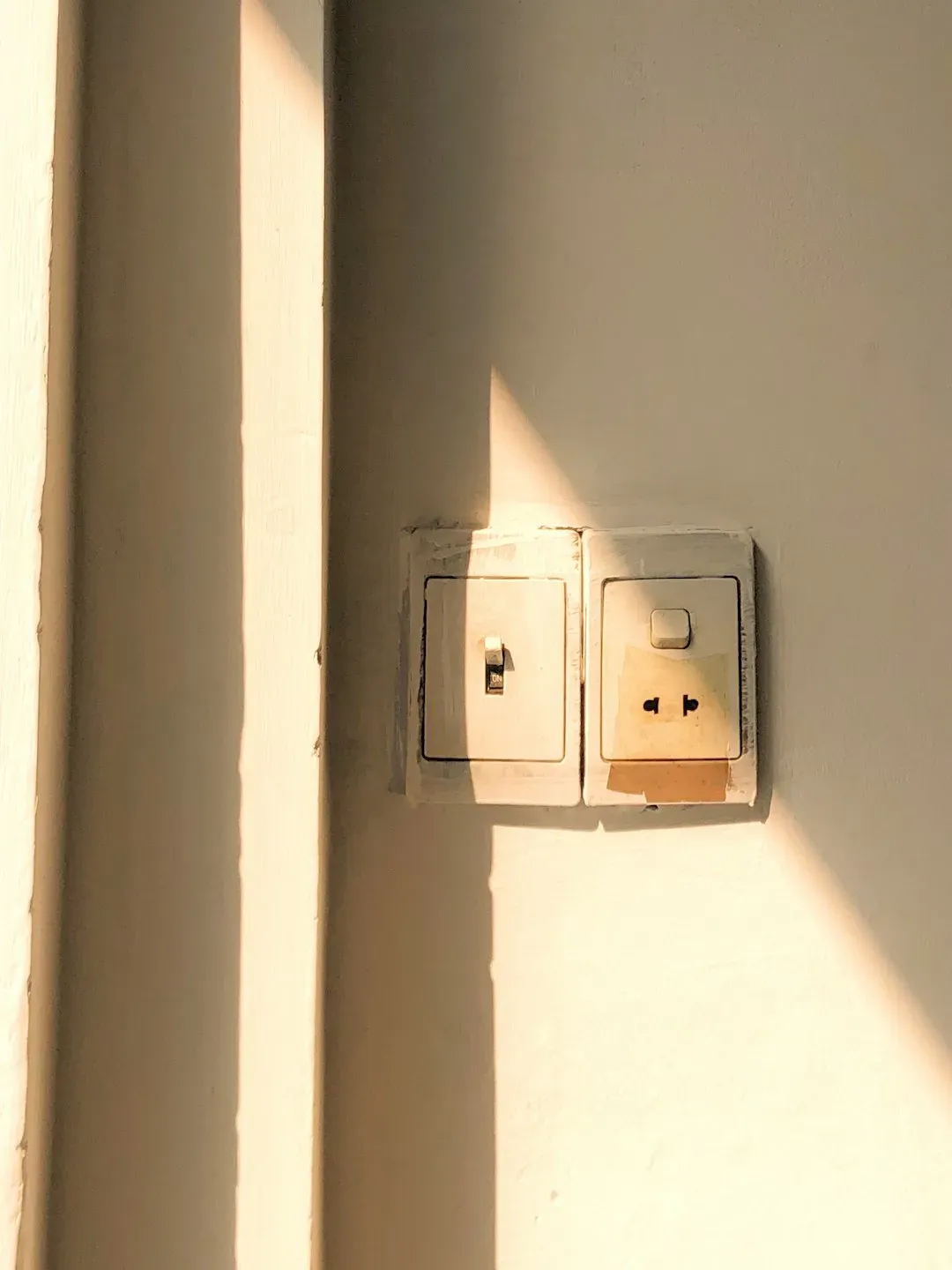
High-touch surfaces are the unsung heroes of hotel hygiene. Or in too many cases, the unsung villains. Light switches, particularly the main one and bedside lamp switches, are frequently touched by guests and are among the most contaminated surfaces in any room. Run your finger along one and you will often find a thin, tacky film of accumulated grime.
Light switches should be checked for grime buildup around edges, and switch plates should be inspected. Door handles, both entrance and bathroom, should be sanitized and smooth to the touch. Sanitizing remote controls, telephones, and other frequently touched electronics is part of the standard housekeeping protocol, yet these surfaces are among the first things to get skipped when a housekeeper is racing against the clock.
12. The Trash Bin Still Has a Wrapper or Debris Inside
This one sounds almost too simple, but it’s a surprisingly reliable indicator. One missed detail, like a used glass or a dusty shelf, can cost a hotel a five-star rating. The same logic applies to the trash bin. A wrapper, tissue, or piece of debris left inside is a direct signal that someone rushed through or simply skipped certain steps entirely.
When a room is left for several days without cleaning, the trash smells, it ends up all over the floor. When a family comes in, there’s plenty of dust, syrup on top of the desk, or crumbs. Rooms that haven’t been serviced in a few days are dirtier, forcing housekeepers to spend longer on each room, putting them behind schedule, and making their jobs harder. The result, too often, is a rushed clean where the basics get checked off but the details slip through.
The next time you check into a hotel, take two minutes before unpacking. Sniff the room, check the sheets, peek inside the coffee maker, and run a hand across the light switch. Research analyzing guest reviews reveals that the vast majority of guests consider cleanliness a primary factor influencing their overall experience. You’re paying for that experience. It is entirely reasonable to expect it to be genuinely clean, not just surface-level tidy. What sign would you have least expected to find? Tell us in the comments.