After 12 Years as a Bartender, These 9 Drinks Signal a Bad Tipper
There’s a kind of sixth sense you develop behind the bar. It kicks in before you’ve even finished pouring the drink. Something about the order, the tone, the way someone glances at the menu – it all starts to paint a picture of how the next few hours are going to go.
Veteran bartenders won’t always say it out loud, but many will quietly tell you that what someone orders is often the first clue about whether they’ll leave a decent tip. Honestly, it’s not a foolproof science. It’s more like pattern recognition built after thousands of nights on sore feet. Let’s dive in.
1. Well Drinks With Maximum Modifications
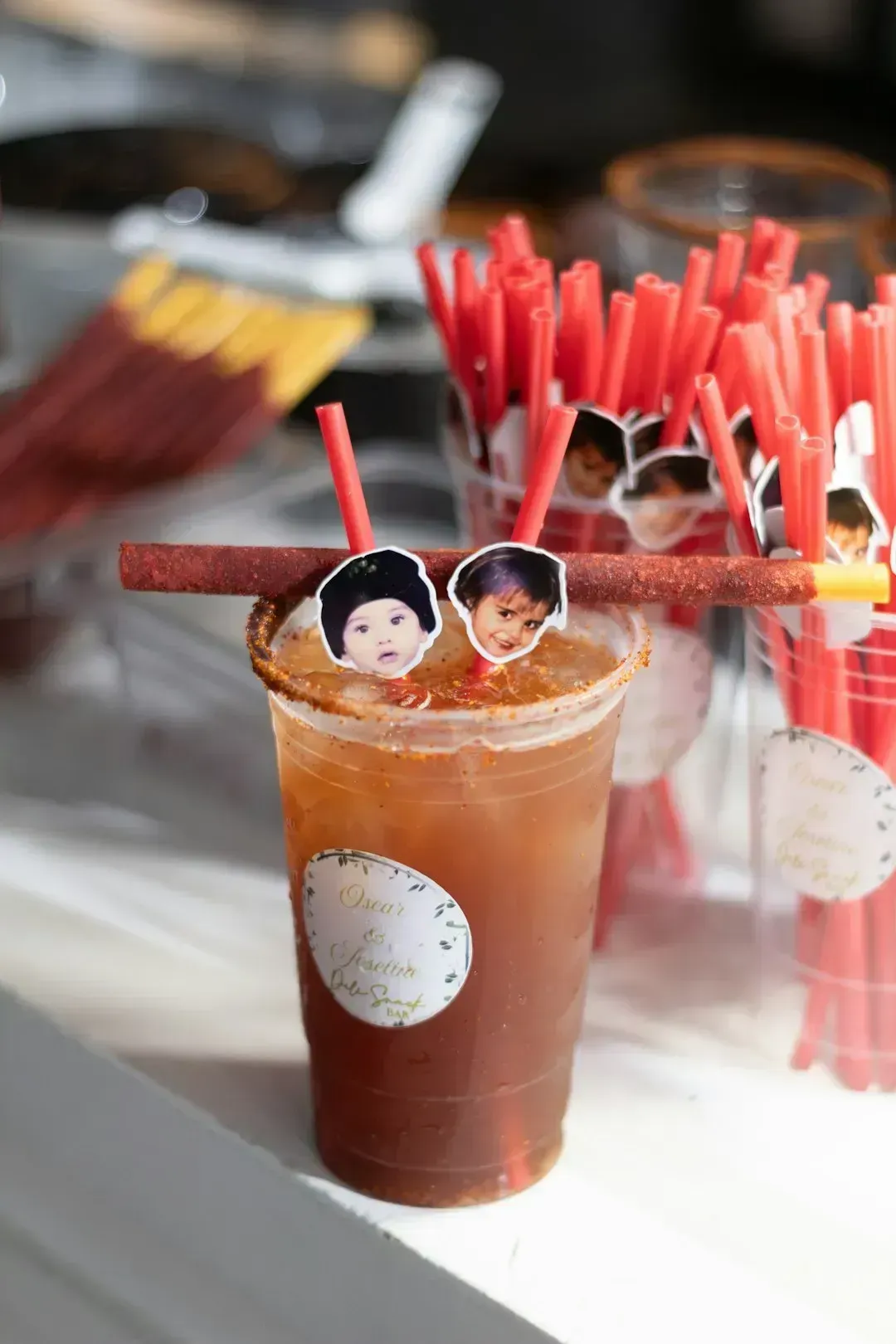
Picture this: someone orders a well vodka soda, then immediately asks for extra lime, light ice, a specific glass, and “not too much soda.” That’s multiple steps for a drink that costs next to nothing. Well drinks – the cheapest basic booze behind the bar mixed with soda – already sit at the low end of the price range, and bars sometimes even charge more depending on the juice mixers involved.
Here’s the thing: the more someone fuses a cheap order with a long list of demands, the more labor-intensive and low-reward the transaction becomes. Complexity of order matters when it comes to tipping – if you’re ordering complicated drinks that require more time and skill, it’s courteous to tip more, not less. The sad irony is that the high-maintenance well drink customer almost never does that.
There are some customers who will tip if they ordered a cocktail, but not for a beer or wine, and this lack of tipping is fueled by customers believing the bartender didn’t do enough to merit the extra cash by simply pouring a drink. Modifying a cheap drink extensively doesn’t change that logic for them – it just adds annoyance to the equation.
2. Shots, Shots, Shots – With No Tip Between Rounds
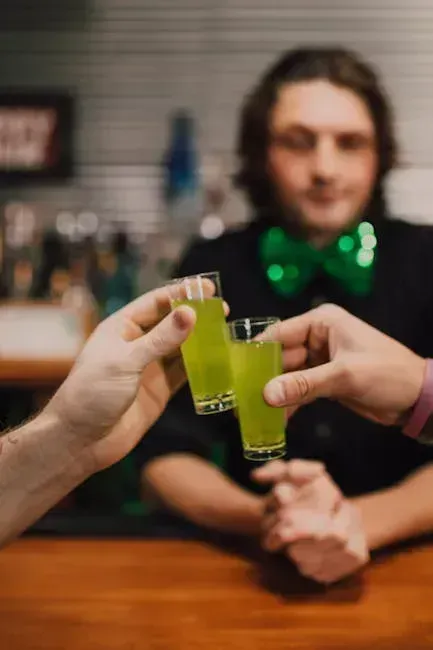
A group orders a round of shots. Fine. They order another. Still fine. Then another, and they’re paying cash each time but never once leaving a dollar on the bar. Bartenders should be tipped one to two dollars per drink or 15 to 20 percent of the total tab. Shots ordered repeatedly over the course of an evening add up fast on the bartender’s end.
If there’s one rule of bar culture that never changes, it’s this: always tip your bartender. Skipping the tip or leaving loose change for a crafted cocktail is one of the biggest mistakes you can make, and bartenders remember who tips and who doesn’t. After enough years behind the bar, you stop being surprised by it. You just start noticing the pattern earlier.
3. The “Just a Water” Customer Who Stays for Hours
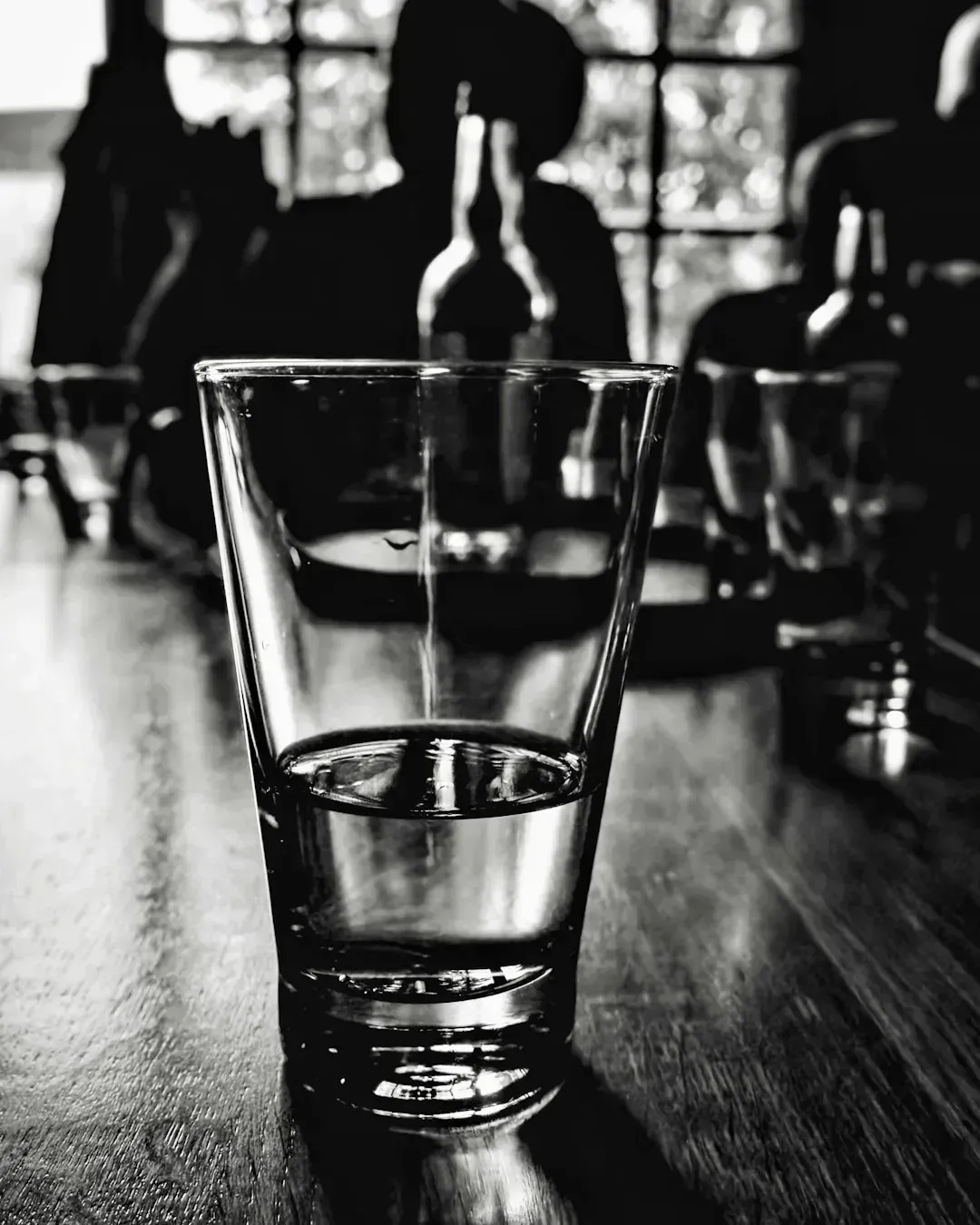
Water is free. Everyone knows that. No bartender expects a tip for handing over a glass of water. The problem arises when someone plants themselves at a busy bar all evening, requests multiple waters, holds a prime seat, and then vanishes without acknowledging the labor they’ve benefited from.
Poor tippers may find themselves waiting longer for service or receiving less attention from the bartender. Over time, regulars who treat the bar like a free lounge chair without contributing anything tend to be remembered – not fondly. It’s not about the water itself. It’s about the complete absence of awareness that someone is working to serve you.
4. The Cheap Domestic Beer Drinker Who “Just Needs Change”
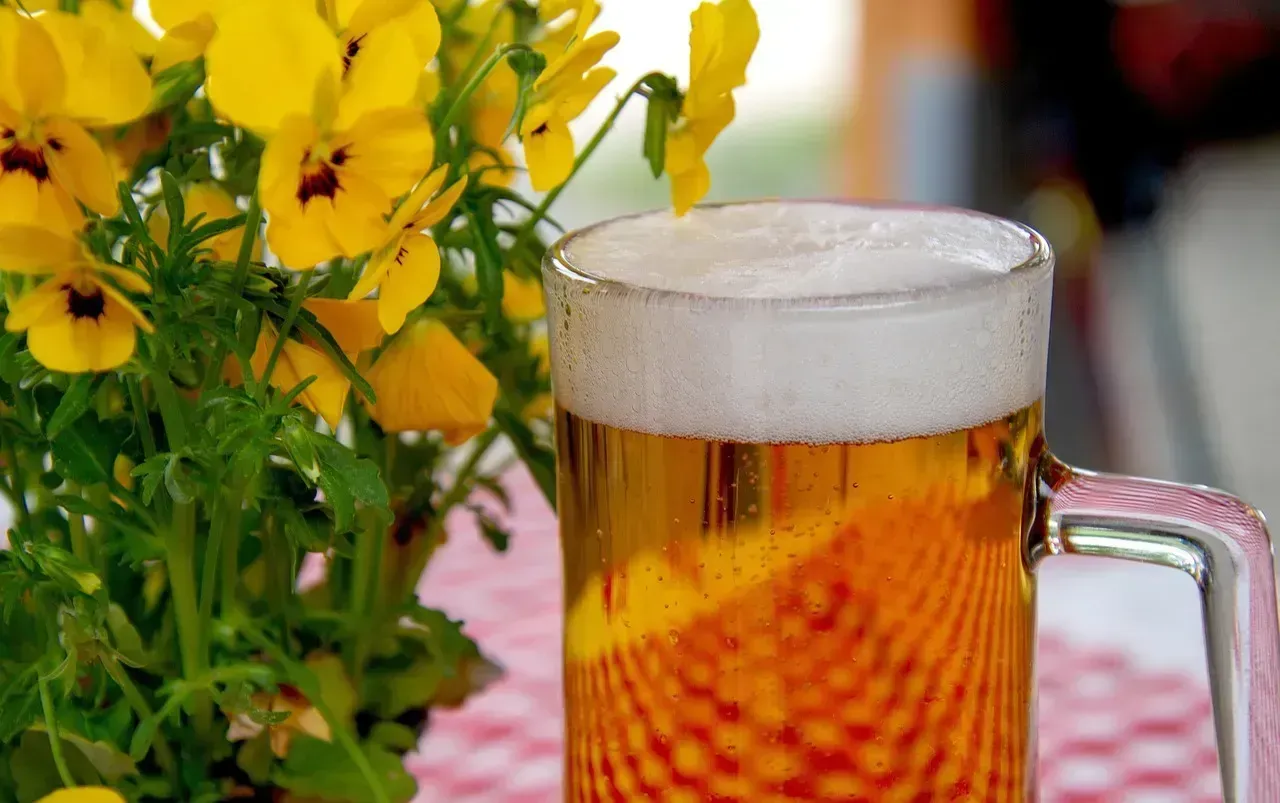
The cheapest drinks in a bar are going to be the domestic (American) beers in a can or on tap. Ordering a domestic beer is perfectly fine, of course. The red flag goes up when the customer hands over a ten-dollar bill for a four-dollar beer and asks for exact change back – all six dollars of it. That move signals something specific.
Some customers will tip if they ordered a cocktail, but not for a beer or wine, and this is fueled by customers believing the bartender didn’t do enough to merit the extra cash by simply pouring a drink. I think this misunderstands what bartending actually involves. Every drink served is part of a much larger choreography happening simultaneously across the whole bar.
5. The Overly Complex Craft Cocktail Order With Constant Complaints
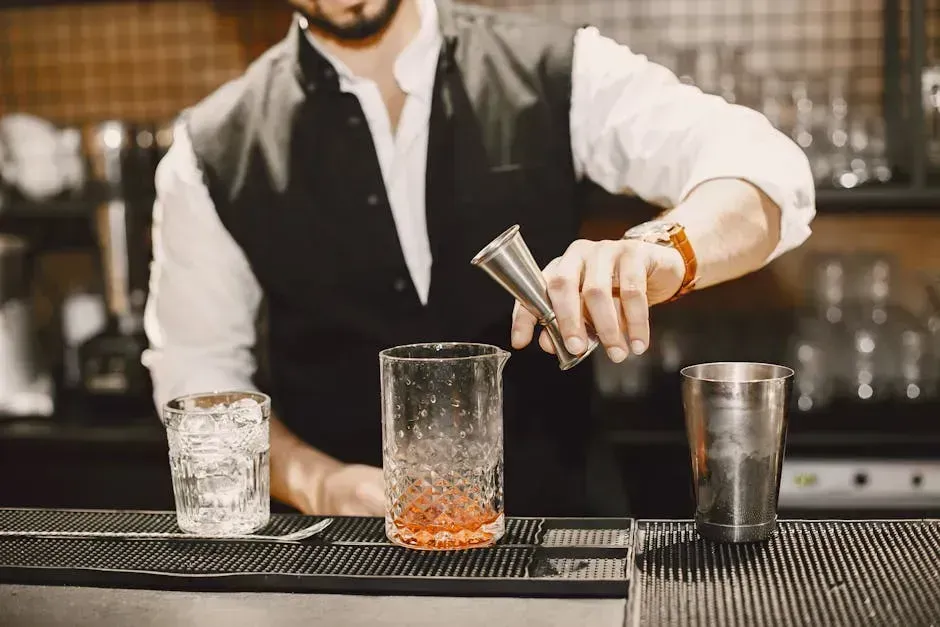
Craft cocktails take real skill. Muddling, layering, precise measurements, house-made syrups – it’s genuinely impressive work. Bartenders suggest considering how elaborate your drinks were, since this usually tracks with how much time and attention your bartender gave you: “Does the drink have at least two or more touches? Does it have a garnish? Am I cooling a glass?”
The particularly painful scenario is the customer who orders the most involved cocktail on the menu, sends it back once for being “too sweet,” gets a remake, and then tips nothing. Cocktails tend to be pricier and require much more of a bartender’s time to prepare – therefore, one dollar is typically too low a tip for a cocktail. When someone complains their way through a difficult order and still leaves nothing, that stings.
Good tippers are often rewarded with better service, stronger pours, and sometimes even free drinks. The relationship between a bartender and a good customer really can work that way – it’s almost like a silent agreement. The craft cocktail crowd who respects that agreement is wonderful. The ones who don’t are memorable for all the wrong reasons.
6. The Tab Opener Who Runs Up the Bill and Disappears
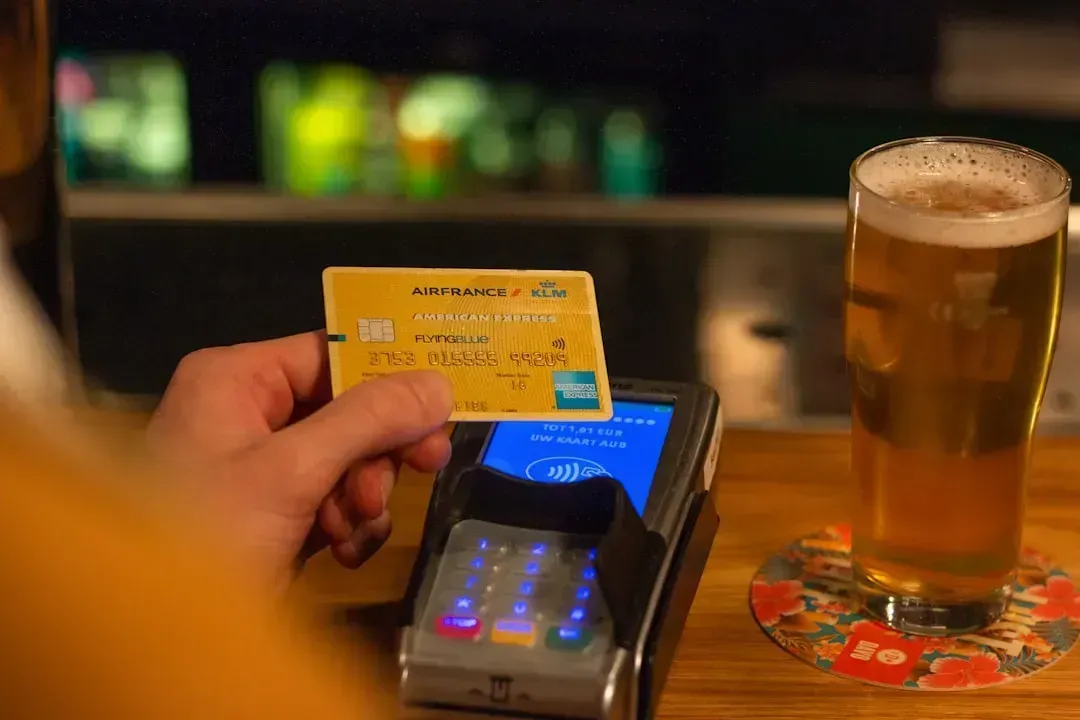
Opening a tab is a normal, respectable thing to do. It shows you’re planning to stay a while, which bartenders generally appreciate. The nightmare version is the customer who opens a tab, orders extensively, runs up a significant bill, and then closes out with a tip that doesn’t match the effort or the total. Some of the most annoying tipping offenses include not tipping on the full amount of the bill after an item is discounted or comped.
For more expensive cocktails or when running a tab, the standard is to tip 15 to 20 percent of the total bill, similar to tipping etiquette in restaurants. A tab that reaches eighty or ninety dollars and closes with a two-dollar tip is one of the most demoralizing moments behind the bar. You did everything right. The math just didn’t follow.
7. Excessively Sweet, Novelty Drinks Like Blue Hawaiians and Frozen Concoctions
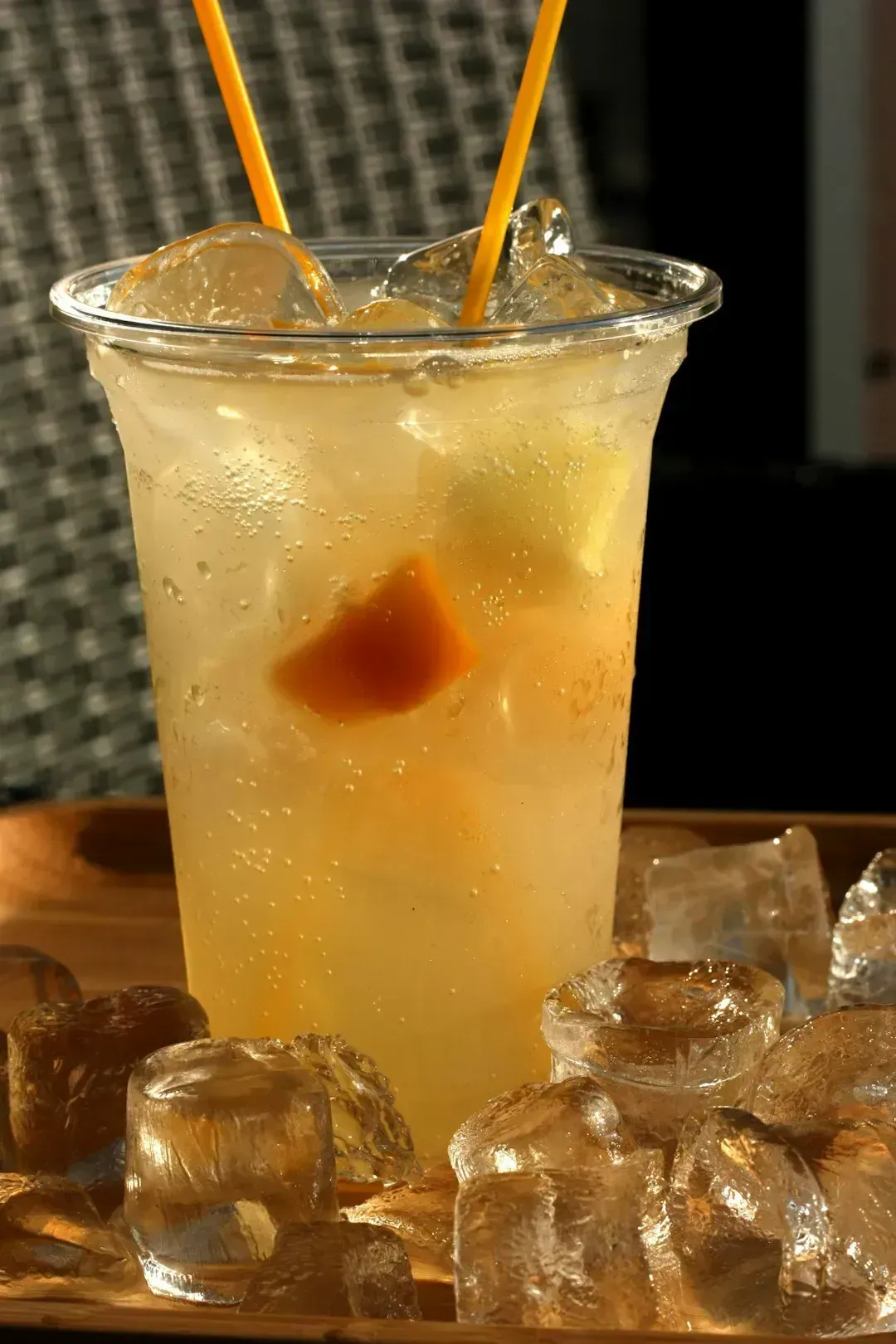
I know it sounds a little harsh, but hear me out. Certain novelty drinks – overly sweet frozen blends, neon-colored layered shots, anything with a garnish that requires more effort than the drink itself – tend to come with customers who underestimate the work involved. Bartending is a challenging job that requires a unique blend of skills, including extensive knowledge of drinks, the ability to multitask in high-pressure situations, and excellent customer service skills – all while on their feet for long hours, often late into the night.
The frozen blender drink, in particular, is a notorious time thief during a busy rush. It’s loud, it’s slow, and it tends to be ordered by the round. Serving bigger parties requires more of the bartender’s service, and a bigger tip makes sense in a situation where the bartender is taking extra care of a larger party with a bunch of different requests. Novelty drinks ordered by a noisy group at peak hours fall squarely in that category.
8. The “Make It Strong, I’m a Regular” Drink Order
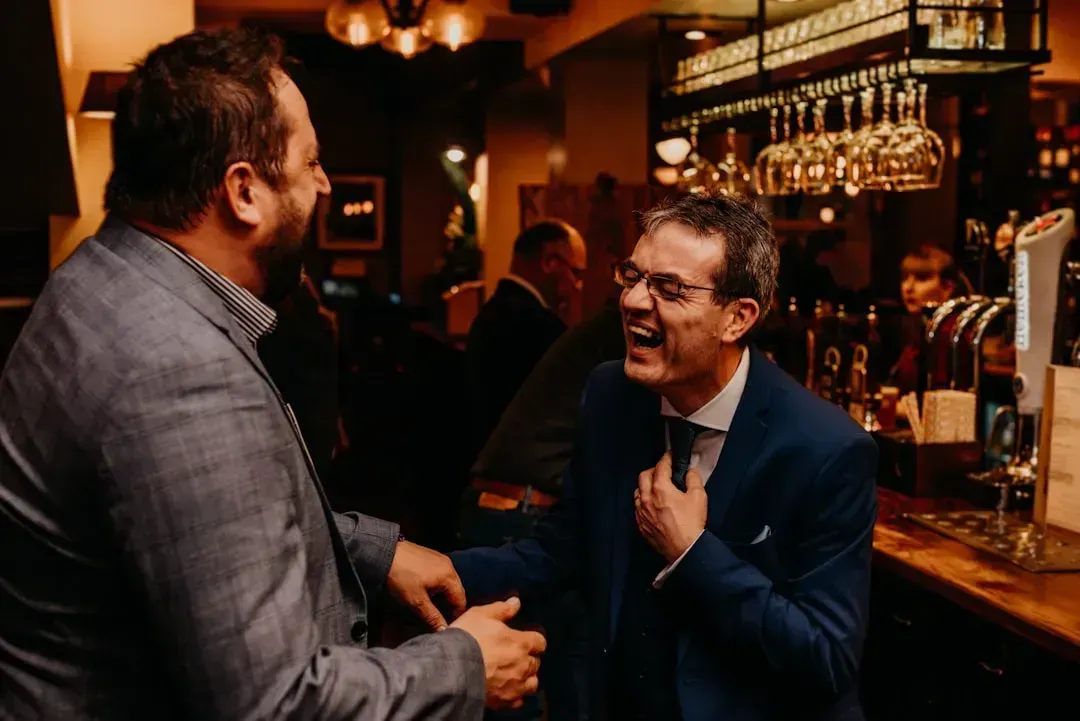
There’s a particular kind of customer who leans over the bar and says something like “hook me up” or “make it a double, I’ve been coming here for years.” It implies a relationship. It implies the bartender should do them a favor. Saying things like “make it strong” or “surprise me” might sound fun, but to a bartender, they can be red flags – without direction, you’ll likely get a random drink that doesn’t match your taste, and it might cost more than expected.
Here’s the reality: if you’re a regular at a bar and have built a rapport with the bartender, tipping well is what helps maintain that positive relationship. The “I’m a regular” claim only carries weight if it’s backed by actual generosity over time. Claiming regulars status while tipping poorly is, honestly, one of the more awkward contradictions bartenders encounter.
Regular customers who tip well are often rewarded with free drinks – it’s a way for bartenders to express appreciation for good tippers, and they’ll remember your generosity and try to reciprocate it. The system works beautifully when both sides participate. The “make it strong” crowd who never tips, though, tends to get exactly what they paid for.
9. The Last-Minute Split Bill With Multiple Cards
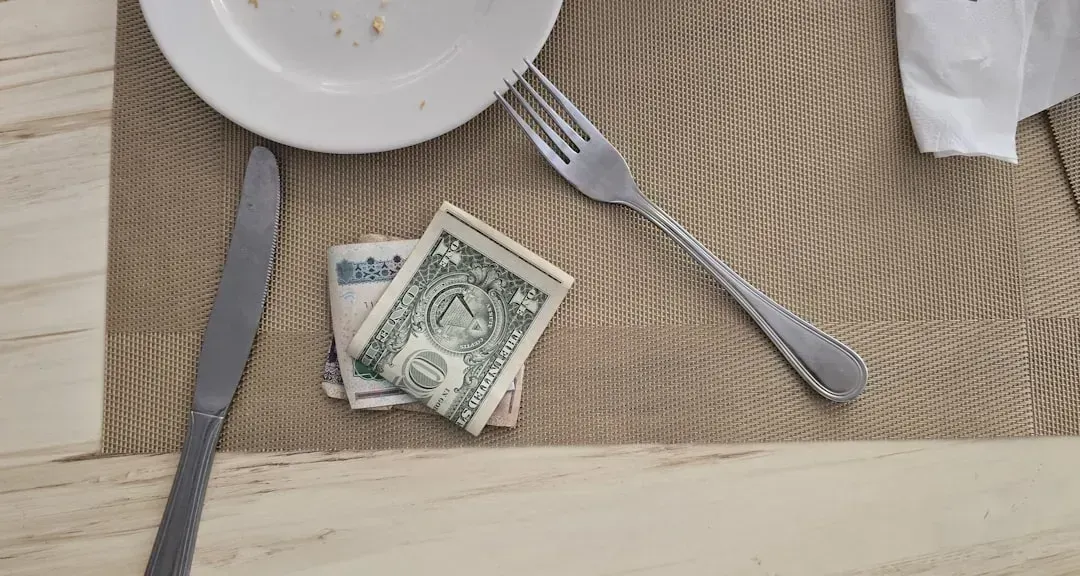
The check comes. A group of eight suddenly wants to split it across six different cards, each covering a specific amount, with one person’s drink comped because they “only had water.” Every bartender has lived through this scene. It consumes time, creates confusion, and often ends with a total tip that’s embarrassingly small relative to the effort.
Just about one third of Americans now say they typically leave a 20 percent tip, down from slightly more the previous year, reflecting tighter budgets and rising menu prices. When that already-shrinking tip gets further diluted across a complicated group split, the bartender sometimes ends up with almost nothing for what was effectively a full table service experience.
According to Indeed, the average bartender makes about 150 dollars per night in tips – and this can fluctuate based on location, shift timing, and foot traffic. A single difficult table that under-tips can genuinely drag down an entire night’s earnings. That’s not a small thing when you’re relying on those numbers to pay rent.