5 Foods With More Magnesium Than Dark Chocolate That Most People Overlook
Dark chocolate has somehow earned a reputation as the holy grail of magnesium. People snap off a square, feel virtuous, and assume they’ve done their mineral duty for the day. Honestly, it’s a charming story, but the truth is a lot more interesting.
More than 300 essential processes within your body rely on magnesium, covering heart rhythm, muscle contractions, blood pressure control, and creating energy. Yet despite all of that, globally, an estimated 2.4 billion people, roughly a third of the entire global population, fail to meet the recommended magnesium intake levels. That’s a staggering number. The good news? The foods that can actually fix this are hiding in plain sight, and they leave dark chocolate in the dust.
Pumpkin Seeds: The Tiny Powerhouse You Keep Ignoring

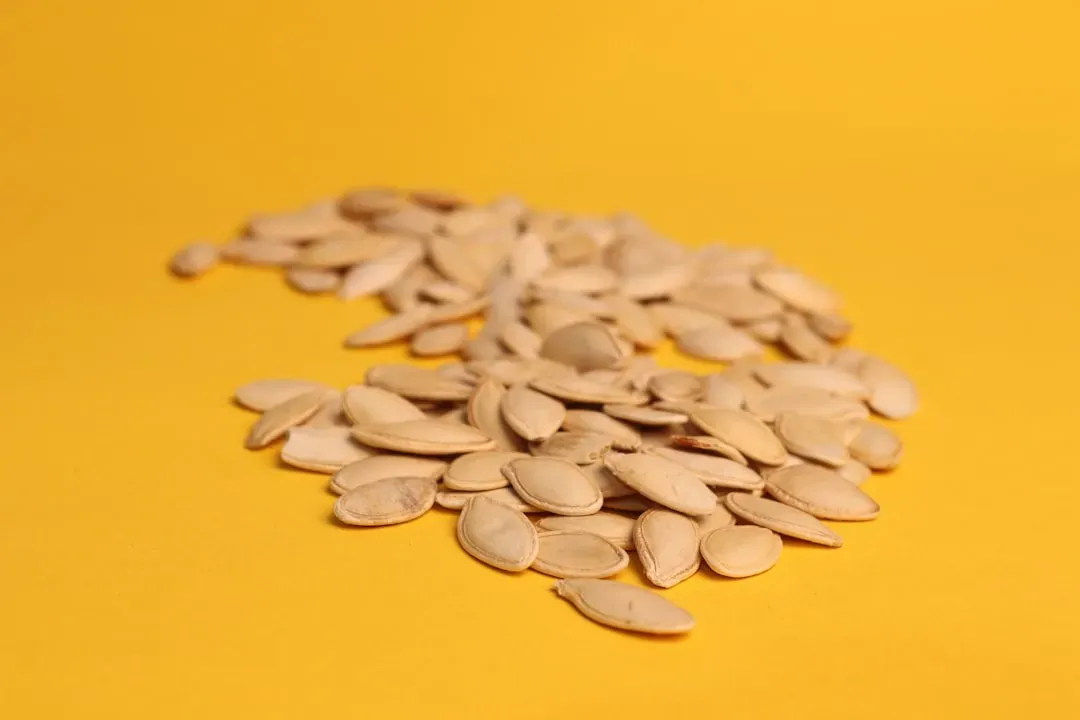
Let’s be real. Most of us walk right past pumpkin seeds in the grocery store, maybe grabbing them once a year around Halloween. That is a serious nutritional mistake. Pumpkin seeds have an enjoyable nutty taste and stand as one of the best dietary sources of magnesium, with just one ounce supplying 37 percent of the daily value for the mineral.
To put that in perspective, compare it directly to chocolate. Hulled, roasted pumpkin seeds deliver 150 mg of magnesium per ounce, while dark chocolate at 70 to 85 percent cocoa only provides 64 mg per ounce. That’s more than double. Think of pumpkin seeds like a quiet overachiever who never brags but consistently outperforms everyone else.
Pumpkin seeds are rich in protein, fibers, and minerals including iron, zinc, calcium, magnesium, manganese, copper, and sodium. Toss them on a salad, blend them into a sauce, or simply eat them as a snack. There’s really no reason they shouldn’t already be a staple in your kitchen.
Cooked Spinach: The Underrated Leafy Green That Earns Its Place
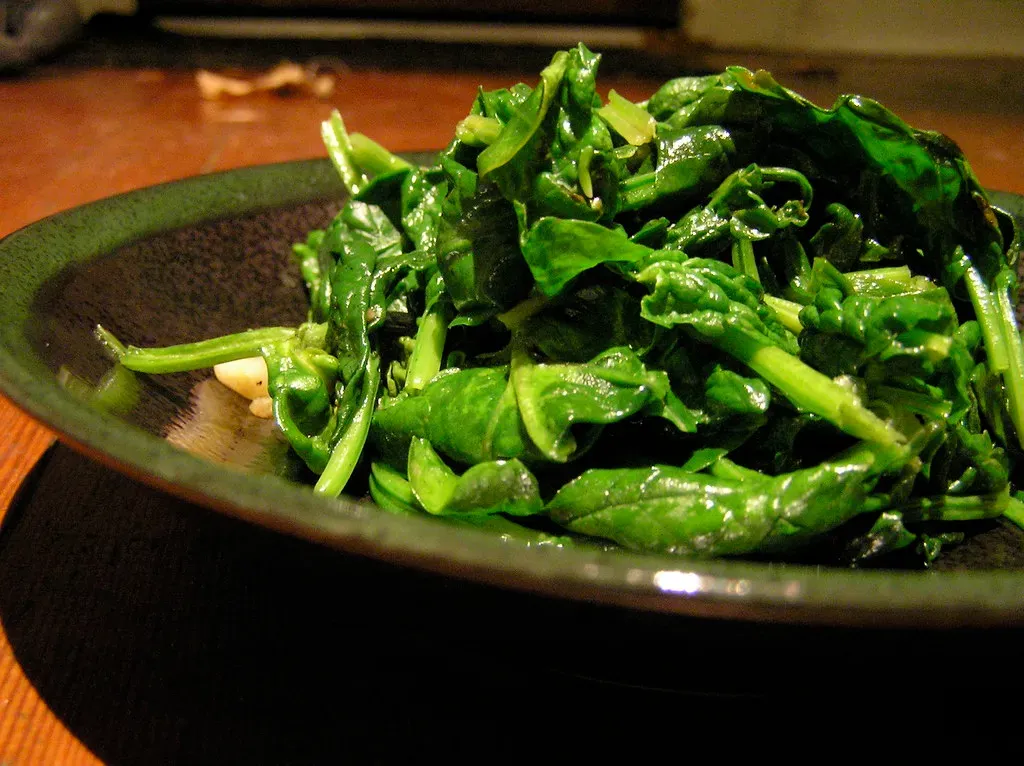
Spinach has a bit of an image problem. It’s either loved or dismissed as bland rabbit food. I think people overlook just how nutritionally serious this leafy green actually is. Leafy greens with significant amounts of magnesium include spinach, kale, collard greens, and mustard greens, but spinach tops the list with 158 mg of magnesium in a single one-cup cooked serving.
Many leafy greens house substantial magnesium content, but spinach is one of the best sources, with a cup serving of 180 grams providing 37 percent of the daily value. That’s more than double what you’d get from an ounce of dark chocolate. And unlike chocolate, spinach brings almost no sugar along for the ride.
Leafy greens like spinach are also an excellent source of iron, manganese, and vitamins A, C, and K, and contain many beneficial plant compounds that help protect your cells from damage and may reduce cancer risk. Spinach is also rich in vitamin K, which plays a major role in wound healing. It’s one of those foods that just keeps delivering, layer after layer.
Hemp Seeds: The Nutritional Newcomer Earning Real Respect
Hemp seeds have gone from obscure health food store curiosity to a genuine nutrition story worth paying attention to. A three-tablespoon, 30-gram serving of hulled hemp seeds contains a remarkable 50 percent of the daily value for magnesium. Half your daily magnesium needs in three tablespoons. That’s almost absurdly efficient.
A 2024 peer-reviewed paper published in the journal Molecules confirmed that hemp seed-based foods are rich sources of protein and fiber, and are particularly rich in micronutrients including potassium, magnesium, and phosphorus, as well as bioactive phytochemicals. The science is catching up to what health-conscious eaters have been saying for years.
Hemp seeds are a great protein source, as more than a quarter of their total calories come from high-quality protein, considerably more than similar foods like chia seeds and flaxseeds, whose calories are 16 to 18 percent protein. Hemp seeds also help regulate your heartbeat and are linked to the prevention of coronary heart disease. Sprinkle them on yogurt, blend them into a smoothie, or just stir them into oatmeal. They’re as versatile as they are powerful.
Black Beans: The Everyday Legume You Have Been Underestimating
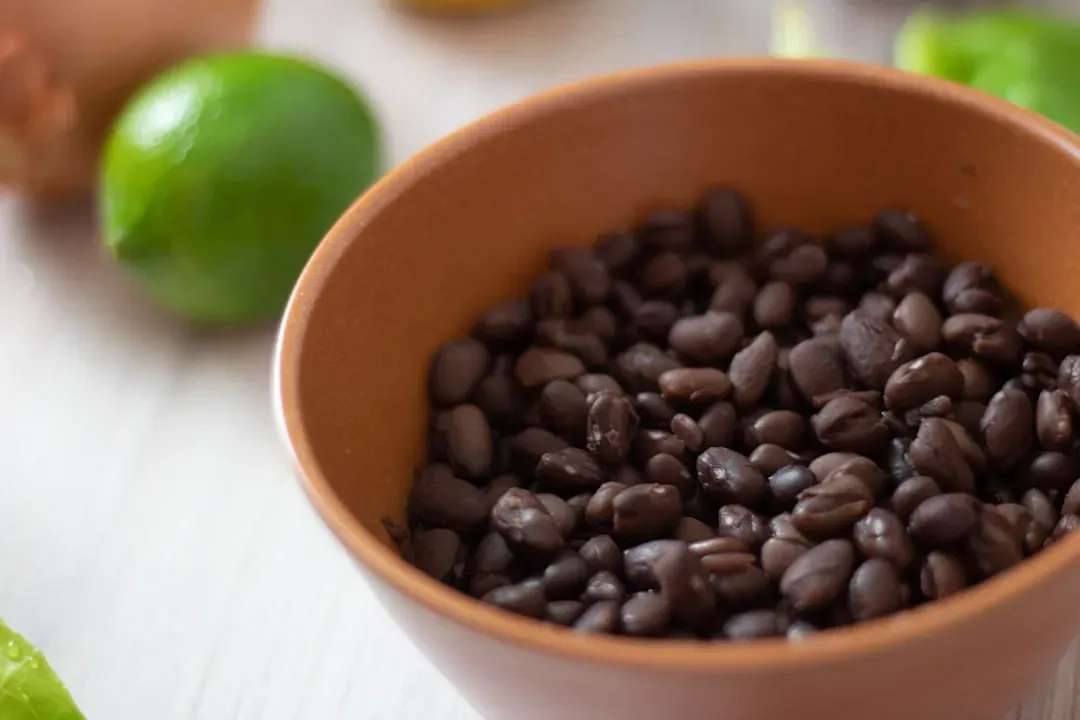
Here’s the thing about black beans. They are cheap, they are everywhere, and nearly everyone has a can or two sitting in their pantry. Most people just don’t know that this humble legume is a genuine magnesium powerhouse. A one-cup cooked serving of black beans contains an impressive 120 mg of magnesium. That already beats dark chocolate by a wide margin.
According to the USDA, one cup of cooked black beans provides over 15 grams of protein, 15 grams of fiber, and key nutrients like magnesium, folate, and potassium, all vital for optimal body function. It’s not just magnesium they’re delivering. It’s a full nutritional package.
Nutrients such as folate, magnesium, and potassium found in black beans help lower blood pressure and regulate heart rhythm. Black beans are naturally low in sodium and contain potassium, calcium, and magnesium, all of which can help people manage their blood pressure. For a food that costs almost nothing and goes with nearly everything, the return on investment here is extraordinary.
Chia Seeds: Small Size, Shocking Magnesium Punch
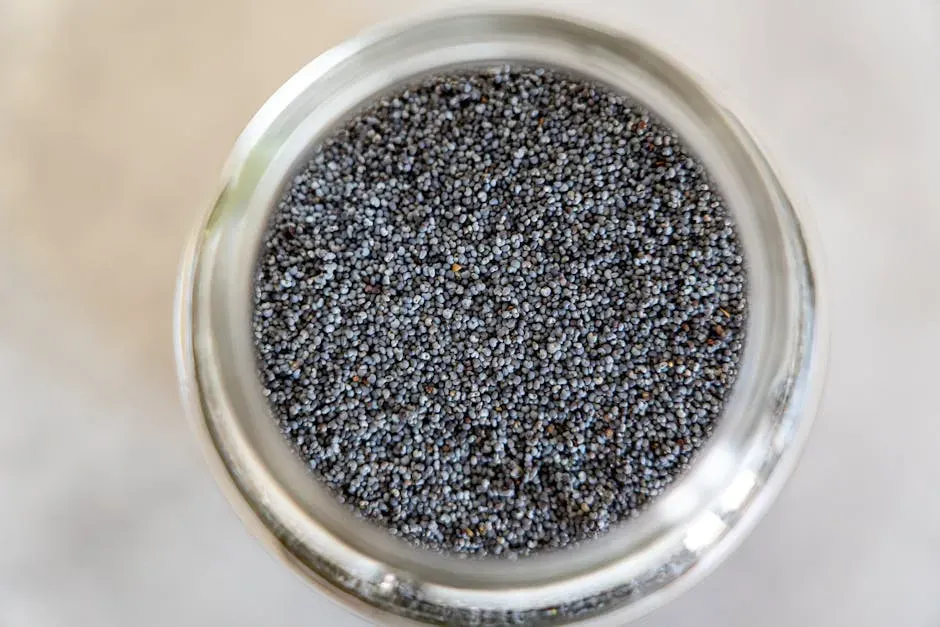
It sounds almost crazy, but these tiny seeds that you stir into overnight oats or pudding are quietly one of the best magnesium sources available. A single ounce of chia seeds delivers 111 mg of magnesium. Compare that to the 64 mg in an ounce of dark chocolate, and the gap is hard to ignore.
Chia seeds, despite their small size, deliver a significant nutritional impact. They are an excellent source of fiber, healthy fats, vitamins, and minerals, with just one ounce supplying 23 percent of the recommended daily value for magnesium. They also soak up liquid and expand, which is why they’re used to make puddings and gel-like textures in baking.
Soaking or sprouting seeds can help reduce phytic acid, a compound that can interfere with mineral absorption, and grinding seeds like flaxseed before consuming also makes their nutrients more bioavailable. The same principle applies to chia seeds. A little preparation goes a long way toward getting the most out of every bite. It’s hard to say for sure which of these five foods deserves the top spot on your plate, but one thing is clear: dark chocolate, wonderful as it tastes, is not even close to being the most efficient way to feed your body the magnesium it desperately needs.
Next time you reach for that square of dark chocolate for its supposed health benefits, consider what else might be sitting in your pantry. Data from the National Health and Nutrition Examination Survey indicates that nearly half of all adults in the US consume less magnesium than the estimated average requirement. The solution isn’t exotic or expensive. It’s pumpkin seeds on your salad, spinach in your pan, hemp seeds in your smoothie, black beans in your bowl, and chia seeds in your morning oats. Would you have guessed that a handful of seeds could outperform what most people consider a superfood?