The Leftover Rule: 8 Cooked Foods You Shouldn’t Keep Longer Than 48 Hours
We’ve all done it. Cooked a big Sunday dinner, packed the leftovers into a container, shoved them in the back of the fridge, and then quietly forgot about them for four or five days. Totally harmless, right? Well, not always. Some cooked foods turn dangerous much faster than most people realize, and the consequences can be severe enough to send you to the emergency room.
The idea that “it’s cooked, so it’s safe” is one of the most common misconceptions in kitchen culture. The truth is more complicated and frankly more alarming. Food poisoning affects roughly 48 million Americans every single year, causing around 128,000 hospitalizations and 3,000 deaths, according to the CDC. In 2024 alone, hospitalizations from contaminated food more than doubled compared to the previous year, rising from 230 to 487, and deaths also more than doubled, from eight in 2023 to 19 in 2024. Some of those cases trace back to improper leftover storage. Let’s dive in.
1. Cooked Chicken and Poultry
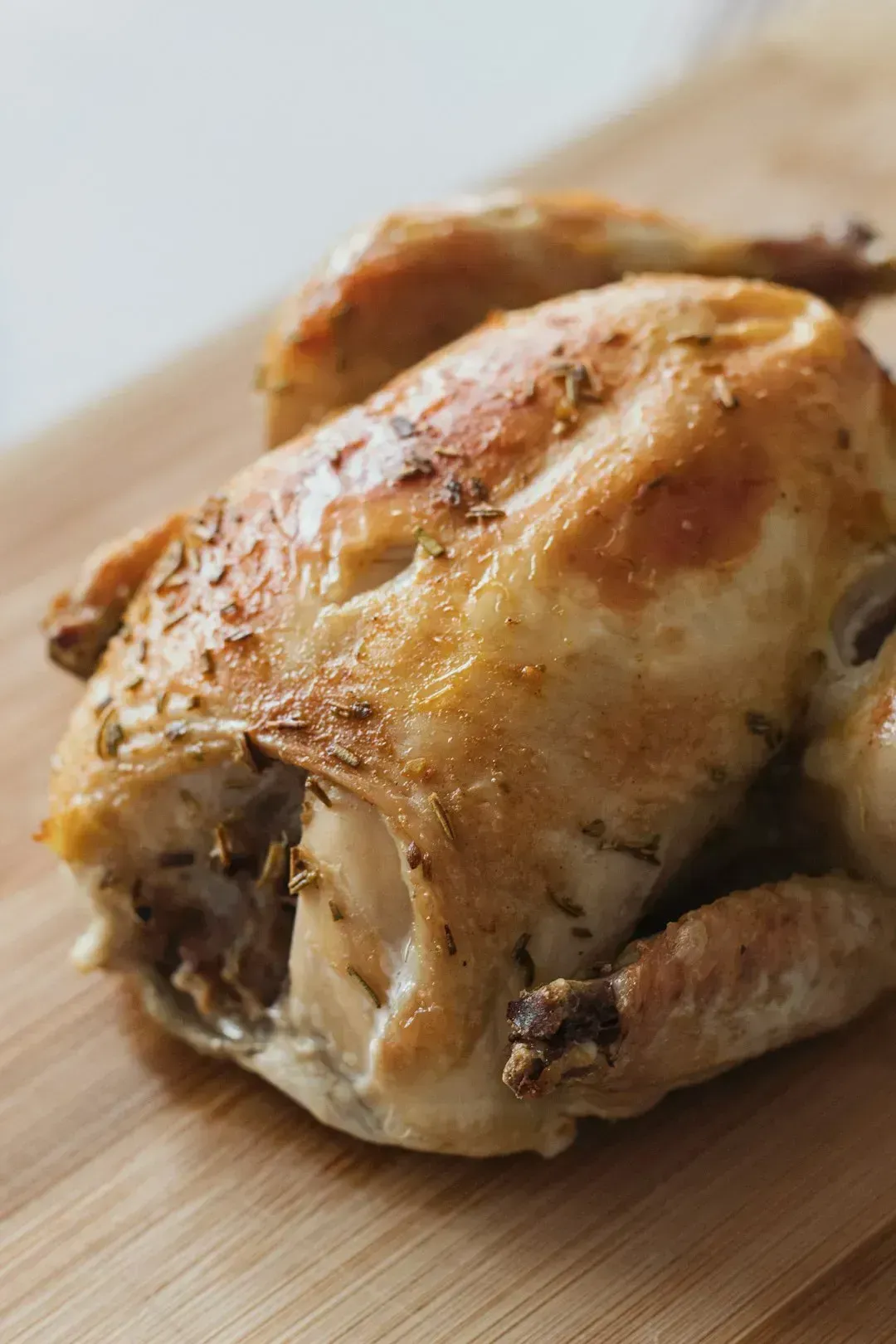
Chicken is one of the most widely consumed proteins on the planet, and also one of the riskiest when it comes to leftovers. Let’s be real: that roast chicken sitting in your fridge since three days ago deserves some serious scrutiny.
Cooked chicken left out at room temperature becomes a breeding ground for multiple dangerous bacteria, including Staphylococcus aureus, Salmonella Enteritidis, Escherichia coli O157:H7, and Campylobacter. Poultry becomes exponentially more dangerous the longer it sits at room temperature, and the combination of protein and moisture in poultry creates ideal conditions for rapid bacterial multiplication.
Ground poultry that has been cooked to a safe temperature can last in the fridge for only about one to two days as long as it’s stored at or below 41°F. Whole pieces of chicken do buy you a little more time, but the 48-hour window is the safest target if you want to eliminate risk rather than gamble with it.
2. Cooked Rice
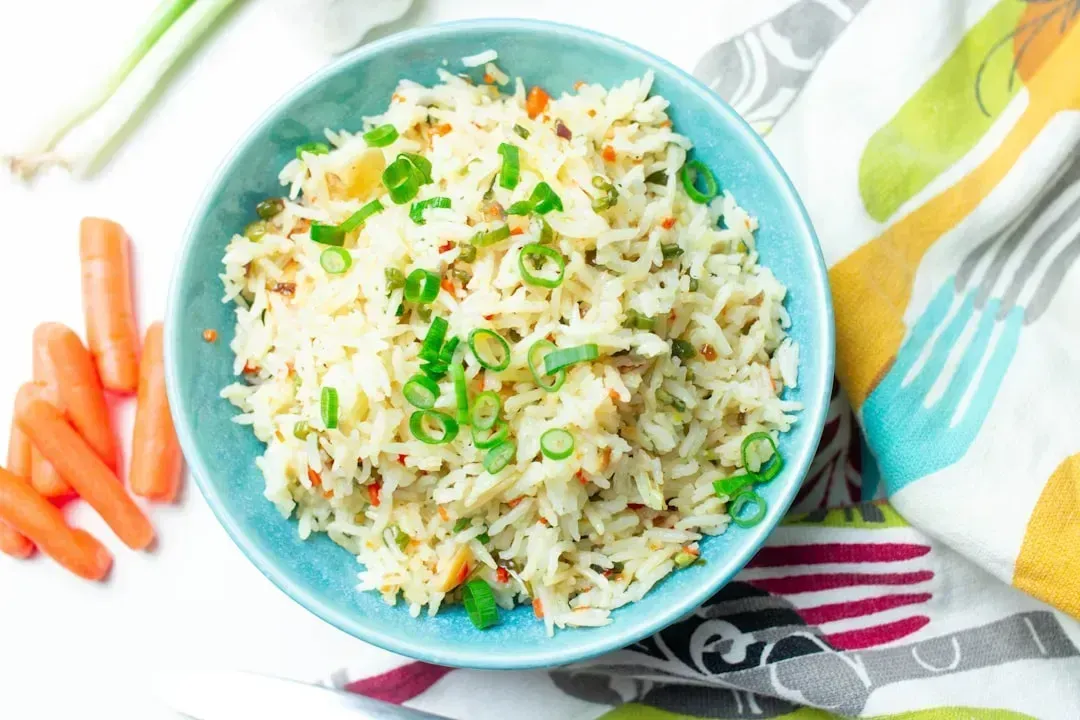
Here’s something most people genuinely do not know: cooked rice might actually be one of the sneakiest dangers lurking in your kitchen. It looks perfectly fine. It smells fine. It might even taste fine. That’s the problem.
Rice can carry spores of Bacillus cereus, a bacterium that produces toxins capable of causing foodborne illness. It’s important to store and cool rice within one hour of cooking and consume it within three days. The CDC estimates Bacillus cereus causes roughly 63,000 annual cases of foodborne illness in the United States. Refrigerating it quickly is critical, but even in the fridge, rice starts building up risk after the 48-hour mark.
Rice is often a culprit because people so commonly keep it in a rice cooker or leave it out, and many people either leave rice out on the counter for too long, or they don’t break it into smaller pieces to cool it down quickly in the refrigerator. Think of cooked rice less like a side dish and more like a ticking clock.
3. Cooked Seafood and Shellfish
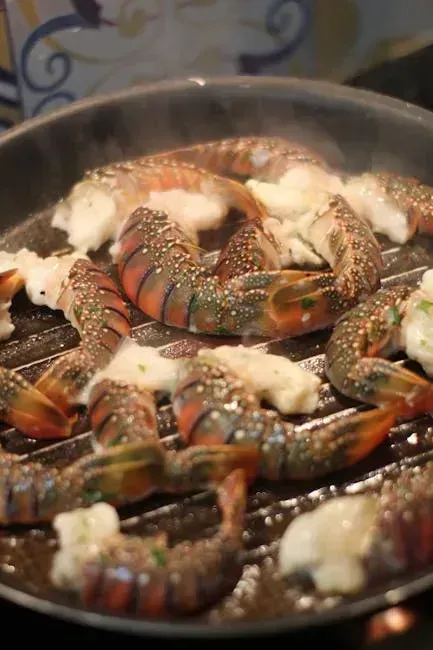
Fish and shellfish are extraordinary when fresh. As leftovers sitting in your fridge? They’re among the most time-sensitive foods you can deal with. Honestly, I’d argue seafood leftovers deserve their own dedicated container label with a timestamp written in permanent marker.
Shellfish and fish are particularly delicate, as they can harbor many pathogens or toxins like histamine that could make you sick. Leftovers that include seafood should be consumed within three days at most. Within a 48-hour window, though, you’re playing it significantly safer. The colder and fresher the storage, the better.
If a leftover meal contains raw ingredients like raw fish or vegetables, you should consume it within 24 hours. For example, a seafood rice dish would last only as long as its seafood, which is a higher-risk item than plain rice. That’s a double hazard right there in one bowl, and it’s one most people have never considered.
4. Cooked Eggs and Egg-Based Dishes
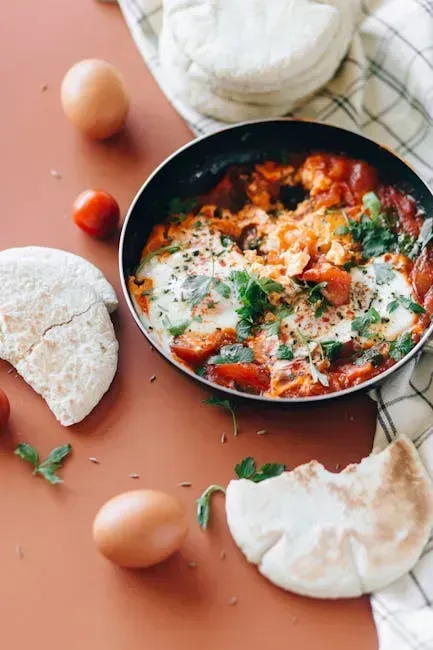
Scrambled eggs, frittatas, quiche, egg casseroles. These are beloved comfort foods and weekend brunch staples. They’re also surprisingly fragile once they’ve moved from the pan to the refrigerator. The egg is a wonderfully complex food when it’s fresh, but an unpredictable one when it’s been sitting around cooked.
Bacteria can grow in a variety of foods, including meat, eggs, salads, dairy products, and baked goods. Egg-based dishes combine moisture, protein, and often dairy, which creates a particularly welcoming environment for pathogen growth. The FDA’s refrigerator and freezer storage chart puts cooked egg dishes in the short-term perishable category for a reason.
Refrigerating perishable food including dairy, cut fruit, some vegetables, and cooked leftovers within 2 hours is essential according to the CDC. With egg-based dishes especially, those two hours between cooking and refrigeration genuinely matter. Beyond 48 hours in the fridge, the risk of bacterial growth in egg dishes increases noticeably.
5. Cooked Ground Meat
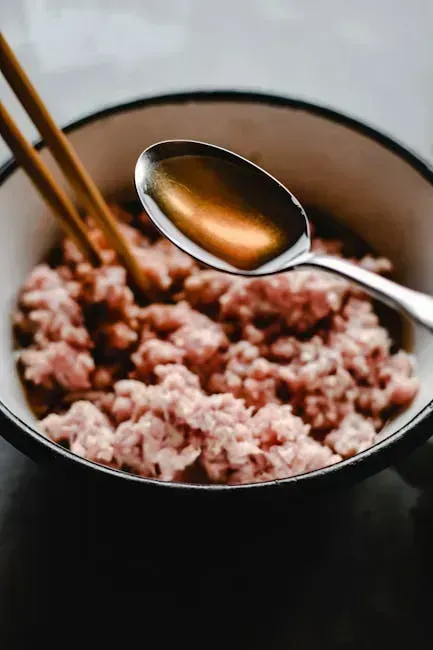
Bolognese sauce, taco meat, meatballs, stuffed peppers. Ground meat is incredibly versatile, which is probably why so many of us cook large batches and store them. Here’s the thing though: ground meat is not like a steak. The risk profile is completely different.
Ground meat is particularly dangerous because the grinding process spreads any surface bacteria throughout the entire product. That means any bacteria that were originally on the outer surface of the meat get mixed into every single part of it during processing. Once cooked and refrigerated, the clock ticks fast.
Cooked ground meat that has been prepared to a safe temperature lasts in the fridge only about one to two days when stored at or below 41°F. Not cooking food to a safe temperature and leaving food out at an unsafe temperature are the two main causes of foodborne illness, according to the USDA. Ground meat demands both: thorough cooking and rapid, proper storage.
6. Cream-Based Soups and Stews

A rich, creamy soup feels like pure comfort. Bisques, chowders, cream of mushroom, cheesy potato soup. They’re the kind of dish you want a second bowl of two days later. Unfortunately, cream-based soups are among the most bacterial-friendly foods you can leave in your fridge.
Soups, casseroles, and sauces made with cream or cheese spoil quickly. Clostridium perfringens, common in sealed soups and casseroles, multiplies rapidly when food is left warm and can cause severe stomach cramps and diarrhea. Cream-based soups are particularly problematic because they combine multiple risk factors, including dairy products, often meat or vegetables, and a thick consistency that retains heat longer.
A big pot of soup will take a long time to cool, inviting bacteria to multiply and increasing the danger of foodborne illness. The solution is to divide the pot of soup into smaller containers so it cools quickly. Even with perfect storage, cream-based soups should ideally be consumed within 48 hours. After that, you’re genuinely rolling the dice.
7. Cooked Pasta
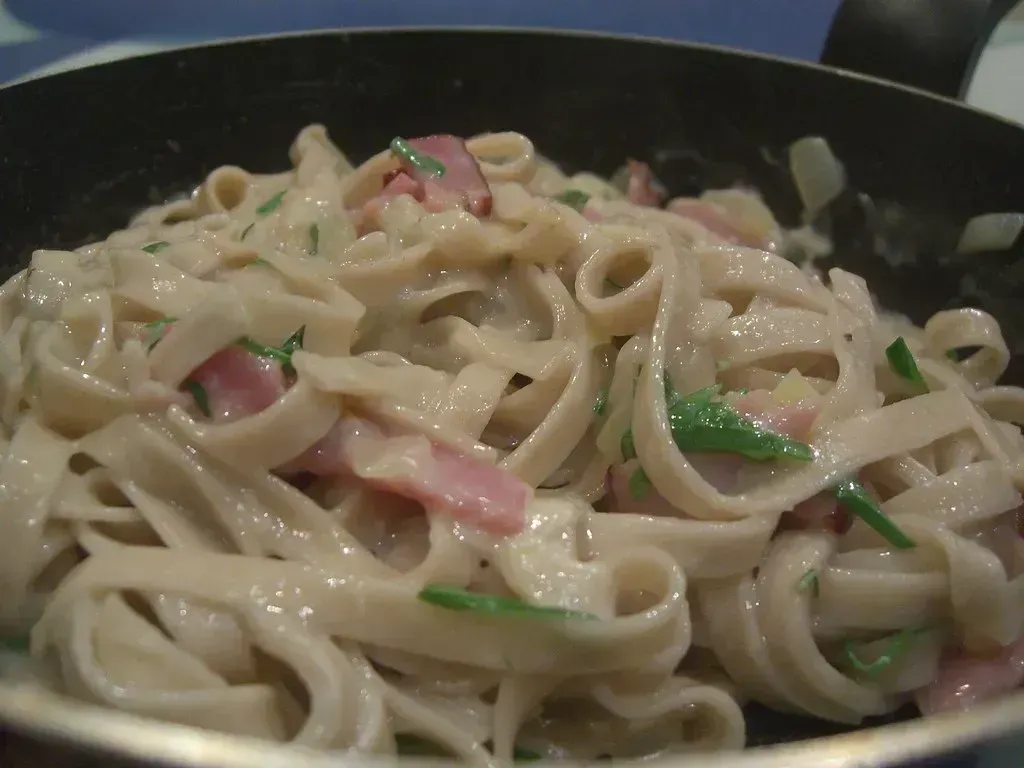
Cold pasta in the fridge is one of those things that almost everyone keeps around longer than they should. It’s so versatile. You can toss it with anything. It seems inert. Harmless. It’s just pasta, right? Actually, it’s not quite that simple.
Leaving cold pasta out for an extended period can be just as hazardous as leaving out other perishable foods, and nutritionists have flagged this as one of the dangerous eating habits many people overlook. Bacteria grows rapidly in the temperature danger zone, between 40°F and 140°F, and foods that are left in the refrigerator for too long show increased bacterial growth and increased risk of food poisoning.
Pasta mixed with sauces, proteins, or vegetables compounds the risk considerably. Think of pasta as a sponge: it absorbs whatever is around it, including bacterial activity. Even classic leftover pasta should be reheated to at least 165°F before eating it again. Beyond 48 hours, particularly if it contains meat or cream sauce, it’s worth asking yourself whether it’s really worth saving.
8. Cooked Deli-Style Meats and Sliced Roasts
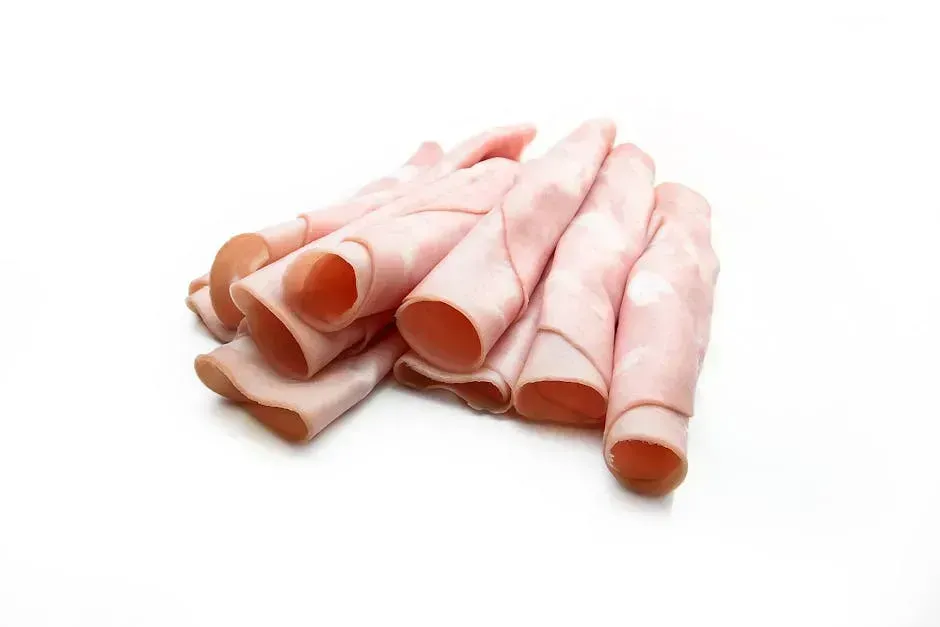
Sliced roast beef, carved turkey breast, leftover ham from a dinner party. These are the kinds of foods that feel robust and long-lasting. They were, after all, cooked from solid cuts of meat. But sliced or carved meats tell a very different food safety story than their uncut counterparts.
Listeria monocytogenes, which has been identified as a particularly dangerous bacterium in deli-type meats, can survive in cold environments and remain on surfaces for long periods, making it more resilient than other pathogens. In a single 2024 outbreak linked to Listeria in ready-to-eat deli meats, 61 people became ill, 60 were hospitalized, and ten died across 19 states. That is a sobering reminder of how quickly things can go wrong.
Once cooked meat or poultry and side dishes thaw or are stored, it’s recommended to plan to eat them within three to four days at most. Within 48 hours is significantly safer, particularly for sliced cooked meats where the surface area exposure is maximized. Nearly all illnesses in major 2024 foodborne outbreaks were linked to Listeria, Salmonella, or E. coli. Sliced meats are prime environments for all three.