I’ve Been a Flight Attendant for 15 Years: 11 Things “Old Money” Travelers Never Do
There’s something quietly fascinating about watching people board a plane. After fifteen years in the air, I can tell you with complete confidence that the way someone walks down the aisle says almost everything about them. Not their wealth, exactly. More like their relationship with wealth.
Old money travelers are a specific breed. They don’t flash logos. They don’t demand upgrades. They barely look around. It’s not arrogance, it’s just that a plane feels to them exactly like what it is: transportation. The drama and discomfort that many passengers feel? They simply don’t experience it the same way. Let’s dive in.
1. They Never Overpacks or Makes a Scene at the Overhead Bin
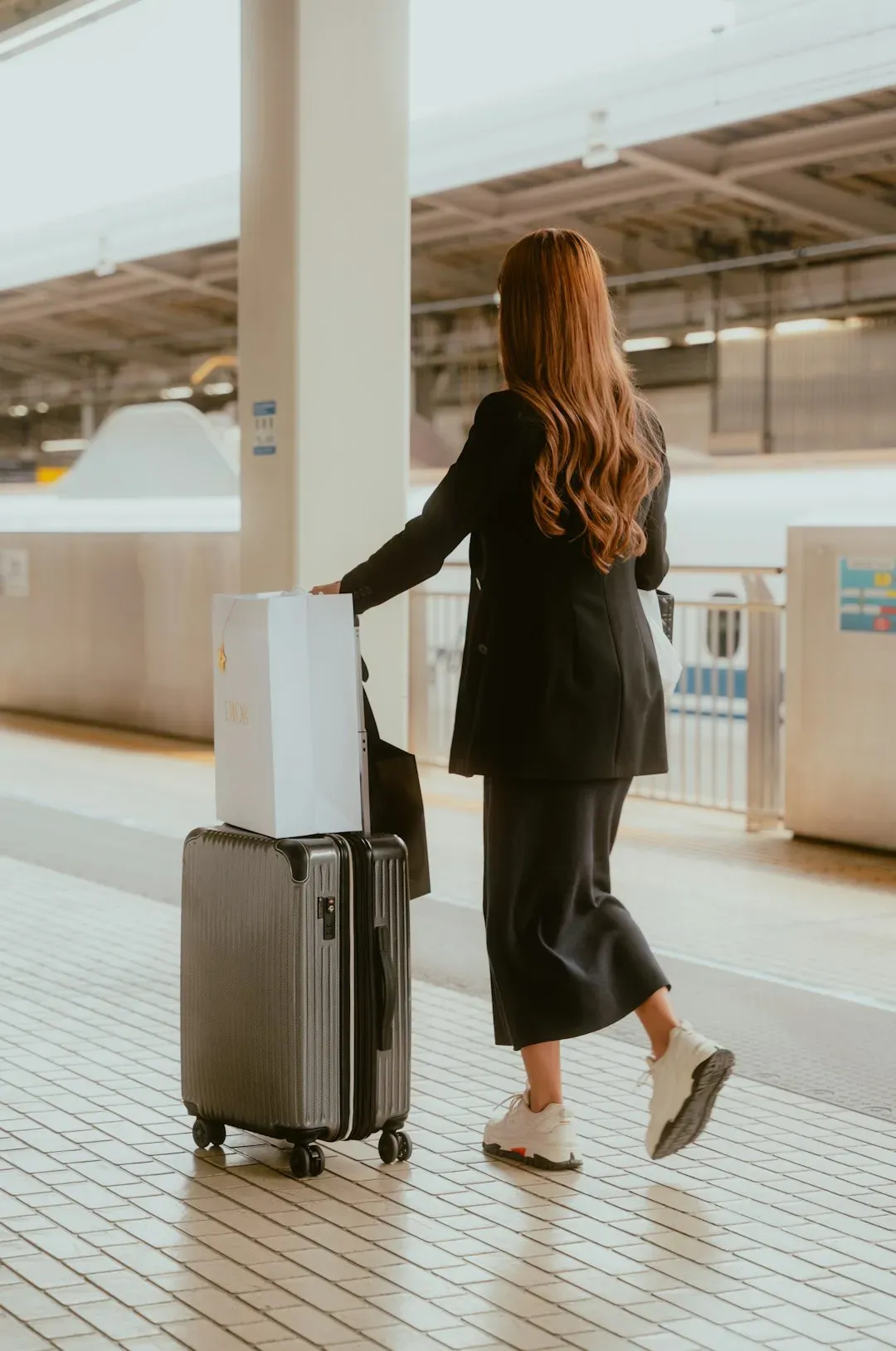
Old money travelers board with intention. The wealthier ones travel light, knowing they could easily replace anything forgotten. It’s a mindset that only comes from never having to count costs. There’s something almost philosophical about that.
The truly wealthy increasingly travel with just a carry-on, not because they pack light, but because their actual luggage may have arrived days ago via specialized shipping services. They send wardrobes and equipment ahead to their destinations. It’s not just convenience, it’s risk management.
We all know the travelers who shove their carry-on bags into the first overhead space they see and then casually stroll to the middle of the plane. Life would be so much easier if everyone claimed their allotted space. Old money passengers never do this. They move efficiently, quietly, and without holding up the aisle.
2. They Never Make a Fuss About Where They’re Sitting
Most of us check our boarding pass multiple times, confirming the seat, double-checking the row, maybe even triple-checking as we walk down the aisle. People who grew up wealthy? They look once, if at all. It’s genuinely striking the first time you notice it.
The reason is simple: they’ve been traveling since childhood. Finding their seat is as automatic as finding their bedroom in their parents’ house. They trust the process completely because it’s never failed them before. That kind of ease can’t be faked. Honestly, it’s one of the most telling tells in the cabin.
3. They Never Dress to Impress (the Way You’d Expect)
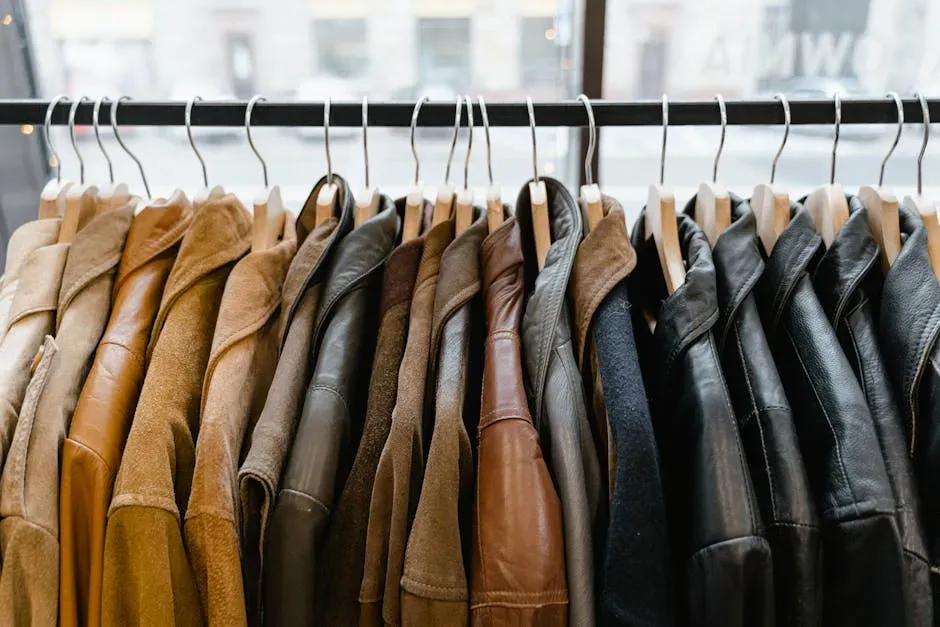
Forget logos and labels. Those raised with serious wealth board planes in clothes that look simple but feel expensive. Think cashmere sweaters, perfectly fitted jeans, leather shoes that have been resoled rather than replaced. It’s a completely different visual grammar from what most people associate with wealth.
The idea of wearing a logo on a plane would strike them as unnecessary. Their clothes communicate without trying to. There’s no performance involved, just a very quiet, very assured sense of personal presentation that doesn’t need a runway or an audience to function.
4. They Never Treat Cabin Crew Poorly
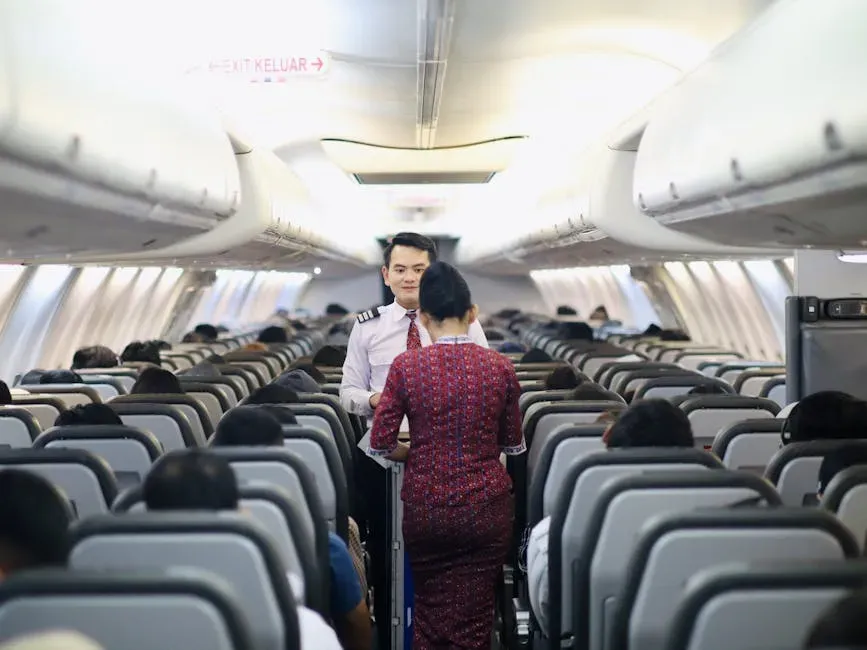
People who grew up with money were taught from an early age to acknowledge service staff. Not in a condescending way, but as a basic social grace. Their parents likely emphasized treating everyone with respect, especially those helping them. I’ve seen this firsthand hundreds of times, and it never gets old.
The truly wealthy families are often the most polite. Their kids say “please” and “thank you” without prompting. It isn’t performative kindness, it’s genuine courtesy drilled into them since birth. Compare that to the chaos we see in the cabin today. Disruptive passenger incidents doubled in 2024 compared with 2019, while in-flight outbursts ranging from inappropriate behavior to physical attacks surged 400% by 2025. Old money travelers exist in a completely different universe from those statistics.
5. They Never Rush to Be First on the Plane
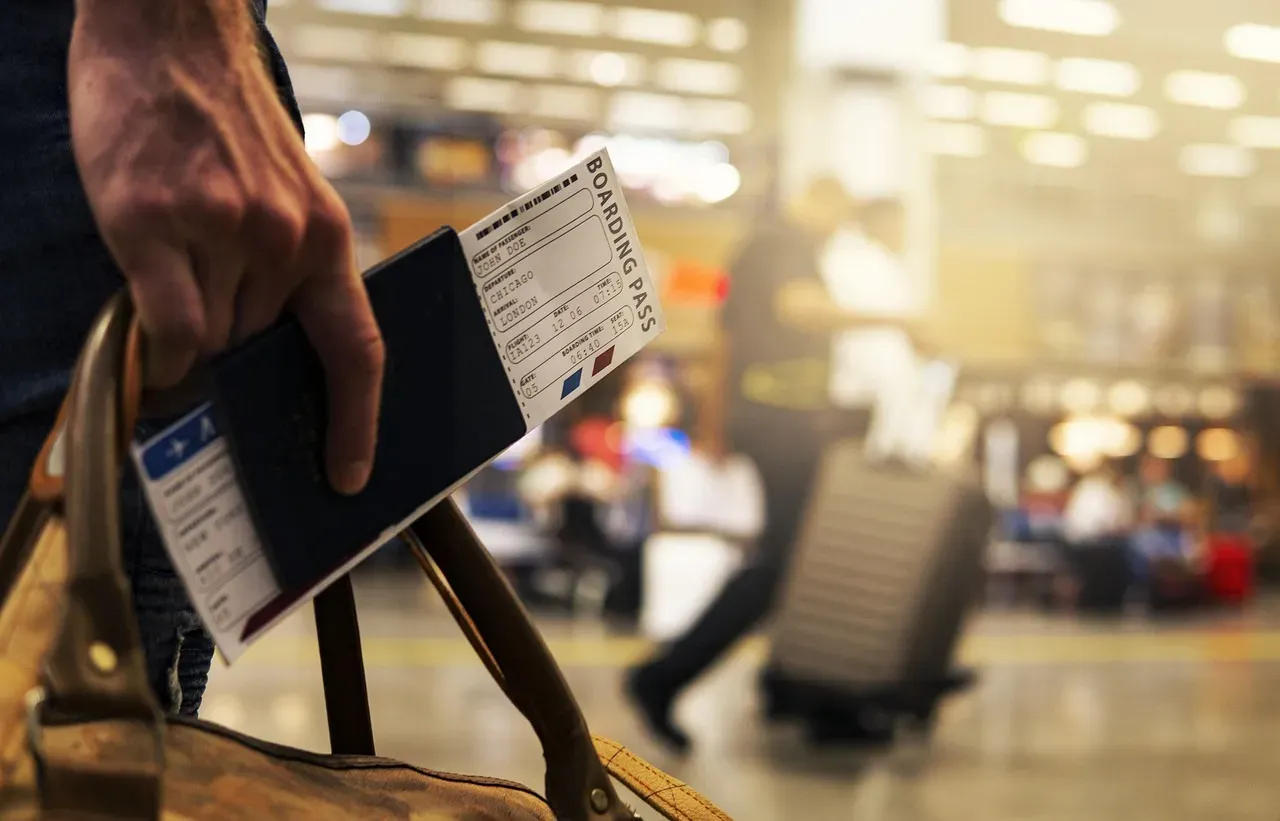
The “Eager Exiter” is present on almost every flight. They are the flyers who stand up the moment the seatbelt sign turns off. Rushing, though, doesn’t get you to your destination much sooner. The same logic applies to boarding. Old money passengers simply don’t scramble.
Those who grew up wealthy often book directly through airlines without much comparison shopping. They prioritize convenience over cost, choosing flights based on timing rather than price. They’ll pay extra for a better departure time without flinching. When you’ve already sorted the details properly, there’s no need to rush anything on the day of travel. They arrive calmly and board calmly. Simple as that.
6. They Never Drink to Excess
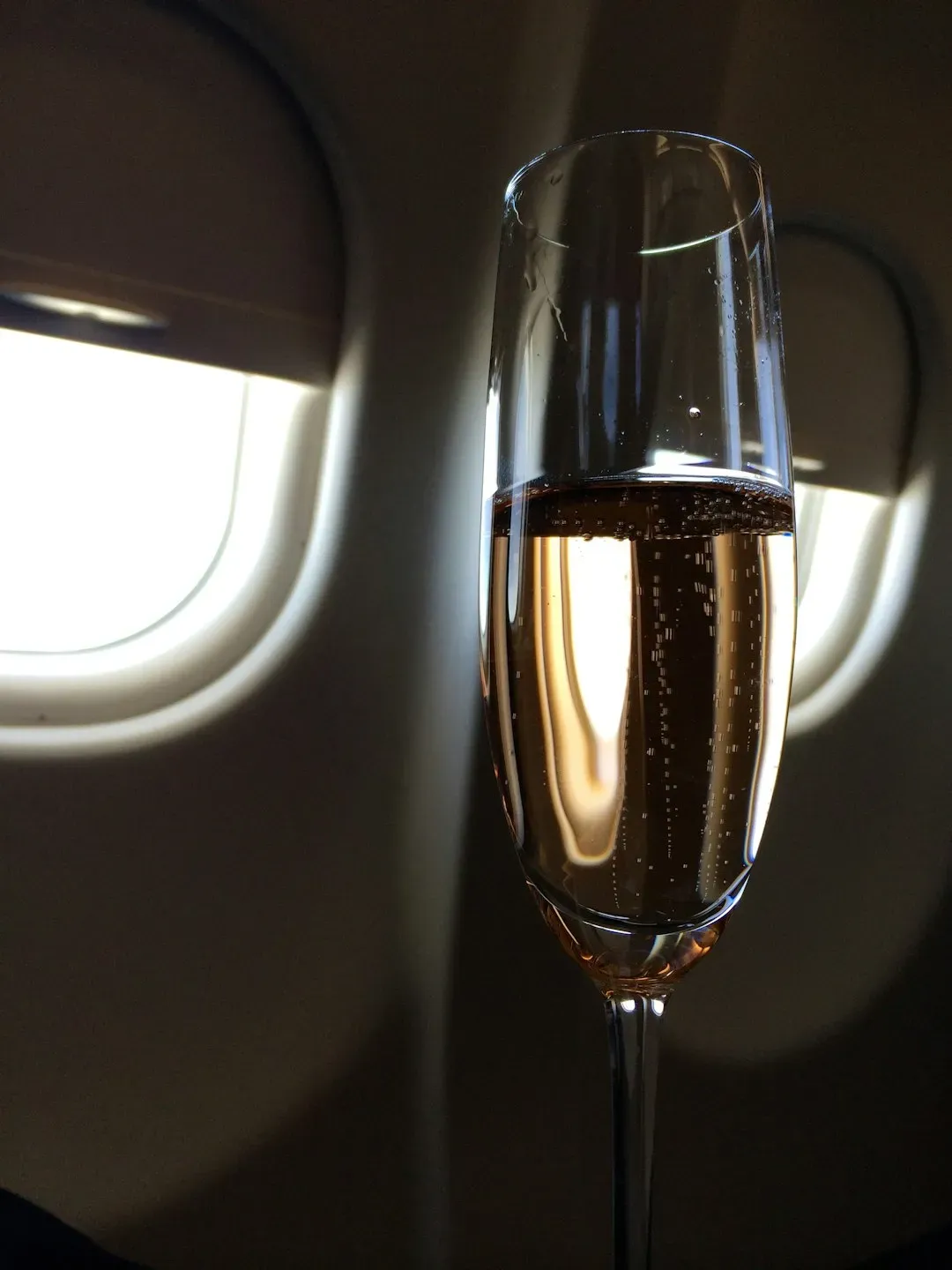
Here’s the thing. Alcohol and airplanes are a combination that tends to reveal character very quickly. While enjoying a drink or two may be acceptable for some, excessive alcohol consumption can lead to disruptive behavior and discomfort for fellow passengers. Drink responsibly and know your limits. Old money travelers understand this without being told.
Airlines reported over 2,100 unruly passenger cases in 2024, marking a one percent increase from 2023. In 2024, the average fine for disruptive behavior ranged between $5,000 and $10,000 per case, with total fines issued reaching $7.5 million across all cases. Old money passengers wouldn’t dream of being part of that story. Restraint is built into how they move through the world.
7. They Never Snap Their Fingers or Click the Call Button Repeatedly
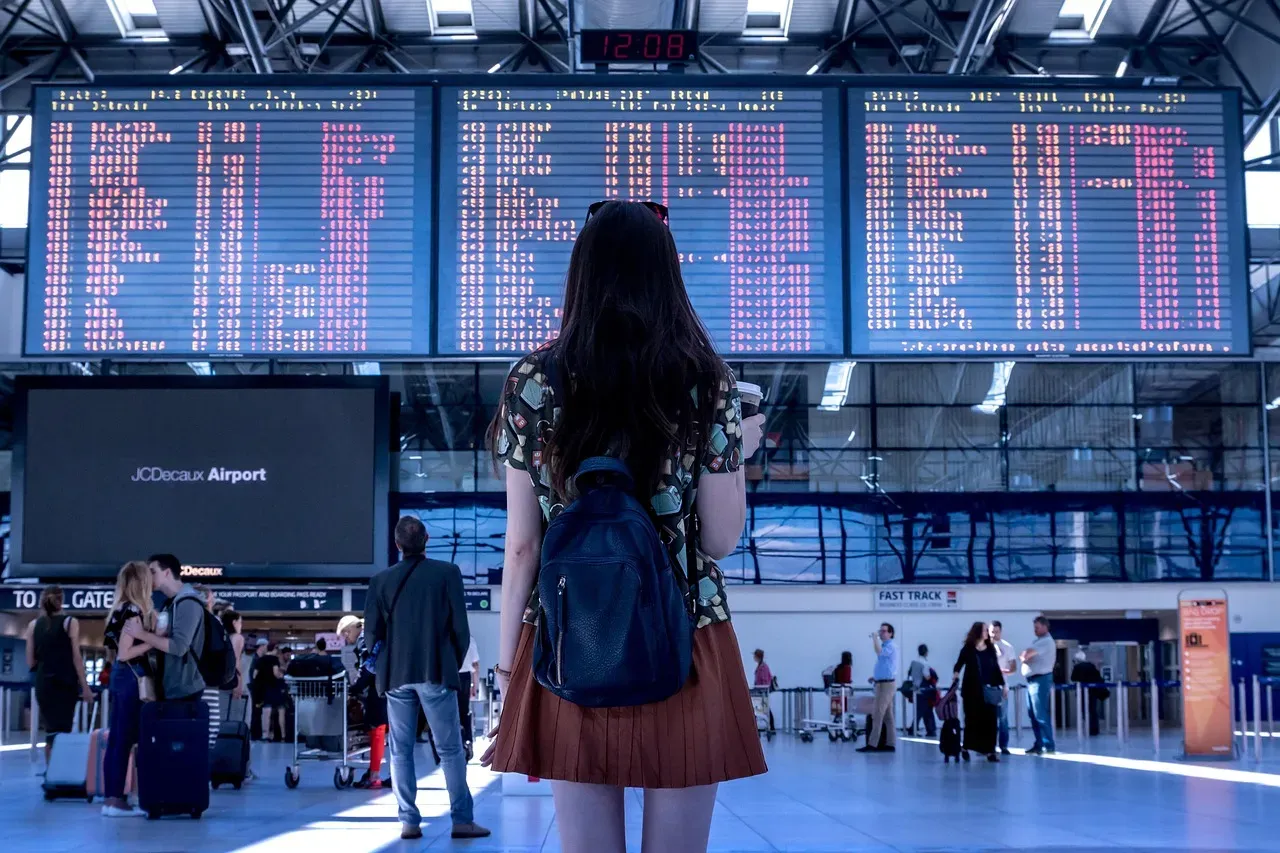
Flight attendants are the unsung heroes of air travel, keeping passengers safe and comfortable during their journeys. They also fly far more than the average traveler. Because of this, their knowledge of airplane safety and etiquette is second to none. Old money passengers seem to intuitively understand and respect this.
They ask once, politely, and with genuine warmth. They make eye contact. They say thank you and actually mean it. Traveling for work may seem glamorous, but cabin crew have a tough job. They have to keep everyone on board safe, serve meals and drinks, and deal with frustrated and sometimes angry passengers, all without losing their cool. The old money traveler recognizes that reality. It shows in every single interaction.
8. They Never Broadcast Their Destination or Status
Old money culture, at its core, is built on discretion. These aren’t about designer bags or first-class tickets. The real tells are far more subtle, ingrained behaviors that come from a lifetime of privilege. And one of the biggest tells is what they don’t say. They don’t announce where they’re headed, who they’re meeting, or what they’ve achieved.
Think of it like the old iceberg metaphor. Ninety percent of what defines them is completely invisible. Wealthy travelers are obsessively loyal to one or two airlines, not for the points, but for the predictability. They know specific planes, preferred seats, crew patterns, and even which flights have the best wifi connectivity. That kind of deep, quiet knowledge is the opposite of showing off.
9. They Never Panic Over Delays or Disruptions
When flights get delayed or cancelled, those from wealthy backgrounds immediately get on the phone with airline status lines or head to airline lounges for rebooking. They book backup flights on other airlines without waiting for refunds. There’s no scene, no crying, no yelling at gate agents. Just a calm, strategic pivot.
Every wealthy traveler I observed builds in what they call a “buffer day,” an extra 24 hours on either end of their trips that remains completely unscheduled. This isn’t leisure time, it’s insurance. It’s hard to say for sure, but I think this single habit explains more about how they handle disruption than anything else. When you’ve planned for imperfection, imperfection stops feeling like a crisis.
10. They Never Eat Smelly Food or Ignore Those Around Them
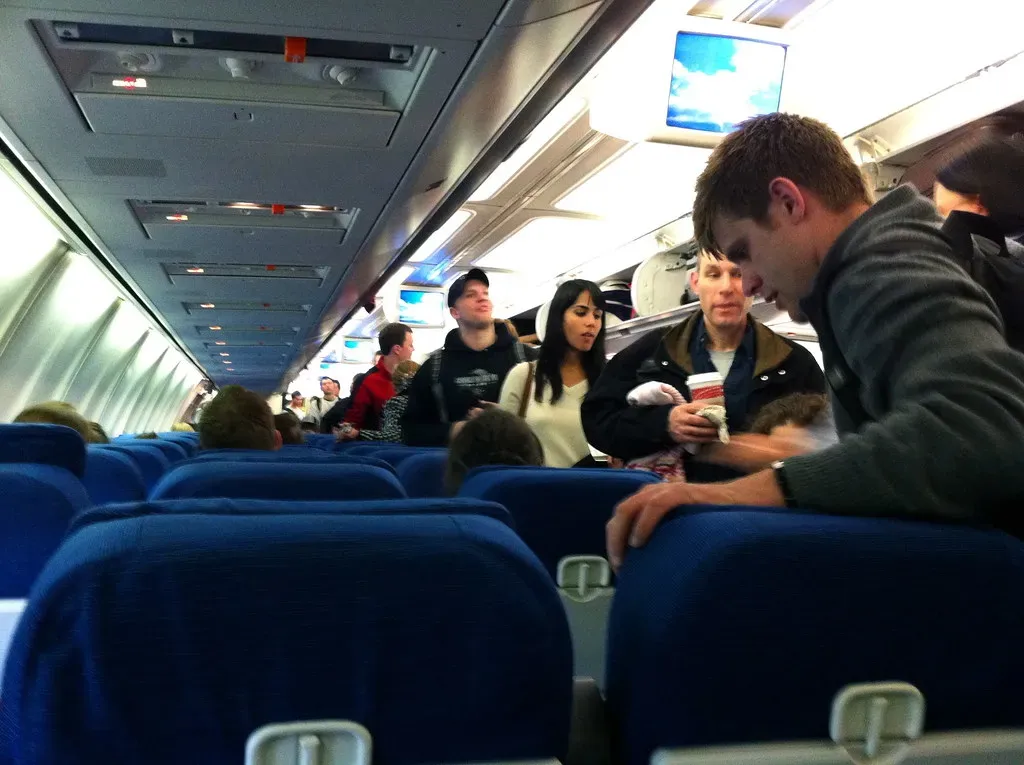
According to survey data, nearly half of American adults find it annoying when a co-passenger smells due to poor hygiene or too much cologne or perfume. Nearly 40% are irritated when a fellow traveler eats pungent or foul-smelling foods onboard. Old money travelers have never needed a survey to tell them this. Awareness of the shared environment is instinctive.
Following airplane etiquette is important for a smooth flight. Being considerate of other passengers around you helps to avoid any potential conflict. Something that seems small when you’re on the ground, like reclining a chair, becomes a much bigger deal when you’re cruising at 30,000 feet. Old money passengers treat every inch of shared cabin space as though it belongs to everyone equally. Because, well, it does.
11. They Never Make Flying Feel Like an Event
This is, honestly, the biggest one. For most people, flying is an experience, something to document, stress about, or complain about. The wealthy kids who grew up flying constantly aren’t trying to look comfortable on planes. They just are. That’s the difference. The absence of performance is itself the most telling thing.
Our travel behaviors often reveal more about our upbringing than we think. The way we pack, book flights, and navigate new cities can telegraph whether we grew up with financial abundance or learned to stretch every dollar. These patterns run deep, shaped by childhood experiences we might not even remember. For old money travelers, a plane is just a means to an end. No more dramatic than a taxi. No more stressful than a stroll through their own front door.