The “Hidden Costs” Trap: 9 Everyday Habits Quietly Draining Your Wallet
Most people check their bank balance and feel a low, unsettling confusion. The paycheck came in. It always does. So why does the account feel lighter than it should? The answer, more often than not, isn’t one giant expense. It’s dozens of tiny ones – invisible, automated, and almost insultingly easy to overlook.
Here’s the truth nobody likes to hear: we’re not bad at spending money because we’re careless. We’re bad at it because the systems around us are brilliantly designed to make leaks feel painless. A dollar here. Fourteen dollars there. An auto-renewal you completely forgot existed. Before you know it, hundreds of dollars have quietly walked out the door – with your permission. Let’s dive into exactly how that happens.
1. The Streaming Stack Nobody Actually Audits
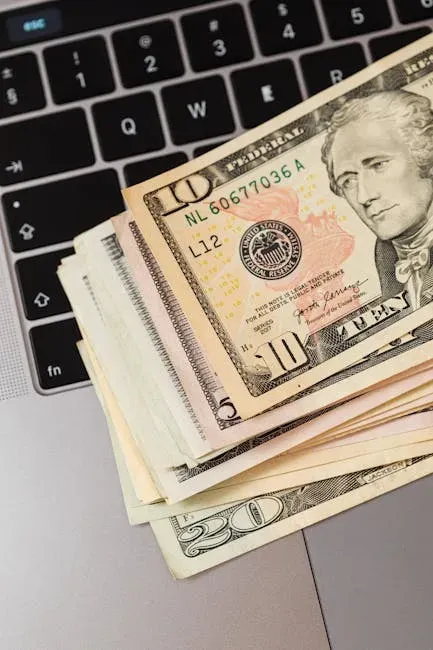
Streaming was supposed to kill cable bills. Honestly, it’s starting to look like cable with better marketing. Streaming was supposed to be cheaper than cable, yet in 2025 the average household now pays more than ever for entertainment, with hidden fees and fragmented content quietly surpassing all original expectations.
According to Deloitte’s 2025 Digital Media Trends survey, the average American pays for four streaming services at a combined cost of around $69 per month – a thirteen percent year-over-year increase. That’s just video streaming, not music, gaming, or cloud storage. Average spending on streaming alone increased by roughly thirty percent, jumping from $48 in 2023 to $61 in 2024.
Netflix even eliminated its Basic plan in 2025, forcing subscribers into higher-priced tiers. Add-ons for 4K, offline downloads, and ad-free tiers now account for an estimated twenty to thirty percent of a total streaming bill. The real trap is psychological: each individual service feels affordable, but the stack as a whole is anything but.
2. Forgotten Subscriptions Running on Autopilot

Think about every subscription you’ve signed up for in the last two years. Now try to name all of them. Can’t do it? You’re in good company – and that’s precisely the problem. Research shows consumers guess they spend an average of $86 monthly on subscriptions, but the actual average is $219, a difference of $133 more than estimated.
A 2025 survey by Self Financial found that nearly fifty-five percent of respondents admitted they had at least one subscription going completely unused each month. Additionally, forty-two percent of consumers have forgotten they’re still paying for subscriptions they no longer use, while the vast majority – roughly eighty-six percent – have at least some of their subscriptions set to autopay, creating a perfect storm for forgotten charges.
Data from Rocket Money indicates that the average American household spends approximately $219 monthly on digital and physical subscriptions, frequently overlooking smaller trial-based charges. Most people lose over $2,000 annually to forgotten subscriptions, unused memberships, and autopilot renewals. That number stings a bit, doesn’t it.
3. The Gym Membership You’re Still Paying For
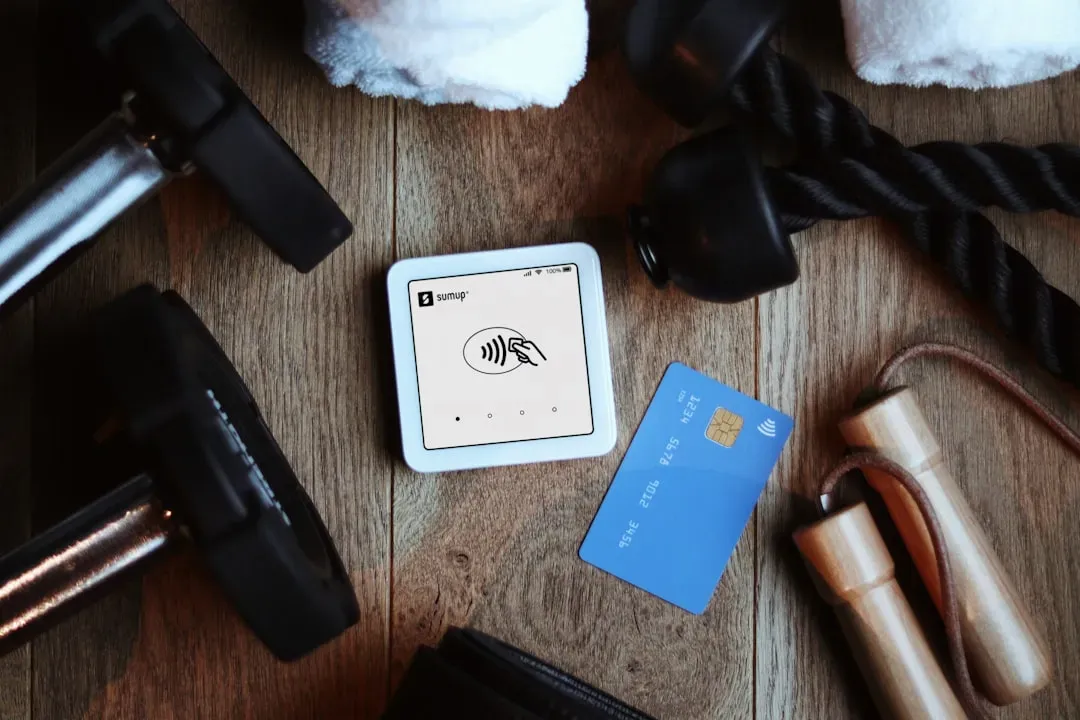
January hits, the motivation peaks, and the membership gets signed. We’ve all been there. But let’s be real – the gym industry is built, in large part, on people who don’t show up. Approximately sixty-seven percent of gym memberships go completely unused, and the average monthly gym membership fee reached $69 in 2024, up from $65 in 2023, according to the Health and Fitness Association.
Only about eighteen to twenty percent of members attend regularly at three or more times per week, while the average member visited just 1.5 times per week in 2024, down from 2.1 in 2019. Think about that – you’re essentially paying hotel prices for a room you barely enter. Many people also overlook cancellation policies that make it surprisingly difficult to leave, so reading the fine print before signing and considering month-to-month options is genuinely worth the extra cost upfront.
4. Food Delivery Fees Dressed Up as Convenience

It looks so simple on the app. You tap a few buttons, pick your meal, and confirm. What you don’t really see – not right away – is the service fee, the delivery fee, the surge pricing, and the tip prompt. Add those together and that $12 burrito becomes a $28 decision. Home cooking costs roughly four to six dollars per serving, while a delivery order runs fifteen to twenty-five dollars or more after fees and tip – and replacing just two delivery orders per week with home-cooked meals saves roughly $1,456 per year.
Food delivery expenditures skyrocketed by a staggering nine hundred twenty-four percent between 1997 and 2024, climbing from $9.8 billion to $100.5 billion. December 2024 data from YouGov shows more than a quarter of Americans used food-delivery apps at least once a week, a share that rises to nearly forty percent among Gen Z and Millennials. The online delivery business, led by DoorDash and Uber Eats, was projected to generate a record $36.32 billion in revenue in 2025.
Research by Deloitte shows that average monthly spend on subscriptions, including delivery plans, increased by over thirteen percent in 2025 as consumers leaned further into convenience-based services, with the cumulative effect of even small per-order fees reaching into the thousands over a year. Convenience is genuinely valuable – but not when it quietly doubles your food budget.
5. Impulse Buying Disguised as Everyday Shopping
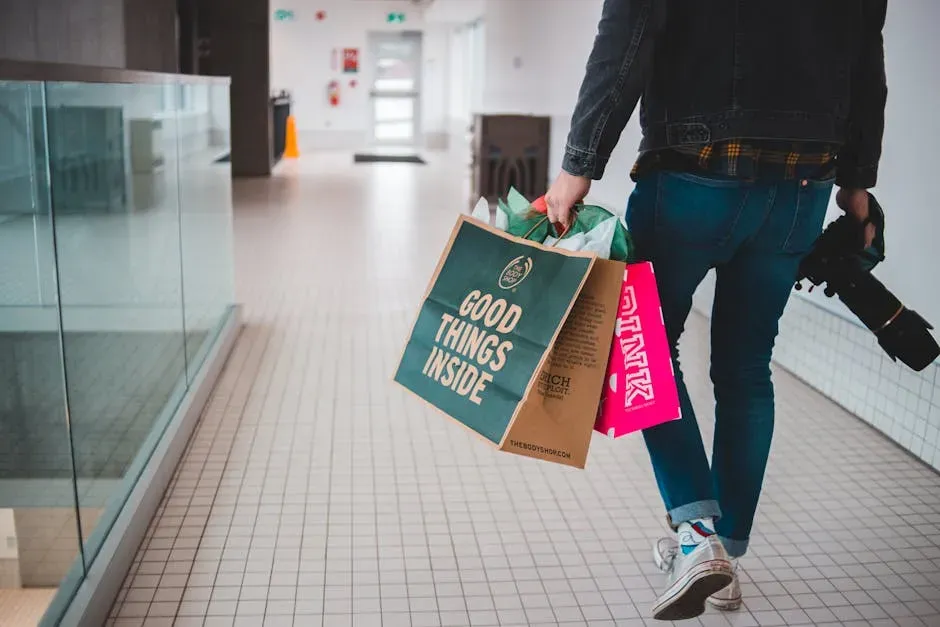
Stores – especially online ones – are not neutral environments. They are optimized arenas designed to convert browsing into buying. The “recommended for you” section, the countdown timer, the one-click checkout. It’s all engineered. Much of our impulsive spending has to do with how our brains view large versus small purchases: when thinking about a big-ticket item, we weigh pros and cons and check reviews, but if something costs five dollars, we tend to shrug and toss it into the cart without a second thought.
A majority of Americans – roughly fifty-five percent – admit they spend recklessly, while nearly three in four Americans acknowledge an overspending problem, especially on groceries, online shopping, and clothing. Nearly two in five Americans exceed their budget every single month, and a remarkable seventy-eight percent make purchases they immediately regret.
A 2025 consumer study by Progressive Grocer found that thirty-two percent of shoppers enter the store with no plan at all, and even among those who bring a list, impulse purchases account for up to sixty-two percent of grocery sales revenue. It’s hard to say for sure how much this costs the average household annually, but the math is not flattering.
6. Credit Card Late Fees and the Interest Spiral
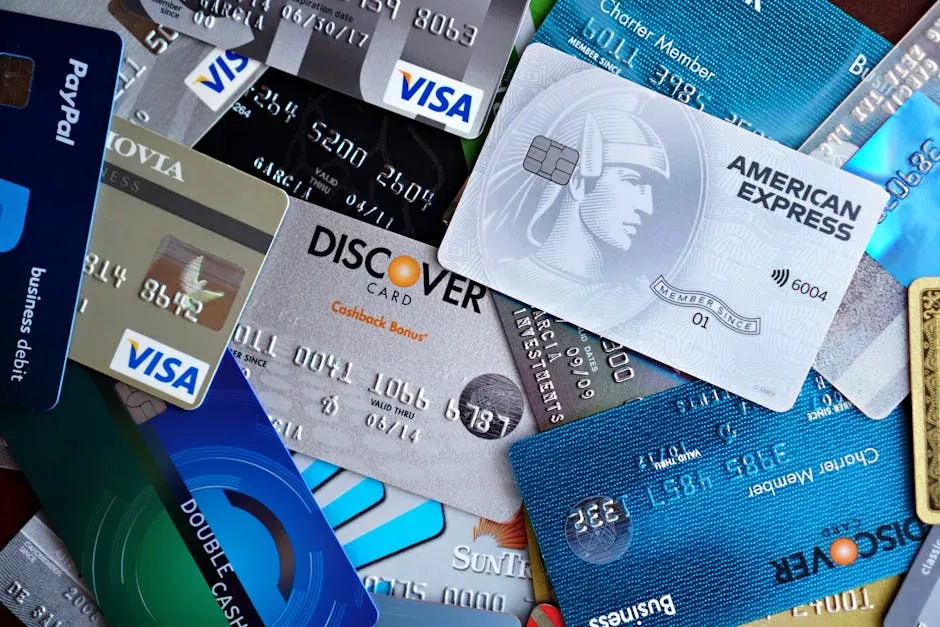
Missing one credit card payment feels like a minor slip. It isn’t. It can quietly trigger a cascade of charges that snowball in ways most people don’t anticipate. In March 2024, the Consumer Financial Protection Bureau introduced a rule capping credit card late fees at $8, down from the previous $30 to $41 range.
However, the rule faced immediate legal challenges from the U.S. Chamber of Commerce and the American Bankers Association, a federal court injunction was issued in May 2024 and upheld in December 2024, and as of early 2025 the rule remains unenforced, with banks continuing to charge late fees under previous guidelines. Since the CFPB’s rule is in limbo, credit card companies are legally allowed to charge up to one hundred percent of a missed minimum payment – meaning you essentially have to make your minimum payment twice to recover from a single missed one.
Penalty APRs represent another hit: some cards may increase your interest rate significantly after even one missed payment, with American Express hiking APR by 26.74% for a minimum of six months, and a missed Citi Bank payment triggering an APR increase up to 29.99% applied indefinitely. That’s not a fee – that’s a long-term financial injury from one forgotten payment date.
7. Junk Fees Buried in the Fine Print

Resort fees. Convenience fees. Service fees. Processing fees. These charges go by many names, but they all share one quality: they appear after you’ve already mentally committed to buying something. Late in 2024, the Federal Trade Commission announced its final Junk Fees Rule, which went into effect May 12, 2025, prohibiting hidden fee tactics in live-event ticketing, hotels, and short-term rentals, and requiring up-front disclosure of total prices including any fees.
The FTC estimates that the new rule will save consumers fifty-three million hours per year of wasted time spent searching for total prices. That statistic alone tells you how pervasive the problem is. These fees drive up overall costs for consumers and make comparison shopping more difficult, particularly when charges appear at the back end of a transaction or are hidden in fine print – a tactic seen with service fees for event ticketing and resort fees on hotel bills.
8. Food Waste: The Invisible Grocery Surcharge

Nobody budgets for food waste. That’s exactly what makes it so costly. You pay for the groceries, feel good about meal planning, and then life happens. The lettuce goes soggy, the leftovers get pushed to the back, and the avocados become a science experiment. The EPA found in 2025 that a family of four throws away $2,913 worth of food per year – that’s approximately $243 per month going straight into the trash.
The average American household spends $6,224 per year on groceries according to the BLS Consumer Expenditure Survey for 2024, and that figure doesn’t even include the $728 per person per year that the EPA says is wasted on food purchased and never eaten. Think of food waste as a silent surcharge automatically added to every grocery trip. Grocery prices rose about twenty-five percent between 2020 and 2024, and while the rate of increase has slowed to about two to three percent annually in 2025 and 2026, that modest rise sits on top of prices that already jumped dramatically.
9. Wellness Subscriptions and the “Self-Care” Spending Trap

Wellness apps, meditation platforms, fitness trackers, sleep monitors, meal kit services – the self-improvement industry has discovered the subscription model with great enthusiasm. It feels virtuous to subscribe to something that promises better health. It feels a lot less virtuous when you realize you haven’t opened the app in three months. McKinsey’s 2025 Wellness Consumer Report estimates average monthly spending on wellness subscriptions at $91.
Hardware-dependent models like Oura and WHOOP often require ongoing subscriptions for full functionality despite significant upfront costs of $300 to $400, creating a form of lock-in that expands fixed household costs and potentially strains budgets amid rising essential expenses. That’s a fascinating double-dip: pay a lot to buy the device, then pay every month to actually use it. News and education subscriptions are typically purchased with good intentions, and often go underused within just a few weeks.
Research shows that roughly forty-one percent of consumers say they already experience subscription fatigue, yet the subscriptions keep piling on. It’s a strange paradox: the more exhausted people feel about paying for things they don’t use, the more things they keep quietly paying for. Auditing your wellness spending even once a year could free up hundreds of dollars with genuinely zero impact on your actual wellbeing.