The No-Go List: 10 Mexican Beach Destinations Travelers Say Are Overpriced and Overhyped
Mexico has nearly 6,000 miles of coastline. That is an almost absurd amount of beach real estate, stretching across four distinct bodies of water. You would think, with that much sand and sea to go around, there would be plenty of room for everyone. Yet somehow, millions of travelers keep funneling into the same handful of hyped-up hotspots, only to come home feeling ripped off, sunburned, and quietly disappointed.
Honestly, there is something almost tragicomic about it. The brochures promise paradise. The Instagram reels show glowing influencers sipping mezcal at beachside clubs. Then you arrive and realize the beach smells of seaweed, the waiter added a tip you didn’t authorize, and the hotel rate somehow doubled since you booked. If any of that sounds familiar, keep reading. This list might save your next trip.
1. Cancun: The World’s Most Disappointing Tourist Destination
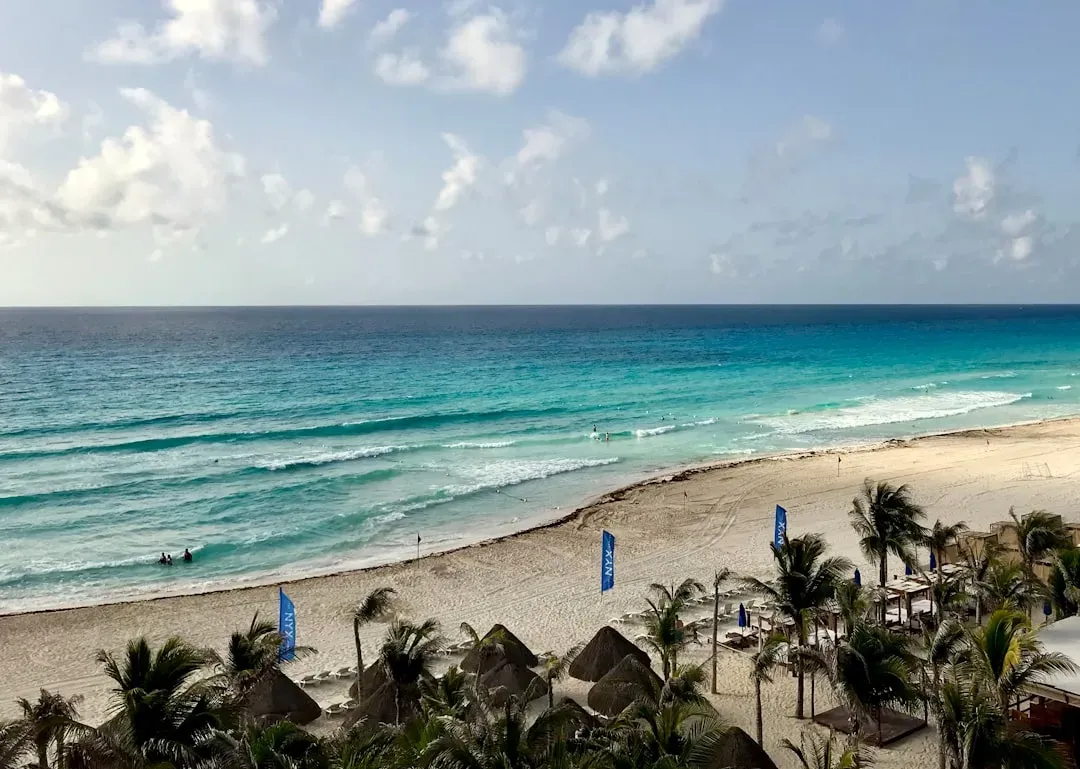
Let’s start with the one that started the whole conversation. A study by Radical Storage placed Cancun at the very top of the most disappointing tourist cities of 2025, after analyzing nearly 100,000 Google reviews of 100 of the world’s most-visited cities, finding that nearly one in seven of Cancun’s reviews were negative, the highest rate of all cities analyzed. That is a damning verdict, especially for a destination that markets itself as paradise.
Cancun is the most visited destination in Mexico, with over 20 million tourists touching down in 2024, making Cancun International Airport the busiest in the country. The sheer volume of visitors has transformed the once-quiet stretch of Caribbean coast into something that bears very little resemblance to its own promotional material. The huge influx of tourists can make for overcrowded beaches and an overburdened city, where upselling becomes the standard to keep up with business.
What strikes many travelers most is how disconnected Cancun has become from Mexican culture. The resort zones feel like artificial bubbles designed exclusively for foreign tourists, and real Mexican food is increasingly hard to find among the chain restaurants and overpriced tourist traps. The US Embassy has issued warnings about increased petty crime during spring break travels to Mexico, including Cancun, with a Level 2 advisory highlighting an increasing concern over crime, particularly petty thefts, scams, and occasional violence in certain areas.
2. Tulum: The Boho Dream That Became a Pricing Nightmare
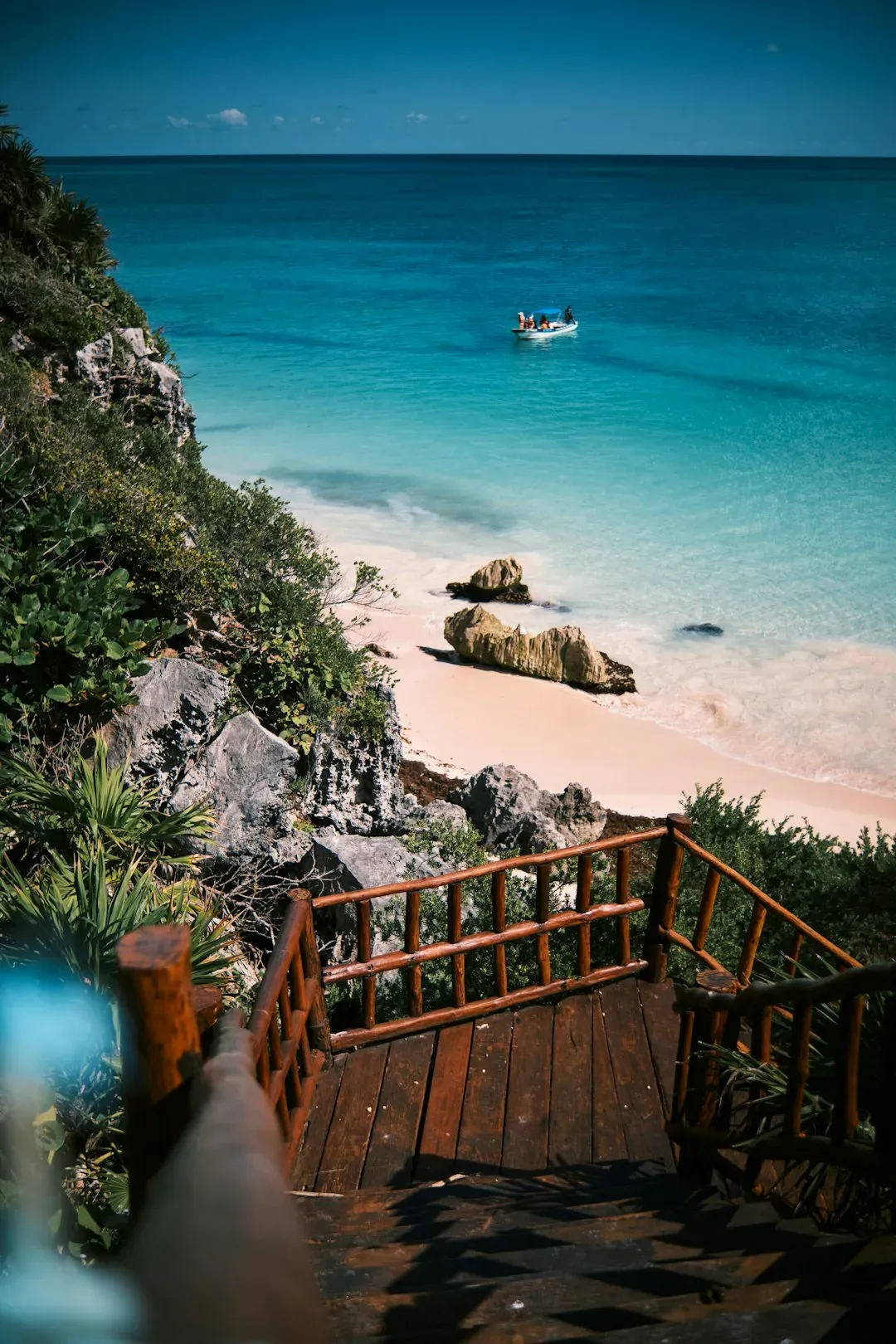
Tulum was once an off-the-grid backpacker town on the Yucatan Peninsula where life moved slowly. The coastal town was quiet, filled with dirt roads and stretches of white sand against the backdrop of turquoise waters. The real luxury was found in its natural beauty and history, as it is home to some of the most important Mayan archaeological sites in the world. Then the influencers arrived. Then the developers. Then the prices.
Average nightly hotel rates reached $450 in 2025, representing a roughly one-quarter increase from 2023. Coastal hotel occupancy dropped to just 30%, with the town center faring even worse at 15%. In other words, Tulum is now charging more for a dramatically inferior experience, and travelers have noticed in the most definitive way possible: by not showing up.
Mexico’s consumer watchdog, Profeco, shut down several Tulum hotels and other businesses due to unjustified high prices. The temporary shutdowns included hotels, restaurants, cafes, and grocery stores, and nearly two dozen establishments were suspended for reasons ranging from excessive charges to pressuring customers to pay tips. Taxi fares can hit $25 for short rides, and beach clubs require minimum consumption fees per person, yet visitors say the services do not match the prices.
3. Los Cabos: Beautiful, Yes. Worth the Price Tag? That’s Debatable.
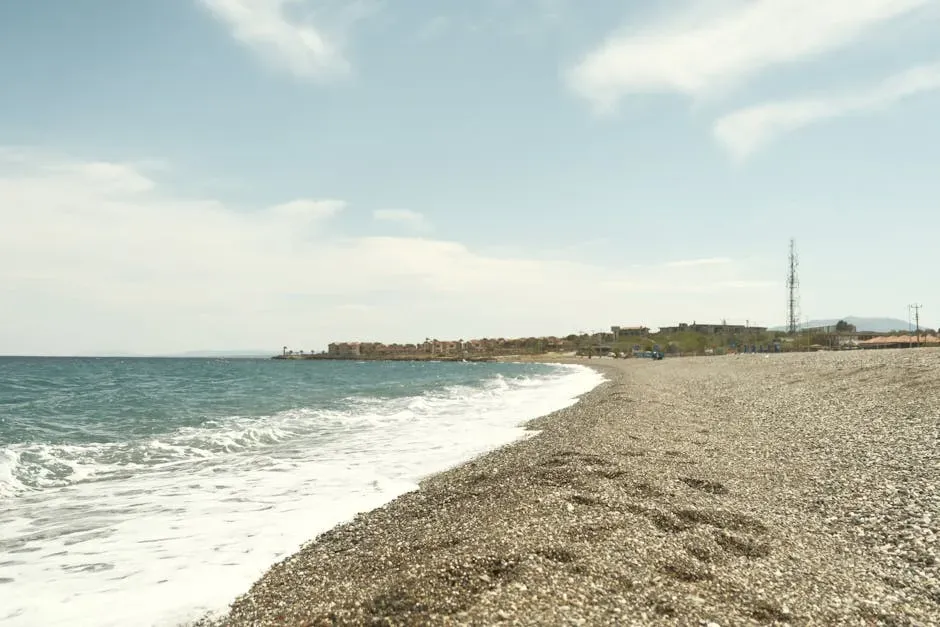
Los Cabos is one of the most sought-after vacation destinations in Mexico, and also the most expensive beach destination. There is no dancing around it. Cabo will drain your wallet faster than almost anywhere else on the Mexican coast. Because Los Cabos is isolated from the rest of the Mexican mainland, it costs more to deliver goods and food, and the destination tends to attract more affluent travelers looking for a high-end and luxurious vacation experience, priced to meet that demand.
Los Cabos continued its luxury buildout in recent years, with new rooms and properties coming online. That relentless expansion has created a destination that, for many mid-range travelers, simply does not add up financially. You can easily spend more on a weekend in Cabo than on a week in a genuinely stunning, less commercial part of Mexico. In the first half of 2025, Los Cabos experienced a roughly one percent decrease in tourist arrivals, reflecting a broader trend across Mexico’s most popular spots.
I think the bigger problem with Cabo is the expectation gap. The Instagram version is spectacular. The real version, once you factor in taxi costs, overpriced resort fees, and the fact that many beaches near Cabo are unsafe for swimming due to rough surf, can feel like a very expensive disappointment. It is gorgeous, no question, but gorgeous rarely feels like enough when the bill arrives.
4. Playa del Carmen: Fifth Avenue Has a Price You’ll Pay for Days
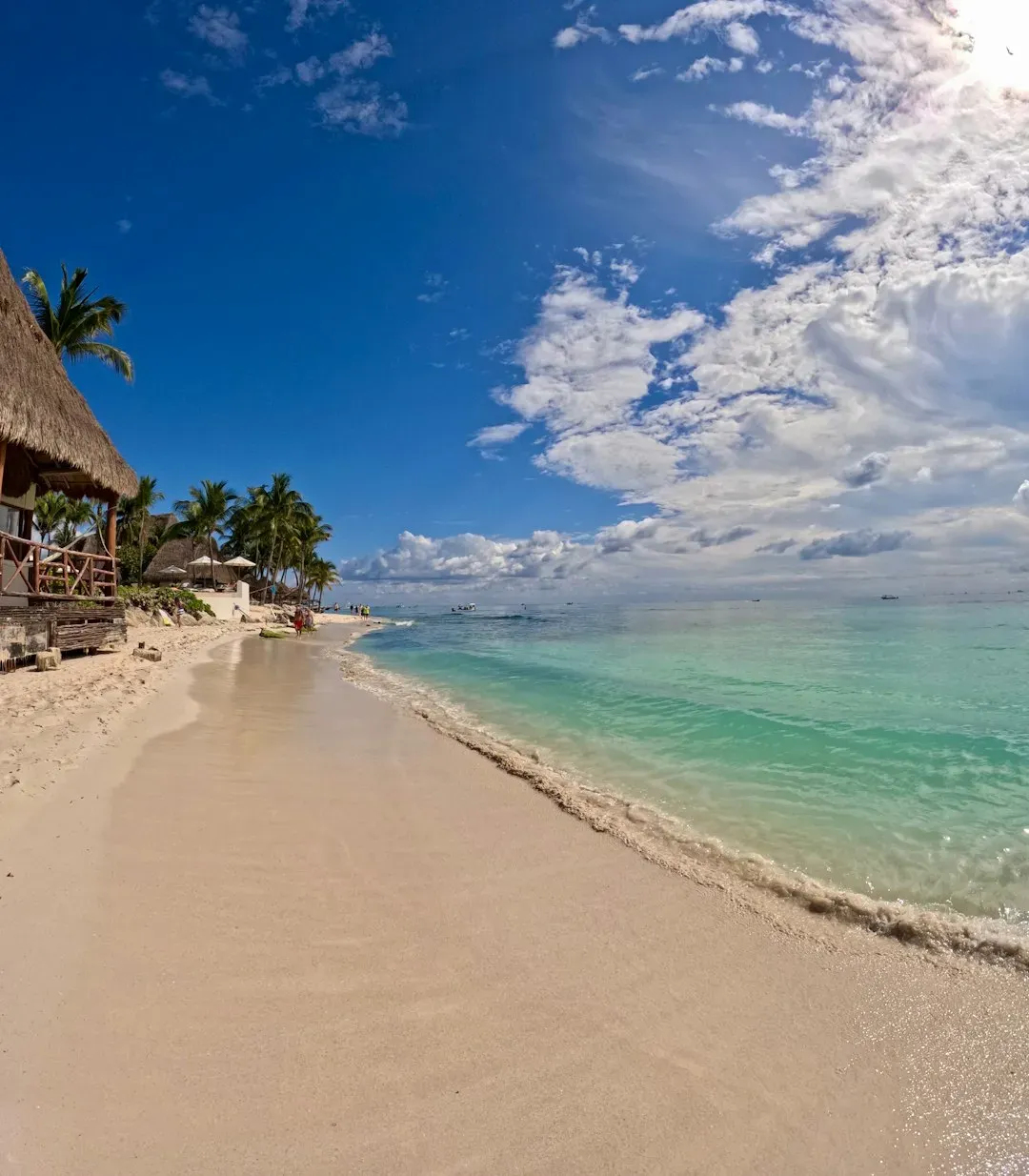
If you hate the idea of negotiating inflated taxi fares just to go two miles down the road, Playa del Carmen is your salvation. It boasts a European-style grid layout that makes it the most pedestrian-friendly beach town in the Mexican Caribbean. That pedestrian-friendly vibe, however, comes with a catch: the famous Fifth Avenue shopping strip has become a corridor of relentlessly tourist-targeted pricing. Everything from coffee to sunscreen carries a premium you would not expect in a place that was, not long ago, a quiet fishing village.
Riviera Maya hotel occupancy, the broader region that includes Playa del Carmen, dropped to 44 percent during one stretch of 2025, with the season described as “one of the worst low seasons in years” as more than half of all hotel rooms sat idle. That collapse in demand tells you something important: travelers are growing weary of paying European prices for a Caribbean town that has increasingly lost its authentic Mexican character. The sargassum problem that plagues this stretch of coast has not helped either.
Large amounts of sargassum seaweed continue to arrive on beaches in the Mexican Caribbean, with landings mostly south of Cancun and Playa del Carmen. Still, the unpredictability means you never know if your beach day will be ruined by massive mats of brown algae washing ashore. Paying top dollar to sit near a beach that smells of rotten eggs is not exactly the vacation of your dreams.
5. Puerto Vallarta: A Level 3 Warning Nobody Talks About Enough
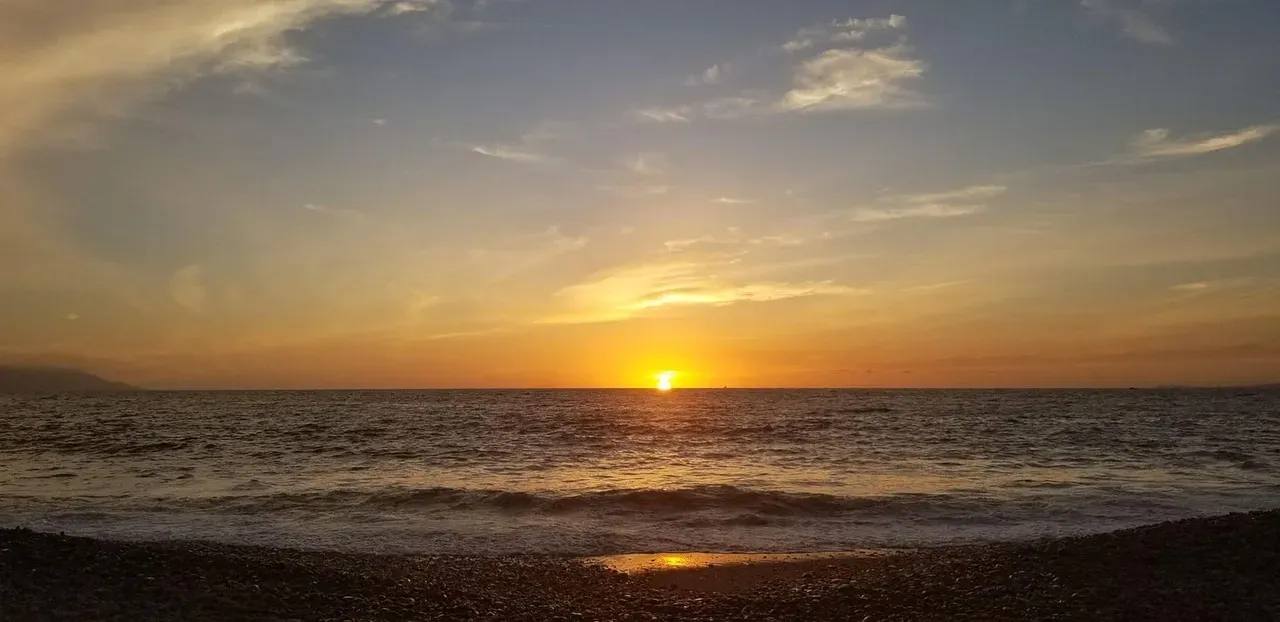
Puerto Vallarta is genuinely charming. The Malecon is lovely. The food scene is excellent. Many travelers adore it. Here is the thing, though: it carries a travel concern that often gets buried in travel blogs eager to sell you on the destination. Jalisco, the state that is home to Puerto Vallarta and Guadalajara, is one of seven Mexican states to have received a Level 3 travel advisory. Officials warn of the potential threat of crime and kidnapping.
The State Department does clarify that there are no other restrictions on travel for US government employees in tourist areas including Puerto Vallarta and neighboring Riviera Nayarit. Still, a Level 3 advisory is not nothing. It is a meaningful caution that deserves honest acknowledgment, not a footnote. Puerto Vallarta also saw arrivals drop by roughly five and a half percent in the first half of 2025, part of a broader trend of declining visitor numbers at Mexico’s most popular beach destinations.
Beyond the safety question, Puerto Vallarta has become noticeably more expensive over recent years. Prices for accommodation, dining, and excursions have climbed steadily, and the combination of higher costs and rising safety concerns has led a growing number of travelers to reassess whether it truly delivers value for money. Expect more crowds and higher prices than in the old days, as one travel outlet noted bluntly.
6. Riviera Maya: The Sargassum Coast
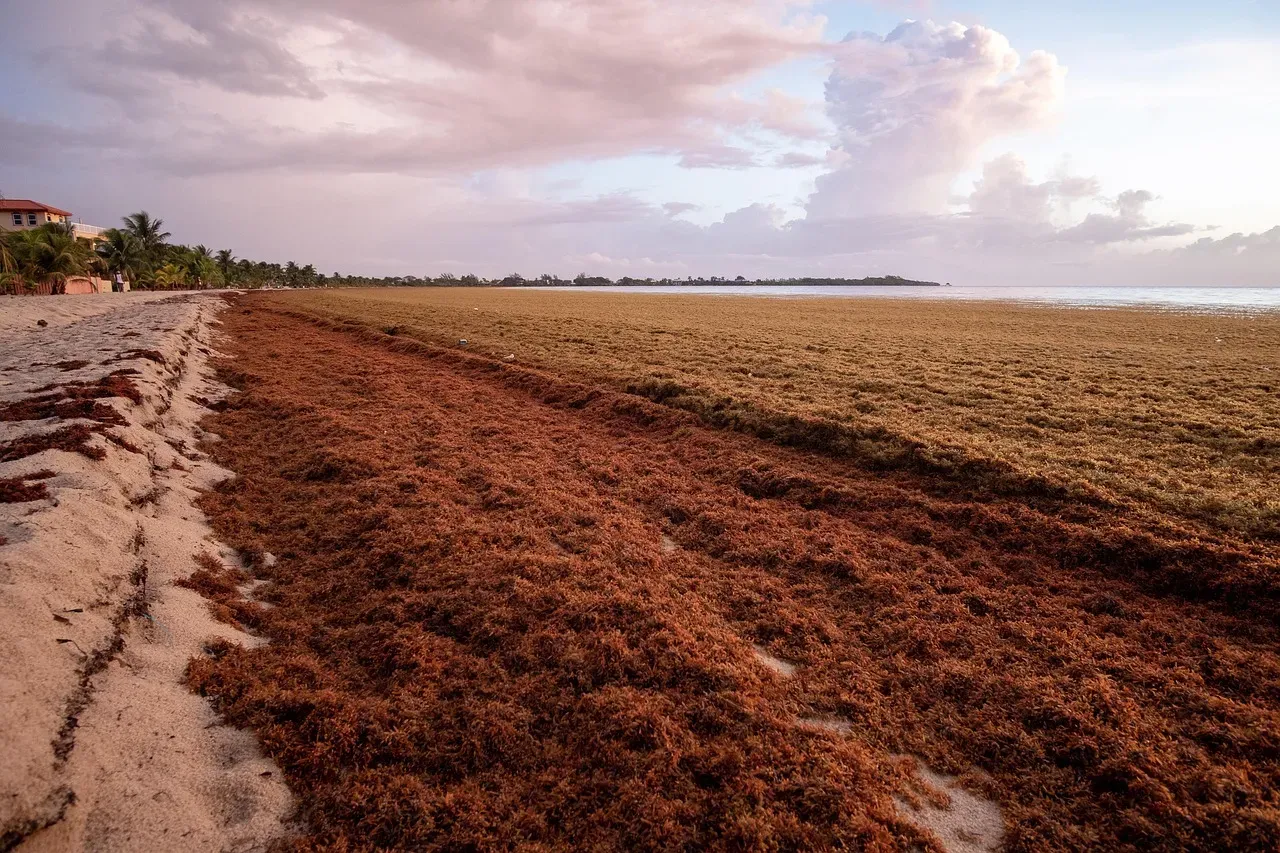
The Riviera Maya sounds like a dream on paper. A stretch of Caribbean coastline dotted with luxury resorts, cenotes, Mayan ruins, and powder-white sand. The reality in recent years has been considerably messier. The 2025 sargassum bloom hit record levels, with scientists reporting the largest influx of the brown seaweed ever recorded. By April, massive mats were washing ashore in unprecedented volumes, turning turquoise waters brown and filling the air with a rotting smell.
The odor is similar to rotten eggs because sargassum releases hydrogen sulfide gas as organic matter breaks down in the hot sun in huge clumps on the shore. The masses of seaweed are not just unpleasant to smell; they are also unsightly and can ruin the pristine appearance of the white sand beaches. Travelers consistently report paying premium resort prices and then spending their days looking at brown algae rather than turquoise water. That is a bitter trade-off.
Cancun and the Riviera Maya added over 5,000 new rooms between 2024 and early 2026, with several major properties coming online during that period. More supply has not translated to better value, though. It has largely translated to more competition for the same shrinking pool of satisfied visitors, many of whom are quietly redirecting their vacation plans to other parts of the world. You get the sense the Riviera Maya is running on reputation more than reality right now.
7. Sayulita: Gentrification Disguised as Boho Charm
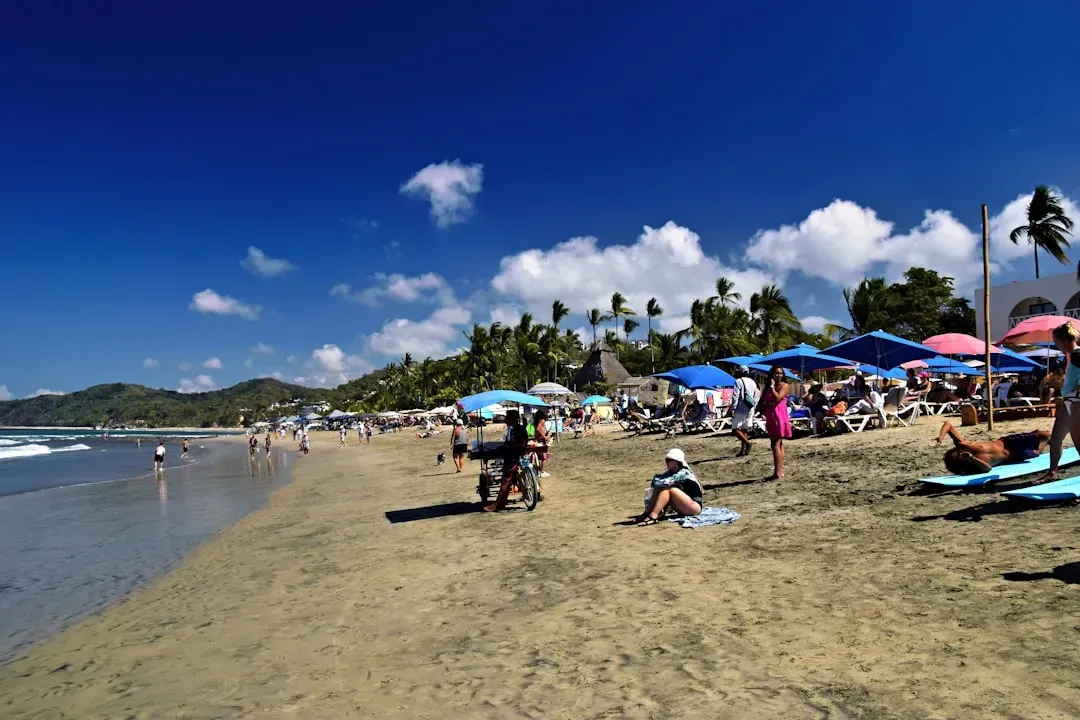
The colorful beach town of Sayulita is probably the most traversed of the smaller Mexican coastal towns, boasting one of the best beaches in Mexico according to travelers. It has also become crowded and too gentrified, according to many visitors. That tension between its reputation and its reality is exactly the kind of thing that makes a destination feel overhyped. People arrive expecting a rustic surf village and find boutique hotels charging Parisian nightly rates.
Sayulita is the boho-surf destination that has been all over Instagram, and travelers today can expect more crowds and higher prices than in the old days, though it still offers beginner-friendly waves, yoga studios, and colorful streets. The problem is the gap between the Instagram version and the on-the-ground version has widened considerably. What was once a genuine counterculture escape has become a trendy commodity, packaged and sold back to travelers at a steep markup.
It is hard not to feel a little sad about it, honestly. Sayulita’s charm was always rooted in its informality and accessibility. As prices have climbed and the streets have filled with tour groups, some of that original magic has evaporated. There are still good waves and good food, but the feeling of discovery that made early visitors love it is largely gone. You are now paying for the story of a place, not necessarily the place itself.
8. The Broader Pattern: Mexico’s Mass Tourism Problem
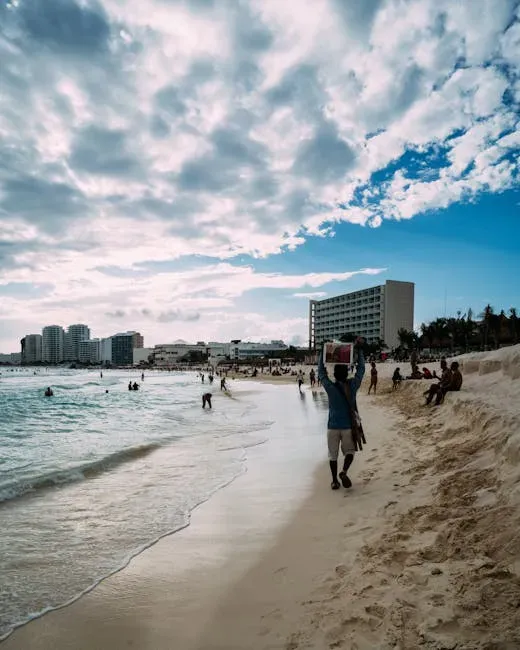
Mexico’s tourism revenue hit nearly $33 billion in 2024, up over seven percent from the previous year. That sounds impressive. Yet resorts in Cancun are almost entirely owned by international developers from Spain and the US, with only five or six owned by Mexican nationals. Just five big hotel operators control roughly four-fifths of all tourism in Cancun. The money flows in, but a significant portion flows right back out of the country.
Mexico’s inflation rate ran at roughly four and a half percent for 2024, notably higher than the US rate of 2.9%, and inflation in food and energy categories rose into double digits in late 2024. The minimum wage was raised by twelve percent on January 1, 2025, and businesses have had to pass those extra costs on to customers. That is the economic engine running underneath the rising price complaints: structural inflation affecting every menu, taxi, and hotel bill in the country’s most visited destinations.
Tourism from the United States to Mexico has slowed and is not meeting expectations, due in part to travel warnings and advisories posted by the US State Department, according to the Mexican Tourism Board. The warnings, the prices, the seaweed, the crowds, and the erosion of authenticity are all adding up. It is not that any traveler plans to go to a disappointing beach, but sometimes the most popular beach destinations can quickly deflate expectations when you realize how crowded, price-gouged, and generally overhyped they can be. Mexico’s coastline still holds genuine treasures. The challenge is that the treasures most people know about have largely been buried under hype, concrete, and inflated pricing.
What would you have guessed was Mexico’s most disappointing beach destination? Drop your experience in the comments below.