Americans Are Skipping These 10 National Parks – Here’s Why
The United States finished 2024 with a record-shattering number of national park visits. In 2024, the National Park Service notched a record-high 331.9 million recreation visits at more than 400 sites across the country. Sounds like Americans love their parks, right? Well, yes, but the story gets complicated fast.
The truth is that a handful of blockbuster parks are soaking up nearly all of those visits, while a stunning group of equally breathtaking parks sit almost completely empty. Millions of acres of wild, spectacular landscape, barely touched. Here’s a deep look at the ten parks Americans keep passing by, and the very real reasons why they do. Let’s dive in.
1. Gates of the Arctic National Park and Preserve, Alaska – The Most Remote Park in America
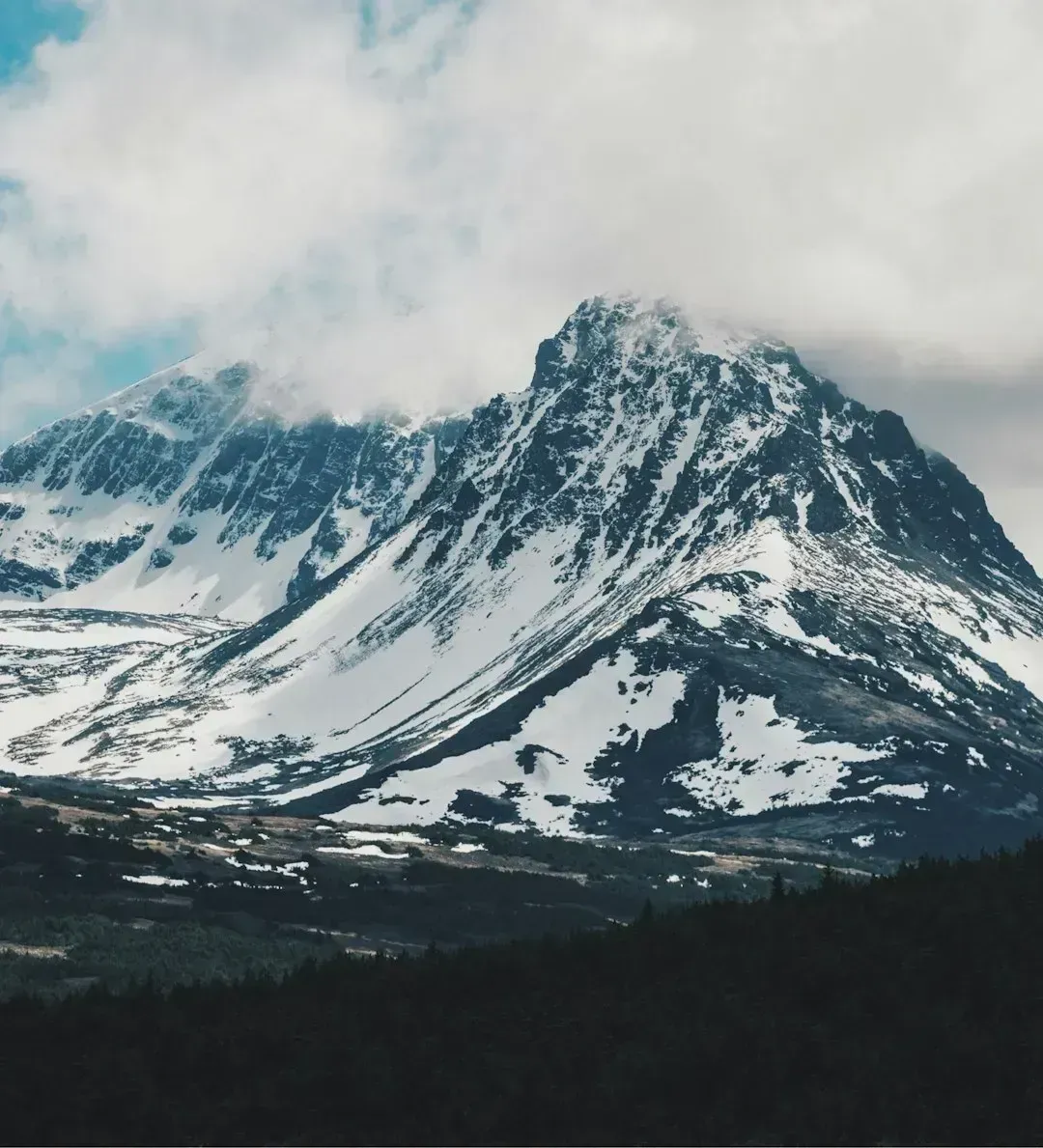
The least visited national park within the 50 U.S. states is Gates of the Arctic National Park in Alaska, which only had 11,907 visitors in 2024. To put that into context, the Great Smoky Mountains welcomed more than 12 million people the same year. That’s roughly a thousand times more traffic. Honestly, the disparity is almost hard to believe.
With no roads, no trails, no cell service and no established campsites, this massive expanse is a true wilderness experience. The only ways in are by air taxi from Fairbanks or an off-trail hike through unkempt terrain. Most people planning a casual getaway are simply not equipped, financially or physically, to take on a challenge like this. It’s pure, unfiltered wilderness, and that is exactly what keeps the crowds away.
2. North Cascades National Park, Washington – A Park You Can Almost See But Can’t Quite Reach
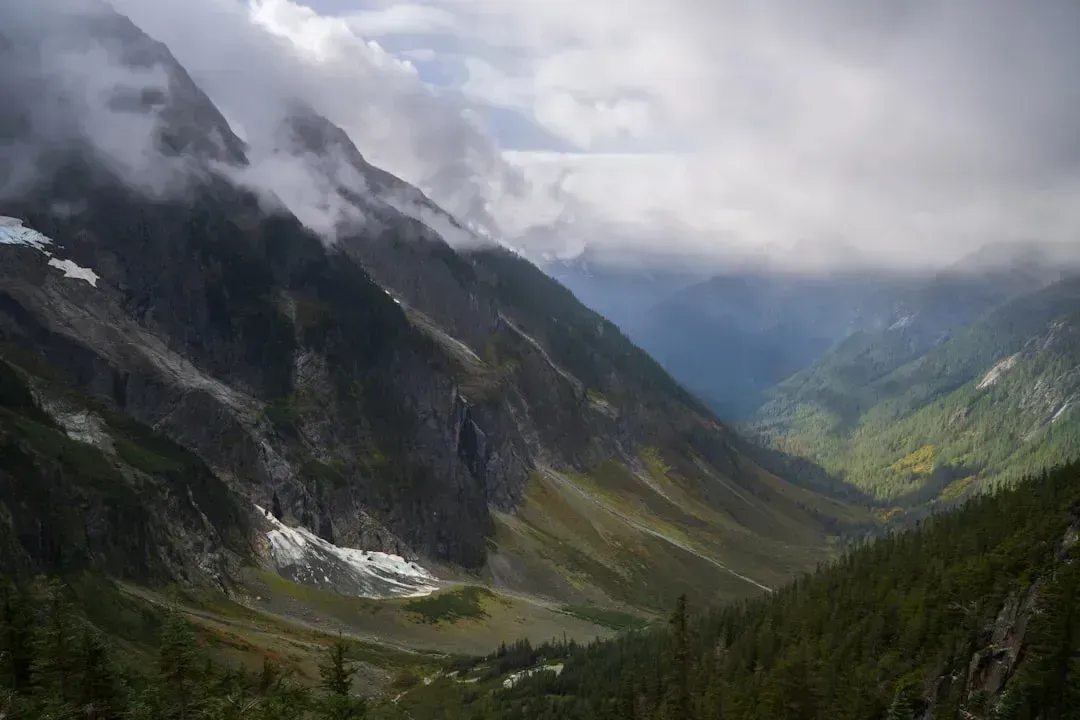
In 2024, North Cascades National Park recorded just 16,485 visitors, while the adjoining Ross Lake National Recreation Area reported 971,173 visitors and Lake Chelan National Recreation Area had 30,815 visitors. That statistic alone tells the whole story. People are driving right past the park boundaries without ever actually stepping inside. It’s a quirk of geography and map-drawing that genuinely baffles even seasoned hikers.
North Cascades is short on so-called “windshield wilderness,” where you can drive right up to the most scenic spot, and long on actual wilderness. What North Cascades lacks in full-service lodges, grandiose visitor centers, and name-brand attractions, it makes up for with breathtaking biological diversity, vast vertical relief and the most glaciers in the Lower 48. Heavy snows and a high risk of avalanches due to the steep terrain severely limit visitation in the winter, and the main road is closed for months at a time. It’s stunning, it’s wild, it just isn’t easy.
3. Kobuk Valley National Park, Alaska – No Roads. No Campgrounds. No Crowds.
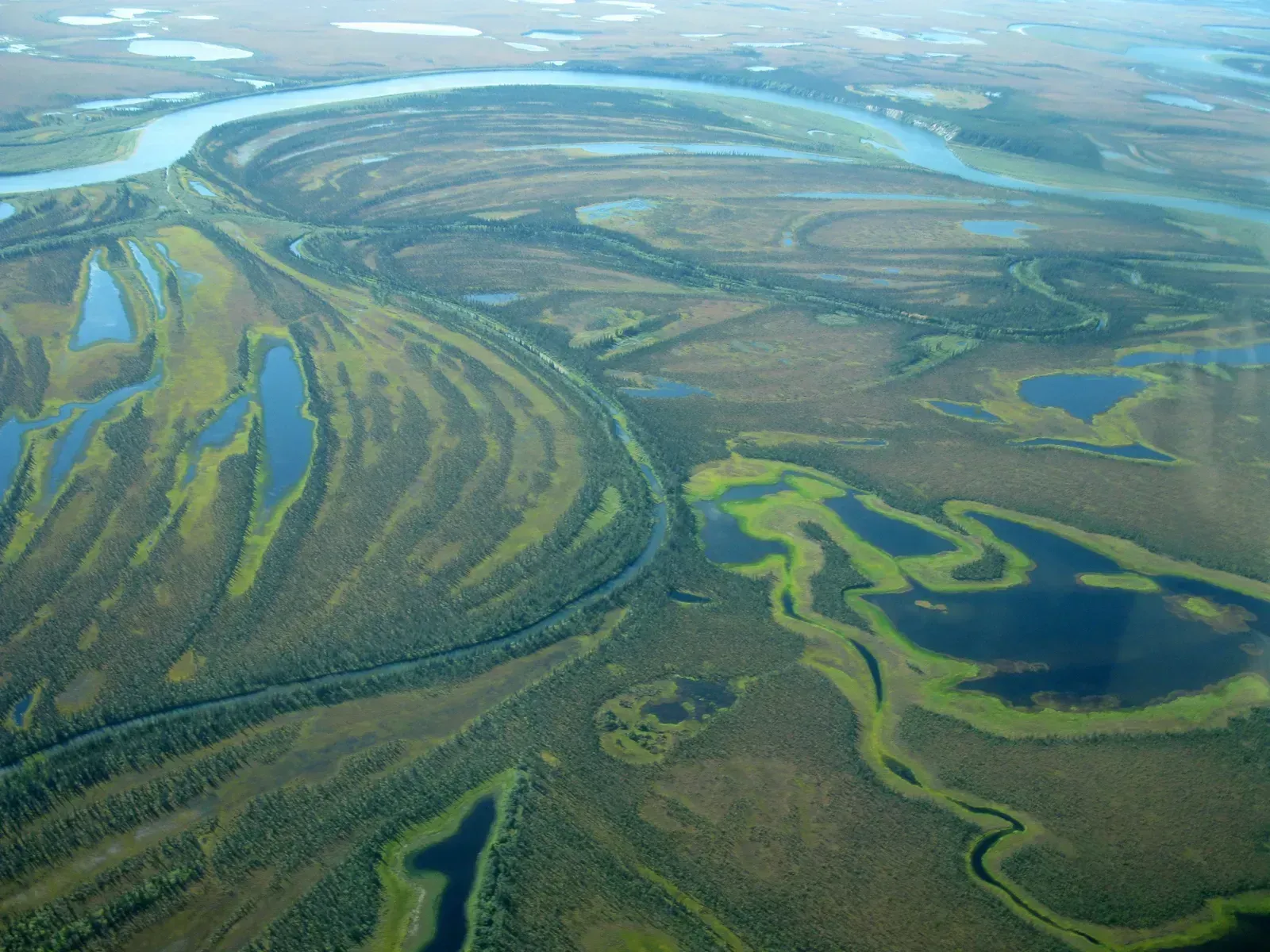
There are no roads, campgrounds or entrance gates for this 1.8 million-acre expanse’s human visitors. Kobuk Valley National Park recorded just 17,233 visits in 2024. The sheer logistical barrier of getting there is enough to make most travelers simply close the tab and book a flight to Yellowstone instead. And I honestly can’t blame them, given what it takes.
Simply getting to the park in the summer generally requires plane or boat trips, and reaching the park in the winter typically requires planes or snowmobiles. There are no roads, entrance gates, or campgrounds, and Kobuk Valley doesn’t even offer any services. Located entirely within the Arctic Circle and accessible only by bush plane, snowmobile, or river float, Kobuk Valley is known for its annual migration of roughly 400,000 caribou and its 20,000 acres of sand dunes. Sand dunes in the Arctic, by the way. That’s not a typo.
4. Lake Clark National Park and Preserve, Alaska – Volcanoes and Wild Rivers, With No Road Access
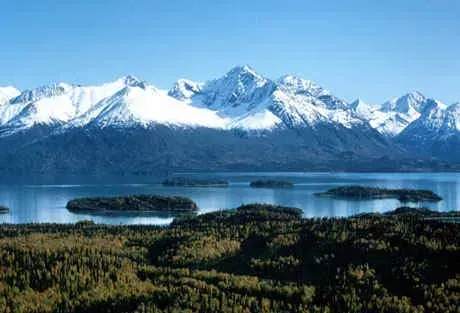
Lake Clark National Park and Preserve welcomed just 18,500 visitors in 2024, coming in as the fourth least-visited park. That is an astonishing number for a place that covers more than four million acres and contains two active volcanoes. The land holds 10,000 years of human history and preserves the ancestral homelands of the Dena’ina people.
Occupying 4 million acres, Lake Clark National Park and Preserve is a land of active volcanoes, mystical mountains, remote lakes, and meandering coastlines. The Dena’ina Athabascan peoples have called this area home for thousands of years. The unavoidable reality is that there is simply no road leading to the park. You need to fly in, full stop. For a family trying to plan a budget-friendly trip, that requirement is a complete dealbreaker.
5. National Park of American Samoa – You’ll Need a Passport and a Plane Ticket
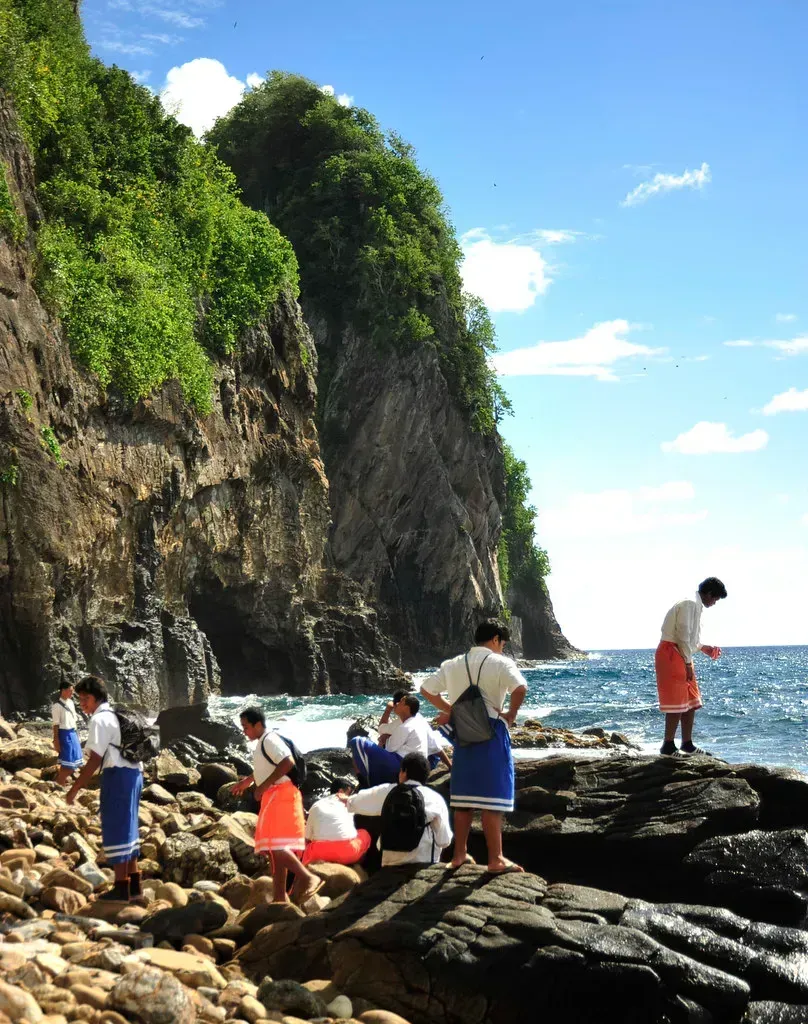
The National Park of American Samoa drew just 22,500 visitors in 2024. Most parkgoers will need a passport to visit this spot in a remote part of the South Pacific, and Hawaiian Airlines offers direct flights to American Samoa from Honolulu. Even for Americans who love to travel, this is a serious commitment. It’s not the kind of place you decide to visit on a long weekend.
The 8,256-acre National Park of American Samoa is a unique and remote destination located across three islands in the South Pacific. It is one of the few U.S. National Parks that protect tropical rainforest. The islands are home to some of the most pristine coral reefs in the Pacific, providing excellent opportunities for snorkeling and observing marine life in its natural habitat. After sharp declines during recent years, the National Park of American Samoa saw an 86 percent increase in recreational visitors over a recent year, likely recovering from pandemic-era drops. Still, the numbers stay tiny compared to anything on the mainland.
6. Isle Royale National Park, Michigan – An Island With a Six-Month Window
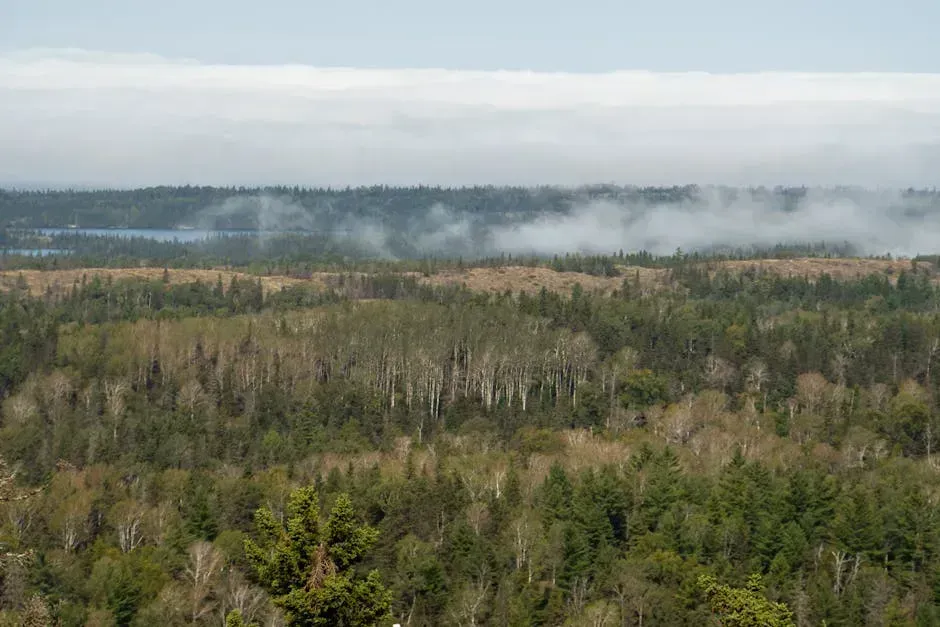
Isle Royale National Park in Michigan ranked as the sixth least-visited national park, welcoming just under 30,000 visitors in 2024. The park sits in the middle of Lake Superior, and getting there is, to put it plainly, an adventure in itself. An isolated archipelago in Lake Superior, Isle Royale boasts 165 miles of trails and more than 30 campgrounds, and it’s open from mid-April through the end of October, with ferry and seaplane service typically running from mid-May through the end of September.
There are fewer mammal species here, only 18, than on the mainland because animals must cross at least 14 miles of Lake Superior. Wolves and moose are among the notable animal residents. The combination of a narrow season, ferry-only access, and the requirement for serious backcountry preparation keeps the visitor count low year after year. Still, those 30,000 people who do make the journey tend to describe it as one of the most spectacular trips of their lives.
7. Katmai National Park and Preserve, Alaska – Bears, Brooks Falls, and a Brutal Travel Bill
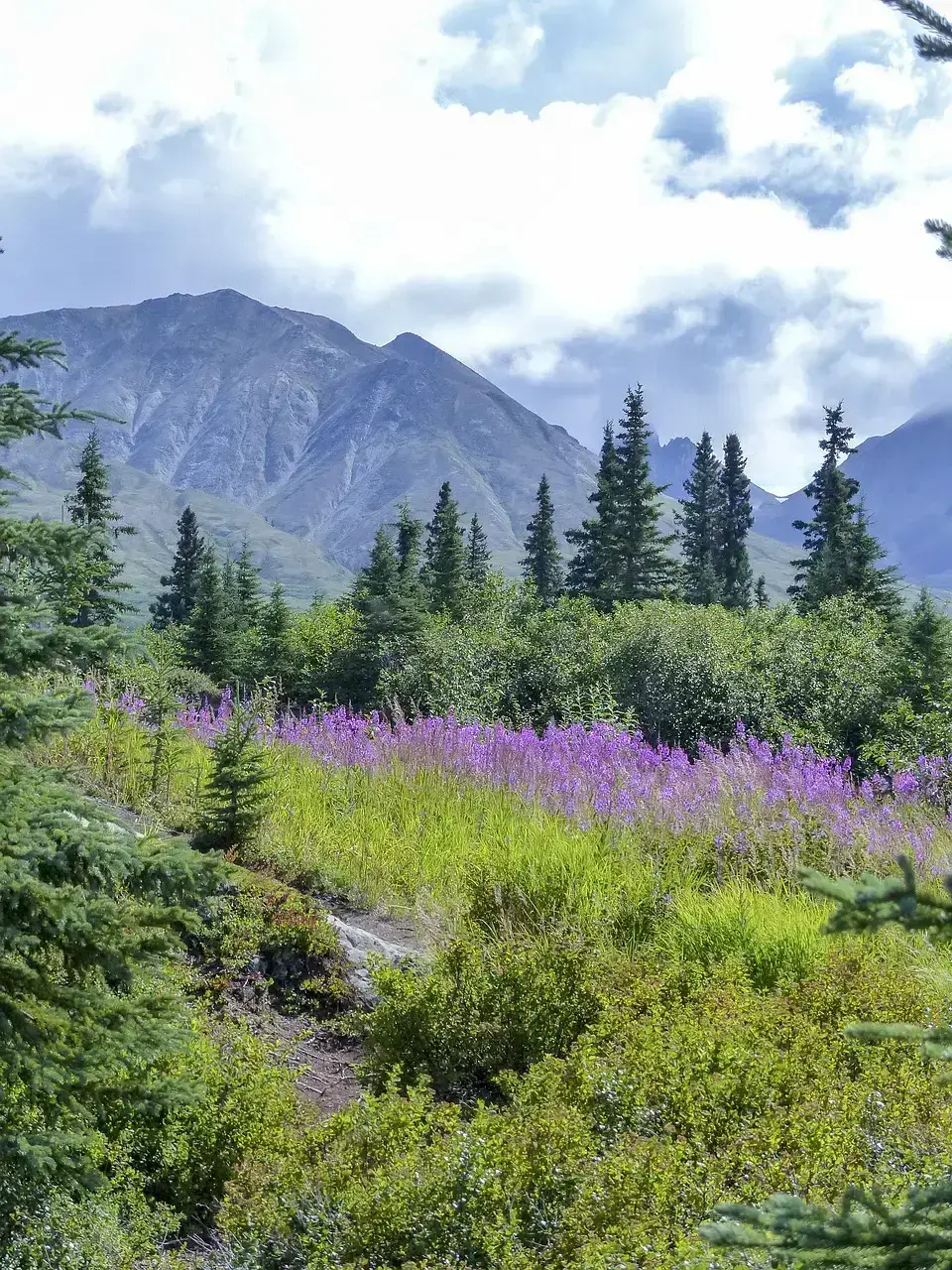
Katmai National Park and Preserve in Alaska welcomed around 36,000 visitors in 2024. Located in Alaska, Katmai is most famous for the brown bears of Brooks Falls, where visitors can watch bears catching salmon. The famous Fat Bear Week has gone viral online every fall for years now, yet it hasn’t translated into a surge of actual visitors. That gap between internet fame and real-world foot traffic is pretty telling.
Katmai, which was established in 1918, may be open year-round, but the remote spot is not accessible by car. Instead, visitors need to fly some 300 miles via commercial plane from Anchorage, or they can make the journey on a private or chartered boat. Flying into a remote Alaskan wilderness for a few days of bear watching is a deeply compelling idea. The cost, though, is enough to make most people stop and reconsider before they even open a browser.
8. Wrangell-St. Elias National Park and Preserve, Alaska – America’s Biggest Park, With Almost Nobody In It
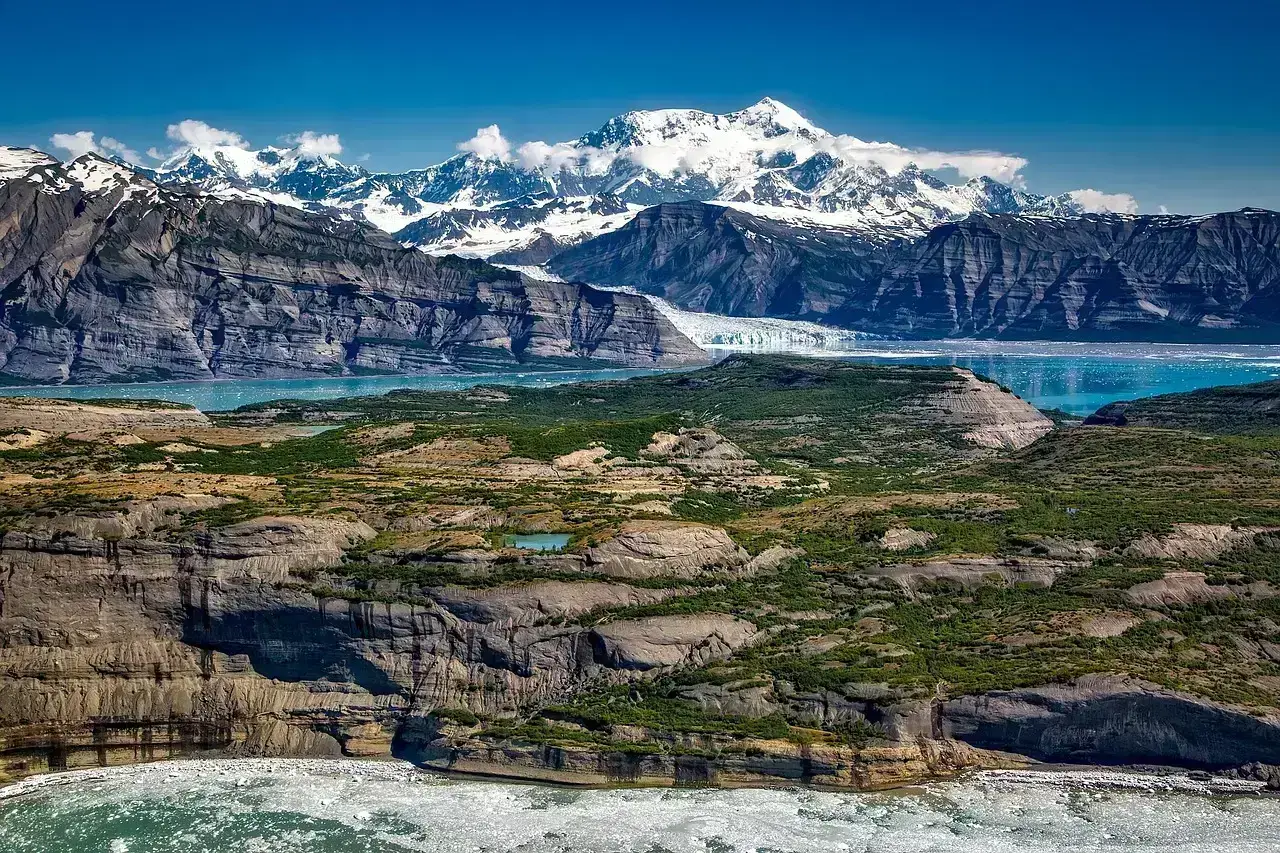
Wrangell-St. Elias National Park and Preserve recorded around 81,670 visitors in 2024. America’s largest national park, Wrangell-St. Elias encompasses 13.2 million acres, or about the size of Yellowstone National Park, Yosemite National Park and Switzerland combined, the Park Service says. Let that sink in for a second. The entirety of Switzerland, plus two of America’s most famous parks, all rolled into one, and it’s getting about as many visitors as a mid-sized regional amusement park in Ohio.
Most of the park is backcountry, and visitor services are limited. There are some maintained trails in the frontcountry Nabesna and McCarthy areas. The Wrangell and St. Elias ranges contain some of the largest volcanoes and the highest concentration of glaciers in North America. Thousands of lava flows and some of the highest peaks in North America are found in the Wrangell Volcanic Field. It even includes Mount Wrangell, one of the largest active volcanoes in the world. The scale here is genuinely hard to process. The park is epic in every direction, yet it remains nearly invisible to most American travelers.
9. Dry Tortugas National Park, Florida – A Boat Ride Away and Still Worth Every Penny
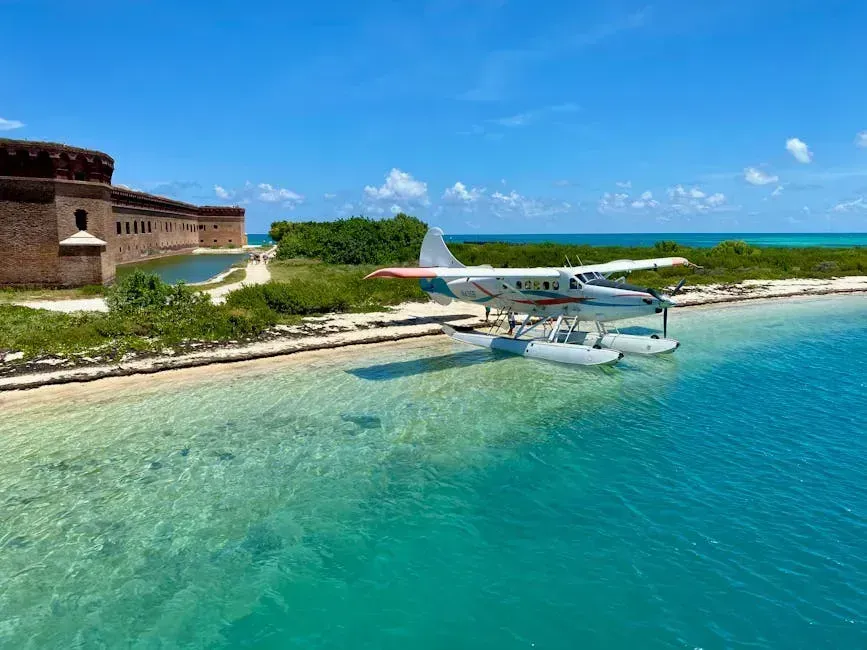
Dry Tortugas National Park recorded 84,873 visits in 2024, landing it among the ten least-visited national parks. Situated in the Gulf of Mexico, the 64,701-acre Dry Tortugas National Park is accessible only by boat or seaplane. It is famous for its 19th-century Fort Jefferson, crystal clear waters, and coral reefs. The word “accessible” in that sentence is doing some heavy lifting, because for most families it simply isn’t an easy option.
Reachable only by boat or seaplane, Dry Tortugas consists of seven keys, located about 70 miles west of Key West and surrounded by the wildlife-rich waters of the Gulf of Mexico. Snorkelers and scuba divers can spot brightly colored sea creatures around the Windjammer shipwreck. Besides the wildlife found underwater, some 200 bird species pass through the park during the spring migration. Here’s the thing: despite the low overall numbers, the Yankee Freedom Ferry books up months in advance and campsites are critically hard to come by. So the people who do show up are deeply committed, and they book early.
10. Great Basin National Park, Nevada – A Desert Gem That Almost Nobody Knows Exists
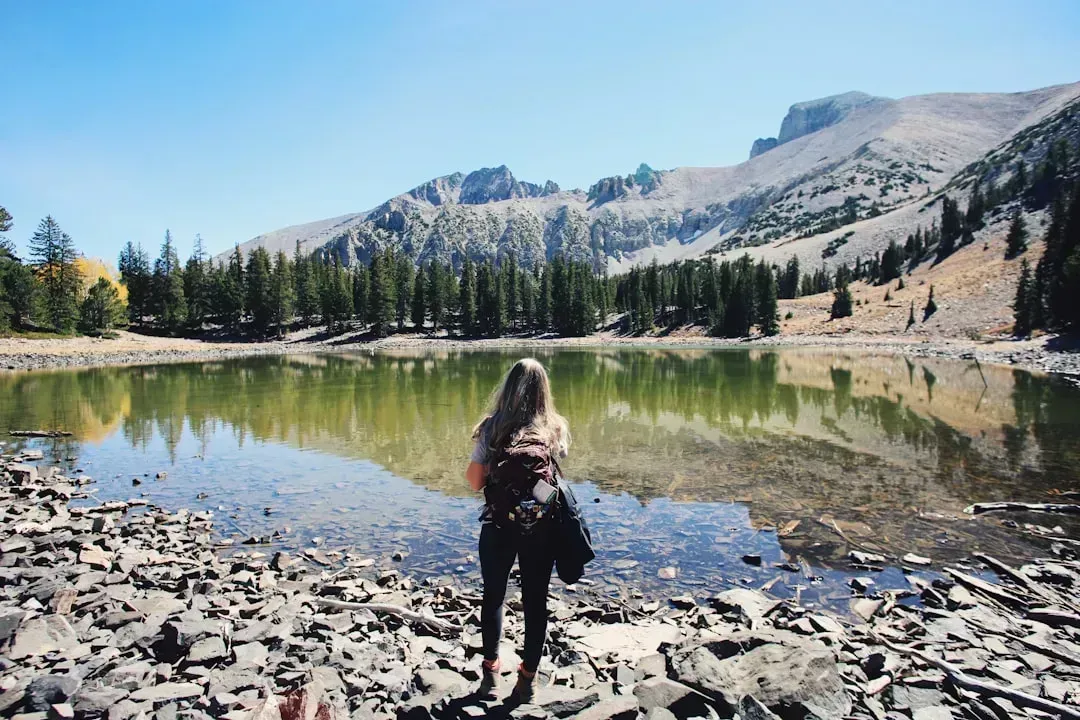
Great Basin National Park welcomed just over 152,000 visitors in 2024, ranking tenth among the least-visited national parks. For a park in the continental United States, with actual road access, that number is almost shockingly low. Nobody expects there to be an amazing national park tucked into the Nevada desert, but Great Basin is one of the most underrated parks in America. In a single day, you can explore beautiful Lehman Caves, hike to the top of the 13,000-foot Wheeler Peak, and see a bristlecone pine, the oldest living organism on earth.
In Nevada, Great Basin National Park is noted for its ancient bristlecone pines and the Lehman Caves. It offers diverse activities from spelunking to stargazing despite its small size of 77,180 acres. The park’s biggest problem is arguably its name recognition. Nevada means Las Vegas to most people. Nobody is flying to Reno and then driving three hours into the desert to see a cave, even if the cave is extraordinary. A park’s popularity can depend on many things, including ease of access, perceived natural beauty, social popularity and recreational opportunities, and Great Basin simply hasn’t cracked the social-media algorithm the way Zion or the Grand Canyon have.