Desalination’s Hidden Downside: Why It May Not Be the Water Solution We Expected
Desalination has long been promoted as humanity’s trump card against water scarcity. With oceans covering most of the planet’s surface, the idea of simply removing the salt and drinking freely seems almost too logical to question. Yet behind the gleaming pipes and high-pressure membranes of modern desalination plants lies a growing set of problems that scientists, engineers, and policymakers are only beginning to fully reckon with. The technology works, but at a cost that extends far beyond the electricity bill.
The Brine Problem: What Goes Back Into the Ocean

When desalination separates dissolved salts from seawater, it co-produces a discharge stream called “brine,” which is a hyper-saline solution that may also contain chemicals such as iron chloride, sodium hypochlorite, aluminum chloride, and sulfuric acid from various operations within the plant. This toxic cocktail doesn’t simply disappear. Currently, brine is disposed of into the marine environment, and several serious environmental concerns have followed.
Seawater reverse osmosis facilities produce freshwater while simultaneously discharging hypersaline brine that often includes chemical additives such as antiscalants and coagulants. This dense brine can sink to the sea bottom and creep over the seabed, reaching up to 5 km from the discharge point. Disposal of brine with high salinity and temperature poses significant environmental concerns, including elevated salinity in water bodies and regional effects on marine benthic communities near the discharge area. The high salinity, temperature, and heavy metals can also cause eutrophication, decreasing dissolved oxygen and driving species extinction, especially in coral reefs.
Coral Reefs and Seagrass: Ecosystems Under Pressure

Sessile organisms such as corals and plants lack the ability to regulate osmotic pressure when salinity changes and are therefore more susceptible to increased salinity from brine discharge. The consequences on real ecosystems have been documented. Brine discharges have resulted in the depletion of fish populations as well as the death of corals and plankton in the Red Sea, while the Ras Hunjurah lagoon in the UAE suffered increased mortality of its mangroves and marine vegetation, as well as elevated copper and nickel levels caused by brine discharge.
The density of brine causes it to sink to the seafloor, smothering benthic habitats like coral reefs and seagrass beds. These habitats are crucial for marine biodiversity, providing shelter and feeding grounds for numerous species. The destruction of these habitats can have far-reaching consequences for the entire marine ecosystem. Studies indicate a suite of impacts from brine on benthic organisms, including bacteria, seagrasses, polychaetes, and corals, with effects within the discharge mixing zones ranging from impaired activities and morphological deformations to changes in the community composition.
An Enormous Energy Appetite and Its Carbon Consequences
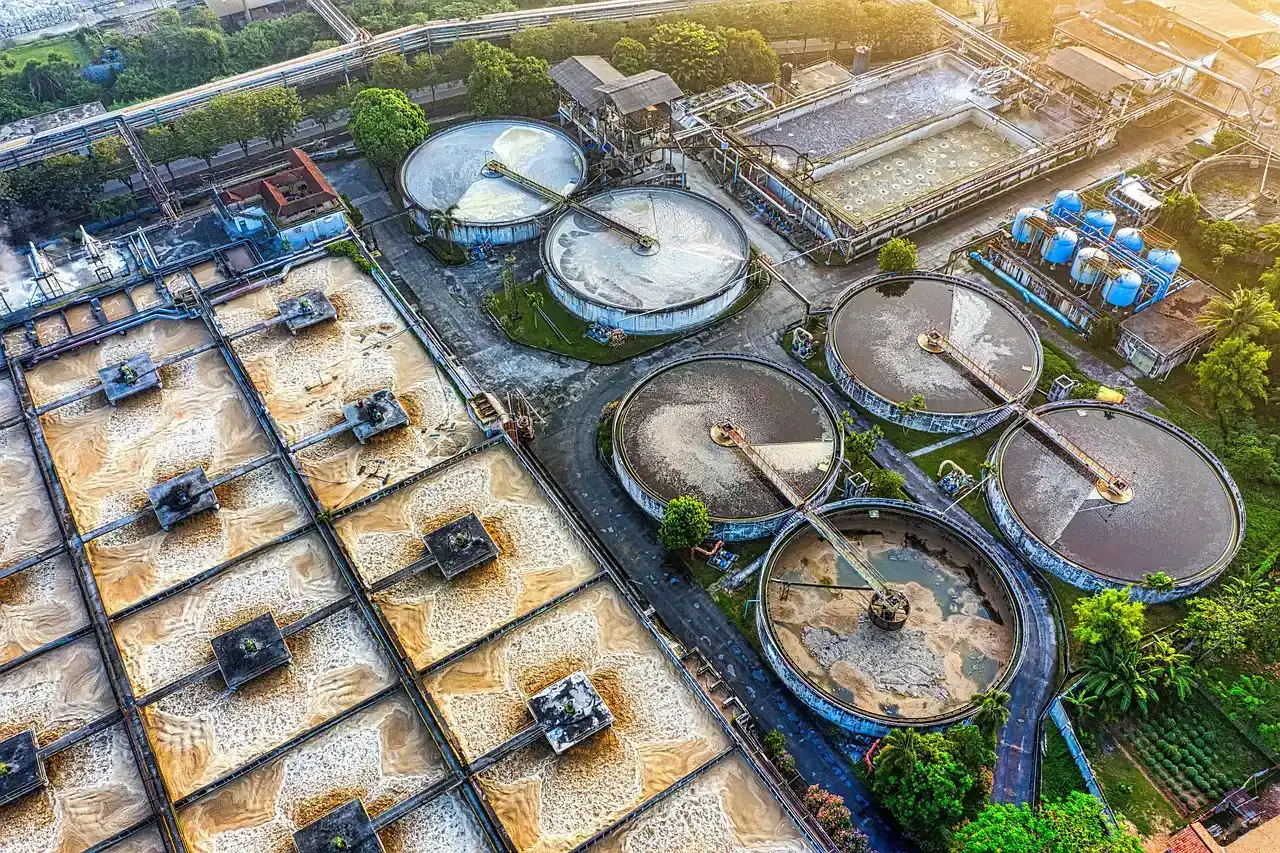
Desalination technologies are energy-intensive, and the energy required is currently produced predominantly using fossil fuels. The use of fossil fuels is associated with emissions of greenhouse gases and air pollutants. According to the United Nations World Water Development Report 2024, desalination is very energy-intensive, accounting for one quarter of the energy used in the water sector globally. That is a staggering share for a technology that still serves a fraction of the world’s population.
Research published in 2024 found carbon footprints of roughly 3.26, 2.87, and 3.08 kg CO₂-equivalent per cubic meter for three key reverse osmosis applications, with operational power as the main carbon source, followed by chemical use, membrane production, and disposal. The sector is booming, with annual capacity growth of 6 to 12 percent and more than 21,000 desalination plants operating worldwide by 2022. Yet currently only 1 percent of desalination plants are powered by low-carbon energy sources.
The Cost Barrier and Who Gets Left Behind
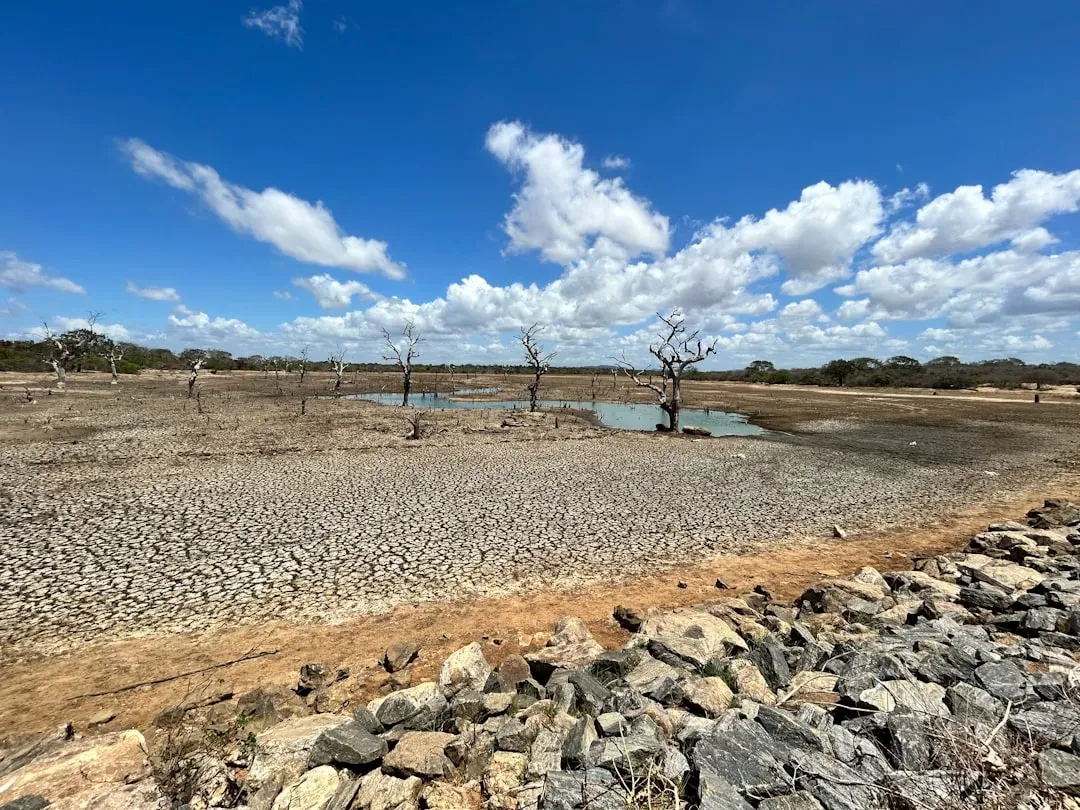
Large-scale desalination plants are expensive, with investments typically running into the hundreds of millions of dollars. Unsurprisingly, the majority of recently built plants are located in prosperous countries such as the UAE and Israel, or were designed to supply major cities in Australia or the United States. This creates a stark divide between the nations that can afford to desalinate and the ones that need clean water most urgently. Challenges to the widespread adoption of desalination include expense, significant energy use, the need for specialized staff training, the large carbon footprint of facilities, greenhouse gas emissions, chemical discharge, and operational problems such as membrane fouling.
In terms of geographical distribution, low-income, water-stressed countries in North and East Africa, the Middle East, Central Asia, and South Asia face the greatest challenges, as limited financial and energy resources hinder the viability of widespread desalination. Predictions based on World Bank and FAO data show that by 2050, roughly 2 billion people living in 44 countries will likely suffer from water scarcity, of which 95 percent may live in developing countries. Among those most strongly affected are Uganda, Burundi, Nigeria, Somalia, Malawi, Eritrea, Ethiopia, Haiti, Tanzania, Niger, Zimbabwe, Afghanistan, Sudan, and Pakistan. Most of these countries have yet to establish meaningful desalination infrastructure.
Climate Feedback: Desalination Could Worsen the Problem It Solves
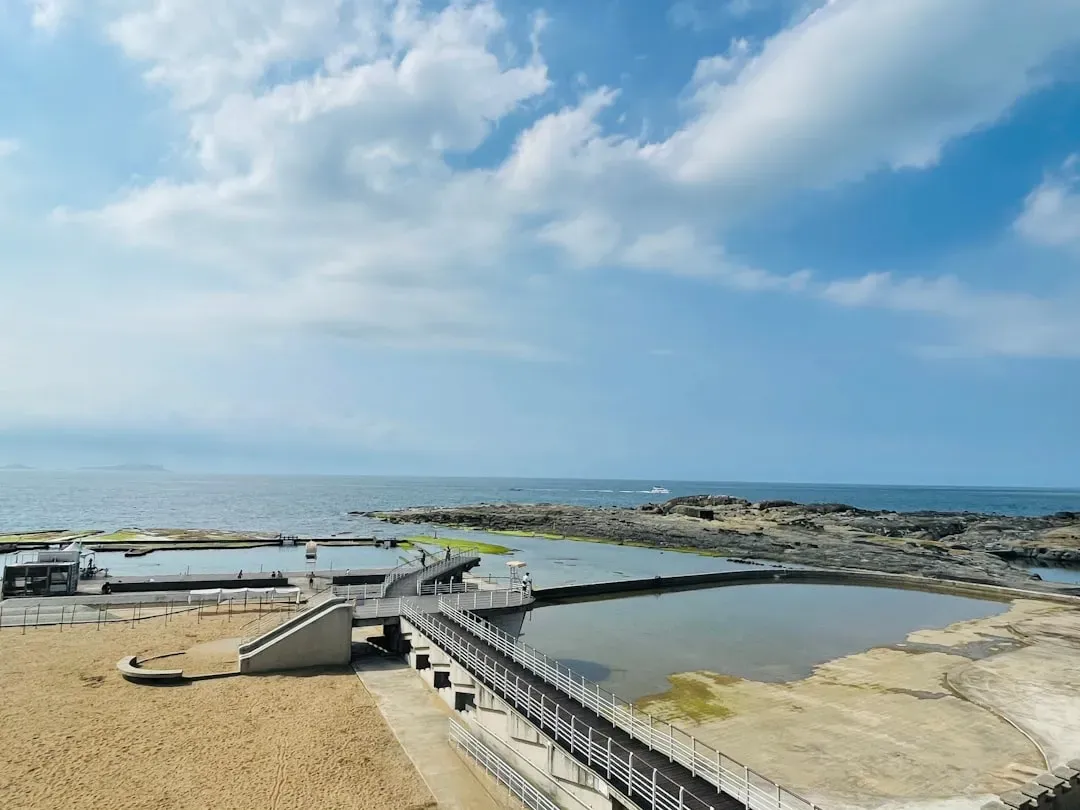
Without rapid grid decarbonization or dedicated renewable energy, desalination risks locking countries into a high-emissions water future. Ensuring its long-term sustainability will require low-carbon energy transitions and targeted economic support, especially for nations most vulnerable to energy insecurity and climate inequality. There is a troubling irony in this: the very climate change that drives water scarcity is being worsened by the carbon-heavy way desalination is currently powered. Due to its substantial energy requirements, desalination contributes significantly to greenhouse gas emissions. As most desalination plants still rely on fossil fuels for a significant portion of their energy, they add to the carbon footprint, exacerbating the very climate issues they aim to mitigate.
Research published in 2025 found that thermal-based desalination technologies exhibit energy intensities of 80 to 100 kWh per cubic meter, with coal-powered carbon footprints reaching 72 to 100 kg CO₂ per cubic meter. Membrane-based technologies such as reverse osmosis perform better at 2 to 6 kWh per cubic meter, with lower emissions under coal power. Transitioning to renewable energy sources could reduce those emissions by 90 to 95 percent – a powerful opportunity that remains vastly underutilized given that nearly all plants still rely on fossil fuels.
A Technology That Works, But Not for Everyone, and Not Without Consequences
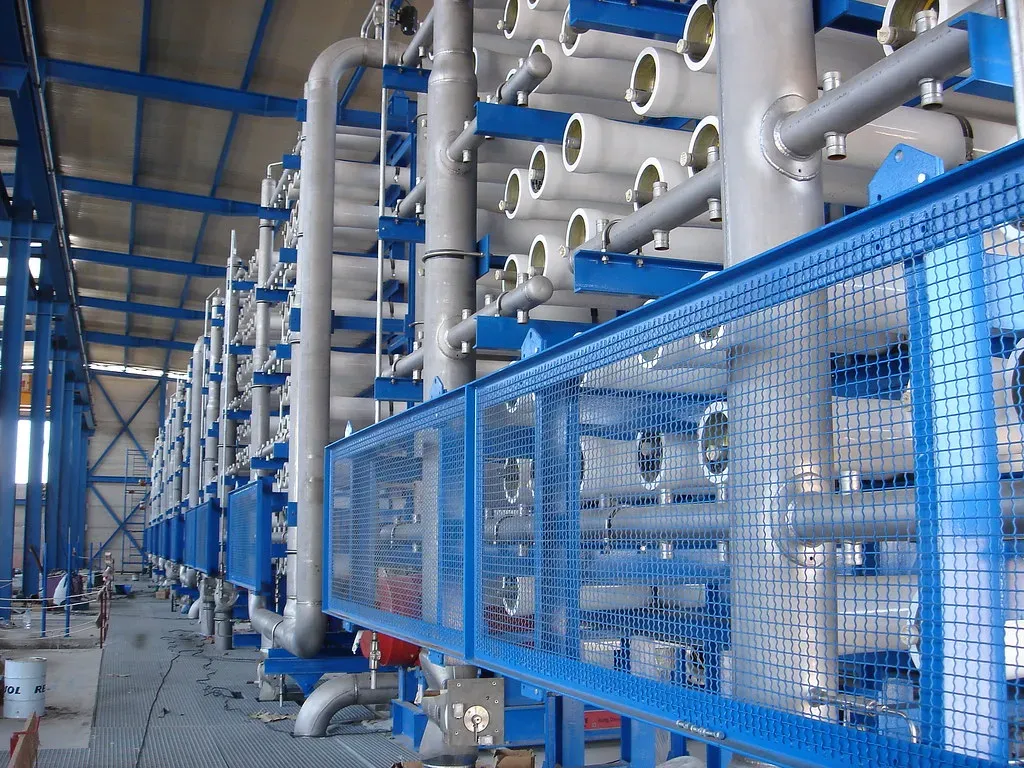
A natural resources crisis like water scarcity is listed in the World Economic Forum’s 2024 Global Risks Report as one of the top-10 threats facing the world in the next decade. Desalination is real, operational, and genuinely life-sustaining for hundreds of millions of people. Currently, desalination is practiced in 150 countries around the world, and more than 300 million people depend on desalinated water for their daily needs. That is not a number anyone should dismiss lightly.
The urgency of rethinking brine management and advocating for integrated approaches that balance water security with resource efficiency in a water-constrained world cannot be overstated. Without rapid grid decarbonization or dedicated renewable energy, desalination risks locking countries into a high-emissions water future. Ensuring its long-term sustainability will require low-carbon energy transitions and targeted economic support, especially for nations most vulnerable to energy insecurity and climate inequality. Whether the world gets that transition right will determine whether desalination becomes part of the climate solution or a quiet contributor to an accelerating crisis.