Hidden Fees: 10 European Cities That Just Started Charging a “Tourist Tax” You Didn’t Budget For
Planning your European vacation just got more expensive. You’ve probably calculated flights, hotels, and maybe even that sunset gondola ride. Yet here’s the thing: cities across Europe have quietly rolled out new fees that catch travelers off guard at checkout. We’re talking about tourist taxes that can add anywhere from five to fifteen euros per night to your stay.
These aren’t the old, familiar charges you might remember from previous trips. Over the past couple of years, particularly heading into late 2024 and through 2025, multiple destinations have either introduced brand-new levies or dramatically increased existing ones. Some of these changes happened so recently that even seasoned travelers are getting blindsided.
Venice Charges Day Visitors for Simply Walking Through
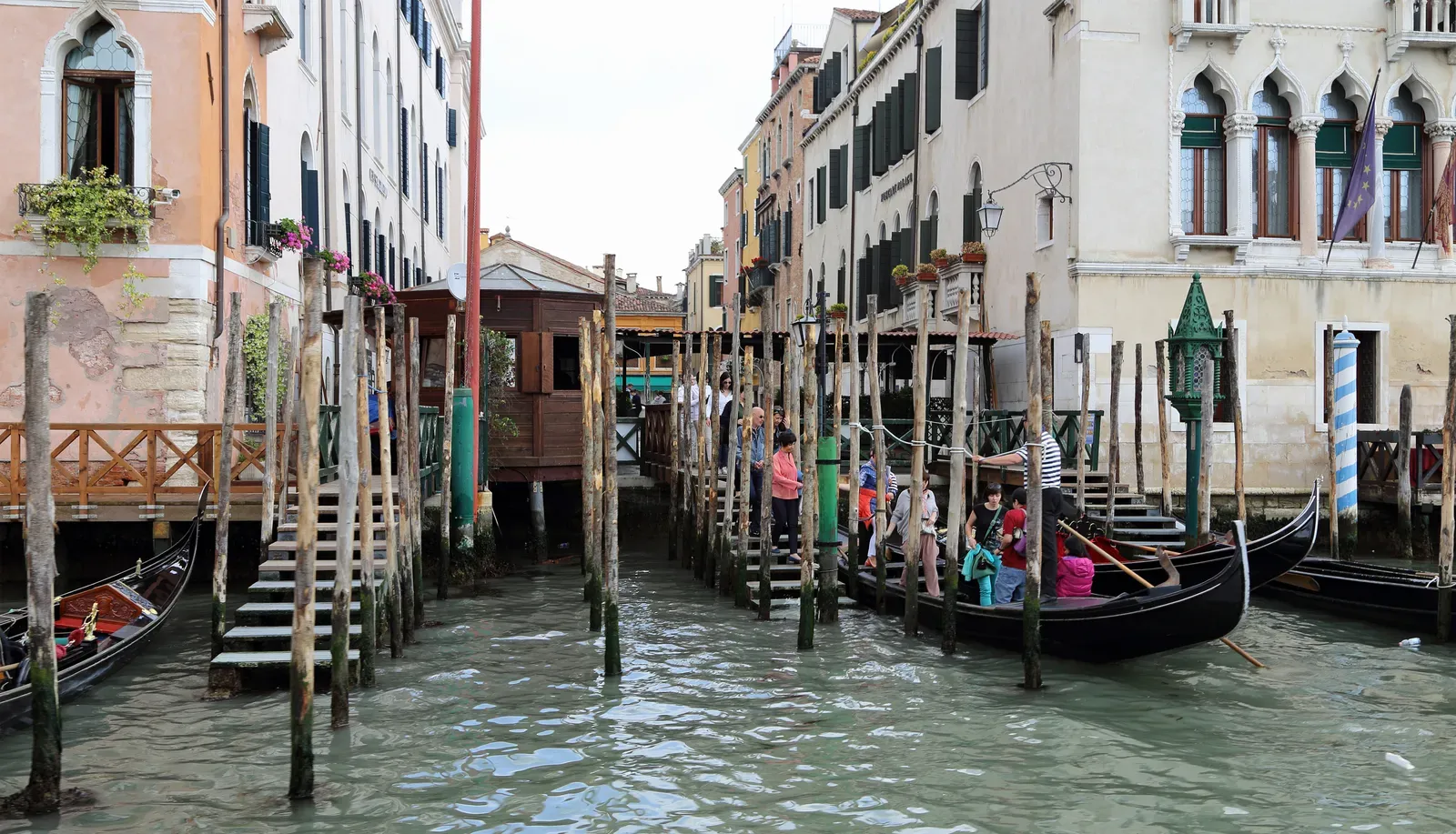
Venice confirmed that its daytripper fee, introduced in summer 2024, will return in 2026, extending to 60 days compared to 54 in 2025. This isn’t your typical hotel tax. The Venice Access Fee is a five euro charge applied to day-trippers entering the historic center during peak periods, applying to visitors over age 14.
The fee costs five euros per person when booked in advance or ten euros for last-minute payments, active between 8:30 AM and 4:00 PM on selected high-traffic days. In 2026, daytrippers will be required to pay from Friday to Sunday in April, May, June, and July. If you arrive for dinner after four in the afternoon, you’re in the clear. Overnight guests don’t pay this fee since they already contribute through accommodation taxes, but they still need to register online.
Peak day saw roughly 24,951 paying visitors on May 2, 2025, with average day-tripper entries only slightly lower than the previous year’s, indicating no dramatic crowd reduction. Let’s be real, the canals will still be packed regardless of the charge.
Amsterdam Now Has Europe’s Steepest Accommodation Tax
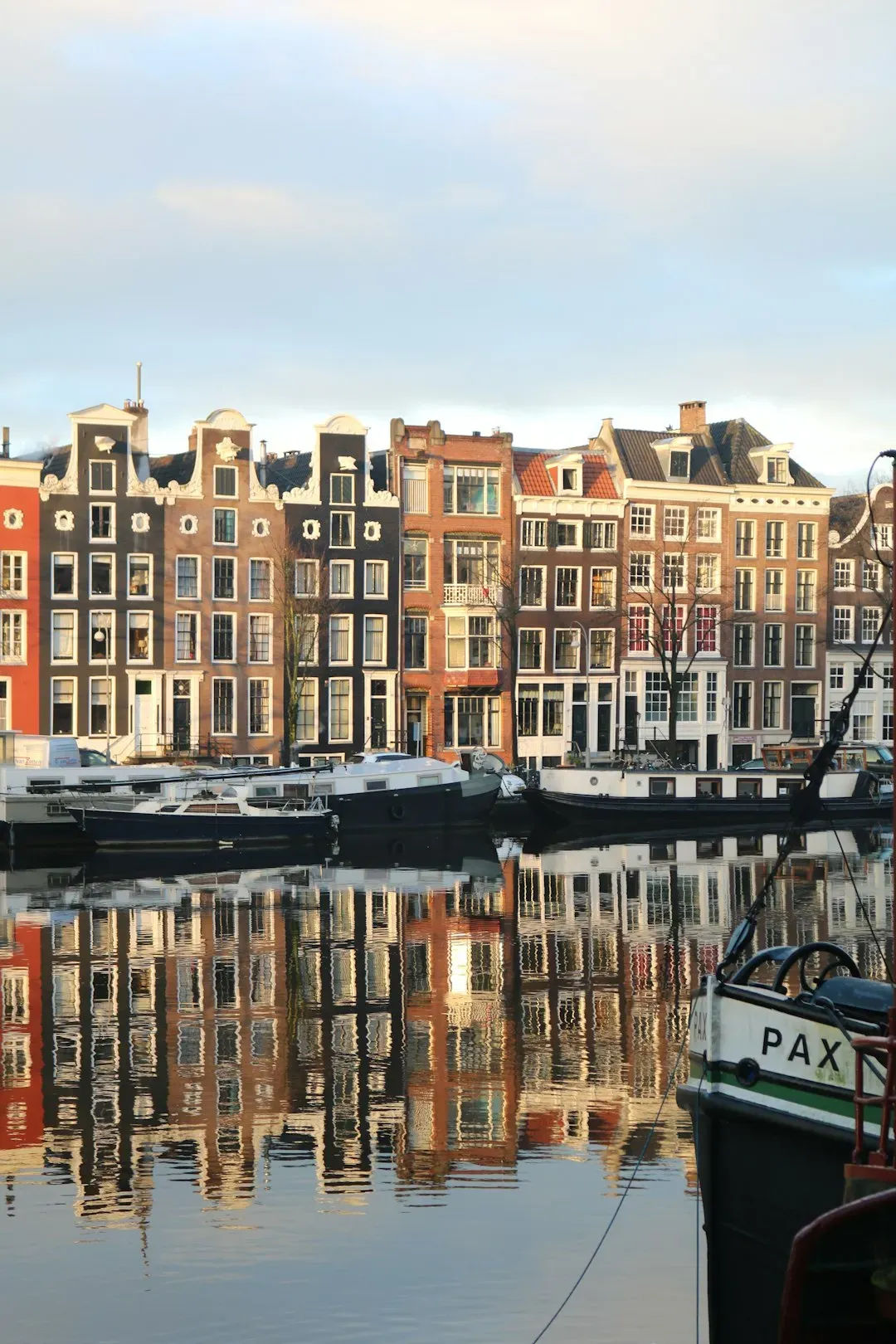
Amsterdam confirmed a rise of its tourist tax on hotel rooms to 12.5% in 2024, making it the highest tourist tax in Europe. This means that the tax on the average room rate of €175 per person will rise from €15.25 to €21.80 per night. Think about that for a moment – nearly twenty-two euros added every single night.
Cruise passengers arriving by sea or river who are aged 2 and older face a separate €15.00 per person per day visitor tax. The total hotel tax in Netherlands will go up to 33.5% (12.5% tourist tax plus 21% VAT) in 2026 for Amsterdam specifically. Sure, you could stay outside the city and train in, but Amsterdam’s goal here is crystal clear: make mass tourism less appealing financially.
Barcelona Approved a Gradual Tax Hike Through 2029

The Catalan capital hasn’t been shy about its tax ambitions. Starting in July 2025, Barcelona City Council approved a phased increase where the municipal surcharge will rise by one euro each year, from the current four euros to eight euros, meaning the total tourist tax could reach between ten and fifteen euros for stays in hotels and premium accommodations.
Visitors between six and eleven euros a night depending on the type of accommodation they are staying in, with these fees rising from May 1, 2025. Currently, Barcelona charges a municipal fee of four euros, with the Catalan government raising the cap on Barcelona’s tourist tax to eight euros per night, so added together, travelers could pay a combined tourist tax of up to fifteen euros per person per night. For a family of four staying a week, that’s going to sting.
Edinburgh Becomes First UK City With Mandatory Visitor Levy
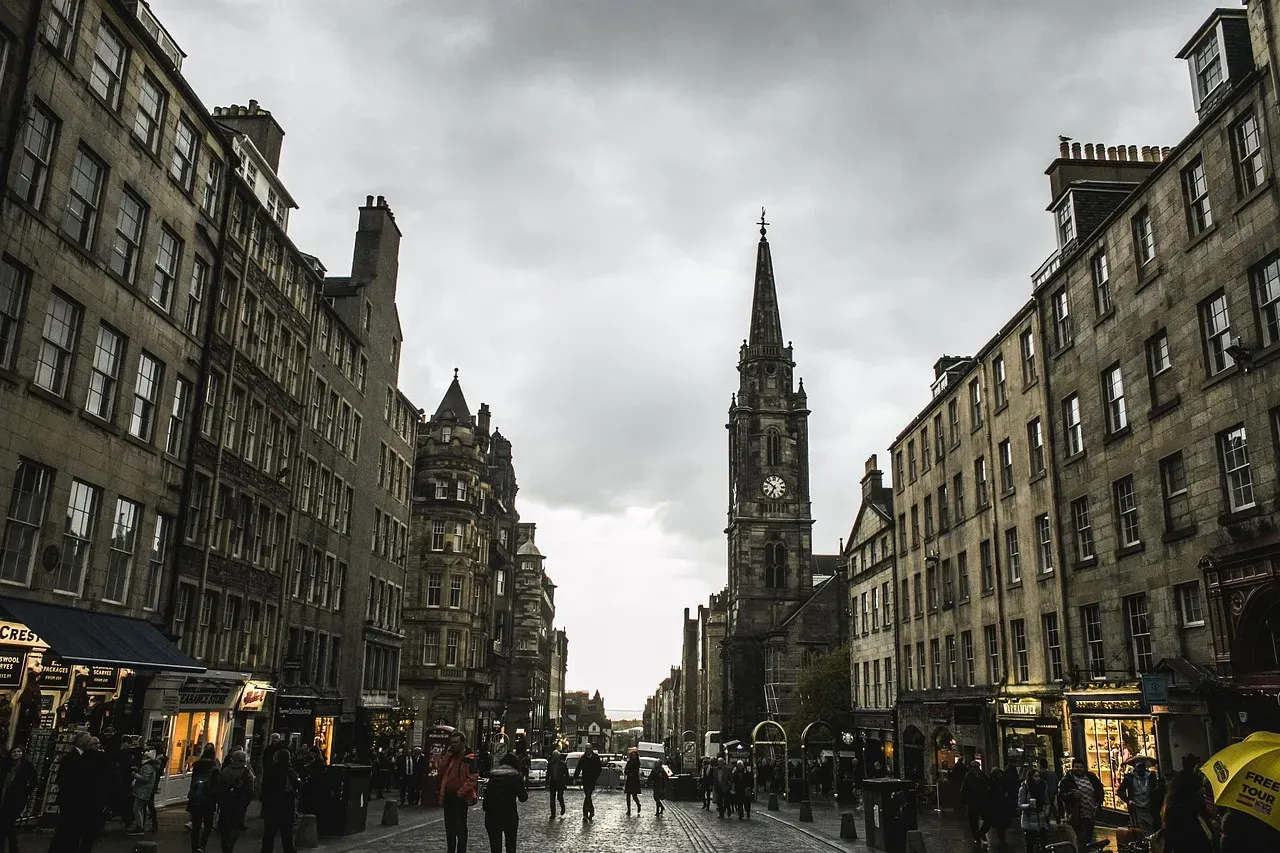
Scotland’s capital broke new ground for the United Kingdom. Edinburgh is set to become the first city in the UK to introduce a permanent tax on overnight stays, with tourists charged five percent of the pre-VAT room fare on the first five nights of their stay. Edinburgh has passed the country’s first comprehensive overnight visitor tax, a 5 percent levy due to phase in from May 2025 and be fully enforced by July 2026.
The revenue isn’t disappearing into some black hole either. It’s earmarked for cultural events and local infrastructure improvements. Still, this sets a precedent that other British cities are watching closely. Manchester already has a nominal per-night charge, and London has been eyeing similar measures. When one city opens that door, others tend to follow.
Milan Raised Taxes for the 2026 Winter Olympics
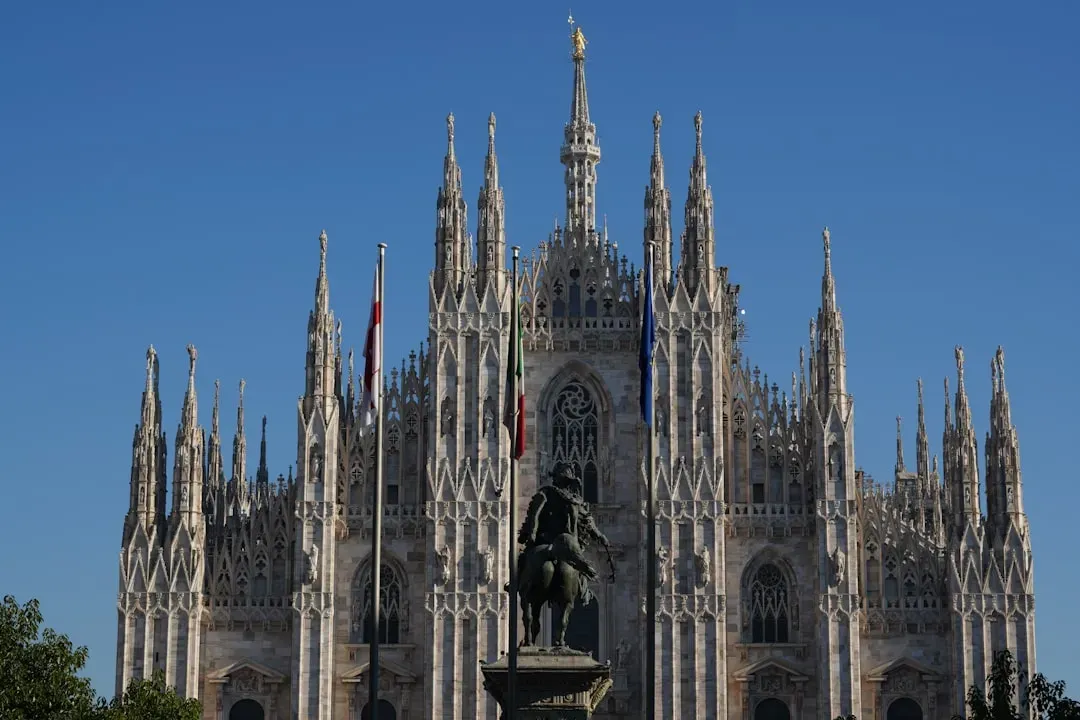
Italy’s fashion capital used the upcoming Winter Olympics as justification for another levy increase. Ahead of the Milan-Cortina 2026 Winter Olympics, the Italian government passed legislation permitting municipalities within 30 km of Olympic venues to increase their tourist tax by up to five euros per night, with Milan’s new rates taking effect January 1, 2026.
The increase will help finance tourist services and hospitality, the maintenance and enhancement of cultural heritage, and public works connected to the Milan-Cortina 2026 Olympic Games. Rome already had tourists paying between three and seven euros per night depending on hotel category. Milan’s bump pushes costs even higher for anyone planning to catch the games or simply visit during that period.
Lisbon Doubled Its Overnight Tax in Early 2025

Portugal’s capital made a bold move that caught many travelers by surprise. Lisbon doubled its overnight tax to four euros in January 2025. Porto has followed suit, and nine municipalities in the Azores and Madeira have introduced similar tourism levies.
Previously, Lisbon’s tax sat at just two euros per person per night, which felt almost negligible. Doubling it changes the math for budget travelers and families. What used to be a fourteen-euro weekly charge for two people is now twenty-eight euros. Porto introduced a two euro tax per person per night as well, meaning Portugal as a whole is signaling a shift in how it manages tourist revenue and overcrowding concerns.
Paris Hiked Rates Ahead of Major Events

The City of Light made accommodations significantly pricier heading into 2024. From January 1, 2024, the tourist tax in Paris became EUR 5.20 per person per night when staying at a 3-star hotel, and EUR 8.45 per night per person when staying at a 4-star hotel. In anticipation of the 2024 Olympics, the tourist tax on hotel rooms increased by 200 per cent, with the fee ranging from €0.75 to €15 per night depending on the type of accommodation.
That’s a massive jump from previous rates. A couple staying a week in a four-star Parisian hotel now pays over a hundred euros just in city tax alone. The Olympics gave city officials the perfect cover to boost these fees, and chances are they’re not coming back down anytime soon.
Greece Introduced Levies on Santorini and Mykonos Cruise Passengers
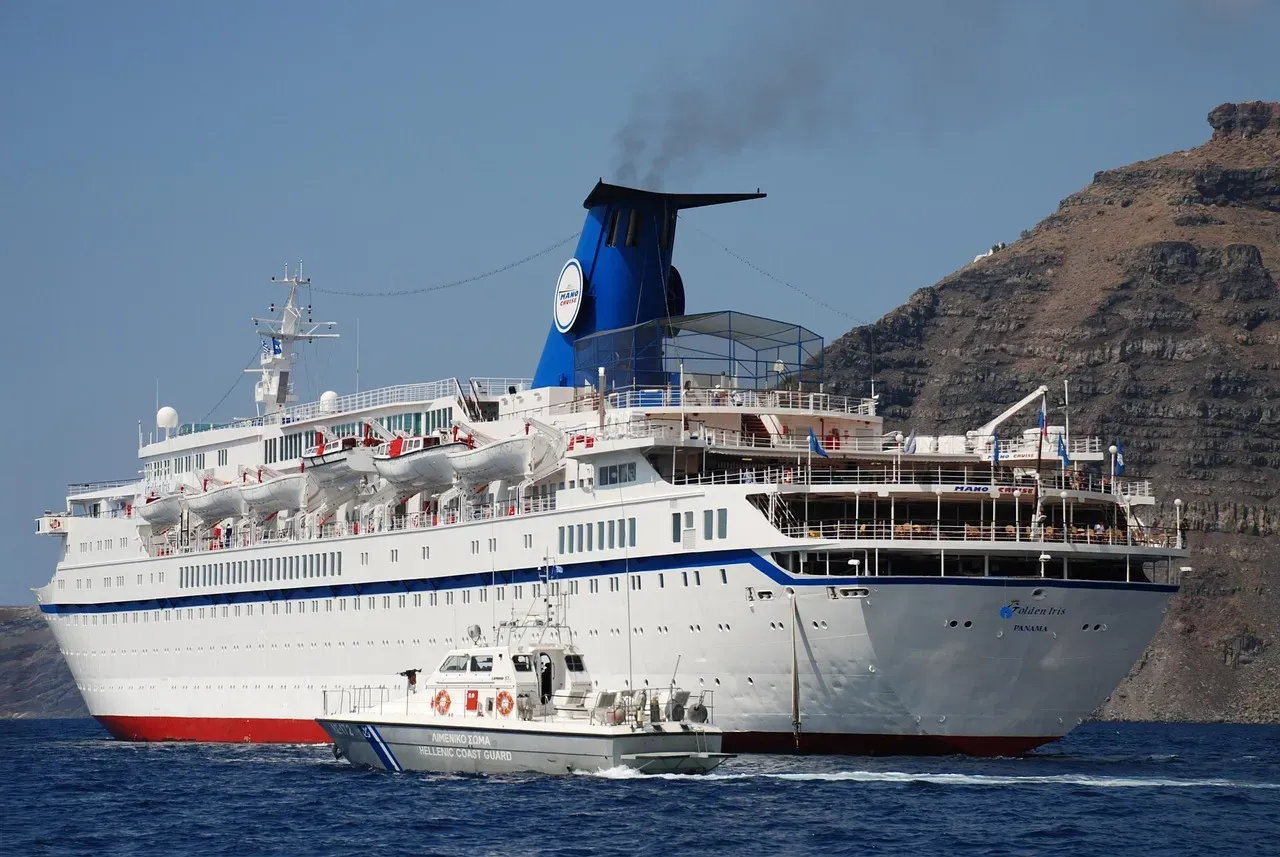
Greece took aim at cruise tourism specifically. The Greek islands of Mykonos and Santorini now charge cruise visitors twenty euros per person during the peak summer season, with Mykonos alone welcoming 1.29 million cruise tourists in 2024. That’s a massive figure for an island of just ten thousand residents.
Greece already had accommodation taxes based on hotel star ratings, maxing out at four euros per room. This cruise passenger levy targets the hit-and-run tourism that locals argue brings minimal economic benefit while straining infrastructure. Twenty euros might not sound like much, but for a cruise with thousands of passengers, it adds up fast.
Norway Approved Municipal Tourism Taxes Starting 2026
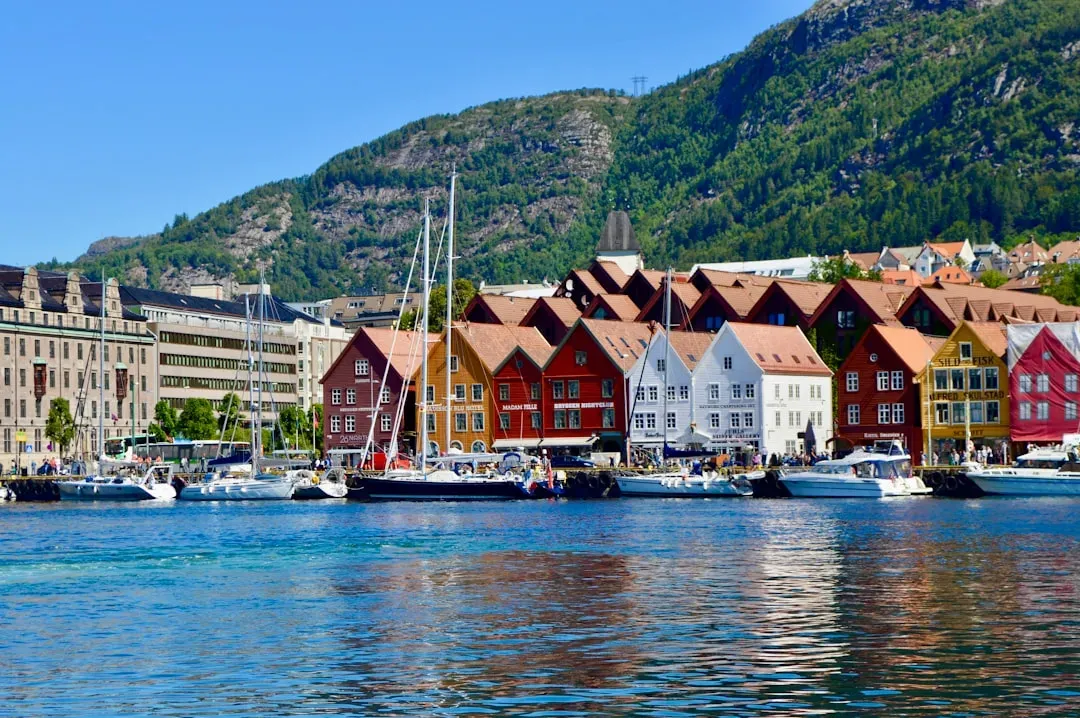
Scandinavia joined the movement with a flexible approach. From 2026, a law will come into force in Norway allowing municipalities to introduce a 3% tax on tourist accommodation applying to both hotel stays and cruise passengers, with the tax not being mandatory for the entire country but decided by each city or community, including the Lofoten Islands and Tromsø.
Norway approved a national framework in June 2025 that lets municipalities levy up to 3 percent on overnight stays and cruise passengers in areas particularly affected by tourism, with collection expected from summer 2026. Iceland already reinstated its accommodation tax in 2024, charging roughly 4.25 euros per hotel room night. Northern Europe clearly sees tourist taxes as a necessary tool for managing visitor impact.
Rome Plans Entry Fees for Iconic Landmarks
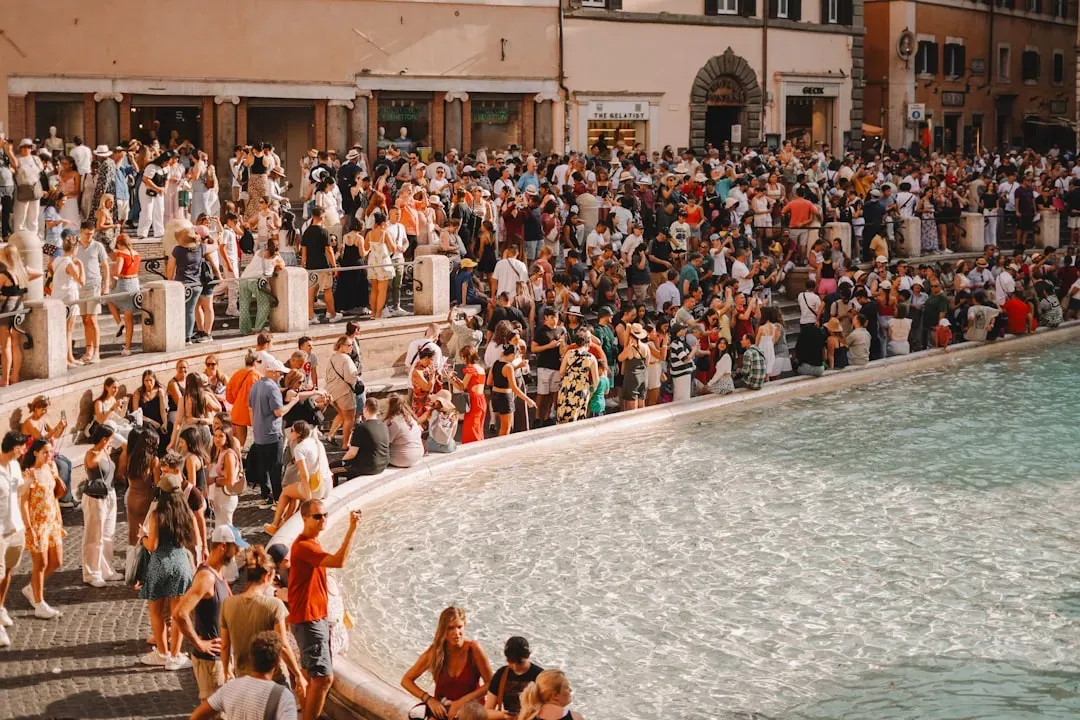
Beyond typical accommodation taxes, Rome introduced something different. Big changes are coming to the Italian capital, which will now charge visitors an entry fee to several previously free-to-visit landmarks, including the Trevi Fountain, costing two euros to get a close-up look at the fountain. Locals won’t have to pay anything.
This represents a fundamentally different approach. Rather than taxing where you sleep, Rome is taxing access to specific attractions. You can still see the fountain from afar without paying, but getting close enough to toss that coin requires opening your wallet. It’s hard to say for sure, but this could be the beginning of similar charges at other major European monuments and squares.
These tourist taxes aren’t going away. If anything, more cities are exploring them as overtourism continues straining local resources and frustrating residents. The revenue generated funds infrastructure improvements, cultural preservation, and services that tourists use but don’t typically pay for directly.
Smart travelers need to factor these charges into their budgets from the start. Check accommodation descriptions carefully since some hotels include taxes in quoted prices while others add them at checkout. Research your specific destination’s current rates before booking, as these fees change frequently. What do you think about paying extra to visit these iconic cities? Tell us in the comments.