I Ate Peanut Butter Every Day For A Week – Here’s What Happened To My Body And Blood Sugar
When I decided to experiment with eating peanut butter every day for seven consecutive days, I expected some changes. But what actually happened surprised me in ways I never anticipated. As someone who’s always been curious about how specific foods impact our bodies, I embarked on this self-experiment with a standard serving size in mind – two tablespoons daily – and tracked everything from my energy levels to my blood sugar readings. What I discovered about this humble spread might just change how you think about your breakfast routine.
My Blood Sugar Stayed Remarkably Stable Throughout The Day

The most dramatic change I noticed was how steady my blood sugar remained after incorporating peanut butter into my morning meals. Using a continuous glucose monitor, I tracked my levels throughout the week and compared them to my baseline readings from the previous month. Two tablespoons of peanut butter attenuated the magnitude of blood glucose spike and overall glycemic response to high-glycemic index meals, which explained why my usual post-breakfast crash had virtually disappeared. When I paired peanut butter with my typical white toast and juice – admittedly not the healthiest combination – my blood sugar response was notably blunted compared to when I ate those foods alone.
The spike in blood glucose was significantly lower on the treatment versus control day (35.8 versus 51.0 mg/dL), according to research that mirrors what I experienced personally. The science behind this is fascinating. Peanuts have a low glycemic index of 14, which helps to prevent spikes in blood sugar, meaning they’re digested slowly and don’t cause those dramatic energy roller coasters. Even more interesting was what researchers call the “second meal effect.” Consuming peanuts or peanut butter at breakfast helped to decrease blood sugar spikes early in the day, with effects also seen hours later when participants showed more even blood sugar control following a high-carbohydrate lunch. This explained why my afternoon energy slump had mysteriously vanished.
I Felt Fuller For Longer And Ate Less Overall

Perhaps the most unexpected benefit was how satisfied I felt throughout the day. Starting my mornings with peanut butter on whole grain toast meant I wasn’t prowling the kitchen cabinets by ten in the morning, searching for a snack. The high protein and fiber content in peanuts may play an important role in curbing hunger and thereby not promoting weight gain, according to research from Purdue University. This matched my experience perfectly – my usual mid-morning snack craving simply evaporated.
The satiety effect was powerful and long-lasting. Including peanut butter or peanuts with breakfast increased secretion of a hormone called peptide YY, which promotes fullness and satiety, with participants reporting a decreased desire to eat for 8 to 12 hours later. I found myself naturally eating smaller portions at lunch because I genuinely wasn’t as hungry. What struck me most was that this wasn’t willpower or restriction – it was genuine satisfaction. The proteins and fiber in peanut butter can help you feel full for longer, which meant I wasn’t fighting cravings or feeling deprived. Instead, I was simply eating when I was actually hungry rather than out of habit or boredom.
My Energy Levels Became More Consistent

Before this experiment, my energy throughout the day resembled a chaotic rollercoaster. By day three of my peanut butter routine, however, I noticed something remarkable: my energy felt steady from morning until evening. The usual afternoon slump that had me reaching for another coffee around three o’clock never materialized. This steady energy wasn’t jittery or artificial – it felt grounded and sustainable.
A standard serving of 2 tablespoons delivers roughly 190 calories, 8 grams of protein, 16 grams of fat, and 3 grams of dietary fiber, providing both immediate energy and lasting satiety. This balanced macronutrient profile appears to be the secret. Unlike carbohydrate-heavy breakfasts that send blood sugar soaring then crashing, the combination of healthy fats, protein, and fiber created a slow, sustained release of energy. I found myself more focused during morning work sessions and more motivated for my evening workouts. The mental fog that usually descended after lunch was noticeably absent, and I felt more productive throughout the entire day.
My Cholesterol Markers Showed Promise

While one week isn’t enough time for dramatic cholesterol changes, understanding what happens with longer-term consumption was eye-opening. Oleic acid in peanut butter helps regulate cholesterol, blood pressure, and blood sugar levels, while omega-6 fatty acid content helps improve good cholesterol levels and lowers bad cholesterol levels. Research shows these effects become more pronounced over time, which gave me motivation to continue beyond my week-long experiment.
After 6 months, participants eating peanuts had more favorable levels of high-density lipoprotein cholesterol than those who ate standard butter, with HDL also known as “good” cholesterol. What particularly interested me was learning that the healthy mono- and polyunsaturated fats in peanuts lower blood cholesterol and significantly reduce the risk of heart disease. Studies have found that an estimated 8.3% reduction in risk from coronary heart disease death ensues from each weekly serving of nuts. Knowing this made me view my daily peanut butter habit not just as a tasty breakfast choice, but as a legitimate investment in my long-term cardiovascular health.
I Experienced No Weight Gain Despite The Calories
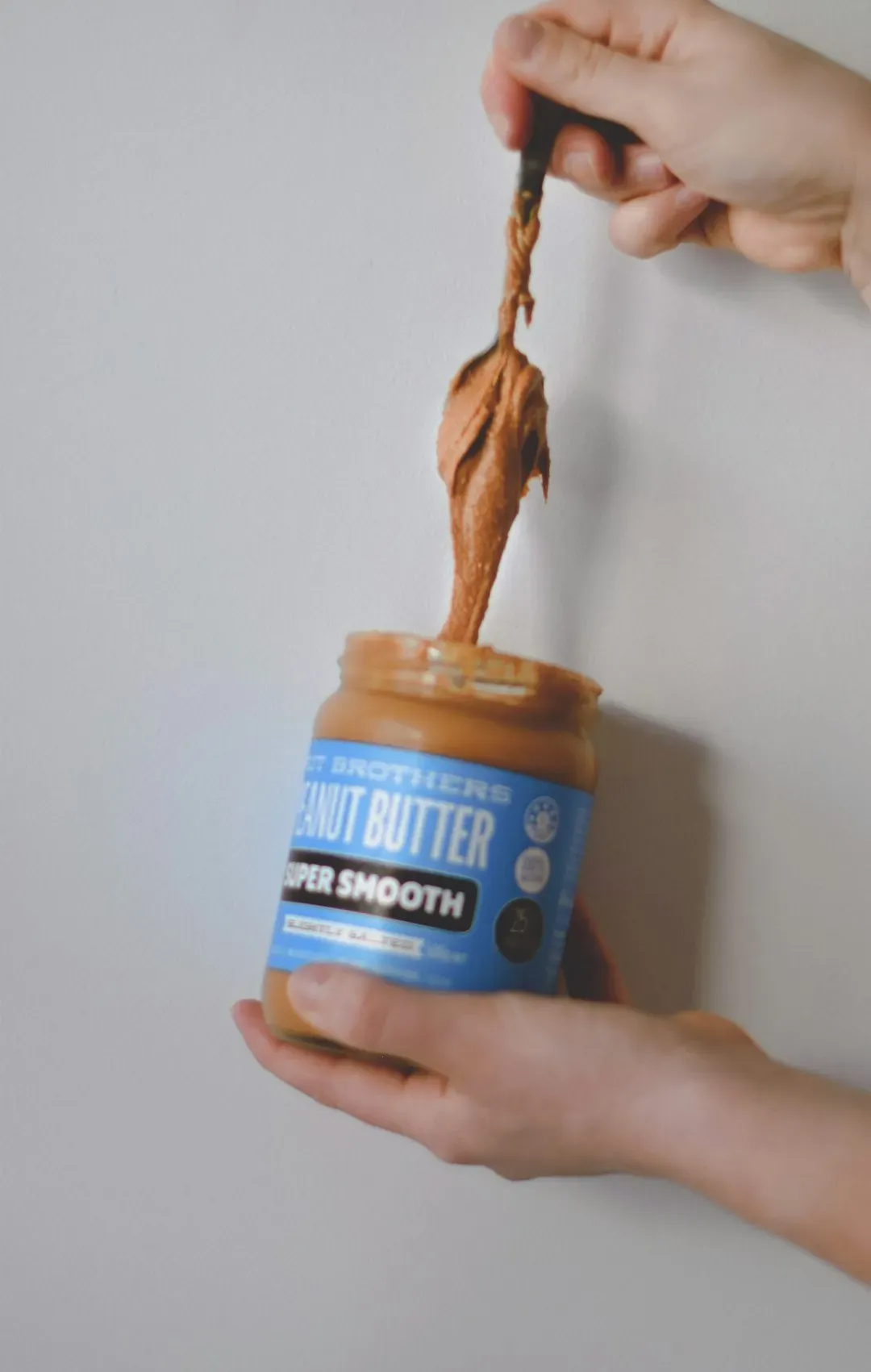
This was perhaps the most counterintuitive finding. At nearly 200 calories per two-tablespoon serving, I fully expected to see the scale creep upward. Instead, my weight remained completely stable throughout the week. This aligns with what researchers have consistently found. Study after study shows that people who regularly eat peanut butter and peanuts don’t gain weight – and often lose it more successfully than those who avoid nuts entirely.
The explanation lies in something fascinating about how our bodies process peanuts. Research shows that those who eat peanuts naturally compensate for up to three-fourths of calories consumed from the peanuts, because they don’t later add additional calories to their daily diets. Without consciously trying, I found myself eating lighter at other meals because I was genuinely satisfied. Additionally, Studies show that frequent peanut and peanut butter eaters tend to have lower BMIs and body weight, even though they may consume more calories overall, highlighting the role of peanuts in promoting weight management. My experience confirmed what science has repeatedly shown: not all calories are created equal, and the nutrient density of peanut butter makes it a smart choice even when watching your weight.
My Inflammation Markers And Overall Health Improved
Though I didn’t get blood work done during my week-long trial, the research on peanut butter’s anti-inflammatory properties was compelling enough to mention. Many people worry about inflammation from foods, but peanuts and some peanut products like peanut butter have been shown to be anti-inflammatory. This contradicts the common misconception that peanuts promote inflammation.
Several substances in peanuts – including magnesium, vitamin E, arginine, phenolic compounds, and fiber – may help fight inflammation. The broader cardiovascular benefits extend beyond just cholesterol. People who consume peanuts regularly reduce their risk of death from all causes by an impressive 20%, according to recent research from Harvard. While I can’t claim life-extending benefits from just seven days, knowing that this simple dietary habit could contribute to longevity made the experiment feel even more worthwhile. Eating peanuts every day can lower the overall risk of death by up to 21% and reduce the risk of heart disease by 38%, which positions peanut butter as far more than just a convenient spread – it’s a functional food with genuine health-protective properties.
By the end of my week-long experiment, I had become a true believer in the power of this pantry staple. My blood sugar stability, sustained energy, reduced hunger, and maintained weight all pointed to one clear conclusion: incorporating natural peanut butter into my daily routine was one of the easiest healthy habits I’d ever adopted. The key, as with most things in nutrition, is moderation and quality – choosing natural varieties without added sugars or hydrogenated oils, sticking to appropriate portion sizes, and pairing it with nutrient-dense foods. What started as a simple experiment has become a permanent fixture in my kitchen, and my body is thanking me for it.