Hidden in Plain Sight: 6 Signs Your House Has a Foundation Issue That Most Buyers Miss
You walk through a home, and it looks perfect. Fresh paint gleams on the walls, hardwood floors shine under the lights, and every room seems ready for that picture-perfect life. The home inspector nods approvingly, and you’re already imagining where the couch goes. Then, six months after closing, you notice something odd. A door won’t shut properly anymore. A crack you swear wasn’t there before snakes up the wall. Welcome to the nightmare no buyer wants to face.
Foundation problems are among the most common and expensive claims against home inspectors, ranking as the third most frequent allegation, yet they’re alarmingly easy to miss during a standard walkthrough. Here’s the thing most people don’t realize: roughly six in ten buyers surveyed said it wasn’t important for a home to have a strong foundation, which is honestly baffling when you consider what’s at stake. Let’s be real, your foundation is literally holding up everything you own. So why do so many people overlook the warning signs? Let’s dive in.
Doors That Stick or Refuse to Latch Properly

Ever struggled with a door that suddenly won’t close smoothly, even though it worked fine last month? Differential foundation settlement is a common cause of sticking doors because settlement throws everything out of plumb, resulting in uneven floors and doors that don’t open or close easily. The door frame itself hasn’t changed, but the house around it has shifted slightly.
Doors that suddenly stick or fail to close properly often indicate that your house is settling, causing the building’s structure to sag, compress, or sink, changing the alignment of door frames and causing doors to bind or stick. You might be tempted to grab some sandpaper and shave down the edge. That’s treating the symptom, not the disease.
Most sticking doors caused by settlement also show movement around the door’s trim, and if the house is settling, you’ll likely see the corners of the trim around the door open too. Check multiple doors throughout the house. If three or four suddenly need extra force to close, that’s not a humidity problem or a few loose hinges. That’s your foundation talking.
Mysterious Gaps Between Walls and Ceiling or Floors
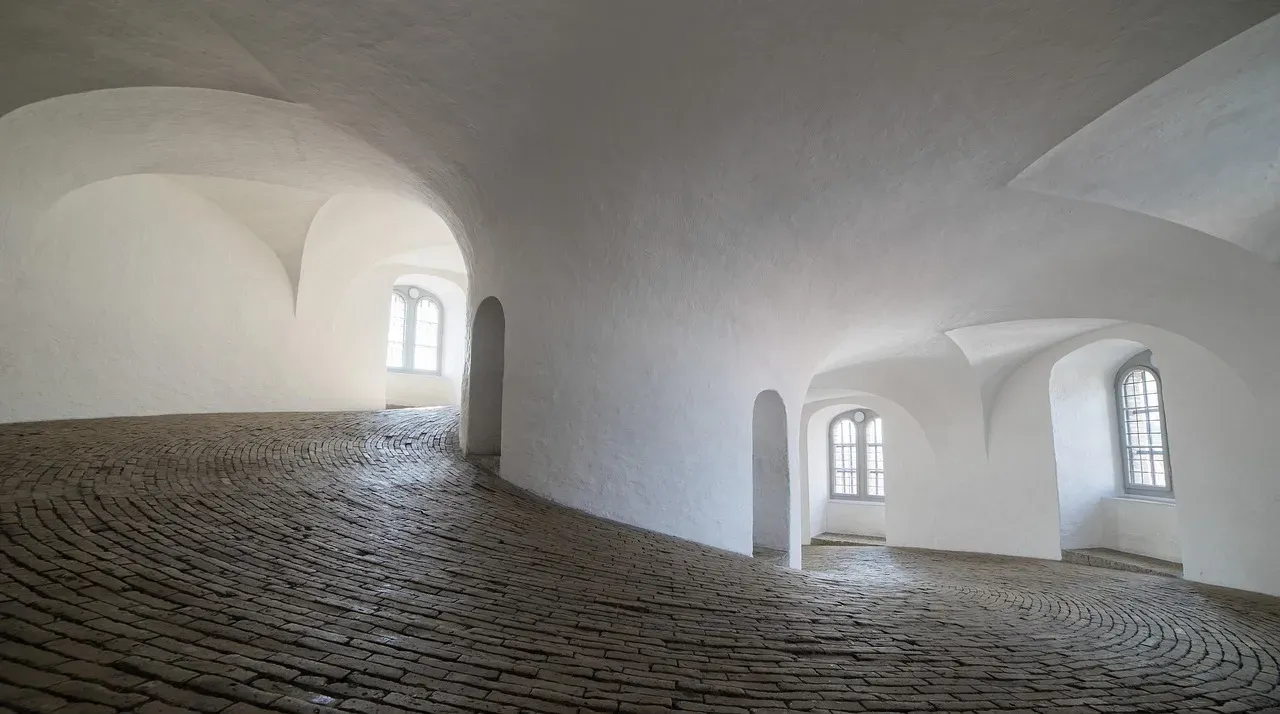
Walk around the perimeter of each room and look up. Do you see small gaps where the walls meet the ceiling? Now look down. Separation between baseboards and flooring, especially if the gaps are wider in some areas, can indicate foundation problems. These gaps aren’t just aesthetic issues or signs of sloppy carpentry.
When foundation settlement occurs unevenly, different sections of the house move at different rates. Think of it like a book slowly sliding off a table. One corner drops first, pulling everything with it just slightly. The wood framing tries to bend and adjust, but drywall doesn’t have that flexibility. Result? Visible separations appear where components used to fit snugly together.
Gaps between baseboards and floors are common indicators that often appear when the foundation shifts unevenly, putting stress on your home’s walls and surfaces. Measure these gaps if you can. Take photos. If they’re growing over weeks or months, you’ve got active movement happening beneath your feet.
Cracks That Form Specific Patterns Around Windows and Doors
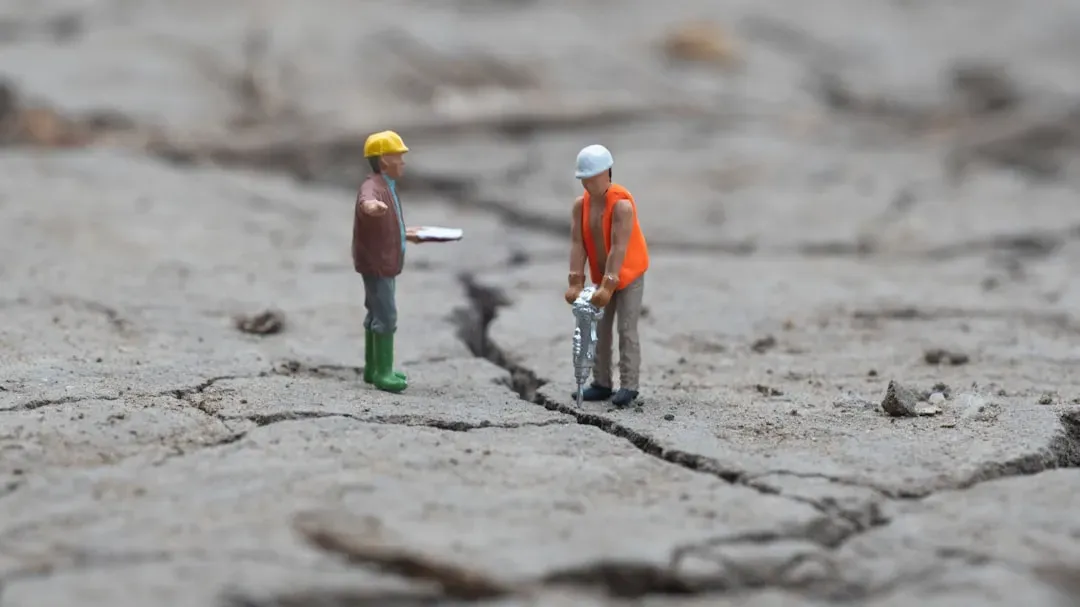
Not all cracks are created equal, and this is where most buyers get it wrong. About ninety percent of cracks and settling are not structural, which means some hairline cracks are just cosmetic. The trouble is knowing which ones matter.
Home inspectors look for even seemingly minor hairline cracks in concrete slabs or interior walls, and they may tell you to just watch it to make sure it doesn’t get bigger, but if it’s a horizontal crack with a bulge, they may advise you to get it reviewed right away by a foundation expert. Diagonal cracks extending from the corners of door and window frames? Those are red flags.
Stair-step cracks in brick walls or gaps forming between sections of siding are strong indicators that your foundation may be settling unevenly, and these cracks typically appear near corners, doors, and windows where structural stress tends to show first. Look outside too. Brick exteriors tell the truth more bluntly than interior drywall ever will. If you see that telltale stair-step pattern zigzagging up a wall, that’s differential settlement screaming for attention.
Floors That Feel Slightly Uneven or Sloped

Here’s a simple test most buyers never think to do: place a marble or a tennis ball in the center of the room and let it go. Does it roll? Uneven floors are another indicator of potential foundation troubles, and sometimes placing a ball in the center of the room is enough to see if it rolls away. This basic trick reveals changes not immediately visible to the naked eye.
If you place a ball in the middle of the floor and it starts to roll, this seemingly minor observation can be an indicator of a more significant issue, as floors that slope or bounce are a classic sign of foundation movement or settling support beams. You might feel it when you walk across certain rooms. Maybe your furniture seems oddly tilted, or picture frames won’t hang straight no matter how many times you adjust them.
Foundation issues create these slopes gradually. One section of the house sinks slightly lower than another, and suddenly you’ve got a slant. It’s subtle at first, maybe just a quarter inch over ten feet. Yet that’s enough to signal serious trouble brewing underneath. Don’t ignore what your feet are telling you.
Windows That Won’t Stay Open or Are Difficult to Operate
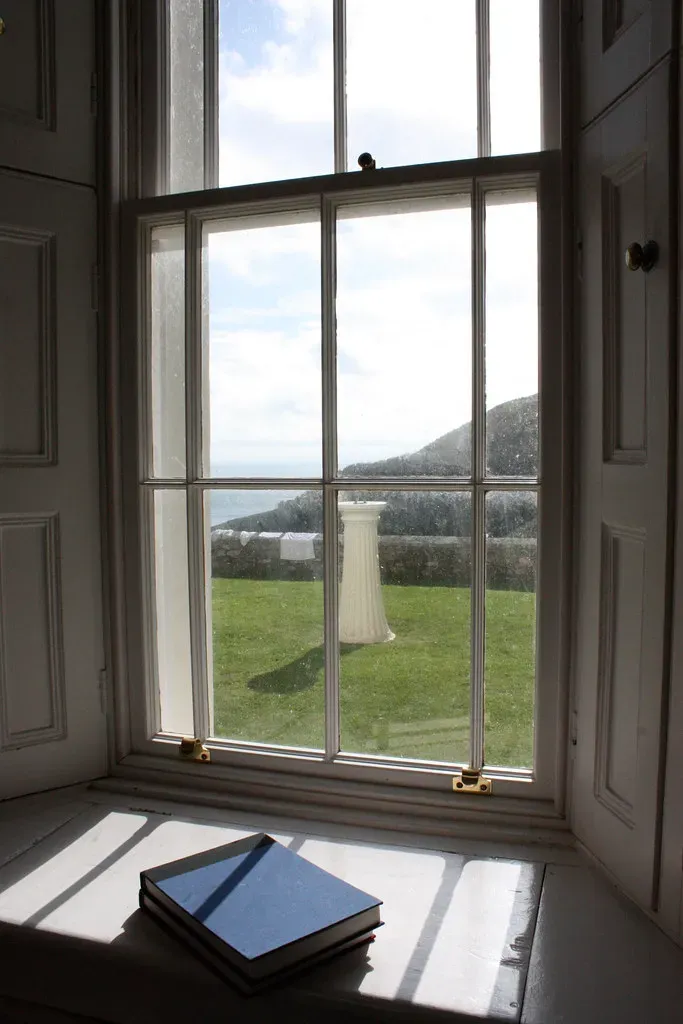
You push up on a window, and it slides down again the moment you let go. Or maybe it takes serious effort to crank open a casement window that used to glide smoothly. Sticking doors and windows might indicate ongoing foundation settlement, and if left unaddressed, this can compromise the entire structure, posing safety hazards and reducing property value.
Settlement and crawl space supports that have settled, shifted, or deteriorated are the leading foundation-related causes of sticking windows and doors. The frames become misaligned as the house shifts, creating binding points where none existed before. Check several windows throughout the house, especially on different floors and sides of the building.
Windows that are difficult to open might signify potential foundation issues, cracked window panes can serve as an indicator of foundation settlement, and windows that won’t stay open or have difficulty locking could point to foundation problems. Look for visible gaps around the window frames when they’re closed. That’s another telltale sign the structure has moved since installation.
Exterior Cracks in Concrete or Brick That Follow Unusual Angles
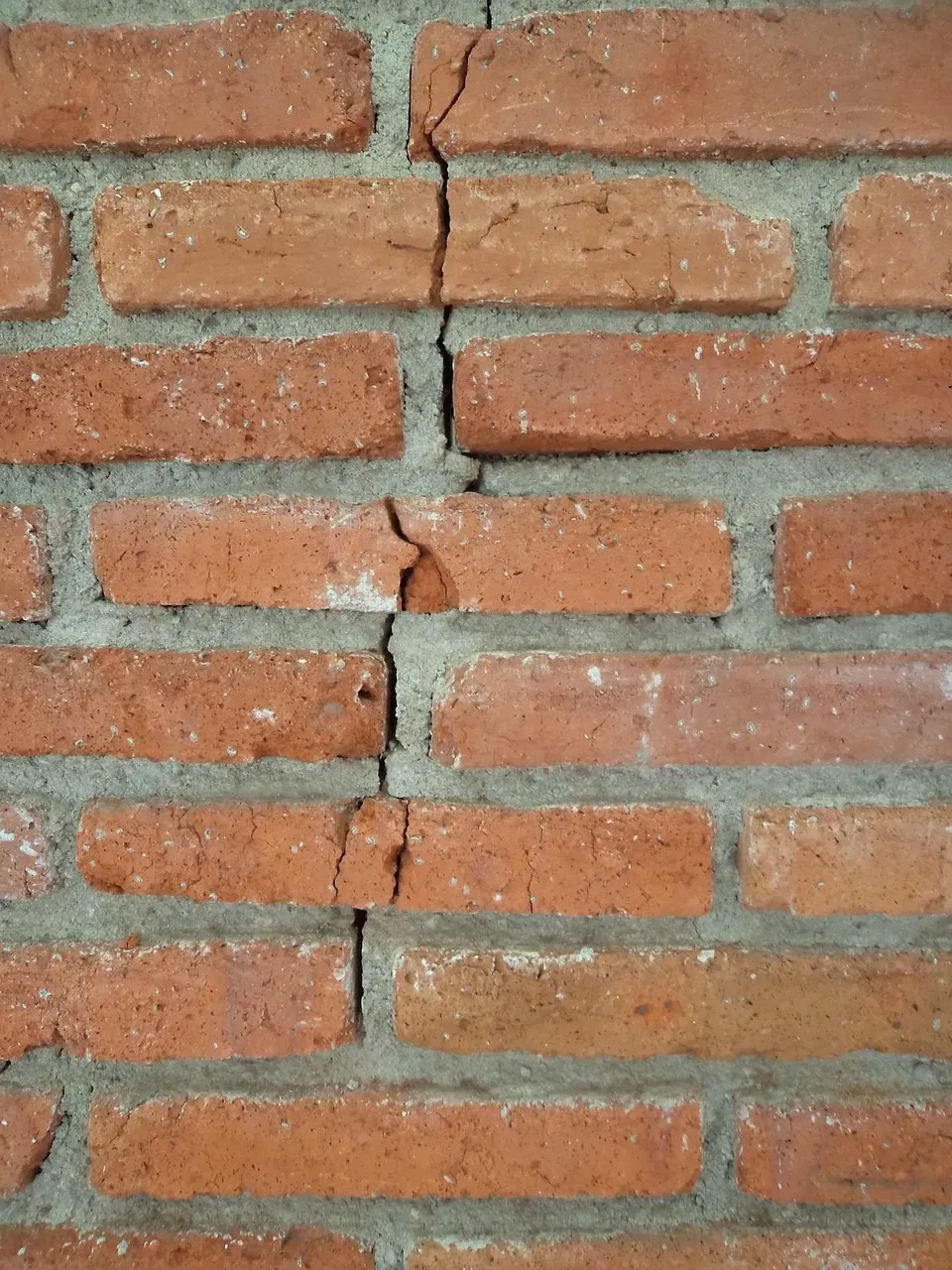
Step outside and take a long, honest look at your home’s exterior. Diagonal cracks are often a sign of differential settlement where one part of the foundation is sinking faster than another, while horizontal cracks are typically the most serious and may indicate pressure from shifting soil or water buildup. These aren’t the small, vertical hairline cracks you might see in aging concrete.
Walk the entire perimeter. Look at the foundation itself where it meets the ground. Foundation cracks wider than one quarter inch typically require professional repair, and horizontal and diagonal cracks pose greater structural concerns than vertical cracks as they may indicate soil pressure or uneven foundation settling. Check mortar joints between bricks. Are they crumbling? Do sections look like they’ve shifted out of alignment?
These visible separations can widen over time, leading to more extensive exterior damage and even compromising the structural integrity of your home. Document what you find with your phone camera. Compare those images if you’re looking at a house multiple times during the buying process. If cracks appear to be growing between visits, that’s active settlement happening in real time.
Foundation issues aren’t always deal-breakers, but they demand honesty and action. As of 2025, the national average foundation repair cost is around five thousand one hundred dollars, with most homeowners spending between twenty two hundred and eighty one hundred dollars for typical repairs. Minor fixes like crack sealing might cost only three hundred to eight hundred dollars, while major structural repairs involving piers or slab replacement can exceed fifteen thousand to thirty thousand dollars.
The truth is, most home inspections give you a snapshot, not a crystal ball. Home inspections can only do so much in determining if you have a foundation problem, as general home inspectors have less depth of knowledge on foundation settlement and might only detect highly noticeable defects and miss or misinterpret other cues, but they will certainly recommend contacting other experts if there is any concern. If you spot any of these six signs, push for a specialized foundation inspection before you sign anything.
Your dream home shouldn’t come with a hidden structural nightmare. Pay attention to the details most buyers rush past. Look for patterns, not isolated incidents. Trust your instincts when something feels off. And remember, a house might look move-in ready on the surface, but what’s happening underneath could cost you tens of thousands down the road. So, would you rather catch these problems now or discover them when it’s too late to walk away?