12 Forgotten American Dishes That Have Nearly Vanished
Think about your grandmother’s kitchen. The smell of something bubbling on the stove, that worn recipe card taped to the cabinet, the dish that everyone expected at holiday dinners. Now try to remember when you last saw it on your own table. In the last 100 years, more than 1,000 varieties of uniquely American seeds and breeds, fruits and fish, greens and game have declined, according to food historian Gary Paul Nabhan. Recent research by the Food and Agriculture Organization of the United Nations (FAO) shows that nearly 75% of crop varieties vanished during the 20th century.
Here’s the thing: we’re not just losing ingredients. We’re watching entire dishes disappear from American tables, taking with them the stories and traditions that shaped this country’s culinary identity. Some fell victim to convenience foods, others simply couldn’t compete with changing tastes and health trends. These twelve dishes once defined American cooking, gracing everything from everyday suppers to fancy dinner parties. Let’s dive into what made them special and why they nearly vanished from our collective memory.
Tomato Aspic
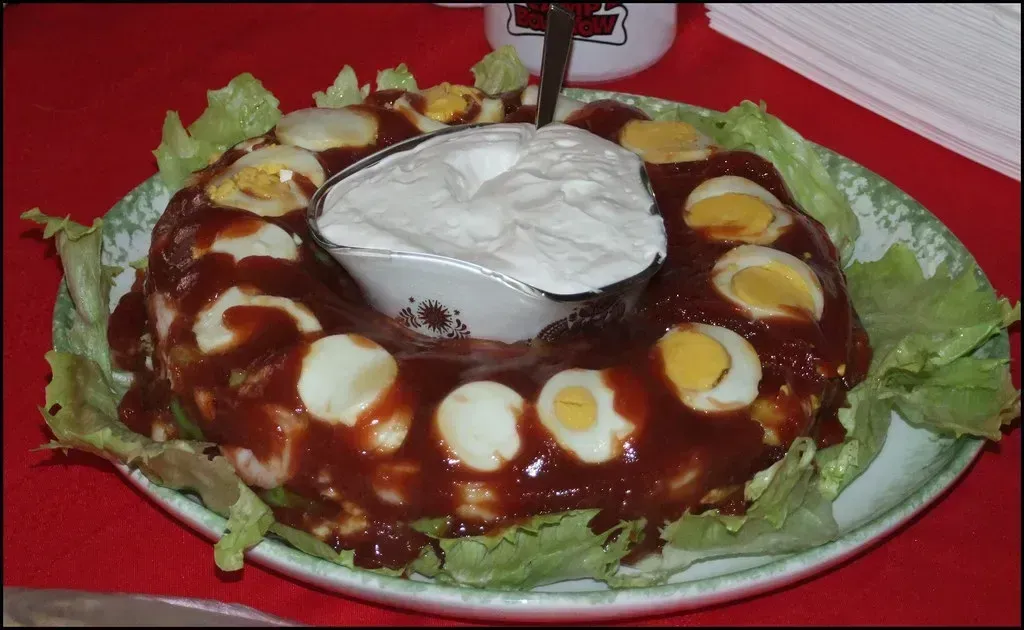
Tomato aspic might sound like a dare today, but for decades it was a prized centerpiece on mid-century American tables. This wobbly, tangy dish had its heyday in the 1950s and early ’60s, when molded gelatin creations were the height of domestic sophistication. Back in the 1950s and 60s, no potluck was complete without a wobbly, shimmering tomato aspic. This savory gelatin dish combined tomato juice with unflavored gelatin, creating a jiggly mold that often contained vegetables like celery, onions, or olives. Its popularity even inspired one of the most unusual Jell-O flavors of all time: seasoned tomato – a real product introduced by Jell-O in the 1960s. The dish fell out of favor as tastes changed and people began associating gelatin more with desserts than savory foods. Today, younger generations find the concept strange, but their grandparents remember it as a sophisticated side dish.
Ambrosia Salad
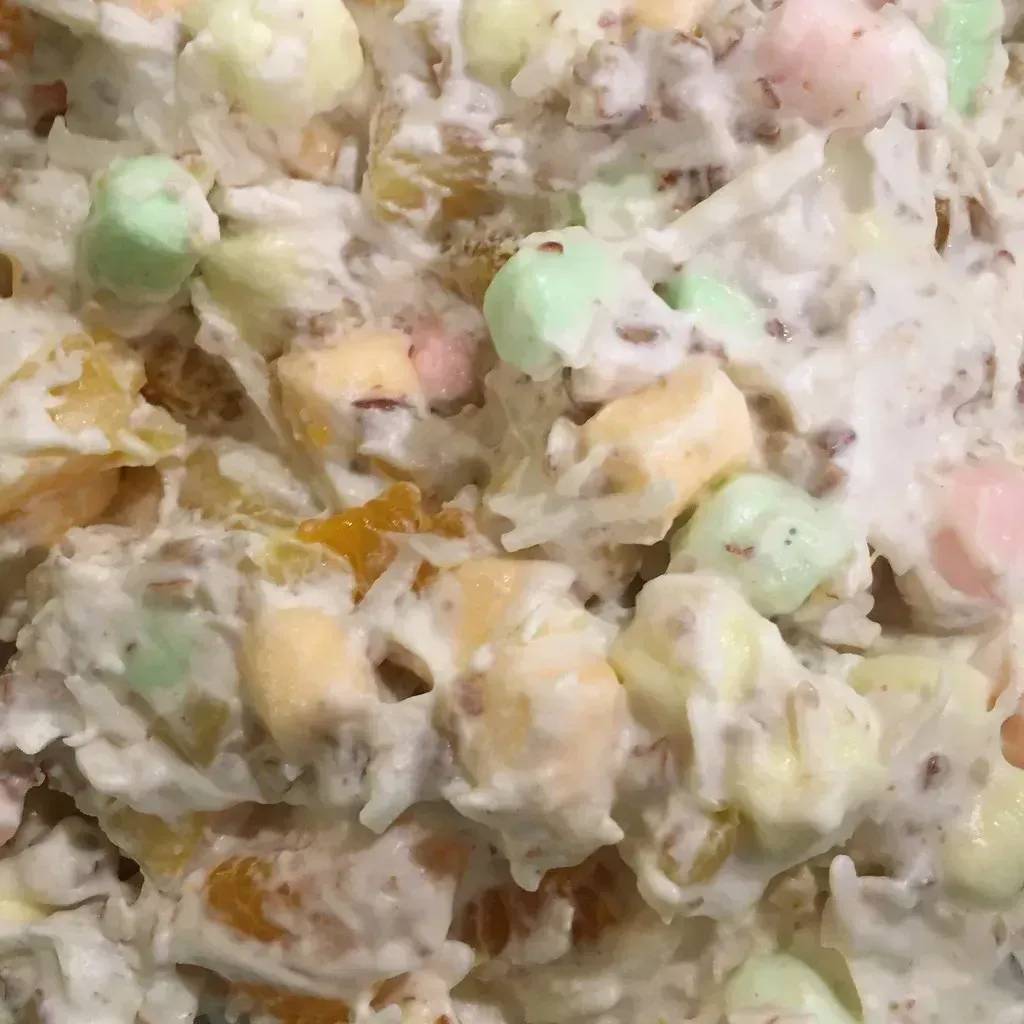
Dating back to the ancient Greeks, ambrosia salad began appearing in cookbooks in the 1800s when citrus fruit was easier to get ahold of, and soon became an American staple across dinner tables nationwide. This sweet creamy salad can include canned pineapple, canned mandarin oranges as well as fresh oranges, miniature marshmallows, and coconut. Here’s what most people don’t realize: at that time, tropical ingredients like coconut and pineapple were rare in the United States – because they were expensive to import from faraway places that grew them, they were seen as a luxury food, and an exotic novelty. While some Southern families still prepare it for special occasions, most younger generations have never experienced its sugary appeal.
Salisbury Steak
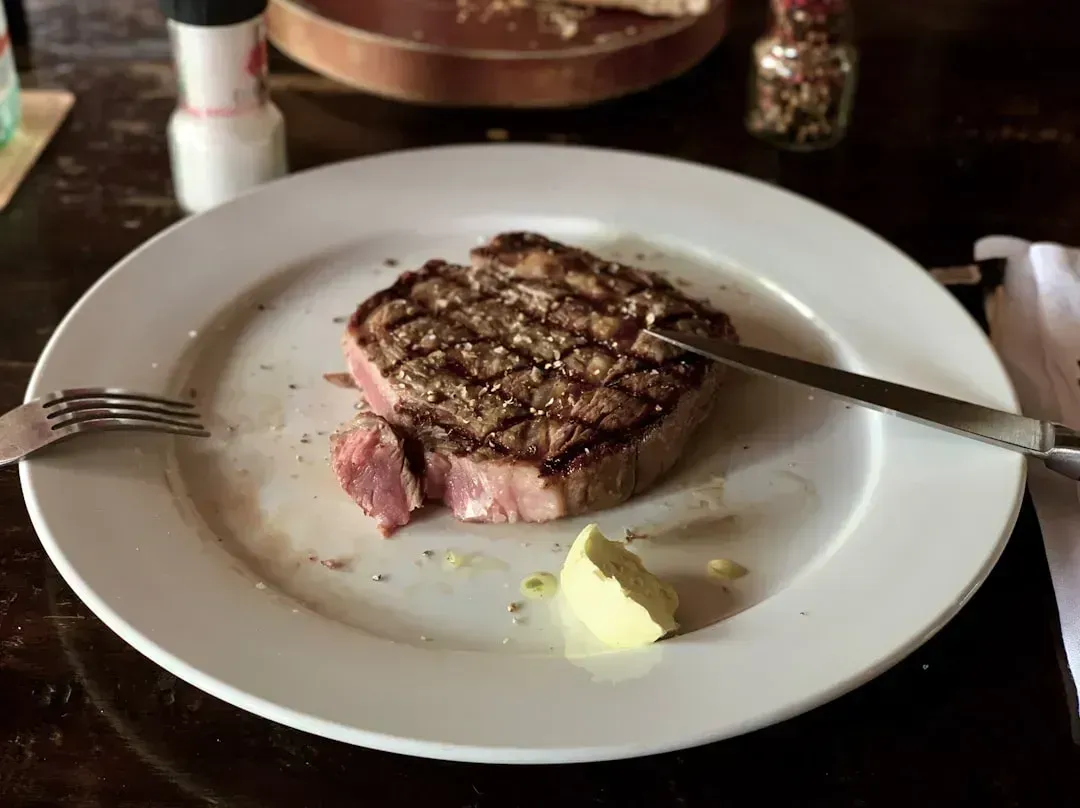
Dr. James Henry Salisbury founded the dish, an early pioneer of germ theory, and claimed that a diet high in beefsteak and coffee could help cure digestive diseases. (The claim was that beef was easier to digest compared to root vegetables.) It became a common dish served to troops in World War I and became a staple on American tables for decades. This wasn’t just a hamburger patty – it was fancier, or at least that’s what Americans believed in the 1960s and 70s. Salisbury steak consisted of seasoned ground beef shaped into oval patties and smothered in rich brown gravy, often with mushrooms. Fast forward to 2024, and Salisbury steak has become a relic of TV dinners and school cafeterias.
Chicken à La King
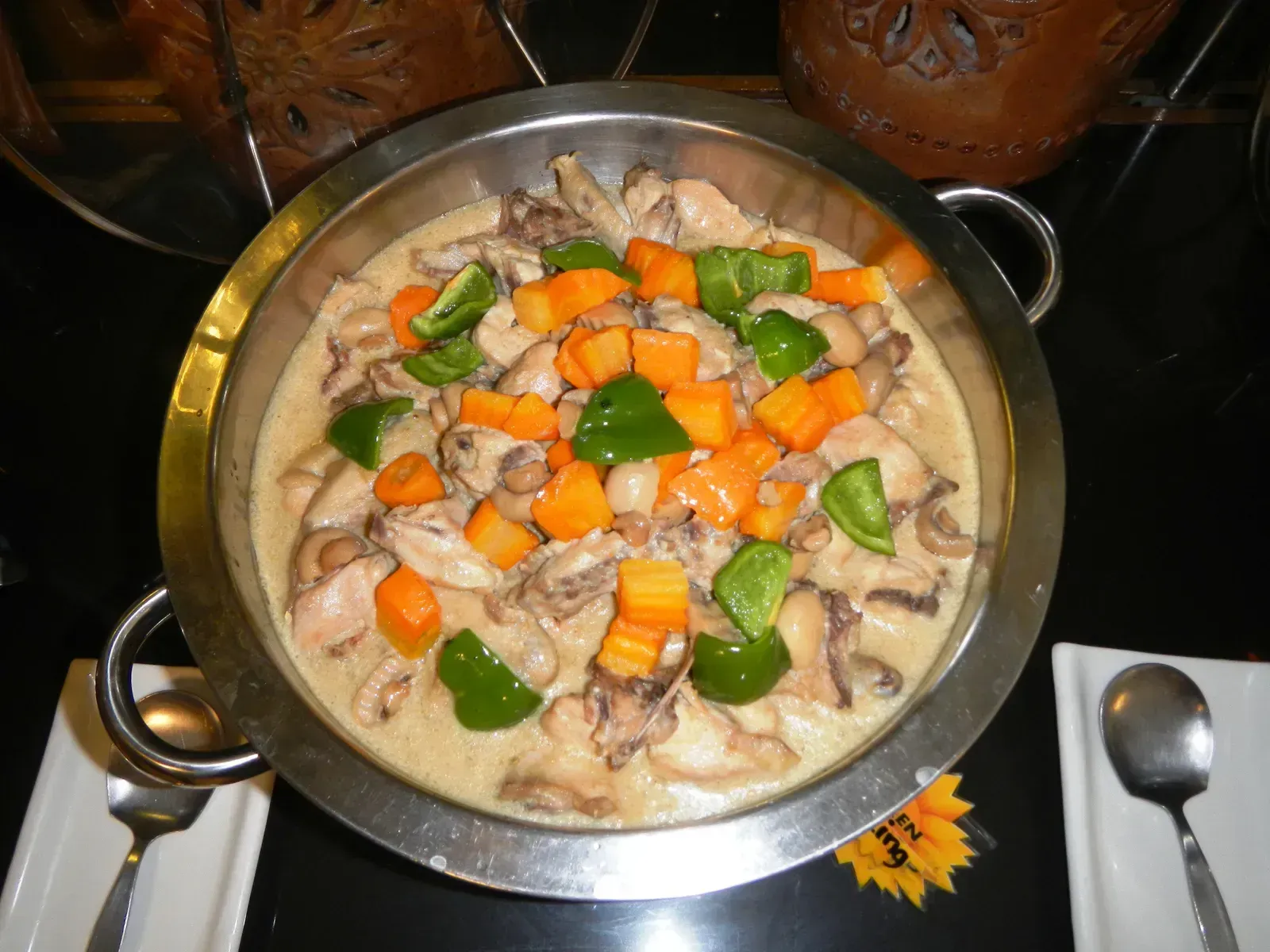
While its exact origins remain debated, the dish is widely believed to have been popularized in the United States during the 1900s, with its peak popularity occurring in the 1920s to 1950s. Chicken a la King was extremely popular in the 50s and 60s. So popular that you would think it was created during that time period but it was actually created in the late 19th century. It was such a prevalent dish during the mid-century that writer Calvin Trillin was wondering where its whereabouts were in an article for The Saturday Evening Post as it used to be everywhere from club dinners to weddings and almost every restaurant. Its popularity likely started fading in the 1960s and 70s as food trends shifted to less heavy dishes. Let’s be real, it’s hard to find this once-regal dish anywhere these days except maybe at retro diners trying to capitalize on nostalgia.
Chipped Beef on Toast
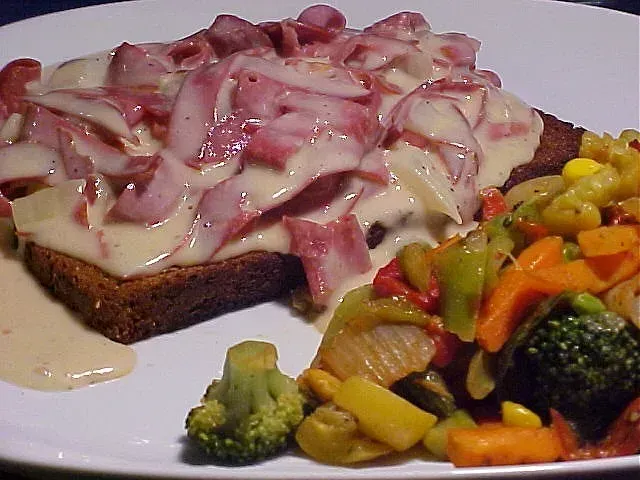
Chipped beef on toast, endearingly known as “SOS,” was a staple for soldiers and families alike. Thinly sliced beef in a creamy sauce, served over toast, offered comfort. Its simple ingredients made it accessible, while its rich flavor provided satisfaction. This dish became synonymous with military dining, a go-to for hearty meals. The name “SOS” stood for something we won’t print here, but veterans knew it well. Though its presence has faded, especially with modern tastes, it remains a nostalgic dish for veterans and those who grew up with this savory favorite. Honestly, once you’ve had it made properly with dried beef instead of the canned stuff, you understand why entire generations relied on it during tough times.
Scrapple
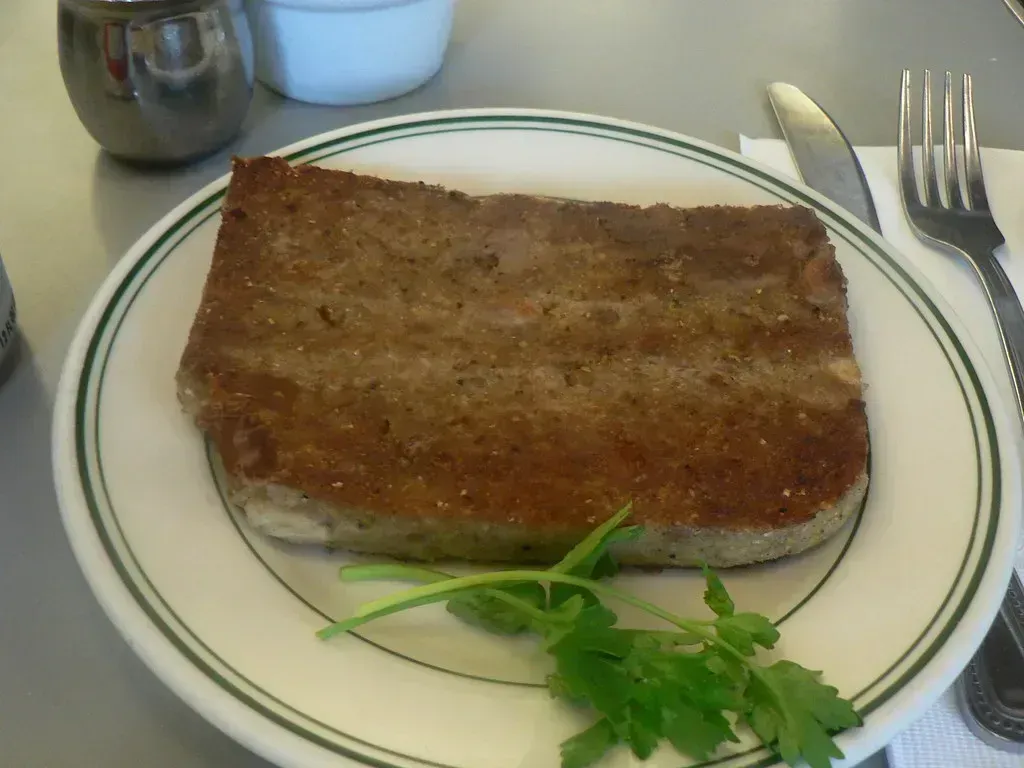
Pennsylvania Dutch communities perfected this dish, using literally every part of the pig. After butchering, they’d mix pork scraps with cornmeal, form it into loaves, then slice and fry it until crispy. The name itself comes from “scrap,” which tells you everything about its origins in waste-nothing cooking. Crisp on the outside yet soft inside, scrapple offered a flavorful start to the day. Its unique texture and savory taste made it beloved in many households. Outside the Mid-Atlantic region, most Americans have never heard of it, much less tasted its peppery, porky goodness. It’s one of those dishes where geography determines everything about your relationship with it.
Mock Turtle Soup
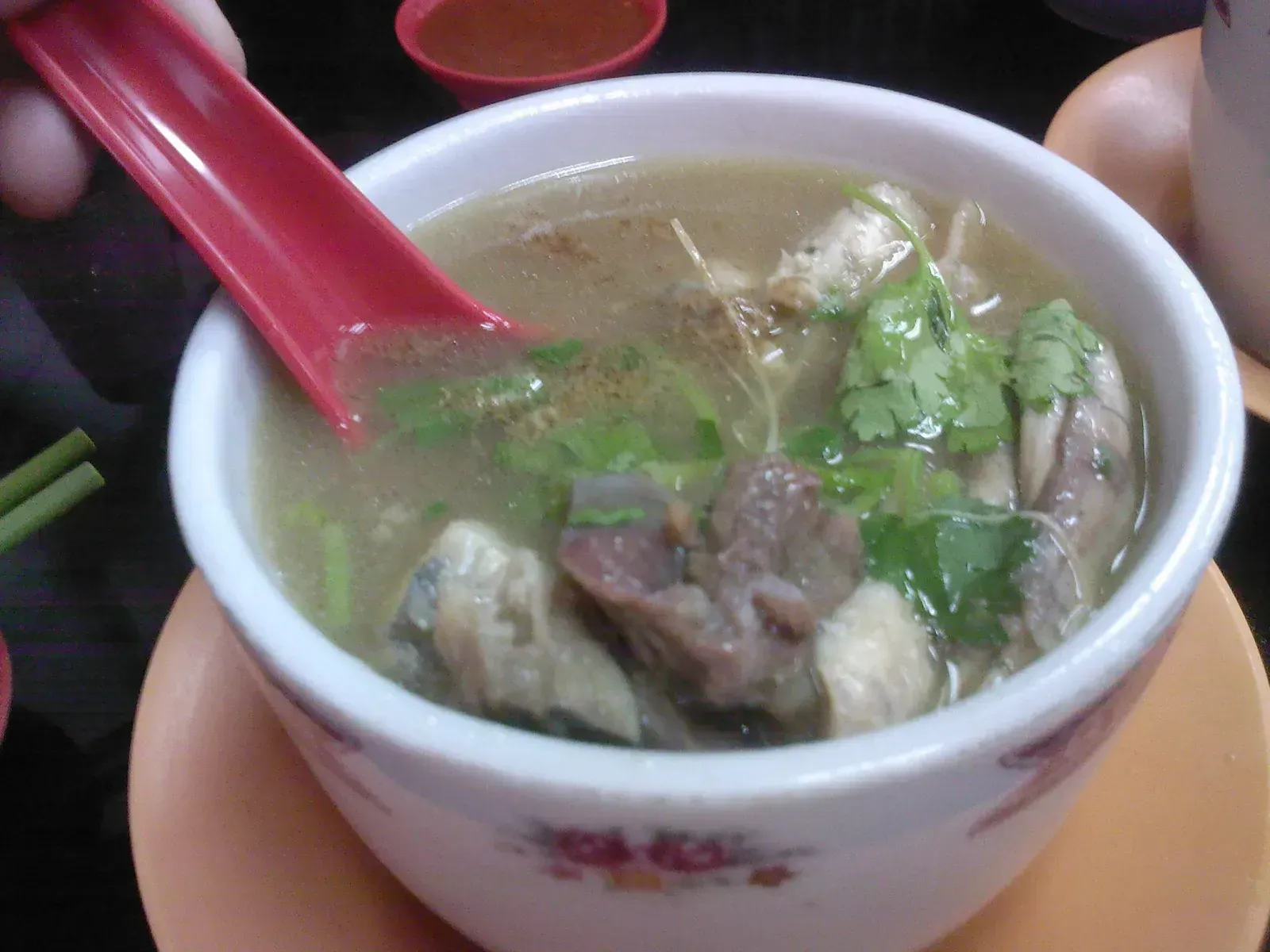
Mock turtle soup was invented as an imitation of real turtle soup, using beef or veal instead of turtle meat. In the 19th and early 20th centuries, it enjoyed popularity, especially when actual turtle soup became less accessible. Think about that for a second: Americans loved turtle soup so much they created an entire substitute dish when the real thing became scarce. Created with ground meat, hard-boiled eggs, and rich spices, it mimicked the texture and flavor of actual turtle soup without the exotic ingredient. Over time, with real turtle soup falling out of fashion and changes in availability, this imitation dish faded too. It’s now rarely seen except in some historical menus or certain regional eateries.
Gelatin Molds

Also referred to as jello salads or gelatin salads, this dinner staple was a traditional side on American tables; a gelatin mold with a mix of savory and sweet ingredients like fruit, grated carrots and other vegetables, cottage and cream cheese, marshmallows and crunchy fillings like pretzels and nuts. After Jell-O was invented in the late 1800s, making it easy to create gelatin-based foods, the first jello mold popped up in Pennsylvania in 1904 by Mrs. John E. Cook. These wiggly creations were centerpieces at potlucks, holiday dinners, and family reunions throughout mid-century America. The jello salad became popular in the 1950s but declined in popularity in the 1960s and 70s. The shift toward natural, unprocessed foods in the 1980s basically sealed the fate of these colorful molds. Now they’re mostly a punchline in retro cooking videos.
Succotash
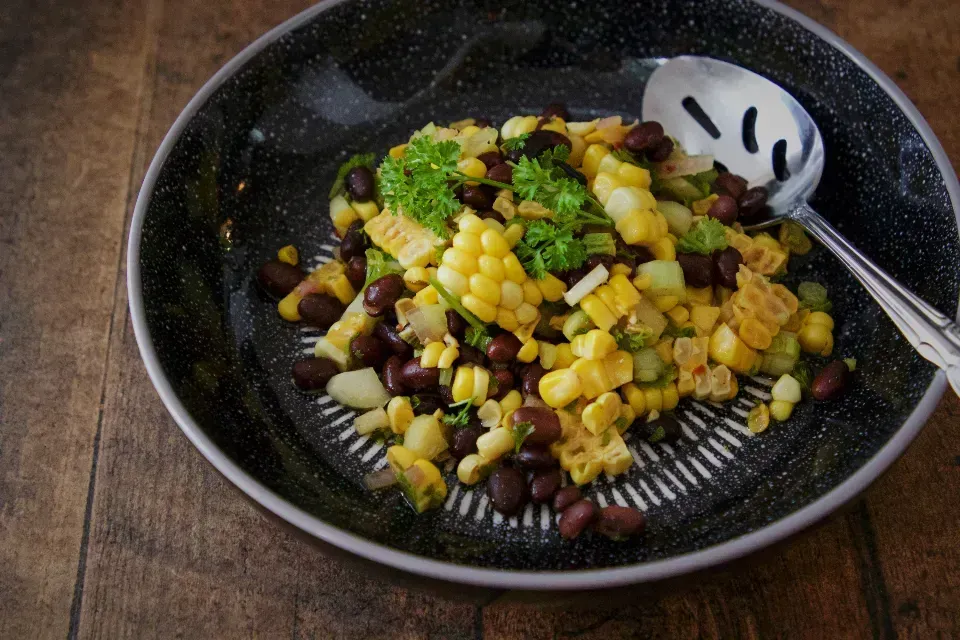
Once a popular dish dating back to the 17th century, succotash isn’t the type of dinner side you see on the table these days. Evolved from the word msíckquatash from the Narragansett tribe, meaning “boiled corn kernels,” this dish will typically contain a variety of ingredients including onions, tomatoes, lima beans or other legumes, bell peppers, and of course corn. The dish has deep Indigenous American roots, predating European colonization by centuries. Its decline mirrors a broader trend of traditional Native American foods being pushed aside despite their historical significance. While you might still find it occasionally at Southern barbecues or Thanksgiving tables, it’s become more of a novelty than a staple most families rely on regularly.
Pickled Herring
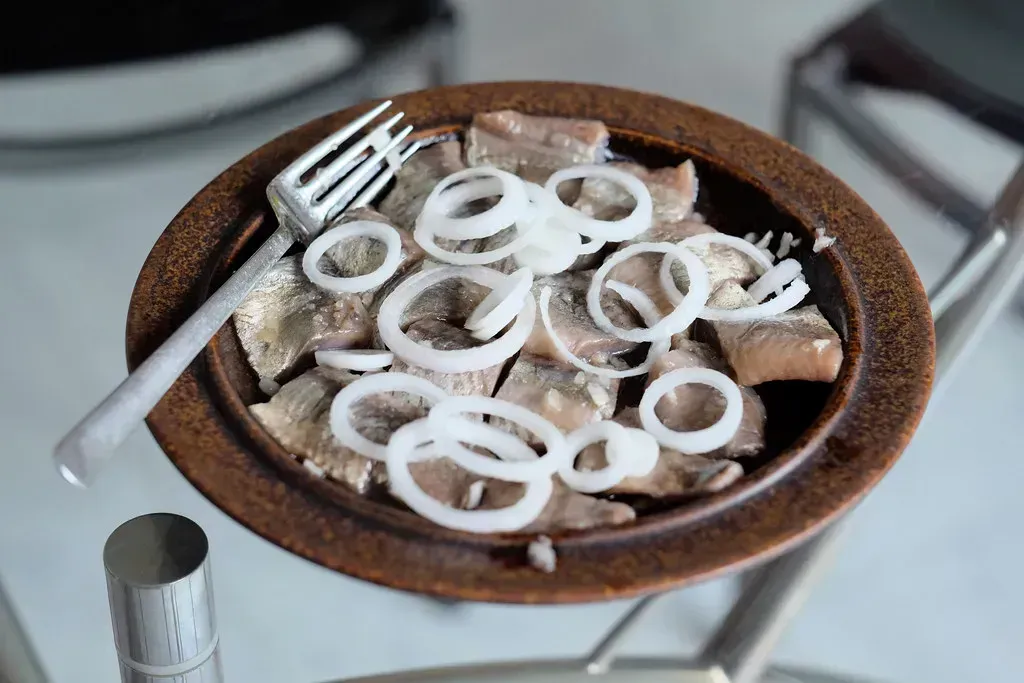
Originally a staple in Northern European countries given how easy it was to store and transport fish without it going bad, pickled herring became a staple in America due to European migrants who settled in the Midwest and brought their love for this preserved fish. The silvery fillets packed in vinegar and spices were once common at delis and family gatherings. However, with the availability of fresh fish in grocery stores and the popularity of other preserved fish products, like canned tuna, or more recently tinned sardines, pickled herring isn’t a popular choice a century later. It’s fascinating how refrigeration and modern supply chains essentially made this preservation method obsolete, taking the dish’s prominence along with it.
Pineapple Upside Down Cake
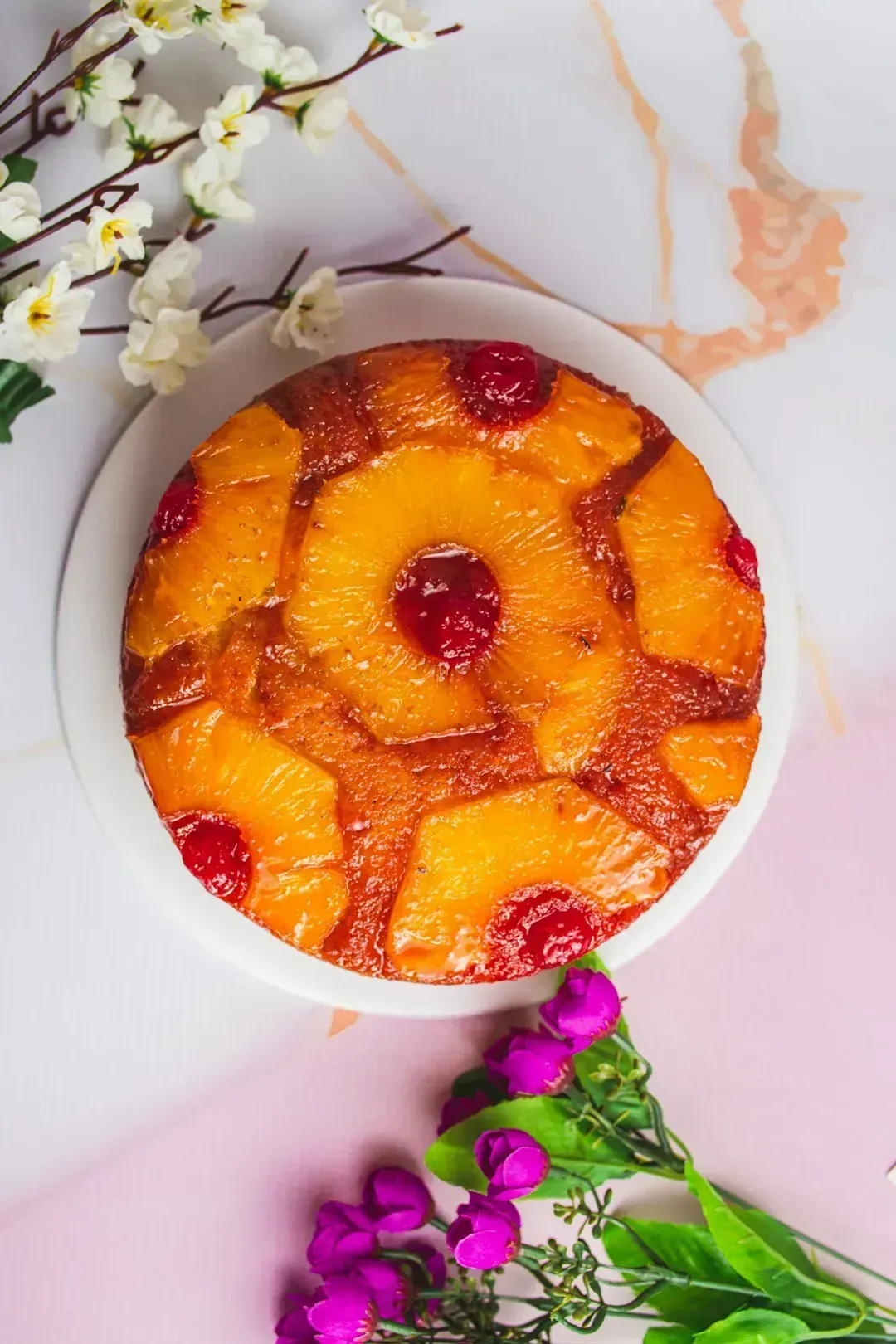
Though some grandmas still make it, pineapple upside-down cake has largely vanished from contemporary American dessert tables and bakeries. This dessert was absolutely everywhere in the mid-twentieth century, with its caramelized pineapple rings and maraschino cherries creating an instantly recognizable pattern. The cake represented both tropical exoticism and American ingenuity, particularly after canned pineapple became widely available. It was showy enough for company yet simple enough for weeknight dinners. Still, like many dishes from that era, it fell victim to changing dessert trends that favored lighter, less sweet options or more sophisticated flavor profiles.
Oyster Stew
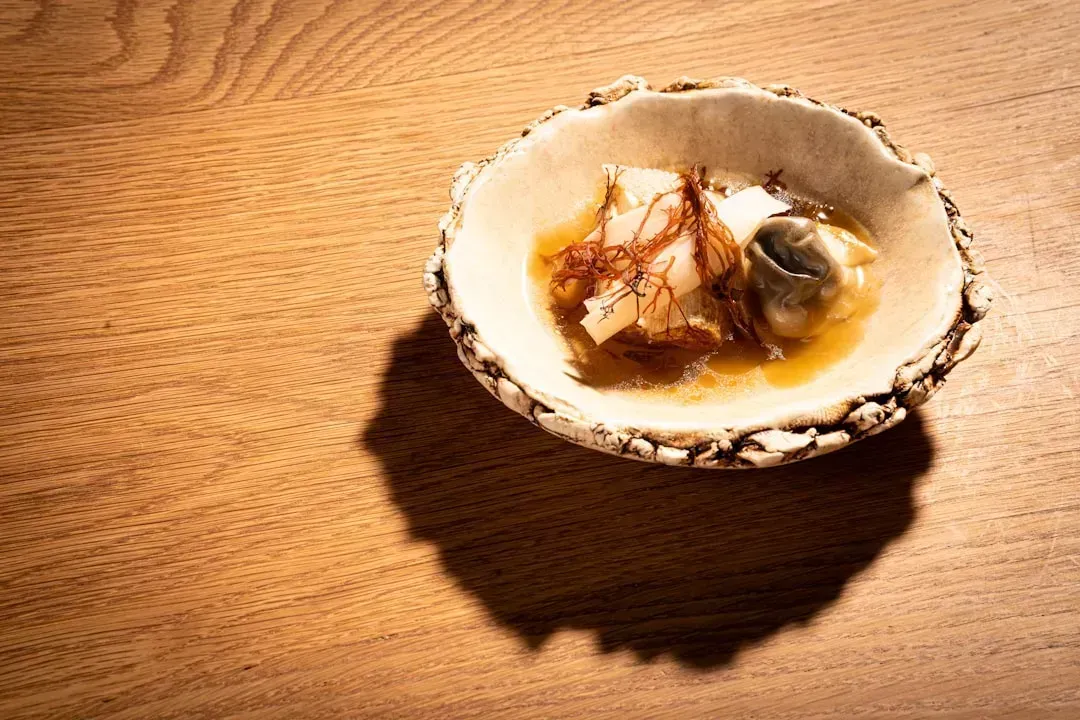
This tradition came over with the Irish immigrants in the mid-1800s and was particularly popular on Christmas Eve in Southern United States cuisine, with Irish Catholic immigrants adapting their traditional dried ling stew recipe for oysters. The creamy, briny stew was simple but luxurious, requiring just oysters, milk or cream, butter, and seasonings. For many families, particularly those along the coasts, it was as much a part of Christmas Eve as midnight mass. The decline of this dish reflects multiple factors: changing immigration patterns, the rising cost of oysters, and the fading of certain religious food traditions as families became more secular or blended different cultural practices.