5 Foods With More Magnesium Than Dark Chocolate – Yet Few Know About Them
Dark chocolate has built itself quite a reputation as a magnesium superfood, and for good reason. Dark chocolate is very rich in magnesium, with 65 mg in a 1-ounce (28-gram) serving. That sounds impressive until you start looking at what else is sitting quietly in the produce aisle, the bulk food bin, or even the legume section. Medical scientists believe that magnesium is directly involved in over 300 enzymatic reactions in the body, influencing almost every system. Most people default to reaching for a chocolate bar when they think about boosting their magnesium, but the foods on this list absolutely crush that benchmark – often without the sugar and saturated fat that come along for the ride.
1. Pumpkin Seeds – The Unassuming Magnesium King
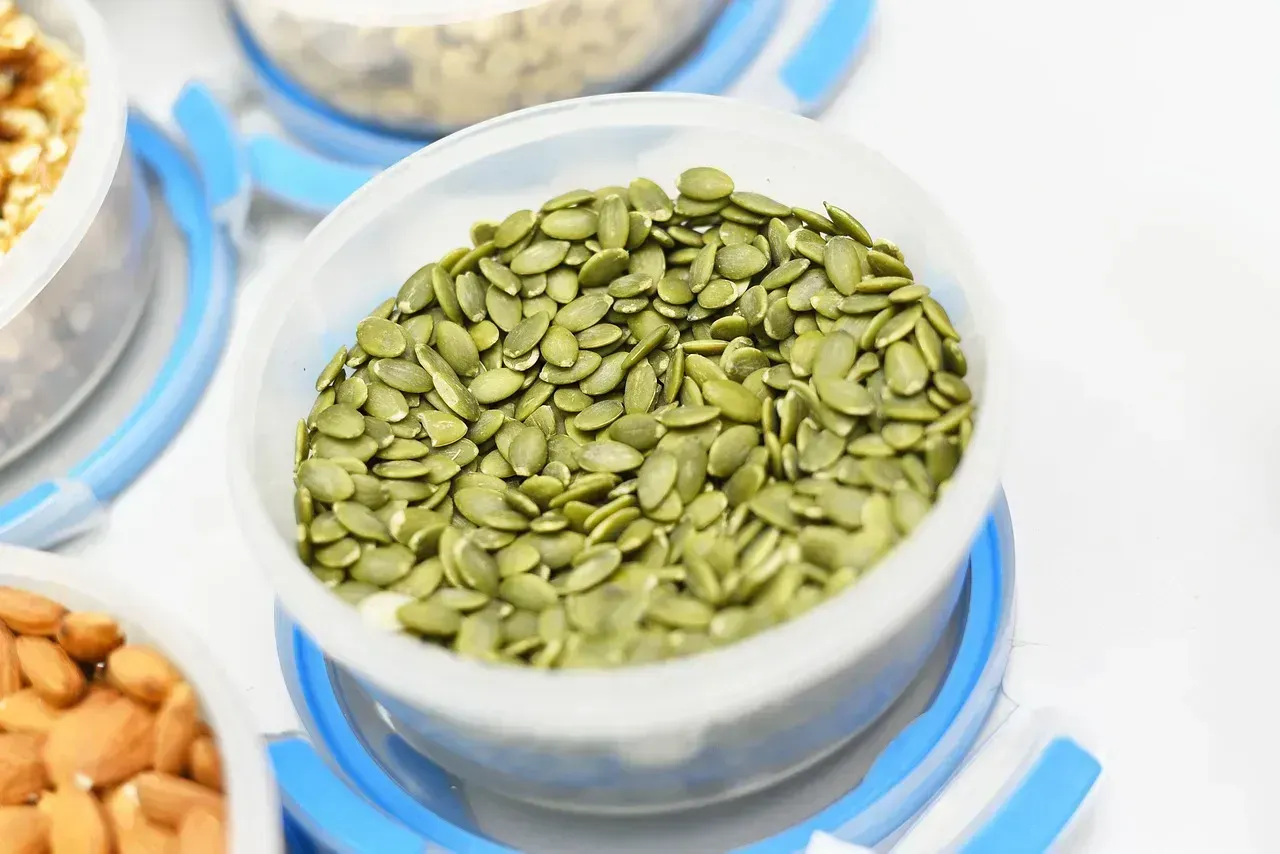
Many seed varieties contain high amounts of magnesium, but pumpkin seeds are a particularly good source, with 168 mg in a 1-ounce (28-gram) serving – a whopping 40% of the Daily Value for magnesium. That’s more than double what you’d get from the same weight of dark chocolate, and most people have no idea. Pumpkin seeds are rich in unsaturated fatty acids, high-quality protein, dietary fiber, and essential minerals such as magnesium, zinc, and iron. Their phytochemical profile includes tocopherols, phytosterols, cucurbitacins, and polyphenols – compounds associated with antioxidant, anti-inflammatory, antidiabetic, and anticancer activities.
The high magnesium content in pumpkin seeds helps lower your blood pressure and keep it steady. Thanks to this effect, diets high in magnesium are linked to a lower risk of stroke and death from heart disease. Beyond heart benefits, studies show that pumpkin seeds can reduce blood sugar, which can be especially helpful for those with type-2 diabetes. This may be due to their high magnesium content, which plays a role in the body’s ability to secrete insulin. Magnesium can also help to reduce the risk of developing diabetes in the first place – so much so that one observational study found that magnesium-rich diets were associated with a 33% reduced risk of type 2 diabetes in men and a 34% lower risk in women.
2. Hemp Seeds – The Complete Protein With a Magnesium Punch
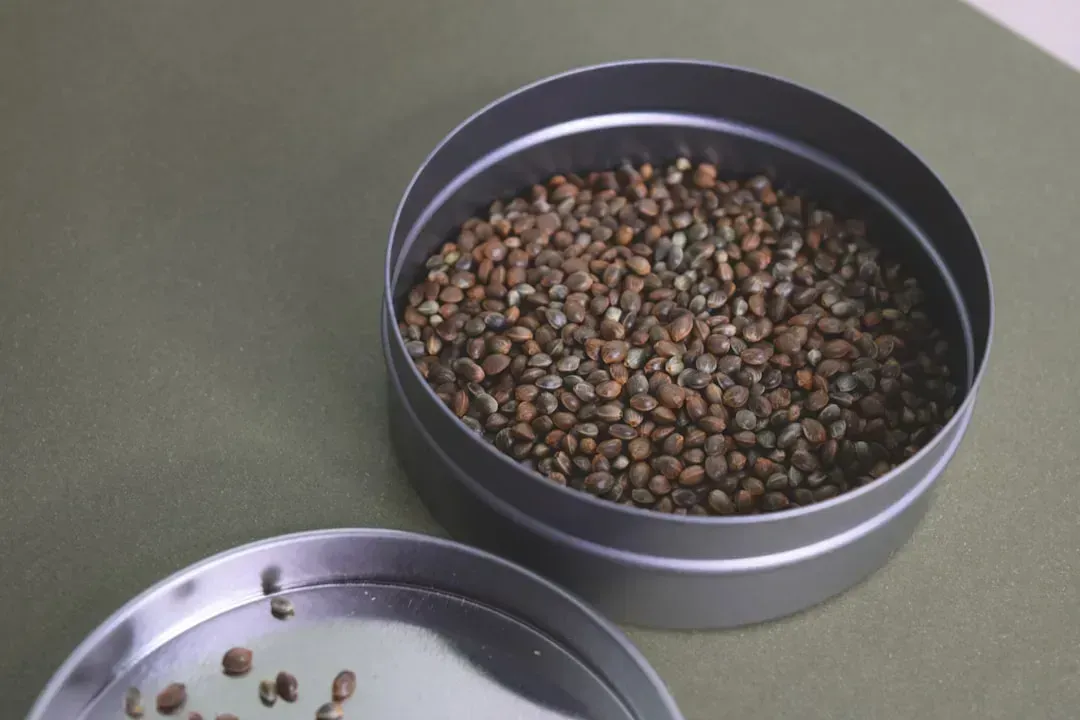
Just 3 tablespoons (30g) of hemp hearts provides 210 mg of magnesium – 52% of the RDA for magnesium for men and 67% for women. That single serving outpaces dark chocolate by a very large margin, and yet hemp seeds are still seen by many as a niche health-food store item rather than an everyday staple. Hemp seeds are exceptionally nutritious and rich in healthy fats, protein, and various minerals. The average magnesium content in whole hemp seeds is 383.4 mg per 100 grams, making them one of the densest plant sources of this mineral available.
Hemp seeds are a great source of magnesium, which helps regulate your heartbeat and is linked to the prevention of coronary heart disease. They also contain linoleic acid, which one study found reduced participants’ cholesterol levels by 15% and may act to reduce blood pressure. A 2024 peer-reviewed paper published in the journal Molecules confirmed that hemp seed-based foods are rich sources of protein and fiber and are particularly rich in micronutrients, including potassium, magnesium, and phosphorus, and bioactive phytochemicals. Hemp seeds are a great protein source, as more than 25% of their total calories come from high-quality protein – considerably more than similar foods like chia seeds and flaxseeds, whose calories are 16% to 18% protein.
3. Black Beans – The Everyday Legume You’ve Been Underestimating
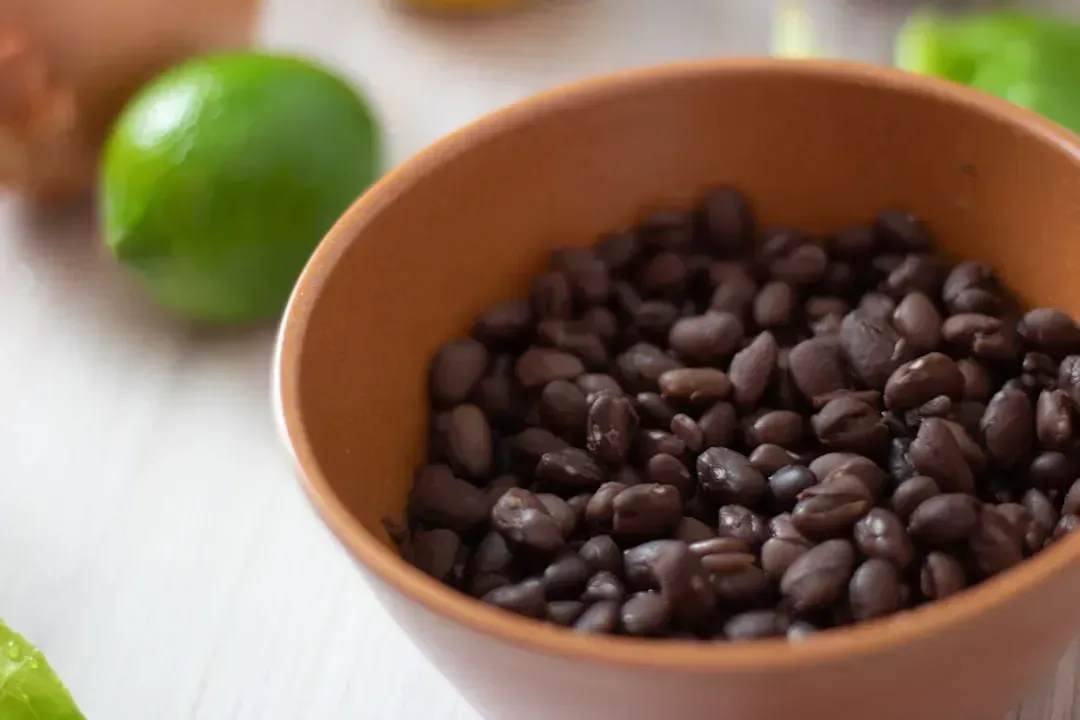
Black beans are a good source of magnesium. A one-cup serving (about 172 grams) of cooked black beans provides around 120 mg of magnesium, which is nearly 30% of the recommended daily intake for adults. That’s nearly twice what you’d get from a standard one-ounce serving of dark chocolate. Black beans are also accessible, affordable, and incredibly versatile – yet few people think of them first when magnesium comes to mind. The antioxidants, fiber, protein, and carbohydrates in black beans make them nutritionally powerful. A diet rich in beans can reduce your risk of several serious medical conditions and help your body to process calories more effectively.
Black beans are naturally low in sodium and contain potassium, calcium, and magnesium, all of which can help people manage their blood pressure. The bone benefits are equally worth noting: the iron, phosphorus, calcium, magnesium, manganese, copper, and zinc in black beans all contribute to building and maintaining bone structure. Unlike many other foods that are high in carbohydrates, black beans don’t cause a spike in blood sugar – studies have actually found the opposite. This makes them a smart, stable energy source for anyone watching their glycemic response.
4. Buckwheat – The Ancient Grain That Nutrition Science Is Revisiting
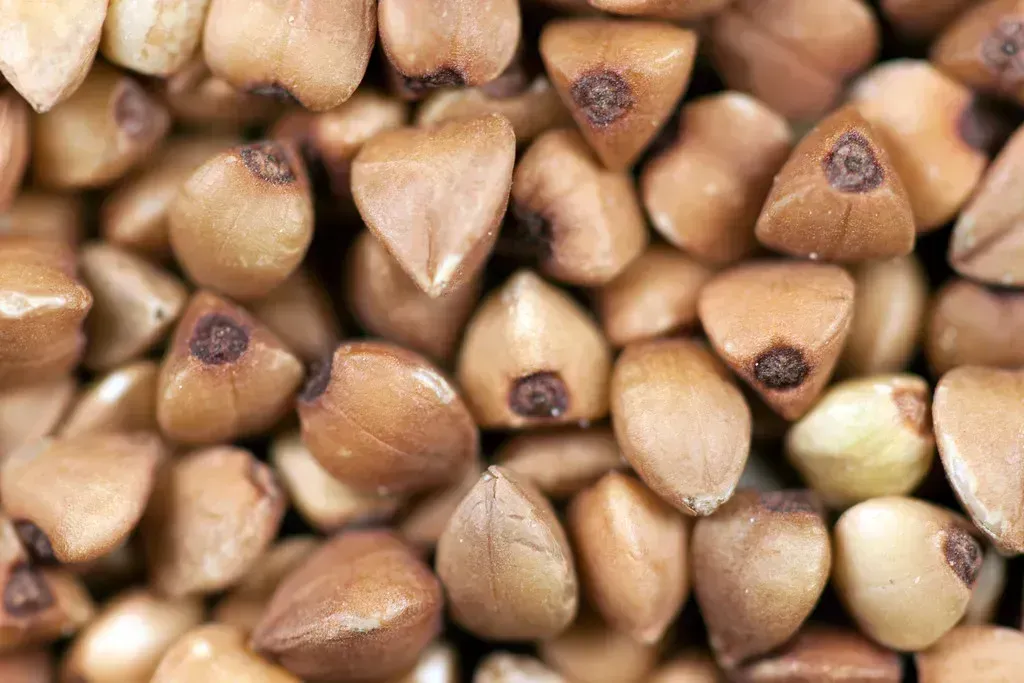
A 1-cup (168-gram) serving of cooked buckwheat contains 86 mg of magnesium. That already puts it ahead of a standard ounce of dark chocolate, but buckwheat’s real advantage is its density across a whole meal portion. Whole grains like wheat, oats, and barley, as well as pseudocereals like buckwheat and quinoa, are excellent sources of many nutrients, including magnesium. Despite being called a grain, buckwheat is technically a seed related to rhubarb and sorrel – making it naturally gluten-free and suitable for a much wider range of diets than most people realize.
The USDA National Nutrient Database confirms that buckwheat stands out remarkably even when measured in raw form, with buckwheat providing 393 mg of magnesium per cup. Beyond magnesium, controlled studies have shown that whole grains like buckwheat reduce inflammation and decrease several risk factors for heart disease. It’s a food with deep historical roots in Central and Eastern European, Japanese, and Korean cuisines, and it deserves a genuine comeback on modern plates. Nutty in flavor and satisfying in texture, it can replace rice, oats, or pasta in almost any dish.
5. Cooked Spinach – The Leafy Green That Delivers Far More Than You Think
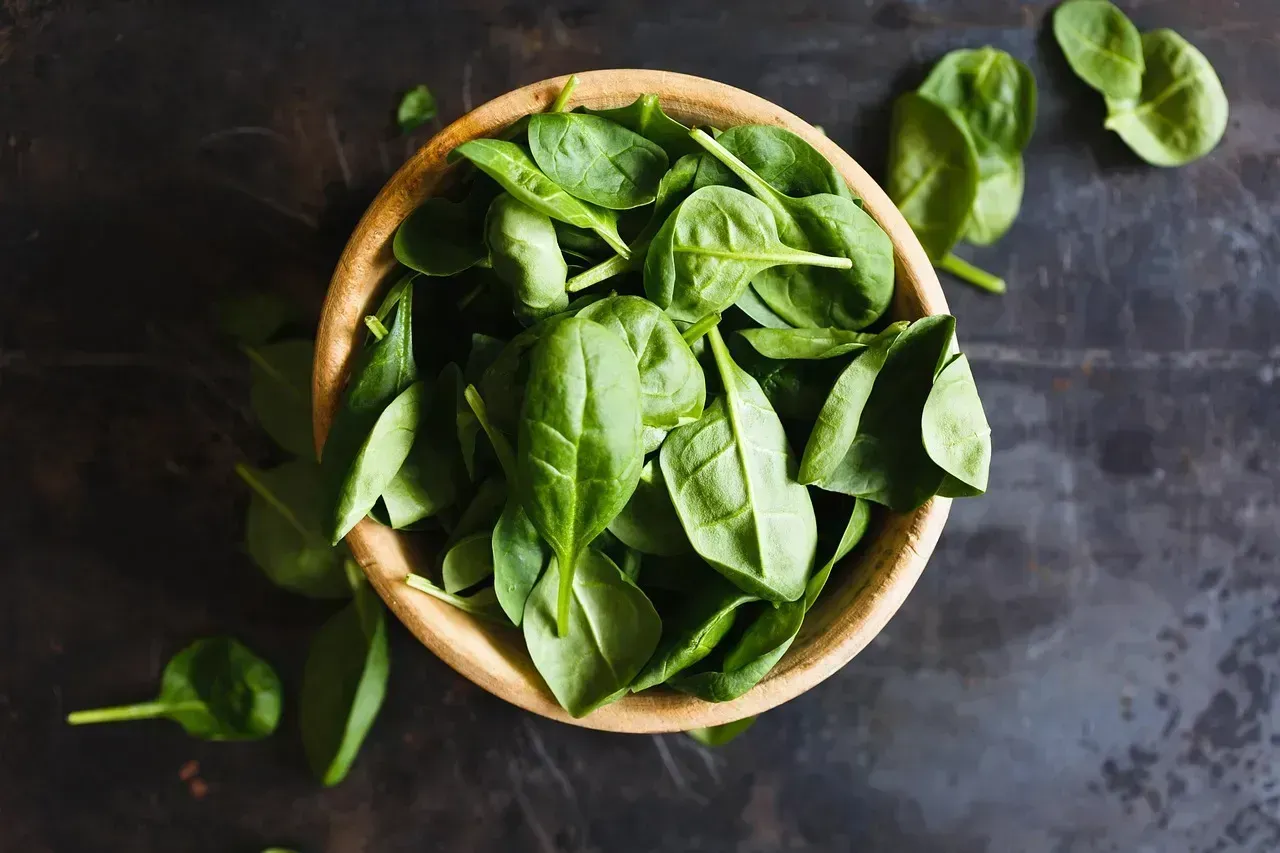
Magnesium is abundant in spinach at 87 mg per 100 grams. Once cooked, spinach loses much of its volume, which means a standard cooked serving easily concentrates that figure into a very manageable portion. Raw spinach is widely consumed in salads, but the cooked version is where spinach truly shines as a magnesium source – and most people walk right past it in favor of supplements or snacks. Magnesium sits at the heart of the chlorophyll molecule, enabling photosynthesis by helping plants capture and convert sunlight into energy – which is precisely why dark leafy greens like spinach are naturally so rich in it.
Intensive agriculture and fertilizer use have depleted magnesium in soils, with various studies indicating that fruit and vegetable magnesium content has fallen by 20 to 30% in the last 50 years. This makes choosing minimally processed, whole spinach – ideally organic – more important than ever. Besides magnesium, spinach contains numerous other vitamins and minerals such as potassium and vitamin A. Experts recommend consuming between 310 and 420 milligrams of magnesium per day, depending on age and sex – and a generous serving of cooked spinach paired with any other item on this list gets you there without ever touching a chocolate bar.