The Safest to Most Dangerous Middle Eastern Countries for American Tourists, Ranked
The Middle East. Two words that can send a chill down the spine of any cautious traveler, yet inspire pure wanderlust in another. It’s one of the most misunderstood regions on earth, a place where ancient civilization sits next to ultramodern skylines, and where your experience can range from five-star luxury to genuine life-threatening danger, sometimes just a few hundred miles apart.
For American tourists, the stakes are especially high. The U.S. State Department tracks threat levels across every country on the globe, and the Middle East holds some of the widest extremes on that entire list. From places where you can walk alone at midnight without a second thought, to places where the U.S. government cannot even guarantee any consular help if something goes wrong. So buckle up. This ranking goes from the safest to the most dangerous, and the contrast is genuinely staggering. Let’s dive in.
1. Qatar – The Safest Spot in the Region, Full Stop

If you had to pick one Middle Eastern country that Americans can visit with the least amount of anxiety, Qatar is it. Qatar falls into the lowest U.S. State Department risk category of “Exercise Normal Precautions,” one of only two Middle Eastern countries to earn that distinction. Think of it like a green traffic light. No major alerts, no specific terror threats, no reason to hesitate.
A 2025 Expatriate Group report named Qatar the eighth safest country globally for expats, noting its incredibly low crime rate. The same report named Qatar as having the second-lowest crime in the world, with a Crime Index of just 16.0. To put that number in perspective, many major American cities score several times higher on the same scale. Honestly, walking the streets of Doha at night feels safer than walking through downtown in parts of the U.S.
Qatar has an exceptionally low crime rate and a stable government, and the country’s tourism board ensures visitor safety through dedicated helplines and multilingual support. Doha, the capital, is one of the safest cities in the world, with well-lit streets and secure public spaces. Qatar has invested heavily in smart surveillance, AI-powered monitoring systems, and integrated safety networks, which are used in public spaces, malls, metro systems, and stadiums, allowing authorities to detect and act on potential threats in real time.
2. Kuwait – Quiet, Stable, and Seriously Underrated
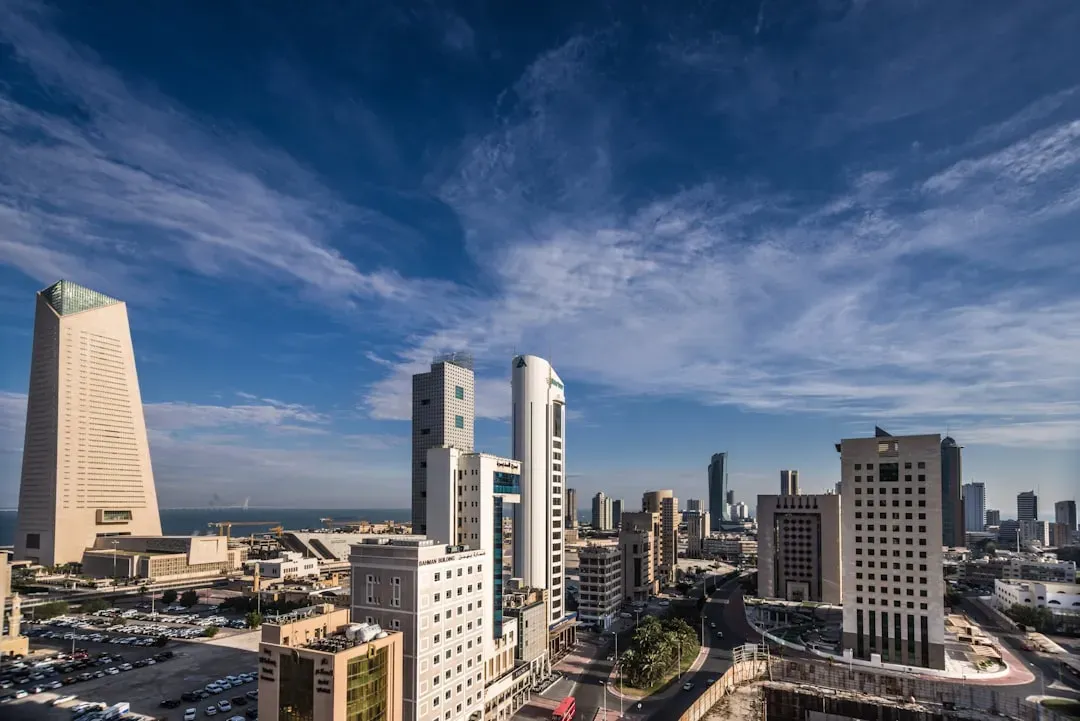
Kuwait rarely makes it onto any travel bucket list, which is honestly a shame. Kuwait is classified as Level 1 by the U.S. State Department, with Americans advised to exercise increased caution only in specific areas, including the Jleeb Al-Shuyoukh area in Kuwait City because of crime. Outside of those pockets, the overall environment is calm and welcoming.
Kuwait is known for its political and social stability and consistently low crime rates, and its capital, Kuwait City, has all the essential elements of a safe and modern Arab city, including up-to-date infrastructure, good public services, and a blend of traditional and modern architecture. With a high-income economy due to the abundance of its oil reserves and strong government institutions, Kuwait is able to maintain stability and security for its residents and visitors.
One caveat worth noting, however. The U.S. advisory specifically warns travelers not to venture into the desert area near the border with Iraq, because of bombs, shells, and land mines left over from the 1990 Gulf War. So if you’re planning a desert off-road adventure near the northern border, think again. Stick to the cities, and you’ll find Kuwait a genuinely pleasant and peaceful destination.
3. United Arab Emirates – Where Global Luxury Meets Iron-Clad Safety
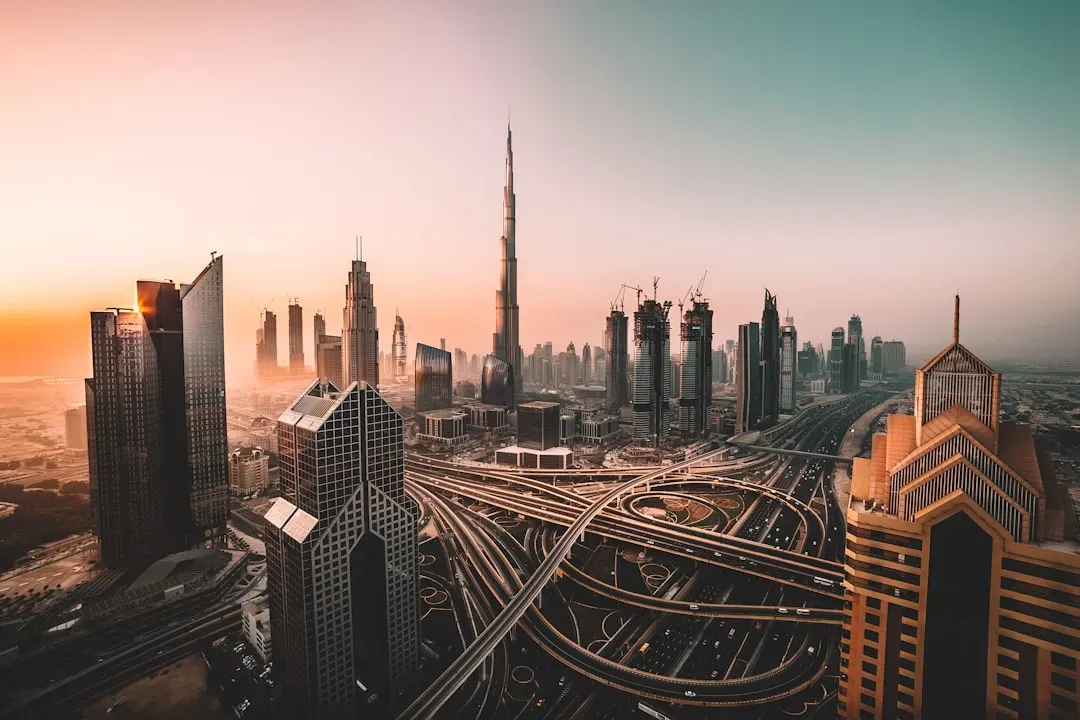
The UAE is the kind of place that makes you rethink everything you thought you knew about the Middle East. The UAE has been ranked the second safest country globally, achieving a safety index score of 84.5 according to the 2025 Safety Index released by Numbeo, with only Andorra scoring higher at 84.7. That puts it ahead of virtually every country in Europe or the Americas.
Home to the world’s tallest building, the iconic Burj Khalifa, the UAE is frequently cited as one of the safest and most modern countries in the Middle East. With a Crime Index of around 15.0, it boasts remarkably low rates of violent crime and an almost insignificant homicide rate. The country is known for its strict laws and robust law enforcement measures, which help maintain low levels of crime and violence, while its highly developed infrastructure, modern transportation systems, and advanced medical facilities make it an attractive destination for travelers.
For entry into the UAE, you need a passport valid for at least six months before the date of entry. U.S. citizens can obtain a free visitor visa upon arrival that allows a stay of up to 30 days. That ease of access, combined with world-class tourism, is exactly why millions of Americans make the trip each year. The U.S. State Department places it at Level 2, meaning exercise increased caution, which seems almost conservative given just how safe the data says it really is.
4. Oman – The Peaceful Kingdom You Probably Haven’t Visited Yet

Oman is one of the great overlooked destinations of the travel world. The quiet coastal destination is particularly praised by solo female travelers as one of the safest destinations to visit, with extremely low homicide rates and respect for others embedded into the local culture. That’s not a small thing. Safety for solo travelers, especially women, is a powerful indicator of a country’s overall security culture.
Oman is politically neutral and has avoided regional conflicts, maintaining stability for decades. Crime is rare, and locals are known for their hospitality. The Royal Oman Police ensure tourist safety, and the country’s tourism infrastructure is well-developed. In global safety assessments, Oman ranked 24th, often performing better than many Western countries. That number genuinely surprised me when I first read it.
Oman placed fifth in the 2025 Numbeo global Safety Index, following Qatar and the UAE. Gulf Cooperation Council nations dominated the rankings, with Oman joining Qatar in the global top five and Saudi Arabia securing the 14th spot. The U.S. State Department places Oman at Level 2. Daily life in Oman is often described as relaxed and family-oriented, with an emphasis on local culture and traditions, and people enjoy outdoor pursuits and a slower pace of life compared to neighboring Gulf countries.
5. Bahrain – A Gulf Island With a Moderate Profile
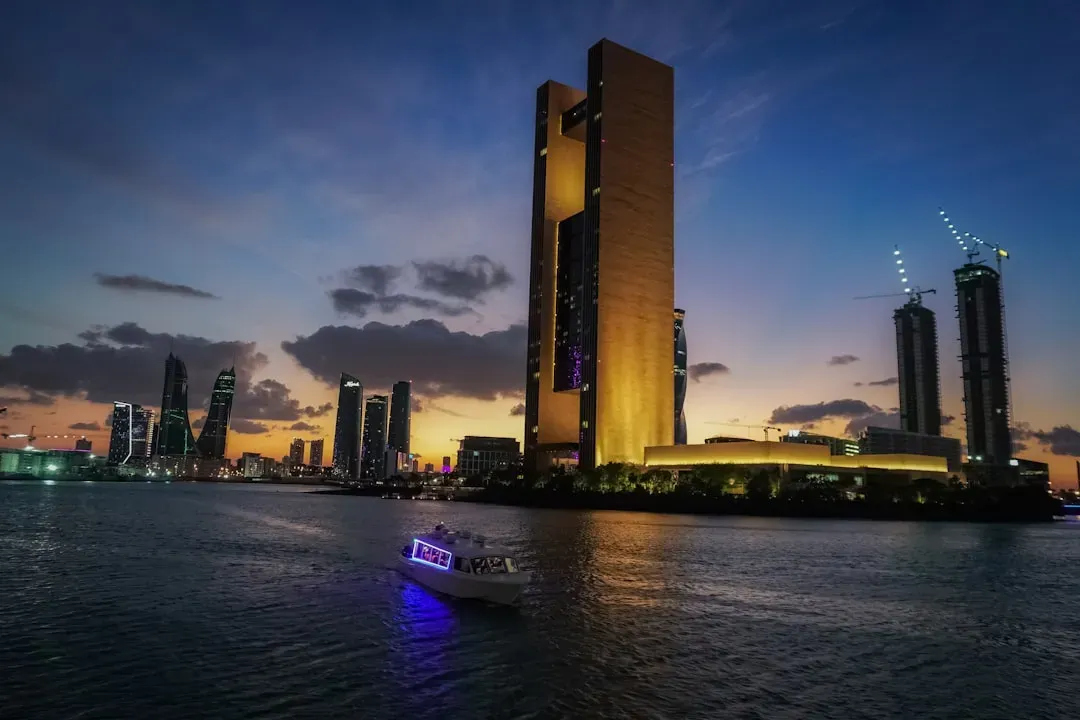
Small in size but notable on safety rankings, Bahrain is a fascinating destination that doesn’t demand the same kind of nerves as many of its neighbors. Bahrain is a small island nation in the Gulf known for its oil wealth, ancient Dilmun civilization, and thriving pearl diving heritage. It offers a blend of modern and traditional infrastructure, established expat communities, and a generally safe living environment, with a Crime Index of around 36.0, considered low to moderate, and violent crime remaining rare.
Living in Bahrain is often seen as relatively liberal and cosmopolitan for the Gulf region. That liberalism extends to the tourism experience too. Bahrain has long been a destination where Gulf residents go to relax a little more openly, and that slightly more relaxed atmosphere is something American tourists tend to appreciate. Among GCC countries in safety rankings, Bahrain placed 13th globally, coming directly after Qatar and ahead of Kuwait, Oman, the UAE, and Saudi Arabia.
6. Jordan – Ancient Wonders With Some Modern Cautions

Few destinations anywhere on earth can compete with Jordan’s sheer historical magnetism. Petra, Wadi Rum, the Dead Sea. The list goes on. Jordan’s Numbeo Crime Index is approximately 45.0, which is moderate overall, with most incidents involving petty theft rather than violent crime. A visible security presence, especially around popular tourist areas, helps maintain stability, and Jordan’s welcoming culture and positive diplomatic ties with Western nations contribute to making it one of the safest destinations in the Levant.
There are various parts of Jordan that are no-go zones according to the U.S. State Department, including borders with Syria and Iraq, refugee camps, and Ma’an city, but overall, the country carries a Level 2: Exercise Increased Caution advisory. That nuance matters enormously. Jordan itself is largely safe, but it borders some of the most dangerous countries on earth, and geographic proximity does create some overspill risk worth knowing about.
The U.S. Embassy in Jordan states that due to high tensions in the region, the security environment remains complex and can change quickly. So while the pyramids of Petra are as spectacular as advertised, stay informed, keep an eye on regional developments, and avoid the border zones entirely. Think of Jordan the way you might think of Mexico: popular, largely safe in the tourist zones, but not uniformly safe across every region.
7. Saudi Arabia – Rapidly Opening Up, But Risks Remain
Saudi Arabia is changing faster than almost any country in the world right now, and its tourism sector is a genuine surprise story. Saudi Arabia boasts one of the lowest crime rates in the Middle East, thanks to strict law enforcement and comprehensive security measures, and tourist areas like Riyadh, Jeddah, and AlUla are heavily patrolled, with the government having introduced tourist police units to assist visitors. The transformation is real, and it’s significant.
Much of the region falls in the U.S. State Department’s Level 2 “Exercise Increased Caution” category, which includes Saudi Arabia, and the UAE actually has five of the top ten safest cities in the world according to the Numbeo safety index. Saudi Arabia is a top performer in worldwide law and order rankings, and a destination where locals feel safe when walking alone at night, with the strict system in place creating a distinct sense of security among locals and travelers alike.
Here’s the thing though: the State Department’s Level 2 advisory for Saudi Arabia isn’t just bureaucratic caution. Despite its economic advancements, Saudi Arabia faces real threats from missile and drone attacks, making it measurably less secure from a geopolitical standpoint. Crime in the streets is genuinely low. The bigger risk is regional conflict, and with Yemen on its border and Iran tensions simmering, that geopolitical layer is one American tourists should not simply wave away.
8. Egypt – Iconic History, Elevated Threat Level
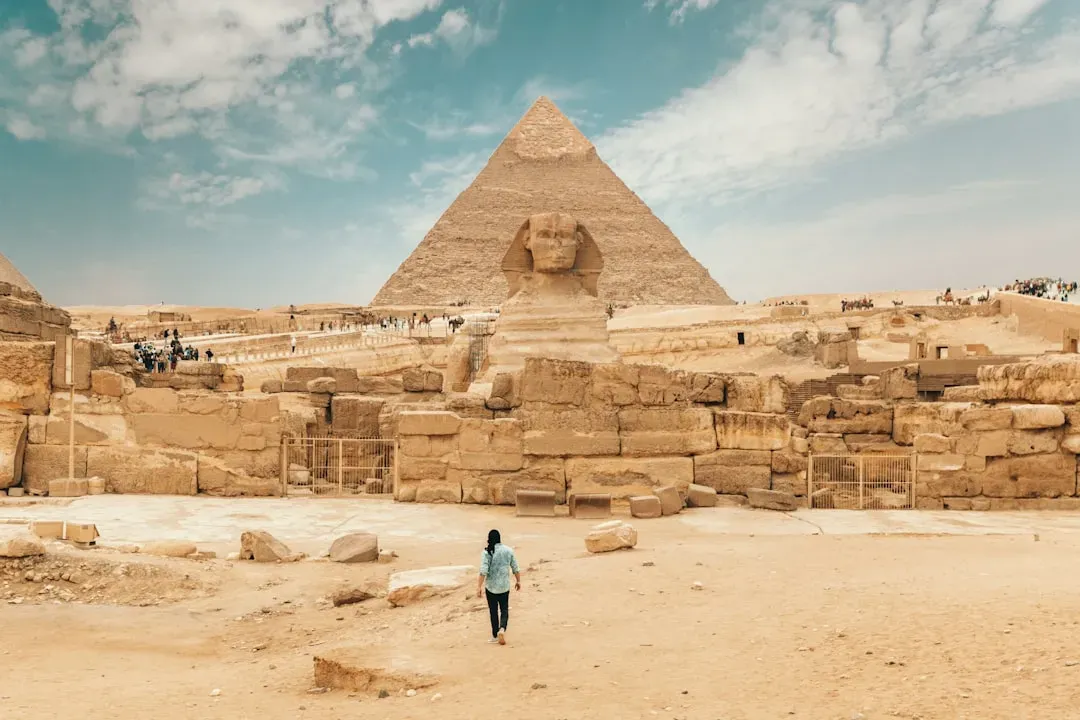
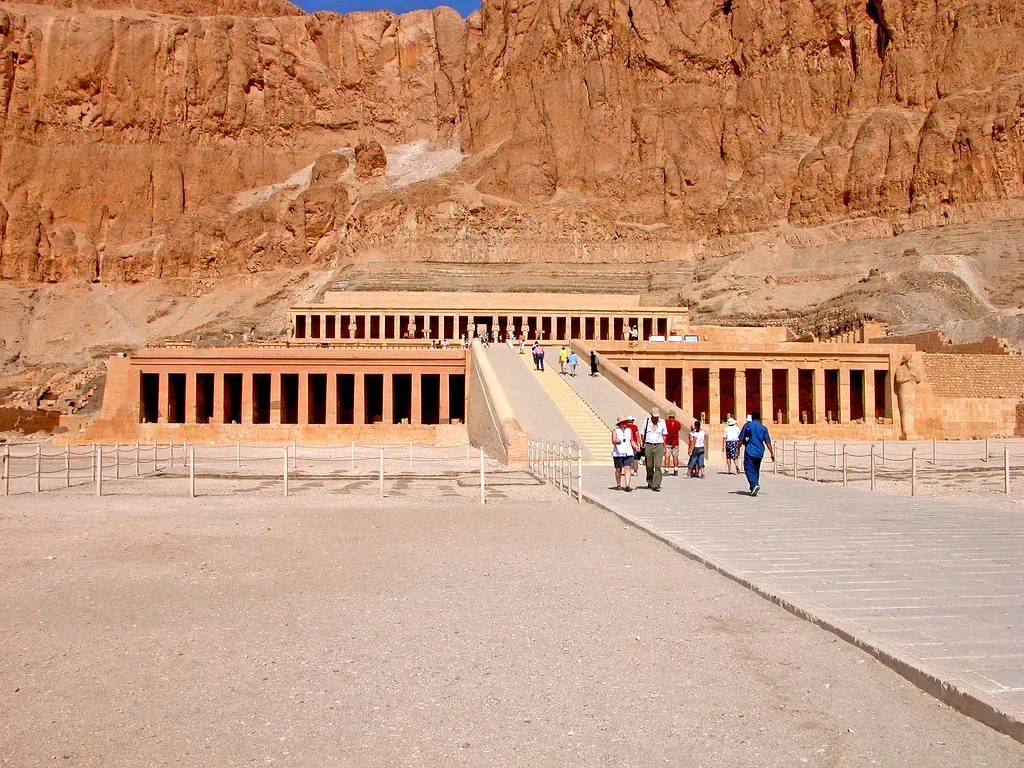
Egypt is one of the most visited countries in the world, and the pull of the Pyramids is almost impossible to resist. While the past decade hasn’t been particularly great for Egypt’s tourism due to the Arab Spring and subsequent political issues, the country remains welcoming and safe for tourists, as long as you stay away from regions like the Libyan border, Western Desert, and the Sinai Peninsula, where there is a higher chance of violence.
Still, the U.S. government isn’t exactly giving Egypt a soft warning. The U.S. government recommends that travelers reconsider their plans to travel to Egypt. It has carried a Level 3: Reconsider Travel warning since July 13, 2023. The advisory notes that the country continues to be targeted by terrorist groups, and there is limited ability to offer assistance to U.S. citizens.
The Sinai Peninsula specifically carries a Level 4: Do Not Travel warning, and U.S. government employees are not authorized to travel to this region, meaning no emergency services are available there. Egypt is known for its ancient monuments and rich history, but it faces real challenges with terrorism, requiring travelers to be cautious. Cairo, Luxor, and the Red Sea resorts are far safer than the advisory’s headline number suggests, but the advisory is what it is, and Americans should take it seriously.
9. Israel – A Complex and Rapidly Shifting Situation
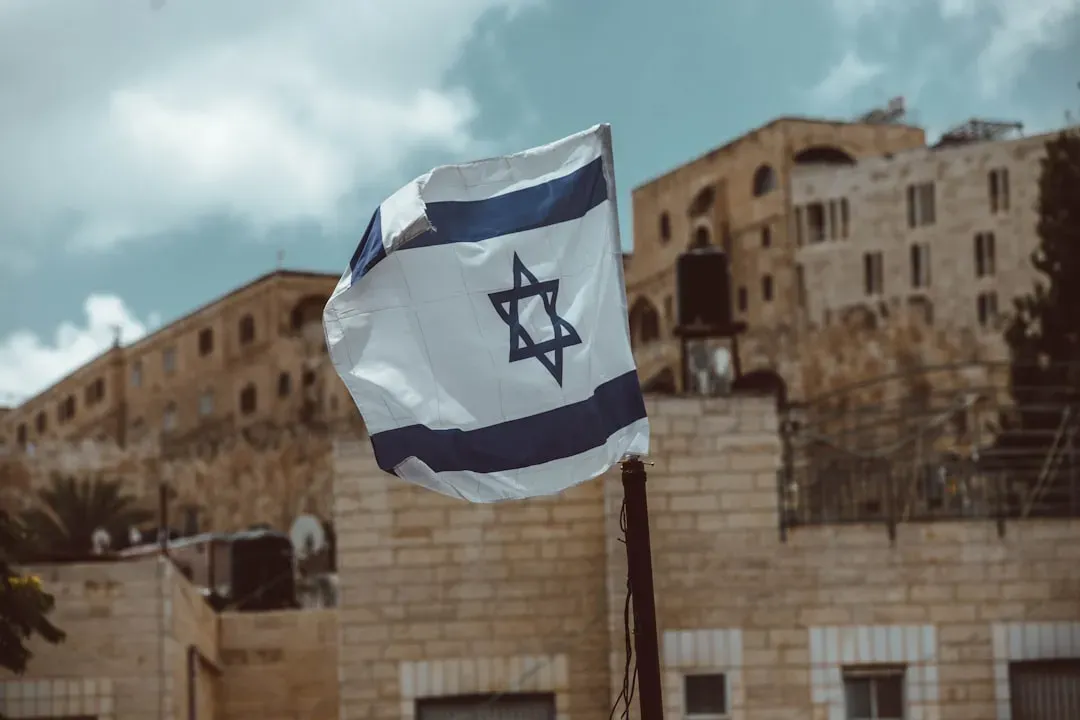
Talking about Israel’s safety status in 2026 is genuinely difficult, because the situation keeps moving fast. On February 27, 2026, the Department of State authorized the departure of non-emergency U.S. government personnel and family members of U.S. government personnel from Mission Israel due to safety risks. That is a significant and very recent development that every American considering a trip to Israel needs to know.
The U.S. State Department has a Level 3: Reconsider Travel advisory for Israel, and a Level 4: Do Not Travel advisory for the West Bank and Gaza. The U.S. government is unable to provide routine or emergency consular services to U.S. citizens in Gaza, and the security environment within Gaza and on its borders is described as extremely dangerous and volatile. Those are not words the State Department uses lightly.
Israel will continue to strike Hezbollah positions throughout Lebanon almost daily in 2026, despite a November 2024 ceasefire, to pressure the Beirut government to disarm the group’s militia. In response to security incidents and without advance notice, the U.S. Embassy may further restrict or prohibit U.S. government employees and their family members from traveling to certain areas of Israel, the Old City of Jerusalem, and the West Bank. Persons may wish to consider leaving Israel while commercial flights are available. That last line says everything.
10. Iraq, Syria, Iran, Lebanon, and Yemen – The Most Dangerous Destinations
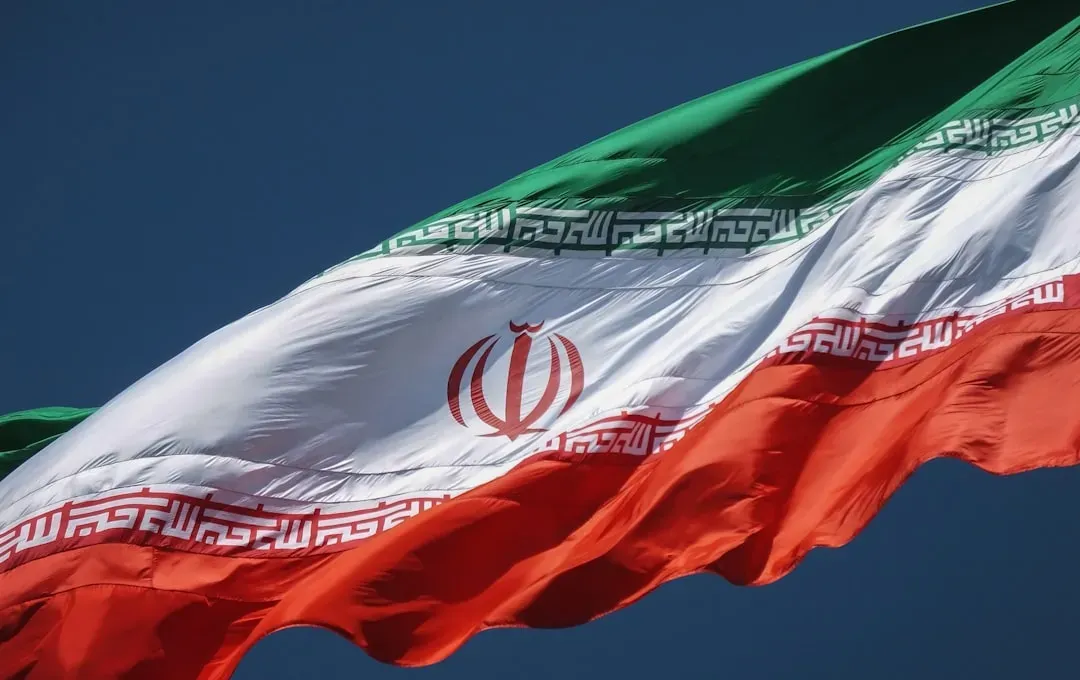
At the very bottom of this ranking sit five countries that share one critical thing in common. The U.S. has issued Do Not Travel warnings for Iran, Syria, Yemen, and Iraq, representing some of the highest-risk destinations on the planet. Lebanon is also one of the 22 countries on the U.S. Level 4: Do Not Travel list, alongside Iran, Syria, and Iraq. These are not close calls or bureaucratic technicalities. These are genuine warnings backed by documented, ongoing danger.
Travel advisories have escalated across the Middle East after early Saturday strikes by the United States and Israel on targets in Iran, with President Donald Trump confirming that “major combat operations” are underway.
The escalation comes after unsuccessful talks in Geneva earlier this week, prompting a growing number of governments to advise citizens to leave Iran, Israel, and surrounding areas. Airlines are rerouting or suspending flights as security assessments continue to shift.