Why Your Money Isn’t Liquid Anymore: New Withdrawal Limits, Explained
You reach the ATM, confident your money’s right there waiting. You punch in your PIN, select the amount. Declined. You try again. Still declined. Here’s the thing: your money’s in the bank, but getting your hands on it just got harder. Welcome to the new world of withdrawal restrictions, where your cash suddenly feels a lot less accessible than you thought.
Maybe you’ve noticed it too. ATMs that used to dispense whatever you needed now seem stingier. Banks quietly tightening the screws. It’s happening across the board, and honestly, most people don’t realize just how restricted their cash access has become until they need it. So let’s dive in and break down exactly what’s changed and why your money isn’t quite as liquid as it used to be.
The Standard Limits Everyone’s Living With Now
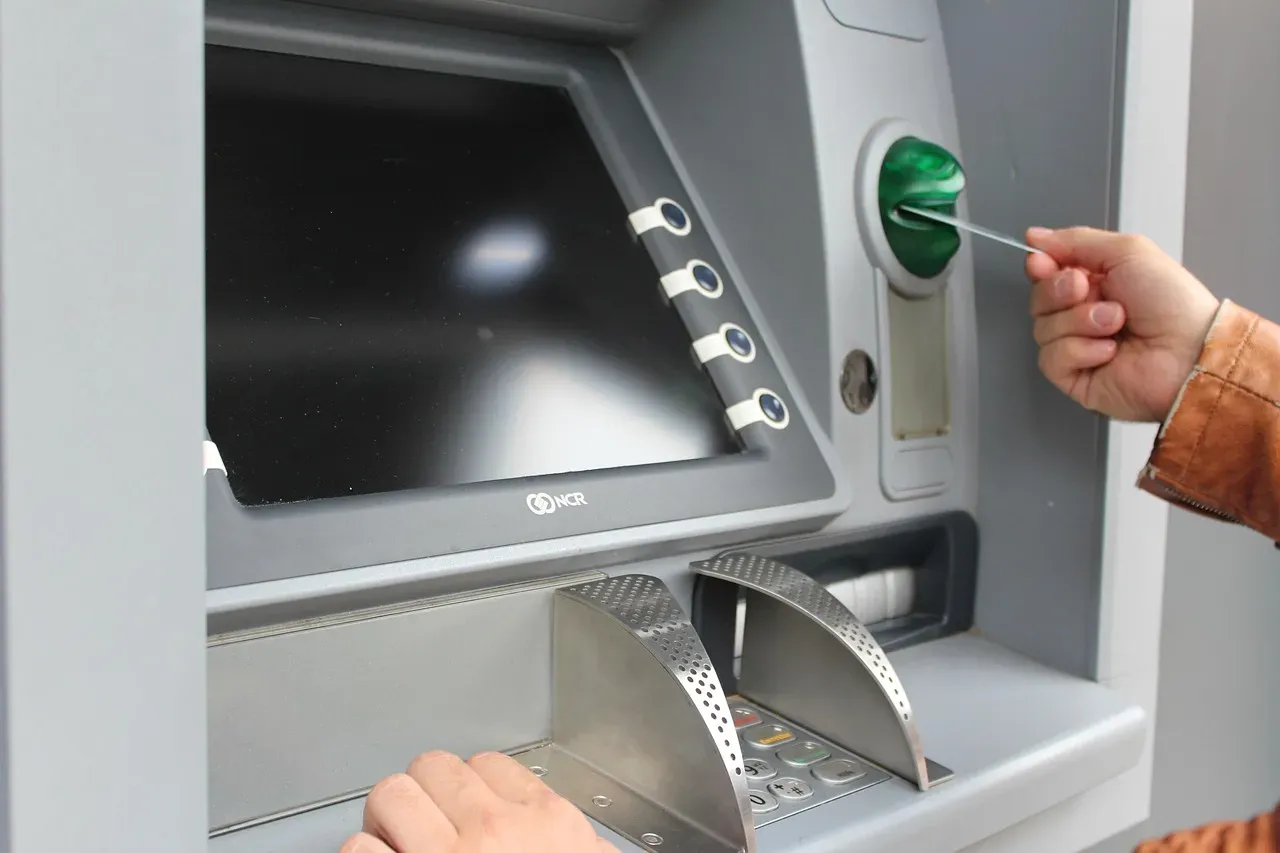
Most banks cap daily ATM withdrawals somewhere between three hundred and one thousand dollars, though that range varies based on your account type. Think about it: if you need emergency cash for something urgent, that ceiling hits fast. According to Ken Justice, head of ATM banking at PNC Bank, these limits exist for security reasons and to protect customer accounts.
In person at a branch, banks often allow you to withdraw up to twenty thousand dollars per day after confirming your identity. The disparity is striking, right? Your own money, but the method you choose dictates how much you can access. Premium accounts sometimes push those limits higher, but for standard checking accounts, you’re stuck in that narrow window.
Why November 2025 Changed Everything
Starting in November 2025, major U.S. banks began enforcing stricter daily and monthly limits on cash withdrawals, mainly affecting ATM and over-the-counter withdrawals to reduce fraud and increase financial tracking. This wasn’t just a minor policy tweak. Banks framed it as a security measure, but the practical effect? Millions of Americans suddenly found their cash access more restricted than ever before.
Financial institutions introduced new penalty systems for breaching withdrawal caps, with excess withdrawal fees ranging from five to twenty dollars per transaction. Let’s be real: those fees add up fast if you’re not paying attention. Seniors and rural residents who rely heavily on cash were especially advised to check with their banks and consider digital payment alternatives, as failing to follow new limits could result in fees or account reviews.
The Savings Account Trap You Didn’t See Coming

Here’s where it gets really interesting. Your savings account has its own set of rules that most people completely overlook. In March 2020, the Federal Reserve suspended the six-withdrawal limit at the federal level in response to the COVID-19 pandemic, but even though the federal rule is no longer mandatory, many banks still charge fees or take other actions if you make too many withdrawals.
Many banks still restrict withdrawals to six per month even though they’re no longer required to by federal law, typically charging five to fifteen dollars per excess withdrawal. You read that right. The government lifted the restriction years ago, but your bank? They kept it anyway. Some banks still cap withdrawals at six per month and charge fees if you exceed that limit simply because they can, not because they have to.
What Happens When Banks Face Liquidity Stress

The banking system’s dirty little secret is that liquidity isn’t infinite. Silicon Valley Bank suffered the withdrawal of roughly one quarter of its deposits, with another sixty percent expected the following day, an extreme liquidity stress that arguably no bank could withstand while conducting meaningful commercial activity. That 2023 collapse sent shockwaves through the industry.
Recent events suggest a structural reduction in deposit stability at weak banks, potentially linked to new technologies like online banking that enable faster withdrawals. Translation? Your ability to move money digitally means banks are more nervous about sudden mass withdrawals. So they tighten access preemptively, protecting themselves at your expense.
Some institutions with concentrated positions in less stable funding sources have experienced liquidity stress, with weak contingency funding planning and cash flow forecasting contributing to their inability to effectively respond to funding crises.
The Digital Banking Paradox

A significant majority of consumers, roughly three quarters, prefer to manage their bank accounts through a mobile app or computer. We’re living in the most digitally connected banking era ever, yet access to physical cash keeps shrinking. As of 2024, mobile banking is the primary choice of account access for fifty-five percent of U.S. consumers, making it the most prevalent banking method.
Banks love this shift because digital transactions cost them less. Meanwhile, sixty-six percent of people in the U.S. use digital banking as of 2023, with this predicted to exceed seventy-nine percent by 2029. Yet when you actually need cash, those limits slap you in the face. The most common concern people have with online banking is security and fraud at thirty-five percent, and among victims of online financial fraud, nearly one quarter experienced online banking fraud or scams.
What This Means for Your Financial Freedom

Let’s call it what it is: your financial autonomy just took a hit. Banks now control your cash access more tightly than ever, citing security and liquidity management. Sure, those reasons aren’t entirely bogus. Fraud happens. Bank runs happen. Still, the cumulative effect is that ordinary people face more barriers to their own money.
There is a limit on what regulatory requirements can achieve and the degree of regulatory stringency that can be imposed without impairing banks’ intermediation business, as minimum liquidity requirements are inherently narrow in scope. Banks walk a tightrope between protecting themselves and serving customers. Guess which side usually wins?
The rise of digital payments, Zelle, Venmo, and contactless cards makes cash feel almost obsolete to some. Yet when systems fail, networks go down, or you simply prefer the tangibility of physical currency, those withdrawal limits become a real problem. Your money sits in the bank, technically yours, but accessing it on your terms? That’s become negotiable. Did you expect that when you opened your account?