If You’d Like, I Can Also Tune Them Slightly More Toward MSN-Style Tension While Keeping Them Subtle
There’s a quiet craft behind the news headlines you scroll past every morning without a second thought. Some pull you in almost against your will, while others leave you cold and unread. The difference, more often than not, isn’t the story itself. It’s the tension embedded in how it’s told.
MSN-style writing has become something of a benchmark for that particular alchemy: just enough intrigue, just enough urgency, but nothing that crosses into cheap clickbait territory. Subtle tension is the goal. It’s harder to achieve than it sounds. Let’s get into what actually makes it work.
Why Headlines Are the Real Battleground
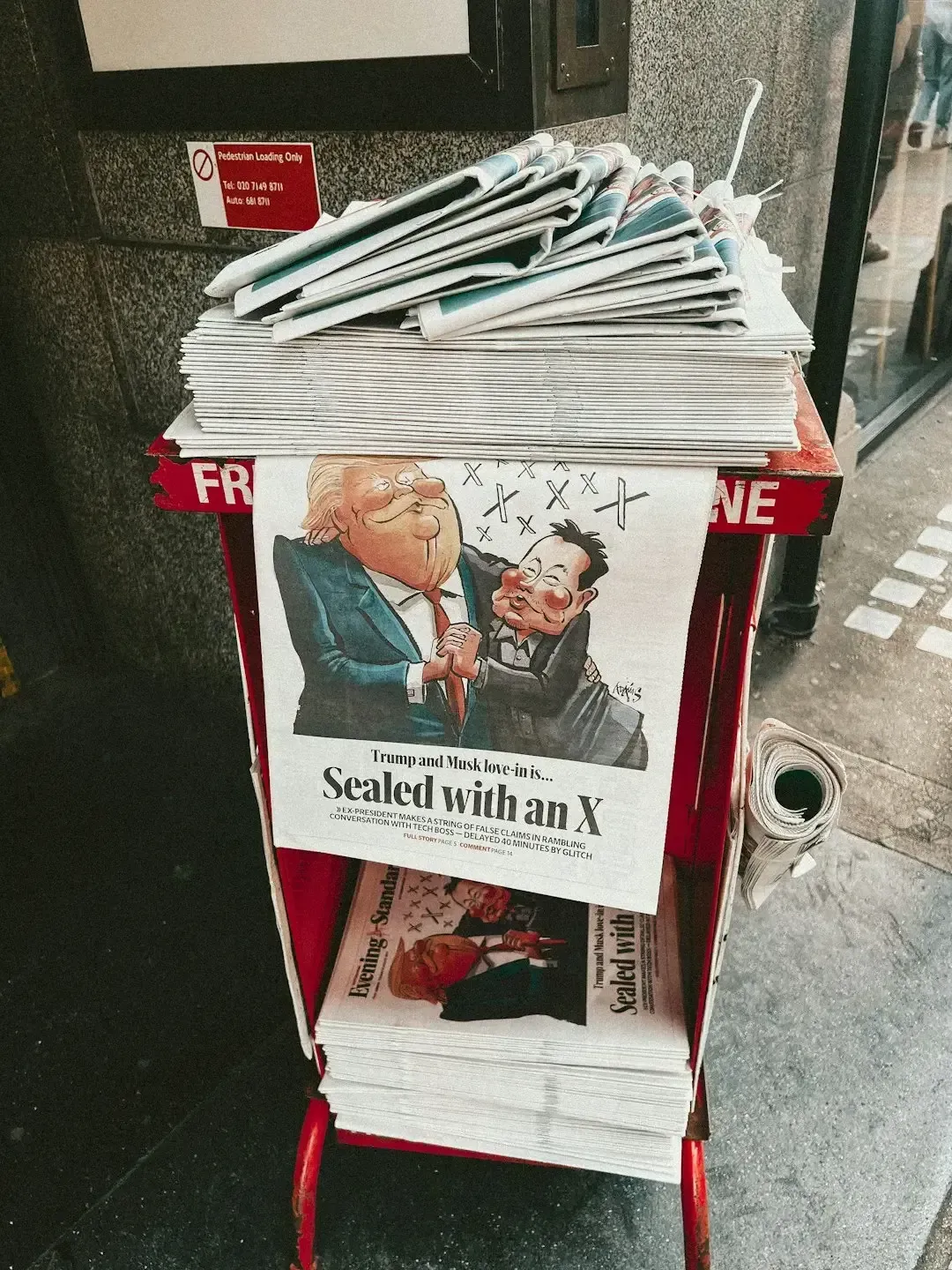
Honestly, most people never make it past the headline. Headlines aren’t just the first thing readers see – they decide whether anyone clicks your article or scrolls past it. That single sentence carries enormous responsibility, and in the crowded information environment of 2026, getting it wrong is expensive.
In 2025, headlines aren’t just titles – they’re survival tools. With endless content flooding screens every second, readers skim faster than ever, making split-second decisions about what deserves attention. Think of it like a storefront window on a busy street. If nothing catches your eye in the first glance, you don’t stop.
You have about two seconds to win a click. If your headline misses, your content won’t get a chance. That’s not a metaphor. That’s the actual window of time you’re working with. Subtle tension is the tool that fills those two seconds with something compelling.
The Science of Tension: What Happens in the Reader’s Brain
A good headline speaks to the brain’s reward system. A great one creates an unresolved tension – a need to click not out of impulse, but completion. This is a fundamental insight. Readers aren’t clicking because they’re impulsive. They’re clicking because their brain has registered an open loop that needs closing.
Today’s readers are emotionally driven but logically cautious. They want content that promises value without feeling manipulative. Headlines that tap into emotions like curiosity, urgency, or relief tend to perform best, but only when paired with clarity. That last part matters enormously. Emotion without clarity reads as noise.
Research on news trust reinforces this. When describing how likeable a particular news source may be, many readers referred not simply to how credible they believed the information was, but how consuming such news made them feel. These affective responses were often important for understanding why people said they trusted certain sources versus others. Feelings and trust are not separate things. They’re deeply tangled.
The Attention Span Problem That Nobody Wants to Talk About

The average attention span of digital consumers has declined by roughly a third since 2015. In 2015, the average social media user could focus on a single post for 12.1 seconds; by 2025, it’s down to 8.25 seconds. Let that sink in. Writers now compete for attention measured in single-digit seconds.
Back in 2004, users could focus on a screen for over two minutes before switching tasks. Today, that number has plummeted to just 47 seconds. This shift is less about human failure and more about digital environments that are designed to interrupt. The platforms themselves are working against deep reading, by design.
Research shows that roughly two thirds of young respondents said social media harms their ability to focus, with many struggling to complete schoolwork or engage with content longer than a minute. MSN-style tension, when used properly, is one of the few writing tools powerful enough to punch through that fog and hold someone past the headline.
What MSN-Style Tension Actually Looks Like in Practice

Here’s the thing about MSN-style writing: it doesn’t scream. It whispers something just alarming enough that you lean in. It’s the difference between “Local Man Found Dead” and “What Police Found in His House Changed Everything.” One is a fact. The other is a door left ajar.
Curiosity still sells, but readers are smarter now. Instead of vague mystery, give a hint of what they’ll get. That’s the updated MSN formula. It creates tension by implying significance without making the reader feel tricked. A hint, not a trap.
Power words haven’t disappeared – they’ve evolved. Words that evoke emotion, clarity, and transformation still grab attention when used thoughtfully. Terms like “proven,” “simple,” “essential,” and “smart” continue to resonate because they promise ease and value. Understated urgency, not hysteria. That’s what separates good tension from cheap bait.
The Clickbait Trap and Why Subtle Tension Is the Smarter Path

Let’s be real: clickbait had its moment, and that moment is over. Research shows that the perception of sensationalism mediates the relation between the presence of breaking news headlines and trust in content. The existence of breaking news headlines increases consumers’ perception of sensationalism and reduces trust in news content. Over-hyped headlines are now actively damaging to credibility.
Clickbait might get clicks, but it ruins trust. Always make sure your content delivers what your headline promises. MSN-style tension works precisely because it walks right up to that line without crossing it. The reader feels pulled in, not manipulated. That’s a crucial distinction that separates sustainable editorial brands from viral one-hit wonders.
Buzzwords like “revolutionize” or “game-changer” are clear warning signs. Readers see through them, and algorithms now do too. The more you signal that you’re trying too hard, the faster your audience vanishes. Subtle is not timid. Subtle is strategic.
News Avoidance: The Uncomfortable Reality Behind the Tension Arms Race
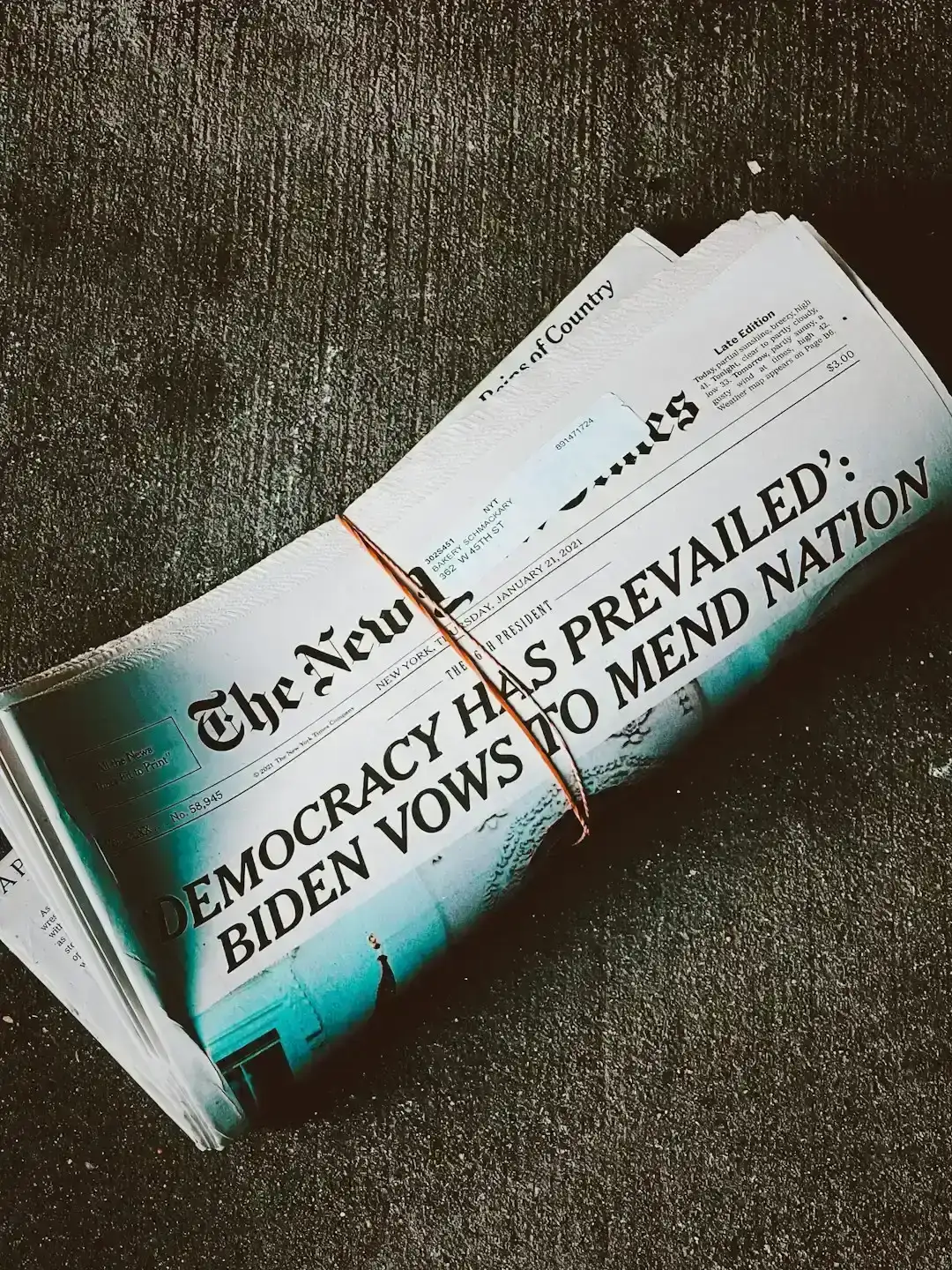
There’s a growing paradox in the media world that writers rarely discuss openly. Low trust and low engagement in the news are closely connected with avoidance, an increasing challenge in a high-choice news environment. Across markets, roughly four in ten say they sometimes or often avoid the news, up from 29% in 2017 – the joint highest figure ever recorded.
Industry leaders recognize the twin challenges of news fatigue and news avoidance, especially around long-running stories. At the same time, disillusion with politics may be contributing to declining interest, especially with younger news consumers. This is the environment in which any content creator – journalist or otherwise – is operating in 2026. Tension must feel like an invitation, not a threat.
If news brands are able to show that their journalism is built on accuracy, fairness, and transparency, audiences are more likely to respond positively. Re-engaging audiences will also require publishers to find ways to be more accessible without dumbing down. Subtle tension, done right, is one of the clearest expressions of that balance.
The AI Writing Problem and Why Human Nuance Still Wins

AI tools can generate fifty headline variations in under a minute. That’s genuinely useful. However, AI has become a powerful assistant in headline writing, but it’s not the hero of the story. In 2025, smart writers use AI to generate ideas, analyze trends, and test variations quickly. However, human intuition still shapes the final version.
A recent Harvard Business Review survey found that a significant share of respondents had been exposed to low-quality documents created by AI tools. Another study from late 2024 suggested that over half of content on LinkedIn is AI-generated or AI-assisted, and these figures are only likely to have increased. Flooding the internet with machine-generated blandness has made human writing feel rare, almost precious.
As AI-generated content becomes ubiquitous, the qualities that define human writing – authenticity, emotional depth, and creative intuition – will become even more critical, ensuring that a writer’s presence is felt throughout a narrative. MSN-style tension, when it works, is unmistakably human. No algorithm has quite cracked the art of the meaningful, barely-there pause.
The Role of Format, Platform, and Context

One headline doesn’t fit all platforms anymore. Blog headlines can afford depth and specificity, while social media headlines thrive on punch and emotion. What reads as elegant tension on MSN could feel completely flat on TikTok, and vice versa. Context isn’t optional – it’s everything.
Making sure your site is easily accessible on mobile should be central to any content strategy. According to Statista, in early 2024 almost three fifths of all website traffic happened on mobile devices. That means the headline is often read on a small screen, in a distracted moment, with a thumb hovering over the scroll. Every word has to earn its place.
Platforms like Facebook and X, which were once dominant players in how people were introduced to news stories, are becoming less prominent in news distribution. That’s attributed to algorithm changes, a sense of distrust, news avoidance and fatigue, and younger audiences’ preferences for video platforms like TikTok, YouTube, and Instagram. Writing MSN-style tension means understanding where that tension will land before you write a single word.
Data-Driven Headline Refinement: Testing What Tension Actually Works
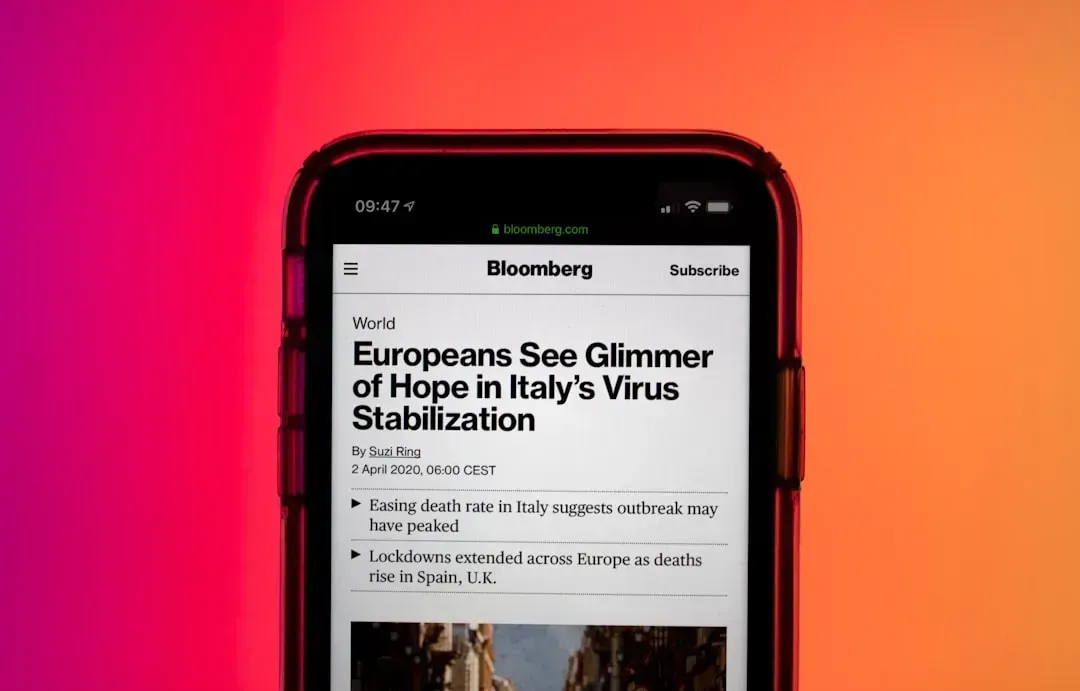
Guesswork no longer cuts it. Data-driven headline writing uses real performance metrics to refine what works. Click-through rates, scroll depth, and conversion data reveal patterns in reader behavior. I think this is one of the most underused tools available to content creators today. Writers treat their headlines as instinct. Smart editors treat them as experiments.
A/B testing headlines helps identify which phrasing resonates most with your audience. Even small tweaks – like changing a verb or reordering words – can significantly impact results. This is where subtle tension becomes a science rather than an art form. You discover, over time, which specific tension-words land and which ones alienate your readers.
Even experienced writers can’t predict what will work best every time. Testing two versions of your headline can give you surprising results. Sometimes, changing just one word can double your click-through rate. One word. The art of subtle tension lives in exactly that kind of micro-precision, and it’s worth every moment spent getting it right.
The Future of Subtle Tension in a Fragmented Media World
In most countries, traditional news media is struggling to connect with much of the public, with declining engagement, low trust, and stagnating digital subscriptions. An accelerating shift towards consumption via social media and video platforms is further diminishing the influence of institutional journalism. This is the landscape that gives subtle tension its real value in 2026.
Google traffic from organic search to over 2,500 sites was down by roughly a third globally between November 2024 and November 2025, and by over a third in the United States. With traditional discovery channels weakening this dramatically, the headline and its embedded tension have become one of the last reliable weapons a writer has.
In a world of superabundant content, success is also likely to be rooted in standing out from the crowd – being a destination for something the algorithm and AI can’t provide, while remaining discoverable via many different platforms. Subtle tension, handled with care and grounded in genuine editorial value, might just be that thing. The quiet pull in a world that’s learned to tune out everything loud.
The most powerful writing doesn’t announce itself. It simply works. Subtle tension is a choice – every single time. What kind of content do you think would genuinely benefit most from this approach?