8 Plants You Shouldn’t Water, Fertilize, or Trim in Summer (Though Many Gardeners Do)
Most gardeners have a deeply ingrained instinct: when a plant looks rough in the heat, give it more attention. More water, a shot of fertilizer, maybe a tidy-up with the pruning shears. It feels like the caring thing to do. Honestly, though? For a surprising number of plants, all that extra love is exactly what sends them over the edge.
Summer can be a tricky season in the garden. Plants that aren’t suited to high heat tend to slow their growth above 85°F (29°C), and when it gets really hot, plants shut down normal functions just to survive. That’s not a cry for help. That’s strategy. So before you reach for the hose or the fertilizer bag this summer, let’s dig into which plants you really need to leave alone. Be surprised by what you find.
1. Lavender: The Mediterranean Queen Who Hates Being Fussed Over
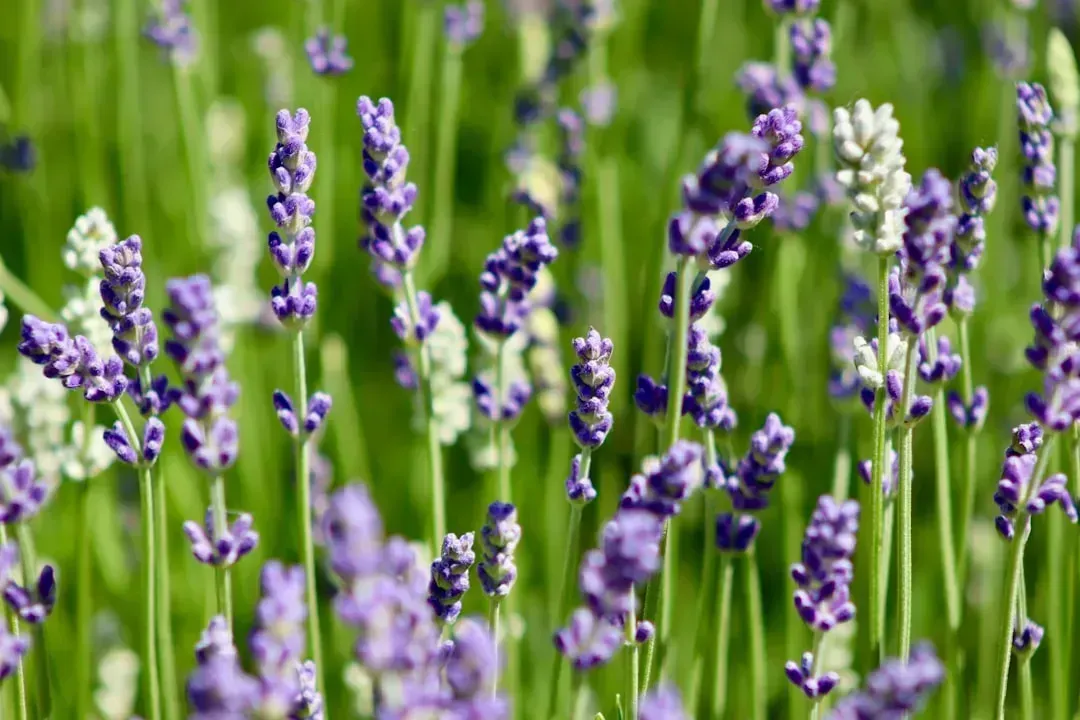
Here’s something that trips up even experienced gardeners. Lavender is wildly popular, widely planted, and almost universally overwatered in summer. It looks lush and it tempts you to pamper it. Don’t.
Lavender, with its aromatic allure, often beckons gardeners to nurture it excessively. Yet, this resilient plant prefers neglect in summer. Overwatering can drown its roots, while fertilizers disrupt its natural growth rhythm. Think of lavender like a sunbather from southern France. It doesn’t want to be coddled. It wants heat, sun, and dry, well-draining soil.
Mediterranean herbs, including rosemary, thyme, and oregano, are naturally drought-tolerant and prefer to dry out between waterings. These herbs actually develop stronger flavors when grown in slightly drier conditions, making overwatering more problematic than underwatering. The same principle applies to lavender. Over-trimming in summer also robs the plant of its most beautiful blooms at precisely the moment they matter most.
2. Cacti and Succulents: Stop Watering. Seriously.
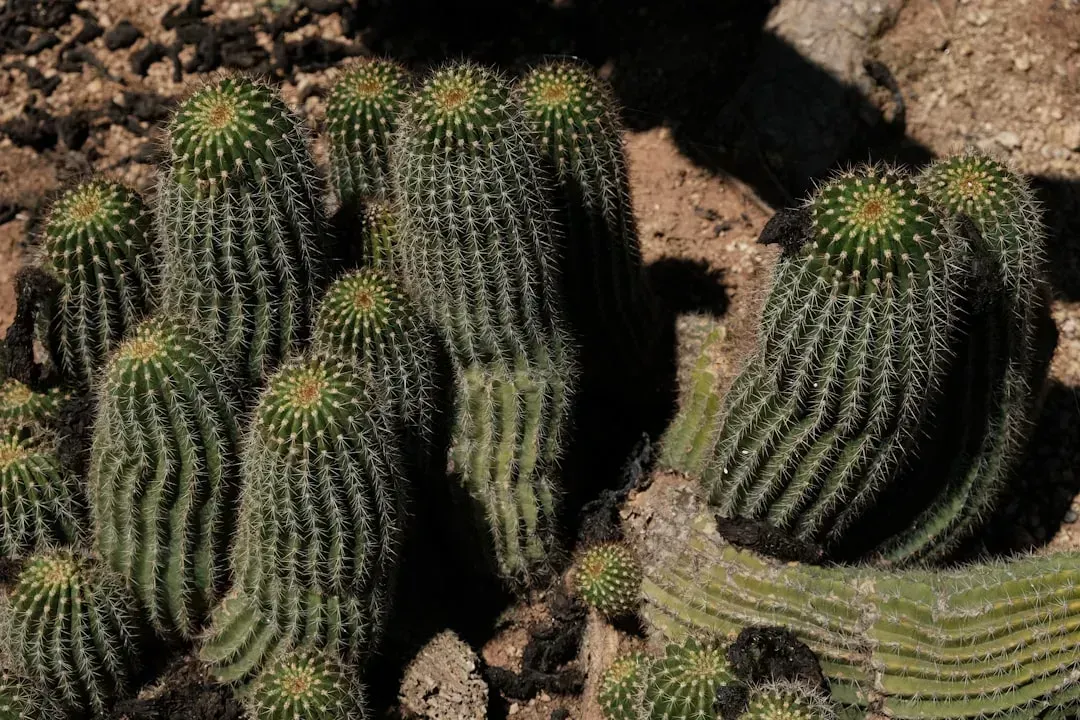
Few gardening mistakes are more common than overwatering cacti and succulents in summer out of guilt or worry. You see the heat, you feel bad, and you water. This is one of the most reliable ways to kill them.
Desert plants and cacti store water and nutrients, and don’t need extra in the dead heat of summer. Desert natives have evolved special adaptations for extreme heat that make summer watering potentially deadly. Excess moisture during hot weather often leads to bacterial and fungal problems that quickly turn plants to mush. It’s counterintuitive. I know it sounds crazy, but the wilting you see in extreme heat is often not a water shortage. It’s a defense mechanism.
Water minimally only when soil is completely dry several inches down. Avoid fertilizer during peak heat, which can burn roots. The same goes for trimming. Cutting into a cactus or succulent during peak summer opens wounds that the plant simply cannot heal properly under heat stress.
3. Peonies: Their Summer Silence Is Not an Invitation to Intervene
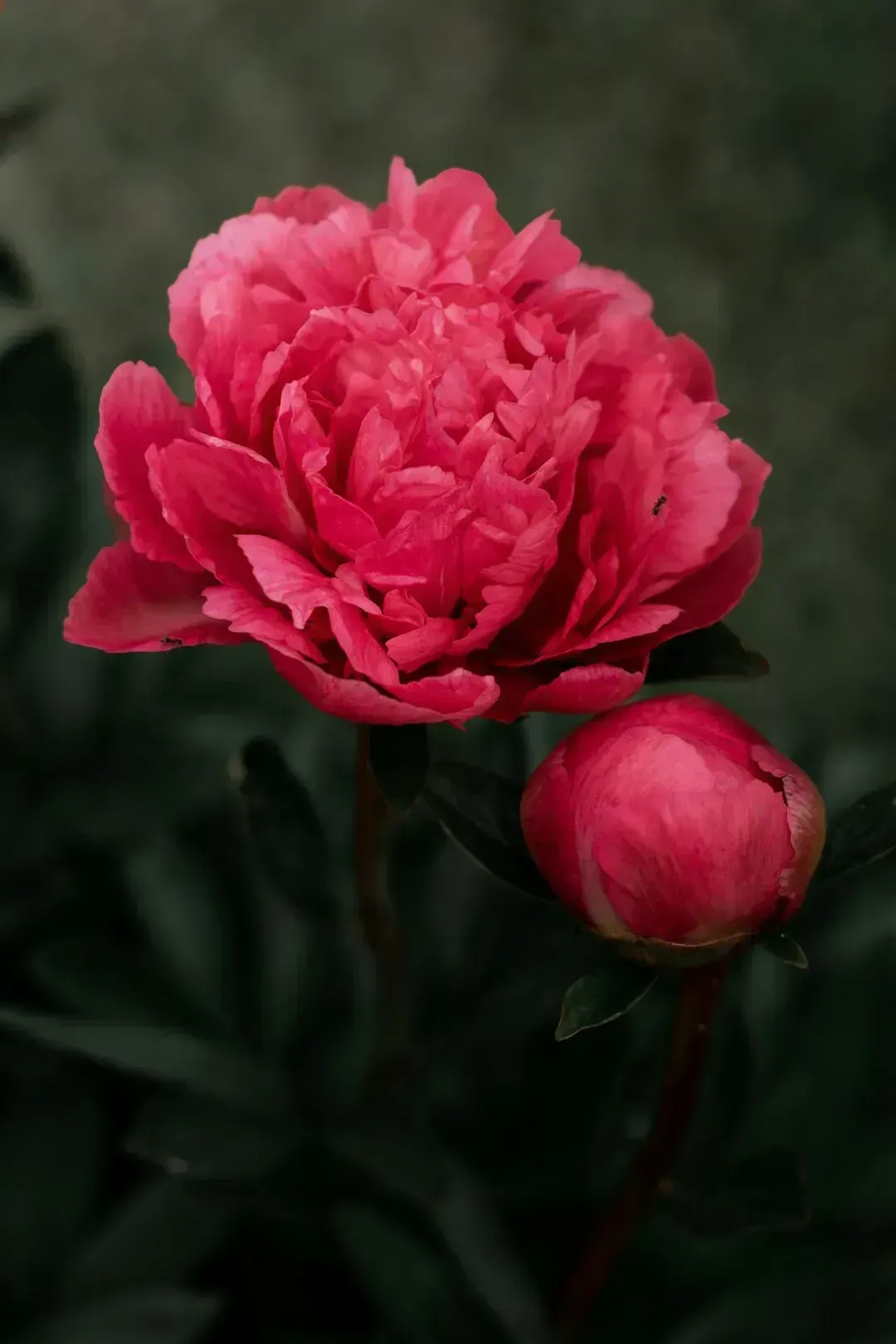
Peonies bloom spectacularly in spring, then they go quiet. Many gardeners interpret that summer silence as a sign that something is wrong and start compensating with extra water, fertilizer, or pruning. All three are mistakes.
Watering peonies excessively when they’re dormant can lead to root rot and fungal diseases that destroy your plants. Instead, apply a light layer of mulch to retain moisture and only water during extreme drought. Peonies use their summer rest period to quietly store energy for next year’s show. Disrupting that process costs you blooms in the following spring.
Save fertilizing for early spring and pruning for fall after the first frost when the foliage dies back naturally. It’s a bit like letting a performer rest backstage between acts. Dragging them back under the spotlight too early ruins the whole next performance.
4. Spring-Flowering Bulbs: The Underground Sleepers
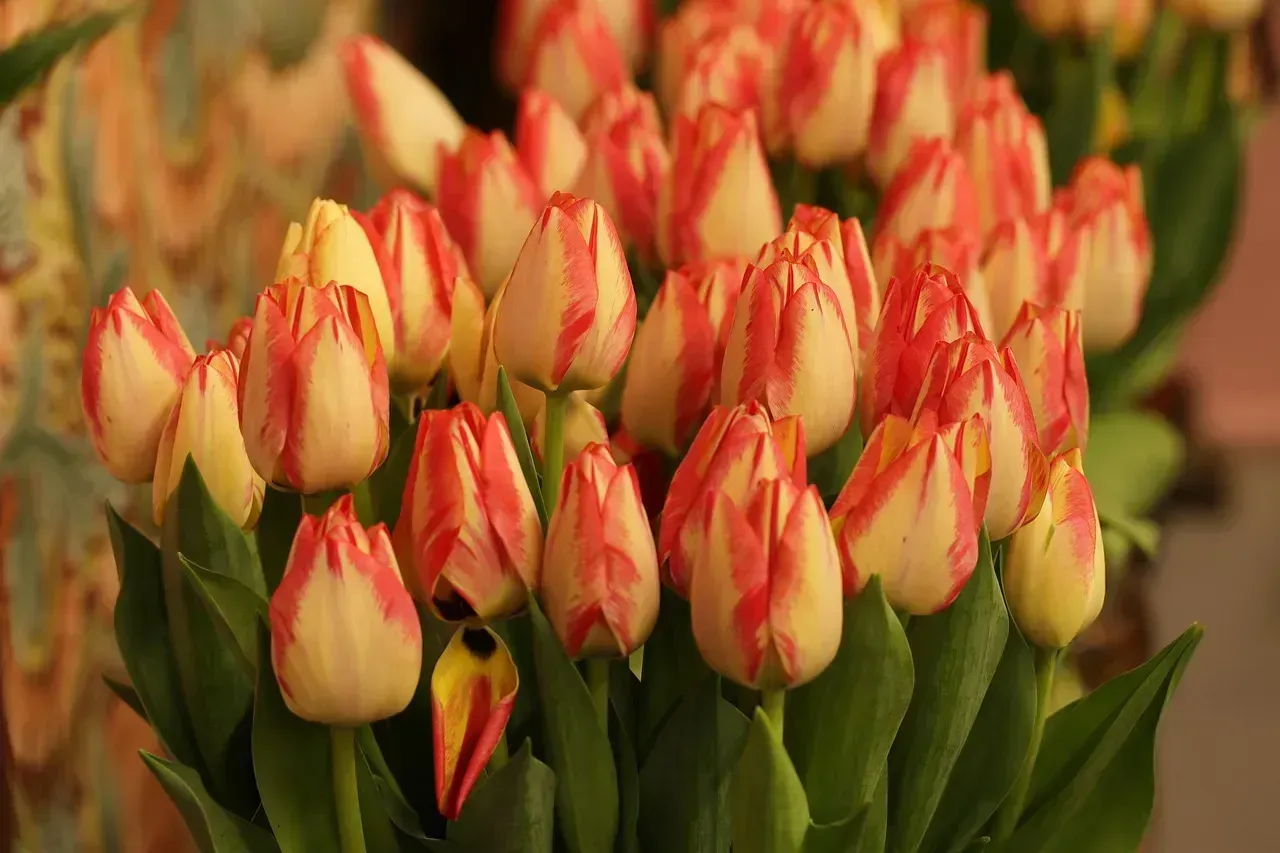
Tulips, daffodils, hyacinths. They dazzle in spring and then disappear completely. What most gardeners don’t realize is that the underground bulbs are in a delicate dormancy phase all summer, and disturbing them is far easier than you’d think.
Summer is actually the resting period for these spring favorites. Excess water during their dormancy will cause bulbs to rot underground, where you can’t see the damage until it’s too late. That’s the especially cruel part. The damage happens invisibly. You won’t know until next spring when nothing comes up.
Let nature handle the watering unless you’re experiencing severe drought. Mark where they’re planted, avoid disturbing the soil, and wait until fall to dig up, divide, or replant bulbs for next year’s display. Fertilizing dormant bulbs is equally pointless. They cannot use nutrients during this resting phase and the excess salts can damage the delicate bulb tissue sitting quietly underground.
5. Ornamental Grasses: Don’t Touch Them in Summer
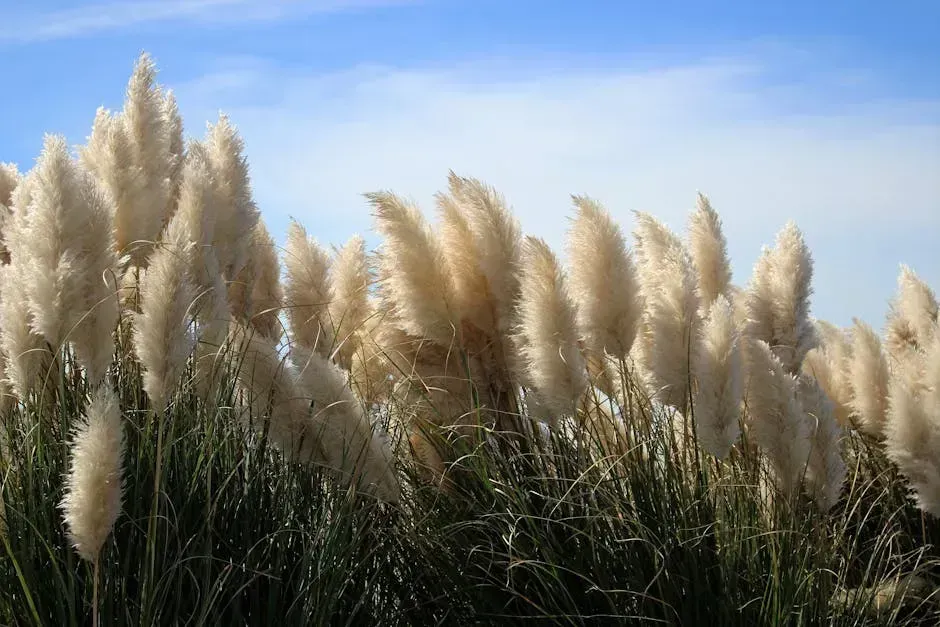
Ornamental grasses look wildly beautiful in summer, swaying in the wind, filling borders with movement and texture. And because they look so lush and alive, gardeners often make the mistake of cutting them back to “tidy them up” in midsummer. It’s one of the most well-meaning, most damaging things you can do.
Cutting back these landscape staples during summer removes their most attractive feature, the graceful plumes and seed heads that provide garden interest. Summer pruning also stresses plants during their active growing period. Ornamental grasses are one of the easiest plant groups to grow, and many are drought-tolerant and able to thrive with very little water or care once established.
You should cut back ornamental grass in late winter or early spring and prune the brown, dead foliage that has accumulated over winter. Removing this old growth allows new, green shoots to emerge unimpeded and helps maintain the plant’s overall health and appearance. Summer trimming, on the other hand, disrupts the plant mid-cycle and encourages soft, vulnerable new growth at exactly the wrong time.
6. Lavender’s Close Cousin: Thyme
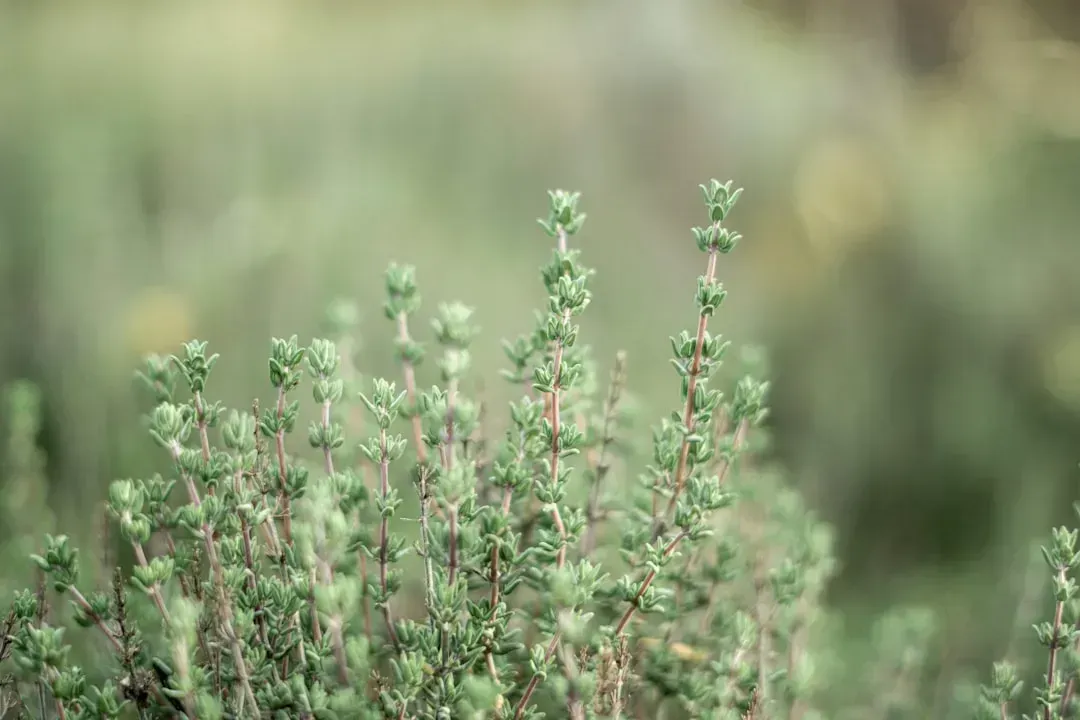
Thyme gets lumped in with “easy herbs” and gardeners pour all kinds of attention on it during summer growing season. Extra watering, nitrogen-rich fertilizers, aggressive pruning to keep it compact. Let’s be real: thyme doesn’t want any of it.
Thyme, a staple in many gardens, thrives in summer’s embrace. This herb loves the warmth, growing heartily without regular watering. It’s adapted to rocky soils, where its roots anchor firmly. Fertilization can hinder its zest, so it’s best left out. Feeding thyme with nitrogen-heavy fertilizers in summer actively dilutes the aromatic oils that make it valuable in the first place.
Heavy trimming in summer is another classic mistake. Leaves shade stems and fruit. Removing them can expose plants to sunscald, similar to frost damage. With thyme, aggressive summer pruning removes the canopy that protects the plant’s woody base from harsh direct sun. Prune lightly, if at all, and wait for cooler weather before any serious shaping.
7. Rhododendrons and Azaleas: Their Future Blooms Are Already Inside
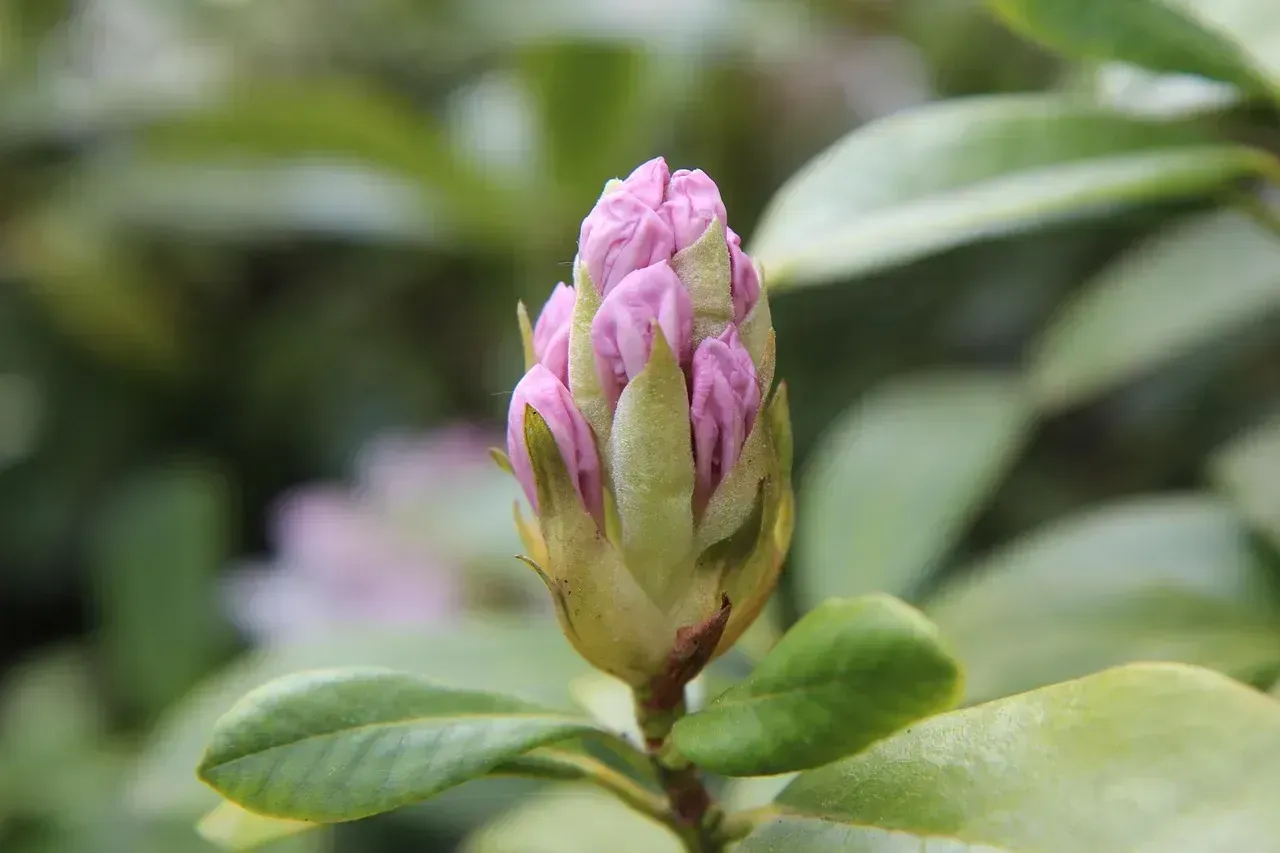
This one genuinely surprises most gardeners when they hear it. Rhododendrons and azaleas look like they should be fertilized and trimmed in summer precisely because they look healthy and established. The reality is more subtle, and fascinating.
These elegant shrubs set their buds for next season during summer months. Pruning now removes potential flowers, while fertilizing pushes tender new growth that’s vulnerable to heat stress and winter damage. Think about that for a moment. The buds for next spring are forming right now, invisible, tucked inside the plant. Every cut you make in summer removes a future flower.
Spring is the optimal time to fertilize evergreens as new growth starts to appear, and you can fertilize up until mid-July. Stopping all fertilization after mid-July is recommended because it can prompt new growth on the plant that may not harden off sufficiently before cold weather sets in. That soft new growth, pushed out by late-season fertilizer, is extremely vulnerable to both summer heat and early frosts. The damage can be significant.
8. Yucca: The Desert Sentinel That Wants to Be Left Completely Alone
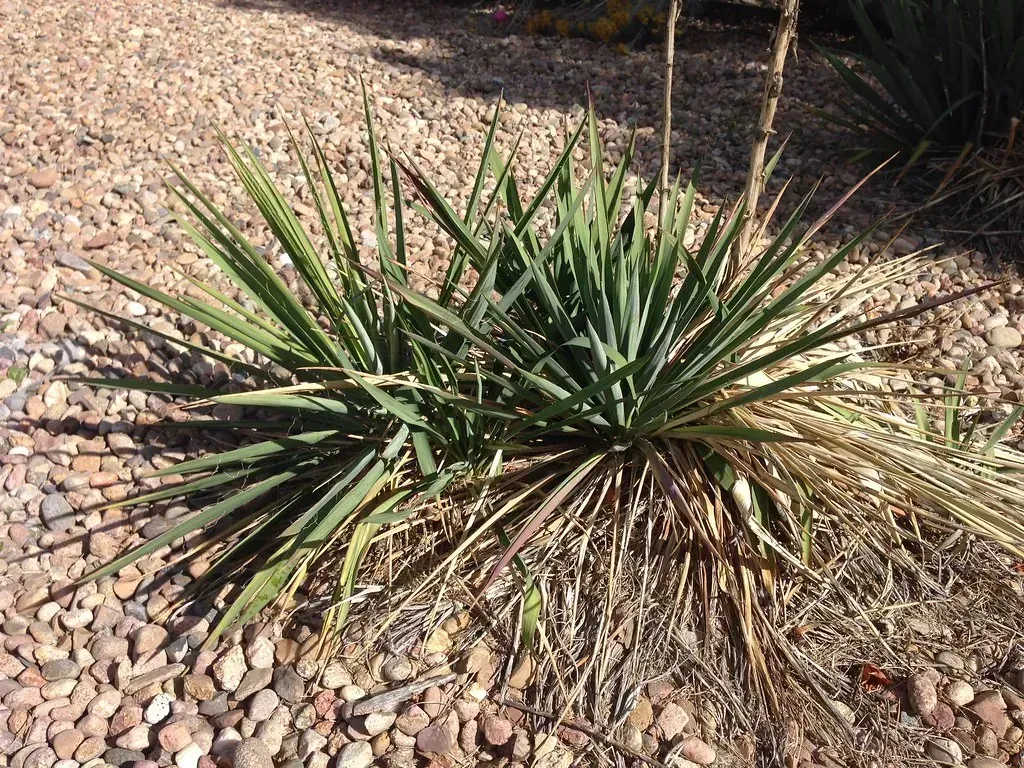
Yucca plants have a reputation as hardy and dramatic, and they absolutely are. But that very toughness fools gardeners into thinking they can handle, or even benefit from, the same summer care routine applied to everything else in the garden. They cannot.
Yucca plants are desert stalwarts, designed for survival. Their sword-like leaves capture sunlight efficiently, reducing the need for summer pampering. Overwatering and fertilizing disrupt their natural efficiency, as they store water within. Watering a yucca on a regular summer schedule is like force-feeding someone who isn’t hungry. The excess has nowhere to go and the roots begin to rot.
Pruning can weaken their robust structure, deterring their iconic look. Overfertilization results in excess salts near the roots of the plants, which can damage them, restricting the flow of water upwards. Salt also can affect plant tissues, causing dieback or brown edges on leaves. With yucca, the best summer care routine is a studied, intentional hands-off approach. Water rarely if at all, fertilize never, trim only dead leaves, and let the plant do what millions of years of evolution have perfectly equipped it to do.