10 Leftovers You Should Never Save, Freeze, or Combine (But Many Families Do)
Every family has a version of it. The Sunday roast gets packed up, the rice from Tuesday gets mixed with Monday’s vegetables, and the leftover spinach dish is microwaved for a third time. It feels thrifty. It feels responsible. Honestly, for the most part, it is. But here is the thing: not all leftovers are created equal, and some common habits in the kitchen are quietly dangerous in ways most of us never think about.
Foodborne illness is a preventable public health challenge that causes an estimated 48 million illnesses and 3,000 deaths each year in the United States. That number is staggering, and a meaningful portion of those cases start in perfectly ordinary kitchens, with perfectly ordinary leftovers. According to the Food for Thought 2025 report, a total of 1,392 Americans became ill after consuming a contaminated food item in 2024, up from 1,118 in 2023, and the number of hospitalizations more than doubled.
So let’s get into the 10 leftovers that experts say you really should stop saving, freezing, or combining – and why the risks are more serious than most families realize.
1. Cooked Rice – The Leftover That Has Its Own Syndrome
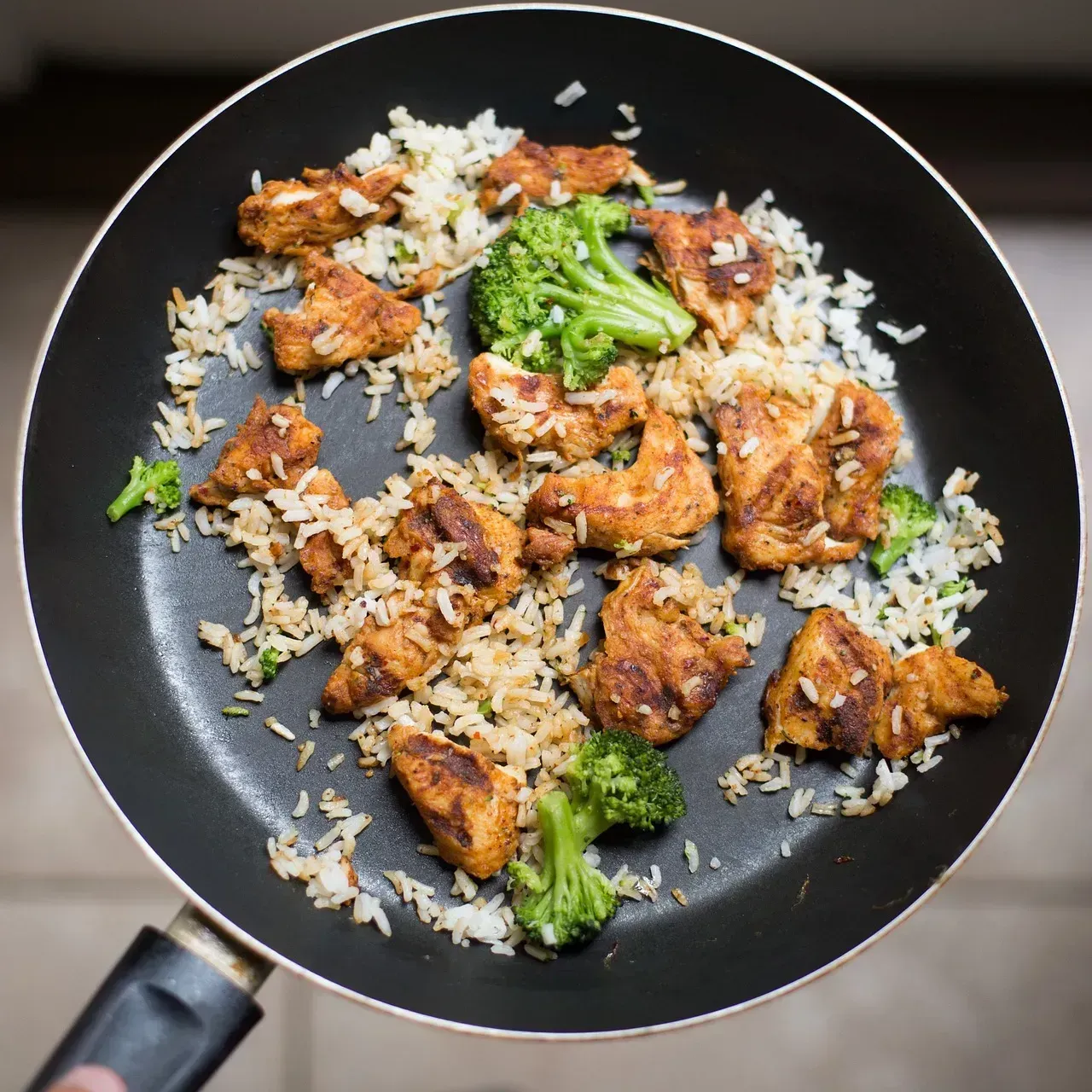
Cooked rice is probably the most universally kept leftover on the planet. Almost every household scoops it into a container and sticks it in the fridge without a second thought. The problem is that rice has a hidden danger that most people have genuinely never heard of.
Rice can harbor spores of the bacterium Bacillus cereus. These spores survive the initial cooking process and can multiply if rice is left at room temperature for too long. When reheated, the toxins produced by Bacillus cereus may not be destroyed, potentially leading to food poisoning with symptoms such as nausea, vomiting, and diarrhea.
Reheated rice can cause food poisoning, no matter how carefully you reheat your leftovers. In fact, this leftover is so iffy that the nasty symptoms that can follow eating it have gained the name “reheated rice syndrome.” That is a real, recognized condition. The USDA and food safety experts recommend cooling rice quickly and eating it within one day.
The general rule is to never leave rice sitting out for longer than an hour, and if you do decide to reheat your rice, make sure the internal temperature reaches 165°F or higher. Think of that the next time you reach for the days-old takeout container.
2. Cooked Spinach and Leafy Greens – The Nitrate Trap
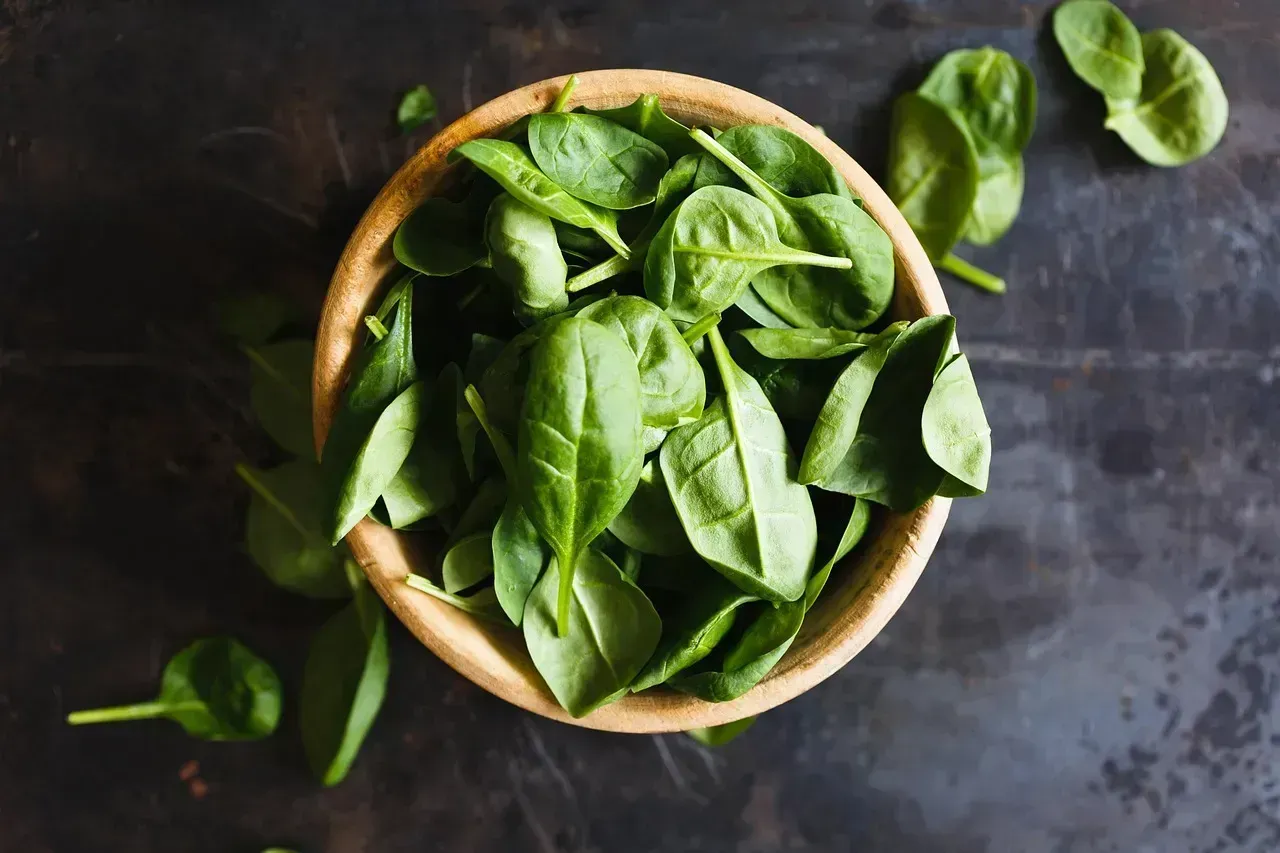
Spinach is one of those foods that feels impossibly healthy. Vitamins, minerals, antioxidants, the whole package. So it makes intuitive sense to save those leftover sautéed greens. Unfortunately, the chemistry of reheating changes things in a meaningful way.
Nitrates are naturally occurring in leafy greens like spinach, celery, and beets. However, when these greens are reheated, those nitrates can convert into nitrites, creating potential long-term health risks and immediate digestive upset.
Reheating leftover spinach could increase your risk of cancer. Spinach is high in nitrates and, under the right circumstances, nitrates form nitrosamines, a chemical known to increase cancer risk. Higher nitrate levels have also been connected to nutrient deficiencies and increased risk of kidney stones.
Leafy greens such as spinach, kale, and beetroot are high in nitrates, which can convert into harmful nitrites and nitrosamines when reheated. The safer approach is to enjoy spinach fresh or cold, not zapped in the microwave the next morning.
3. Cooked Mushrooms – A Protein That Breaks Down Badly
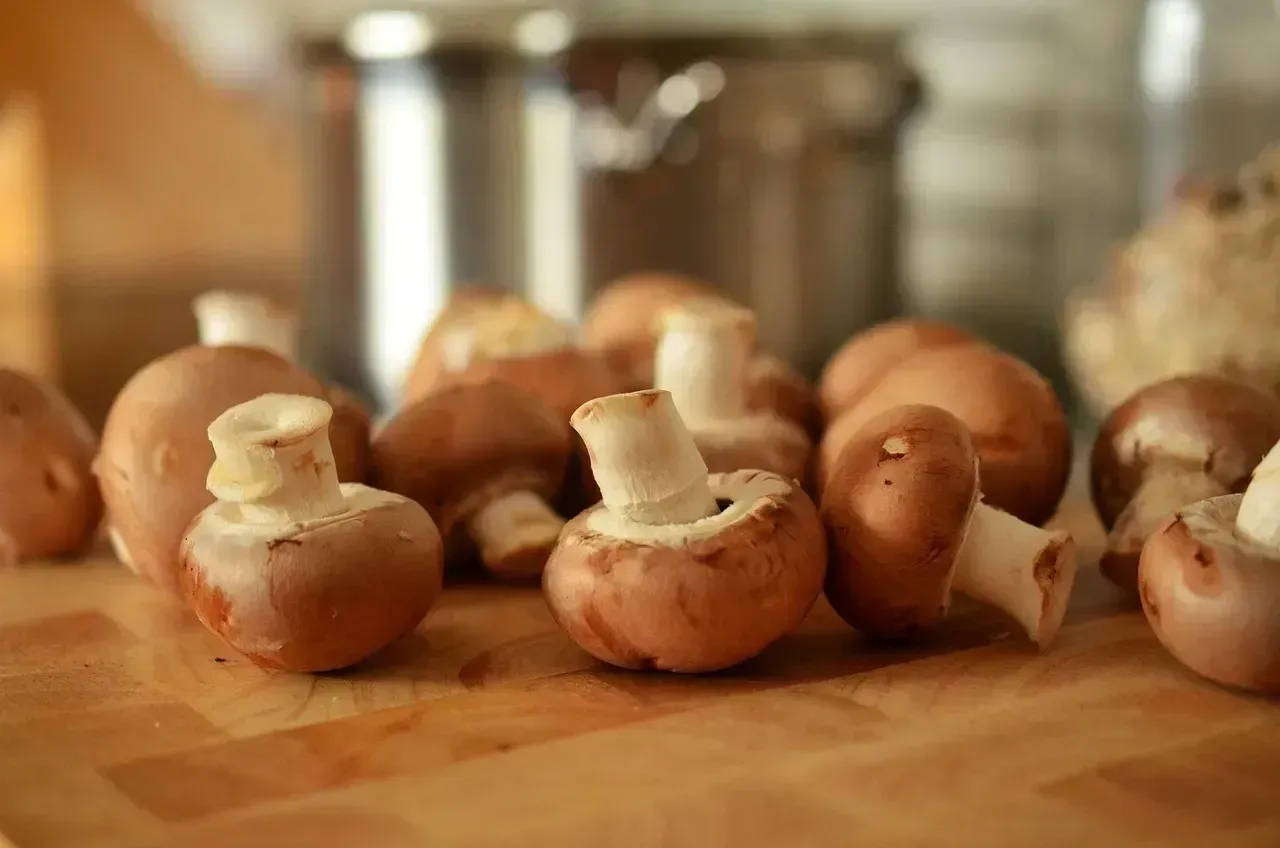
Mushrooms are delicious, versatile, and nutritious. They also happen to be one of the most frequently mishandled leftovers out there. Many people think that because mushrooms were already cooked, saving them is perfectly fine. It is more complicated than that.
Mushrooms are nutritious and flavorful, but they degrade quickly after cooking. When reheated, mushrooms undergo chemical changes that can cause digestive discomfort or worsen the breakdown of proteins and nutrients. Additionally, mushrooms left at room temperature for extended periods can encourage the growth of harmful bacteria.
Eating old mushrooms can lead to food poisoning. Improperly storing mushrooms can promote the growth of bacteria like botulism, according to the University of California Agriculture and Natural Resources. The safest way to store mushrooms is in a paper bag in the refrigerator, but never keep them longer than five days.
Honestly, mushrooms are best eaten immediately after cooking. Think of them like a fine meal – they are not designed for a second act.
4. Baked Potatoes Wrapped in Foil – The Botulism Risk Nobody Talks About

Baked potatoes wrapped in foil are a dinner table classic. They are comforting, filling, and easy to make in bulk. Saving the extras for tomorrow seems like a perfectly reasonable idea. Here is where it gets alarming.
Potatoes can contain spores of Clostridium botulinum bacteria. These spores can survive oven temperatures. In the right conditions, like when foil locks out oxygen, these bacteria can grow and make the deadly toxin that causes botulism.
Paralysis and breathing problems usually begin 18-36 hours after eating food contaminated with these toxins. If you roast potatoes in foil, make sure to eat them or put them in the refrigerator within 2 hours.
The foil itself is the problem, because it creates an oxygen-free environment where Clostridium botulinum thrives. Cooked potatoes left at room temperature can grow Clostridium botulinum bacteria, and reheating won’t kill the toxins, so it’s best to eat them as soon as they are cooked. That is a rule worth taking seriously.
5. Cooked Eggs and Egg Dishes – Protein That Turns Problematic Under Heat
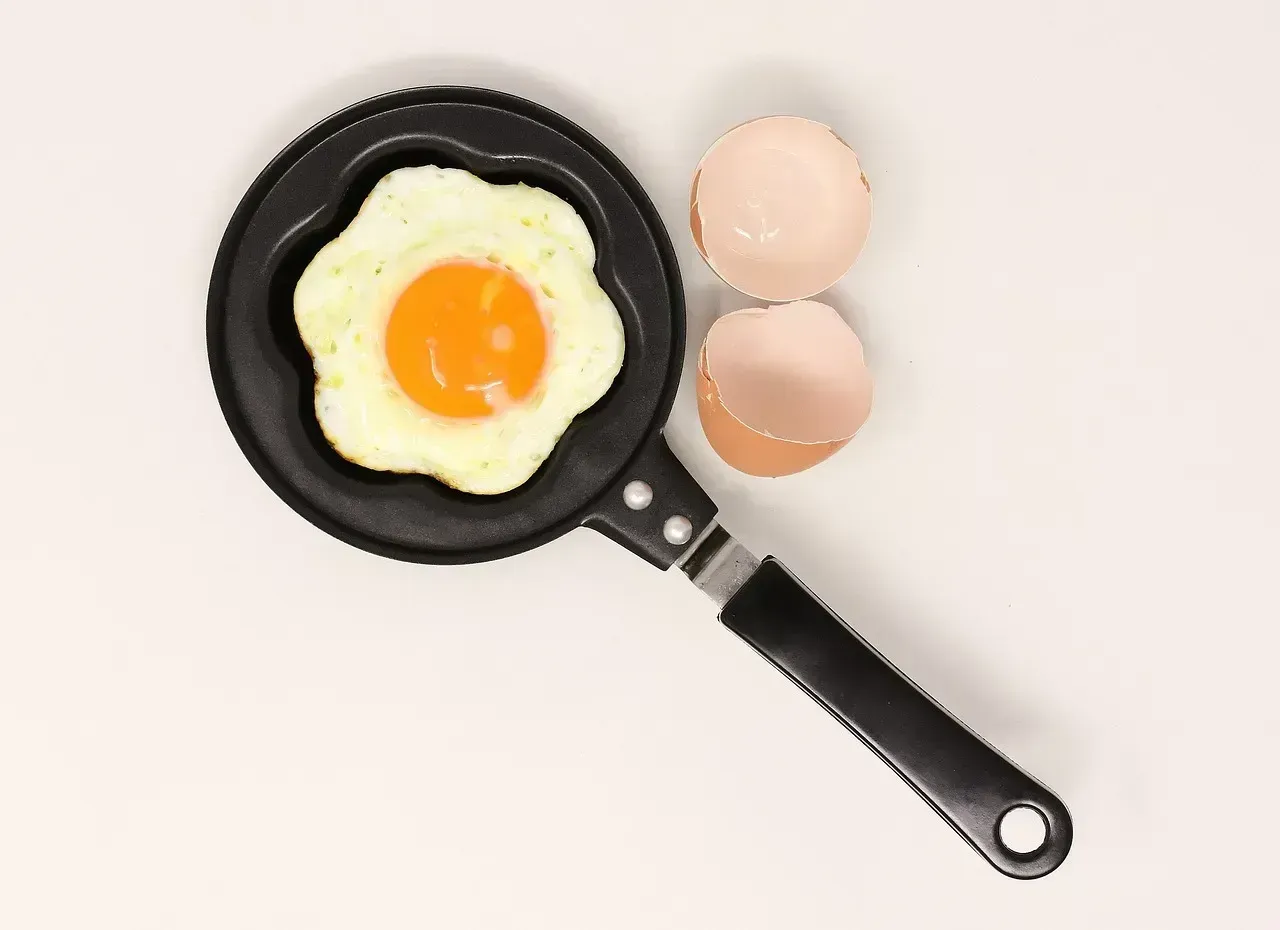
Scrambled eggs on Tuesday morning become fridge leftovers by Tuesday afternoon for millions of households. It seems harmless. Eggs are stable, right? Not exactly, at least not once they are cooked.
Cooked eggs and egg dishes can grow bacteria fast. Eggs shouldn’t sit out for more than two hours or one hour if the temperature is warm. Signs of spoilage include bad odors or an egg white with a pink or fluorescent tint.
Like chicken and mushrooms, eggs are an excellent source of proteins, but reheating egg preparations will destroy all the associated health benefits. As the protein in the egg deteriorates, it can lead to digestive problems. The safest advice is to eat egg dishes fresh, or if you must keep them, consume cold within a day and skip the reheat entirely.
There is something a bit poetic about eggs, an ingredient famous for being breakfast, being terrible as a leftover. Some foods are just meant to be enjoyed in the moment.
6. Garlic-Infused Oils – The Botulism Danger Hiding in Your Pantry
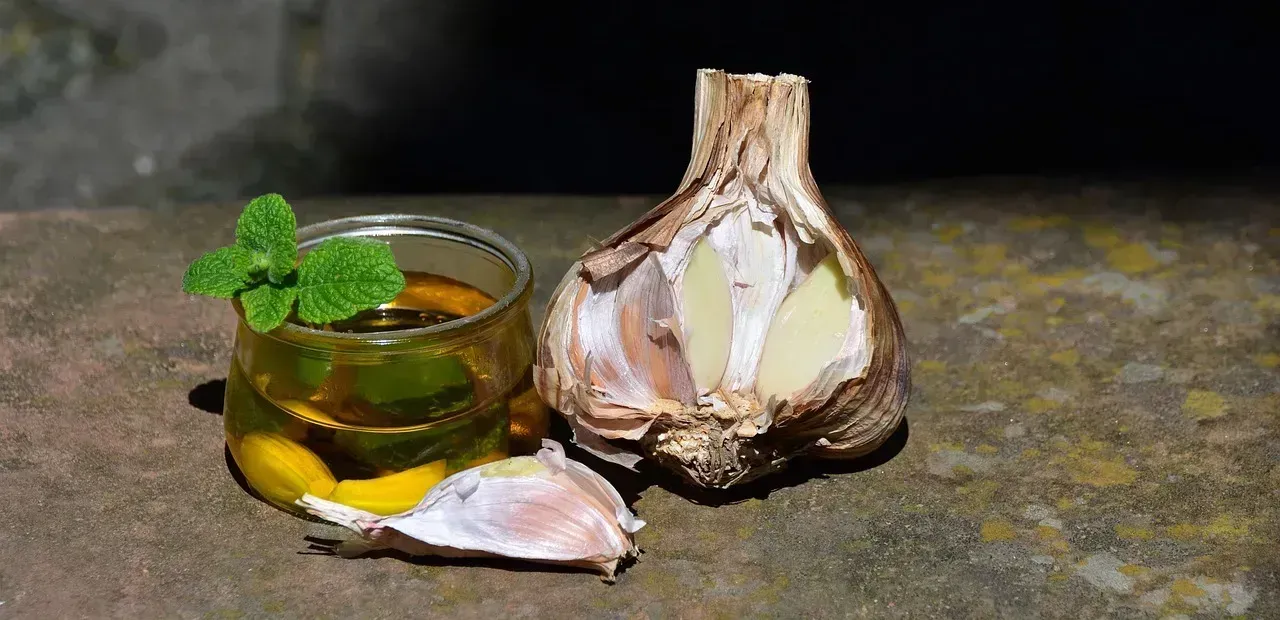
Garlic oil is a staple in many kitchens. People make batches of it, keep it on the counter, drizzle it on everything. It tastes incredible. It is also one of the most genuinely dangerous homemade food habits a family can have, and very few people know it.
Many people save leftover roasted garlic or garlic-infused oils, but this is a dangerous practice. Garlic is a low-acid vegetable that, when stored in oil at room temperature or for too long in the fridge, can produce the toxin that causes botulism. This is a rare but fatal form of food poisoning that is difficult to detect. You should always refrigerate garlic-in-oil mixtures immediately and discard them after four days.
The danger is invisible and odorless. The oil looks and smells completely fine right up until it makes you seriously ill. Not cooking food to a safe temperature and leaving food out at an unsafe temperature are the two main causes of foodborne illness. Garlic oil left on a countertop is a textbook example of exactly that.
7. Cooked Chicken – The Protein Leftover That Families Overestimate
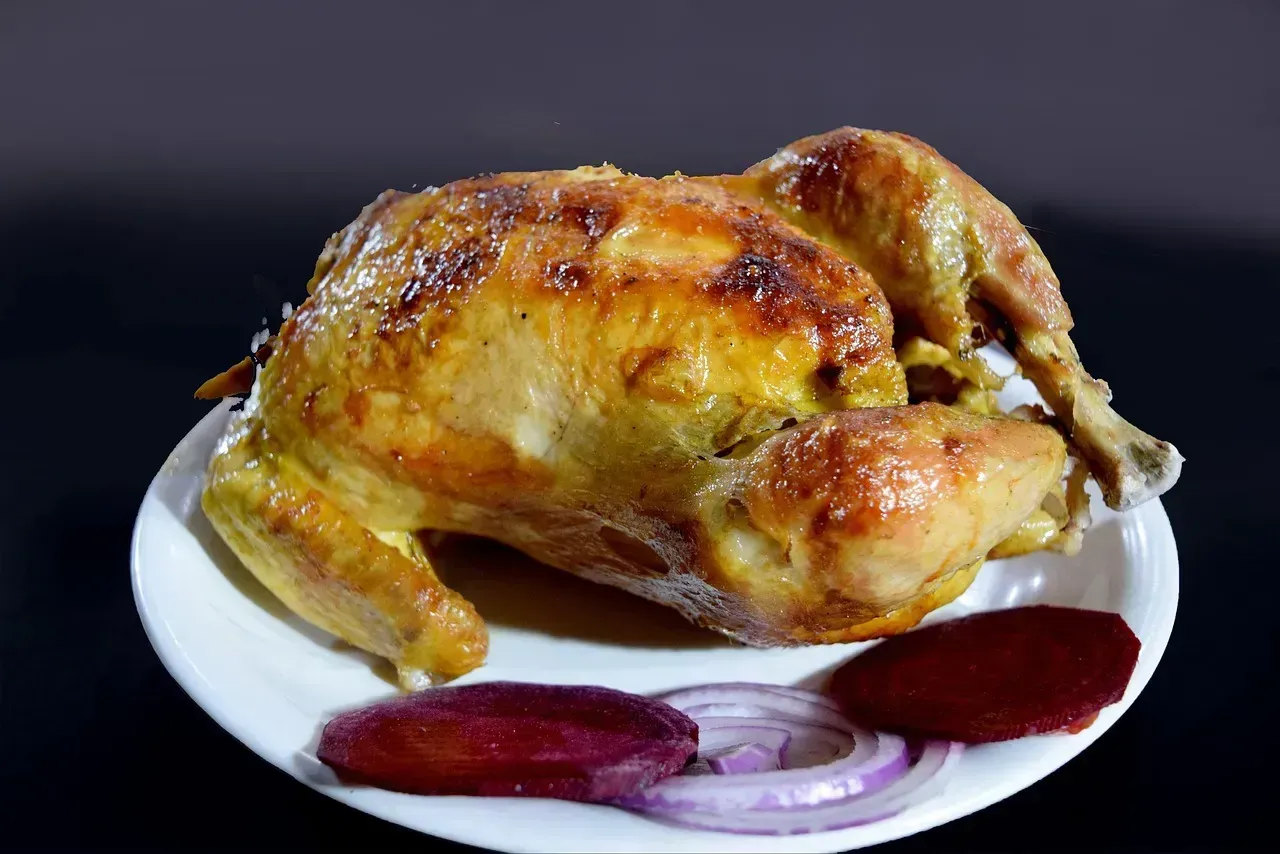
Roast chicken on Sunday, chicken sandwiches on Monday, chicken soup on Tuesday. It sounds like a great meal planning strategy. For many families, it is. Yet cooked chicken is actually one of the most common sources of foodborne illness when not handled perfectly, and the margin for error is smaller than most people assume.
Chicken is a common source of foodborne illnesses, especially when reheated. The proteins in poultry degrade upon reheating, making it harder to digest. Additionally, bacteria like Salmonella can multiply when chicken is not stored or reheated at the right temperature.
Even after cooking, chicken tends to spoil faster than other meats. According to the USDA, cooked chicken should be left in the refrigerator for no longer than four days. After that, it is not worth the gamble. Always reheat chicken to at least 165°F in the thickest part to kill any remaining bacteria, and try to reheat chicken only once.
The sneaky issue here is that chicken that has spoiled often looks, smells, and even tastes fine. Bacteria are difficult to spot. Many times, the contaminated leftovers look, taste, and smell fine. That is the trap.
8. Seafood and Fish Leftovers – The Window Is Shorter Than You Think
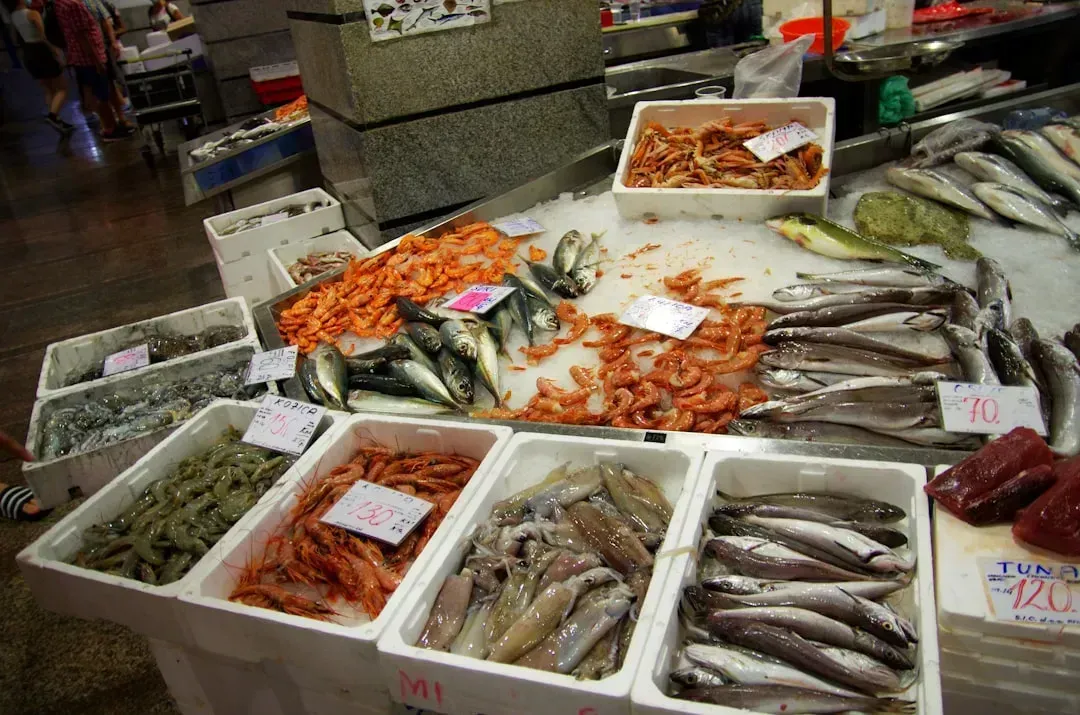
Leftover salmon, shrimp, or tuna might seem like a reasonable grab-and-go lunch the next day. Seafood is expensive, and wasting it feels almost criminal. But fish is one of the most unforgiving leftovers when it comes to food safety timelines.
You can safely enjoy reheated seafood, but you have to be very careful about it, according to the FDA. Refrigerate the fish immediately and eat it within 24 hours, or you’ll risk food poisoning. Bacteria can easily grow on fish that’s sat out too long and can’t be killed by reheating.
Fish can look, smell, and taste completely fine, and yet certain types of food poisoning from fish cannot be prevented through proper cooking. If the fish has been contaminated, reheating the leftovers won’t make them safe to eat.
The FDA also notes that fish and seafood should never be left unrefrigerated for longer than two hours, and the fridge needs to be 40°F or colder. One day is really the maximum. Anything beyond that is genuinely risky territory.
9. Dairy-Based Sauces – Creamy, Delicious, and Surprisingly Unstable
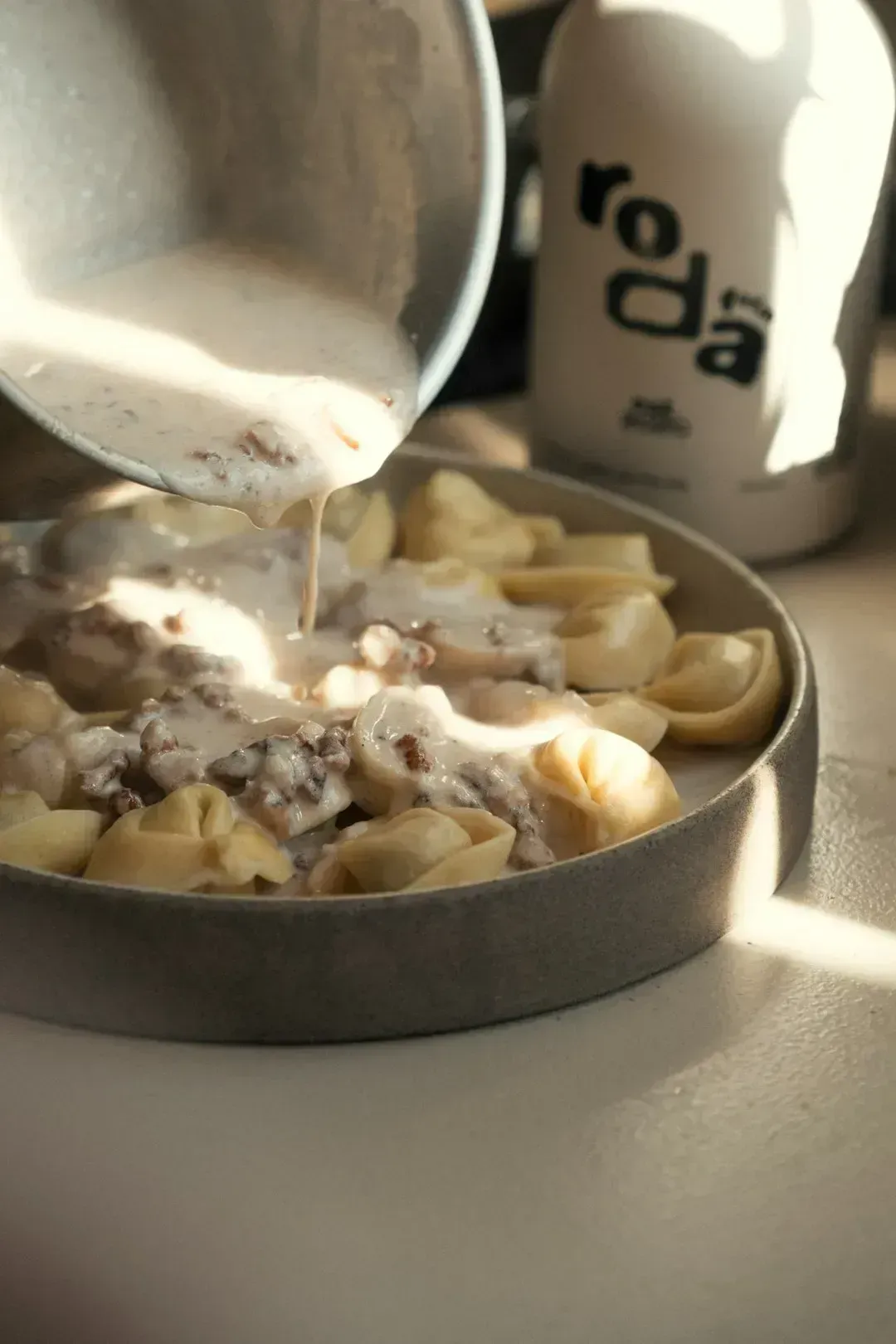
Alfredo sauce, béchamel, cream-based pasta sauces. These are comfort food royalty, and the instinct to save every last drop is completely understandable. However, dairy-based sauces are notoriously temperamental when it comes to storage and reheating.
Sauces like Alfredo, béchamel, or cheese sauce don’t store or reheat well because of how dairy reacts to temperature changes. It’s very easy for bacteria to grow on these foods, especially if they are left at room temperature. They have a low acidity, so they are more prone to spoilage.
Beyond the bacterial risk, the texture of cream sauces breaks down in a way that makes reheating them almost pointless from a quality standpoint. The fat separates, the consistency turns grainy, and what you end up with is both less safe and significantly less appetizing. Bacteria grow rapidly between the temperatures of 40°F and 140°F, and after food is safely cooked, hot food must be kept hot at 140°F or warmer to prevent bacterial growth. Cream sauces cool into that danger zone fast.
10. Combining Mixed Leftover Dishes – The “Bacterial Cocktail” Problem
This one is less about a single food and more about a habit that is almost universal in family kitchens. You have half a container of leftover rice. You have some yesterday’s chicken. You throw them together and reheat the whole thing. Efficient. Smart. Actually, potentially one of the riskiest things you can do with leftovers.
The most dangerous leftover practice that families engage in is combining different leftover foods together, creating what food safety experts call a “bacterial cocktail.” When you mix rice with leftover meat, or combine pasta with yesterday’s vegetables, you’re creating an environment where multiple types of bacteria can interact and multiply exponentially.
Fully-cooked holiday meals or large casseroles often make plenty of leftovers, and while these cooked dishes can be frozen, they should not be frozen a second time. You can use frozen ingredients in the recipe, but the finished meal should only go through one freeze. Large-format dishes that have been frozen, thawed, heated, partially eaten, and left out for a while create a hotbed for bacterial growth and can lead to foodborne illness.
Within 2 hours of cooking food or after it is removed from an appliance keeping it warm, leftovers must be refrigerated. Throw away all perishable foods that have been left in room temperature for more than 2 hours. That two-hour window is not a suggestion. It is the line between safe and sorry, and combining leftovers of different ages makes tracking that window nearly impossible.
The bottom line is that leftovers are genuinely one of humanity’s great inventions when handled properly. Foodborne illness costs Americans an estimated $75 billion annually in medical care, lost productivity, and premature deaths. A lot of that starts at home, in the fridge, with perfectly normal-looking food. Food safety experts recommend that you never taste leftovers that are of questionable age or safety. If you are not sure, toss it. Your health is worth more than yesterday’s dinner.
Does any of this surprise you? Would you have guessed that something as ordinary as rice could land you in the emergency room?