8 Items You’re Not Allowed to Put in a Moving Truck (Though Many Do)
You’d be surprised how many people toss their entire life into a moving truck without a second thought. The boxes get sealed, the ramp goes up, and off it goes. Seems straightforward enough, right? Only until something shifts, leaks, or worse yet, ignites. That’s when folks realize there were rules they probably should’ve known about.
Moving companies follow strict guidelines set by federal agencies. The Department of Transportation and Federal Motor Carrier Safety Administration mandate what can and cannot be transported on commercial moving trucks. There’s a reason for all this. Violating hazardous materials regulations can result in fines up to $75,000 per violation for the moving company, criminal charges, and revocation of their operating license. These aren’t just suggestions. They’re legal requirements designed to keep everyone safe.
So what exactly can’t go on that truck, even though people try anyway? Let’s get into it.
Propane Tanks and Gas Cylinders
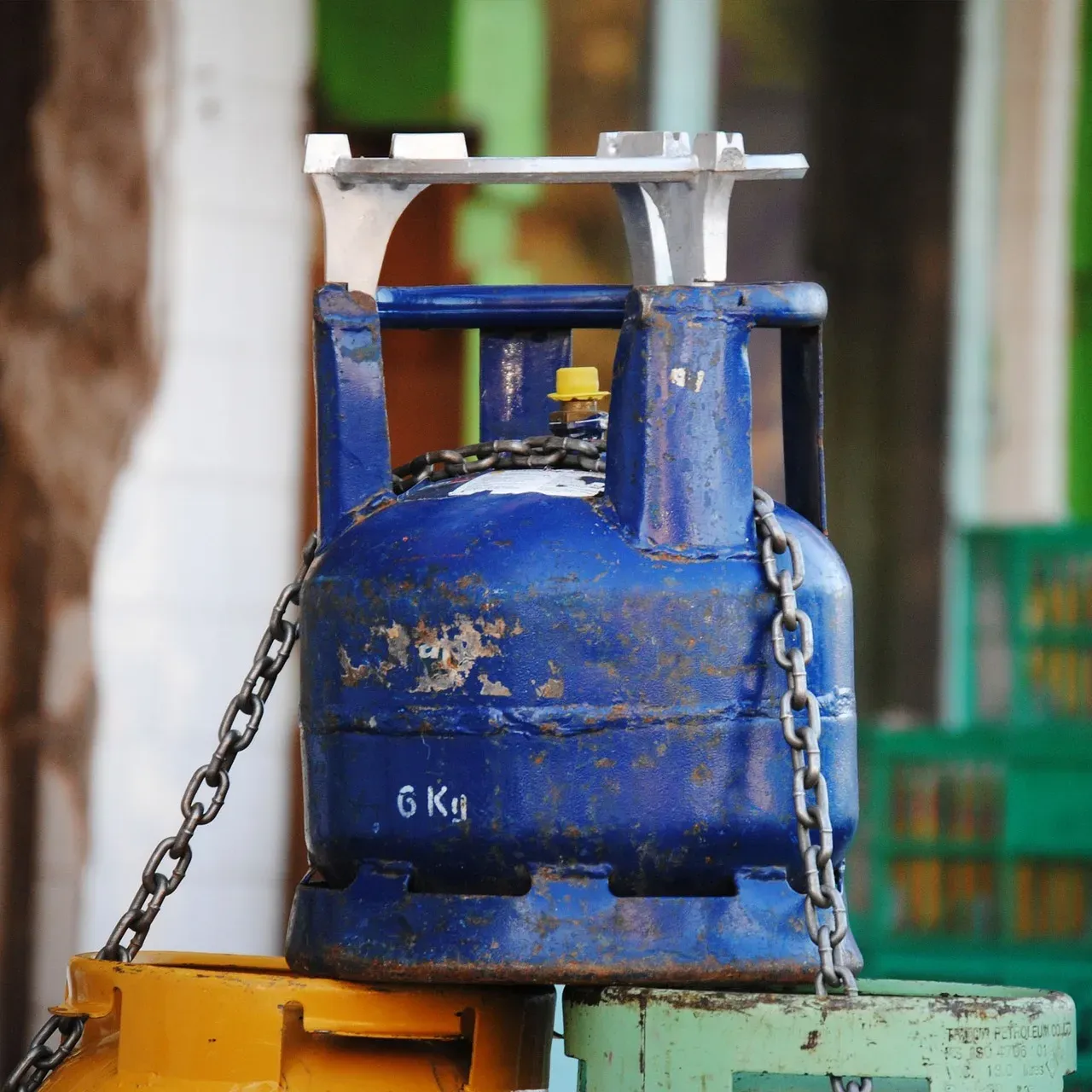
You know those small propane tanks from the grill? Yeah, they can’t go in the truck. This covers items like gasoline, propane tanks, paint thinner, aerosols, fire extinguishers, pesticides, car batteries, and fireworks. Despite the prohibition, many people assume an empty tank is harmless. Not quite.
Propane tanks can explode in hot trucks. Moving trucks aren’t climate controlled, and temperatures inside can spike dangerously during summer months. The DOT requires cylinders receive adequate ventilation during transport, and if the tank becomes too hot, you risk the chance of an explosive release of propane. Even residual gas poses a threat.
Honestly, it’s just not worth the gamble. Drain the tanks completely, disconnect them from your equipment, and transport them yourself in a well ventilated vehicle if you absolutely must bring them along.
Flammable Liquids Like Gasoline and Paint Thinner

Here’s the thing about flammable liquids. They vaporize. Gasoline vapors can ignite from static electricity. That means your lawnmower fuel, paint thinner, nail polish remover, rubbing alcohol, and similar items are off limits. Yet people pack them anyway, usually tucked into a box with other garage items.
Flammable liquids fall under Hazard Class 3, and require DOT-approved containers and packaging, with proper labeling and placarding if necessary. Professional movers aren’t equipped to handle these materials safely, and most refuse them outright. If the combined weight of those non-bulk packages meets or exceeds 1,001 pounds, you’re likely required to placard the vehicle with the appropriate placard, usually a Class 3 FLAMMABLE liquid placard.
The best move? Use up what you can before the move. Donate unopened containers to neighbors or dispose of them properly at a hazardous waste facility.
Lithium Batteries From E-Bikes and Power Tools
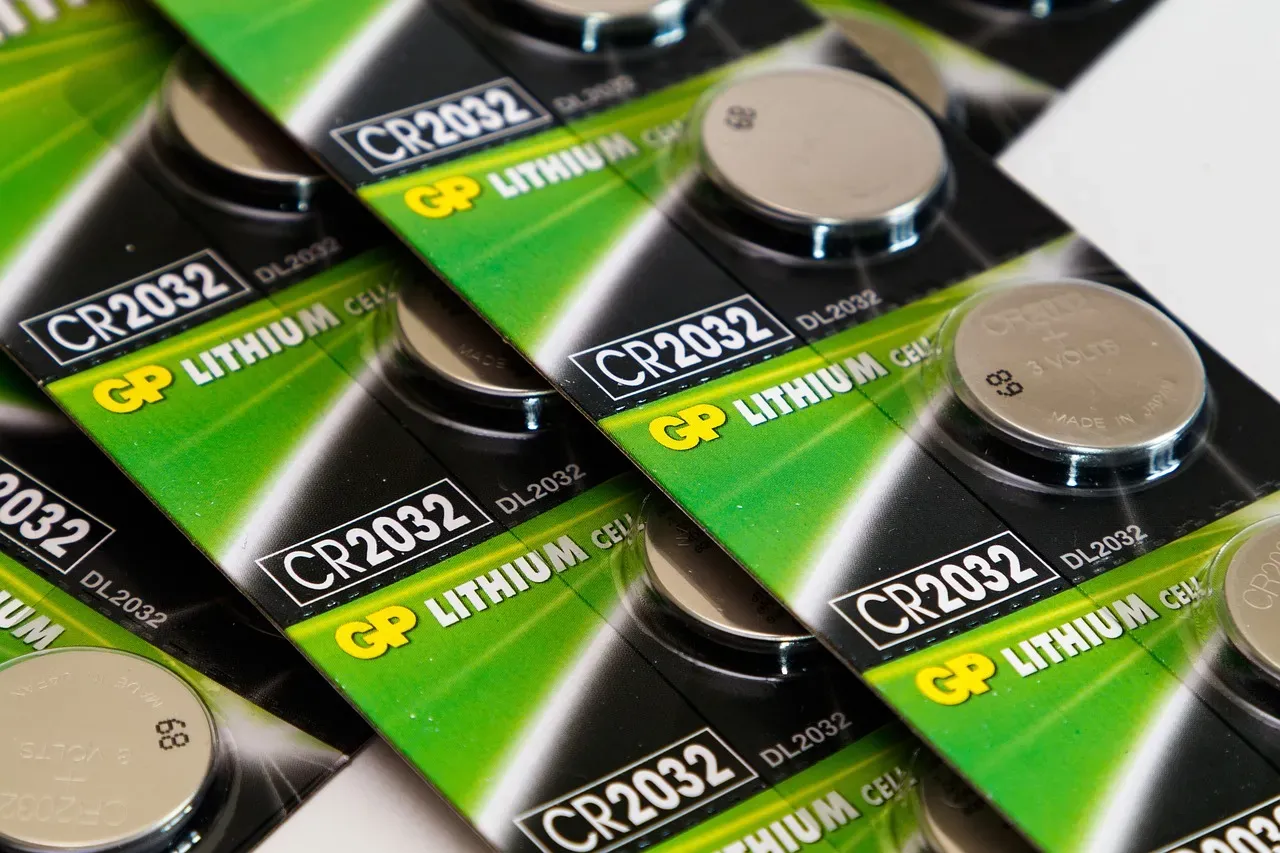
This one catches a lot of folks off guard. High-voltage lithium batteries are prohibited on moving trucks due to thermal runaway risk, a chain reaction that causes batteries to overheat, catch fire, and potentially explode, including e-bike batteries, power tool battery packs, hoverboard batteries, and portable power stations. Regular gadgets with built-in batteries are usually fine, but loose high capacity batteries are a different story.
Lithium battery fires are extremely dangerous because they burn at extreme temperatures, over 1,000 degrees Fahrenheit, hot enough to melt metal truck components, cannot be easily extinguished as water can make lithium fires worse, and release toxic gases. That’s a nightmare scenario on a packed moving truck.
Standard electronics with built-in batteries like laptops and phones are acceptable, but loose or high-capacity batteries must be removed and transported separately. If you’ve got an e-bike, remove the battery pack and carry it with you in your personal vehicle. The movers can handle the frame just fine.
Perishable Food Items

I get it. You don’t want to waste all that food in the fridge and freezer. Moving companies will not move perishable food items because they have no way of keeping the food cold during transportation, meaning your frozen chicken and milk are unlikely to be safe for consumption, and rather than risk someone getting sick, moving companies will only agree to move non-perishable food items. Seems obvious when you think about it, but plenty of people try anyway.
Perishable food can quickly become bad, it may release unpleasant odors, attract insects or rodents, and grow mold, thus causing significant damage to the rest of your items for transportation. That carton of milk isn’t just going to spoil. It’s going to leak, stink up the truck, and potentially ruin your furniture or boxes nearby.
For short distance moves under roughly 100 miles, you might be able to pack some perishables in a cooler and transport them yourself. For longer hauls, eat what you can in the weeks leading up to the move and donate the rest to a local food bank.
Houseplants

Plants might seem harmless, yet they’re actually restricted on most long distance moves. Movers can transport houseplants on local moves under 150 miles, but cannot move them on long-distance or interstate relocations. The reasons are more complex than you’d think.
Plants are living organisms that cannot survive extended time in dark, temperature-uncontrolled moving trucks, and many states have agricultural restrictions prohibiting plant transport across state lines to prevent invasive species and pest transmission. A lot of states prohibit the transportation of plants because plants can carry vermin and bugs that can result in wide-range damage in the area you end you moving to.
California and Hawaii, in particular, have incredibly strict rules. Interstate moves face additional agricultural restrictions that vary by state, with strict agricultural inspections at state borders where prohibited items include citrus plants, certain fruits and vegetables, firewood, and plants with soil, and inspections can delay moves by several hours, while Hawaii has among the strictest regulations in the nation where nearly all plants, most foods, and any items with soil are prohibited to protect island ecosystems from invasive species.
Opened or Partially Used Cleaning Supplies

That half empty bottle of bleach under the sink? Leave it behind. Movers will not move opened or partially used cleaning supplies because they contain hazardous chemicals that could leak, corrode, or combust during transport. A leaky cleaning supply can contaminate an entire shipment.
Chemicals can leak and damage your entire shipment. Bleach and ammonia, for example, are corrosive. If they leak and mix with other substances, the results can be toxic. Even common household cleaners can cause problems when they spill or react with other materials in an enclosed, bouncing truck.
Donate unopened cleaning supplies to friends, family, or local shelters. They’re inexpensive to replace at your new place anyway, and it’s far easier than dealing with the aftermath of a chemical spill.
Ammunition and Firearms
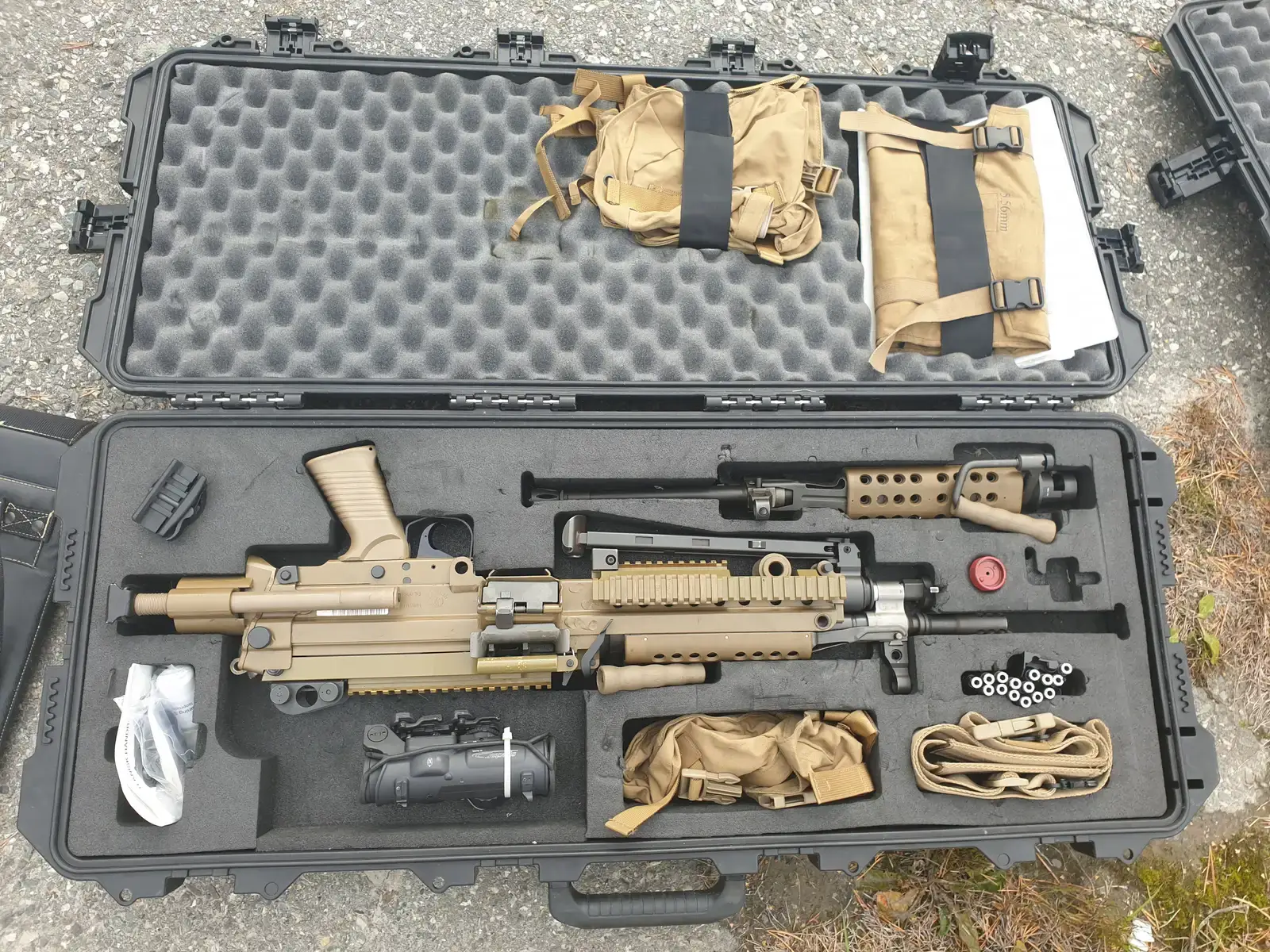
Some moving companies flat out refuse to transport firearms and ammunition, even when it’s legal. While it is not against the law to transport an unloaded firearm across state lines, some movers still refuse to move these items because they do not want to risk an injury. It’s a liability issue more than anything.
Research firearm transport laws for your origin state, destination state, and all states you’ll drive through, transport firearms personally in locked cases, unloaded, and separate from ammunition, or alternatively, use licensed FFL dealers to ship firearms legally between states. The regulations vary wildly depending on where you’re moving.
If you own guns, take responsibility for moving them yourself. Pack them securely, follow all applicable laws, and keep ammunition stored separately. It’s not something you want to leave to chance or assume the movers will handle.
Pressurized Containers and Aerosol Cans

Aerosol cans are everywhere in your home. Hair spray, spray paint, cooking spray, air freshener, shaving cream. They all use pressurized gas to dispense their contents, which makes them dangerous in a hot, jostling moving truck. Temperature changes can cause these cans to explode or leak.
In 2023, HazMat civil penalties increased, with maximum penalties being substantial for violations. The DOT categorizes aerosols as hazardous materials under certain conditions, especially when transported in large quantities. Most moving companies simply won’t touch them to avoid the risk.
Use up your aerosols before moving day or give them to someone who can use them. They’re cheap to replace, and the hassle of dealing with a punctured can in your shipment isn’t worth saving a few dollars on deodorant.