8 Things Bartenders Can Tell About You Before You Even Order
Your Body Language Speaks Before You Do
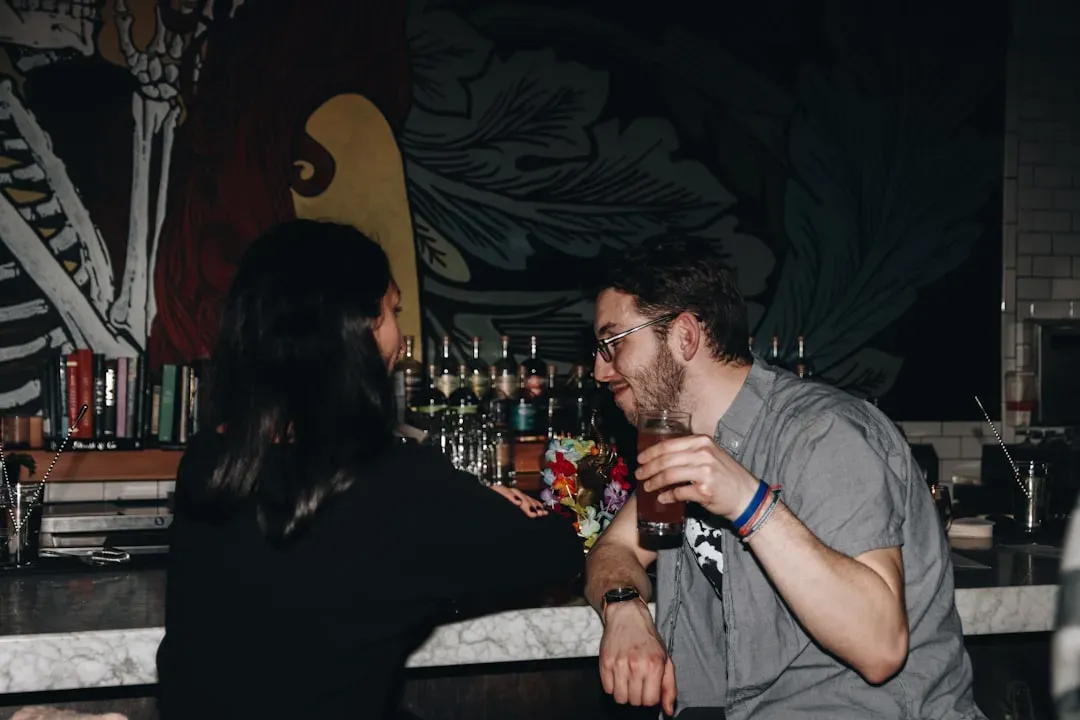
Bartenders are masters of reading body language in chaotic environments. More than 90 percent of customers positioned themselves right up against the bar counter, facing the counter or the bartender when they wanted service, according to research from Bielefeld University. Those subtle signals tell the entire story before you utter a single word. If you’re leaning forward slightly with an open stance, you’re signaling readiness. Spreading out with elbows wide can come across as territorial, especially in crowded spaces.
Your posture reveals everything from confidence to nervousness to impatience. Constant shifting and scanning can signal you’re waiting for someone or you might leave soon, while calm, grounded body language signals you plan to stay. Bartenders adjust their service pace based on these cues. It’s hard to say for sure, but most service professionals can clock whether you’re settling in for the night or just grabbing one quick drink based purely on how you carry yourself at the bar.
How You Position Yourself at the Bar
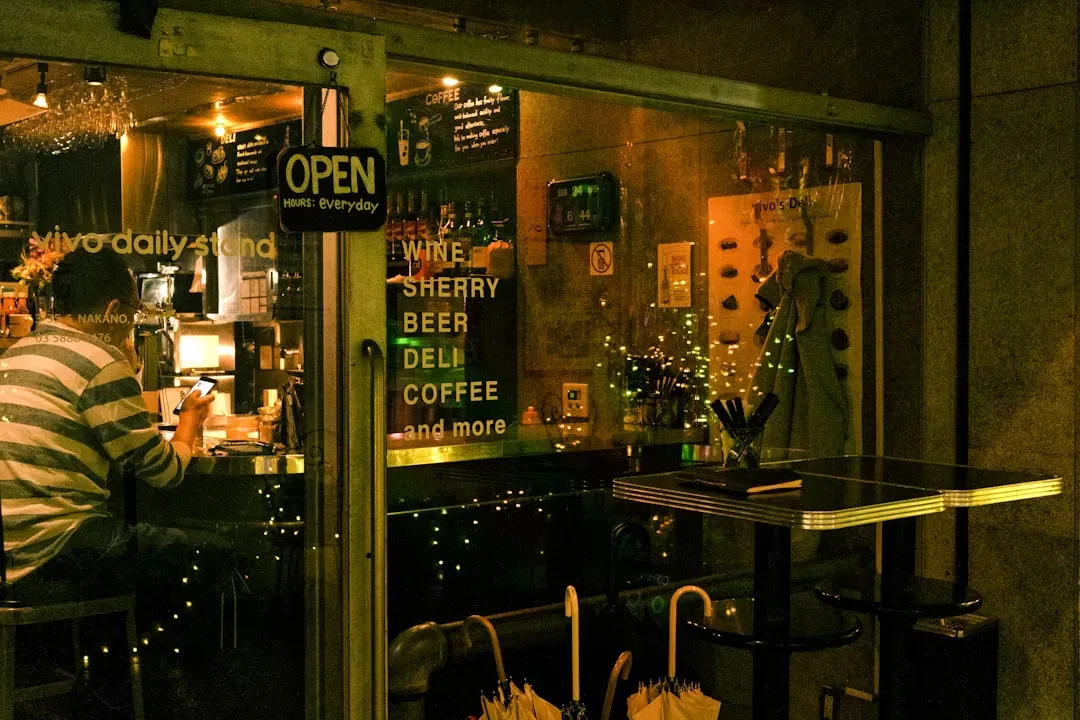
Positioning is social language, and standing right at the service well, where drinks are being built for tables, can send a “I want attention now” vibe, while standing slightly back, where you can still make eye contact, often gets you served faster anyway. Think about it. If you understand the flow of a busy bar, you naturally position yourself where you can be seen without blocking the workflow. Smart customers know this instinctively.
Proximity matters more than most people realize. Research on body language in bar settings shows that customers who did not wish to order a drink instinctively avoided these positions and sat slightly farther from the edge of the counter, facing away from the bar or toward their companions. Bartenders pick up on these spatial patterns instantly, prioritizing those who position themselves with intention.
Your First Drink Order Reveals Your Intentions
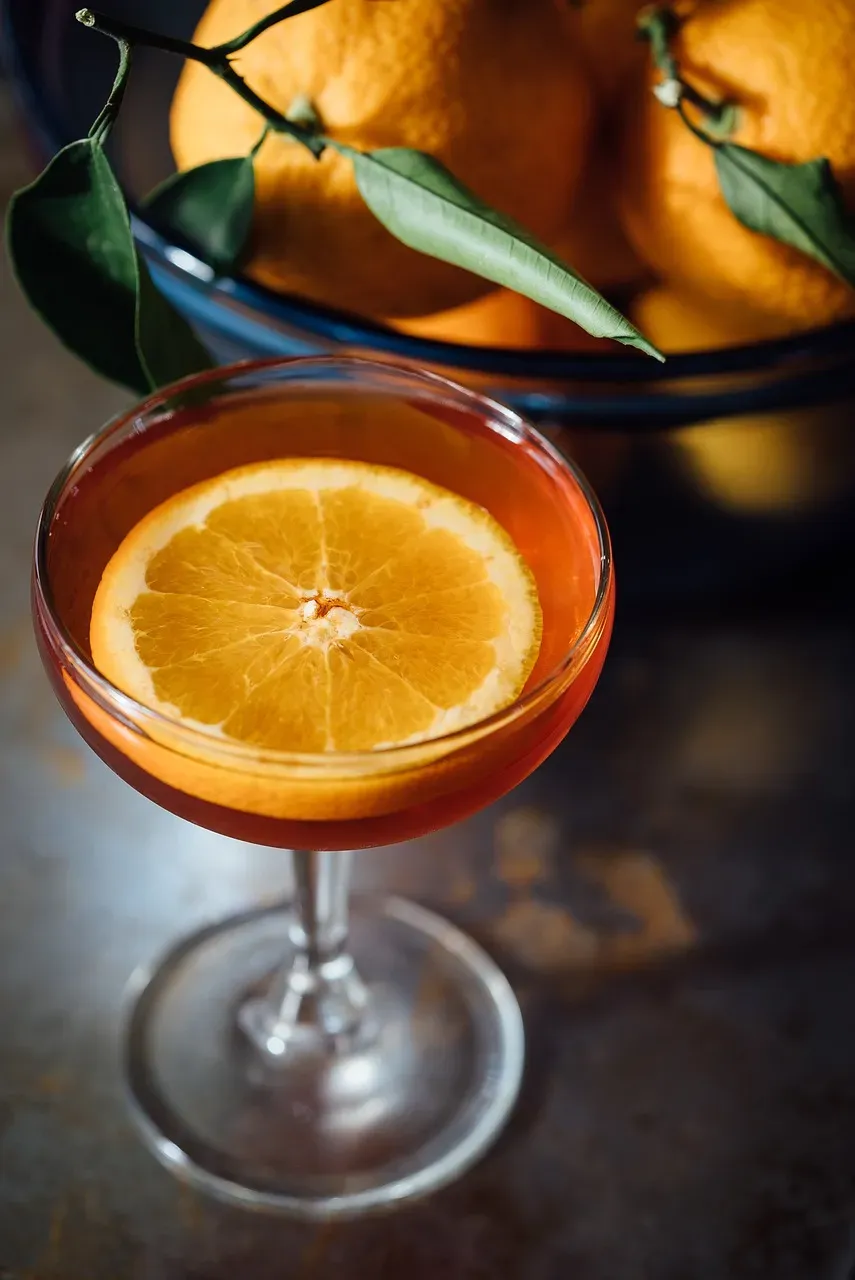
Your first order is a fast clue about your plan for the night, as a neat bourbon, a bright mocktail, a draft beer, or sparkling water each suggests a different pace and purpose. Bartenders mentally categorize you within seconds of hearing what you want. Are you here to unwind slowly or get wasted quickly? Let’s be real, the difference between someone ordering a glass of wine and someone ordering a Long Island Iced Tea is night and day.
The way you phrase your order matters just as much as what you order. A clear request like “Gin and soda with lime, please,” feels calm and easy to fulfill, while a vague one like “Surprise me,” can be fun, yet it also asks the bartender to guess your taste while juggling ten other tasks. Decision fatigue shows up fast when you ask ten brand questions in a row. Bartenders notice when you freeze under pressure.
The Speed and Clarity of Your Order
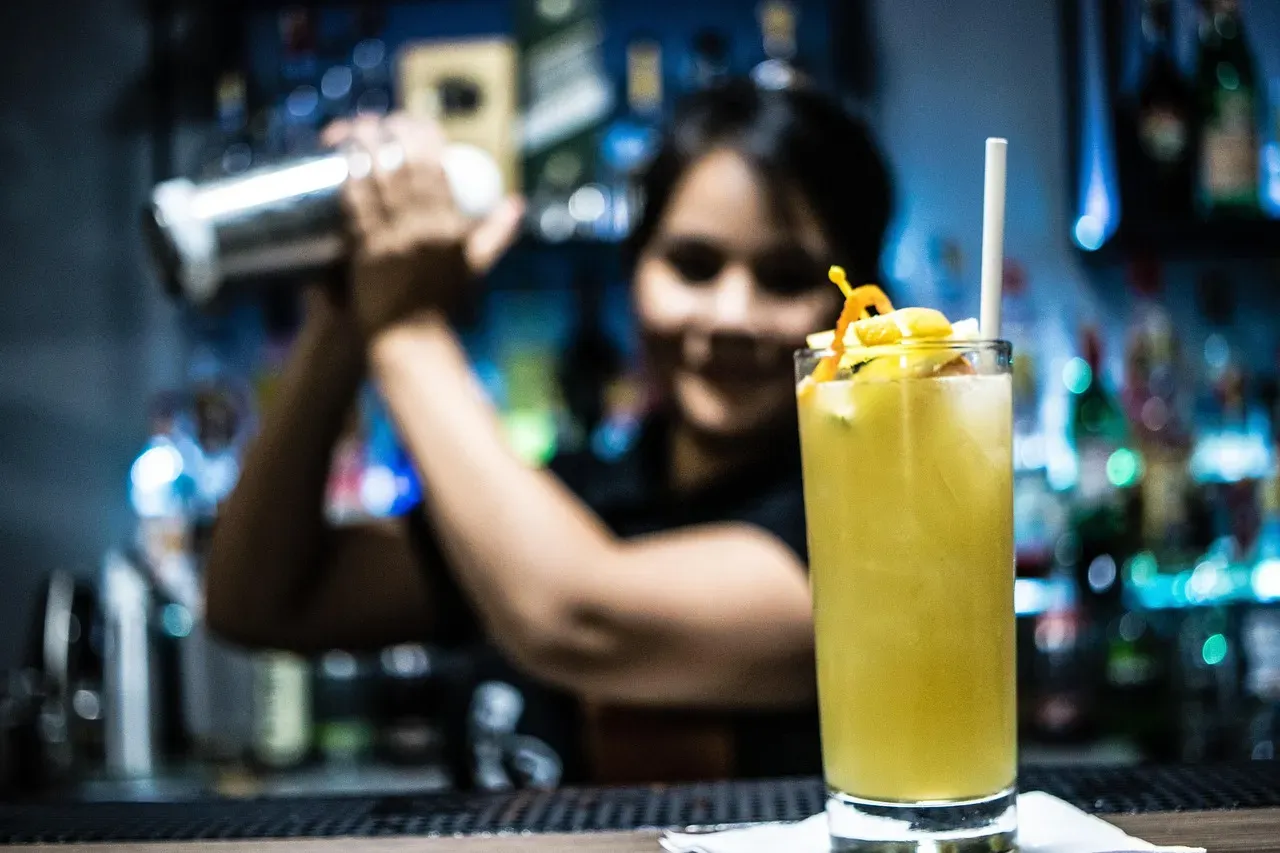
Here’s the thing: bartenders can tell if you’re a confident drinker or someone out of their element based on order speed alone. Stress drinking has a particular cadence, with the order coming fast – “Whiskey neat” or “Whatever IPA you have on draft” – with minimal eye contact. Compare that to someone celebrating, who asks detailed questions about the bourbon selection or what’s in the seasonal cocktail. Timing and tone betray emotional state.
Second-order cues like how long someone hesitates before ordering, whether they make eye contact during the request, if they apologize for their choice, or if they volunteer unsolicited context often carry more psychological weight than the drink itself. These micro-behaviors reveal confidence, insecurity, or social anxiety faster than any verbal cue. Bartenders synthesize this information in real time.
Your Payment Habits and Tipping Signals
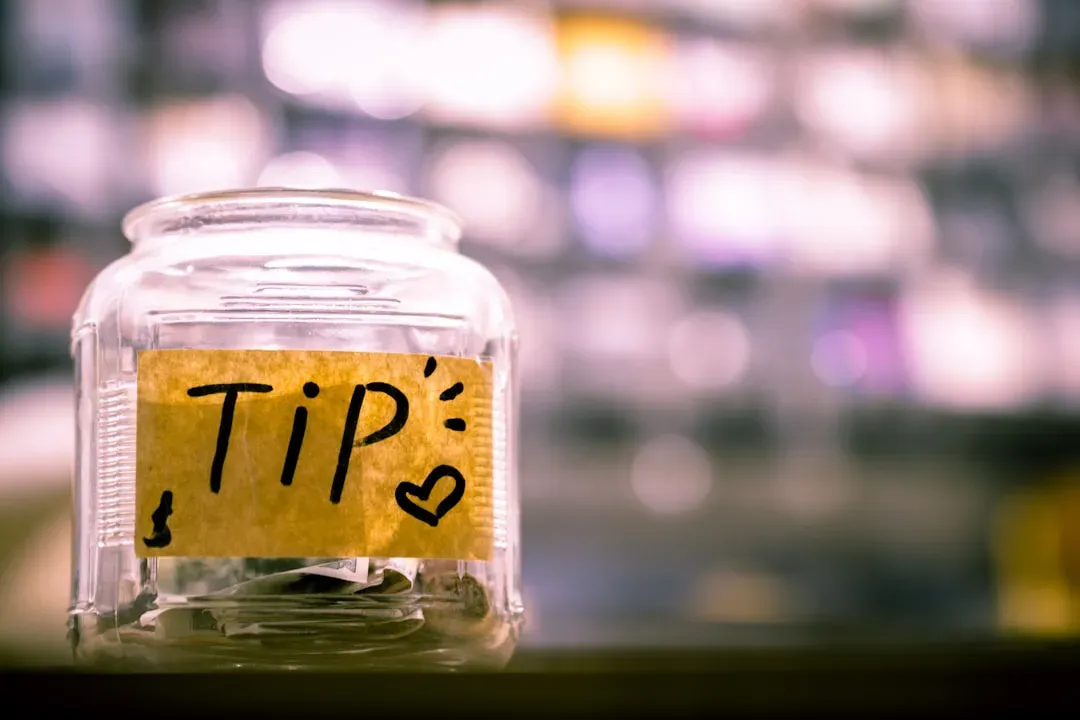
Payment behavior is a huge signal because it predicts the end of the interaction, and bartenders notice whether you open a tab smoothly, whether you know where your ID is and whether you treat the payment moment like a team effort. Fumbling for five minutes slows the line and signals disorganization. Experienced bar-goers have their payment method ready before they even order.
Tipping cues emerge almost immediately. Saying “I’ll take care of you” sets a tone, as does a warm “Thanks, I appreciate it,” and bartenders also notice whether you tip consistently on each round or wait until the end – both work and consistency tends to create trust. According to a 2025 study, 79 percent of bartenders make a drink recommendation during every shift, and when they do, guests order the recommended drink 95 percent of the time. Generous tippers get better recommendations.
How You Interact With Your Group
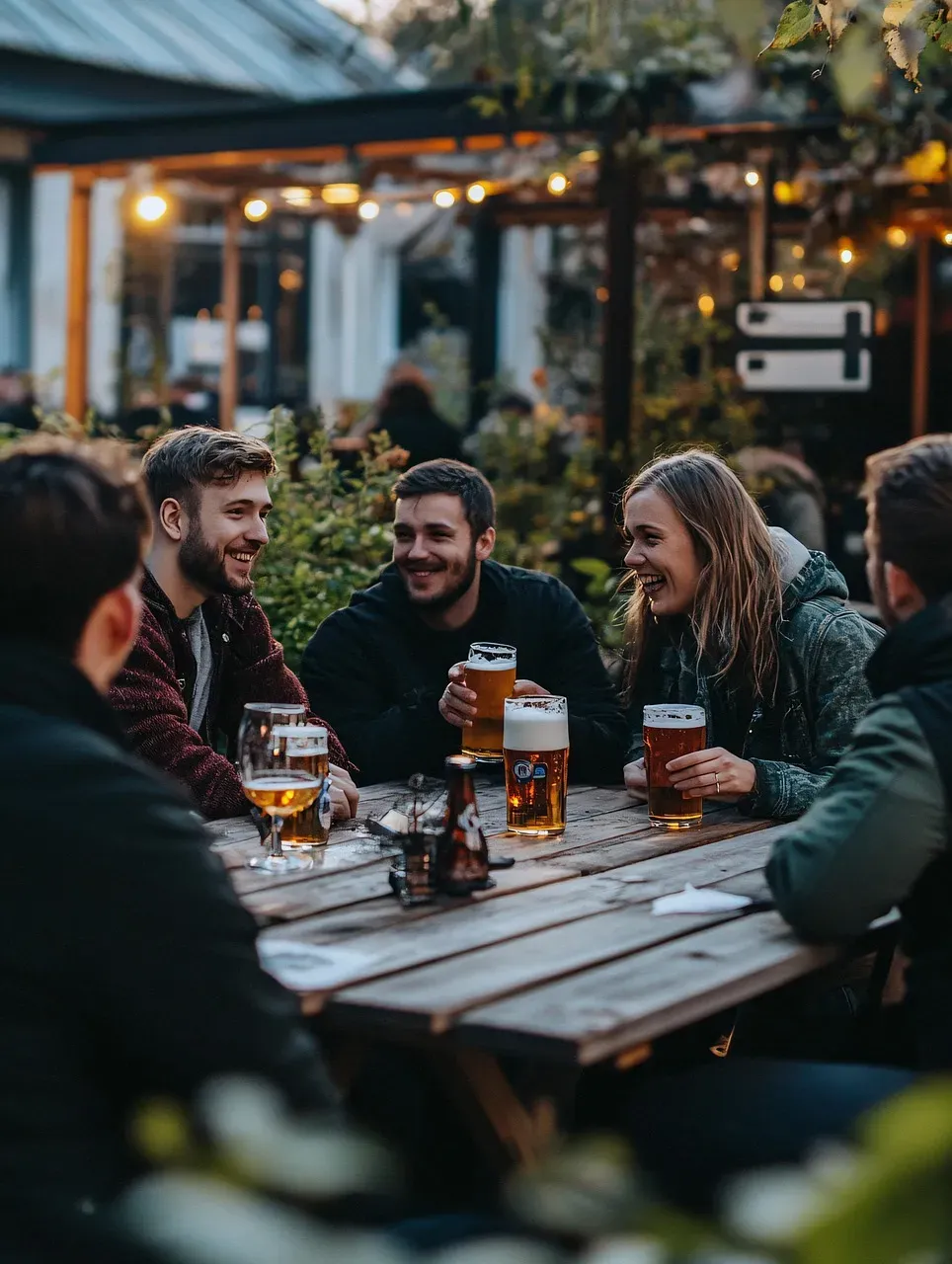
Bartenders are constantly reading the social dynamics at play. Are you the person holding court, buying rounds, and making decisions? Or are you quieter, deferring to someone else in the group? These roles become apparent within moments. Groups reveal hierarchies through who orders first, who pays, and who controls the conversation. Bartenders adjust their approach based on who seems to be running the show.
Your interaction style with companions also signals whether you’re approachable for conversation or prefer to be left alone. Someone deeply engaged in conversation with friends sends a “don’t interrupt” vibe. Conversely, someone sitting alone, making occasional eye contact, and not glued to their phone is often open to light banter. Bartenders respect those boundaries instinctively because reading social cues is survival in this industry.
Your Level of Bar Awareness
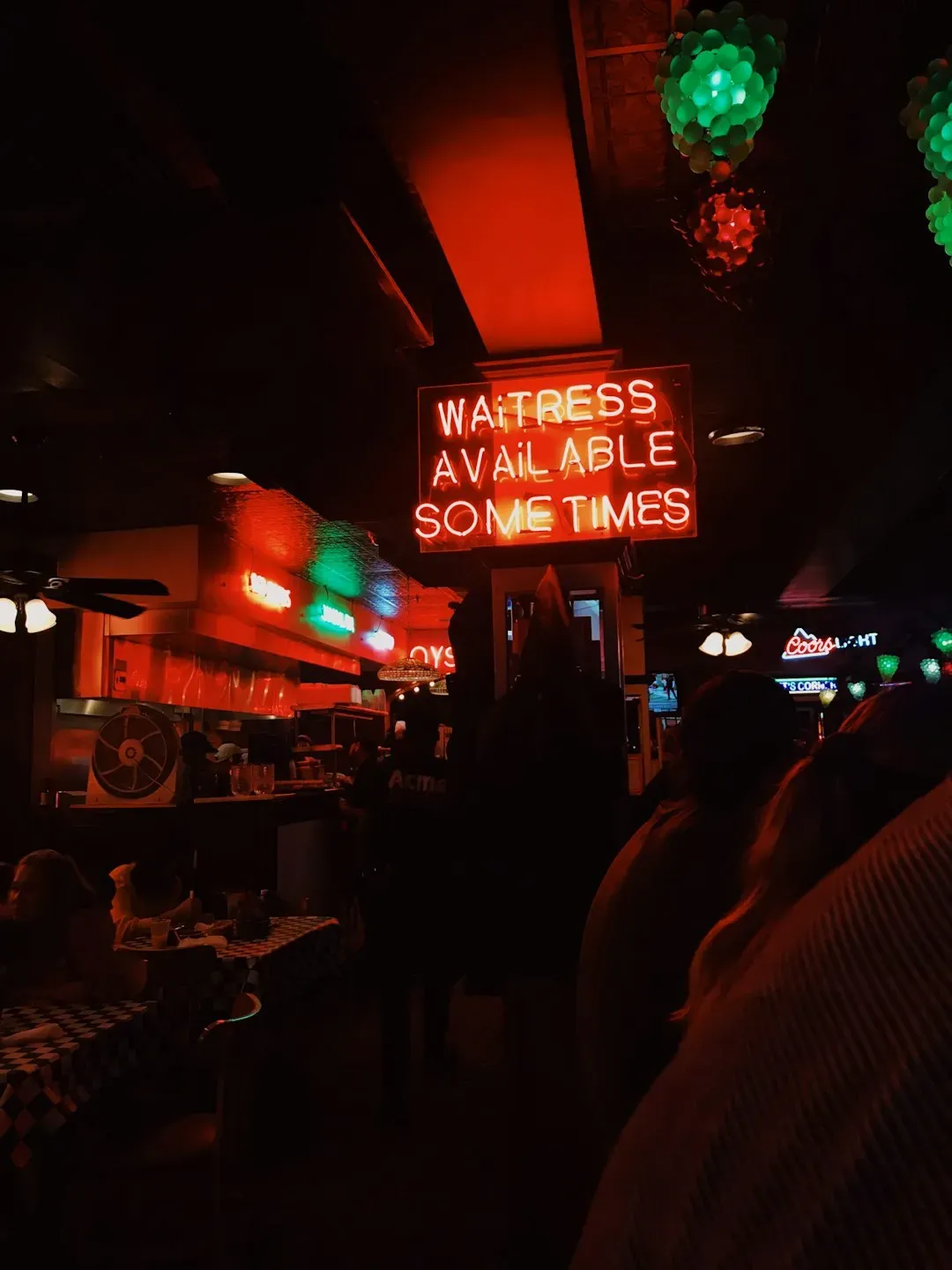
A simple habit helps anywhere you sit or stand: keep your menu and phone off the wet edge of the bar, as it prevents spills and shows basic bar awareness. Small details like this reveal whether you’ve spent time in bars before or if this is unfamiliar territory. Regulars know where to place their belongings, how to flag down service without being obnoxious, and when to order their next drink.
Experienced bartenders can spot rookies from across the room. Are you waving money, snapping fingers, or shouting? Those behaviors get you ignored, not served. Research on bartender attention shows that only one in fifteen customers looked at their wallets to signal an order, and fewer than one in twenty-five gestured at the bartender. The most effective customers use subtle eye contact and calm positioning.
How You Handle Small Problems
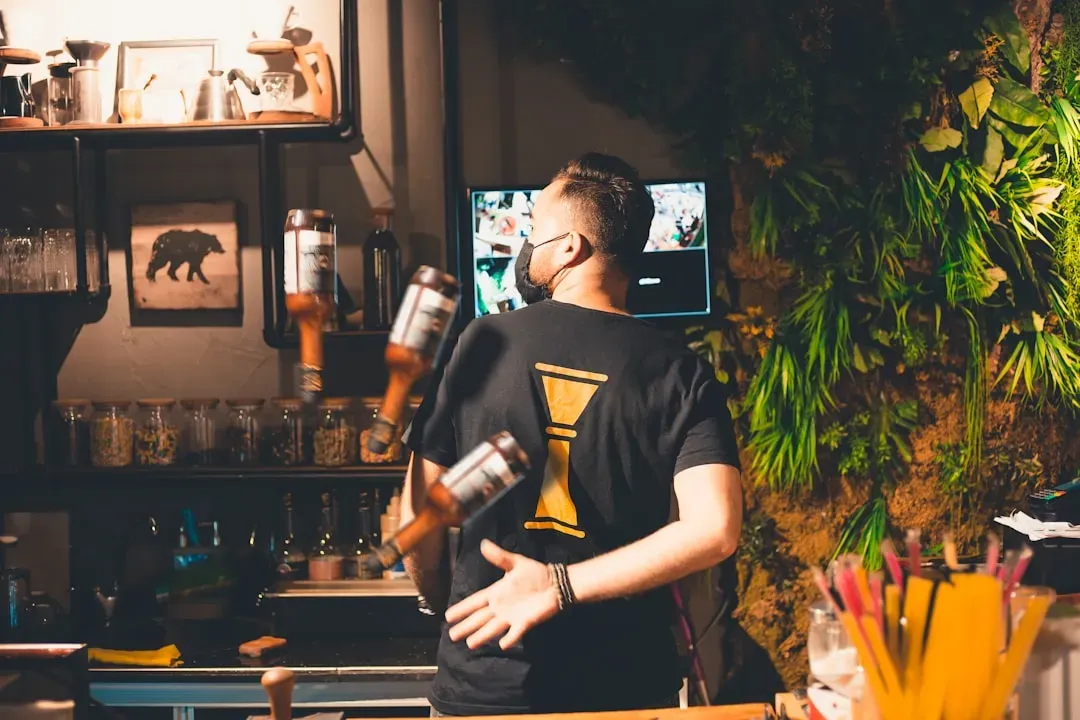
Another cue is how you respond to small problems – if a drink is delayed and you stay kind, that kindness shows, and service workers often remember the people who keep their cool during a rush. Honestly, this might be the biggest tell of all. Someone who loses it over a two-minute wait versus someone who smiles and says “no rush” creates entirely different impressions. Bartenders remember both types, but only one gets prioritized next time.
Patience under pressure signals emotional intelligence and respect for the job. According to hospitality research from 2024, 70% of customers value friendly and attentive staff as the most important factor in their dining experience, but that respect flows both ways. Treat the bartender well when things go wrong, and they’ll move mountains for you when the bar is slammed. What would you rather be remembered as: the gracious customer or the nightmare?