The Harsh Reality of Iran’s Water Crisis: Why the Country’s Aquifers Are Failing
Shocking Scale of Groundwater Depletion Across Iran
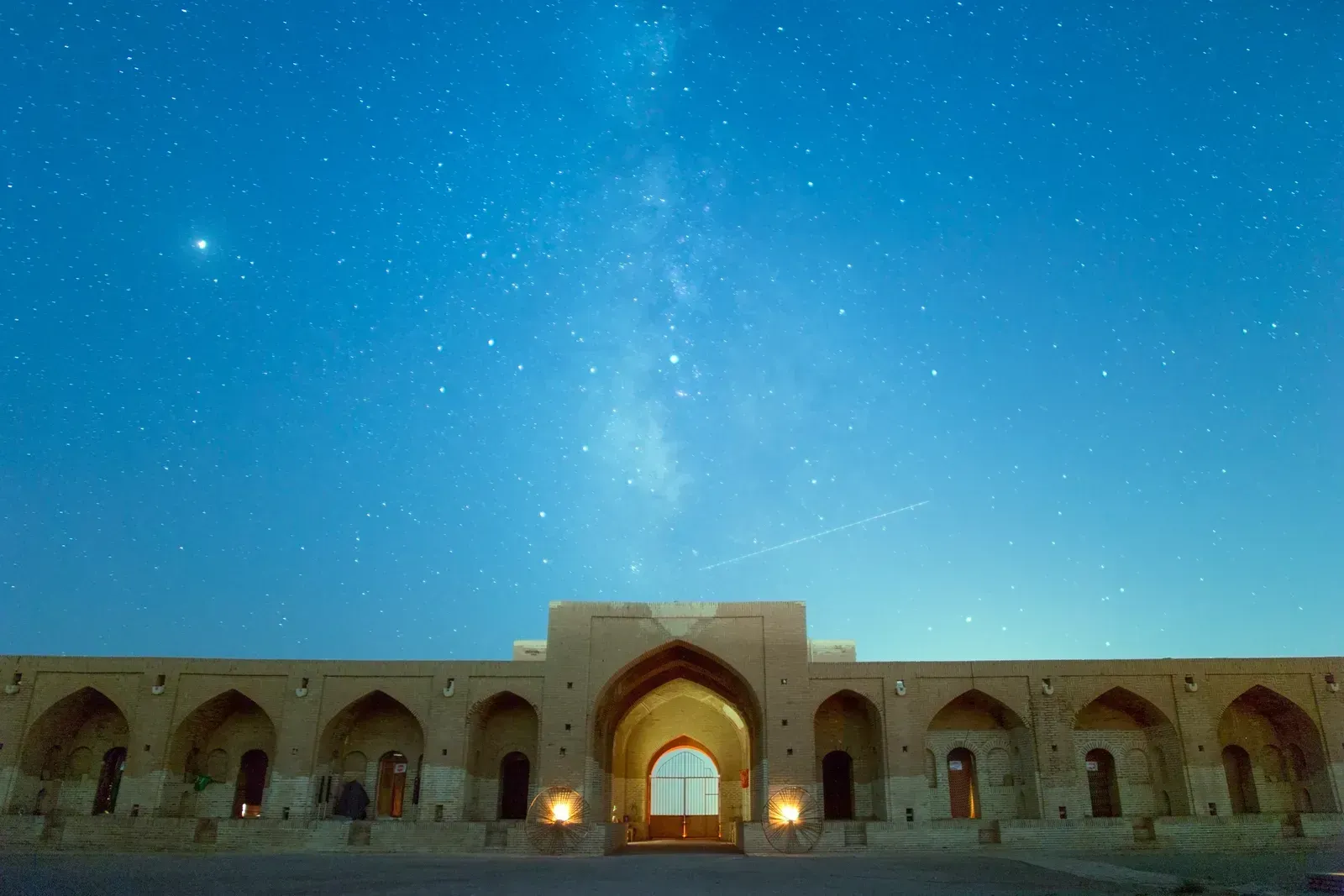
Picture a country that, despite having pioneered water management for millennia through its ancient qanat systems, now faces something hydrologists are calling “water bankruptcy.” Iran ranks first in the region and fifth globally in terms of groundwater depletion, extracting 57 billion cubic meters of water from underground aquifers annually – roughly nine percent of global groundwater extraction despite accounting for just one percent of the world’s population. According to a 2022 study by Saemian et al., Iran lost about 211 ± 34 cubic kilometers of its total water storage – more than twice Iran’s annual water consumption – within the 2003–2019 period. That’s an unfathomable amount of water simply vanished from underground reserves. Using an extended database from over one million groundwater wells, springs, and qanats, research shows a significant decline of around negative 3.8 millimeters per year in nationwide groundwater recharge from 2002 to 2017, representing a statistically significant decrease of about 35 percent during the study period.
In the past 40 years, Iranians have sunk more than a million wells fitted with powerful pumps, aiming to irrigate arid farmland to meet the country’s goal of food self-sufficiency. The problem? While the number of groundwater extraction points increased by 84.9 percent from 546,000 in 2002 to over a million in 2015, the annual groundwater withdrawal actually decreased by 18 percent primarily due to physical limits to fresh groundwater resources – depletion and salinization. Think about that for a moment. They drilled nearly twice as many wells yet got less water out. That’s not a temporary drought problem – that’s a system collapsing under its own weight.
Irreversible Destruction: When Aquifers Collapse Forever

Hydrologists warn that much of the damage to aquifers is permanent – as they dry out, their water-holding pores collapse, and as qanats dry up, they too cave in. Let’s be real: once an aquifer compacts, you can’t just reinflate it like a tire. This process of aquifer compaction is essentially irreversible – the ground, once collapsed, cannot be “re-inflated” to store water again, meaning that even if Iran were to experience decades of above-average rainfall, its capacity to store that water underground has been permanently diminished. The regime hasn’t just spent its water savings; it has destroyed the vault itself.
Over the last five decades, Iran has depleted around 70 percent of its groundwater reserves, and this overuse has led to severe land subsidence in various regions, with Tehran subsiding at a rate of up to 25 centimeters per year. Iran has around one million wells, half of which are illegal, and excessive pumping has severely depleted aquifers, particularly in the Central Plateau, Tehran region, Lake Namak, and the central desert basins. Updated data indicate 422 restricted or critical plains as of early 2025, with 359 suffering from land subsidence or severe groundwater depletion. Honestly, these numbers should terrify anyone paying attention. The ground beneath major cities is literally sinking.
Agriculture: The Thirsty Giant Draining the Nation
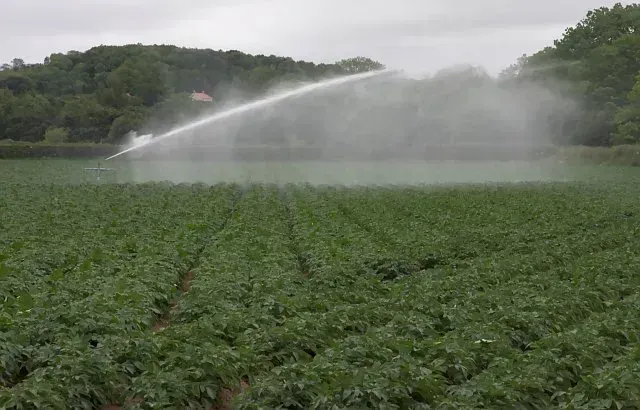
Here’s where things get really complicated. Agricultural water use, which the Islamic Republic heavily subsidizes, claims 90 percent of the nation’s total water demand, driven by a sovereign imperative to ensure national food security. This doctrine, intended to insulate the country from external pressures, has driven the unsustainable consumption of over 90 percent of the nation’s water by a notably inefficient agricultural sector, where up to 70 percent of water is lost in irrigation before benefiting a crop. Read that again – up to 70 percent simply wasted before it even reaches the plants. That’s not farming; that’s hemorrhaging water into sand.
A recent international study of 1,700 underground water reserves in 40 countries found that a staggering 32 of the world’s 50 most overpumped aquifers are in Iran, with water tables in Iran’s West Qazvin Plain, Arsanjan Basin, Baladeh Basin, and Rashtkhar aquifers falling by up to 10 feet a year. Iran is one of the Middle East’s leading producers of wheat, pistachios, watermelons and cucumbers – all highly water-intensive crops – with the sector accounting for more than 90 percent of all water allocation in 2025. The government keeps pushing water-intensive crops in one of the driest regions on Earth. It’s hard to say for sure, but the math doesn’t add up.
Drought, Climate Change, and the Perfect Storm
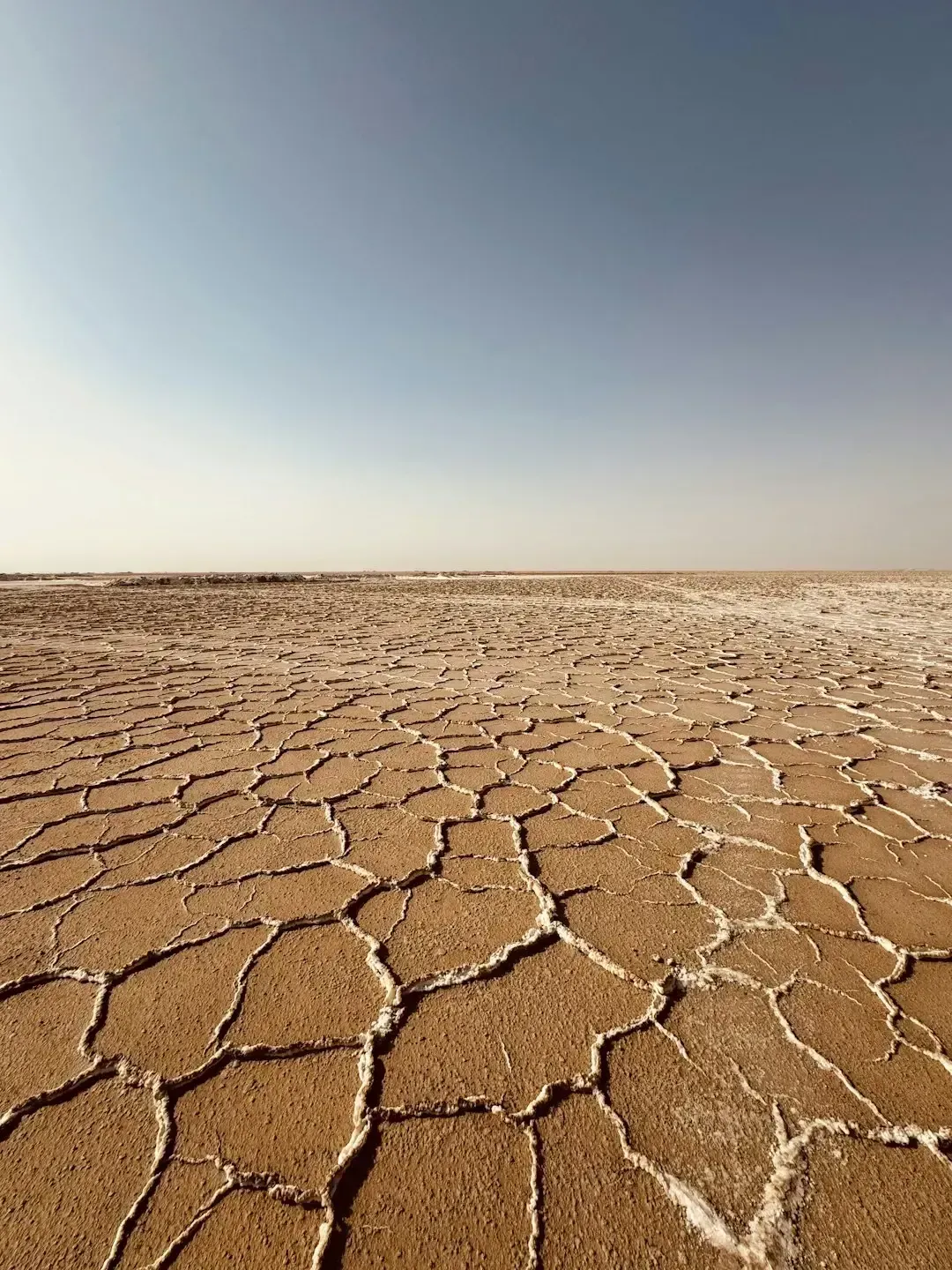
The 2024–25 water year has been described as one of the most challenging in Iran’s history, with average rainfall about 45 percent below normal, and nineteen provinces in significant drought – for example, Hormozgan in the south reported a 77 percent decrease in rainfall, and Sistan-Baluchestan a 72 percent drop. Iran is now in its sixth consecutive year of drought, which is now at a scale, intensity and duration that “is unprecedented in modern times,” according to Kaveh Madani. Six straight years. That’s not a dry spell – that’s a new climate reality.
Iran’s average temperature has risen 1.8 degrees Celsius over the past decade, triggering the evaporation of billions of cubic meters of water from dams, lakes, and soil, with evaporation in many regions now exceeding total annual rainfall, and steady rains that once fed aquifers replaced by sudden flash downpours that run off quickly. In today’s climate, which has warmed by 1.3 degrees Celsius due to burning of fossil fuels, the severity of the last one year of drought in Iran has a return period of ten years, but in a 1.3 degrees Celsius cooler world such a year-long drought would only be expected every 50 to 100 years, and considering the severity over the last five years, such events would have been expected only two to three times per century in a cooler world – climate change also increased the intensity of the five-year-long drought from normal conditions to “extreme” and “exceptional” drought classifications. Climate change didn’t create Iran’s water crisis, but it’s throwing gasoline on an already raging fire.
Tehran on the Brink: A Capital Running Dry
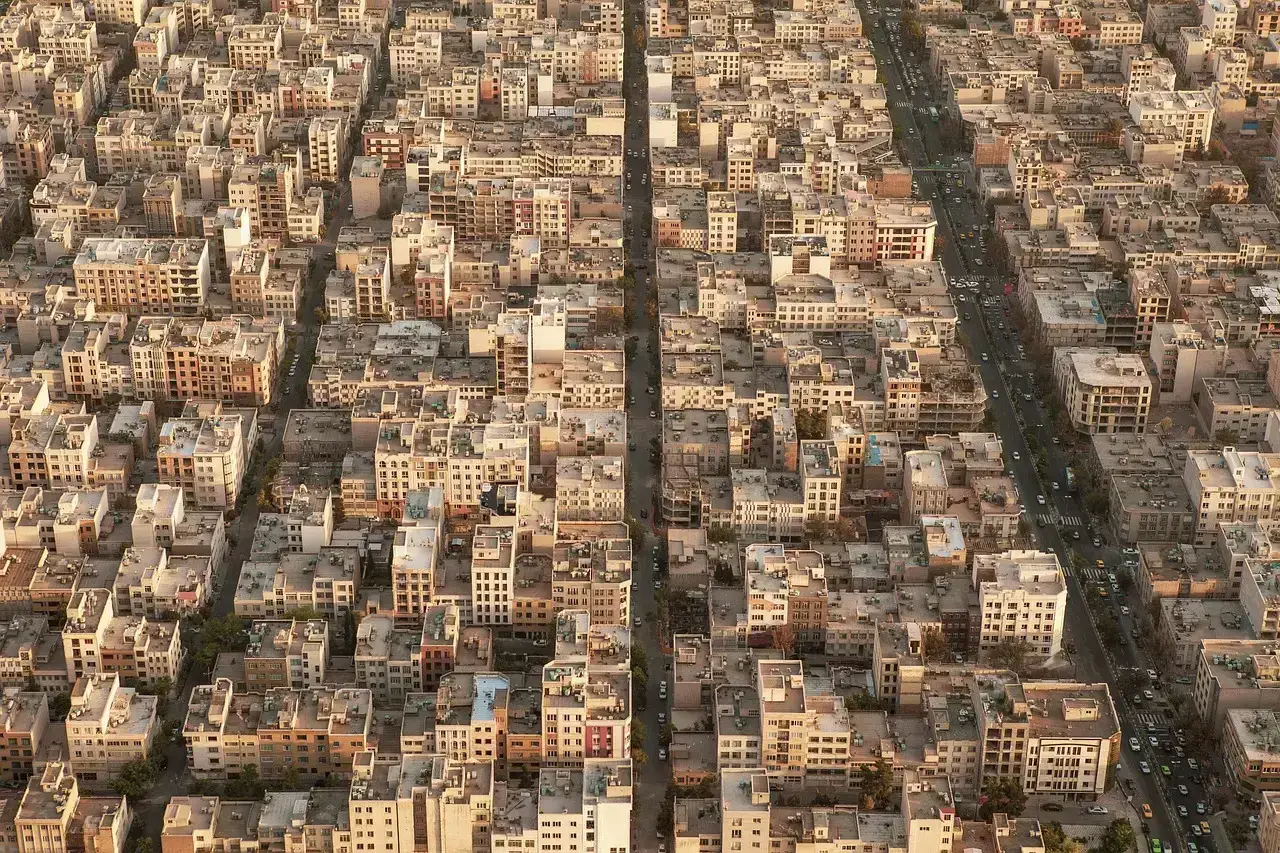
In early 2025, Tehran’s five main reservoirs held only about 13 percent of their capacity, with one vital source – Lar Dam – almost empty at just one percent. In September 2025, water reserves in the Karaj Dam – one of the five critical dams supplying Tehran – plummeted from 111 million cubic meters in September 2024 to a mere 28 million cubic meters in September 2025, representing a staggering 75 percent loss in a single year, with the dam now only 15 percent full and incapable of generating electricity for Tehran. President Masoud Pezeshkian warned this month that if meaningful rainfall didn’t arrive by December, Tehran might have to be evacuated – an unprecedented scenario. Evacuate a capital of nearly ten million people? That’s not hyperbole – that’s desperation.
Depending on storage levels in its reservoirs, Tehran draws 30–60 percent of its water supply from the Tehran aquifer, a groundwater reserve it shares with surrounding farmers, with groundwater withdrawals for crop production accounting for half of Tehran Province’s total water footprint, and the region now irretrievably losing 101 million cubic meters of groundwater annually. An estimated 30 percent of treated drinking water is lost through old, leaky distribution systems, and there’s very little water recycling. So they’re pumping what little groundwater remains, losing a third of it through leaky pipes, and sharing the rest with farmers growing thirsty crops. The system is broken at every single point.