Hidden in Plain Sight: 9 Vintage Kitchen Appliances Suddenly Worth Big Money
That rusty mixer sitting in your grandma’s basement might just be funding your next vacation. Let’s be real, most of us have walked past vintage kitchen gear without giving it a second thought. A beat up toaster from the fifties? An old stand mixer covered in flour dust? Here’s the thing though: collectors are shelling out serious cash for these relics, and the market keeps climbing. It’s hard to say for sure, but the boom seems tied to nostalgia and the undeniable fact that they just don’t make things like they used to. Ready to discover what treasures might be hiding in your kitchen cabinets?
KitchenAid Model K Stand Mixers: The Holy Grail
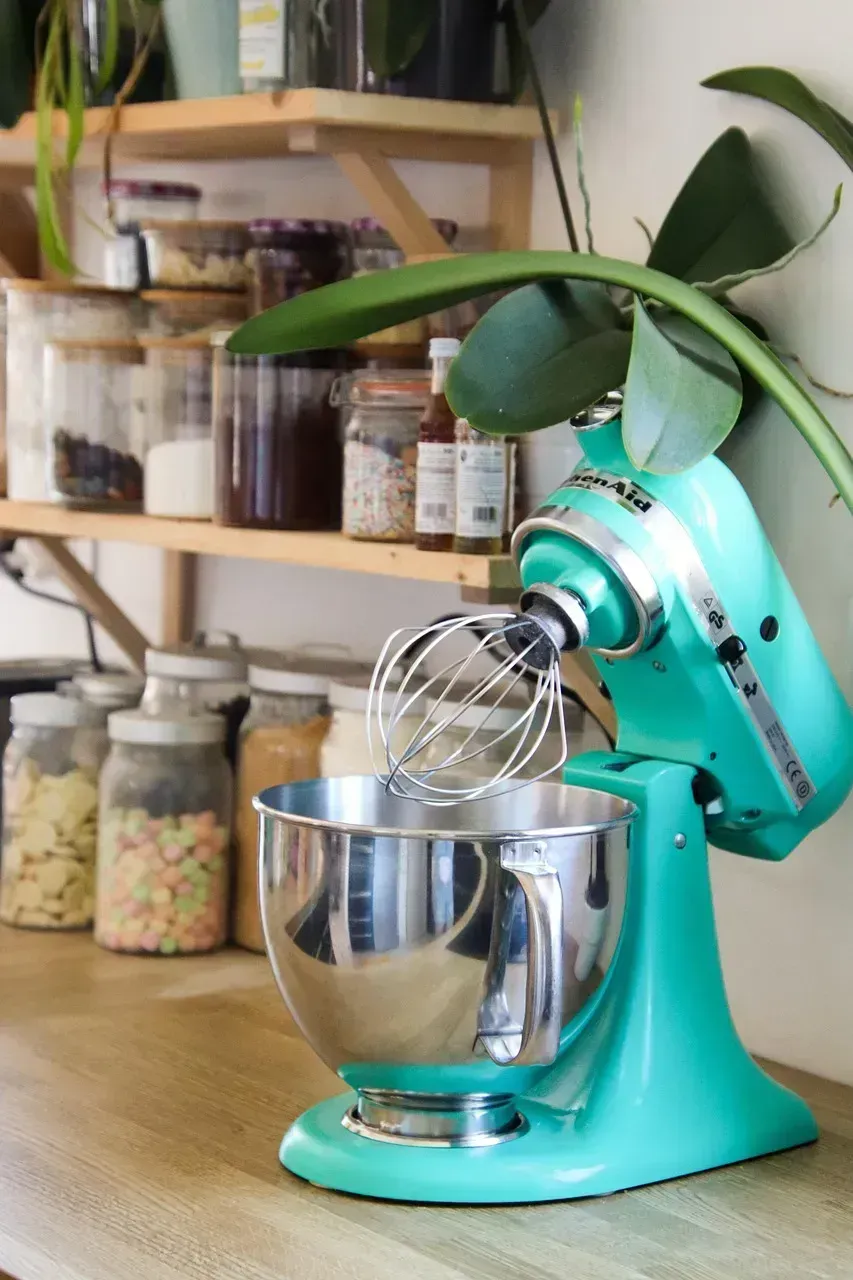
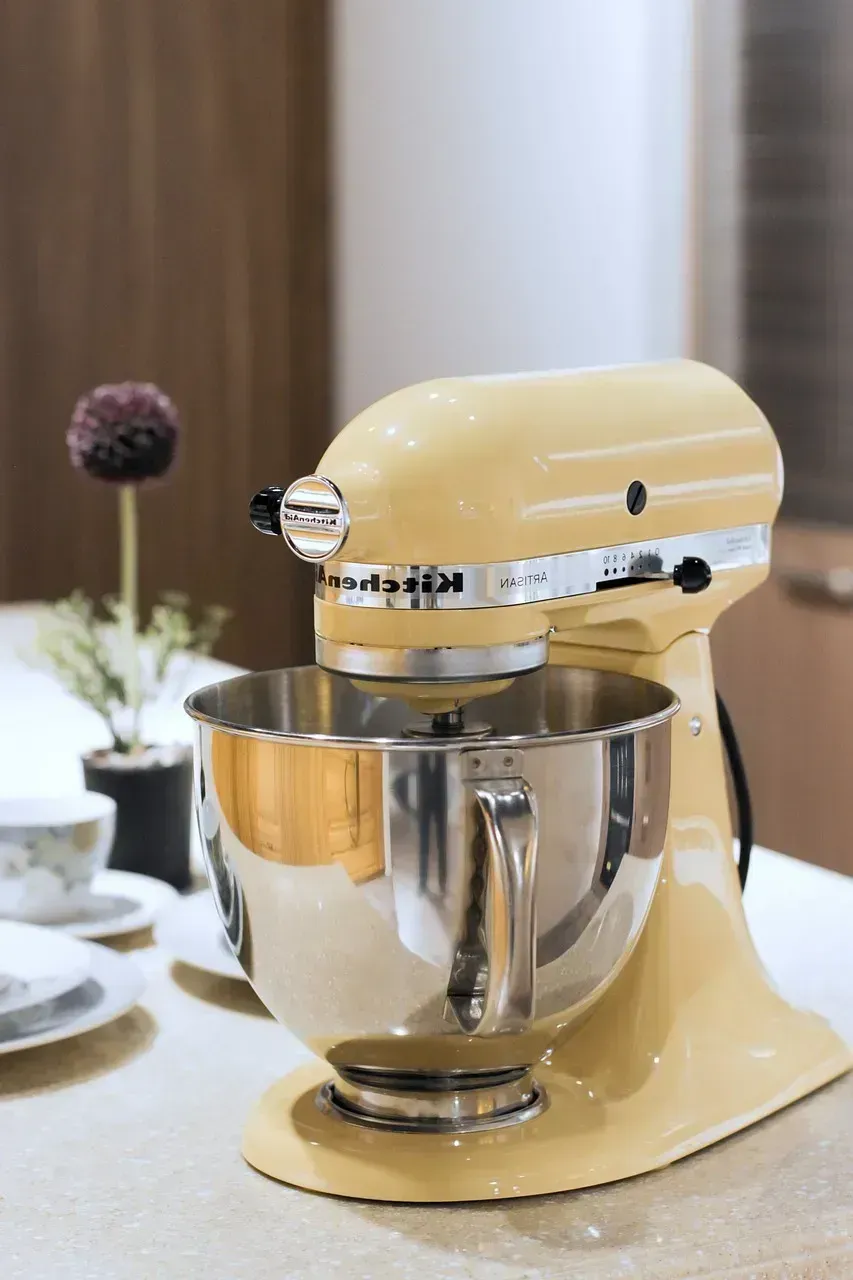
KitchenAid Model K mixers made between 1937 and the early 1950s, known as the ‘workhorse’ models, can easily reach four thousand to five thousand dollars at auction when in pristine condition. These aren’t just appliances, they’re artifacts from an era when manufacturers built products to outlive their owners. Colors like petal pink, sunny yellow, island green, and antique copper were first introduced in 1955 at the Atlantic City Housewares Show, and models bearing short-lived shades have become prized examples of the evolution of home baking.
If your stand mixer is an authentic KitchenAid and at least 20 years old, your mixer could be worth a small fortune, with resale prices ranging from hundreds to thousands of dollars depending on the age, the condition, the color, and the model. I know it sounds crazy, but even faded paint or a few scratches won’t completely destroy the value. The holy grail? Any Hobart-era machine manufactured before 1986 when the brand was sold to Whirlpool.
Vintage Sunbeam Radiant Control Toasters
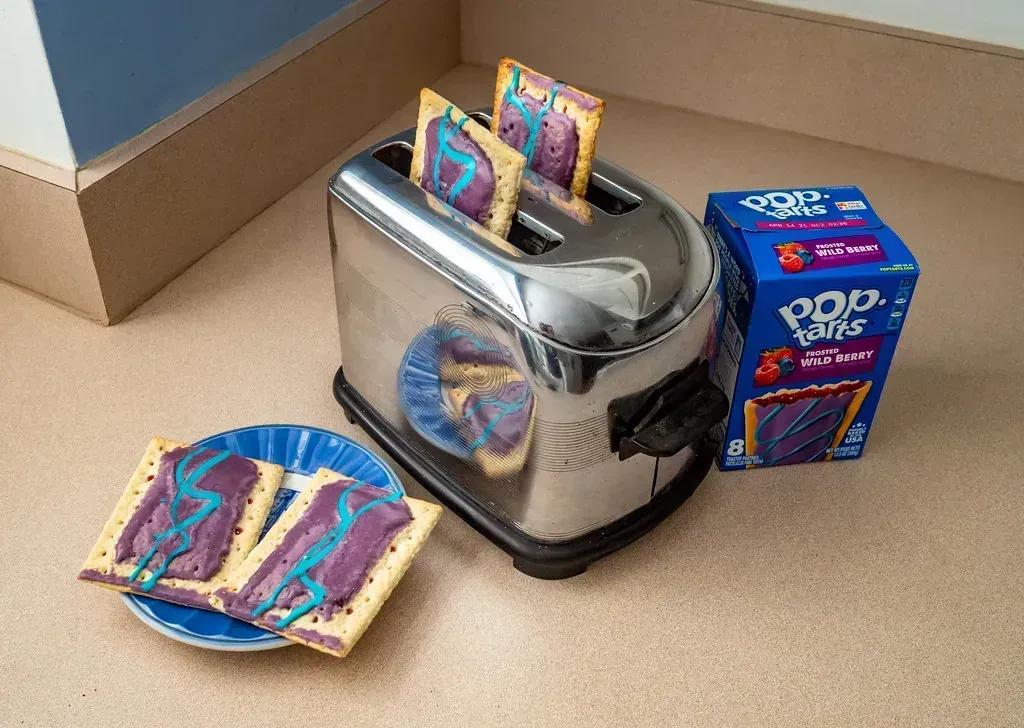
Sunbeam advertised them as “Automatic Beyond Belief” and they are considered the finest toasters ever made, with Radiant Control models fetching between one hundred dollars and nearly six thousand dollars for a T-40 model from 1962. The beauty of these chrome beauties lies in their self-regulating heating element that adjusted automatically based on bread temperature, not just a timer.
Still operational models command premium prices because they actually work better than most modern toasters. The Toast-O-Lator Model B sold for one thousand dollars in 2024, and was produced by the Crocker-Wheeler Company from approximately 1939 to 1952. Collectors value the engineering genius and that unmistakable mid-century aesthetic with rounded corners and polished chrome finishes.
Pyrex Mixing Bowls: Not Just Dishware
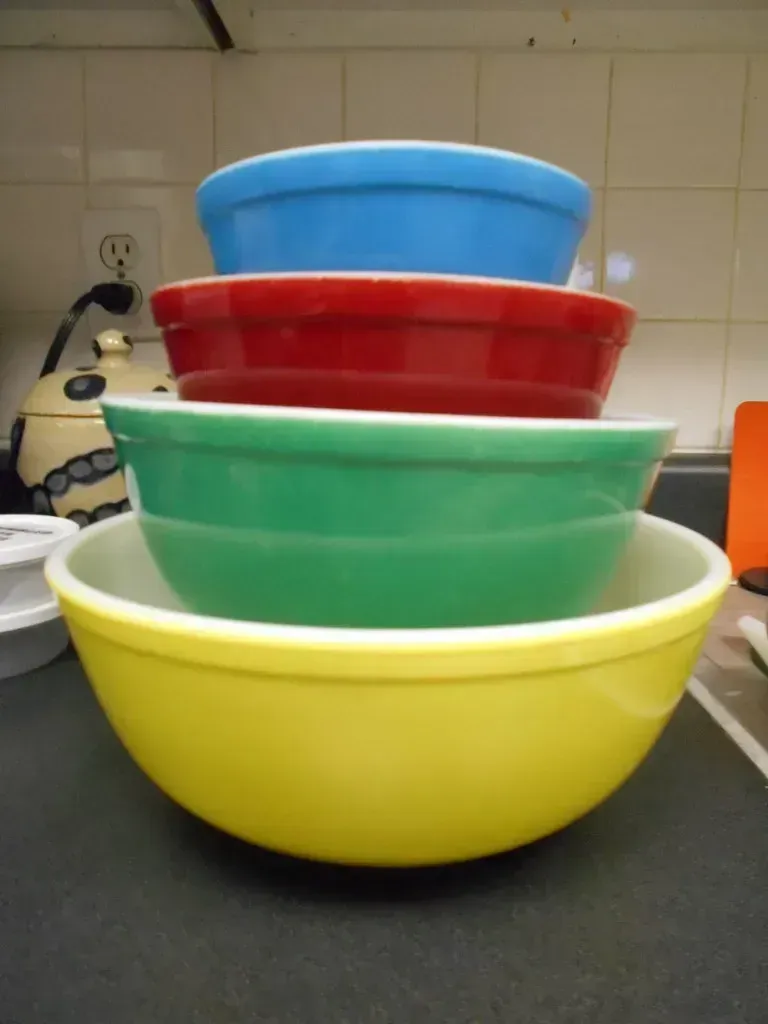
Those colorful nesting bowls your mom used? They’re collectible gold now. A large Blue Dianthus “Cinderella” Mixing Bowl netted over two thousand dollars on eBay not too long ago, while the Pyrex Pink Duchess sold for twenty-two hundred dollars. Certain patterns have become wildly sought after, especially promotional items that had limited production runs.
Butterprint Pyrex bowls, renowned for their farm-themed turquoise and white design, were discontinued in the 1960s, and well-kept complete sets can fetch prices that cruise into the thousands. The trick is finding sets with all pieces intact and minimal wear. Black stripes over dark blue Barcode pattern models have sold for thirty-five hundred dollars on eBay, proving rarity trumps everything in this market.
General Electric D-12 Electric Toasters
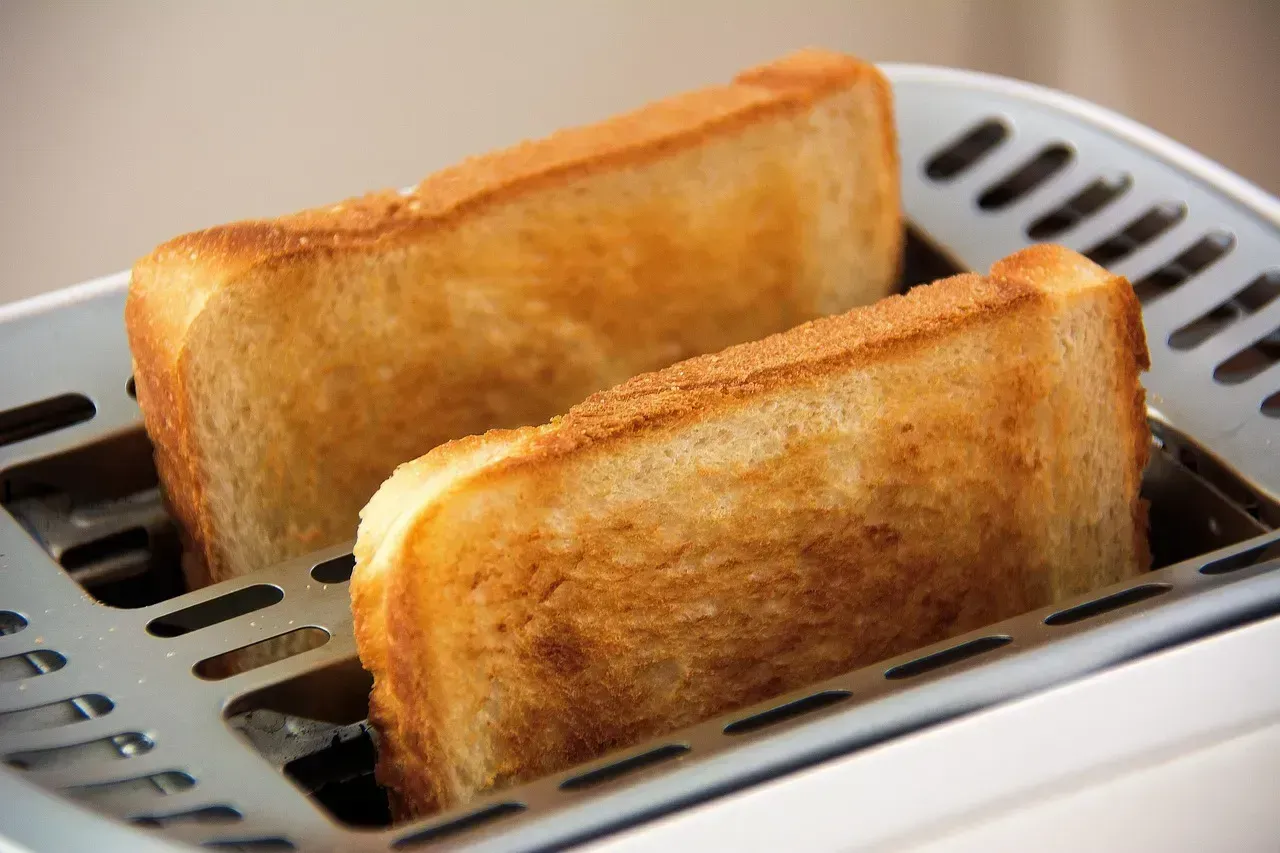
Introduced in 1908, General Electric’s Model D-12 was one of the first commercially produced electric toasters in America, and an example from 1910 with a metal top and floral porcelain base sold for over three hundred and seventy dollars in February 2025. These early electrics represent the dawn of modern kitchen convenience, and their historical significance alone drives values upward.
What makes them special? Honestly, it’s the craftsmanship. Metal work combined with hand-painted porcelain bases created functional art pieces that modern manufacturing simply doesn’t replicate. Collectors prize examples with original cords and porcelain connectors, though even incomplete units sell for respectable sums.
Rare CorningWare Patterns
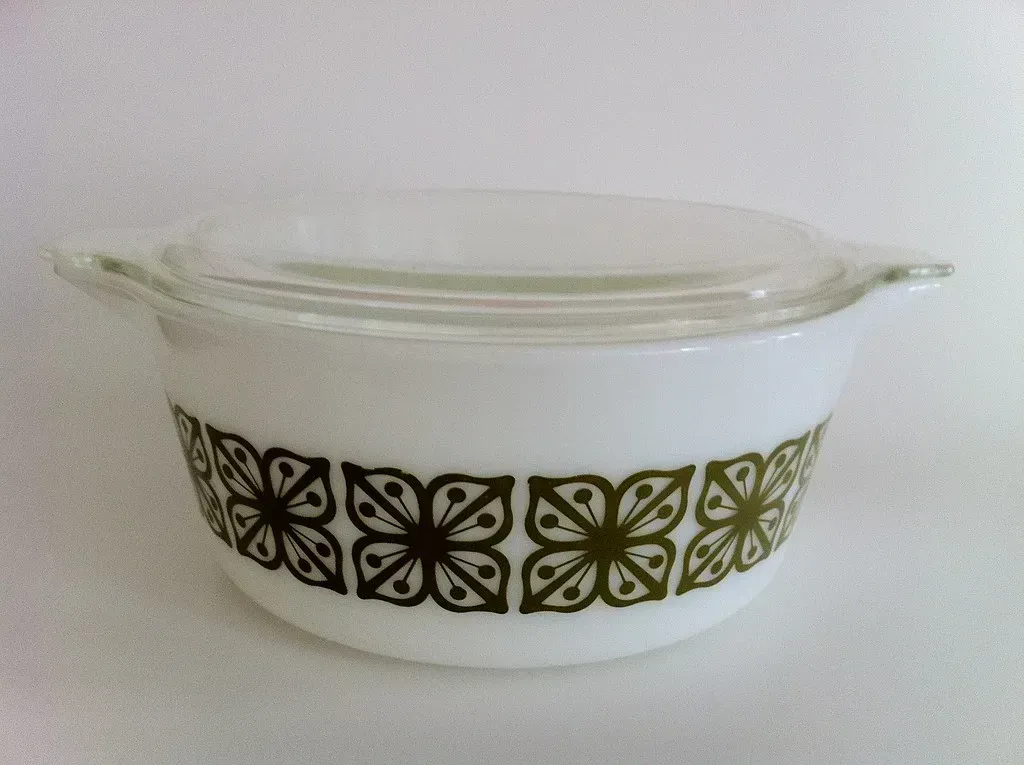
Some collectors are in it for the cash, as rare CorningWare patterns and colors have sold for up to ten thousand dollars. The iconic Blue Cornflower pattern gets most attention, particularly pieces with small handles, which are older and worth more than their circa 1980s versions. The Spice of Life casserole dish tops all rarest CorningWare patterns lists, featuring garden vegetables and herbs in pastel and earth-tone colors, printed between 1972 and 1987.
Every dish made before 1999 is considered vintage, but older pieces from the 1970s and earlier are the most valuable. The secret sauce? CorningWare was first produced in 1958 using a revolutionary mix of glass and ceramic called Pyroceram which made the kitchenware highly resistant to heat and cold, allowing dishes to be placed in microwaves, the hottest ovens and the coldest freezers without risk of damage.
Blue Willow Toastrite Electric Toasters
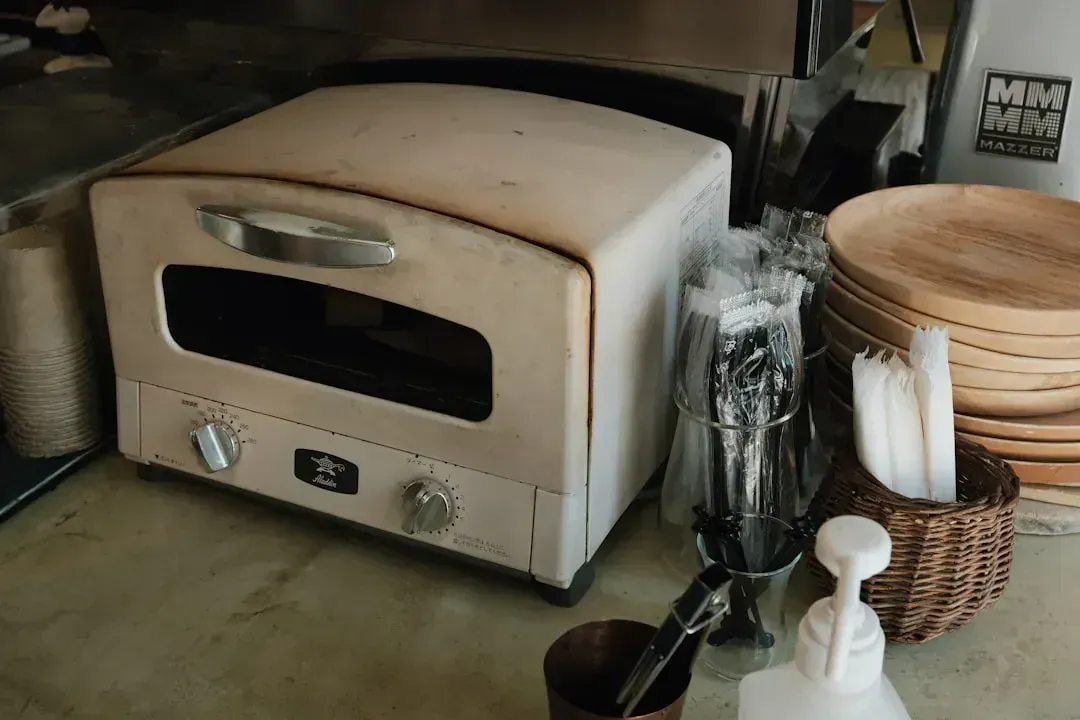
The Blue Willow Toastrite electric toaster is one of the harder to find and rarest of all antique electric toasters, made by Pan Electric of Cleveland Ohio, with these decorated china toasters dating from the late 1920s before production lasted just a few short years before the depression effects hit. Examples in great condition with original cords have sold for nearly fifteen hundred dollars.
The combination of functional appliance and decorative china appeals to both appliance collectors and pottery enthusiasts. Finding one without cracks or chips is like winning the lottery. The blue and white transferware design mimics expensive dinnerware patterns, making these toasters status symbols in their day.
Vintage Hand Mixers from Oster and Sunbeam
Vintage hand mixers from brands like Oster and Sunbeam won’t command as much money as their stand-mixer equivalents, though exceptional specimens may still command hundreds of dollars, more typically topping out in the range of one hundred to one hundred fifty dollars. These smaller appliances offer an accessible entry point for collectors on budgets.
KitchenAid’s iconic Model K sold for fifty-five dollars at its 1937 launch, equivalent to over twelve hundred dollars in 2025 dollars, making hand mixers the obvious alternative for anyone who couldn’t justify spending that kind of money. Original boxes and instruction manuals significantly boost value, as do uncommon colors or limited edition models.
Art Deco Era Waffle Irons
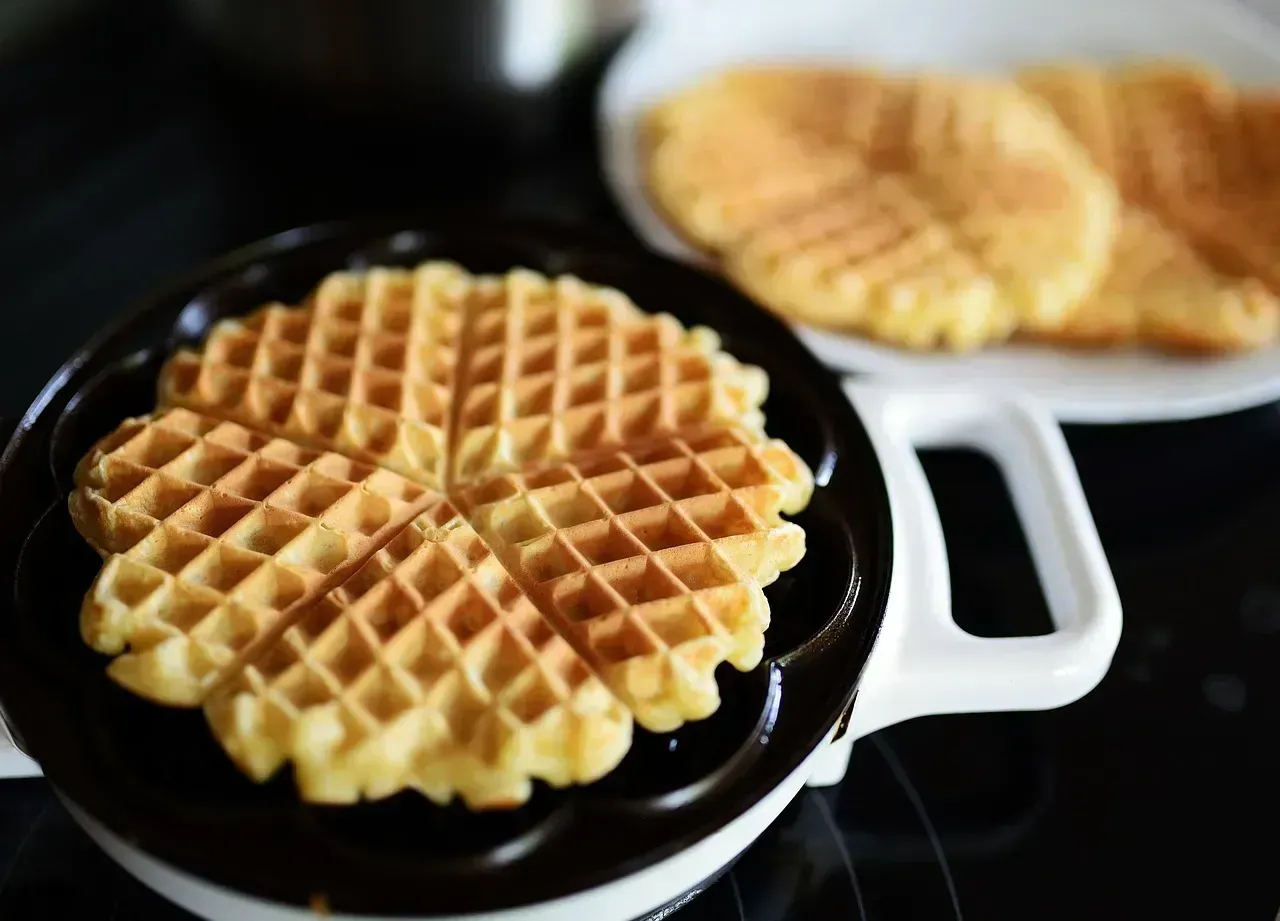
GE brought its first electric waffle iron to market in 1918, and by the 1930s manufacturers including Manning-Bowman and Universal turned out designs that were beautiful objects on their own, incorporating the Art Deco design motifs of the era. These aren’t just cooking tools, they’re sculptural pieces that belong in design museums.
The ornamental patterns pressed into waffles ranged from standard grids to intricate designs reminiscent of bygone centuries. Chrome finishes combined with Bakelite handles create that unmistakable vintage look. Working examples command higher prices, though even non-functional units sell as decorative pieces.
Vintage Sunbeam MixMaster Stand Mixers
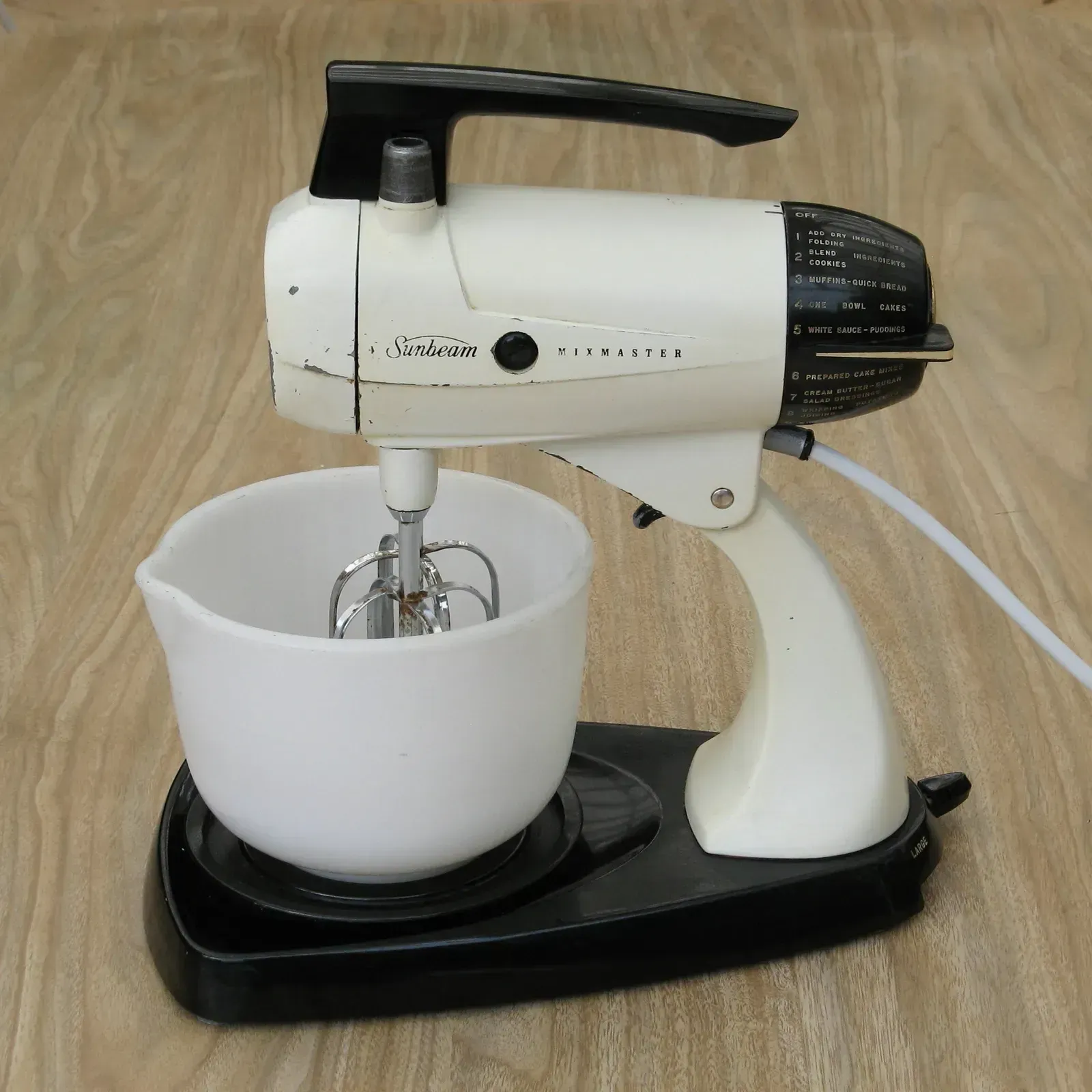
Vintage Sunbeam stand mixers are sought after, especially the stylish models made between the 1930s and 1950s. These mixers competed directly with KitchenAid and dominated the market until the late thirties. Their streamlined designs captured the optimism of post-war America with gleaming chrome bodies and colorful enamel finishes.
Older mixers in popular colors can fetch one hundred fifty to five hundred dollars on sites like eBay, while rare Hobart versions can sell for even more if they’re in good condition, with even later vintage models without the Hobart label being valuable thanks to their durable construction and timeless design. Complete sets with all original attachments and bowls bring top dollar, particularly pastel colors from the fifties.
What surprises me most about this vintage appliance boom is how it challenges our throwaway culture. Maybe we’re finally recognizing that quality matters more than novelty. These machines from decades past still work, still perform, and still look gorgeous on kitchen counters. Whether you’re hunting estate sales or checking your own attic, keep your eyes open. That forgotten appliance gathering dust could be your ticket to unexpected cash.