Some $2 Bills Are Worth Thousands Depending on Age and Serial Number
Most people treat the two dollar bill like a peculiar piece of Americana. It sits tucked away in drawers or wallets, saved more for novelty than anything else. Yet, here’s the thing that might surprise you: some of these bills are worth far more than their face value. Really, I mean far more. Verified examples have sold for thousands of dollars at auctions, with collectors paying up to twenty five hundred dollars or more for bills with highly desirable serial numbers and good condition.
The catch? You need to know what to look for. Most two dollar notes circulating today aren’t particularly special. According to the U.S. Treasury, there were over three billion dollars worth of these bills in circulation as of December 2023, and the Bureau of Engraving and Printing produced around one hundred twenty eight million new notes in fiscal year 2023 alone. Still, hidden among all those bills are rare gems that serious collectors actively hunt for.
1928 Red Seal Notes Command Premium Prices
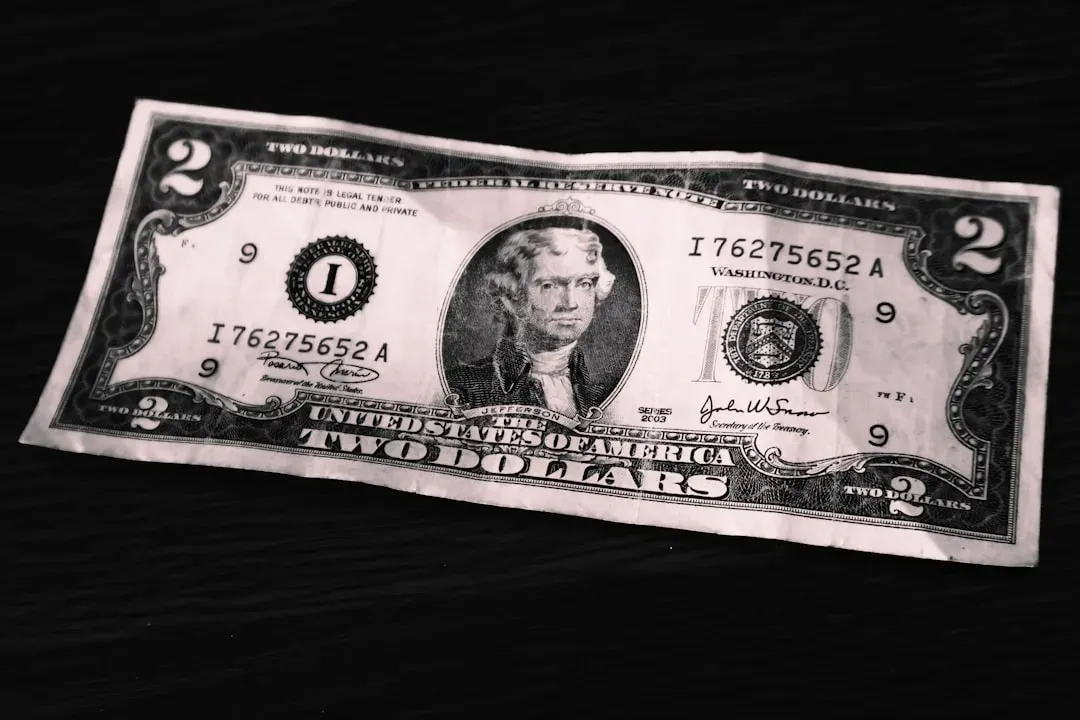
The 1928 bill was the first to feature Thomas Jefferson’s home, Monticello, and unlike later editions it displayed a red seal rather than a green one, making these notes favored by collectors because they were part of the earliest modern series. Honestly, the red seal instantly catches your eye. An uncirculated 1928 red seal note could be worth over a thousand dollars, while a circulated version may only be worth five to one hundred seventy five dollars. Condition matters enormously here, so if yours has been folded and passed around, don’t expect top dollar.
Bills in uncirculated condition can easily sell for over one thousand dollars. What pushes the price even higher? Special serial numbers can dramatically increase the value, as ladder notes like 12345678, low numbers such as 00000001, or repeated patterns like 12121212 are in high demand, with some collectors paying thousands for these unique serial numbers.
Serial Number Patterns That Collectors Crave
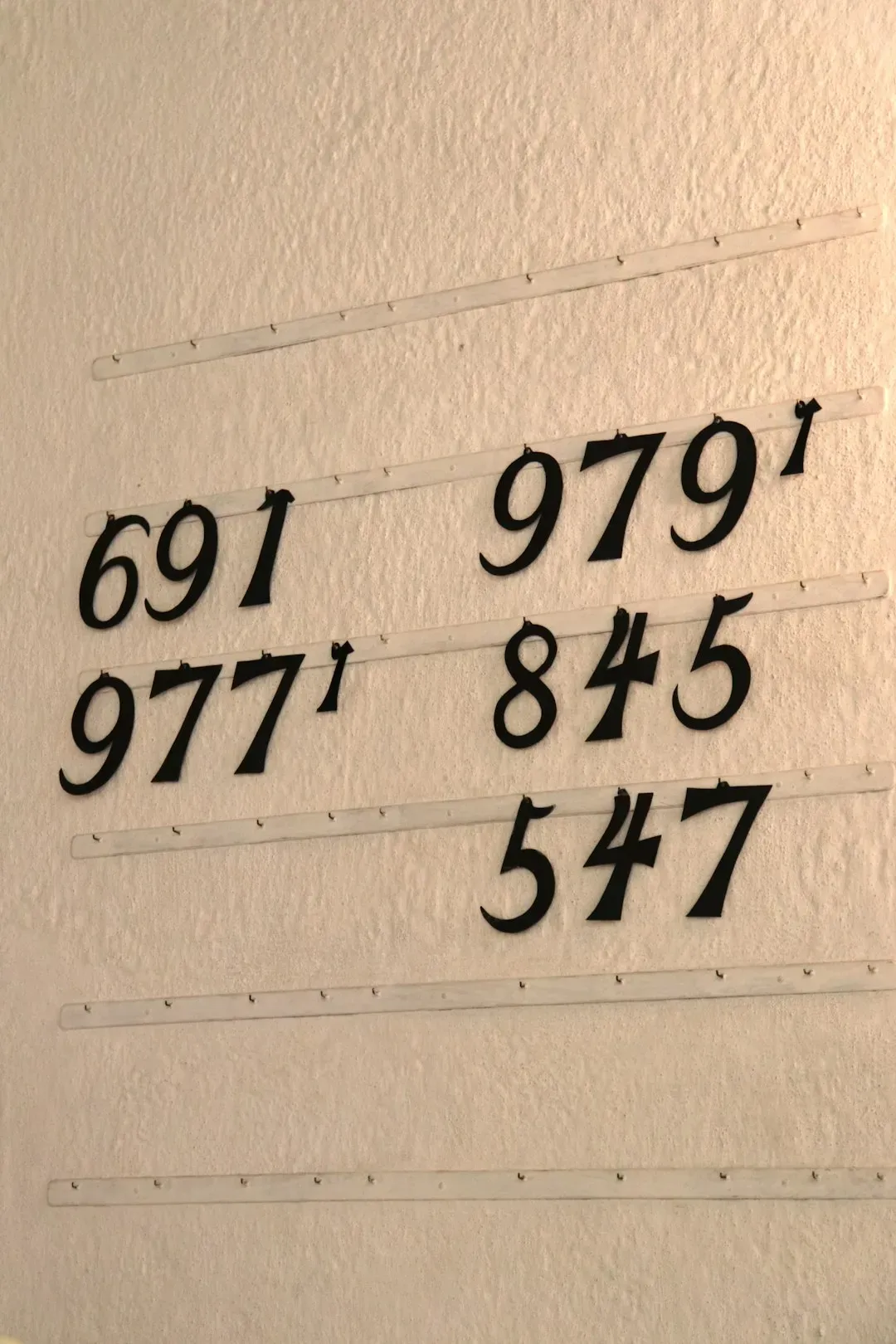
Let’s be real: the serial number is where the magic happens. Low serial numbers starting with multiple zeros, solid serial numbers where all digits are identical like 77777777, ladder serial numbers that run in sequence such as 12345678 or 87654321, repeater serial numbers with patterns like 45454545, and star notes with serial numbers ending with a star symbol are all extremely rare and highly collectible. It’s hard to say for sure, but these patterns can turn an ordinary two dollar bill into a small fortune.
The ladder note is the rarest possible bill as it has a unique serial number 12345678, with only one banknote out of every ninety six million notes being a ladder note with this serial number. Think about that for a moment. Your odds of finding one are astronomically low, which is precisely why collectors will pay handsomely for them. A 1976 bill saved by a grandmother with a solid serial number F11111111A, when professionally graded PMG 64 EPQ, sold at auction for ninety six hundred dollars, nearly five thousand times its face value, demonstrating the incredible value potential of fancy serial numbers.
1976 Bicentennial Bills With Unique Features
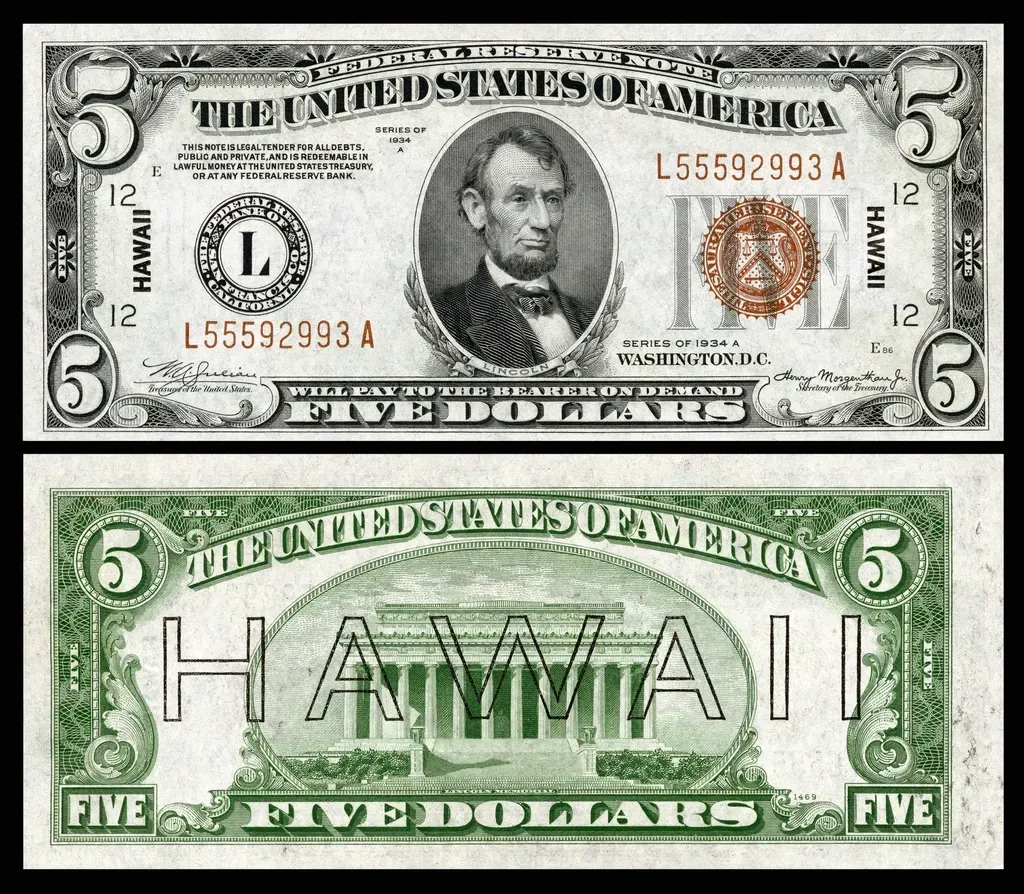
You’ve probably got one in a drawer somewhere. The 1976 bill was released to celebrate the U.S. bicentennial, and while most of them are only worth face value, some with special serial numbers, misprints, stamps or star notes can be worth twenty to nine hundred dollars. Most 1976 bills in circulation today are worth between two and ten dollars depending on condition and bank stamp.
Yet there’s always an exception that blows your mind. In early 2025, a 1976 Federal Reserve Note sold for thirty five thousand two hundred fifty dollars at a well known currency auction, drawing widespread attention because most 1976 bills are worth only face value, but this note was in uncirculated condition, carrying a low serial number and a printing error that made it exceptionally rare, with the crisp paper, original color, and perfect preservation elevating its appeal further. The difference between an ordinary bill and this one? A major ink shift error combined with pristine condition.
19th Century Notes Reach Astronomical Values
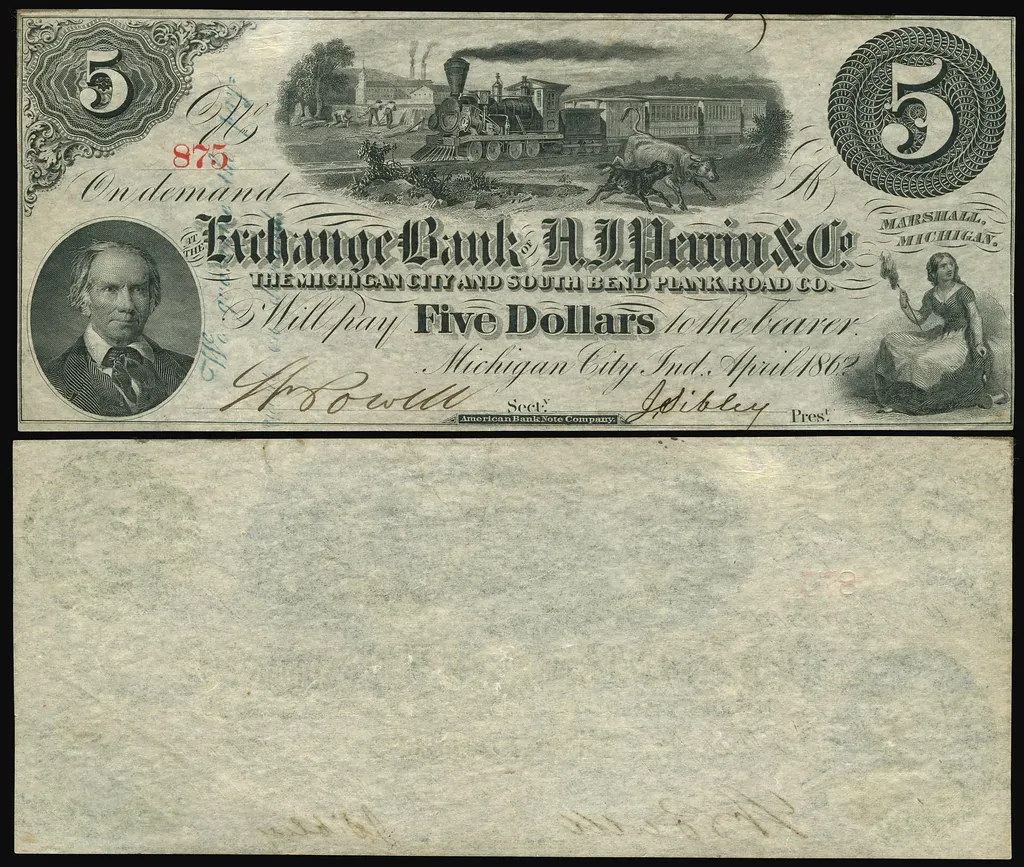
Just about all of the really valuable ones were printed in the 19th century. The highest value is forty five hundred dollars or more for uncirculated notes from 1890, although most of those bills range from five hundred fifty to twenty five hundred dollars, while an original uncirculated bill from 1862 ranges in value from five hundred to more than twenty eight hundred dollars, and you might get thirty eight hundred dollars or more for an 1869 note. These aren’t bills you’ll stumble across in everyday life.
An 1890 Treasury Note featuring General James McPherson is worth upwards of forty five hundred dollars according to U.S. Currency Auctions, however it can fetch tens of thousands of dollars at auction especially if it’s in perfect condition. One such note in exceptionally high grade was sold for nearly ninety six thousand dollars. I know it sounds crazy, but these are the bills that make headlines and capture imaginations.
Star Notes and Printing Errors Multiply Value
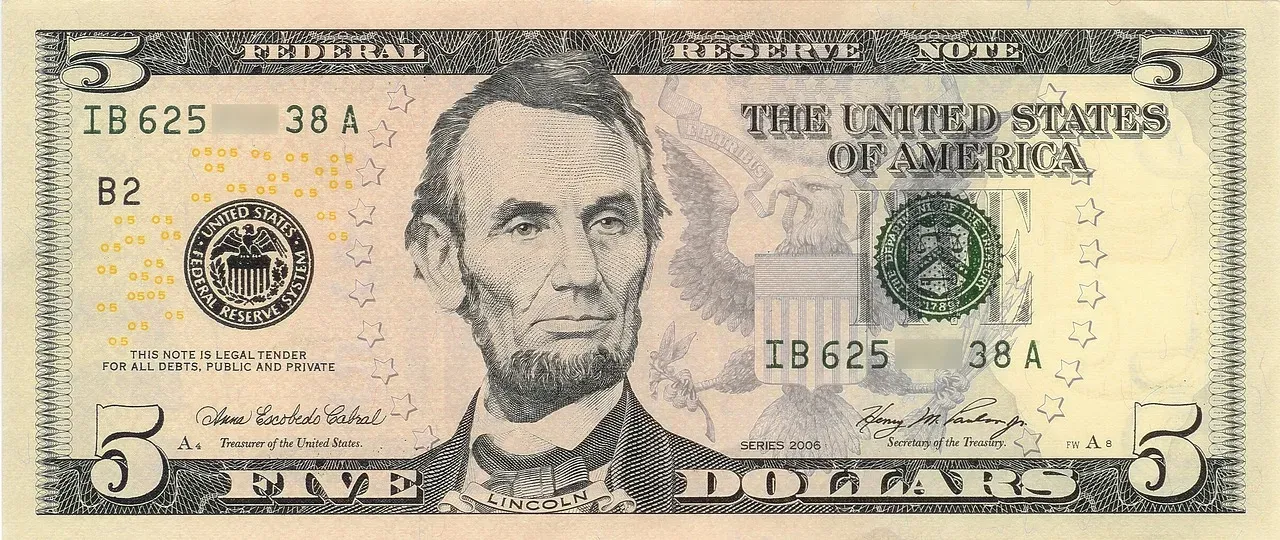
Star Notes are replacement bills marked with a small star at the end of the serial number, and bills with serial numbers like 00000001 or patterns like 12345678 are often sought after. Star notes are indicated by a star symbol, replacing a damaged or misprinted bill, and these notes are often limited in number which makes them especially valuable. They were printed to replace defective notes during production, so fewer exist.
Printing mistakes? Misprints are a collector’s jackpot, as a bill with a reversed back, mismatched serials, or a double print can get up to twenty five thousand dollars. Printing mistakes such as misalignment, missing ink, or doubled serial numbers are rare and highly sought after, and the auctioned bill featured a major ink shift error which played a major role in its thirty five thousand two hundred fifty dollar sale price. The key is authenticity. Never buy raw error notes unless you really know what you’re doing.
What do you think about it? Have you checked your wallet lately?