8 Things Grandparents Say That Stay With You for Life
1. “You are loved no matter what” – The First Safety Net

There’s something disarming about the way a grandparent tells you you’re loved without adding conditions or performance goals. In many families, grandparents are the ones who repeat that message over and over until it finally sinks in. Recent psychological work on grandparent–grandchild affection shows that warm, consistent emotional messages from grandparents are linked with lower loneliness and fewer depressive symptoms in grandchildren later in life, largely because they strengthen a shared sense of family identity. That simple reassurance, heard in a kitchen or on a creaky sofa, often becomes the quiet voice you lean on when you feel like you are failing.
Researchers who study family resilience describe this kind of unconditional love as a buffer: it doesn’t remove hard things from life, but it softens the blow and helps kids recover more quickly after setbacks. When a grandparent keeps saying that love does not disappear when you mess up, your brain starts to treat belonging as a given rather than something you have to constantly earn. That shift is powerful; it’s linked in many studies to better emotional regulation and long‑term well‑being in young people growing into adulthood. Long after a grandparent is gone, that one sentence can still feel like an invisible hand on your shoulder.
2. “I’ve lived through worse, and you’ll get through this too” – A Different Kind of Strength
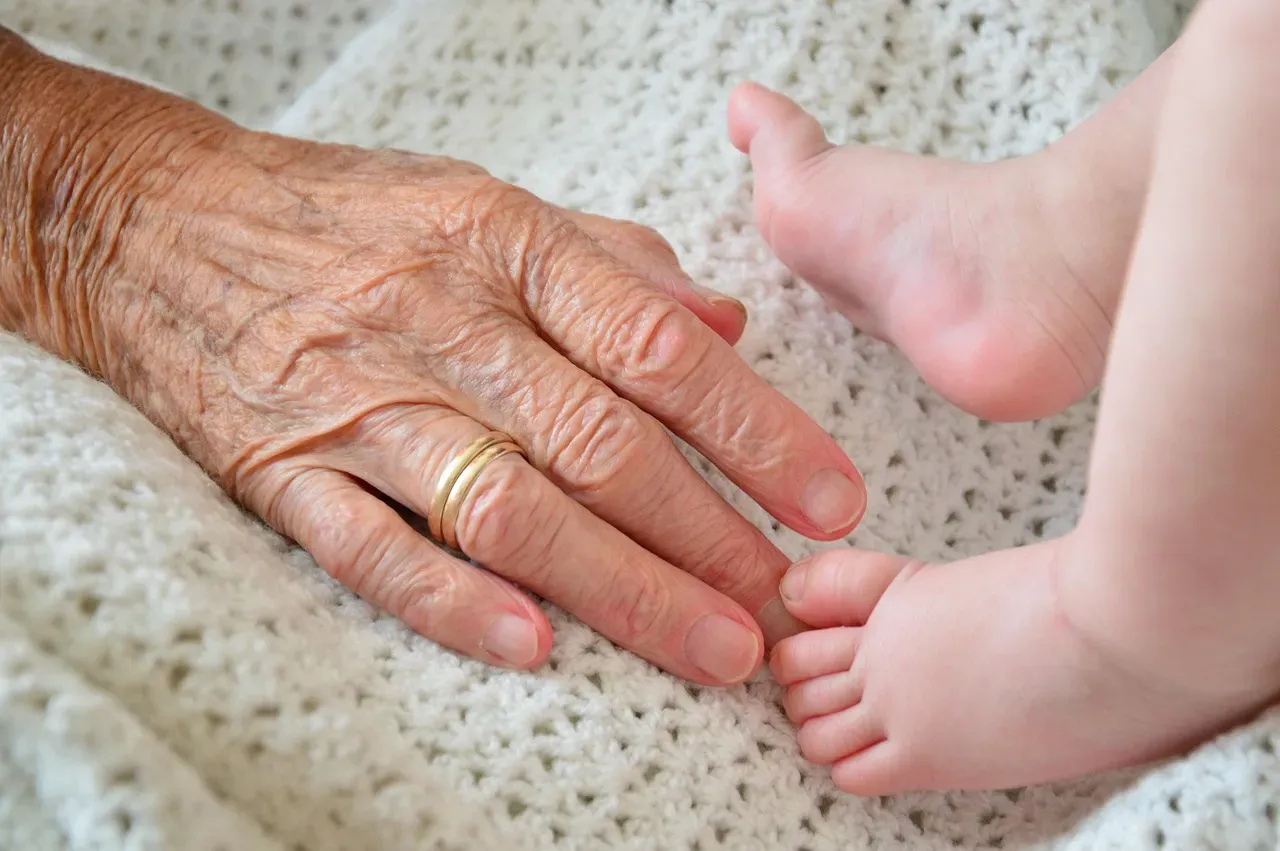
When a grandparent tells you they’ve seen harder times, it can sound blunt, but it often comes from deep experience with loss, economic hardship, or major social change. Modern research on intergenerational bonding finds that close relationships with grandparents can significantly boost a child’s resilience, especially in stressful situations. One recent study of so‑called “left‑behind” children found that strong bonds with grandparents were tied to better coping skills and healthier behavioral patterns, partly because those older adults modeled how to manage stress without collapsing. Hearing that someone survived war, migration, or economic crises makes your own problems feel more manageable, not because they are small, but because they are survivable.
This kind of talk might sound tough, but it carries an important emotional message: you are not fragile, and struggle doesn’t define your entire story. Resilience research over the last decade shows that feeling connected to older generations who have endured adversity is associated with greater optimism and persistence in young people. Grandparents often fold those life lessons into short, memorable lines that come back to you in your own hard seasons. In a way, each time they say you’ll get through it, they’re handing you a map they used themselves, worn at the edges but still reliable.
3. “Family takes care of each other” – Quiet Rules That Shape How You Love
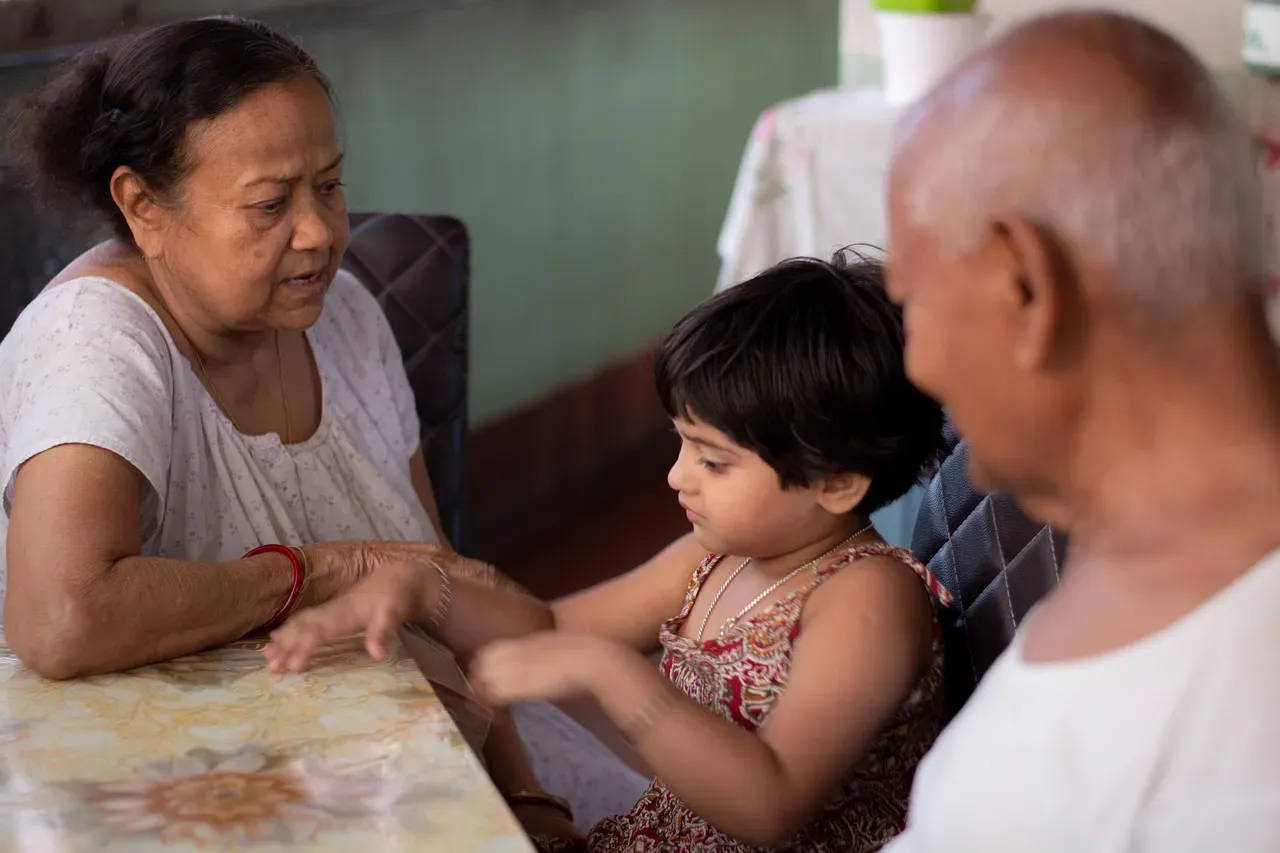
Many grandparents repeat some version of the idea that family members show up for one another, even when it’s inconvenient. It can sound old‑fashioned, but data from several countries show that grandparents really do live this out: in China, one recent analysis of national survey data found that grandparents providing childcare were averaging close to a full‑time workweek of care hours, and in intergenerational households in the United States, grandparents frequently serve as primary caregivers. Researchers have also noted that roughly about one in ten U.S. children live with a grandparent, and in a large share of those homes the grandparent is taking on most of the day‑to‑day care. When those same grandparents tell children that “family takes care of each other,” they are describing what they already do.
These messages become a kind of moral compass you don’t always notice at first. Studies on kinship care in the United States show that informal arrangements, often led by grandparents, make up the majority of family‑based care when parents cannot step in, and that this network of care is critical for children’s stability and well‑being. Hearing, over the years, that family responsibilities run in both directions nudges you toward checking in on relatives, offering support, or simply showing up at important moments. It’s a quiet script you end up following as an adult: when someone in your circle is struggling, you remember what your grandmother said and you move toward them instead of away.
4. “You’re smarter than you think” – Confidence You Borrow at Test Time
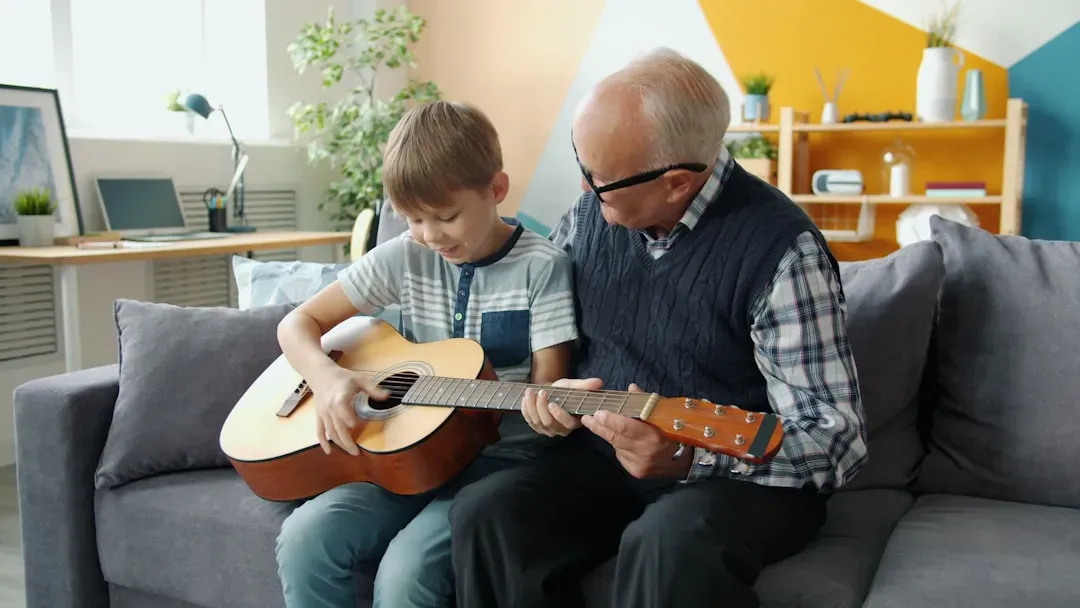
Many of us can still hear a grandparent insisting that we were capable, even when school was hard or we doubted ourselves. That isn’t just sentimental talk; research published in 2024 using German family data found that when grandparents were actively involved in childcare and stayed in regular contact, their grandchildren tended to have better school grades, especially in families with certain supportive backgrounds. Another study on intergenerational leisure activities in Spain reported that shared time between grandparents and primary‑school children, such as reading or playing educational games, contributed measurably to children’s learning. Behind phrases like “you’re smarter than you think” are hours of homework help, stories, and patient explanations.
Psychologists who examine grandparent involvement often highlight the way older adults can encourage a growth mindset without even using that term. When a grandfather praises effort, persistence, or curiosity instead of just test scores, it changes how a child views their own abilities. Over time, that becomes an internal narrative: if someone who has lived a long life and seen many people insists you have potential, you start to believe it. When you sit down years later for a job interview or a big exam, that old remark about your abilities is still sitting there, like a small, steady light in the back of your mind.
5. “Money comes and goes, but people matter” – A Different Measure of Success

Older generations have often watched economic booms and recessions roll in and out like weather, and their comments about money usually reflect that long view. Sociological studies on family structure and subjective well‑being show that emotional connection and supportive relationships weigh heavily in how satisfied people feel with their lives, sometimes more than income changes alone. Research on grandparent involvement also finds that time spent with grandchildren and feeling needed can strongly shape the happiness of older adults, especially grandmothers, suggesting that relationships hold real weight in their quality of life. When they warn you not to sacrifice relationships for material gain, they are speaking from lived experience and from patterns that researchers are now documenting.
Children who hear over and over that “people matter more than things” often grow up to prioritize social ties, caregiving, and community involvement, even while pursuing careers. Long‑term studies tracking families over time indicate that strong family cohesion and support during childhood are tied to better mental health and life satisfaction in adulthood. Grandparents may not use technical language, but they condense those findings into sharp one‑liners about not chasing every promotion at the expense of family dinners. Those sentences have a way of echoing years later when you’re balancing work emails against time with your own kids or aging parents.
6. “Let me tell you how we did it back then” – History That Becomes Part of You
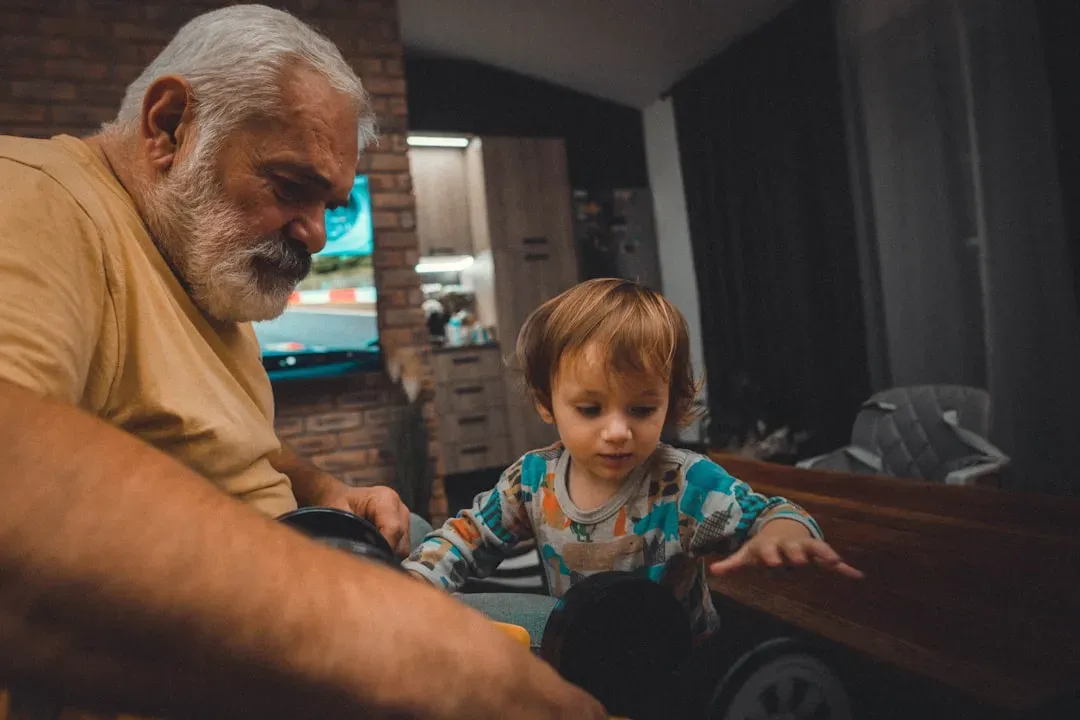
Their stories about how things were “back then” can feel long‑winded when you’re young, but researchers who study intergenerational ties argue that these narratives serve an important purpose. By sharing how they migrated, survived political upheaval, or raised children with fewer resources, grandparents give younger generations what some psychologists call a sense of “intergenerational continuity” – the feeling that you’re part of a much longer story. Work on intergenerational family relationships presented at major family research conferences has shown that this kind of continuity is associated with better mental health outcomes in children and adolescents, partly because it strengthens resilience and family identity. Each time a grandparent repeats a favorite story, they are reinforcing this hidden psychological thread.
On a very practical level, children also absorb cultural knowledge and social norms from these conversations. Recent research on grandparental influence in different cultural settings highlights how grandparents often transmit traditions, language, and values that parents may not have time to focus on. These everyday history lessons become the foundation for how young people understand their place in the world and in their community. Years later, you may not remember every date or name from those stories, but the overall message – that your family has overcome difficult seasons before – stays with you and colors the way you face your own challenges.
7. “Food is my love language” – Comfort, Health, and Little Battles
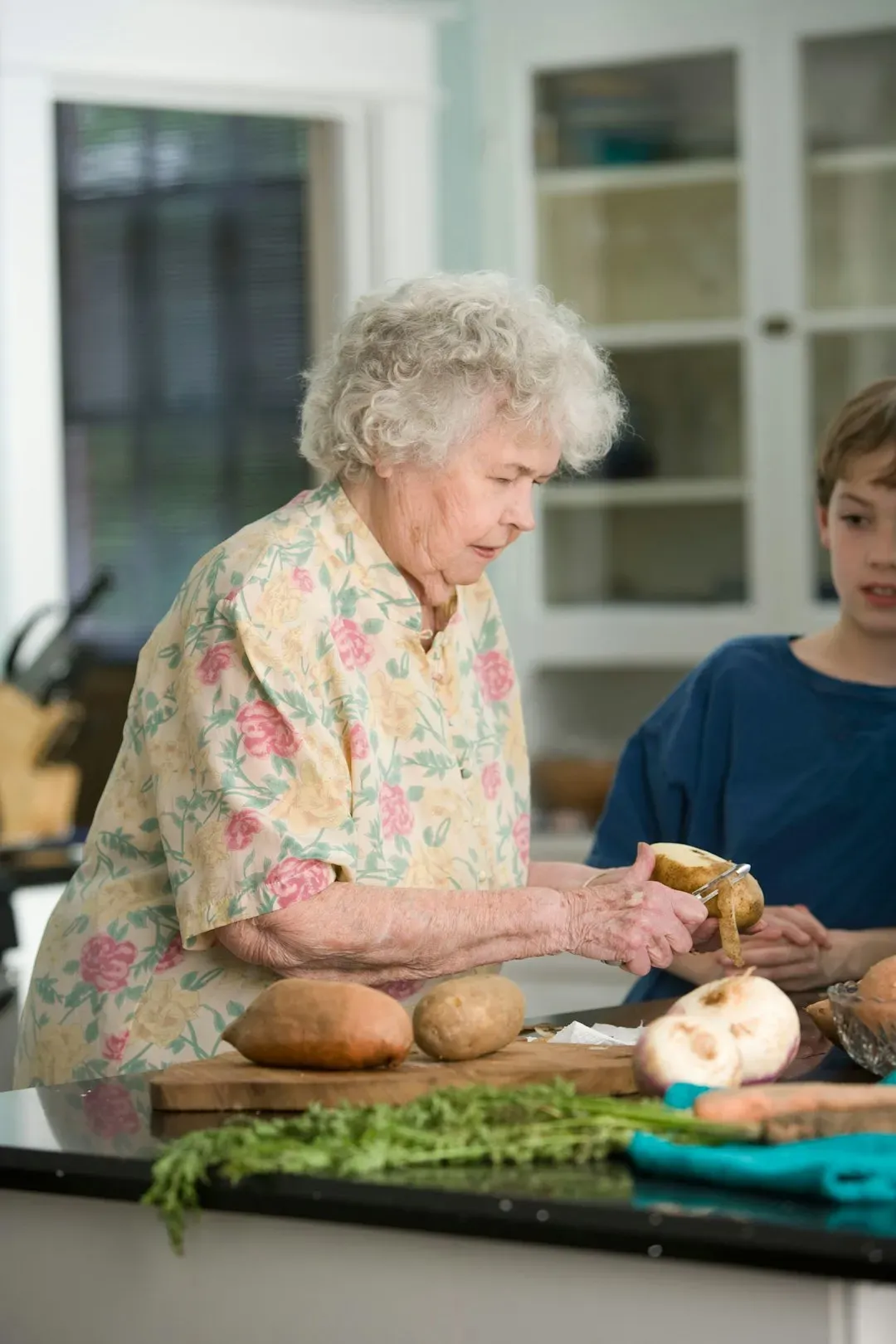
Many grandparents express love through food, from favorite childhood recipes to the extra cookie you were told not to mention to your parents. That warmth is real, but recent research in Australia has shown how complicated it can be: a large survey of more than a thousand grandparents found that many of them, despite having good nutritional knowledge, regularly offered grandchildren sugary or high‑calorie snacks as rewards or treats. The study’s authors noted that this was often driven by a desire to show love or maintain a special bond, even when grandparents were aware of health guidelines. This tension between comfort and health sits quietly behind the familiar line that “you look too skinny, have another plate.”
Health campaigns in recent years have started addressing grandparents directly, offering ideas for healthier snacks and pointing out that these older caregivers are playing a large role in shaping children’s long‑term habits. Public health data from several countries show that a substantial share of children receive regular childcare from grandparents, especially in families where both parents work, which means grandparents’ food choices really do matter. When a grandparent gradually switches from candy to cut‑up fruit or fun, colorful vegetable dishes and explains why, that conversation can stick in a child’s memory. The phrase “food is my love language” starts to include the idea that love also means looking after your future health.
8. “One day, you’ll tell your own grandkids about this” – Seeing Yourself in the Future
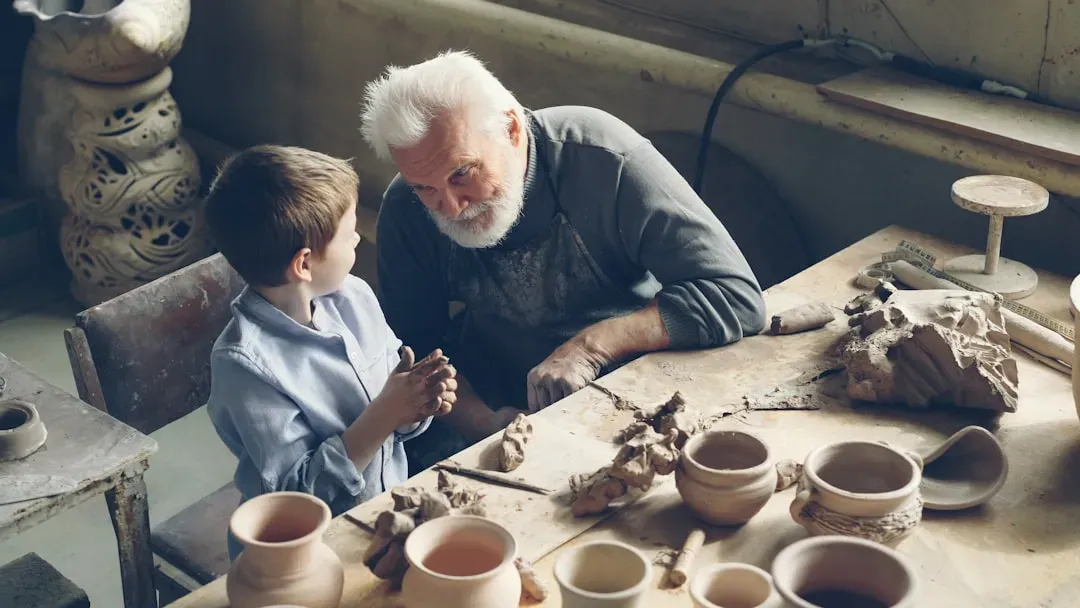
Perhaps the most haunting thing a grandparent can say is that one day you’ll be in their shoes, telling stories to a new generation. That single line pushes your imagination forward by decades and makes you look at your life from a different angle. Demographic work in the United States shows that only a modest share of grandparents live with their grandchildren, but when they do, the relationships are often intense and long‑lasting, and many children in those homes rely on their grandparents as primary caregivers. Globally, researchers have documented a rise in grandparental caregiving as people live longer and parents work more hours, which means more children than ever are growing up with strong ties to older generations.
When a grandparent invites you to picture yourself as an elder, they are quietly teaching you about legacy and responsibility. Studies on grandparent–grandchild affection have found that these bonds can stretch across many decades, and that the emotional support exchanged continues to shape both parties’ well‑being into late adulthood. Imagining that you will one day speak into a younger person’s life the way your grandparent spoke into yours can change how you act right now. You might suddenly care more about the kind of stories you’ll have to tell, and which of your words might echo in someone else’s mind long after you are gone.