Generational Trauma: 15 Everyday Grandparent Habits That Can Leave Real Emotional Scars
Let’s be real here. Most grandparents have good intentions, but that doesn’t mean they’re always harmless. Think about the stories passed down through your family, the little comments that stick with you, or the silence that hangs heavy during holiday dinners. These aren’t just quirky family traits. They’re patterns, and sometimes those patterns can leave marks that last generations.
Research increasingly highlights the role of the parental relationship in shaping individuals’ understanding of intergenerational trauma and mediating its impact on subsequent generations. Yet grandparents often slip under the radar. We give them a pass because they’re older, because they’ve been through things we haven’t, or simply because they’re family.
Playing Favorites Among Grandchildren
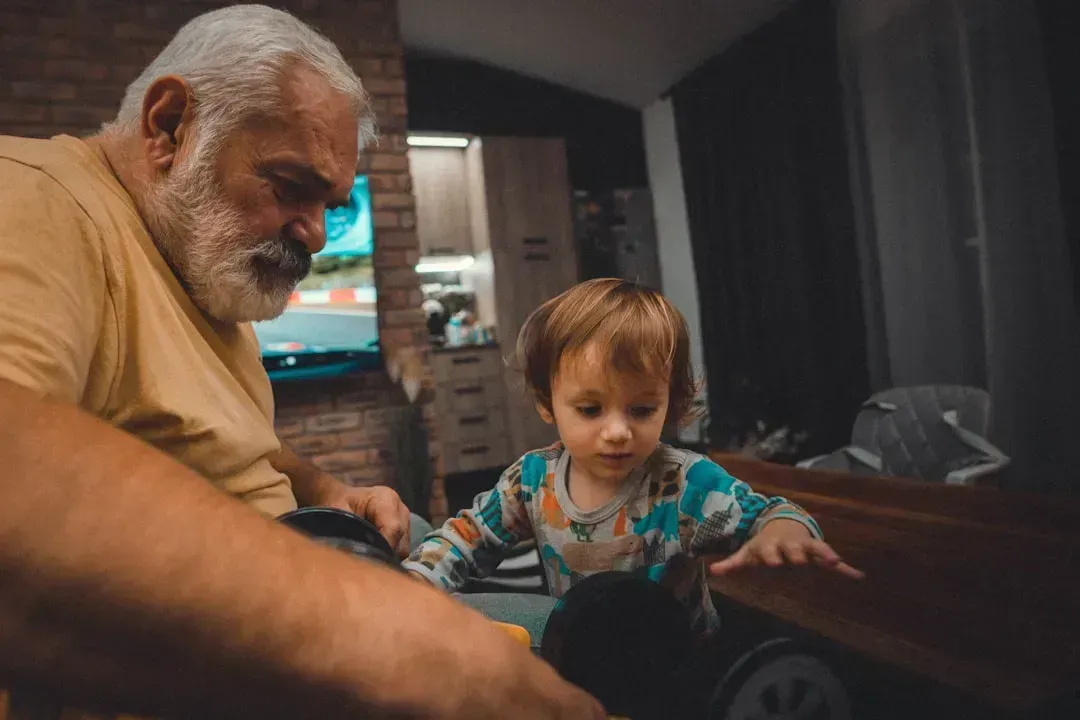
According to research by Karl Pillemer, unequal treatment has damaging effects for all children, including depression and conflict-ridden relationships in adulthood, regardless of whether a child is favored or not. The kid who gets the bigger gift or the warmer hug isn’t immune either. When one grandchild receives all the attention, gifts, and praise while another is met with indifference, the damage runs deep, teaching children about favoritism, worth, and emotional safety. This imbalance creates invisible hierarchies within families that children internalize as their worth in the world. Research consistently shows that parental favoritism in childhood hurts sibling relationships long after kids leave the nest, and it’s the top issue affecting sibling relationships in adulthood.
Dismissing Emotional Expression
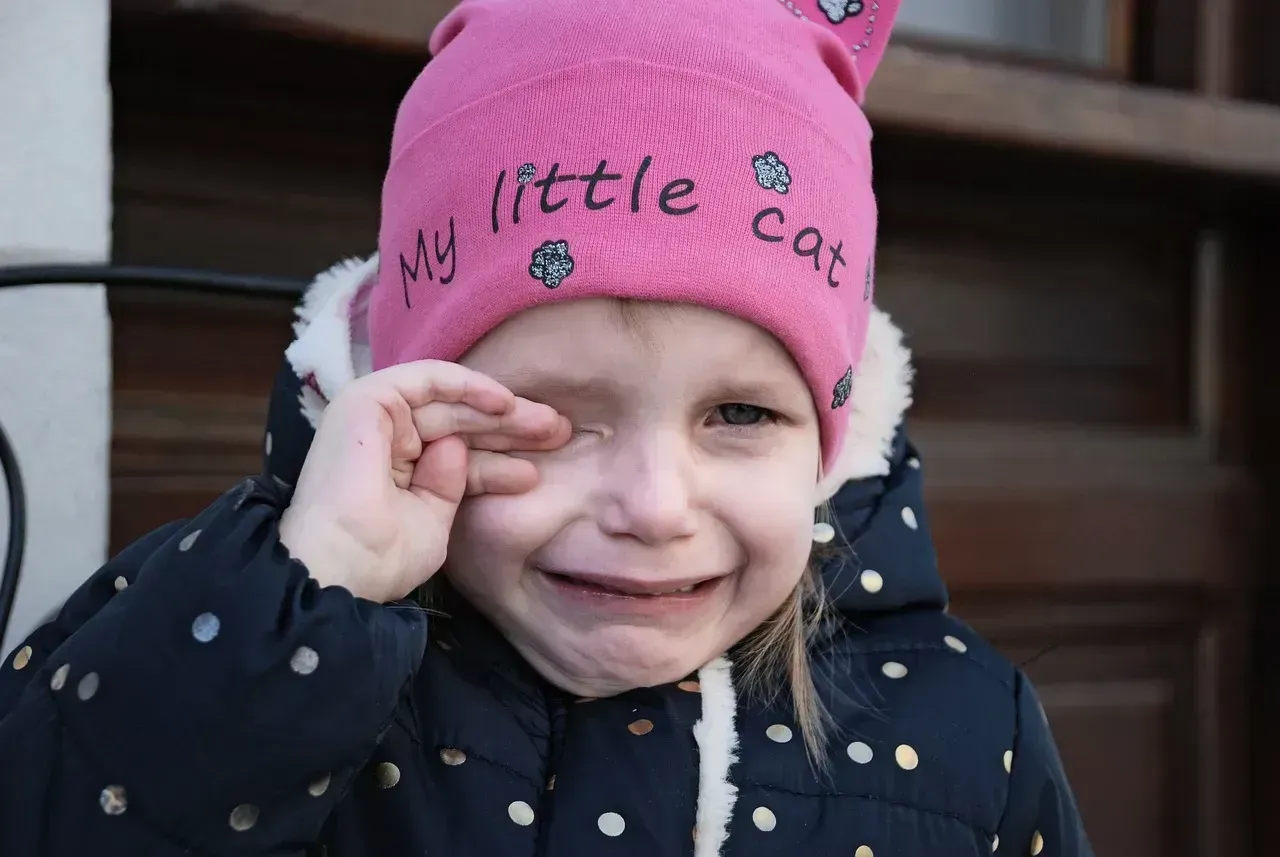
When adults tell children to stop crying or always put on a smile, children learn from a young age that it’s shameful to display emotions, and slowly become disconnected from their feelings because setting boundaries becomes difficult or impossible. The grandparent who says things like “big boys don’t cry” or “stop being so dramatic” might think they’re toughening kids up. Instead, they’re creating adults who can’t name their feelings or ask for help when drowning. Instead of becoming strong and emotionless, children become more vulnerable, easier to manipulate, and afraid to ask for help, thinking they should solve all their problems alone. It’s hard to say for sure, but this kind of emotional suppression probably does more damage than anyone realizes at the time.
Overprotection and Control
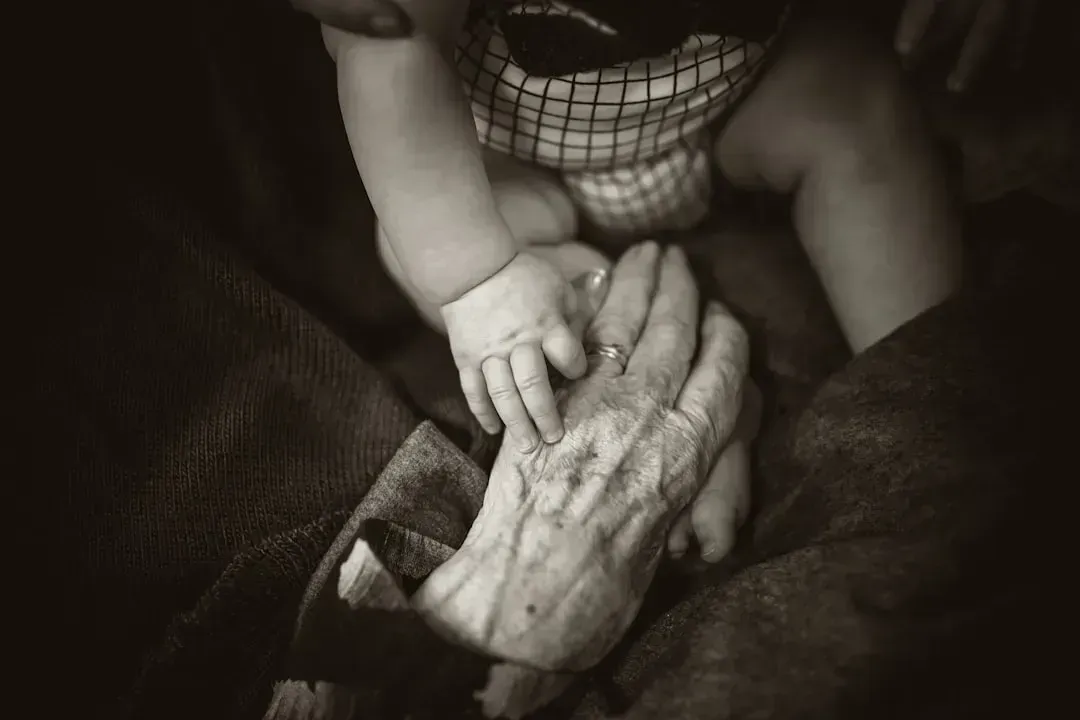
Grandparental overprotection was significantly associated with higher levels of children internalizing and externalizing behaviors on all dimensions. Sometimes love looks like control dressed up in worry. The grandparent who won’t let a child climb anything, make mistakes, or take age-appropriate risks might feel protective, but they’re actually sending a powerful message: the world is too dangerous, and you’re too fragile to handle it. The relationship between grandparental overprotection and children’s internalizing problems may be explained by perceived parental psychological control, as high maternal overprotection was found to be a risk factor for shame beliefs. Children raised under these conditions often struggle with anxiety and self-doubt well into adulthood.
Emotional Neglect and Indifference
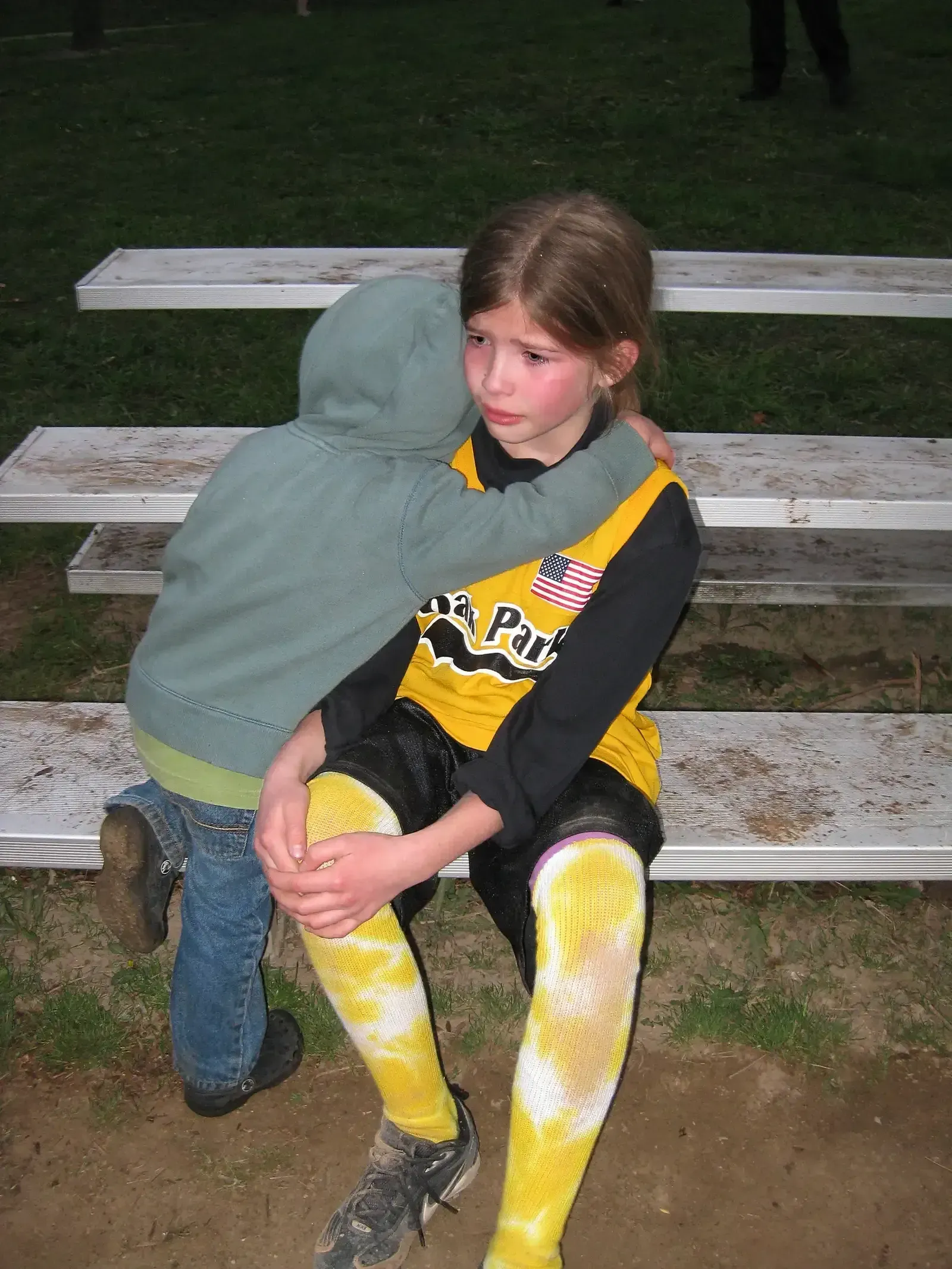
Child neglect increases the probability of mental health problems in adulthood, and the effect of neglectful parenting on grandchildren is amplified when maternal grandparents are also neglectful. Here’s the thing about neglect: it doesn’t always look dramatic. Sometimes it’s just a grandmother who never asks how you’re feeling or a grandfather who’s physically present but emotionally absent. Emotional abuse and emotional neglect are among the most prevalent of childhood maltreatment types and are associated with a range of poor mental health outcomes. Toxic grandparents typically fail to provide their grandchildren with love, warmth, nurturance, understanding, protection, appropriate modeling, and teaching opportunities. The silence where validation should be can echo through a lifetime.
Undermining Parental Authority
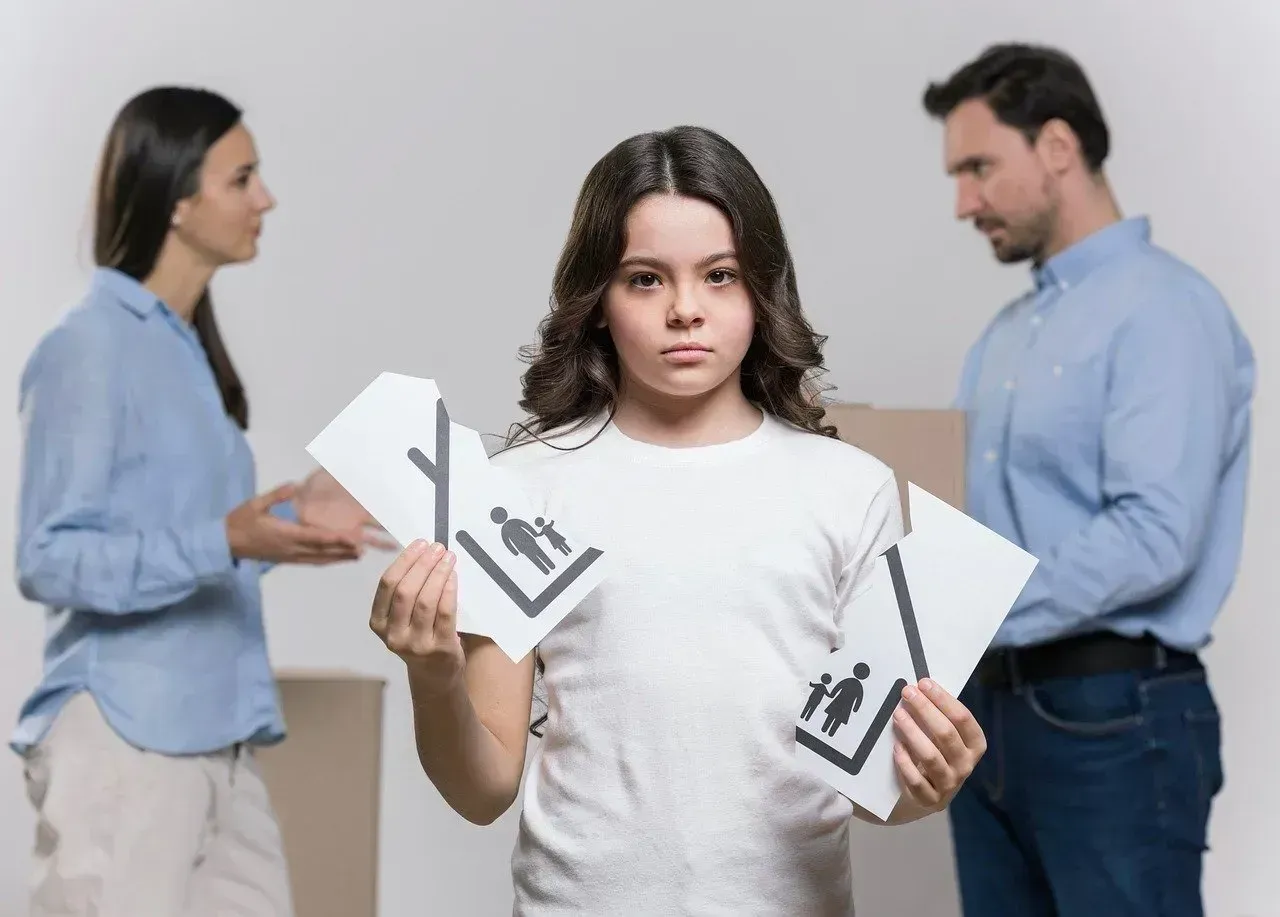
When intergenerational disagreements arise, attention is diverted from the child’s needs toward conflict resolution and emotional strain, which can lead to psychological fatigue among caregivers, reducing their responsiveness and potentially triggering behavioral issues in children. Think about the grandparent who sneaks candy after parents say no or constantly contradicts house rules. It might seem harmless, even fun. Toxic grandparents can negatively impact family dynamics by consistently undermining parental authority, and unlike normal conflict, toxic behavior involves a lack of accountability and leaves others feeling hurt, confused or powerless. Children caught in these power struggles learn that rules are negotiable and authority figures can’t be trusted to work together. That confusion follows them into schools, workplaces, and their own future parenting.
Refusing to Acknowledge Wrongdoing

Toxic grandparents often refuse to admit wrongdoing and use whatever means necessary to avoid taking responsibility for their behavior. The phrase “I’m sorry” seems impossible for some grandparents to utter. They might never offer an apology even after hurting feelings or making a mistake, rejecting responsibility for their actions and blaming others for the problems. This teaches children a dangerous lesson about accountability. If the most respected adults in their lives can’t admit mistakes, how are kids supposed to learn integrity? They may talk negatively about parents to grandchildren or other people, play favorites with their grandkids or even try to turn the tables if called out for wrongdoing, sometimes trying to turn spouses or parents and kids against each other.
Silent Treatment and Emotional Manipulation

Trauma can affect how people communicate, as a parent who suppresses the memory of painful experiences by refusing to talk about them can inadvertently teach children to bottle up unwanted or distressing emotions. Some grandparents wield silence like a weapon. The cold shoulder after a perceived slight, the withdrawal of affection to punish behavior they don’t like. It’s too easy for grandparents to emotionally manipulate their kids and grandkids, and saying things like “I want to see my grand-grandchildren before I die” puts a lot of pressure on everyone involved. Children learn to walk on eggshells, constantly monitoring and modifying themselves to avoid triggering that withdrawal. That hypervigilance doesn’t just disappear when they grow up.
Backhanded Compliments and Criticism

Toxic grandparents may praise just enough to make their underlying criticism seem like advice, such as saying “You’re great, but you could be better at this,” which is a tactic to keep people feeling like they’re never enough. This one’s sneaky because it sounds almost supportive. The grandmother who says “You look so nice today, but have you thought about doing something with your hair?” or “Good job on that test, but your cousin got a higher score.” When grandparents frequently criticize how parents raise children, it undermines confidence and causes parents to second-guess their decisions and feel unsupported in their role. That constant measuring stick teaches kids that nothing they do will ever be quite good enough.
Imposing Rigid Gender Roles

Traditional doesn’t always mean healthy. Grandparents who rigidly enforce outdated gender expectations create boxes that children feel trapped in. The boy who’s shamed for being sensitive, the girl who’s discouraged from being assertive. Favoritism was more or less the norm, particularly along gender lines, when society preferred male heirs and it made economic sense to invest more parental time, resources and attention in certain children. These messages about what boys and girls “should” be can limit children’s sense of who they’re allowed to become. Years later, adults struggle with careers, relationships, and identities because someone told them pink was wrong or crying was weakness.
Using Excessive Gift-Giving as Substitute for Connection
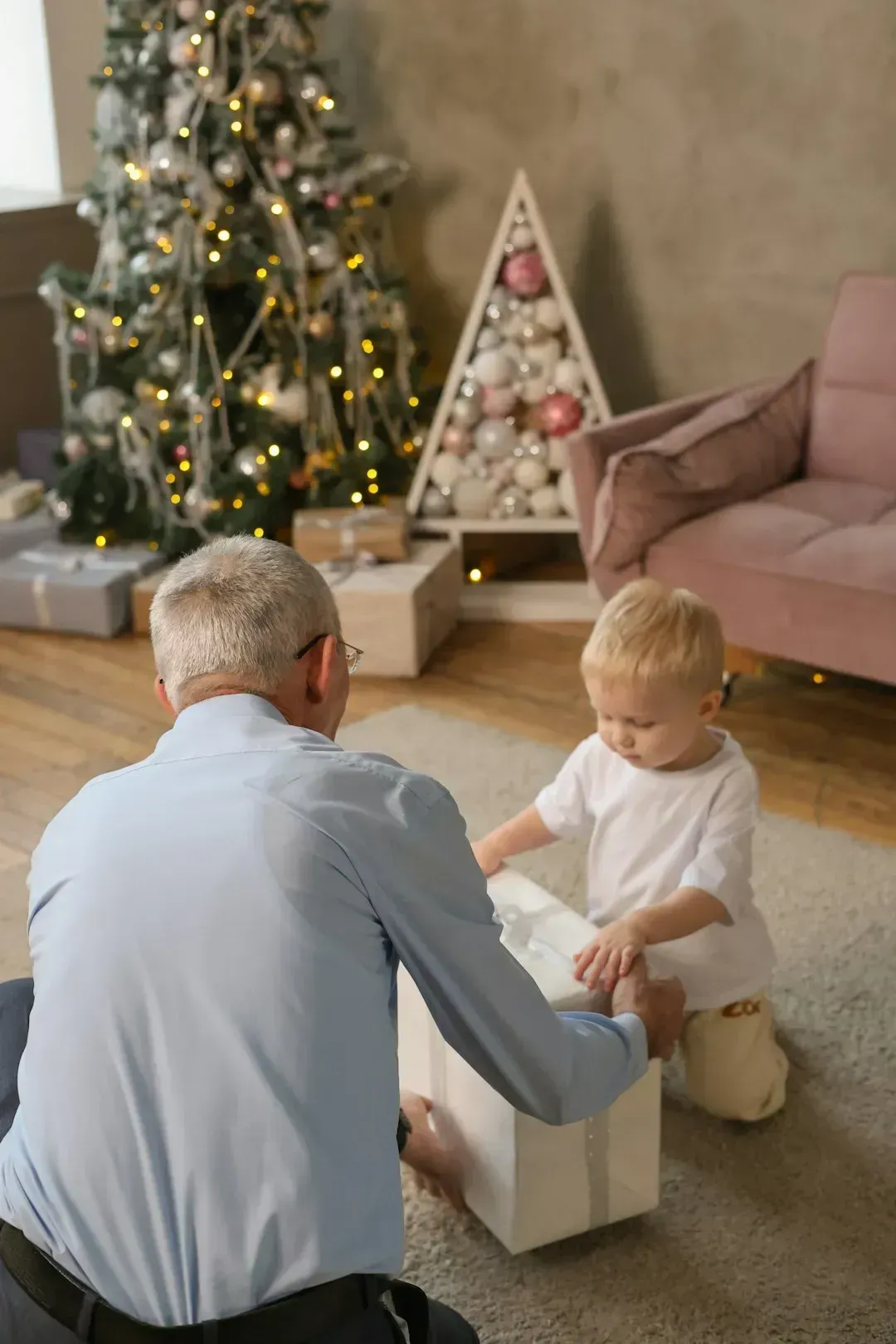
To some grandparents, gift-giving is a calculated chess game designed to buy their grandchildren’s love, and not only is excessive gift-giving manipulative, but it also teaches kids to be spoiled and materialistic, especially when one child gets better gifts than others, sending the message that gifts equal love. Honestly, presents aren’t affection, even though lots of grandparents seem to think otherwise. When material things replace genuine emotional connection, children learn that love is transactional. They grow up believing relationships are about what people can give them rather than authentic care. The emptiness that comes from that realization can’t be filled with more stuff.
Boundary Violations and Privacy Invasion

Toxic grandparents may engage in behaviors that leave a grandchild feeling hurt, trapped, or burnt out, such as disregarding boundaries, micromanaging, punishing, or expressing jealousy of other relationships. The grandparent who reads a teenager’s diary, insists on hugs when a child pulls away, or demands to know every detail of a grandchild’s life isn’t showing love. They’re demonstrating that personal boundaries don’t matter. When it comes to food restrictions, bedtime, screen time, or any other rules parents have for their child, a toxic grandparent doesn’t accept parental authority. Children raised without respected boundaries often become adults who struggle to enforce them in their own lives, leaving them vulnerable to exploitation and unhealthy relationships.
Perpetuating Family Secrets and Silence
Research identified five themes of intergenerational trauma, including the interaction of silence and communication, and highlighted the role of the parental relationship in shaping individuals’ understanding of intergenerational trauma and mediating its impact on subsequent generations. Every family has things they don’t talk about. The problem arises when grandparents enforce those silences with shame or threats. Unresolved family traumas are unconsciously passed down as emotional inheritance, leaving traces in the form of fragmented self-states, unexplained physical symptoms, and family secrets, and even unspoken traumas can manifest as phantoms that are felt but not seen. Children sense these hidden stories in the tension that fills rooms, the topics that make everyone uncomfortable. The weight of unknown trauma gets handed down anyway, just without context or tools to understand it.
Comparison to Other Family Members
By favoring one child or grandchild over their siblings or relatives, division and jealousy are created throughout the family, and this behavior can cause unhealthy competition. “Why can’t you be more like your cousin?” might be the most damaging question a grandparent can ask. These constant comparisons teach children that they’re always being evaluated against others. Small, everyday behaviors such as praising one child more often or giving more privileges to another can create lasting emotional scars. The internalized competition doesn’t end when childhood does. It follows people into their careers, friendships, and relationships, making them measure their worth against others instead of finding their own value.
Weaponizing Cultural or Religious Expectations

Some grandparents use cultural traditions or religious beliefs as tools for control rather than connection. The grandparent who shames a grandchild for not being religious enough, traditional enough, or “respecting their heritage” properly creates guilt that tangles with identity. Trauma manifests in bodies in ways that are deeply localized, framed by situated histories, cultures, and modes of embodiment. Children caught between their own developing identities and rigid expectations can end up feeling like they don’t belong anywhere. That cultural displacement, that sense of never being quite right, can haunt someone for decades.
Unresolved Trauma Passed Through Behavior
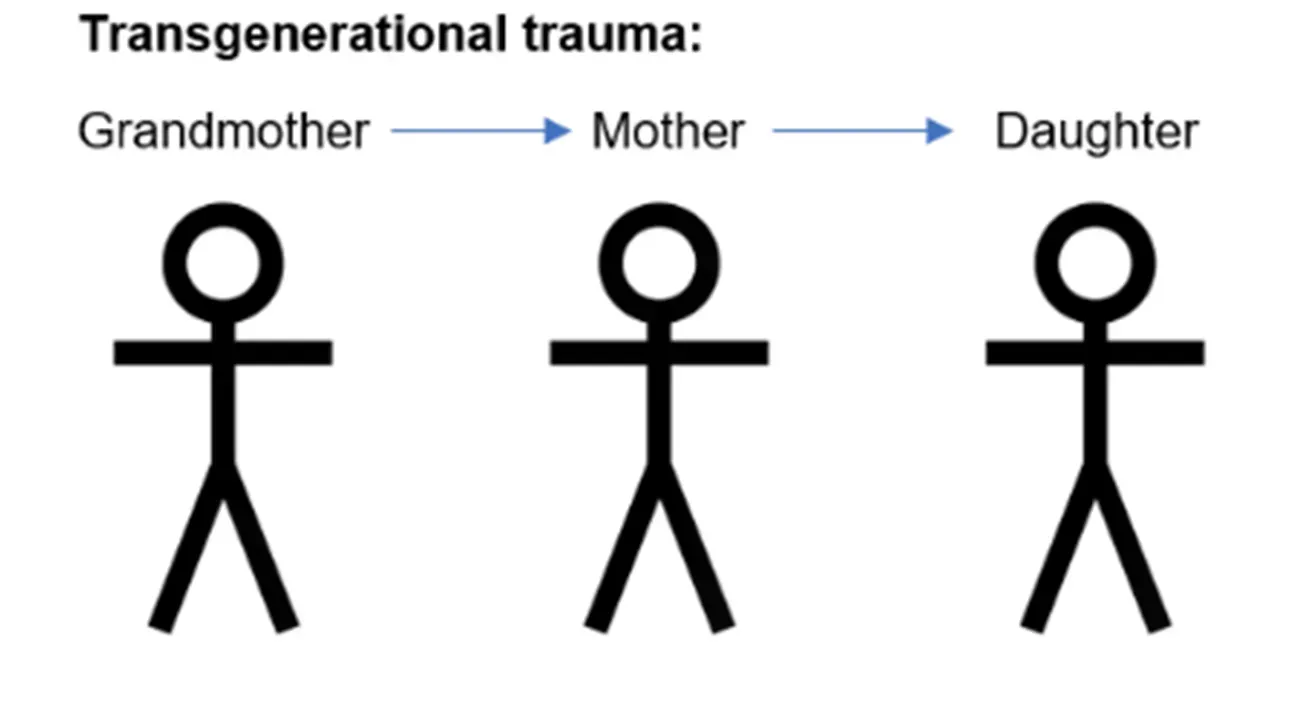
Research identified epigenetic modifications in genes regulating stress function, which is linked to heightened stress reactivity and dysregulation in children of trauma survivors, with changes contributing to lower cortisol levels and increased receptor sensitivity, leaving individuals more vulnerable to stress-related disorders and underscoring the role of epigenetics in shaping biological responses to stress across generations. Here’s where things get really complicated. Intergenerational trauma can result from offspring’s early environmental exposures, including postnatal maternal care and in utero exposure reflecting maternal stress during pregnancy, as well as epigenetic changes associated with preconception trauma in parents that may affect the germline. Grandparents who never processed their own trauma end up passing it down through parenting styles, emotional patterns, and stress responses. Traumas of attachment in childhood and negative experiences that affect one generation are likely to affect subsequent generations. The child absorbs these patterns without understanding their origin.