Doctors Are Issuing New Alerts About These 5 Common OTC Medications
You probably have them sitting in your medicine cabinet right now. Maybe you’ve taken one today. Over-the-counter medications promise quick relief for everything from headaches to heartburn, and most people assume they’re completely safe simply because they don’t need a prescription. That assumption could be putting your health at risk in ways that researchers are only now beginning to fully understand.
NSAIDs: The Everyday Painkillers With Hidden Heart Risks

Non-steroidal anti-inflammatory drugs like ibuprofen and naproxen have been linked to elevated blood pressure and cardiovascular risks, with studies showing these common OTC painkillers can increase the risk of high blood pressure, stroke, and heart attacks. The concern isn’t about taking one or two pills occasionally. Doctors emphasize that the overall risk is very low for people taking OTC pain relievers on a short-term basis, but it rises with long-term, high-dose use. What makes this particularly alarming is how easily people can slip into chronic use without realizing the cumulative danger. These drugs reduce the production of prostaglandins, chemicals involved in inflammation but also involved in other body functions such as influencing the tone of blood vessels.
Acetaminophen: Liver Damage Lurking in Cold Medicine

Most people know acetaminophen by its brand name Tylenol, yet few realize how narrow the safety margin actually is. Taking too much acetaminophen can damage the liver, sometimes leading to a liver transplant or death. Here’s the thing that catches people off guard: acetaminophen hides in dozens of products. You might accidentally take too much acetaminophen if you do not follow directions carefully or if you take more than one product that contains acetaminophen. Think about it. You take a cold and flu remedy, add some pain relief tablets, maybe a nighttime sleep aid. Suddenly you’ve exceeded safe limits without even knowing. The maximum daily dose for a healthy adult who weighs at least 150 pounds is 4,000 milligrams, however in some people, taking the maximum daily dose for extended periods can seriously damage the liver.
Honestly, the scariest part is the combination with alcohol. Drinking alcohol causes the liver to convert more of the acetaminophen you take into toxic byproducts.
Diphenhydramine (Benadryl): The Allergy Pill That May Affect Your Memory
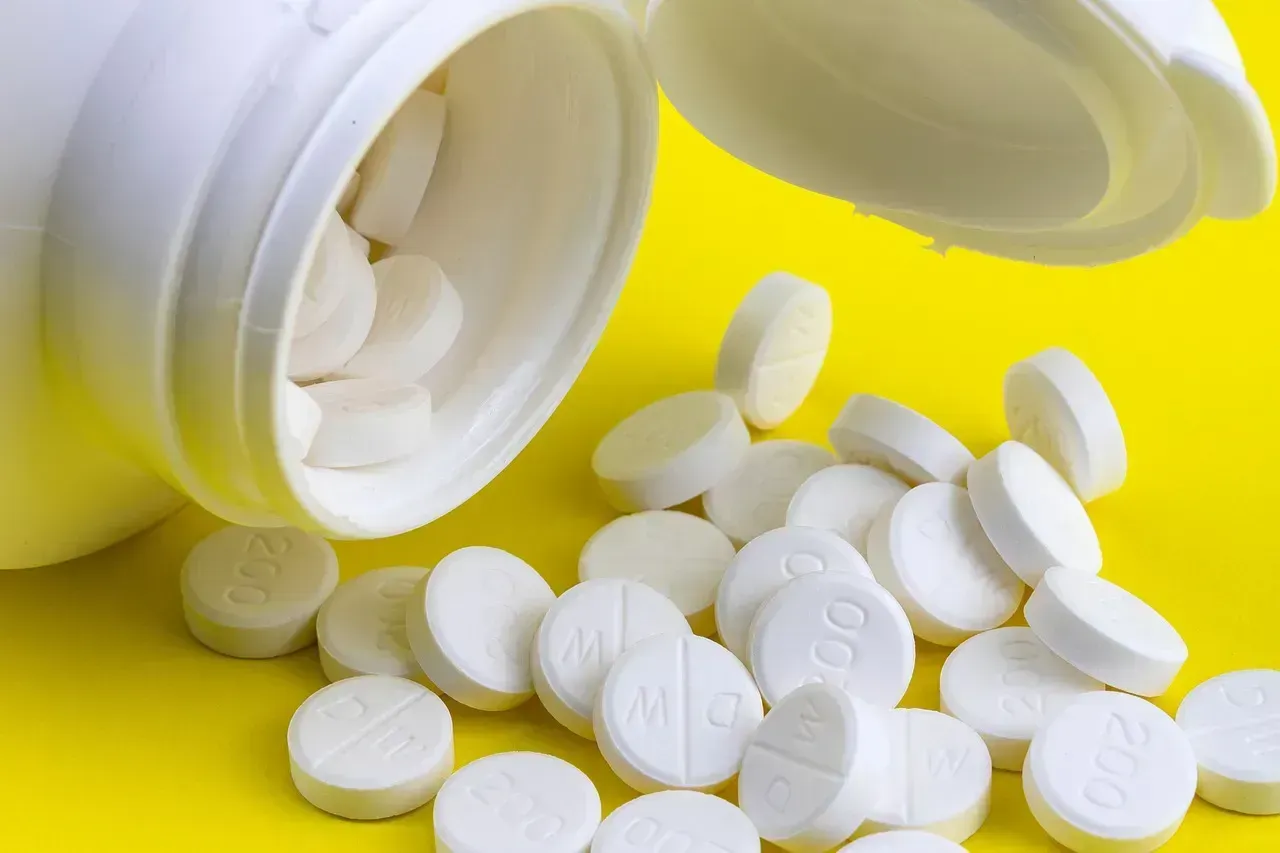
A report published in JAMA Internal Medicine highlighted a link between long-term use of anticholinergic medications like Benadryl and dementia, with taking an anticholinergic for the equivalent of three years or more associated with a 54 percent higher dementia risk. Let’s be real, that’s a sobering statistic. The drug works by blocking acetylcholine, a neurotransmitter crucial for memory and learning. Diphenhydramine, commonly found in Benadryl, can lead to confusion and decreased memory in older adults.
What complicates matters further is that diphenhydramine appears in numerous products beyond allergy medication. Diphenhydramine deserves special attention because it’s an ingredient in common over-the-counter sleep products like Tylenol PM and Advil PM. One notable study followed nearly 3,500 participants aged 65 and older for over 10 years, and the results weren’t encouraging for regular users.
Phenylephrine Decongestants: The Ineffective Ingredient Still on Shelves

You’ve probably reached for pseudoephedrine or phenylephrine when dealing with a stuffy nose. Here’s something that should make you pause. Phenylephrine, an oral decongestant not kept behind the counter, was found to be ineffective at the current OTC dose by the FDA. That’s right, one of the most common decongestant ingredients doesn’t actually work as advertised at the doses sold over the counter.
Beyond the question of effectiveness, there’s a safety concern. Decongestants containing phenylephrine or pseudoephedrine, like Sudafed, can spike blood pressure, which is especially risky for older adults more prone to high blood pressure. Taking something that both fails to deliver promised relief and potentially raises your blood pressure seems like a poor trade-off.
Proton Pump Inhibitors: Long-Term Heartburn Relief With Serious Consequences

Proton pump inhibitors are among the most prescribed drugs worldwide for acid-related disorders, however long-term use beyond approved indications is increasingly common and observational studies link chronic PPI use to adverse outcomes such as enteric infections, nutrient deficiencies, osteoporotic fractures, chronic kidney disease, dementia, and gastric and colorectal cancer. That’s quite a list of potential problems for what many consider a harmless heartburn pill.
The infection risk alone deserves attention. PPIs are strongly associated with an increased risk of enteric infections, particularly Clostridioides difficile infection, with the FDA issuing safety warnings citing studies demonstrating approximately 1.7-fold higher risk among users. Concerns associated with long-term use include a higher risk of fracture because of interference with calcium absorption, an increased risk of certain infections including pneumonia and C. difficile, and nutritional deficiencies including magnesium, iron, and vitamin B12.
I know it sounds crazy, but medications designed to help your stomach might be causing problems elsewhere in your body. Long-term use of PPIs inhibits gastric acid production, which consequently decreases the digestive capacity to release vitamin B12 from foods, and those who received PPI treatment for more than two years reported a 65 percent increased risk of vitamin B12 deficiency.
The takeaway here isn’t to panic and throw away your medicine cabinet. Rather, it’s about informed decision-making. Just because something is available without a prescription doesn’t automatically make it risk-free for unlimited use. Talk to your healthcare provider about whether you truly need long-term use of any OTC medication, explore alternatives, and always read labels carefully to avoid accidental overdoses from hidden ingredients. Your future self might thank you for paying attention now.