6 Medications You Should Never Mix With Coffee – Number 1 Is Life-Changing
Most people reach for their morning coffee before doing almost anything else. It’s a ritual, a comfort, practically a personality trait at this point. But here’s something millions of people are doing every single day without realizing it: washing down their morning medications with coffee, or swallowing their pills and then immediately brewing a cup.
Coffee consumption at varying levels has a significant influence on the absorption, distribution, and elimination of certain drugs. These effects can cause enhanced therapeutic response, therapeutic failure, or even toxic reactions in patients receiving those drugs. That’s not a minor footnote. That’s a clinically documented problem that affects real people. According to Drugs.com, at least 119 medications are known to interact with caffeine. Yet most people have no idea. So let’s get into the six medications you need to know about right now.
1. Levothyroxine (Thyroid Medication) – The One That Changes Everything

Honestly, this is the one that surprises people the most. You’re doing everything right – taking your thyroid pill every morning – and still feeling exhausted, gaining weight, and battling brain fog. The culprit might be sitting right there in your coffee mug.
Coffee contains chlorogenic acids and tannins that bind directly to levothyroxine molecules, forming complexes that the body cannot absorb effectively. Even black coffee naturally contains small amounts of calcium, which creates additional binding sites that prevent the thyroid medication from reaching therapeutic levels. This interaction can reduce bioavailability by roughly 27 to 36 percent.
If absorption is impaired, symptoms of hypothyroidism – including fatigue, weight gain, and constipation – can return, even if you’re taking your medicine correctly. Think about that. You’re taking your medication faithfully, but coffee is essentially hijacking it before it ever gets a chance to work.
Several studies on patients with hypothyroidism revealed that coffee could decrease the efficacy and safety of levothyroxine treatment. The proposed mechanism is the sequestration of levothyroxine by coffee, resulting in altered intestinal absorption of the drug. The good news? When coffee was consumed one hour after levothyroxine instead of immediately, peak and average serum T4 values were indistinguishable from the water-only control arm in a crossover study. A simple timing fix can be truly life-changing here. It’s worth asking your doctor or pharmacist about this one specifically.
2. Warfarin (Blood Thinners) – When One Extra Cup Can Trigger an Emergency
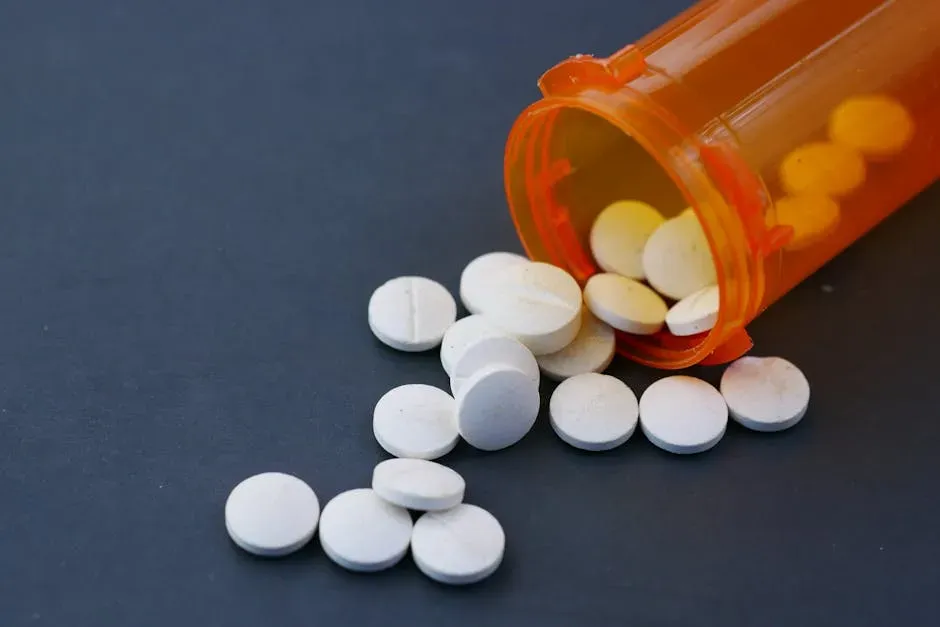
Warfarin is a finicky drug under any circumstances. It’s used to prevent strokes and dangerous blood clots, and it requires careful balance in the body. Too little, and you’re at risk of clotting. Too much, and you bleed.
When you drink coffee, caffeine slows down how fast your body clears warfarin. That can push your INR – a blood test that measures clotting time – up by roughly 15 to 25 percent within 24 hours. That is not a small shift. For warfarin patients, even minor deviations in INR levels can be medically serious.
Since blood thinners stop blood from clotting, a common side effect is already bleeding. Caffeine can also slow blood clotting. Drinking coffee around the time you take a blood thinner increases your risk of bleeding and bruising. The key, according to medical guidance, is consistency. If you normally drink one cup a day, don’t suddenly switch to four. If you don’t drink coffee, don’t start – especially when you’re on warfarin.
3. Theophylline (Asthma and COPD Medication) – Chemical Cousins Causing Big Problems

Here’s where things get genuinely fascinating from a chemistry standpoint. Theophylline, a medication still prescribed for asthma and chronic obstructive pulmonary disease, and caffeine are structurally very similar compounds – almost chemical cousins.
Caffeine and theophylline both use the same liver enzyme – CYP1A2 – to break down. When you drink caffeine, theophylline builds up in your blood. Levels can rise by roughly 15 to 20 percent. That sounds small, but it’s enough to cause nausea, rapid heartbeat, tremors, or even seizures.
Using these medications together may increase some of the side effects of theophylline, including nausea, vomiting, insomnia, tremors, restlessness, uneven heartbeats, and seizures. It’s a steep price for a cup of coffee. University Hospitals’ 2025 guidelines state that asthma patients on theophylline should limit caffeine to less than 100 mg per day – about one small coffee. If you’re on theophylline, that morning espresso routine really does need a second thought.
4. Antidepressants (SSRIs and Tricyclics) – A Complicated and Shifting Relationship

The relationship between coffee and antidepressants is not simple. It’s not just “bad” – it’s complicated in ways that depend heavily on which antidepressant you take. And that complexity is precisely what makes it dangerous.
Drinking coffee, especially in large amounts, can affect how your body processes selective serotonin reuptake inhibitors such as fluvoxamine and escitalopram, and tricyclic antidepressants such as amitriptyline and imipramine. These interactions can reduce the amount of medication your body absorbs by about one third. Losing a third of your antidepressant’s effectiveness without even knowing it – that’s a significant problem for anyone managing their mental health.
The SSRI fluvoxamine is known to enhance the effects of caffeine, so people who drink large amounts of caffeine may experience unpleasant symptoms such as heart palpitations, feeling sick, restlessness, and insomnia. You should therefore avoid drinking large amounts of caffeinated drinks while taking fluvoxamine.
The co-administration of caffeine and antidepressants remains a concern due to potential interactions that can alter a patient’s response to therapy, according to a 2025 review published in the European Journal of Drug Metabolism and Pharmacokinetics. Fluvoxamine inhibits the CYP1A2 enzyme and thus decreases the clearance of caffeine in the body, increasing caffeine levels by as much as 80 percent. Think of it like your body is suddenly getting a double-strength coffee hit, without you drinking a single extra cup.
5. Ephedrine and Stimulant Decongestants – A Double Punch to Your Heart

Cold season comes around, and most people reach for a decongestant without a second thought. What they don’t consider is whether that pill contains a stimulant – and whether their coffee habit is about to amplify it significantly.
Ephedrine is a stimulant that speeds up the nervous system. It’s used in decongestants and as a bronchodilator to treat breathing problems. It’s also used to treat low blood pressure, narcolepsy, and menstrual problems. Because the caffeine in coffee is also a stimulant, combining ephedrine with coffee can be very risky. Health experts advise against mixing the two because consumption of both can lead to high blood pressure, heart attacks, stroke, or seizures.
Over-the-counter cold remedies often contain decongestants such as pseudoephedrine, which is also a stimulant. Paired with caffeine, these medications can produce a one-two punch, making you restless, jittery, and unable to sleep. It’s a bit like pressing two accelerators at the same time in a car that isn’t built for it. If you’re taking stimulant-based asthma medications or decongestants containing pseudoephedrine, combining them with coffee may worsen side effects like heart palpitations, restlessness, tremors, or high blood pressure. Caffeine itself acts as a mild stimulant, and the combination can overtax your cardiovascular and nervous system.
6. Antidiabetic Medications – An Unexpected Blood Sugar Complication

This one catches a lot of people off guard. If you have type 2 diabetes and you’re managing it with medication, your morning coffee ritual might be doing something very inconvenient to your blood sugar levels – independently of anything you eat.
Antidiabetic medications that can interact with coffee include glimepiride, glyburide, insulin, pioglitazone, rosiglitazone, and many others. Coffee can increase blood sugar in some individuals, which is likely to counteract the effects of antidiabetic drugs. Your medication is working hard to bring blood sugar levels down, while your coffee is quietly nudging them back up. That’s a frustrating tug-of-war happening inside your body.
The tannins present in coffee can also bind to these medications and stop the body from absorbing them as effectively. This interaction is more likely to occur if coffee is consumed within one to two hours of taking the medication, but still warrants careful monitoring in these patients.
Up to 400 milligrams of caffeine a day is considered safe for most adults, but coffee can interact with many drugs by affecting the way they’re absorbed, distributed through the body, processed, and excreted. For anyone on diabetes medication, that daily safety ceiling becomes a much more personal and specific number. Talk to your doctor – the conversation might reshape your entire morning routine in the best possible way.