Seasoned Waiters Spot These 10 Red Flags the Moment You Open a Menu
1. That Never-Ending Menu That Reads Like a Novel
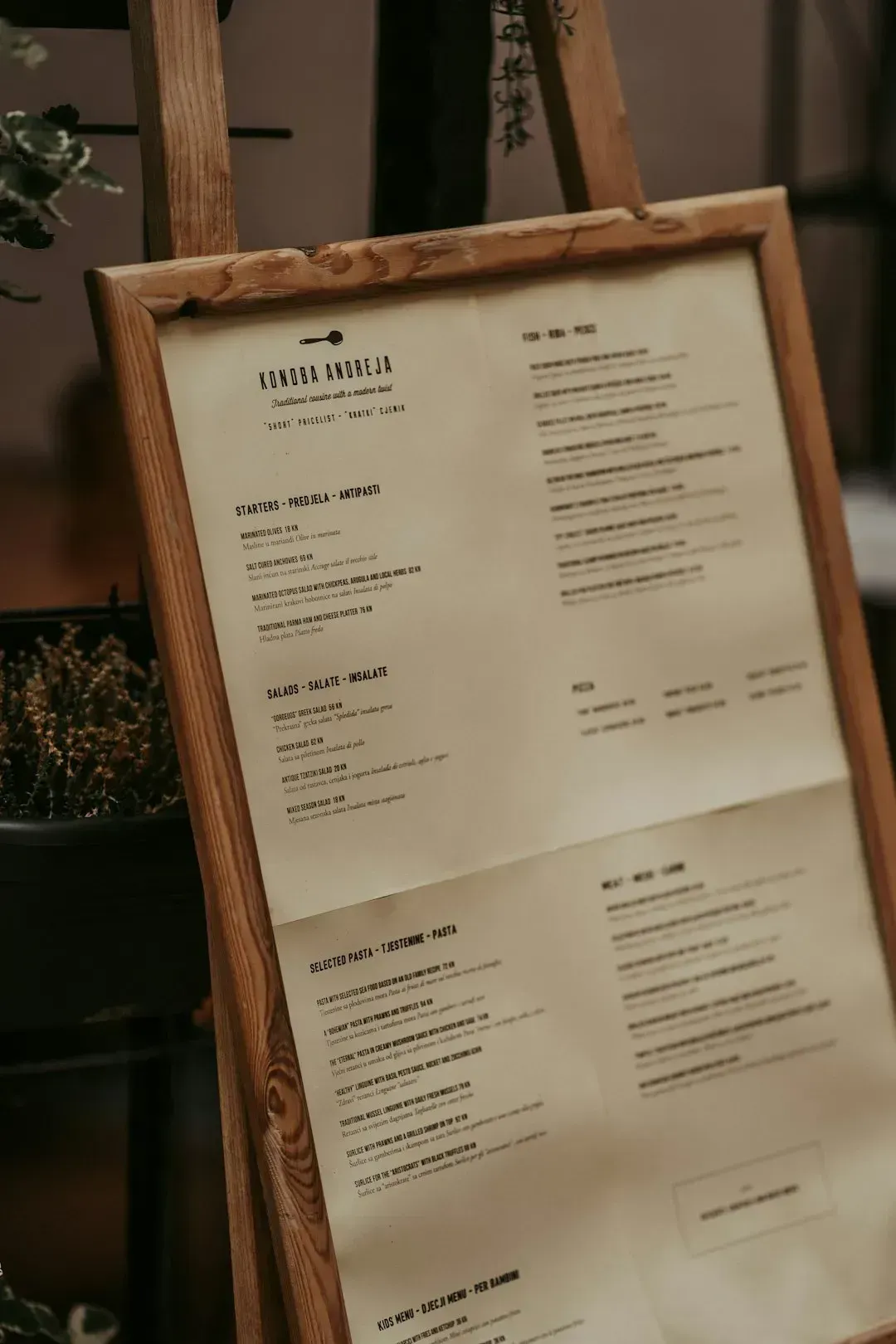
When you flip open a menu and find yourself staring at what feels like an entire cookbook bound together, seasoned servers immediately know something’s off. Industry experts warn that spreading yourself too thin with too many dishes makes it easy to produce subpar food and requires cutting corners to make service happen each day. Think about it this way: how can a kitchen possibly master Italian, Chinese, Mexican, and American comfort food all under one roof?
The reality is that restaurants with sprawling menus are almost always relying on frozen, pre-made ingredients that require nothing more than a quick heat-and-serve routine. No chef can realistically prep dozens of dishes fresh daily. Servers who’ve been in the industry for years can spot this red flag instantly and know to temper their expectations.
2. Endless Fried Appetizers That All Look the Same
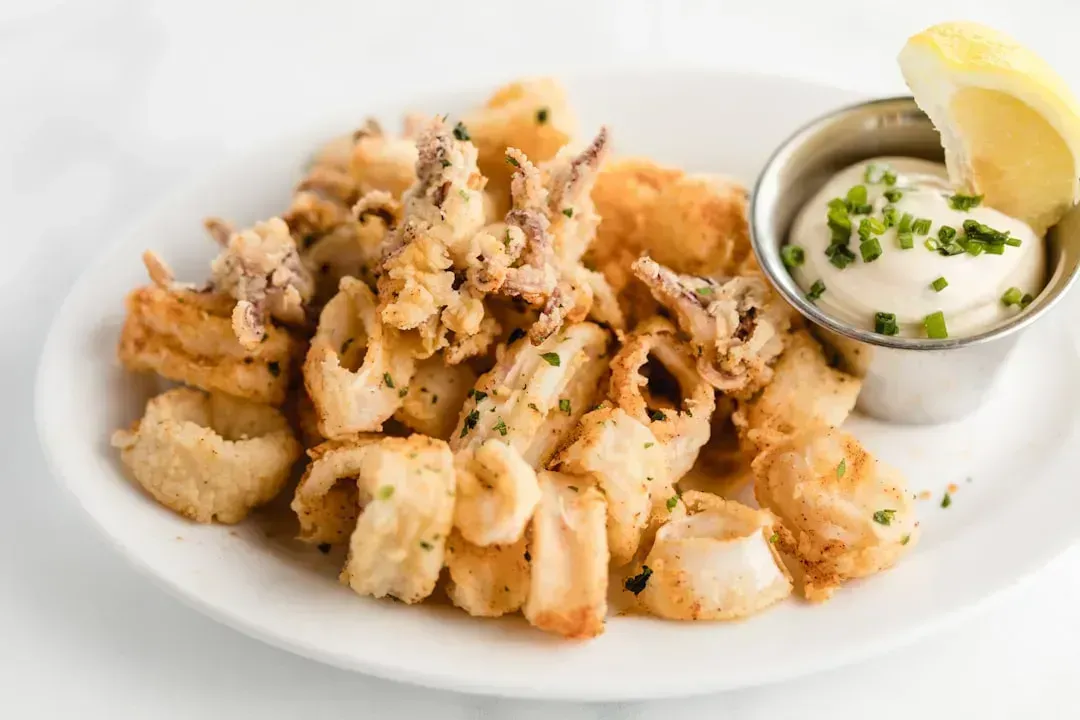
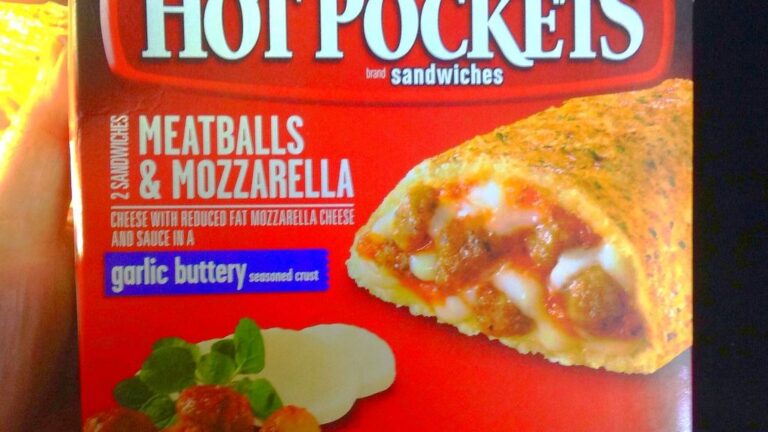
When you see extensive appetizer lists featuring things like mozzarella sticks, wings, spring rolls, jalapeño poppers, and other deep-fried bar food all on one menu, chances are most of that arrives frozen in a box. Experienced waitstaff have seen the walk-in freezers packed with these identical Sysco boxes, all waiting to be dumped into the fryer. The foodservice sector held over seventy percent of market share in frozen food distribution in 2024, driven by enabling quick-service restaurants, hotels, and catering businesses to meet high customer demand with consistent quality.
Here’s the thing: there’s nothing inherently wrong with frozen food in moderation. The problem arises when nearly everything comes from a box. If the appetizer section spans two full pages and reads like a greatest hits of TGI Friday’s, your server knows exactly what’s happening in that kitchen.
3. Eight Dessert Options That Couldn’t Possibly Be Fresh
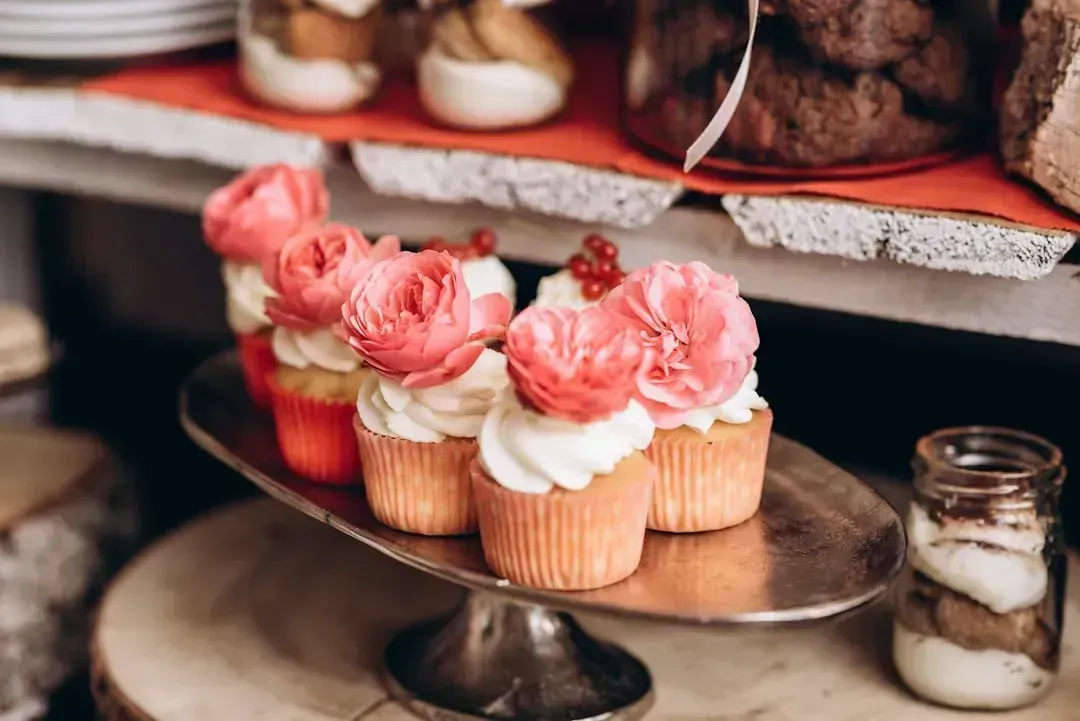
If there are eight different cake options, they’re probably not baking fresh daily. A smaller, curated dessert selection often means something actually made in-house. Servers can tell immediately when they see an absurdly long dessert list that no pastry chef is back there whipping up cheesecakes, tiramisu, chocolate lava cakes, and key lime pie every morning. Instead, those desserts likely arrived frozen from a distributor weeks ago.
The restaurants that truly take pride in their desserts usually offer just two or three options that change seasonally. When you spot a concise dessert menu, your server knows there’s a much better chance something was actually baked in that kitchen today.
4. No Seasonal Specials or Menu Updates
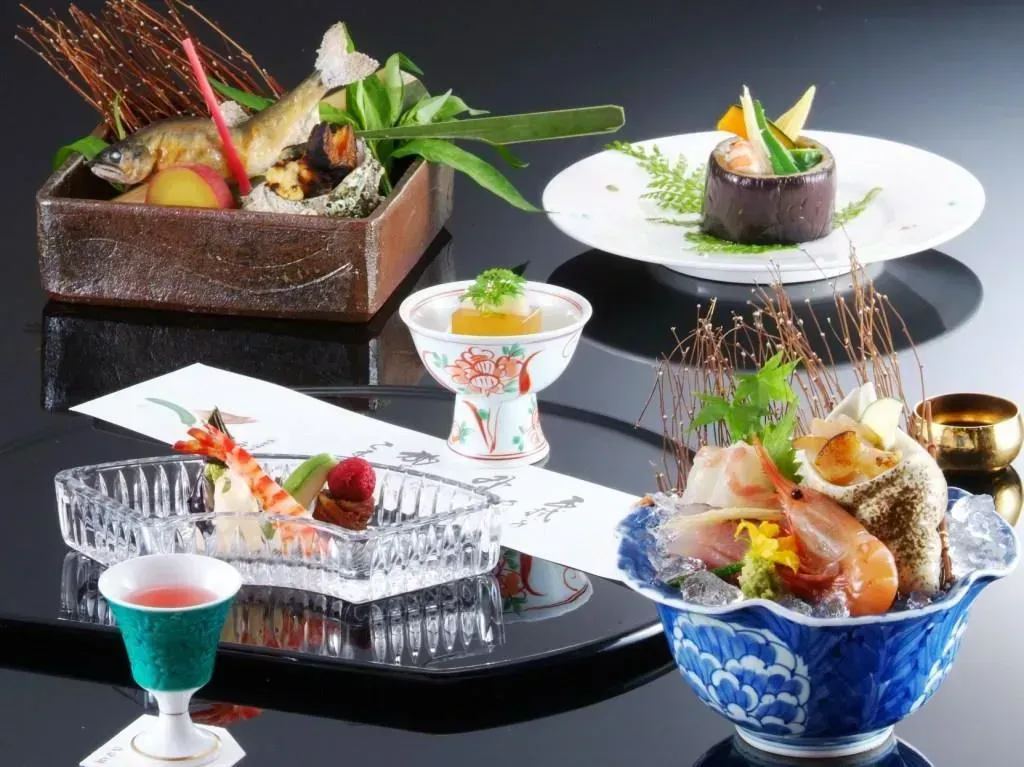
If the answer is “never” or “it’s been years,” that’s telling. Limited-time offers grew by more than fifty-two percent between 2020 and 2023, as restaurants used them to experiment with new items while focusing core menus on quality. Waiters who’ve worked in quality establishments know that good restaurants evolve with the seasons. They introduce fresh summer tomatoes when they’re at their peak, feature butternut squash in autumn, and rotate dishes based on what’s actually available and delicious.
A static menu that never changes suggests a kitchen on autopilot, probably relying heavily on pre-made or frozen components that don’t require adaptation. Servers notice when the same tired dishes have been sitting on that laminated menu for five years straight. It signals a lack of creativity and passion in the kitchen.
5. Dirty or Sticky Menus That Haven’t Been Cleaned
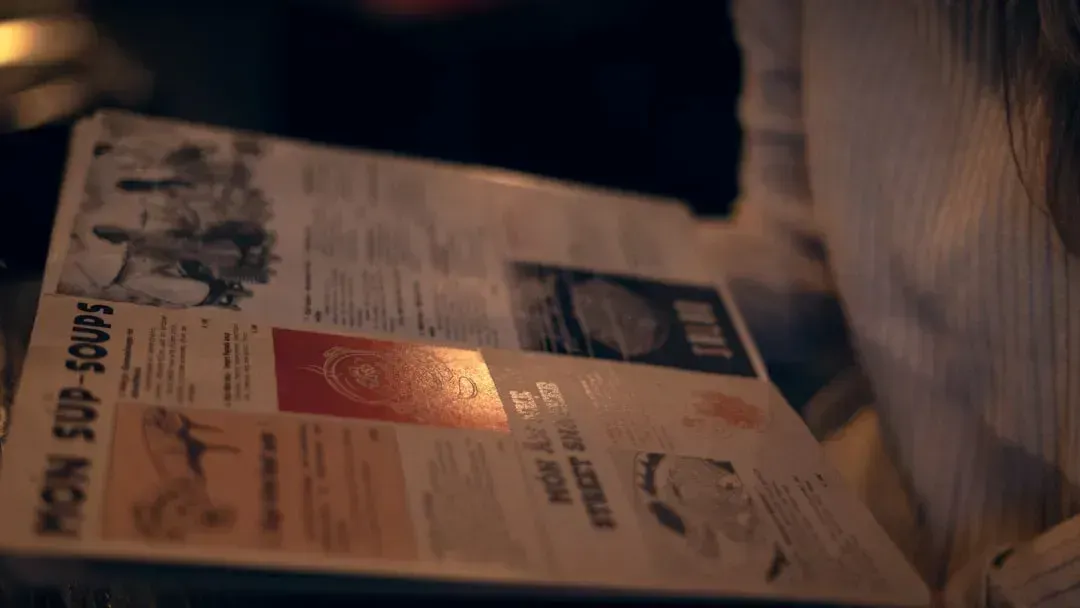
Menus with bread crumbs, food stains and spilled sauces signal they’re not cleaned regularly. Experienced servers cringe when they hand guests a sticky, stained menu because they know exactly what message that sends. If the staff isn’t paying attention to this detail, they may be missing even bigger things. A manager who ignores the front of the house often has difficulty in the administration of both the front and back of the house.
Menus are touched dozens, sometimes hundreds, of times each day. If management can’t be bothered to wipe them down regularly, what else are they neglecting? Seasoned waitstaff know that grimy menus are often just the tip of a much larger hygiene problem.
6. Wildly Inconsistent Cuisine Styles on One Menu
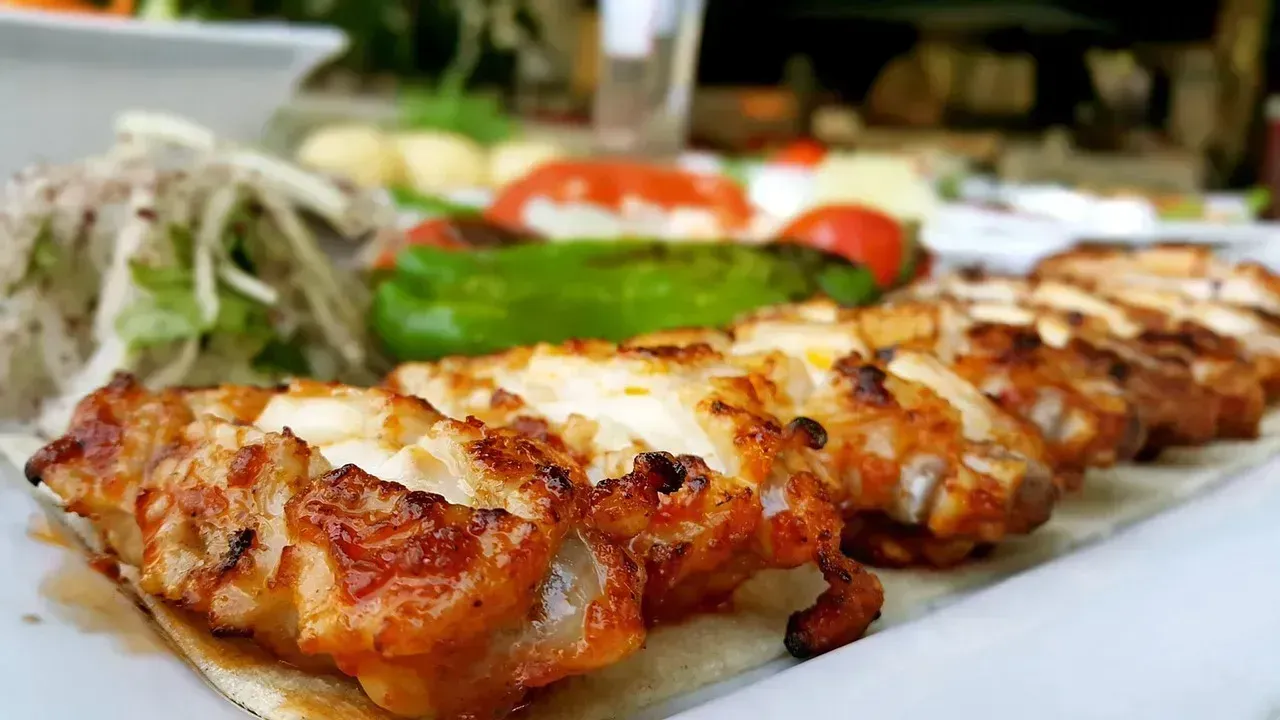
If you go to an Italian restaurant and see that they also serve Indian dishes, you might wonder how authentic the Indian and Italian dishes are. Waiters recognize immediately when a menu lacks focus or identity. If the menu shows no point of view or tries to please every type of diner, you’re looking at food that will be mid at best.
A restaurant that can’t commit to a culinary direction is usually trying to cast the widest possible net to attract customers. Servers know this almost always results in mediocre everything rather than excellent anything. The best restaurants have a clear vision and stick to it.
7. Prices That Are Suspiciously High Compared to Competition
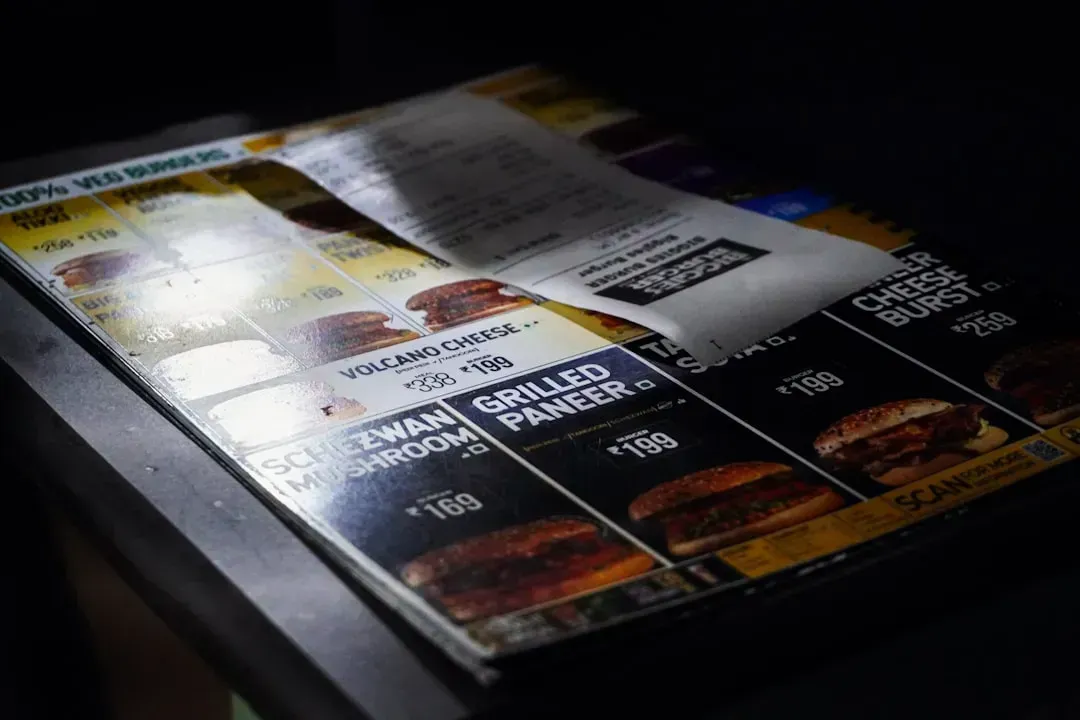
When a restaurant’s prices are significantly higher than those of similar ones in the area, it can raise some red flags. Elevated prices might be a tactic to create a false sense of exclusivity or value, leading diners to believe they’re getting something special when, in reality, the experience or quality may not justify the cost. Between January 2024 and September 2025, food away from home rose about six percent, so servers are acutely aware of what dishes should reasonably cost.
Now, sometimes higher prices are completely justified by quality ingredients or unique preparation. The difference is that experienced waitstaff can usually tell within seconds whether elevated pricing reflects genuine value or just inflated expectations. They’ve seen both ends of the spectrum.
8. Missing Consumer Advisory for Undercooked Items
If you serve any undercooked animal products at your establishment, the FDA requires you to publish a consumer advisory. Servers who’ve worked in compliant restaurants immediately notice when this required disclosure is missing. The 2017 FDA Food Code provides a few example statements: “Consuming raw or undercooked meats, poultry, seafood, shellfish, or eggs may increase your risk of foodborne illness.”
When you see items like rare burgers, sushi, or raw oysters on a menu without any asterisk or warning, your waiter knows the restaurant is either ignorant of basic food safety regulations or willfully ignoring them. Neither option inspires confidence.
9. Overly Trendy Dishes That Scream Social Media Bait
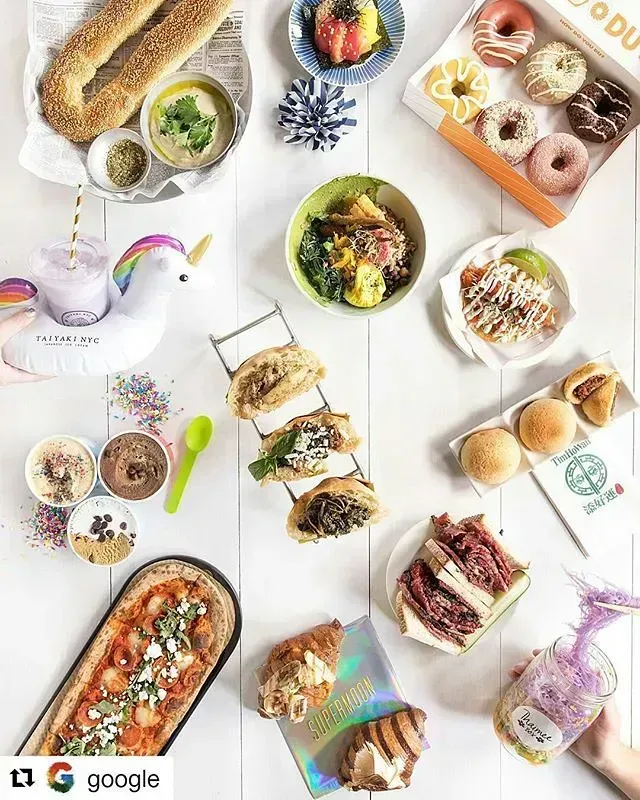
When a place starts copying all the big trends to try and drum up more business, it’s a sure sign they’re doing it for publicity rather than because it’s the right thing for the menu. Waiters can spot these Instagram-bait dishes from across the dining room. We’re talking about the overly elaborate milkshakes topped with entire slices of cake, the rainbow-colored everything, or whatever viral food trend went viral last week.
On their face, the charming flower arches, selfie-ready bathrooms, and over-the-top presentations may not seem like dead giveaways for a bad restaurant, but they each speak to an establishment’s prioritization of aesthetics and photogenic qualities over the most important part of any eatery: the food. Experienced servers have watched too many restaurants chase viral fame instead of focusing on making genuinely delicious food. They know how that story usually ends.
10. Vague Descriptions That Hide What You’re Actually Getting
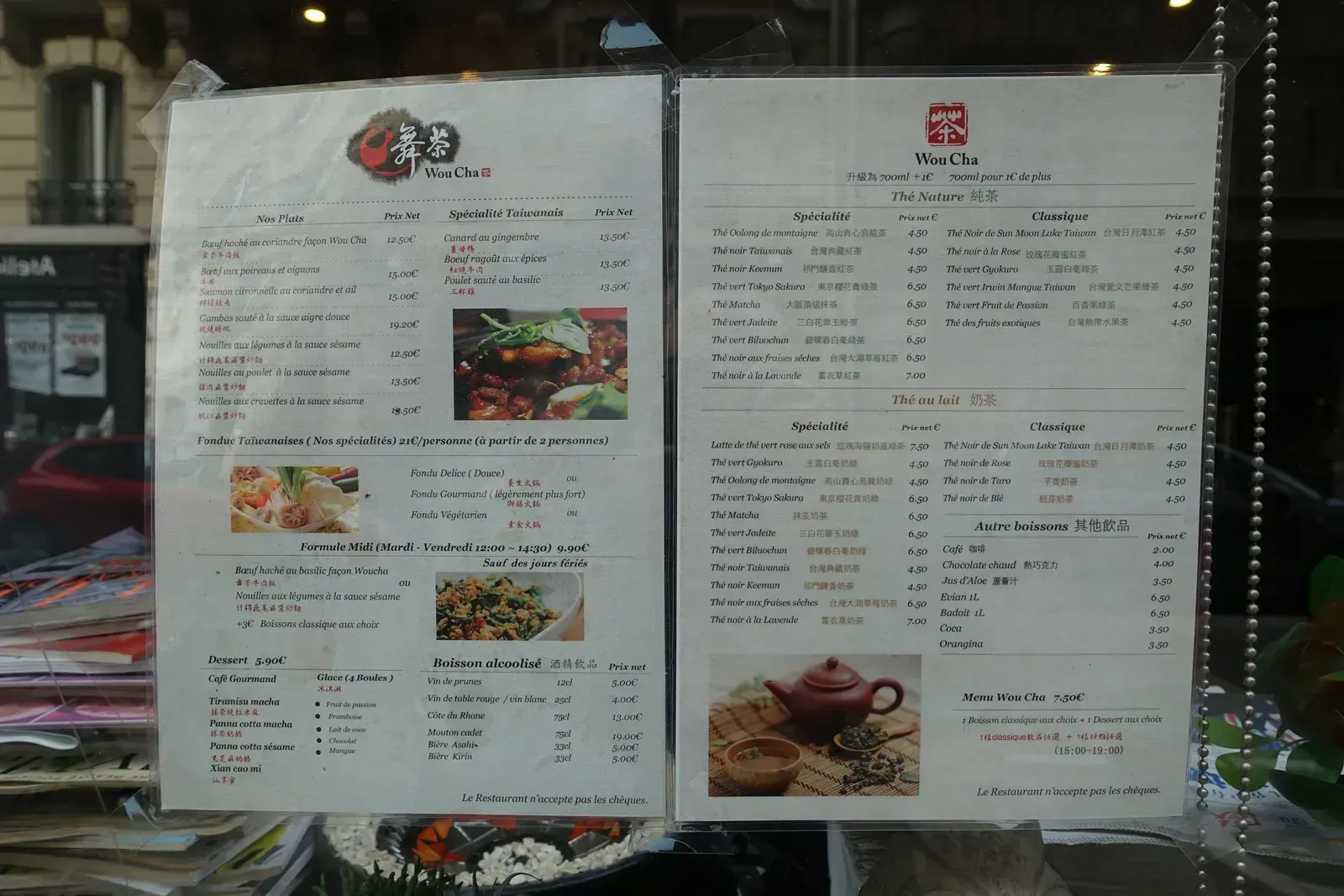
When the dishes don’t have any standout touches, you might be in for a disappointing meal. Rather than a dish that’s worth the money, you might go home having eaten a disappointing dinner and wishing you’d stayed in and cooked. Seasoned waitstaff recognize when menu descriptions are deliberately vague or overly generic. Phrases like “chef’s special sauce” or “fresh seasonal vegetables” without any specifics often mean the kitchen is using whatever cheap ingredients they have on hand that day.
Good menus paint a clear picture of what you’re ordering. They tell you the cut of meat, the preparation method, the accompanying sides. When servers see nothing but fuzzy language and culinary buzzwords, they know diners are probably in for a bland surprise. Details matter, and restaurants confident in their food aren’t afraid to spell them out.