Desalination’s Dark Side: Why It May Not Be the Silver Bullet We Hoped For
The world is running out of freshwater. It’s not a distant threat anymore – it’s happening right now, today, in 2026. Droughts are longer. Aquifers are depleting faster than they can recharge. And somewhere along the way, humanity latched onto a beautiful idea: the ocean. We’re surrounded by water. Why not just remove the salt?
A natural resources crisis like water scarcity is listed in the World Economic Forum’s 2024 Global Risks Report as one of the top ten threats facing the world in the next decade. Desalination has been pitched as the answer. Governments are pouring billions into it. Plants are popping up on coastlines from Saudi Arabia to California. Currently, approximately 16,000 desalination plants operate in 177 countries, producing 95 million cubic meters of fresh water daily. That sounds like a triumph of human engineering. So why are scientists, ecologists, and economists increasingly worried? Let’s dive in.
A World Desperately Thirsty: The Case for Desalination
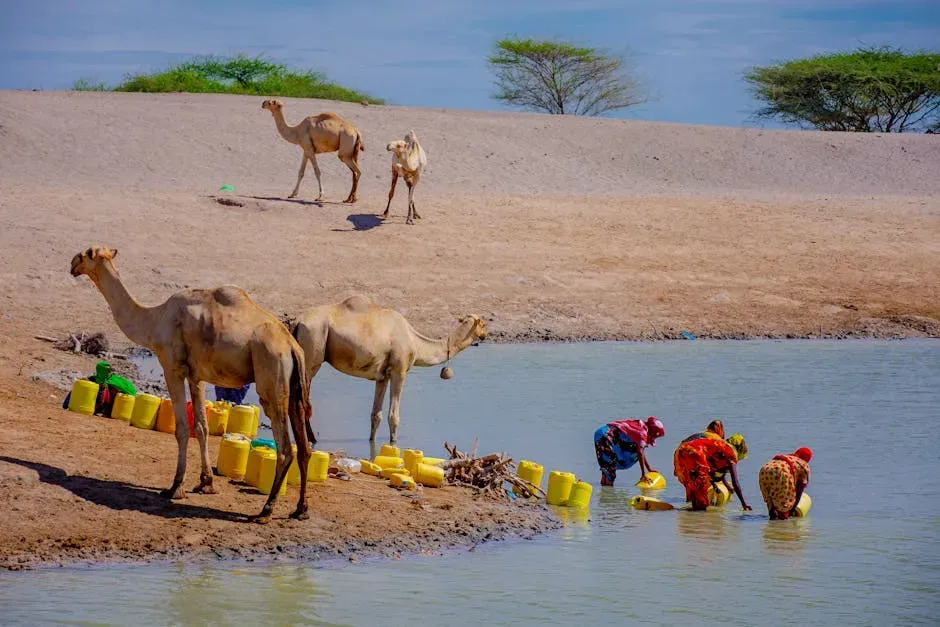
Let’s be real – the global water crisis is staggering. Approximately four billion people, nearly two-thirds of the world’s population, face critical water shortages for at least a month every year, and more than two billion individuals reside in nations with insufficient supplies of water. That’s not a minor inconvenience. That’s a civilizational problem.
Predictions based on World Bank projected population data and the FAO AQUASTAT database for freshwater availability show that by 2050, two billion people living in 44 countries will likely suffer from water scarcity, of which 95% may live in developing countries. Numbers like that make the promise of limitless ocean water deeply attractive. Honestly, it’s hard to blame policymakers for looking to the sea.
According to the latest market study by Global Industry Analysts, the global desalination market is expected to grow at a compound annual rate of 9.8%, with an expected increase from US$15.2 billion in 2022 to US$22.5 billion in 2026. The industry is booming. Currently, desalination is practiced in 150 countries around the world and more than 300,000,000 people depend on desalinated water for their daily needs. The scale is immense – but so are the hidden costs.
The Brine Problem: Desalination’s Dirty Secret
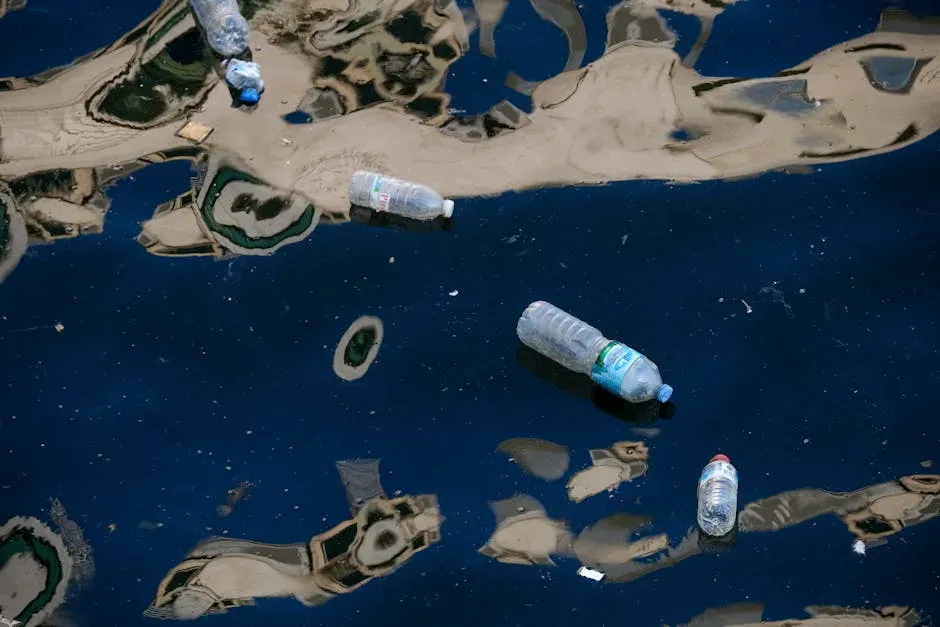
Here’s the thing nobody tells you at the fundraising gala: for every liter of clean water produced, desalination creates a toxic byproduct. Research shows that desalination plants produce 141.5 million cubic meters of brine each day, compared to 95 million cubic meters of fresh water. Think about that for a second. We produce more poison than we do clean water.
In addition to freshwater recovery, a discharge stream called “brine” is co-produced and can be hazardous to the environment as it is a hyper-saline solution and may contain chemicals such as FeCl3, NaOCl, AlCl3, and H2SO4 from the different operations in the desalination plant. This isn’t just salty water being returned to the sea. It’s a chemical cocktail.
Instead of creating one liter of brine for every liter of freshwater produced, as had generally been assumed, desalination on average has a ratio closer to 1.5 to 1. That figure, confirmed by a UN-backed study, was a shock to the industry. As a result of various compounding factors, the Gulf is now about 25 percent saltier than typical seawater, with hotspots double or triple its regular salinity. We are slowly cooking our own oceans.
The Ocean Floor Is Paying the Price
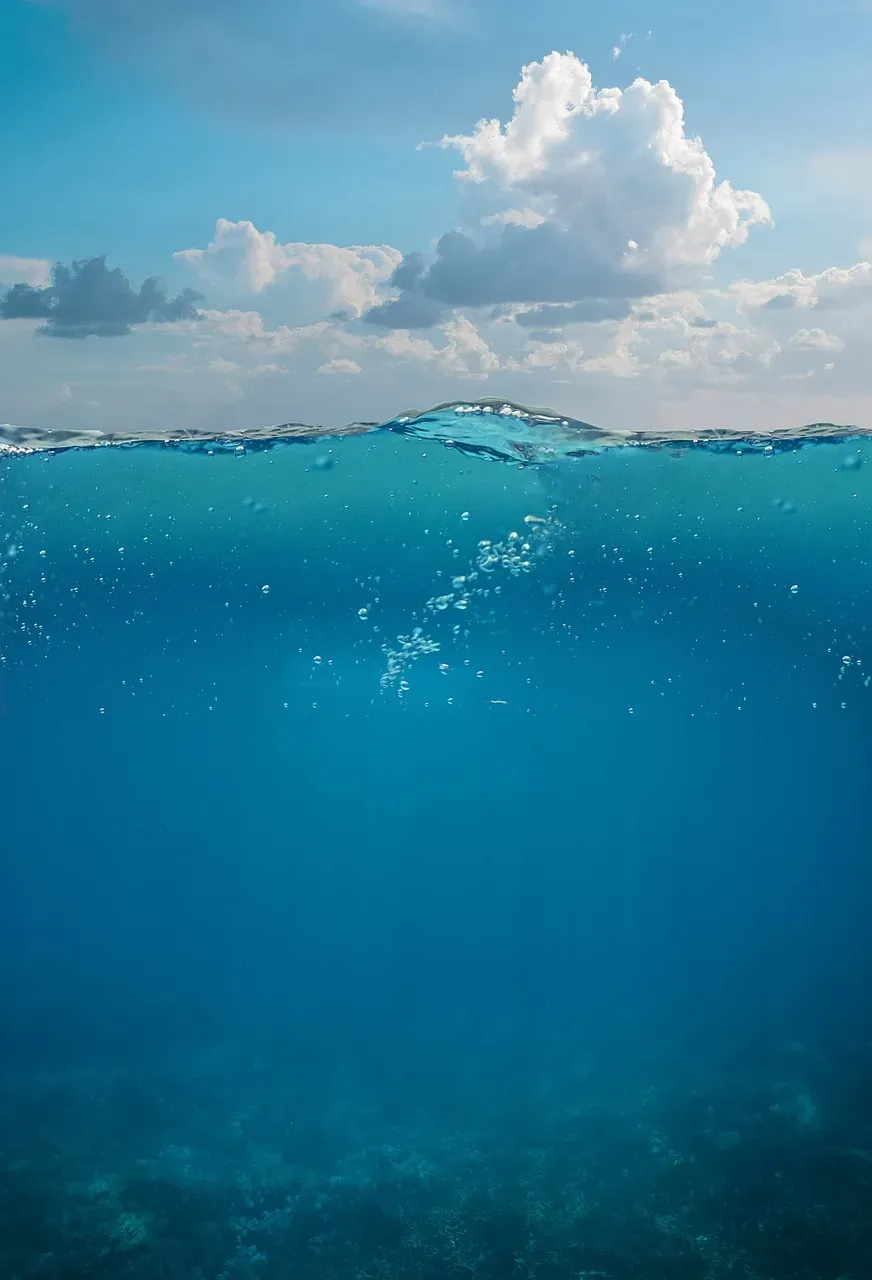
Seawater reverse osmosis desalination facilities produce freshwater and, at the same time, discharge hypersaline brine that often includes various chemical additives such as antiscalants and coagulants. This dense brine can sink to the sea bottom and creep over the seabed, reaching up to 5 km from the discharge point. Imagine pouring cement across an ocean floor. That’s essentially what concentrated brine does to the creatures living there.
Previous studies indicate a suite of impacts by desalination brine on benthic organisms, including bacteria, seagrasses, polychaetes, and corals. The effects within the discharge mixing zones range from impaired activities and morphological deformations to changes in the community composition. These aren’t abstract lab results. These are real ecosystems being reshaped permanently.
Desalination brine discharges have severely impacted Posidonia oceanica seagrass for a prolonged period. Seagrass plays a crucial role in the marine ecosystem; meadows of Posidonia oceanica can shelter associated algae, invertebrates, and vertebrates in areas of high biodiversity, and contribute to improving water quality, preventing coastal erosion, and regulating biochemical fluxes along the coast. Lose the seagrass, and you unravel the entire food web. It’s that serious.
Marine Life Gets Trapped: Impingement and Entrainment

Another major concern in the desalination industry is impingement and entrainment. During the intake process, when water from the ocean is sucked in, marine life like fish and crabs can get sucked in and die against the intake screen. During the treatment process, smaller organisms like fish eggs and plankton can also get sucked in and killed. It’s a silent massacre happening constantly, largely invisible to the public.
When mature fish, larvae, and other marine life are stuck in or sucked into open sea surface intake pipes, serious harm or death may result. According to the State Water Resources Control Board, the open ocean intakes utilized by California’s coastal power facilities destroy 70 billion fish larvae and other marine species every year. Seventy billion. That number is almost too large to process.
Disposal of brine with high salinity and temperature poses significant environmental concerns, including elevated salinity in water bodies and regional effects on marine benthic communities near the discharge area. The high salinity, temperature, and heavy metals can cause eutrophication, decreasing dissolved oxygen and species extinction, especially in coral reefs. The cumulative damage across thousands of plants worldwide is nearly impossible to fully calculate.
The Energy Monster: Desalination’s Carbon Shadow
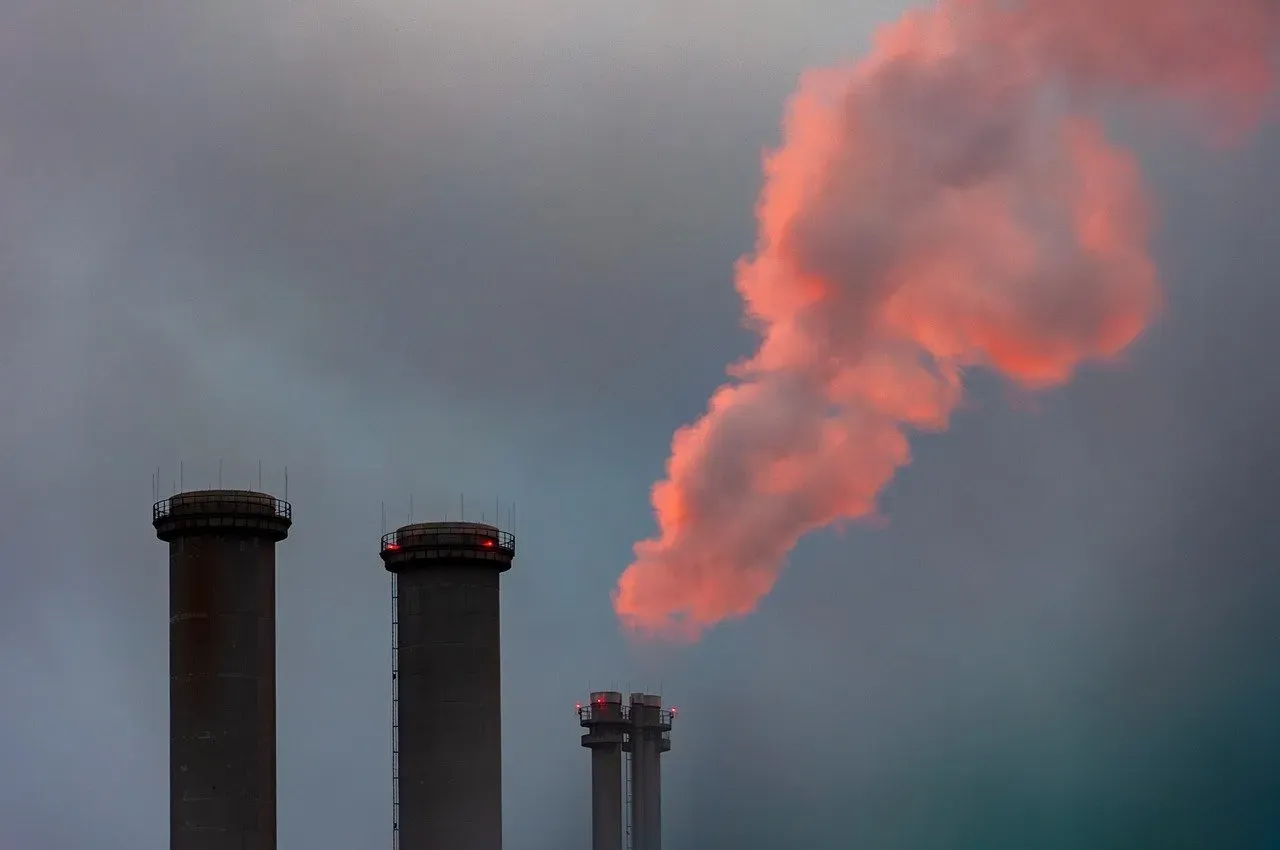
Energy consumption constitutes the primary component of desalination costs. For reverse osmosis desalination processes, electricity consumption ranges from 3 to 5 kWh per ton of water, with electricity expenses accounting for 40% to 50% of total costs. This is an enormous energy appetite. Think of it like running a refrigerator for hours just to produce a single glass of water, at industrial scale.
Desalination technologies are energy-intensive and the energy required is currently produced using fossil fuels. The use of fossil fuels is associated with emissions of greenhouse gases and air pollutants. So the very technology meant to help us survive a climate-worsened water crisis is itself burning the fuels that deepen the climate crisis. That’s a brutal irony.
In terms of geographical distribution, low-income, water-stressed countries in North and East Africa, the Middle East, Central Asia, and South Asia face the greatest challenges, as limited financial and energy resources hinder the viability of widespread desalination. Without rapid grid decarbonization or dedicated renewable energy, desalination risks locking countries into a high-emissions water future. For the poorest and most vulnerable nations, this trade-off is simply not acceptable.
Who Can Actually Afford It? The Inequality at the Heart of Desalination

Large-scale desalination plants are expensive. Investments in large-scale plants typically run into the hundreds of millions of dollars. Unsurprisingly, the majority of recently built plants are located in prosperous countries such as the UAE and Israel or were designed to supply major cities in Australia or the United States. This is not a technology for everyone. It’s a technology for the wealthy.
Today, most seawater desalination plants rely on reverse osmosis, a technology that has steadily improved over the years, but is now nearing its limits in efficiency and cost. That’s why nearly two-thirds of desalination plants are located in wealthy nations, while regions hit hardest by water scarcity – often low- to middle-income countries – are left without access to this technology. The places that need desalination most are the least able to build or run it.
Despite advances in desalination, the technology is still not economically viable for large-scale agriculture. Using desalinated water for wheat production in Britain, for example, would cost three times more than the current market price for wheat. For many countries, a transition to desalinated water for agriculture would require doubling the country’s total electricity production, making it an unsustainable solution for large-scale national droughts. For farming nations facing existential drought, that math simply doesn’t work.
Can Technology Fix What Technology Created? The Path Forward
With the demand for drinking water escalating worldwide, the volumes of brine discharge are predicted to triple during the current century. Future efforts should focus on the development and operation of viable technologies to minimize the volumes of brine discharged into marine environments, along with a change to environmentally friendly additives. The scale of the challenge ahead is immense. Tripling brine production without fixing brine management is not a solution – it’s a slow catastrophe.
A study comparing solar energy to fossil fuels for powering desalination found that by transitioning to solar power, carbon dioxide emissions could be reduced by 78%. That’s not a small number. It shows that the environmental damage from desalination is not inevitable – it is a choice about energy sourcing, and that choice is still being made badly in many parts of the world.
Desalination brine, once dismissed as a waste byproduct, is now recognized as a critical resource for recovering strategic minerals and sequestering CO₂ through mineralization. The potential of brine mining is underscored as a way to offset environmental and economic burdens posed by conventional disposal methods, which threaten marine ecosystems through salinity shocks, toxic chemical residues, and thermal pollution. Turning the problem into a resource – that’s the kind of thinking this moment demands. Whether the industry moves fast enough to matter is, I think, the real open question.
Conclusion: Promise With a Price Tag We Can’t Ignore
Desalination is not evil. Let’s be clear about that. For hundreds of millions of people in places like the UAE, Israel, and parts of Australia, it is a lifeline. Water scarcity already affects more than four billion people and jeopardizes half of the world’s irrigated agriculture. The pressure to find solutions is enormous, and desalination genuinely provides water where there is none. That matters.
Yet the idea that we can simply point a pipe at the ocean and solve the global water crisis – cleanly, cheaply, at scale – is a fantasy. The brine keeps piling up. The carbon keeps accumulating. The seagrass keeps dying. Challenges to the widespread adoption of desalination include expense, significant energy use, the need for specialized staff training, the large carbon footprint of facilities, environmental issues such as greenhouse gas emissions, chemical discharge, and operational problems such as membrane fouling. These are not minor footnotes. They are structural flaws in the plan.
The silver bullet is tarnished, and the sooner governments, engineers, and investors acknowledge that, the better our chances of building a water future that doesn’t solve one crisis by quietly creating several others. What would you sacrifice for a glass of clean water – and who should bear that cost?