10 Meat Cuts Butchers Often Keep for Themselves
There’s something almost conspiratorial about the world of professional butchery. Walk behind the counter at the right shop, and you’ll find a whole universe of cuts that never make it to the display case. They don’t get labeled, they don’t get priced, and they definitely don’t get advertised. They just quietly disappear – usually into a paper bag heading home with the person who broke down the animal.
It used to be that there were a handful of cuts on an animal that customers simply didn’t know to ask for. These cuts were often called “butcher’s cuts,” because the people who broke down the animal would keep them for themselves and cook them up for lunch, with none of their clients any the wiser. Honestly, can you blame them? Some of these are the most explosively flavorful pieces of beef, pork, and more that you’ll ever encounter. Let’s dive in.
1. Hanger Steak – The Original Butcher’s Steak
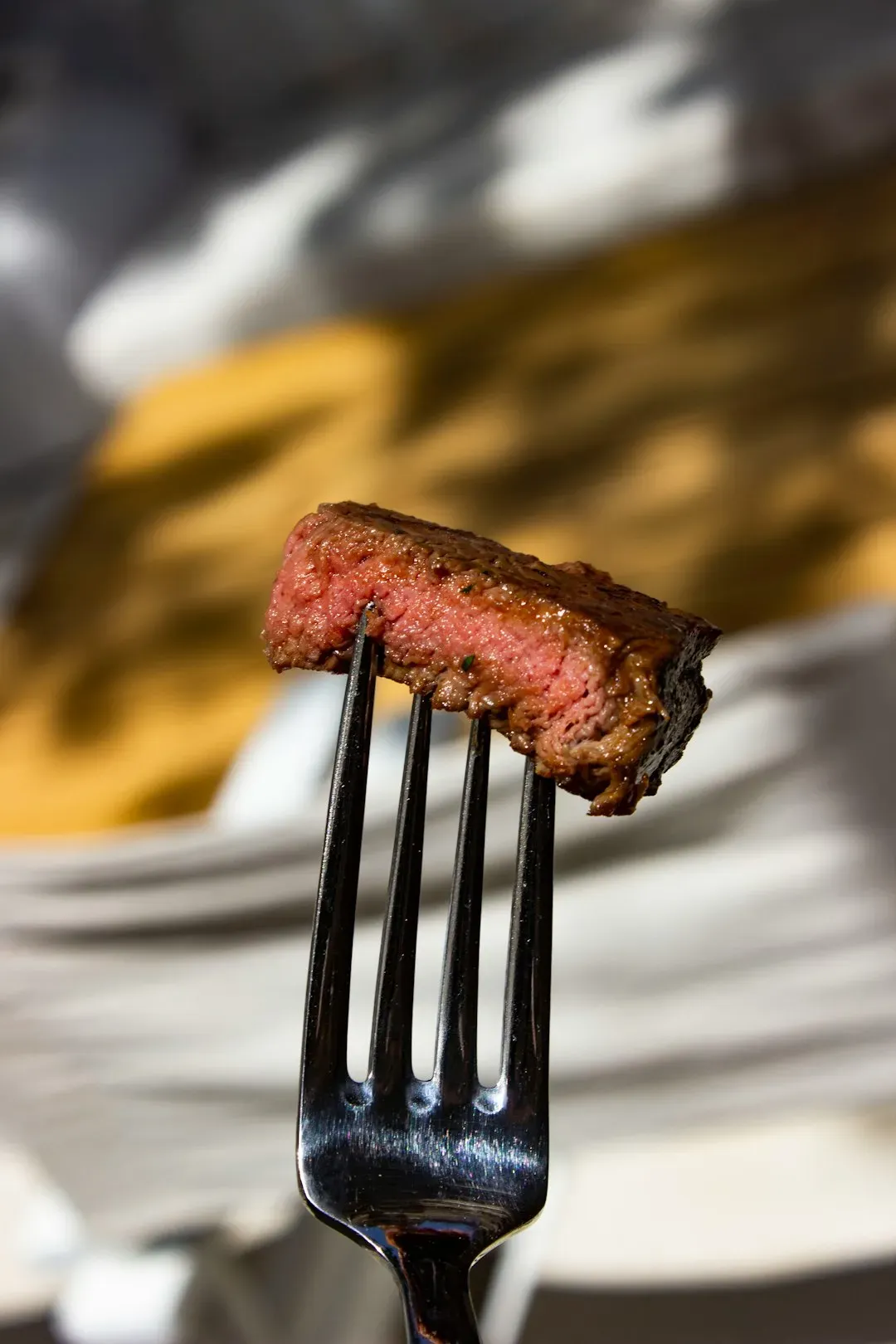
The hanger steak has been kept as a well-guarded secret for years, known as the “butcher’s steak” for its rich, beefy flavor and unique texture. There is only one hanger per animal, and it has long been nicknamed the “butcher’s steak” as it was said that the butcher would secretly keep this cut for themselves. This cut literally hangs from the diaphragm area between the rib and loin, which gives it its distinctive name.
The reason consumers can rarely find it is that restaurants buy it up before they can get it from the butcher. The reason this cut is so desirable is that it is incredibly tender, flavorful, and versatile. Many experts recommend cooking it no more than medium temperature because it is the second-most tender cut on the cow.
Each animal only has about 2.2 pounds of hanger steak, which makes the scarcity feel very real. Think of it like a secret handshake. Only those in the know get access.
2. Flat Iron Steak – The Diamond in the Rough
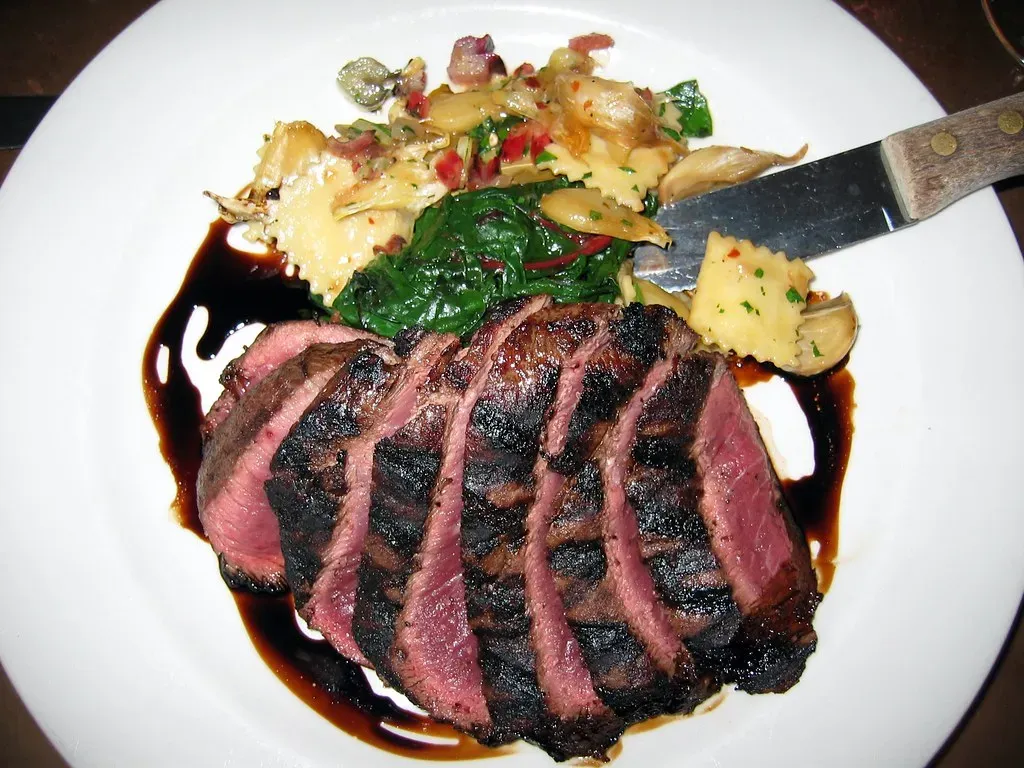
This cut may be the best-kept secret in the meat industry. Butchers and beef experts have long favored the flat iron for its incredible tenderness – it is a close second to its more popular cousin, the filet mignon, considered the most tender steak of them all.
Often mistaken for flank steak, the flat iron steak comes from the shoulder of the cow, cut off the blade. Named after its resemblance to an old-fashioned metal flat iron, flat iron steak is a lean and tender steak option that butchers like to . There is a line of gristle or sinew that runs down the centre of a flat iron, so the steak can be tough if this has not been removed by the butcher.
With its uniform thickness, flat iron steak is incredibly versatile – you can sear it, smoke it, grill it, marinate it, use it with a dry rub, slice it up for sandwiches, or enjoy it on its own. Let’s be real, that kind of flexibility is rare in the steak world.
3. Ribeye Cap (Spinalis Dorsi) – The Crown Jewel
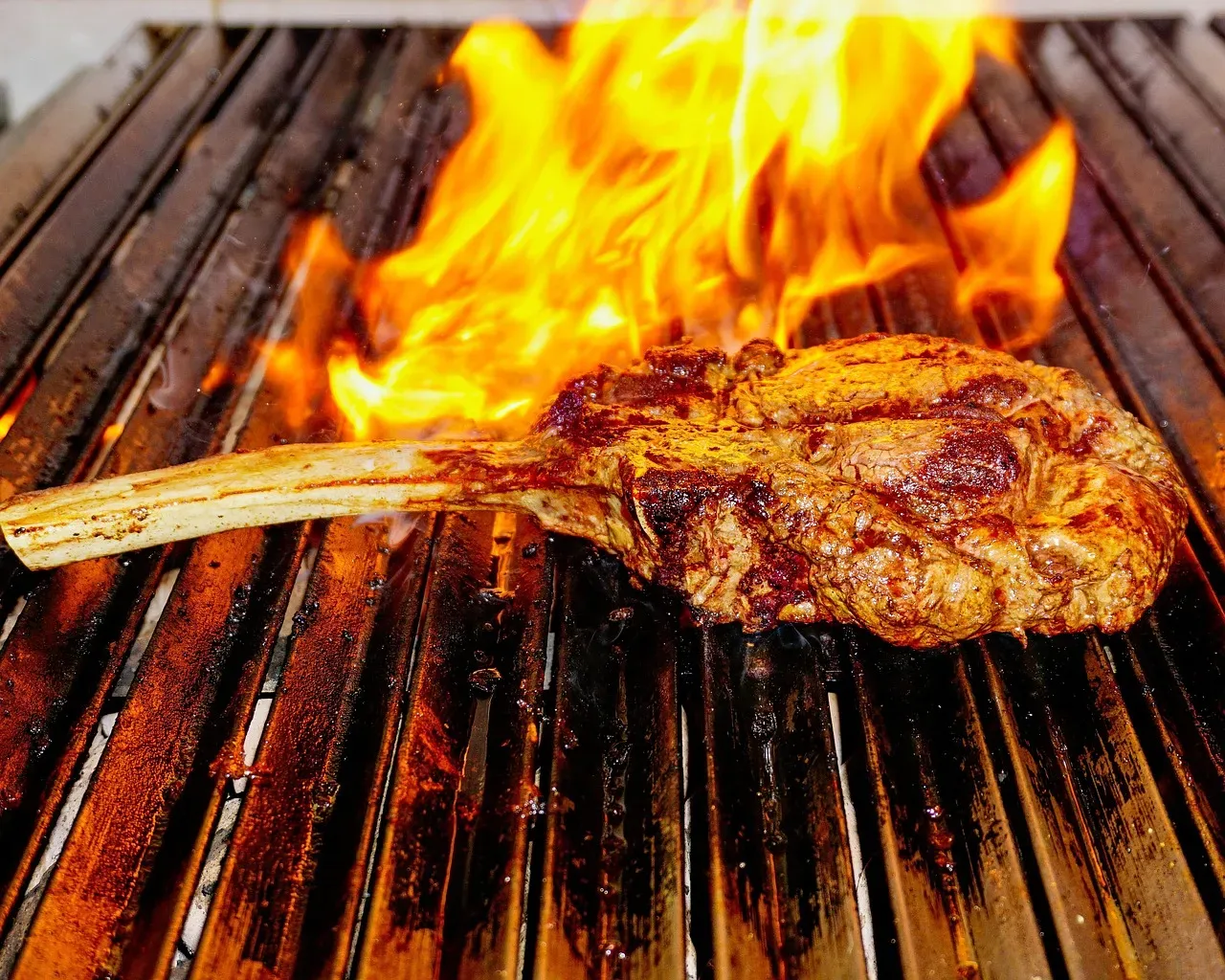
The ribeye cap, also known as spinalis dorsi, delivers exceptional marbling, exquisite flavor, and extraordinary tenderness. This amazing cut sits on top of the ribeye and is what makes that steak so special. The Spinalis Ribeye Cap, also known as butcher’s butter, is very sought after yet rare to find. Most butchers know this is the crown jewel of beef, which is exactly why they often set it aside for their own dinner tables rather than putting it out for sale.
It is almost as tender as the tenderloin but has every bit the flavor of a ribeye. Think about that for a moment – you’re getting the butter-soft texture of filet mignon with the rich, beefy punch of a ribeye.
You may not ever have seen it on its own before, because you have to ruin the entire prime rib and ribeye set to cut it away. That’s the trade-off. Separating the cap means disrupting an otherwise profitable primal cut, so it almost never happens at scale.
4. Oyster Steak – The Spider Web Gem
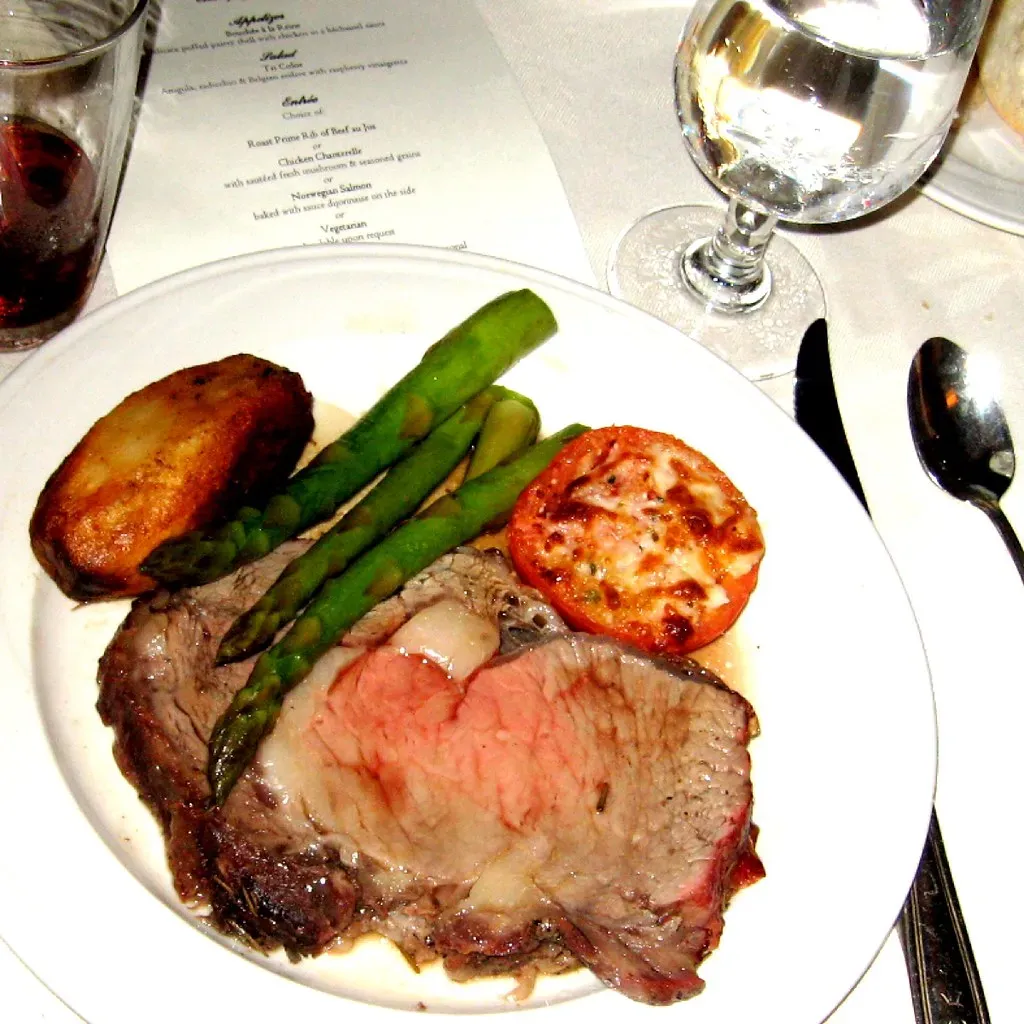
The oyster steak, also known as the spider steak and the butcher’s steak, is unmistakable for the fatty inner-tissue fibers that resemble a spider web. The oyster steak is found in the cow’s hip pocket.
There are only two oyster steaks in the cow, and each weighs about eight ounces. It’s the hardest cut for butchers to get to, as it cannot be removed until the entire cow is de-boned, adding yet another layer to why it’s so rare to see.
Because of the way beef is usually processed, the oyster steak is exposed to air during the week or so that the animal hangs, which gives it an intense flavor. It’s called the oyster steak because of the webs of fat running along it, which make it look a bit like an oyster shell. It’s best cooked quickly at high heat, about 2 to 3 minutes per side. Blink, and you’ve overcooked it.
5. Teres Major – The Petite Tender Nobody Talks About
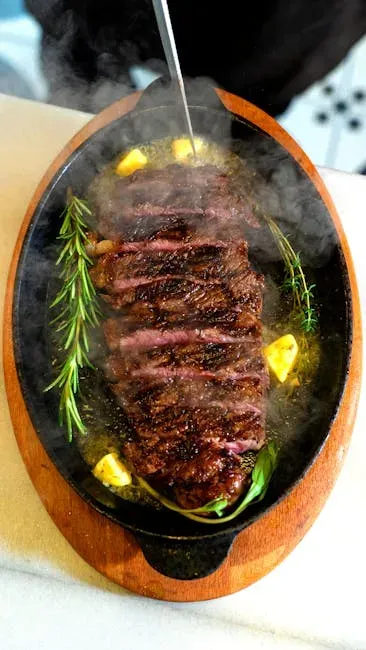
The teres major muscle is a lean cut of beef from the chuck section of a cow. It’s located right below the front leg and is mostly known only by skilled butchers. Other names for the cut are the shoulder tender, shoulder filet steak, teres major tenderloin, and teres filet.
The teres major is a butcher’s cut from the shoulder of the cattle. The muscles around this small piece of meat are developed by the animal’s active life on pasture, and because of this, it has an amazing flavor. There’s a lot of work that goes into retrieving these small steaks – only about 2 pounds come from every 1,400-pound animal.
The teres major has much more flavor than a tenderloin as it comes from a heavily used, active muscle. This means it gets more blood flow, which helps develop complex, rich beefy flavor with hints of iron, much like a hanger steak. It’s hard to say for sure, but this might be the most underrated cut in the entire world of beef.
6. Picanha – The Brazilian Butcher’s Pride
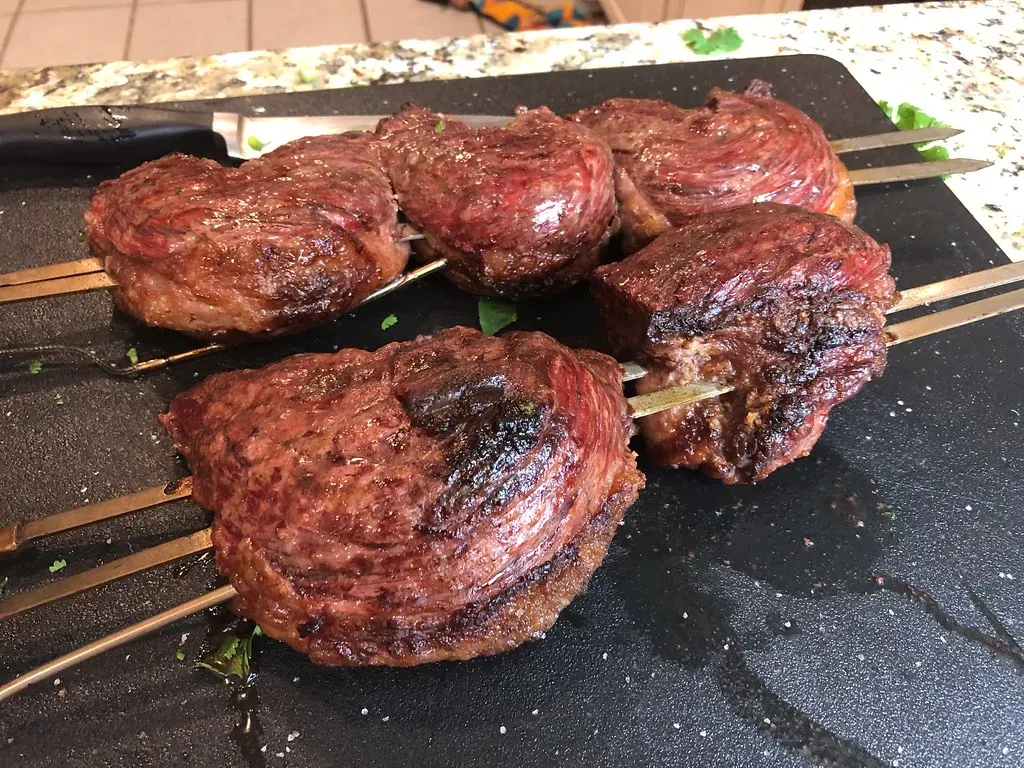
The picanha is a bit of a secret cut, known to aficionados but surprisingly unknown to many butchers. Hugely popular in Brazil, the rump cap or picanha is one of the most flavorful cuts you can find – a flat, triangular, boneless cut taken from the cap of the top sirloin with a distinctive thick cap of fat.
It is a highly prized cut in Brazil, where the name comes from. The name picanha originates from a pole used for herding cattle in Spain and Portugal, with immigrant farmers bringing the name to Brazil.
If you have ever been to a Brazilian churrasco barbecue restaurant where they serve meat on giant skewers, you have probably eaten this cut. It is usually cut into thick strips and skewered to form iconic U-shaped pieces of meat. Outside of Brazil, this beauty is shockingly easy to miss entirely.
7. Denver Steak – The Chuck Section Surprise
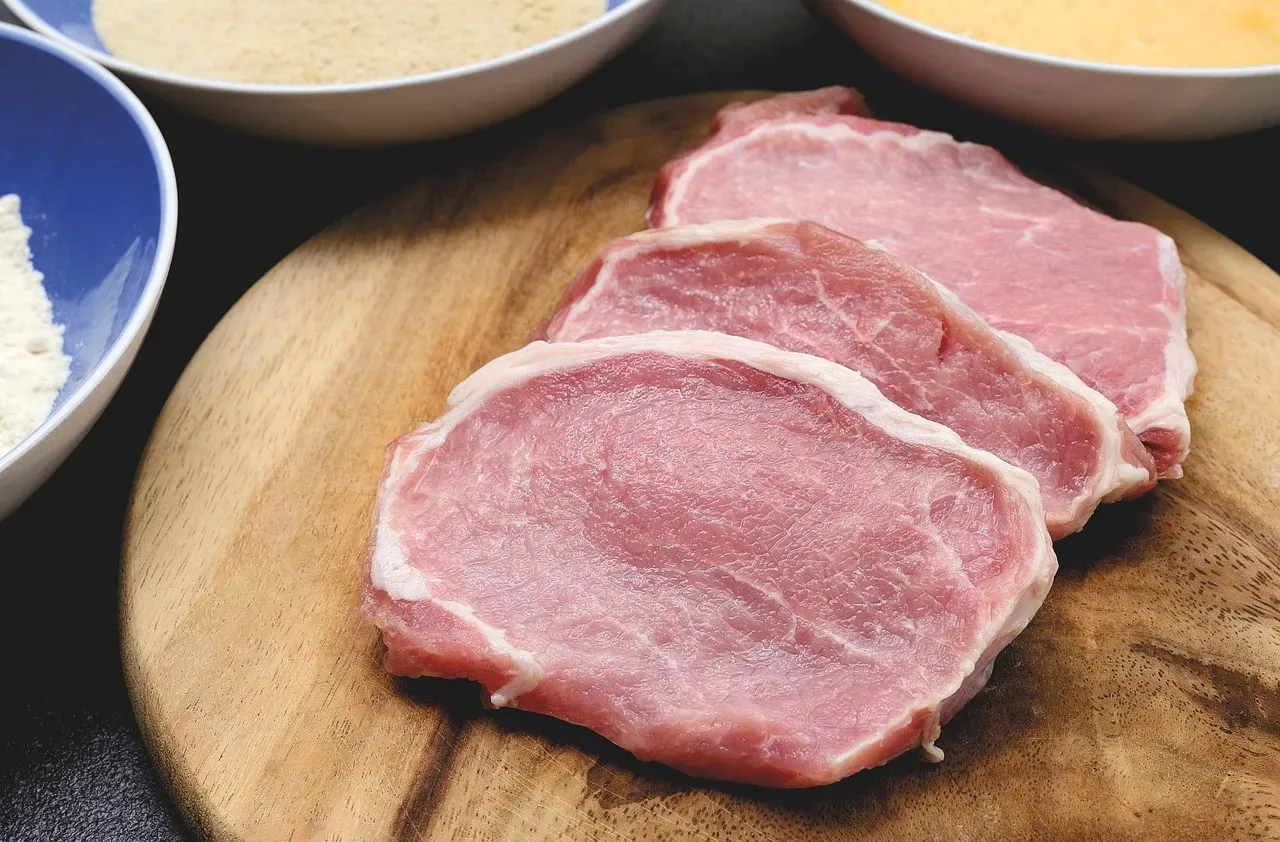
The gorgeous marbling of the Denver steak catches the eye from the butcher counter, shaped like a top sirloin but displaying as much intramuscular fat as a New York strip or ribeye steak, surprisingly coming from the chuck. Most people assume anything from the chuck will be tough, but the Denver steak breaks all the rules. Denver steaks contain enough intramuscular fat to keep the meat juicy as it cooks, and their beefier flavor makes up for any lack of richness compared to ribeyes.
The Denver steak is a great little steak buried in the chuck portion of the steer. Most of the chuck is fairly tough and great for pot roasts, but there are a few small muscles tucked away that are very tender and flavorful. Denver steaks come from under the shoulder blade and are part of the serratus ventralis muscle. It is a tough cut to get to, but a skilled butcher will be able to extract it.
8. Bavette (Sirloin Flap) – The Name Nobody Uses
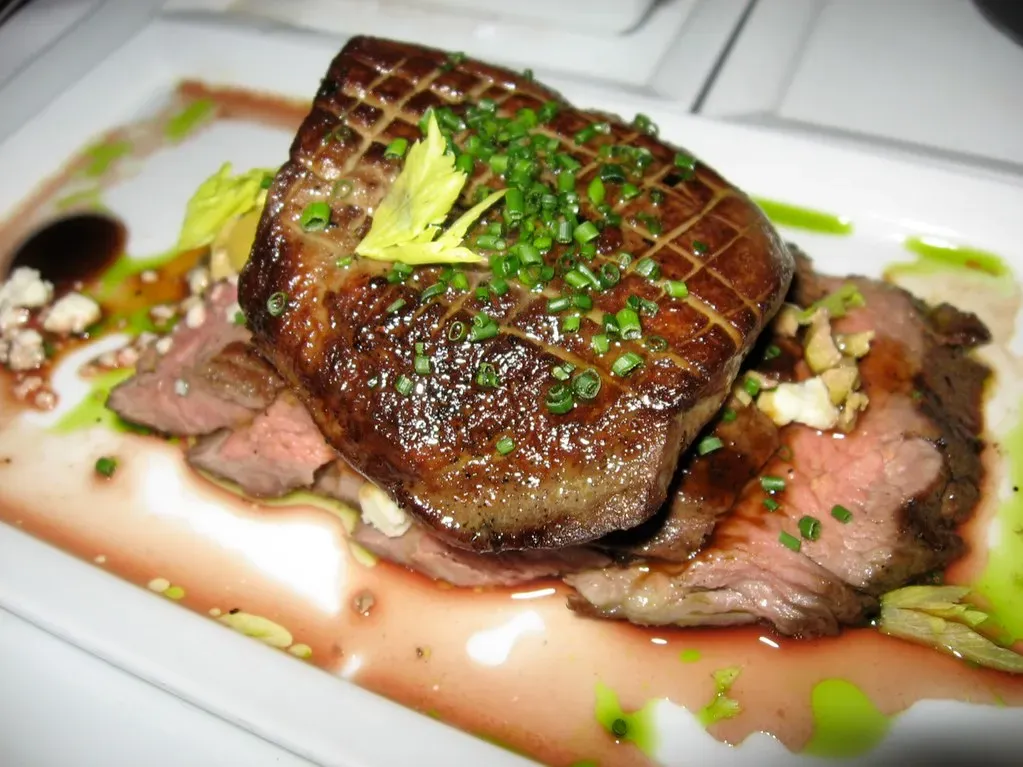
In the steak-naming lottery, “flap meat” definitely got a rough deal. There could hardly be a less appealing name for a more delicious steak, which is probably why there have been so many attempts to rename it. Flap meat comprises the bottom part of the sirloin and lays across the belly of the steer in the short loin section, looking like a slightly wider and thicker skirt steak. It has a wonderfully rich flavor and, when prepared correctly, a satisfying chew.
It is a lean cut with a long, thin shape and is known for having a rich, beefy flavor, similar to that of a flank steak. It’s often referred to as “the butcher’s cut” as it’s known to be reserved by butchers for their own enjoyment because it is comparably cheaper than other cuts, but is becoming increasingly known for its rich, deep flavors due to its high degree of very fine intramuscular fat.
A cow will only carry about 10 pounds of bavette on it, which is a fraction considering the animal could weigh up to 650 pounds on average. So when you spot it at a specialty butcher, grab it without hesitation.
9. Merlot Steak – The Hidden Heel Treasure
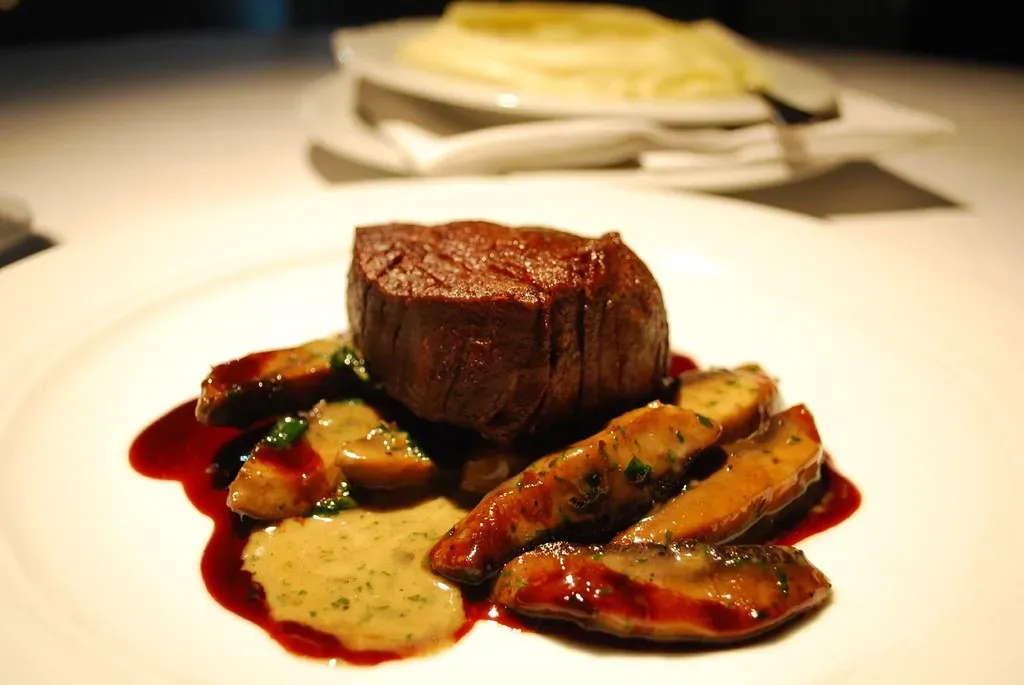
You can find the merlot steak right above the animal’s heel, inside a larger muscle group called the campanella. All together, the campanella makes a great slow roast or braise, but if you peel back the layers of sinew and silverskin you’ll find the merlot steak, which is beautifully tender when cooked quickly at high heat. Don’t cook it more than a couple of minutes on each side, however, or it will lose its flavor and tenderness – it’s best at rare or medium-rare.
The conventional wisdom has long been that the hind leg of a cow was only good for long, slow roasts or for turning into ground beef, because the muscles were too tough to eat as a steak. While it’s true that the back leg of any four-legged animal is going to be slightly tougher because of how hard it works, not all of the cuts in the leg must be ground or slowly braised. Two of the greatest exceptions to this rule are the merlot steak and the oyster steak.
Here’s the thing – this cut has such an elegant name that it almost sells itself. It’s just that almost nobody knows to ask for it. That’s the whole point.
10. Chuck Eye Steak – The Poor Man’s Ribeye
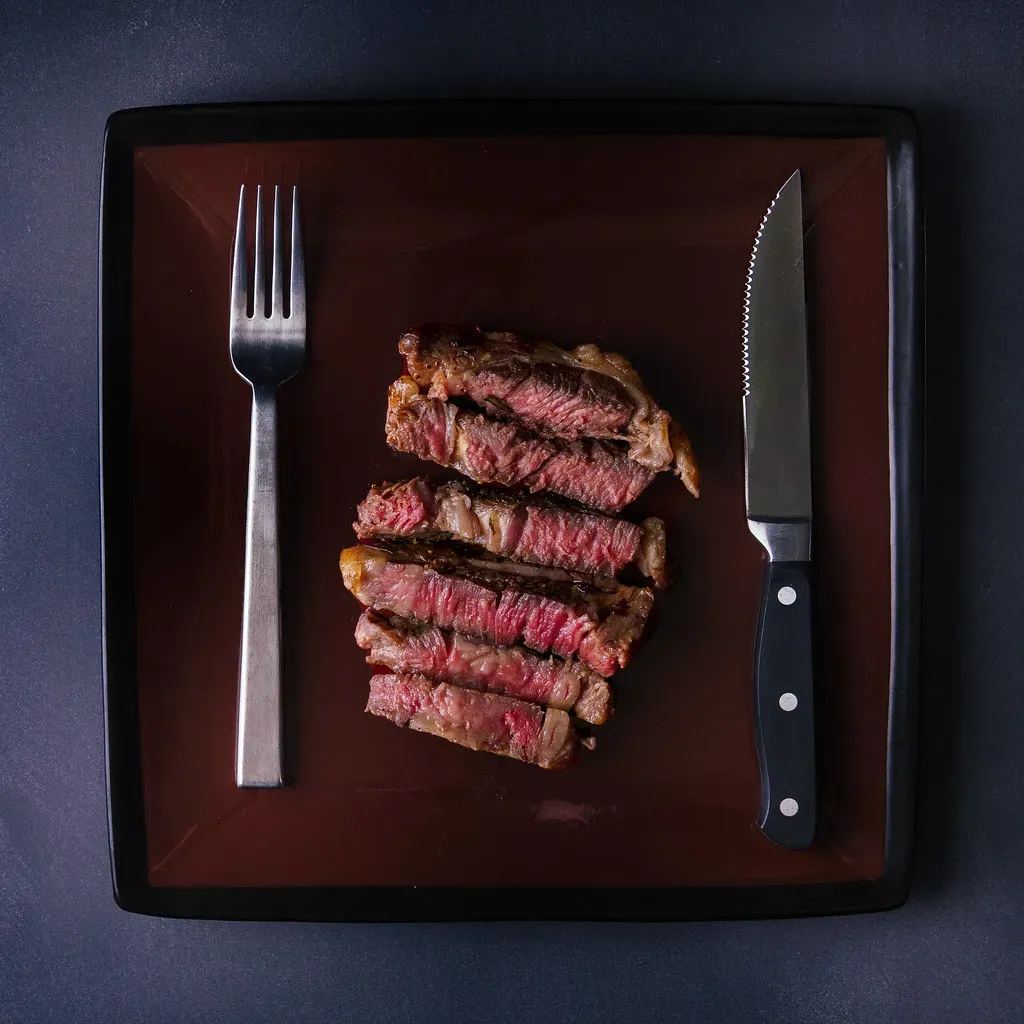
The chuck eye is known as the poor man’s ribeye due to its terrific marbling. The Delmonico is found between the end of the ribeye roast and the beginning of the chuck roast, basically a transition to the ribeye, and a much cheaper alternative. This positioning gives it similar characteristics to the beloved ribeye but at a fraction of the price.
The chuck eye steak, cut from the fifth rib section of the chuck, sits adjacent to the ribeye. Because it shares many of the same muscles, it delivers a similar flavor and tenderness profile but at a significantly lower price point. However, only two chuck eye steaks can be cut from each side of beef, making availability scarce. Many butchers prefer to leave it as part of roasts instead of selling it separately.
The chuck eye is known as the poor man’s ribeye, which isn’t necessarily a bad thing. As some butchers explain, the chuck eye is essentially “the beginning of the ribeye.” Think of it as a back-row seat at a concert where the sound is just as good and the ticket costs half the price.