America’s New Tornado Corridor: Unexpected Regions Now Seeing Twisters
Most Americans grew up knowing one simple rule: if you want to avoid tornadoes, stay away from Kansas and Oklahoma. That mental picture of a twister tearing across a flat, open prairie feels deeply familiar. Almost cinematic. The problem is, it’s no longer the full story.
The geography of tornado risk in the United States is shifting beneath our feet, and millions of people who never imagined themselves living in a tornado zone are now finding out they were wrong. What’s driving it, where it’s happening, and why it’s deadlier than ever before is a story that deserves far more attention. Let’s dive in.
The Old Map No Longer Works
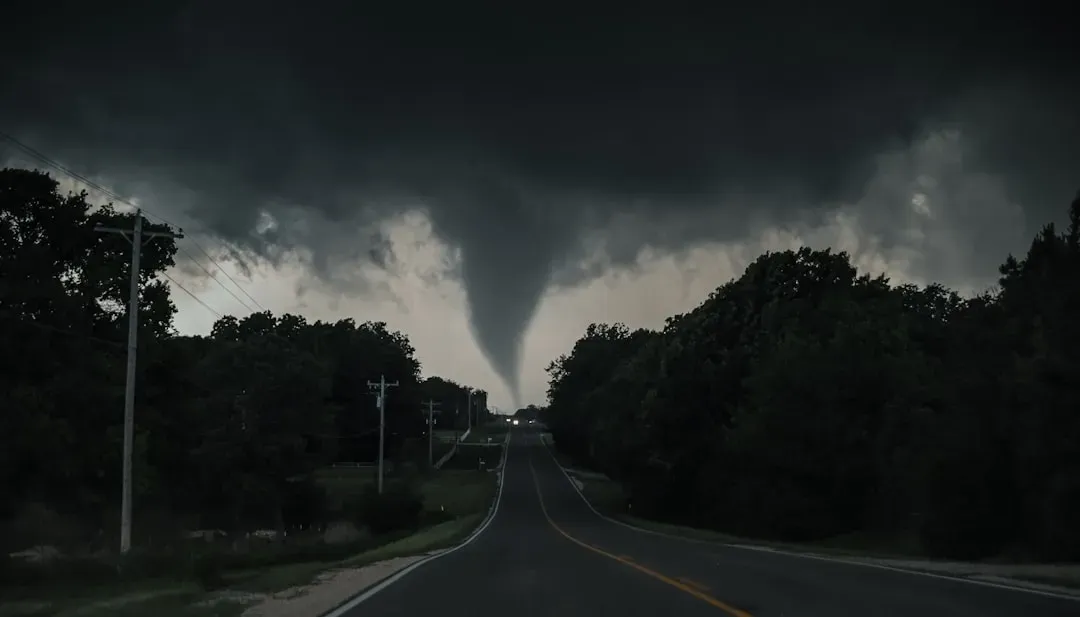
For decades, “Tornado Alley” was the go-to shorthand for tornado danger in the U.S. Historically, Tornado Alley referred to a broad region of the central United States, including northern Texas, Oklahoma, Kansas, Nebraska, and parts of South Dakota and Iowa. These states experienced the most frequent tornadoes due to ideal atmospheric conditions.
That picture is now outdated. The long association of twisters with America’s Great Plains states isn’t completely relevant anymore, as Tornado Alley has been shifting eastward for years. Researchers are not just speculating. Hard data backs this up.
According to a report published in the April 2024 issue of the Journal of Applied Meteorology and Climatology, since 1951 tornado activity has been shifting away from the Great Plains and toward the Midwestern and Southeast U.S. This is not a minor statistical blip. It represents a fundamental geographic reorientation of one of nature’s most violent forces.
2024: A Historic Wake-Up Call
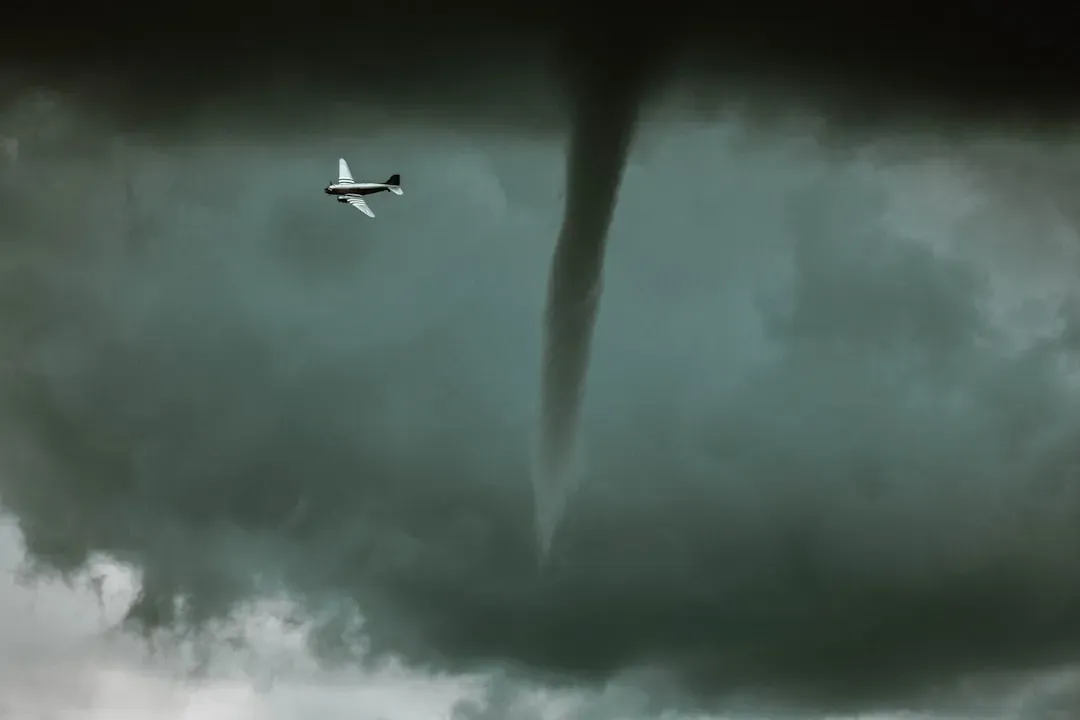
The numbers from 2024 were genuinely jaw-dropping. The severe weather that occurred in the U.S. in 2024 can be characterized as near historic and resulted in the second-highest number of tornadoes since record-keeping began in 1950, according to NOAA’s Storm Prediction Center. Currently, 1,796 tornadoes have been preliminarily confirmed across the U.S. in 2024, the second-most on record.
Take, for example, Ohio: Located hundreds of miles from Tornado Alley, Ohio recorded 71 tornadoes in 2024 alone, while the storm-prone center of traditional Tornado Alley, Oklahoma, averages only 69 per year. That comparison alone should stop you in your tracks.
In all, 2024 saw 185 tornadoes resulting from tropical cyclones, which historically ranks third highest behind 2004 and 2005. Hurricanes Beryl, Debby, Helene, and Milton all contributed tornado activity across the South and East, adding a new and alarming dimension to how tornadoes now reach unexpected places. The U.S. typically sees around 1,200 tornadoes annually, but 2024 recorded 1,910, more than 700 above the annual average and one of the most active tornado years on record.
2025: The East Takes the Hit
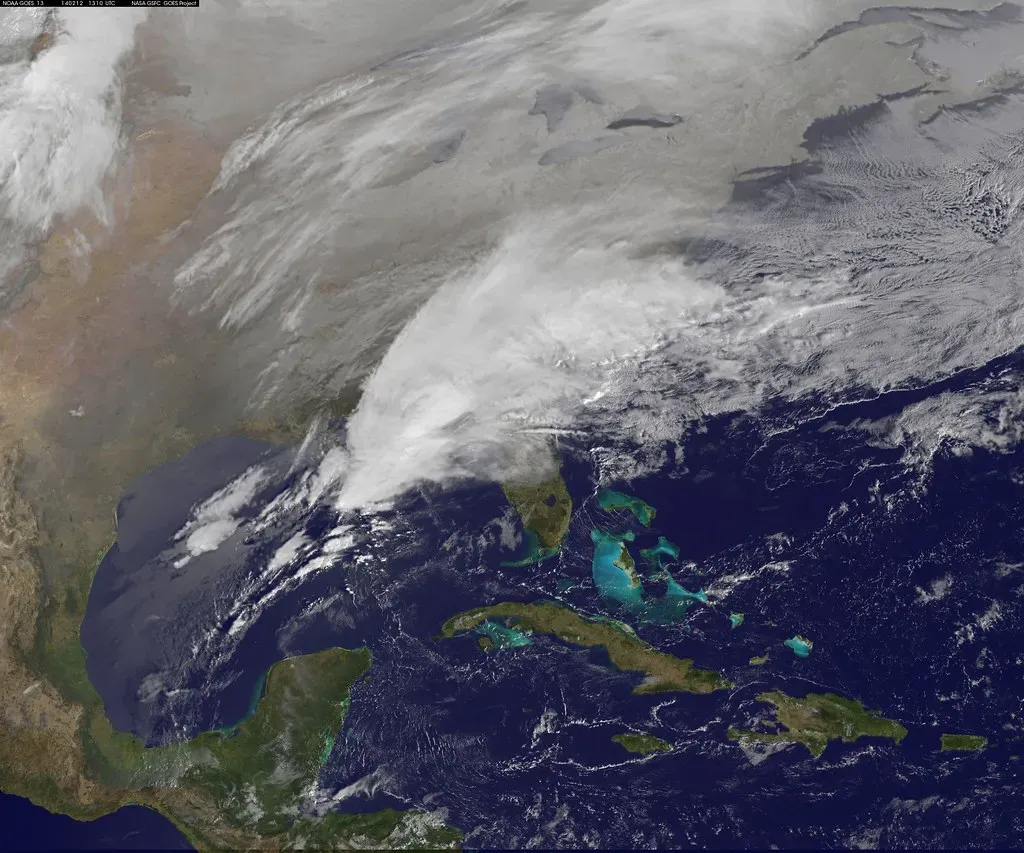
If 2024 was a wake-up call, then 2025 confirmed the new reality. After a surge in tornado activity across most of the eastern half of the country in 2024, the majority of tornadoes in 2025 unfolded in a narrow strip of land east of the Mississippi River. That is a striking detail that maps and meteorologists keep coming back to.
A map of tornadoes confirmed by the National Weather Service in 2025 shows most of the year’s tornadoes happened east of the Mississippi River, while the zone typically referred to as tornado alley, west of the Mississippi River, has seen far less tornado activity. The reversal is almost surreal.
The largest ever March tornado outbreak on record impacted much of the Midwest and Southeast from March 13 to 16, 2025, with over 118 confirmed tornadoes and up to 190 mph winds. A 117-mile EF4 tornado tracked through Arkansas and Missouri on March 14. These are not fringe events. They are record-breakers in regions that used to feel relatively safe.
Meet “Dixie Alley”: The New Center of Danger
Scientists and meteorologists have a name for the emerging threat zone: Dixie Alley. Dixie Alley includes much of the area of the lower Mississippi Valley, stretching from eastern Texas and Arkansas across Louisiana, Mississippi, Tennessee, Alabama, Georgia, and mid to western Kentucky to upstate South Carolina and western North Carolina.
In 2025, tornado activity was especially intense across the Southeast and Midwest, with the Southeast alone accounting for roughly a third of the U.S. total. The peak activity period in this region occurred from March 14 to 16, covering dominant states such as Mississippi, Alabama, Tennessee, Arkansas, and Louisiana.
Honestly, this region may actually be more dangerous than the classic Tornado Alley, and here is why. Although tornadoes are less frequent in these states than they are in the southern Plains, the southeastern states have had more tornado-related deaths than any of the Plains states, excluding Texas. This is partly due to the relatively high numbers of strong to violent, long-tracked tornadoes. Dr. Harold Brooks, a senior scientist at NOAA, found an increase in the number of days with tornadoes of about 10% over the last 40 years in the Memphis and surrounding area, with a decrease over west Texas, the Texas Panhandle, and western Kansas of a similar magnitude.
Why Is the Corridor Moving East?
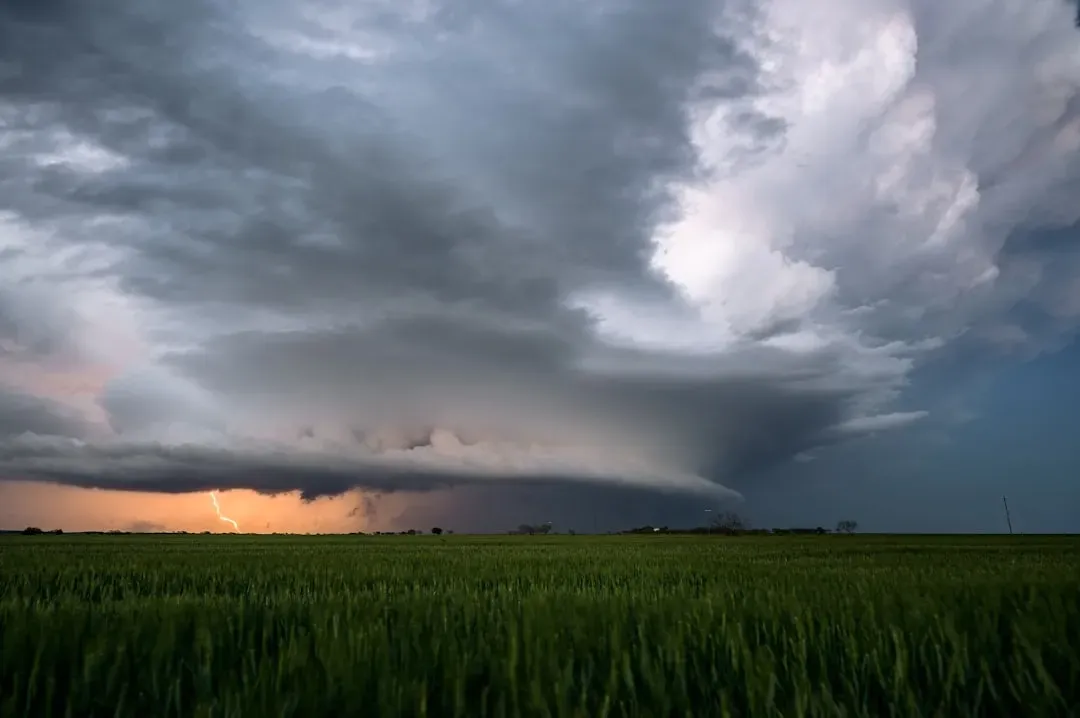
Let’s be real. This shift does not happen by accident. Climate patterns, moisture dynamics, and atmospheric behavior are all changing in ways that push tornado-favorable conditions steadily eastward. Climate patterns are evolving. Warmer air holds more moisture, and the Gulf of Mexico continues to supply humid air farther inland, increasing instability in eastern states.
Warming Gulf of Mexico waters pump extra moisture into the atmosphere. Meteorologists link this to volatile severe weather setups. It is creating ripe conditions farther east. Think of it like adding fuel to a fire that used to burn somewhere else. The fire is the same, but the location has moved.
The study shows that not only have tornado trends shifted geographically, but also seasonally. There has been a decrease in tornadoes in the spring months, traditionally the peak of tornado season in the plains, and an increase in tornadoes in winter, when conditions favor the southeast. Over the past few decades, the U.S. has seen a broad shift in tornadoes in three ways: to the east, earlier in the year, and clustered into larger outbreaks. Winter tornadoes have become more frequent over the eastern U.S., from the Southeast to the Midwest, particularly Kentucky, Illinois, and Indiana.
The Nighttime Threat Nobody Talks About Enough
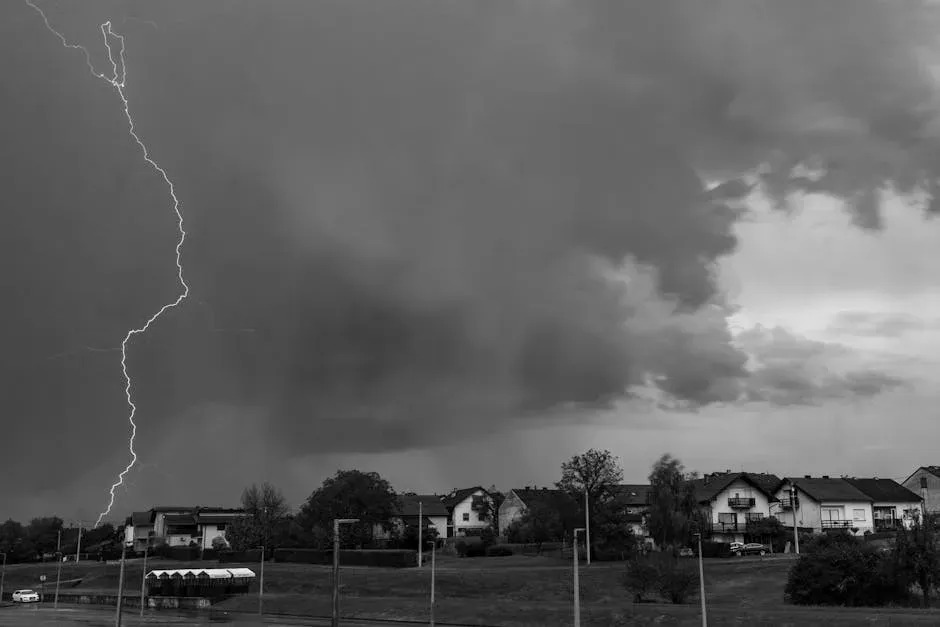
Here is the thing that genuinely frightens meteorologists. Tornadoes in the new risk zones do not just show up during the afternoon when people are watching the sky. They arrive in the dark. Because significant tornadoes in Dixie Alley tend to occur earlier in the year, when there are fewer daylight hours, they are more likely to occur at night. Faster wind currents during these cooler months also result in faster-moving tornadoes.
Tornadoes in the Southeastern U.S. are more likely to strike overnight, when people are asleep and cannot quickly protect themselves, which makes these events dramatically more dangerous. The tornado that hit London, Kentucky, struck after 11 p.m. Many of the victims were over age 65.
Aside from intensity, tornadoes in this region are often difficult to see, as they are more likely to be rain-wrapped, embedded in shafts of heavy rain, and are often obscured from view by the hilly topography and heavily forested landscape. In addition, Arkansas, Tennessee, Mississippi, and Alabama all have a majority of their tornado deaths occurring at night. Tennessee’s nighttime tornado death rate is over 73%, which leads the nation. That figure is staggering.
Vulnerable Homes, Vulnerable Lives
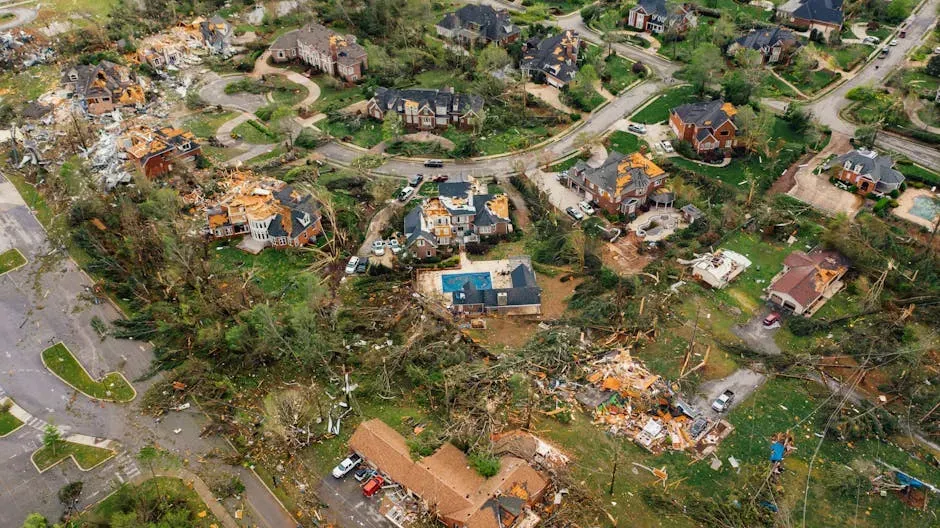
The geography of danger intersects with something deeply human: the types of homes people live in. Southeastern U.S. mobile and manufactured housing residents are the most tornado-vulnerable subset of the population because of both physical and socioeconomic factors. This is not a minor edge case. It affects enormous numbers of people.
On average, roughly three quarters of all tornado-related fatalities occur in homes, and more than half of those fatalities are in mobile homes. When you are in a mobile home, you are 15 to 20 times more likely to be killed compared to when you are in a permanent home.
Tornado impact potential on mobile homes is 4.5 times greater in Alabama than in Kansas because Alabama, in comparison to Kansas, is represented by a greater number of mobile homes and a more sprawling mobile home distribution. Many of the places where tornadoes are now occurring have much larger population densities and include infrastructure that is not durable enough to withstand tornadoes, such as mobile homes. The result is a region where the storms are growing in frequency and the populations are among the least protected.
What would you have done if your town was never on any tornado map, and a twister arrived at 2 a.m.? That question is no longer hypothetical for millions of Americans living east of the Mississippi. The corridor has moved, and knowing that may be the most important weather fact of our time.