7 School Lunch Classics From the 1970s That Likely Wouldn’t Pass Today
There’s a strange kind of nostalgia that hits when you think about school lunch in the 1970s. The smell of the cafeteria. The clatter of trays. That specific shade of orange on the macaroni. For millions of American kids, those meals were a daily ritual, almost comforting in their predictability.
But here’s the thing: what landed on those trays back then would send today’s school nutrition officials into a full-blown panic. The gap between 1970s cafeteria food and what federal regulations now require is, honestly, staggering. Let’s dive in.
1. Hamburgers and Cheeseburgers Loaded With Trans Fats
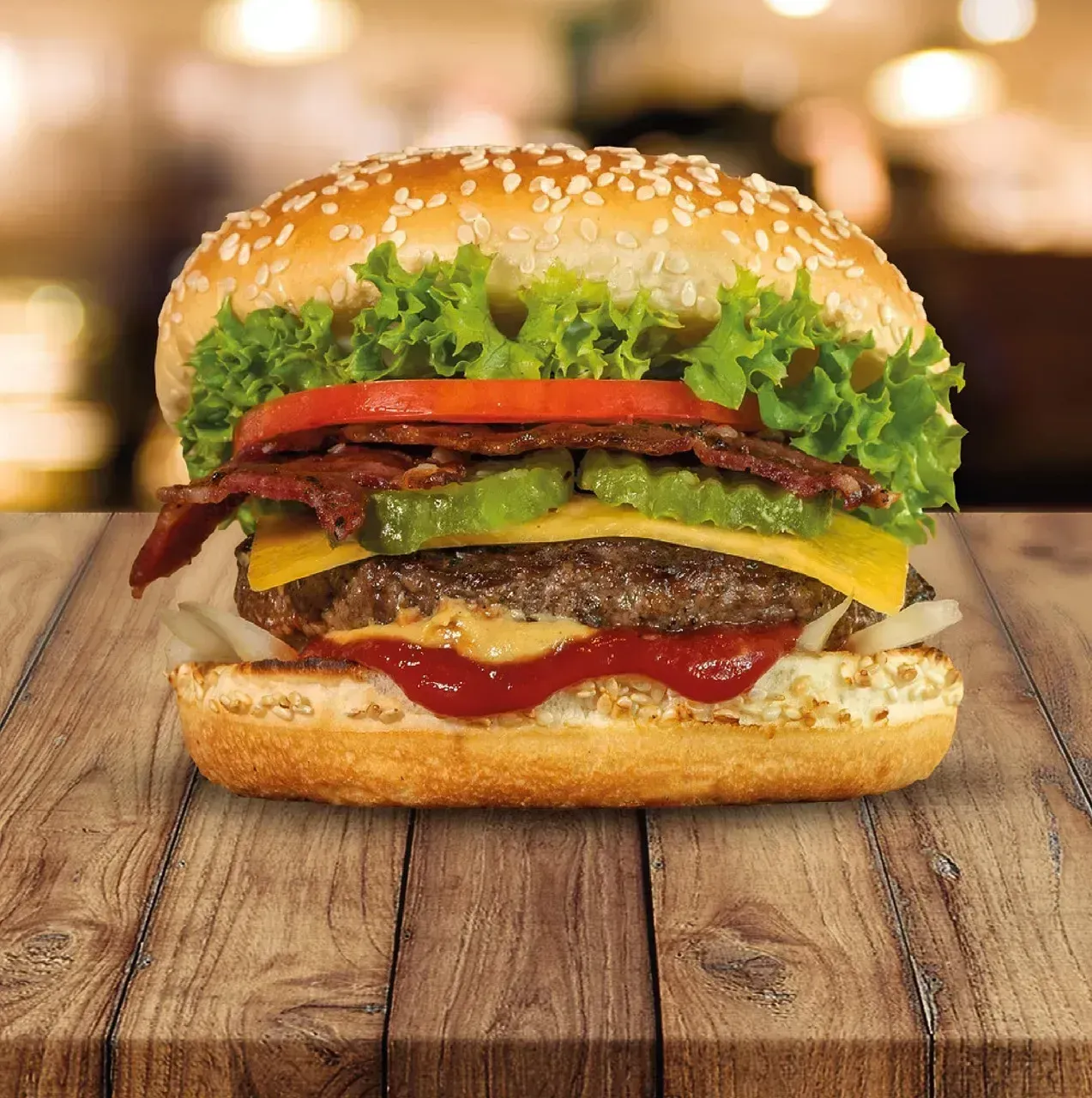
The 1970s marked the moment when fast food truly invaded the school cafeteria, with major chains like McDonald’s and Burger King beginning to sell their products in schools. What seemed like an exciting upgrade at the time was, nutritionally, anything but. Those burgers were fried in partially hydrogenated oils packed with artificial trans fats, which we now know are directly linked to cardiovascular disease.
Impressed by the efficiency and popularity of fast food chains, schools put hamburgers, French fries, and other greasy fare on their menus. A 1974 lunch menu from the Houston school district, for example, included chiliburgers, hamburgers, oven-fried chicken, buttered corn, and fruit gelatin. That menu reads less like a school lunch and more like a fast food combo deal. Today, schools must completely avoid artificial trans fats, meaning those classic greasy burger recipes are simply off the table.
2. Deep-Fried Potato Products in Trans Fat Oils

French fries, tater tots, and hash browns ruled the seventies cafeteria scene. Schools put hamburgers, French fries, and other greasy fare on menus after being impressed by fast food chains like Kentucky Fried Chicken and McDonald’s. It wasn’t just that these options were popular. They were cooked in the same trans-fat-laden oils used in commercial deep fryers, which nobody at the time knew was a slow-burning health crisis waiting to happen.
Tater tots were once served regularly as the primary vegetable side in school lunches. Crispy, golden, and kid-friendly, they were deep-fried and offered mostly carbs, fat, and sodium with little real nutritional benefit. At the time, they were considered an acceptable vegetable substitute, but modern guidelines require nutrient-rich sides such as beans, leafy greens, or carrots. Think about that for a moment. A deep-fried potato puff counted as a vegetable. It’s hard not to laugh, and also cringe a little.
3. Rectangular Pizza With Processed Cheese
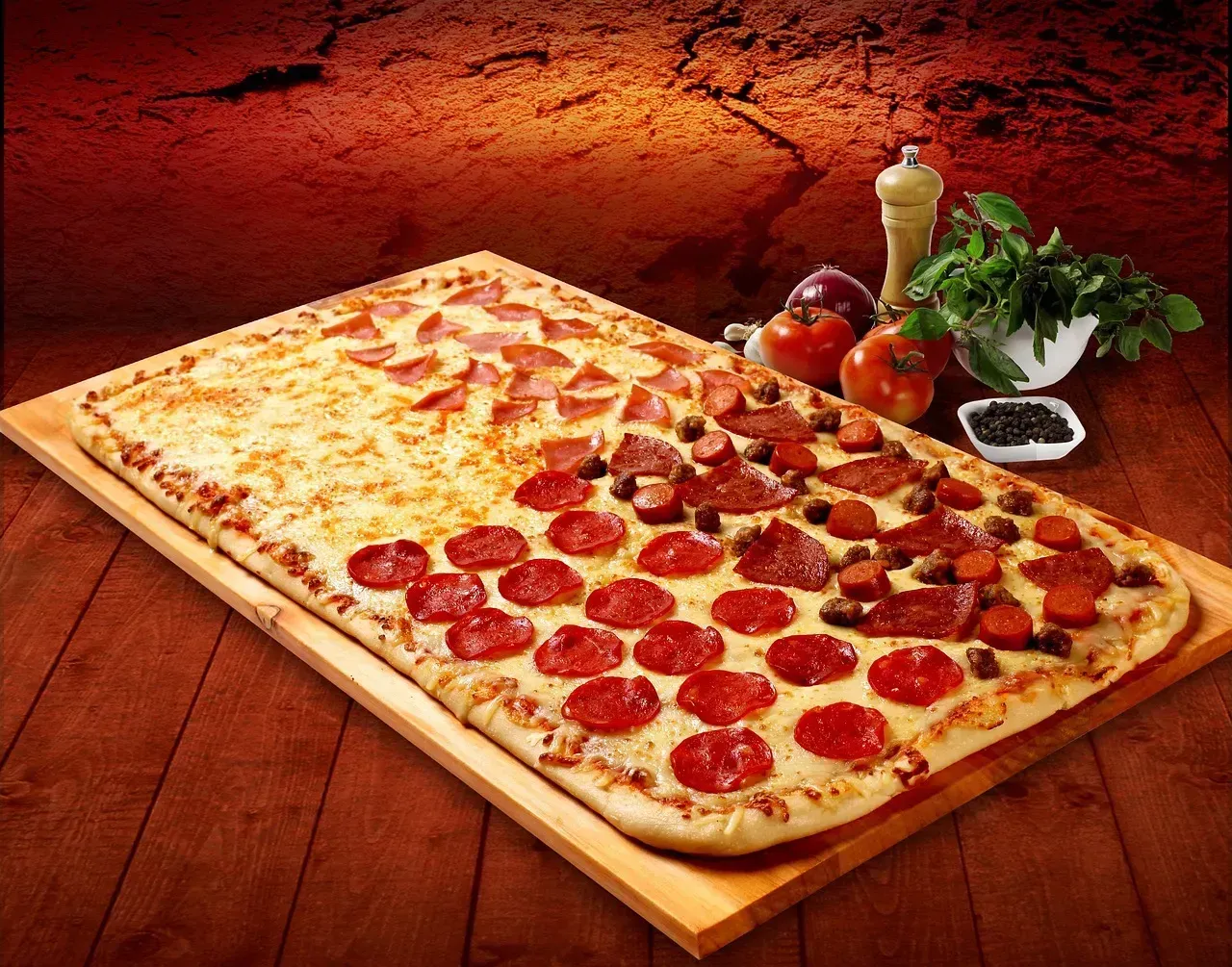
That iconic rectangular pizza became a cafeteria legend during the late 1970s and early 1980s. Processed food creations took hold of cafeterias, with rectangular pizza becoming a consistent menu item alongside chicken nuggets and cheeseburgers. The “cheese” on those pizzas wasn’t real cheese at all but a processed cheese product loaded with sodium, artificial ingredients, and often made with trans-fat-containing oils. Honestly, calling it cheese was generous. It was more of a cheese-flavored substance poured over a spongy dough slab.
Today’s USDA requirements call for whole-grain crusts, reduced-fat cheese, and stricter limits on processed meats. The vintage pizza squares that defined many lunch periods would not meet current standards and would be banned from cafeterias today. The nostalgia is real, no doubt. The nutrition, though? Not so much. The 1970s witnessed a rise in processed foods high in sugar and low in nutritional value, and pizza day was practically a symbol of that entire era.
4. Whole-Fat Chocolate Milk in Sugary Cartons
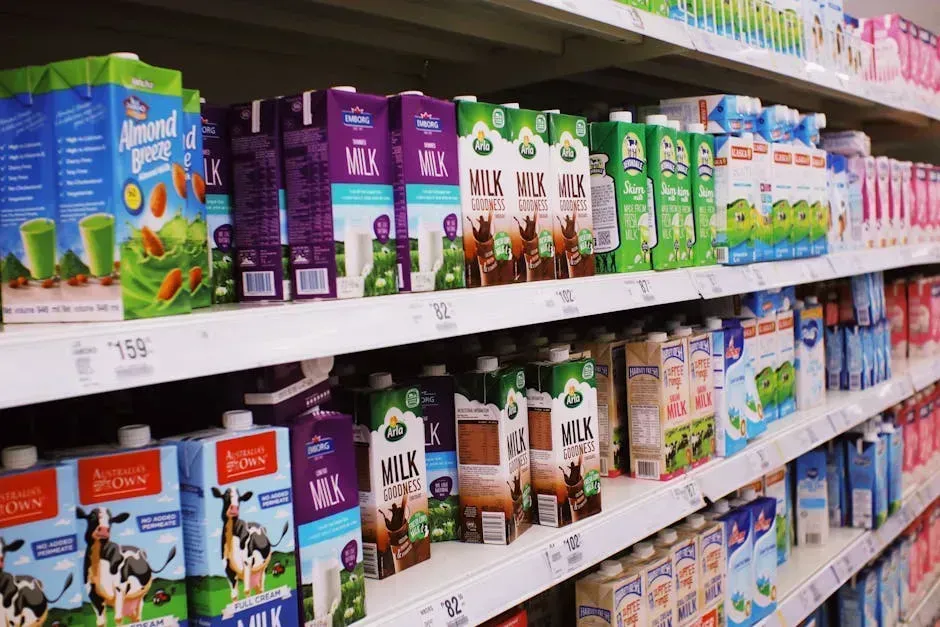
Chocolate milk was everywhere in seventies school cafeterias, served in cute little cartons that kids grabbed eagerly. Nobody was counting sugar grams back then. It was milk, it had calcium, and that was good enough. The problem, of course, was that those chocolate milk cartons were loaded with added sugar well beyond what any modern nutritionist would tolerate for a child’s daily meal.
By fall 2025, flavored milk cannot contain more than 10 grams of added sugar per 8 fluid ounces, a regulation that would have eliminated most seventies chocolate milk options. The milk provided calcium and vitamin D, but it also delivered a sugar rush that modern nutritionists find unacceptable. More than 90 percent of the school milk market has committed to meeting these new added sugar limits. Meanwhile, since 2012, whole and reduced-fat (2 percent) milk have not been permitted in school meals, consistent with recommendations to limit saturated fat consumption. The old full-fat carton that generations of kids drank without a second thought is now a regulatory non-starter.
5. Sloppy Joes on White Buns
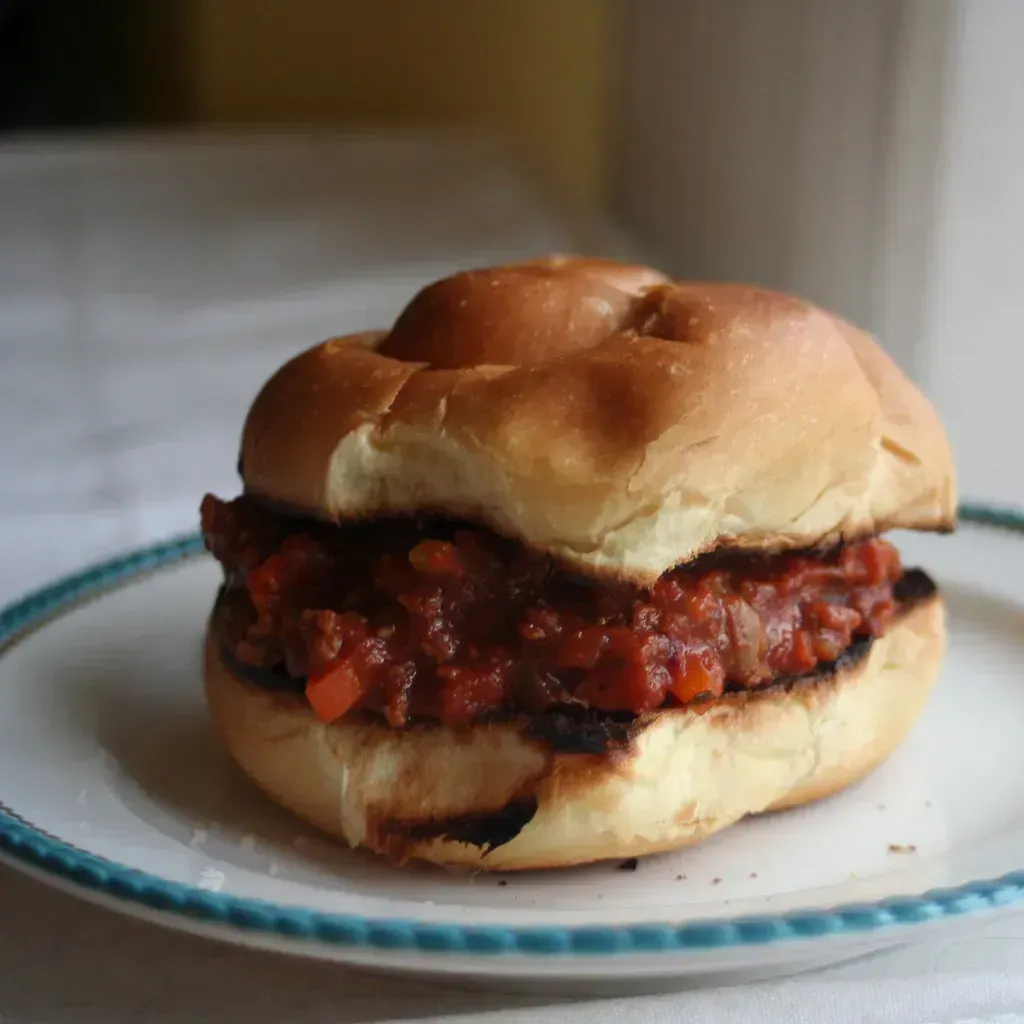
Ground beef swimming in a sweet tomato sauce and spooned onto squishy, soggy buns, this messily addictive affordable sandwich left cafeteria trays stained for life. The dish remained a school lunch fixture through the 1960s and 1970s. Canned sauces like Manwich, introduced in 1969, streamlined mass preparation and cemented its cafeteria presence. Every kid who grew up in that era remembers Sloppy Joe day. It was chaotic, it was delicious, and it was absolutely swimming in sodium and saturated fat.
Despite their popularity, Sloppy Joes were phased out due to concerns over nutritional content. The high sodium and fat content made them a target for healthier school meal reforms, marking the end of this cherished dish in school cafeterias. These sandwiches were high in sodium, added sugar, and saturated fat, with almost no fiber or vegetables. Current school guidelines call for leaner proteins, whole-grain bread, and reduced sugar in sauces. The Sloppy Joe, much like its name implies, simply doesn’t fit into the tidy new world of school nutrition standards.
6. Fried Fish Sticks With Greasy Breading
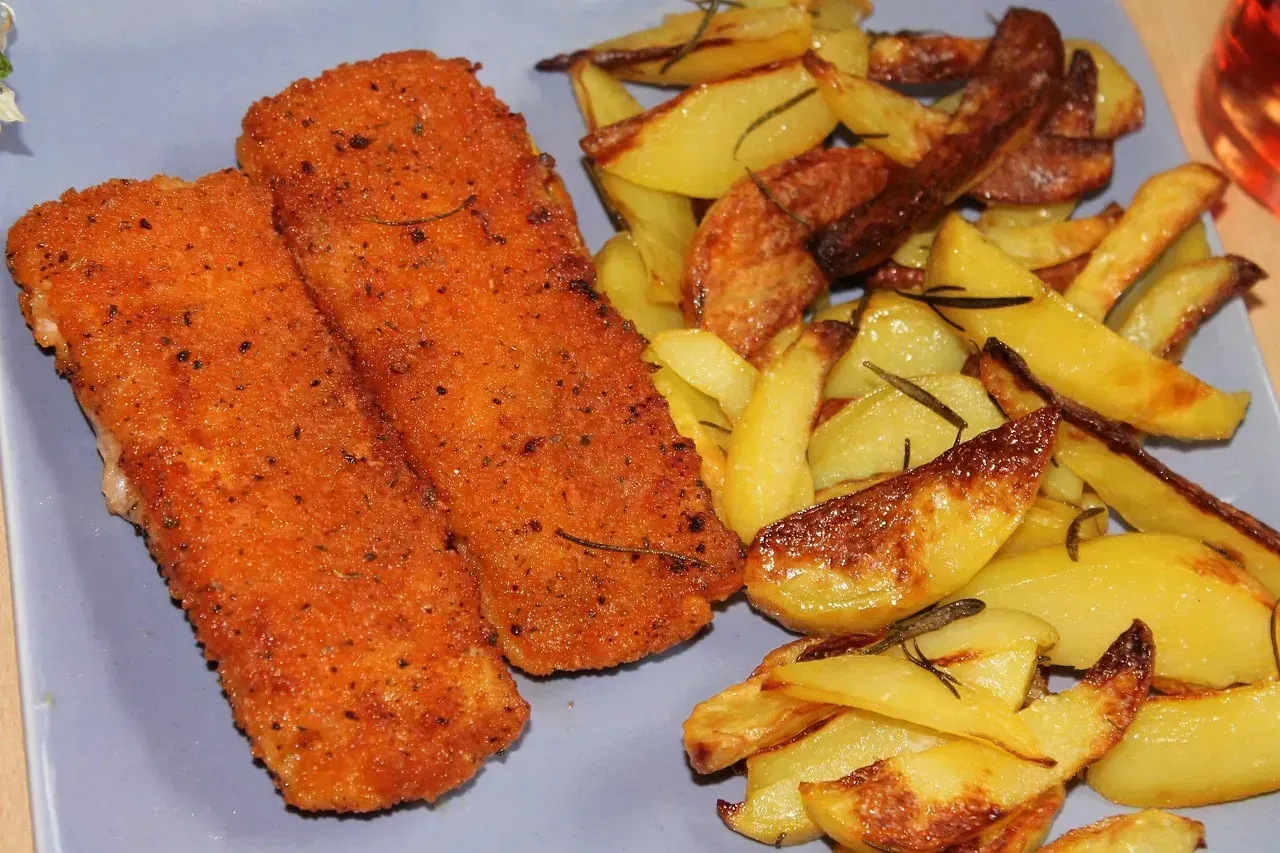
Kids in the 1970s could rely on traditional cafeteria favorites like fish sticks with tartar sauce. Friday fish stick day was practically a cultural institution. The idea was sound enough: get kids to eat seafood. The execution, however, left a lot to be desired from a health perspective. Marketed as a way to get children to eat seafood, fish sticks were heavily processed, breaded, and fried. Many early versions contained low-quality fish mixed with fillers, resulting in food that was high in fat and sodium but low in nutritional value.
The high levels of sodium and artificial ingredients did not align with healthier eating standards. Today, schools are more likely to serve fresh, less processed options, leaving fish sticks as a tasty memory from the past. It’s a bit like comparing a real lemon to a lemon-scented cleaning spray. Both are technically “lemon,” but one of them belongs in a school cafeteria and the other definitely does not. Modern school programs emphasize whole proteins, healthier cooking methods like baking, and reduced sodium. The old fish sticks with mystery fillers and greasy breading would not meet today’s stricter requirements for balanced school meals.
7. Fruit Gelatin Desserts Packed With Artificial Dyes and Sugar

Fruit gelatin was among the lunch options available to students in Houston’s school system in 1974, and it was far from an isolated case. Jiggly, brightly colored Jell-O cubes turned up on trays from coast to coast as a supposed “fruit” component of the meal. It was cheerful. It was colorful. It was, nutritionally speaking, basically just flavored sugar water that had been convinced to hold a shape.
These artificially colored desserts contained astronomical amounts of added sugar, often exceeding what an entire day’s worth of meals should provide. Starting in 2025, new nationwide limits restrict added sugars in school meals, with breakfast cereals capped at 6 grams per ounce and a weekly limit requiring added sugars to make up less than 10 percent of total calories by 2027. Traditional high-sugar products such as Jell-O are being phased out of reimbursable school meals due to the USDA’s new nutrition standards. While initial limits target cereals, yogurt, and flavored milk, the full impact is expected to arrive in 2027, when added sugars must comprise less than 10 percent of total weekly calories. Those wobbly little cubes, so beloved by kids, didn’t stand a chance against modern nutrition science.
A Different Era, A Different Tray

Looking back at 1970s school lunches, it’s tempting to be shocked. Health experts once concerned by a lack of caloric intake now fret over rising obesity statistics. During the 1970s and 1980s, the federal government relaxed regulations on the amount of sugar, salt, and fat found in lunch offerings. That relaxed regulatory environment, combined with the rise of fast food culture and the push for cheap, convenient mass feeding, created a perfect storm of nutritionally questionable meals.
In April 2024, the U.S. Department of Agriculture released long-term federal nutrition standards for school meals, updating rules established following passage of the Healthy, Hunger-Free Kids Act of 2010. New mandates include sugar limits and further sodium reductions to be phased in beginning in 2025. The distance between then and now is enormous. Schools back then were required to serve only a daily meal consisting of one-half pint of milk, two ounces of meat or protein equivalent, three-fourths of a cup of fruits or vegetables, and one slice of enriched or whole-grain bread. Cafeteria meals were often high in fat, and the standards were minimal at best.
It’s worth remembering that the people who made those lunches weren’t villains. They were working with the knowledge, the budgets, and the expectations of their time. The rectangular pizza, the greasy fries, the wobbly Jell-O, they were all someone’s favorite. What do you think: would you trade today’s nutrition rules for one last tray of 1970s school lunch? Tell us in the comments.