Why Former Restaurant Staff Say You Should Always Check the Menu First
Anyone who has worked in a restaurant will tell you that the dining experience doesn’t begin the moment you sit down at the table. It begins long before that – when you take the time to look at what a place actually offers. Former servers, hosts, and kitchen staff share a piece of advice that most diners overlook entirely: checking the menu before you arrive changes everything. It shapes your expectations, your choices, your budget, and your safety. The data increasingly backs them up.
Prices Are Changing More Often Than You Think
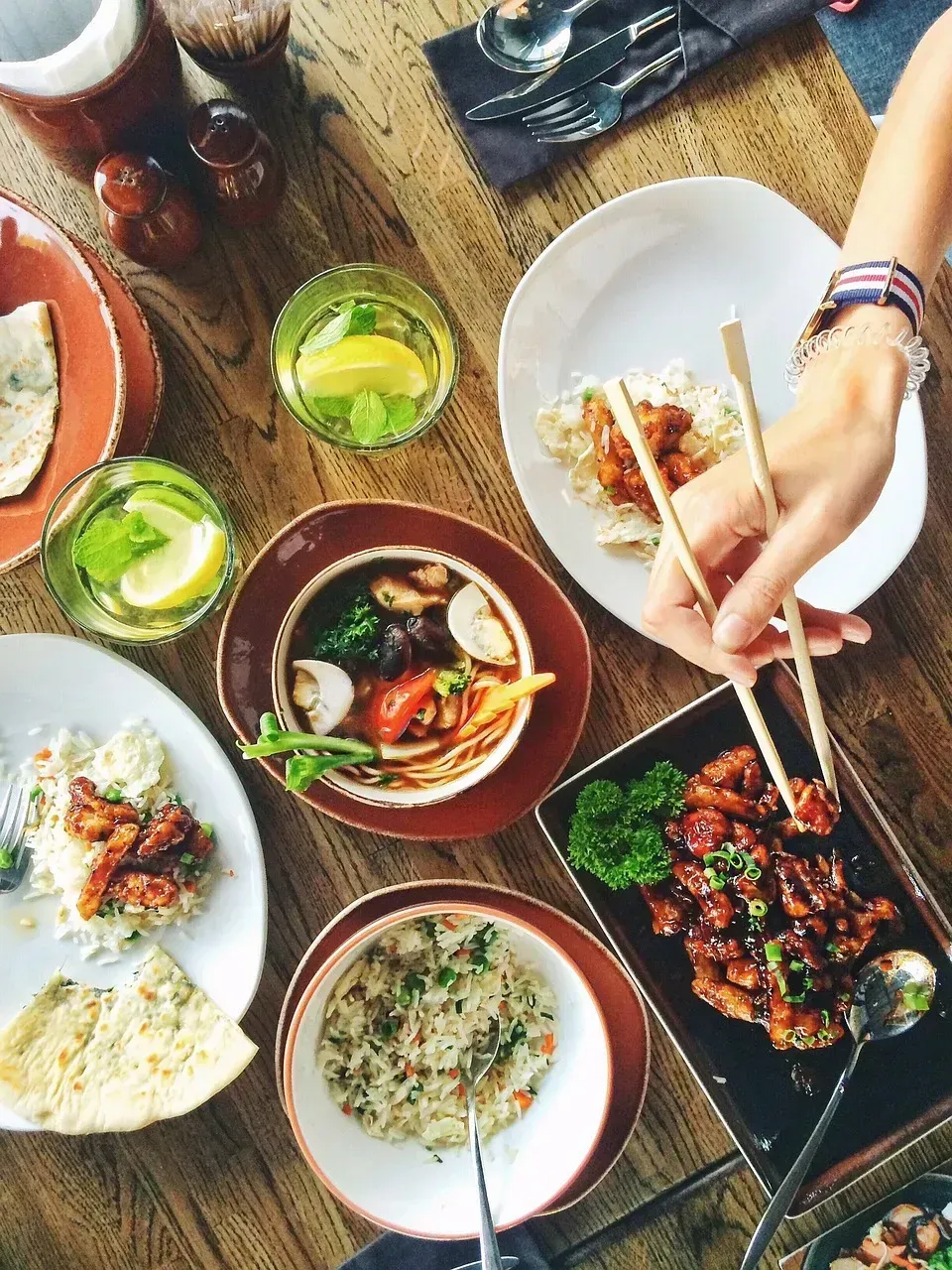
Average menu prices increased 31% between February 2020 and April 2025, according to data from the Bureau of Labor Statistics, which is on par with the increase needed to maintain the average 5% profit margin. That number catches a lot of diners off guard. Walking into a restaurant without checking the current menu means you’re operating on outdated assumptions about what something costs. With ingredients getting more expensive and labor demands growing, many restaurants are adjusting pricing more frequently just to stay afloat – some independents revise prices quarterly, while others dealing with rapid cost changes in meat, eggs, or dairy make monthly updates.
In 2024, while restaurant price hikes were more moderate than in recent years, they still contributed to higher costs for diners. According to the National Restaurant Association, full-service restaurant menu prices, which had surged by as much as 9.0% year-over-year during 2022, rose by a more modest 3.6% by December 2024. Looking ahead, in 2026, overall food prices are predicted to rise 3.1%, with food-away-from-home prices predicted to rise 3.7%, faster than their 20-year historical average rate. Checking the menu first means you won’t be blindsided at the bill.
Menus Are Shrinking – and Changing What You Can Order
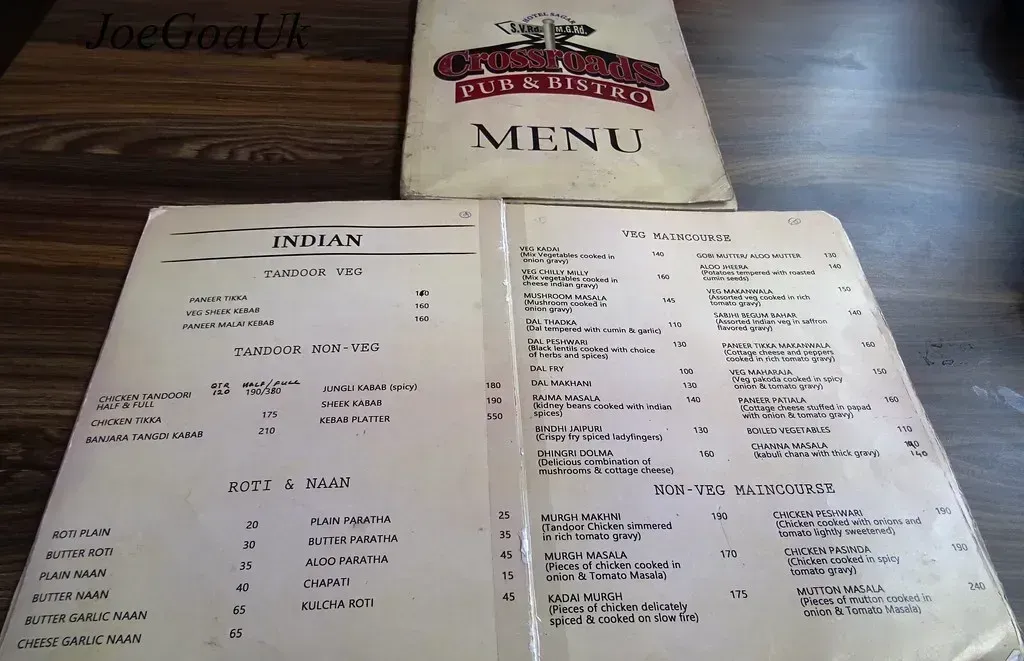
Nearly a quarter of full-service restaurants said they planned to shrink their menus in 2024. At the same time, 86% of customers said they prefer menus with many options, suggesting that restaurants may need to be careful when cutting down their menus to avoid alienating customers. Former staff know this tension well. When kitchens trim their offerings, the dish you’ve been planning on for weeks might simply not be there anymore. Roughly a third of restaurant operators streamlined menu offerings in 2025.
Menu changes also reflect ongoing supply chain difficulties, with 95% of restaurants reporting delivery delays or ingredient shortages. Many kitchens now adapt their offerings, choosing different meat cuts or adjusting portion sizes to stay profitable. This matters to you as a diner. Lightspeed’s 2024 State of Hospitality report found that roughly four in ten diners have noticed “shrinkflation” and many are not happy about it. Checking the menu beforehand keeps you informed and manages your expectations in a real way.
It’s a Non-Negotiable If You Have Food Allergies
Nearly twenty percent of consumers self-identify as suffering from a food allergy or sensitivity, and over 30 million people in the United States have medically proven food allergies. Food allergies cause over 200,000 emergency room visits annually in the United States alone, and among these severe allergen-related food incidents, nearly three-quarters arise at restaurants. Those figures are stark. For anyone with a dietary restriction, checking the menu is not optional – it is a safety step. Research found that 70% of customers and 48% of parents with food allergies experienced reactions at restaurants.
Research has found that, after one’s home, dining out at a restaurant is the second most common location for food allergies to occur. The good news is that technology is helping. More than 1 million customers have turned to the menu platform EveryBite since it launched in April 2024, and the company has put its technology and data to use in more than 50 restaurant chains and about 4,000 locations in the United States. Still, experts always recommend that guests ask the server to confirm their chosen meal meets their unique allergen requirements, and a pop-up disclaimer on each restaurant’s SmartMenu page reminds customers to inform staff about allergies and to ask about menu choices and protocols.
Understanding the Menu Helps You Order Smarter
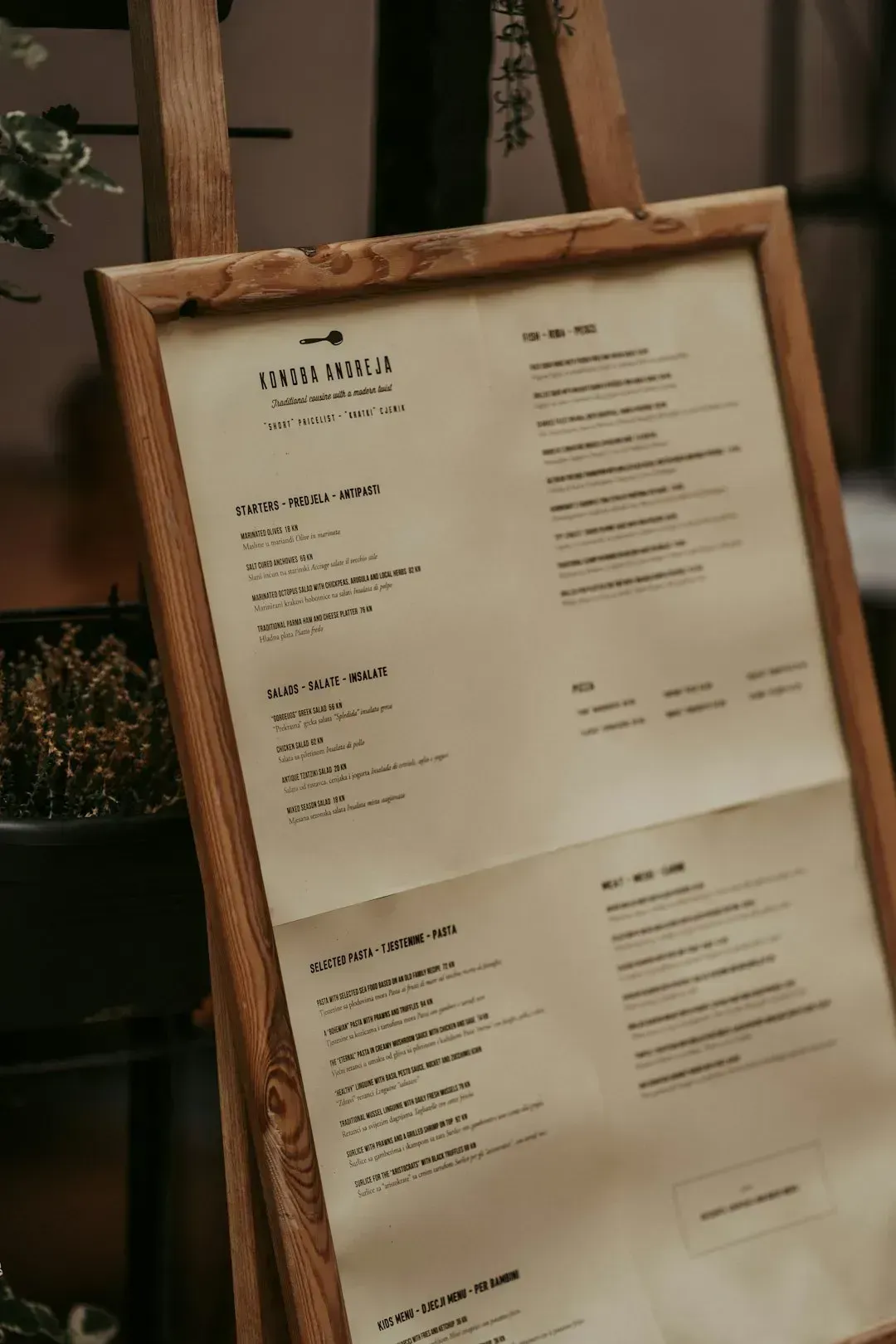
People who get lost in a giant menu can end up ordering dishes that don’t reflect what the kitchen does best. Menus often cast a wide net in an attempt to offer something for everyone, but that doesn’t mean they do all dishes well. Former restaurant workers know which sections of a menu are the real specialty and which dishes are there simply to fill space. Reading the menu ahead of time gives you the chance to research what a restaurant is actually known for. According to the National Restaurant Association, 81% of customers said they’d likely order locally sourced options if available, and 77% said they want to order daily specials that aren’t on the regular menu.
Reading the menu carefully is basic courtesy to yourself and the kitchen. It’s unfair to be angry that a dish came with a particular ingredient if the menu clearly notes it in the description. When you’ve had a chance to look things over in advance, you’re not rushed, you’re not confused, and you can ask the right questions before you’re sitting across from a busy server. Half of consumers say food quality is one of their top three priorities when dining at full-service restaurants – and knowing the menu is the first step toward actually getting that quality experience.
Value-Consciousness Is Driving Menu Research More Than Ever
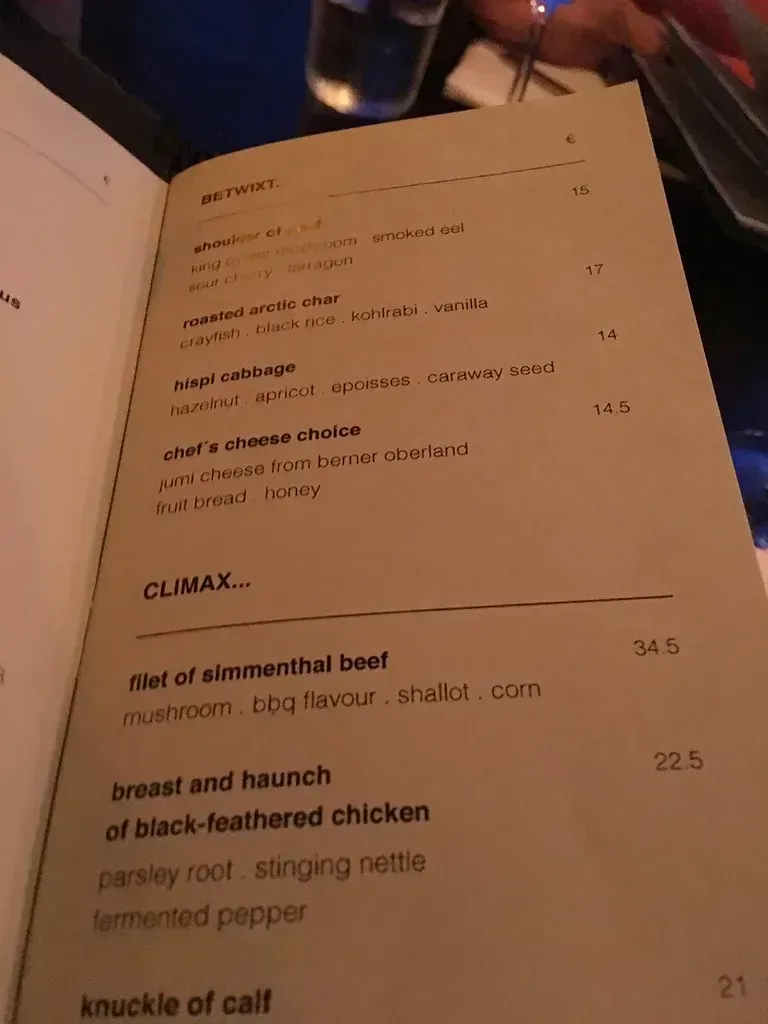
Ninety-five percent of restaurant operators say consumers are more value-conscious than before. That shift is no accident. More and more people are cutting back on dining out, with roughly 55% of U.S. adults in Q3 of 2024 reporting they’re spending less on eating out, up from 52% earlier in the year. In this environment, checking the menu before going out is a practical financial strategy, not just a preference. A poll by Vericast shows that 67% of respondents consider dining out at a restaurant too expensive, and 68% are switching to home-cooked meals to avoid rising costs.
Despite the financial pressure, 81% of respondents say they still dine out at least once a month, but consumers are increasingly focused on value and convenience: roughly four in ten are searching for deals with coupons, and more than a third are opting for value meals or happy hour specials. Looking at the menu ahead of time lets you plan around deals, happy hour windows, and lower-cost options before you’re already seated and tempted by pricier choices. Nearly half of operators plan to add new discounts, deals, or value promotions in 2025, and more than four in five full-service diners say they would use discounts for dining on less busy days of the week. You can only take advantage of those offers if you know they exist.
Checking Online Menus Has Become the New Normal
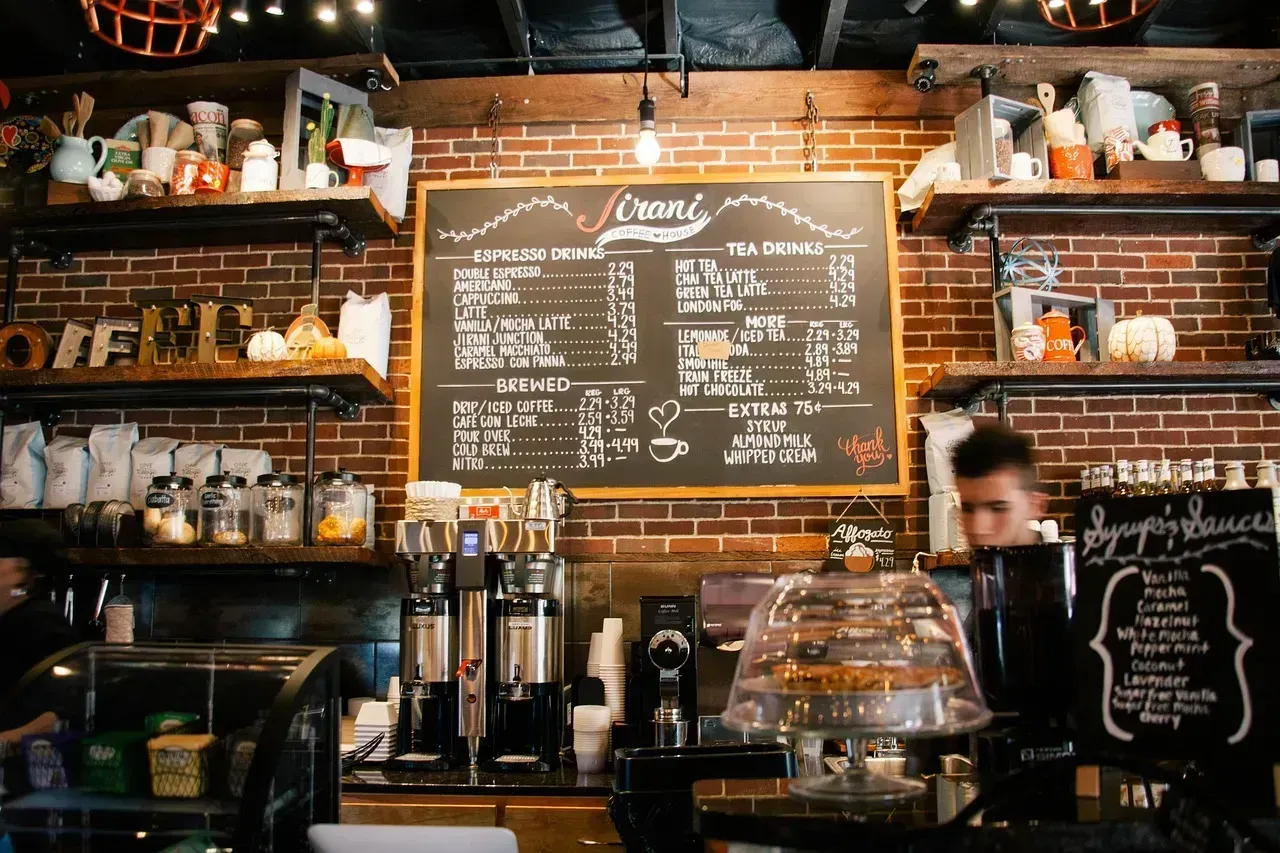
Three-quarters of diners appreciate digital or QR code menus, and 70% of U.S. consumers prefer digital online ordering for off-premise dining, with 79% having a restaurant app and nearly half following a restaurant or food brand on social media. That infrastructure is already there – most restaurants now post their menus online, making it easier than ever to check before you leave the house. QR codes have skyrocketed over the years, and many in the restaurant industry believe digital menus will be permanent.
In 2024, 55% of customers prefer dining at restaurants over ordering takeout or delivery, versus 43% in 2023, and diners are spending more – with the average monthly spend rising to $191 in 2024 compared to $166 in 2023. With that much more money going to restaurants, the case for doing a little homework before you go is stronger than ever. When a restaurant changes a menu or a recipe, digital platforms can update it instantly to the guest-facing display – creating what one platform co-founder describes as “a living, breathing, interactive menu, customized to each unique dietary requirement.” The tools to be an informed diner have never been more accessible.