The 6 Most Overpriced Items in the Typical Grocery Cart
Every week, millions of Americans wheel a cart through the grocery store and leave paying far more than they probably should. According to the latest data from the U.S. Bureau of Labor Statistics, the price of food at home climbed 29.4% between March 2020 and December 2025. These higher food costs have pushed the average monthly household grocery budget to nearly $700. The problem isn’t just inflation across the board. Certain items in your cart carry markups and price spikes that go well beyond what’s reasonable, driven by supply shocks, corporate pricing, and the quiet tax of convenience. Here are six of the most overpriced items sitting right now.
1. Pre-Cut and Pre-Packaged Produce
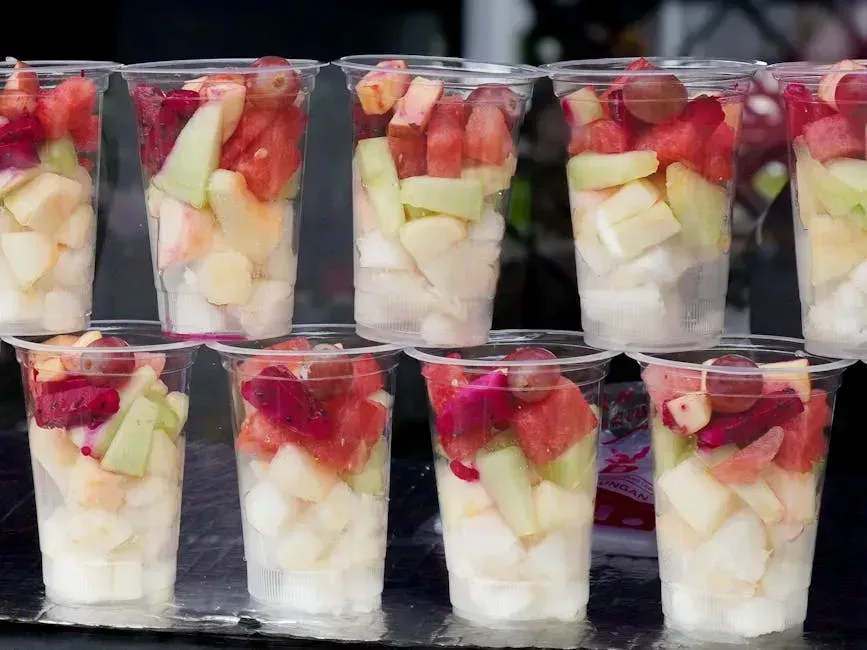
Pre-washed, pre-cut vegetables and fruits come with an average 40% markup, according to Finale Inventory. That bag of diced onions or sliced melon in the refrigerated section is one of the most reliably overpriced items in any grocery store, and the math is almost never in the shopper’s favor. Produce has one of the highest markups because it is the most perishable, and when you buy chopped or cubed fruits and vegetables, you are also paying for the time the staff took to cut it up – a seeded watermelon typically costs 31 to 38 cents per pound, but one pound of fresh-cut watermelon chunks can set you back $6.16 at Wegmans.
Pre-cut fruits and vegetables are marked up an average of 40%, while prepared meat that has already been chopped or marinated carries a 60% average markup. Beyond the price, there’s the freshness issue. Pre-cut fruit seems like a time-saver, but it is an expensive convenience – you pay a premium for someone else to do the chopping, yet you often get less for more, and the freshness is usually lower. Whole produce, cut at home during a bit of weekend meal prep, almost always delivers more value for significantly less money.
2. Bottled Water

Bottled water is by far the most overpriced item in a grocery store. According to a report from Harvard University, it is about 3,000% more expensive per gallon than tap water, and the study also debunks the myth that bottled water is better for you, noting that “bottled water generally is no cleaner, or safer, or healthier than tap water.” It is, in many ways, one of the most successful marketing stories in consumer history. Bottled water costs manufacturers only a few cents to make but is often sold for one to two dollars, factoring in a markup of 4,000% or higher.
Even if your tap water tastes less than stellar, there is much to consider when it comes to bottled water, including leaching microplastics into your water and subsequently your body, the environmental impacts on the planet, and the reputed 4,000% markup. Grocery store markup rates can vary, with the average markup being around 15%, but some items have significantly higher markups – bottled water among them. A reusable bottle and a home water filter will pay for themselves within weeks of dropping the bottled water habit.
3. Ground Beef
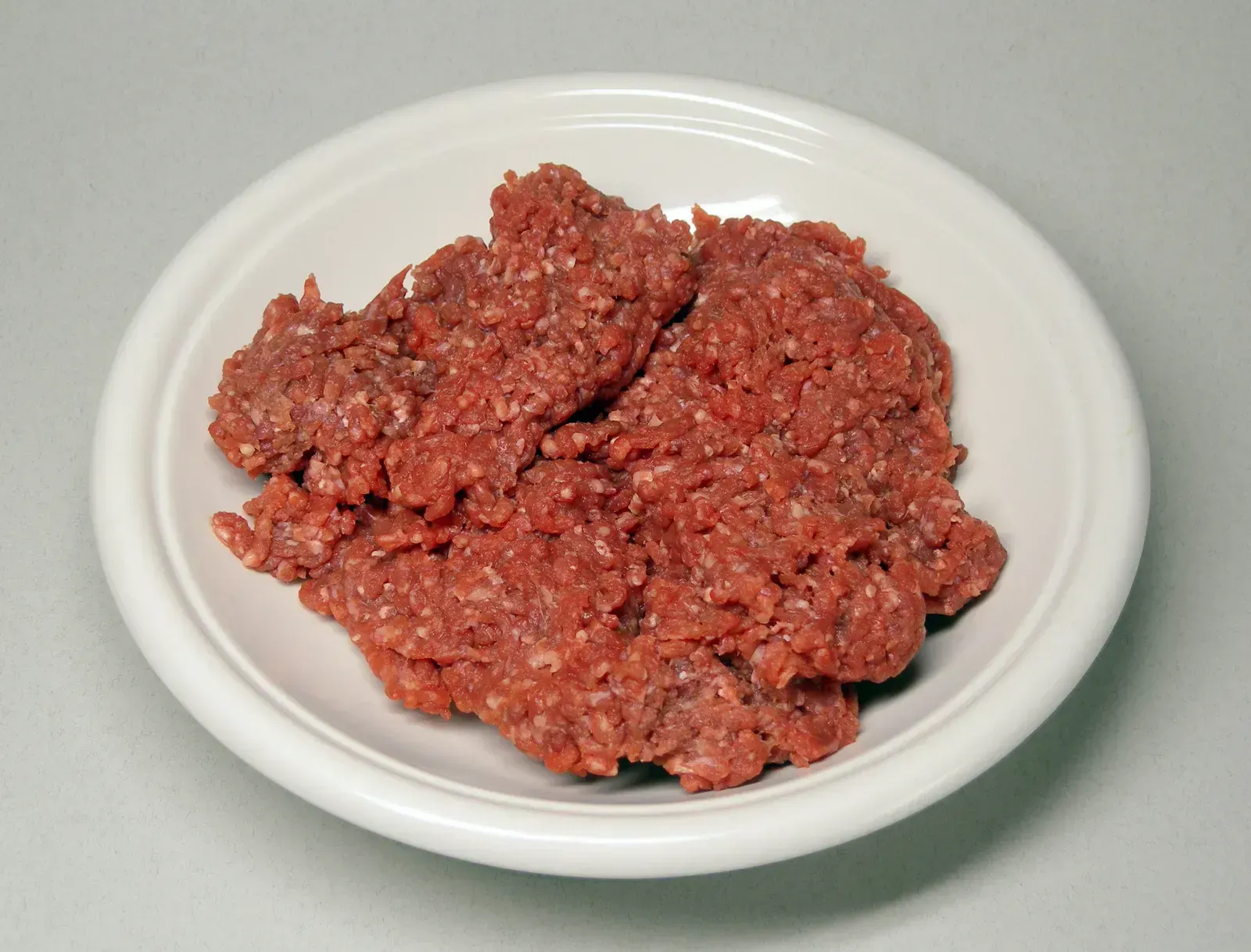
Out of nine grocery staples defined by the Bureau of Labor Statistics, the cost of a pound of ground beef rose the most between 2025 and 2026, from $5.55 to $6.75 – a 21.8% increase. That’s a striking jump in just twelve months, and it continues a longer trend that has made ground beef one of the most inflated staples in the American grocery cart. Among all food-at-home items, beef products have consistently led price growth since the start of the 2020 pandemic. Between March 2020 and December 2025, prices for beef roasts rose by 73.8%, while beef steaks and ground beef climbed 57.0% and 52.5%, respectively. The surge is largely due to a historically low U.S. cattle inventory driven by prolonged drought, high feed costs, and herd liquidation.
Several cuts of beef were 20% more expensive in September 2025 than they were a year prior. Chuck roast was 21.5% pricier, sirloin steak was 19.9% more, and beef for stew was up 20.3% on average, according to the Bureau of Labor Statistics. Since early 2024, experts have been warning that low inventory and drought would make already rising beef prices even higher, and the Trump administration’s tariffs on Brazil, a major beef exporter, have also been a factor. Shoppers looking to stretch their protein budgets are increasingly eyeing pork, dried beans, and other alternatives.
4. Grocery Store Coffee
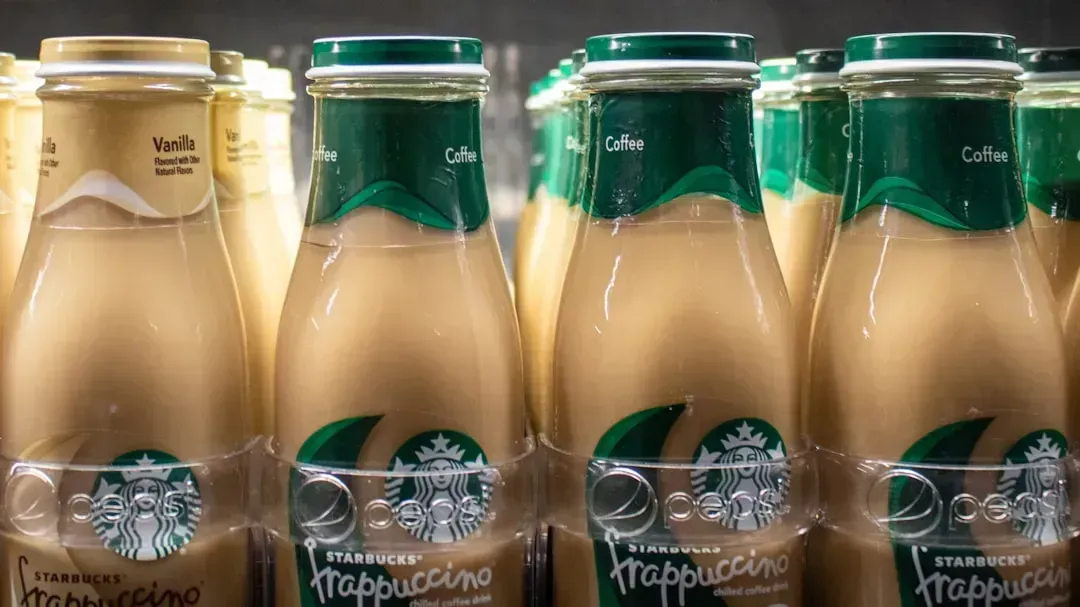
The average price of ground roast coffee hit $9.46 per pound in February 2026, a new all-time high according to Bloomberg citing Bureau of Labor Statistics data – a 31% jump from a year earlier, making coffee one of the biggest drivers of food inflation right now. The surge is not a blip. CNBC reported the current run-up is the steepest and most sustained since the BLS began tracking coffee prices in 1980. The story behind the price is rooted in supply-side chaos that shoppers can do very little to control. A severe drought during Brazil’s last summer season devastated the harvest; Brazil is the world’s top coffee producer, supplying about 40% of the global volume, and the U.S., the world’s largest coffee importer, sources the bulk of its supply from Brazil.
Packaged whole bean, ground, and instant coffee cost consumers nearly 21% more in August 2025 compared to a year earlier. The coffee price inflation in cafes and grocery stores follows more than a year of historically high commodity coffee prices that have caused many roasting companies to pass increased costs down to consumers, compounded by Trump’s tariffs on goods from most of the world’s coffee-producing countries, including a 50% tariff on imports from Brazil. The USDA’s Economic Research Service predicts nonalcoholic beverage prices will climb another 5.2% in 2026, with coffee as a primary driver. Switching to store-brand coffee or buying in larger quantities remains one of the few practical ways shoppers can soften the blow.
5. Organic Produce and Organic Packaged Foods
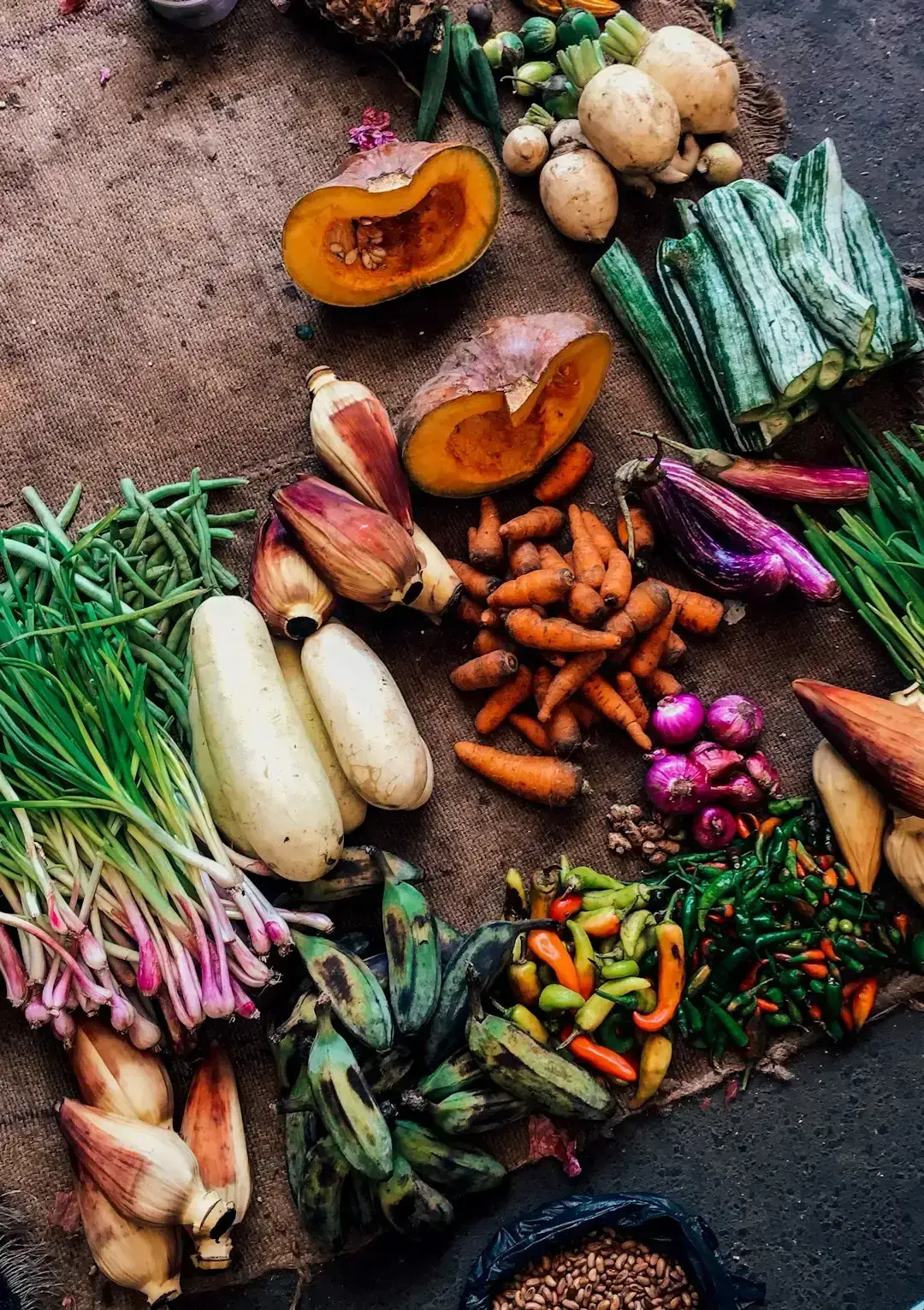
Organic foods are a multi-billion dollar industry garnering a nearly 20% markup across the board. Researchers at the USDA’s Economic Research Service report that organic retail sales were estimated to be more than $52 billion, and while business is booming in the organics sector, many consumers still struggle to understand what the differences are between foods labeled natural versus organic and whether those differences are worth the hit to their pocketbooks. The organic label carries real cachet, and grocery stores know it. The average price of organic produce is estimated at 50% more than regular supermarket fruits and vegetables, with the markup jumping to as much as 100% for items like organic milk and meats, according to Consumer Reports – and organic foods generally have higher production costs, which get passed on to the consumer.
Organic produce is often seen as the healthier option, but it is not always worth the extra money. The nutritional difference between organic and conventional produce is often negligible, and if you are looking to save money, buying conventional fruits and vegetables can give you the same health benefits without the added cost. According to the USDA, the costs for food at home were 2.8% higher in April 2025 than in the same month of 2024, with grocery prices expected to continue to rise. For shoppers already stretched by rising grocery bills, the organic premium is one of the easiest places to find meaningful savings without sacrificing nutrition.
6. In-Store Bakery Items
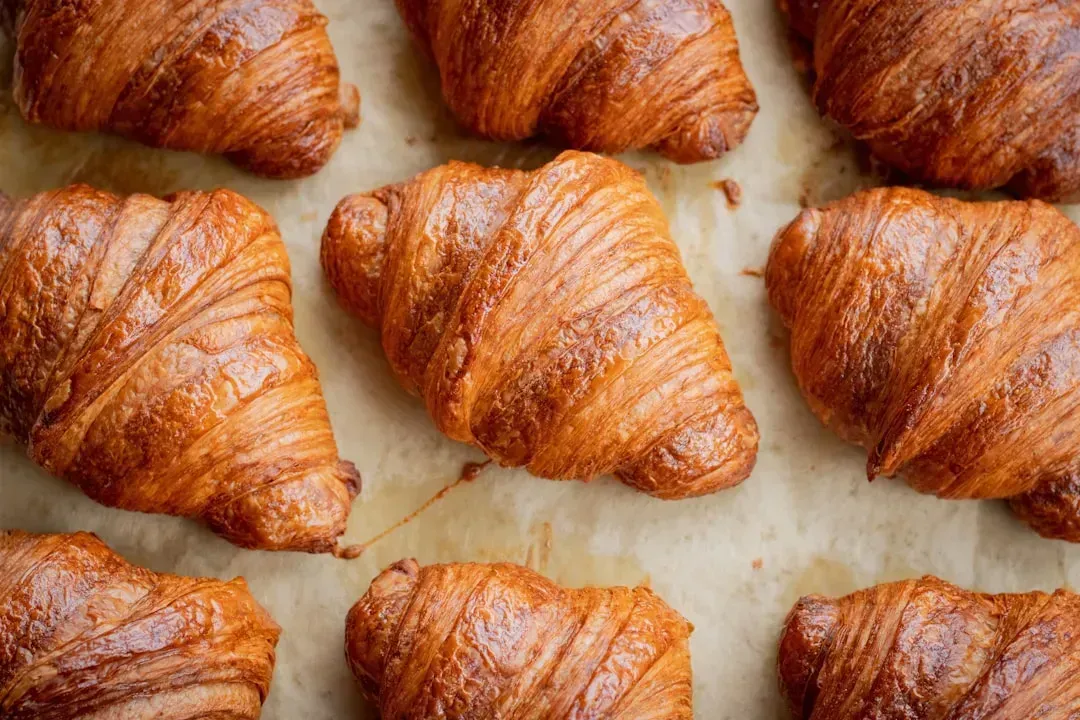
With a gross profit margin of nearly 60%, according to The Retail Owners Institute, fresh-baked in-store goods like specialty breads, cupcakes, cookies, sheet cakes, and muffins may have one of the biggest markups in the entire grocery store. The strategy is almost entirely sensory – the smell of fresh bread baking is designed to pull you in, and it works remarkably well. Baked goods in grocery retail bakeries, like fresh bread or cakes, are marked up to an average of 300%. That is not a typo. The markup on a croissant or a birthday cake from the in-store bakery can be three times the actual cost of the ingredients and labor involved.
The intoxicating aroma from hot-out-of-the-oven goodies is hard to ignore, but freshly made cookies, cakes, and muffins cost about three times more at the store than they do when you make them at home, according to Alexa von Tobel, founder of financial planning company LearnVest. Consumers are changing how they shop as grocery prices continue to climb. Food-at-home prices rose 2.7% in 2025 compared to the prior year, and amid that pressure, new data from Algolia’s consumer survey shows 73% of U.S. shoppers are stressed about grocery bills this year. Swapping in-store bakery splurges for homemade alternatives – or simply choosing packaged bread over artisan loaves – is one of the simplest ways to cut a grocery bill down to size without giving up much at all.