3 Things Experts Say You Should Never Keep at Home (Though Many Still Do)
Most of us believe our homes are our safest spaces. Yet some of the most dangerous items people routinely keep indoors are not weapons or obvious hazards – they’re everyday objects hiding in bathroom cabinets, garages, and kitchen drawers. Experts across medicine, fire safety, and environmental health have been raising the alarm about three specific categories of household items, and their warnings are increasingly backed by hard data. Millions of people are still ignoring the advice.
1. Expired and Unused Medications

Prescription and over-the-counter medications can be found in virtually every household in the United States. Frequently, a portion of the medication goes unused for various reasons, and the presence of accumulated medications in the home creates numerous risks. The scale of this problem is staggering. According to a 2022 University of Michigan report, almost every American has prescription or over-the-counter medications in their home. Still, the vast majority are not stored or disposed of properly.
Nearly half of households store at least one medication on a countertop, and only about one in four households stores all their medications appropriately, while more than three quarters are storing at least one medication inappropriately. The health consequences are real and serious. The FDA warns against taking any expired medicine because it may not work as intended or may even be harmful. Some expired medications are at risk of bacterial growth, which can cause infection, while others such as expired antibiotics can fail to treat an infection, potentially allowing it to spread and leading to antibiotic resistance. Medications discarded in household trash, particularly narcotics and sleeping pills, can be misused if accessed, and improperly stored or disposed medicines increase the risk of accidental poisonings, particularly among children.
2. Improperly Stored Gasoline Inside the Home or Garage
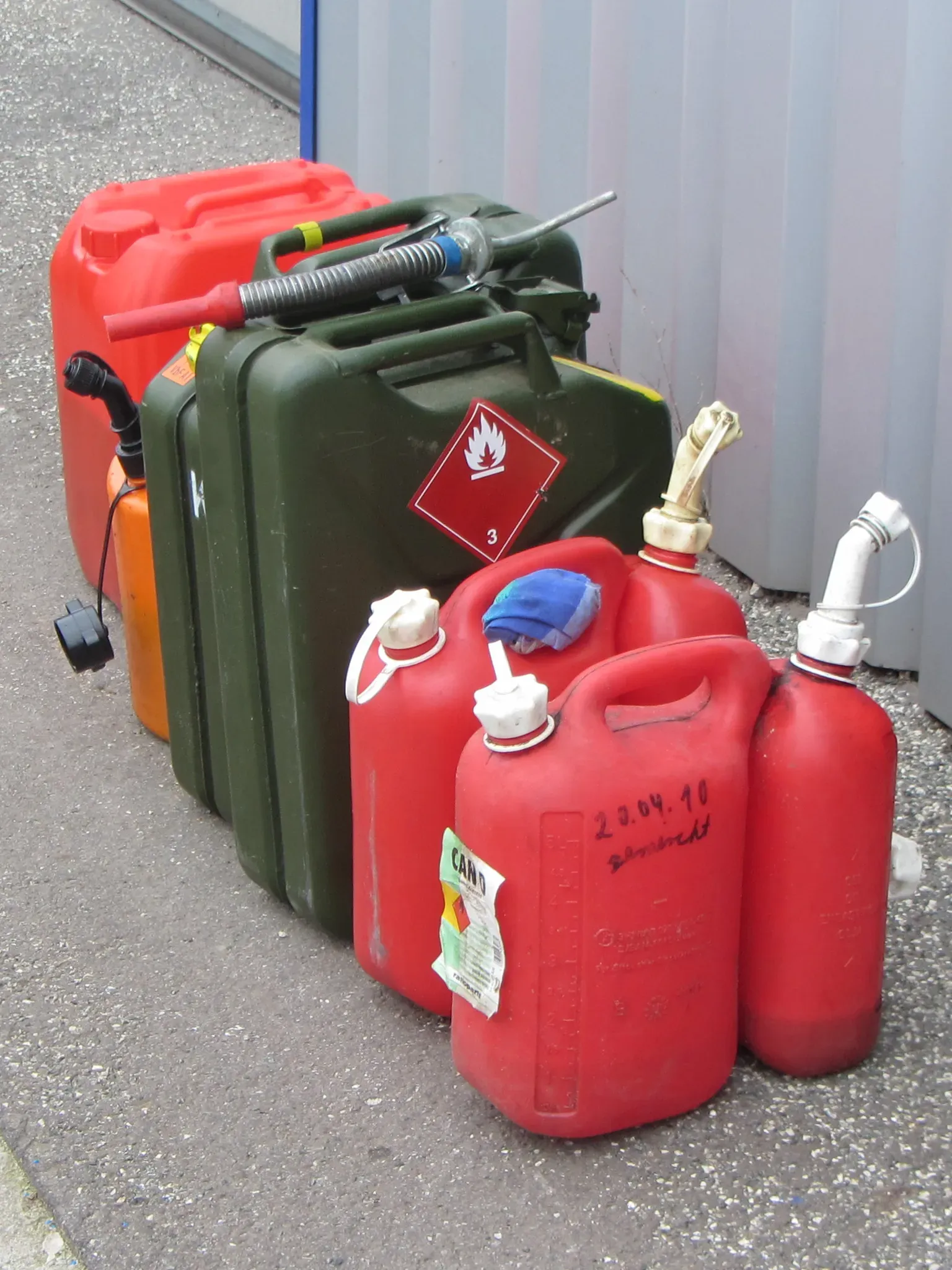
Storage of flammables such as gasoline inside a home is inviting a disaster. Flammables have invisible vapors that can be released if the container is left open or spills. Those vapors can move around until they find a source of ignition, and individuals should properly store these chemicals in a tight container preferably outside of the home. Many people keep a spare gas can in the garage for lawnmowers or emergencies – a habit that is far more dangerous than most realize. A gallon of gasoline can have the explosive power of several sticks of dynamite.
Vaporization of less than one-half pint of gasoline is enough to fill an entire home garage with explosive vapors, according to an official of the National Fire Protection Association, and only a small amount of stored gasoline – even a few ounces – is enough to start a fire or explosion. The ignition sources are everywhere and often unexpected. Gas vapors can be ignited by a wide variety of unexpected sources, such as household appliances, static electricity from clothing, pilot lights in stoves and furnaces, and cigarettes. Gasoline, with a flashpoint of -40°F, gives off enough vapor to form a burnable mixture in air even at extreme low temperatures, and because gasoline vapor is heavier than air, it accumulates in low-lying areas, especially in confined spaces.
3. Damaged or Improperly Charged Lithium-Ion Batteries
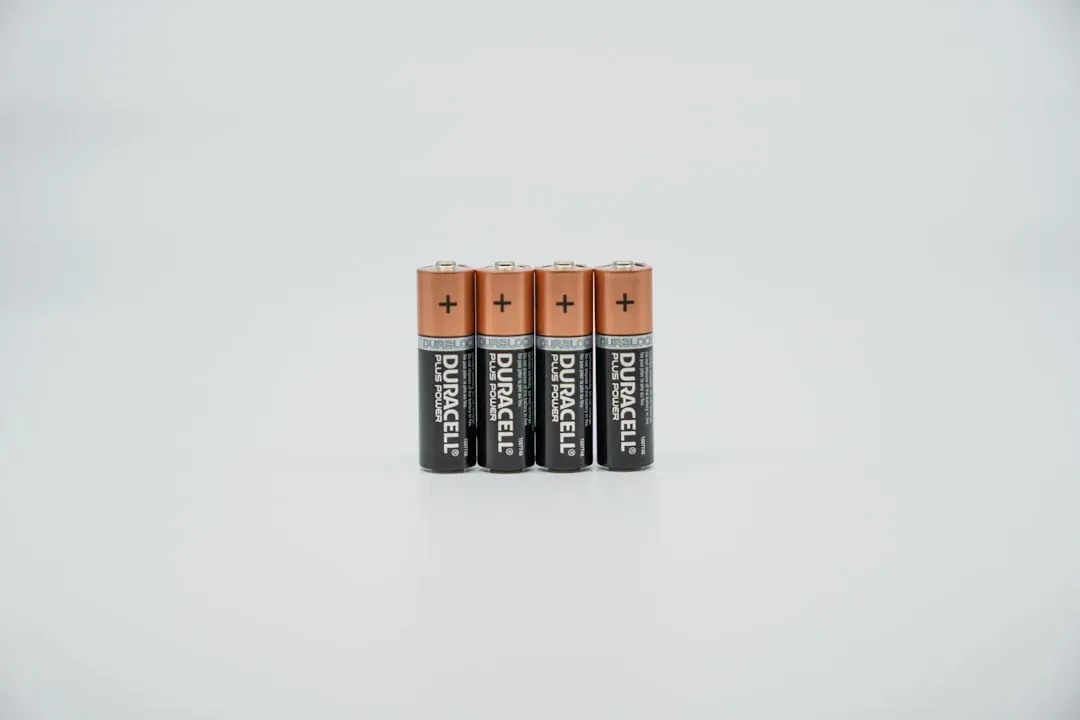
Despite their many advantages, lithium-ion batteries have the potential to overheat, catch fire, and cause explosions. Fires involving lithium-ion battery-powered devices have been increasing at an alarming rate and have resulted in numerous injuries and fatalities, and when people store and charge their devices inside their homes, garages, or businesses, there is the potential for battery fires that lead to structure fires. The numbers from official agencies confirm this trend is serious. There were at least 25,000 incidents of fire or overheating in lithium-ion batteries over a recent five-year period, according to the U.S. Consumer Product Safety Commission.
Lithium batteries can overheat, short circuit, or catch fire due to a chain reaction that causes heat buildup from overcharging or overheating, and these hazards increase when batteries wear out or when multiple devices are stored together. Fires from lithium batteries can release toxic fumes and spread incredibly fast, and fire extinguishers are often not effective in these electrical fires. The awareness gap among the public remains alarming. Despite their growing presence, roughly half of Americans admit to not knowing anything about lithium-ion batteries, and about three in five travelers remain unaware of how prevalent these batteries are in everyday devices and the dangers posed by damaged, counterfeit, or improperly charged devices. According to UL Solutions, data from the Fire Department of the City of New York shows deaths related to lithium-ion battery fires fell from 18 in 2023 to six in 2024 – a sign that public education and safer practices can make a genuine difference.